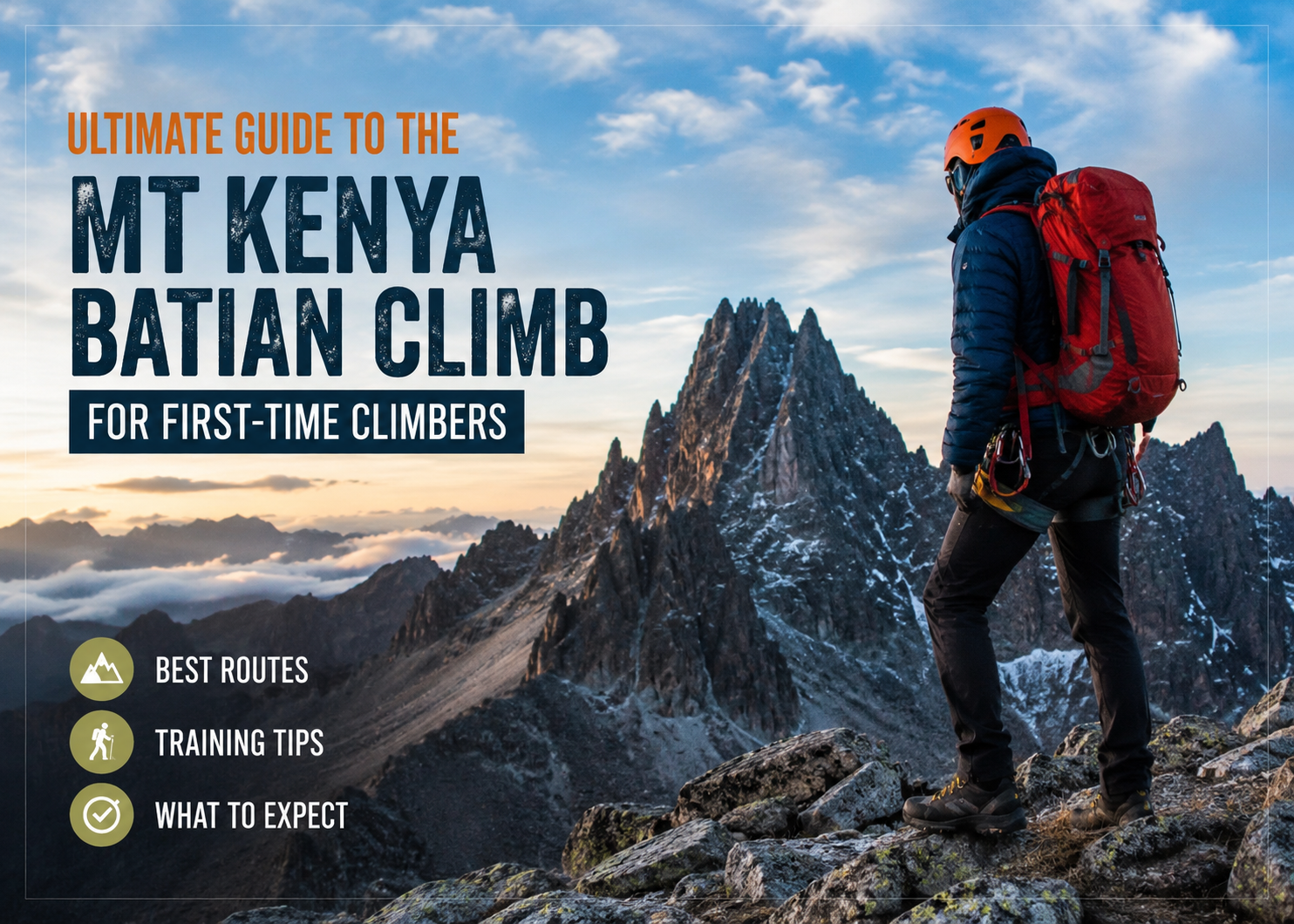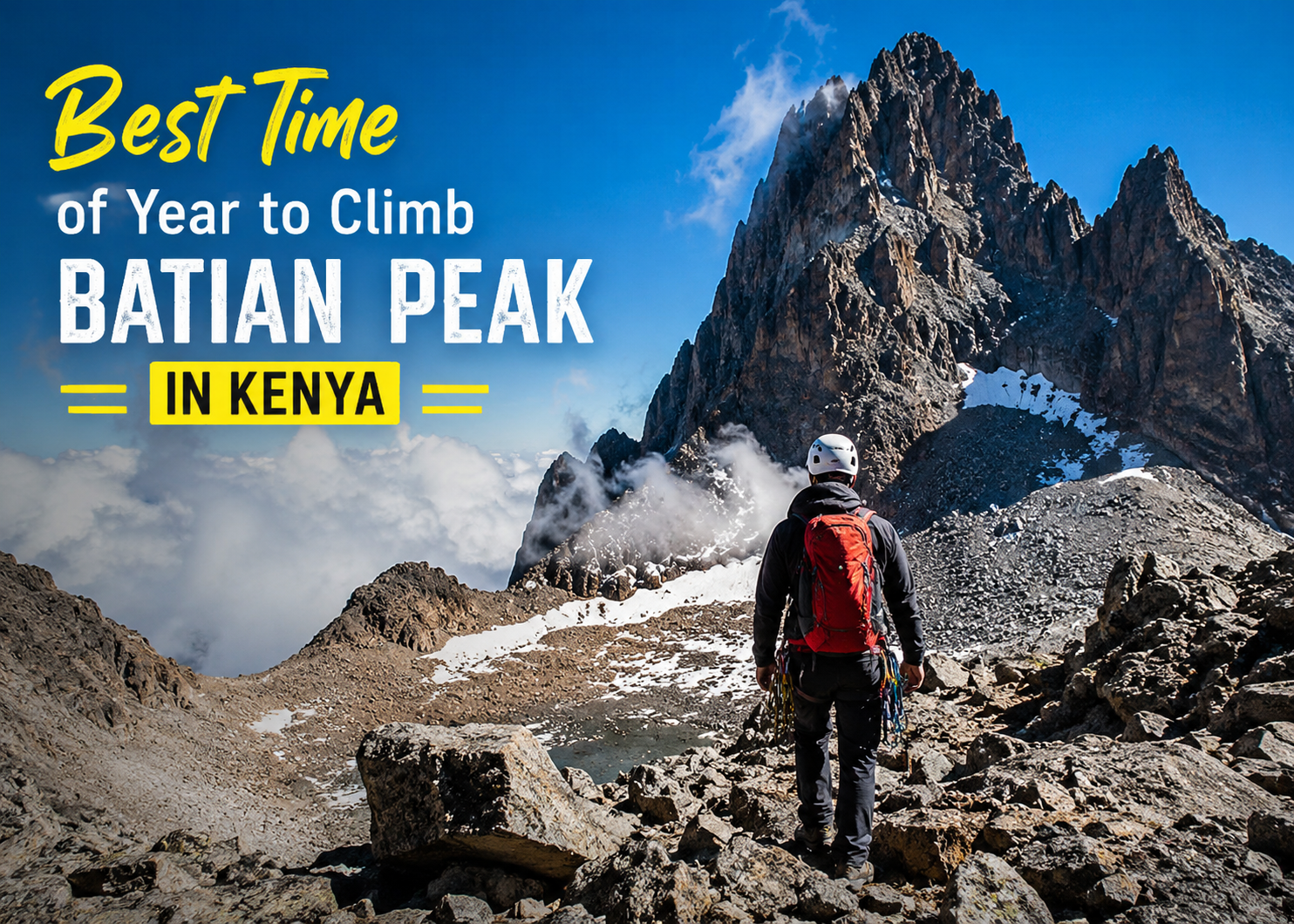
Climb Batian Peak in Kenya

Batian Peak stands as the highest summit of Mount Kenya, reaching an impressive elevation of 5,199 meters above sea level. For experienced climbers seeking a technical alpine challenge in Africa, Batian represents one of the continent’s most rewarding ascents. Unlike trekking peaks that can be reached through hiking routes, Batian requires rock climbing skills, proper equipment, and favorable weather conditions to ensure a safe and successful climb.

Choosing the right season can significantly influence your experience. Weather, visibility, rock conditions, and overall safety are directly connected to the time of year you decide to climb. Whether you are a seasoned mountaineer or an ambitious climber planning your next expedition, knowing the ideal season to Climb Batian Peak in Kenya can make all the difference.

At Ice Rock Trekking, we have helped climbers from across the globe experience the remarkable beauty and challenge of Mount Kenya. Based on years of experience on the mountain, we understand how seasonal changes affect climbing conditions and success rates.

Why Timing Matters for Batian Peak

Batian is not a standard trekking summit. The climb involves technical rock sections, exposure, route-finding, and changing alpine weather. Rainfall can make rock surfaces slippery, while heavy cloud cover can reduce visibility and increase navigation challenges.

The right season provides:

  • Stable weather conditions
  • Better visibility
  • Drier rock faces
  • Reduced risk of storms
  • More comfortable climbing temperatures
  • Improved summit success rates

Since Batian Peak requires technical climbing, even minor weather changes can impact safety and performance.

Understanding Mount Kenya’s Climate

Mount Kenya lies almost directly on the equator, yet its high altitude creates a unique alpine environment. Climbers often experience multiple weather conditions within a single day.

The mountain generally experiences two dry seasons and two rainy seasons.

Dry Seasons

  • January to March
  • July to October

Rainy Seasons

  • April to June
  • November to December

The dry periods are generally considered the most favorable times for technical climbing on Batian.

January to March: Prime Climbing Season

Many experienced mountaineers consider January through March the best time to Climb Batian Peak in Kenya.

During these months, the mountain typically experiences:

  • Clear skies
  • Lower rainfall
  • Dry rock conditions
  • Excellent visibility
  • Stable temperatures

These conditions create an ideal environment for technical climbing. The famous Nelion-Batian traverse and the Normal Route become significantly safer when the rock remains dry.

Advantages of Climbing During January to March

Excellent Rock Quality

Batian’s climbing routes rely heavily on friction and solid foot placement. Dry rock enhances grip and increases climber confidence throughout the ascent.

Better Photography Opportunities

Clear mornings often reveal spectacular views of glaciers, valleys, and surrounding landscapes. Wildlife sightings are also more common during these months.

Increased Summit Success Rates

Stable weather allows climbing teams to move efficiently and safely, leading to a higher probability of reaching the summit.

Reduced Weather Delays

Storm interruptions are less frequent, helping climbers stay on schedule.

July to October: Another Excellent Window

The second major climbing season occurs from July through October. This period also attracts many climbers seeking favorable conditions on Mount Kenya.

Weather during these months is generally dry, though mornings can be colder compared to the January-March season.

Benefits of Climbing Between July and October

Stable Conditions

Climbers often enjoy long stretches of predictable weather, making route planning easier.

Clear Summit Views

The mountain frequently offers panoramic views extending across central Kenya.

Comfortable Climbing Days

Cool temperatures reduce fatigue during long climbing sessions.

Strong Alpine Conditions

Many climbers appreciate the crisp mountain atmosphere and excellent visibility associated with this season.

Comparing the Two Dry Seasons

Both climbing windows offer favorable conditions, but each has distinct characteristics.

January to March

  • Slightly warmer temperatures
  • Drier rock surfaces
  • Less chance of frost
  • Excellent climbing conditions

July to October

  • Cooler temperatures
  • Crisp mornings
  • Stable weather patterns
  • Exceptional visibility

Many professional climbing teams slightly favor January to March because warmer temperatures help maintain dry rock conditions throughout the day.

Why the Rainy Seasons Are Less Suitable

While Mount Kenya remains accessible throughout the year, technical ascents of Batian become more challenging during rainy months.

April to June

This period typically receives the heaviest rainfall.

Challenges include:

  • Wet rock faces
  • Reduced visibility
  • Increased risk of slips
  • Frequent afternoon storms
  • Longer climbing times

November to December

Short rains can create unpredictable conditions.

Potential issues include:

  • Sudden showers
  • Cloud-covered routes
  • Wet climbing sections
  • More difficult route finding

For technical climbers, these conditions often reduce both comfort and safety.

Temperature Conditions on Batian Peak

One of the most common misconceptions is that Kenya’s equatorial location guarantees warm temperatures.

At over 5,000 meters, Batian Peak experiences alpine conditions year-round.

Typical summit temperatures range from:

  • Daytime: -2°C to 10°C
  • Nighttime: -10°C to 0°C

Wind chill can make temperatures feel significantly colder.

Proper layering remains essential regardless of the season.

Technical Challenges of Batian Peak

Before attempting to Climb Batian Peak in Kenya, climbers should understand the technical nature of the mountain.

Key challenges include:

  • Multi-pitch climbing
  • High-altitude exposure
  • Route finding
  • Long summit days
  • Rapid weather changes

Batian is often compared to classic alpine rock climbs rather than trekking peaks.

A successful ascent requires both physical fitness and technical competence.

The Importance of Acclimatization

Regardless of when you climb, altitude acclimatization plays a major role in summit success.

Rapid ascents can increase the likelihood of altitude-related issues.

Many climbers spend several days on Mount Kenya before attempting Batian.

Popular acclimatization strategies include:

  • Gradual elevation gain
  • Rest days
  • Hydration
  • Short training climbs
  • Proper nutrition

At Ice Rock Trekking, acclimatization schedules are carefully designed to maximize comfort and performance.

Wildlife and Scenic Highlights

One of the unique aspects of Mount Kenya is its incredible biodiversity.

During your approach to Batian, you may encounter:

  • Giant lobelias
  • Giant groundsels
  • Rock hyraxes
  • Mountain antelope
  • Diverse bird species

The mountain’s ecosystems change dramatically with altitude, creating a visually fascinating journey from forest to alpine terrain.

Dry-season climbs often provide the best opportunities for photography and wildlife observation.

Equipment Needed for Batian Peak

Proper gear selection is critical.

Essential equipment typically includes:

Climbing Gear

  • Helmet
  • Harness
  • Climbing shoes
  • Carabiners
  • Belay device
  • Slings

Clothing

  • Waterproof jacket
  • Insulated layer
  • Base layers
  • Climbing pants
  • Gloves
  • Warm hat

Additional Essentials

  • Headlamp
  • Sunglasses
  • Water bottles
  • Energy snacks
  • Personal first-aid supplies

Climbers should always ensure equipment is suitable for alpine conditions.

Physical Preparation

The best season alone does not guarantee success.

Batian demands excellent physical conditioning.

Recommended preparation includes:

Endurance Training

Long hikes, running, cycling, and stair climbing help build cardiovascular fitness.

Strength Training

Focus on:

  • Core stability
  • Leg strength
  • Upper body endurance

Technical Practice

Regular rock climbing improves efficiency and confidence on exposed terrain.

Mental Preparation

Patience, focus, and adaptability are valuable assets during alpine climbs.

Choosing an Experienced Climbing Partner

A knowledgeable mountain team can significantly improve safety and success rates.

Professional support helps with:

  • Route planning
  • Logistics
  • Equipment recommendations
  • Safety management
  • Acclimatization strategies

Ice Rock Trekking specializes in Mount Kenya expeditions and provides experienced local support for climbers seeking to reach Batian Peak.

Our team understands the mountain’s seasonal patterns, route conditions, and technical requirements.

Photography Opportunities During the Best Season

Climbers often underestimate the visual rewards awaiting them on Batian.

Highlights include:

  • Sunrise above the clouds
  • Glacial formations
  • Jagged volcanic rock formations
  • Panoramic summit views
  • Dramatic alpine landscapes

The dry seasons offer the clearest conditions for capturing these unforgettable moments.

Planning Your Expedition

A successful Batian expedition starts months before arriving in Kenya.

Important planning considerations include:

  • Selecting the right season
  • Building physical fitness
  • Arranging travel logistics
  • Securing climbing equipment
  • Allowing sufficient acclimatization time

Many climbers combine their Mount Kenya experience with wildlife safaris or visits to other destinations across Kenya.

Final Thoughts

For climbers seeking the highest summit of Mount Kenya, timing is one of the most important factors influencing success. The most favorable periods to Climb Batian Peak in Kenya are January to March and July to October, when dry conditions provide safer rock surfaces, clearer visibility, and more predictable weather.

Among these options, January through March is often regarded as the premier climbing window due to warmer temperatures and consistently dry conditions. However, July through October also delivers outstanding opportunities for experienced mountaineers.

With proper preparation, technical skills, and the support of an experienced team such as Ice Rock Trekking, Batian Peak offers an unforgettable alpine adventure that combines challenging climbing, breathtaking scenery, and the satisfaction of standing atop Kenya’s highest point.
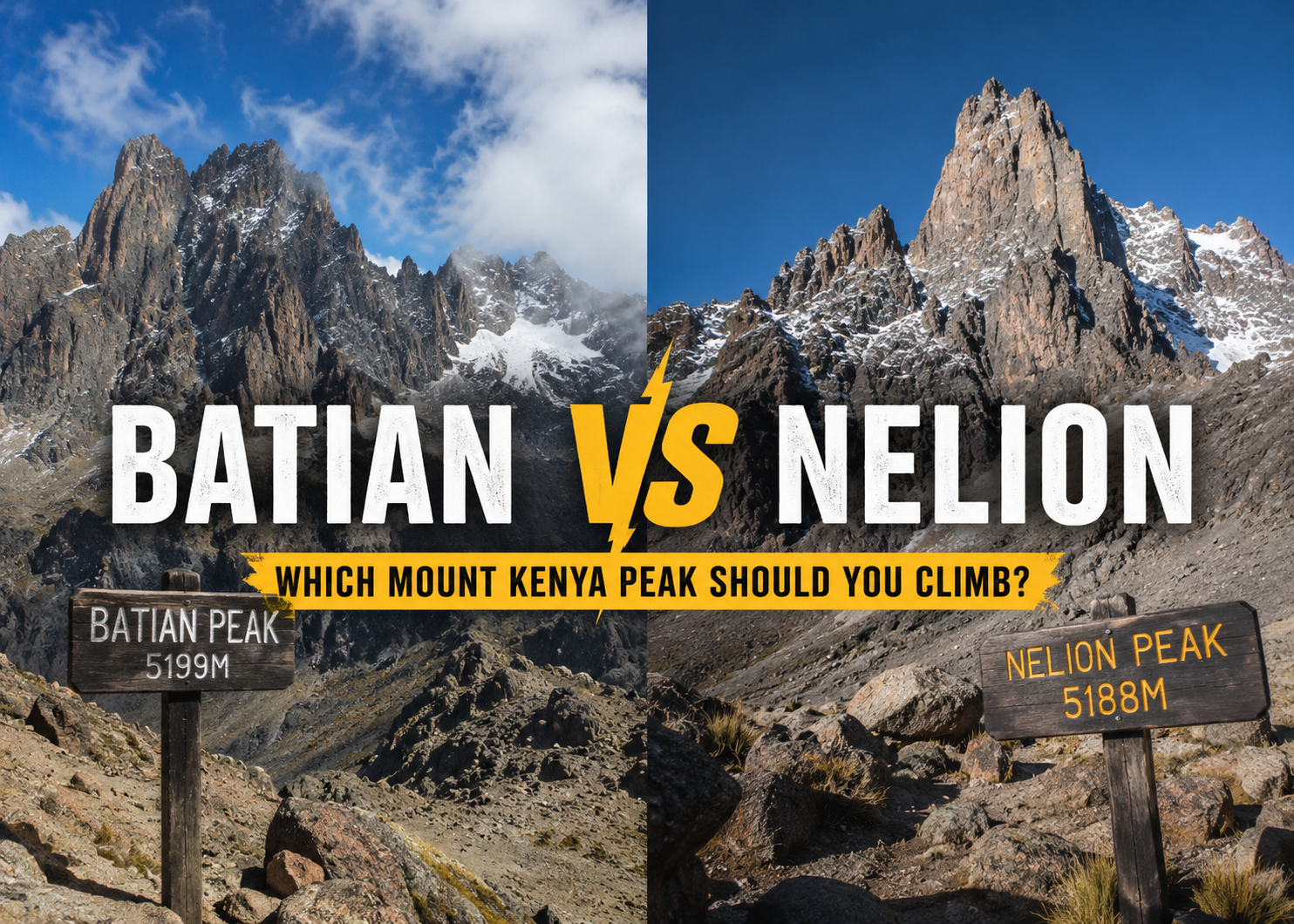
Batian vs Nelion Climb Mount Kenya

Mount Kenya stands as one of Africa’s most respected alpine climbing destinations, attracting trekkers and technical climbers from across the globe. While many visitors hike to Point Lenana, serious mountaineers often set their sights on the mountain’s twin technical summits — Batian and Nelion. Both peaks offer thrilling ascents, rugged granite walls, dramatic scenery, and unforgettable high-altitude experiences.

Choosing between these two iconic summits is not always easy. Each peak has distinct challenges, climbing styles, weather considerations, and route characteristics. For climbers planning a serious expedition, the debate around “Batian vs Nelion Climb Mount Kenya” becomes an essential part of preparation.

At Ice Rock Trekking, we have guided climbers on Mount Kenya for years and understand the practical differences between these legendary peaks. Whether you are an experienced alpine climber or an ambitious mountaineer preparing for your first African technical summit, knowing what separates Batian from Nelion can help you make the right decision.

Introduction to Mount Kenya’s Twin Peaks

Mount Kenya, located in central Kenya, is Africa’s second-highest mountain after Kilimanjaro. The mountain features several peaks, but Batian and Nelion dominate the skyline with their dramatic rock towers and steep granite faces.

  • Batian – 5,199 meters (17,057 feet)
  • Nelion – 5,188 meters (17,021 feet)

The height difference between them is minimal, yet the climbing experience differs significantly. Both summits demand technical climbing ability, proper acclimatization, and strong physical fitness.

Batian is the highest point of Mount Kenya, making it the ultimate prize for many mountaineers. Nelion, meanwhile, offers a slightly more accessible but equally rewarding technical climb.

The Main Difference Between Batian and Nelion

The most important distinction lies in the climbing routes and technical requirements.

Batian

Batian is considered more difficult due to its exposed traverses, route-finding complexity, and challenging rock sections. Reaching Batian often involves crossing the famous Gate of the Mists from Nelion, adding another layer of technical difficulty.

Nelion

Nelion is climbed mainly via the Normal Route, which is more direct and slightly less demanding. It remains a serious alpine climb, but many climbers view it as a more achievable technical summit on Mount Kenya.

For climbers researching “Batian vs Nelion Climb Mount Kenya,” the key factor is often technical confidence and previous climbing experience.

Climbing Difficulty Comparison

Batian Difficulty

Batian is widely regarded as the harder summit. The ascent involves:

  • Multi-pitch rock climbing
  • Exposed ridges
  • Technical traverses
  • Advanced route finding
  • Greater weather exposure

The climb requires confidence on Grade IV to V alpine rock terrain. Climbers should be comfortable with rope systems, belaying, scrambling, and climbing in rapidly changing weather conditions.

The crossing from Nelion to Batian through the Gate of the Mists can become especially difficult during poor weather.

Nelion Difficulty

Nelion is technical but more straightforward. The Normal Route follows the South-East Face and offers:

  • More consistent route lines
  • Better-known anchor points
  • Reduced route-finding pressure
  • Stable climbing rhythm

Nelion is ideal for climbers transitioning from trekking peaks into technical alpine climbing.

Although easier than Batian, Nelion still requires:

  • Rope handling skills
  • Multi-pitch climbing experience
  • Strong endurance
  • Acclimatization

Neither peak should be underestimated.

Which Peak Is Better for First-Time Technical Climbers?

For climbers attempting their first technical summit in Africa, Nelion is usually the preferred option.

Reasons include:

  • Simpler navigation
  • Lower psychological exposure
  • Easier retreat options
  • More established climbing route

Batian is generally recommended for climbers with stronger alpine backgrounds and previous technical ascents.

At Ice Rock Trekking, we often advise first-time Mount Kenya climbers to start with Nelion before attempting Batian on a future expedition.

Route Comparison

Nelion Normal Route

The Normal Route on Nelion follows the South-East Face and features approximately 18 to 20 pitches of climbing.

Key highlights:

  • Solid granite rock
  • Classic alpine climbing
  • Spectacular sunrise views
  • Consistent climbing movement

The route begins from Austrian Hut and usually takes 6 to 8 hours to reach the summit depending on pace and weather.

Batian Standard Approach

Batian is commonly climbed by:

  1. Ascending Nelion first
  2. Crossing the Gate of the Mists
  3. Climbing additional technical sections to Batian

The return journey often requires reversing the same route.

This makes Batian physically longer and mentally more demanding.

Weather Conditions and Their Impact

Weather plays a massive role on Mount Kenya.

Conditions can change rapidly:

  • Morning sunshine can turn into afternoon storms
  • Rock surfaces become slippery during rain
  • Fog reduces visibility
  • Cold winds increase fatigue

Best Seasons for Climbing

The most reliable climbing conditions are:

  • January to March
  • July to October

These months typically offer drier rock and clearer skies.

Batian is more weather-sensitive because the traverses and exposed sections become dangerous in wet conditions.

Nelion remains challenging in bad weather, but climbers often find it slightly more manageable.

Technical Skills Required

Skills Needed for Batian

  • Advanced scrambling
  • Multi-pitch climbing
  • Rope management
  • Alpine route navigation
  • Abseiling
  • Exposure tolerance

Skills Needed for Nelion

  • Basic to intermediate rock climbing
  • Belaying
  • Climbing movement on granite
  • Endurance at altitude

Climbers without technical experience should hire certified mountain guides.

Ice Rock Trekking provides experienced local guides trained in Mount Kenya alpine ascents and rescue procedures.

Acclimatization Matters

Altitude affects every climber differently.

Even technically skilled mountaineers may struggle if poorly acclimatized.

Symptoms of altitude sickness include:

  • Headaches
  • Nausea
  • Fatigue
  • Dizziness
  • Poor sleep

To improve summit success:

  • Spend extra acclimatization days on the mountain
  • Hydrate properly
  • Climb slowly
  • Avoid rushing the ascent

Most successful technical climbers spend at least 4 to 5 days on Mount Kenya before attempting Batian or Nelion.

Batian vs Nelion Climb Mount Kenya: Safety Considerations

Safety should always outweigh summit ambitions.

Batian Safety Factors

  • More exposed climbing
  • Greater fall consequences
  • Complex navigation
  • Longer summit day

Nelion Safety Factors

  • Technical but more structured
  • Easier descent planning
  • Better known route sections

Hiring professional guides significantly improves safety and efficiency.

At Ice Rock Trekking, our guides monitor weather patterns, rope systems, acclimatization, and emergency procedures throughout the climb.

Physical Fitness Requirements

Both climbs require strong physical conditioning.

Recommended preparation includes:

  • Hiking with elevation gain
  • Rock climbing practice
  • Cardio endurance training
  • Leg strength workouts
  • Core stability exercises

Climbers should be capable of carrying a light alpine pack while moving efficiently at high altitude.

Fitness alone does not guarantee success, but poor conditioning can dramatically increase fatigue and risk.

Equipment Needed

Essential Climbing Gear

  • Climbing helmet
  • Harness
  • Mountaineering boots
  • Warm layered clothing
  • Waterproof jacket
  • Gloves
  • Headlamp
  • Technical climbing shoes
  • Carabiners and belay devices

Guides often provide ropes and technical hardware.

Weather protection is critical because temperatures can drop below freezing overnight.

Which Peak Has Better Views?

Both peaks provide breathtaking panoramas.

From the summits, climbers can see:

  • The Kenyan highlands
  • Glacier remnants
  • Jagged volcanic formations
  • Sunrise above the clouds

Batian Views

Batian offers slightly wider summit perspectives because it is the highest point.

Nelion Views

Nelion delivers equally dramatic scenery with fewer climbers and a classic alpine atmosphere.

Most climbers consider both experiences unforgettable.

Time Required for Each Climb

Nelion Expedition Timeline

  • 4 to 5 days total
  • Includes acclimatization
  • Summit push from Austrian Hut

Batian Expedition Timeline

  • 5 to 6 days recommended
  • Extra time for weather windows
  • Longer summit day

Rushing technical climbs on Mount Kenya is never advisable.

Cost Comparison

Batian ascents are usually more expensive due to:

  • Longer climbing duration
  • Additional guide support
  • Increased technical logistics
  • Higher complexity

Nelion climbs remain more budget-friendly while still offering a premium technical alpine experience.

Factors affecting overall cost:

  • Number of guides
  • Park fees
  • Equipment rental
  • Route duration
  • Accommodation choices

Ice Rock Trekking offers customized Mount Kenya climbing packages based on climber experience and expedition goals.

Success Rates

Nelion generally has a higher summit success rate because:

  • The route is more direct
  • Climbers experience less exposure
  • Weather impacts are slightly reduced

Batian has lower success rates due to:

  • Technical complexity
  • Weather sensitivity
  • Longer climbing duration

However, experienced climbers who prepare properly can successfully reach either summit.

Mental Challenge Comparison

Mountaineering is as much mental as physical.

Batian Mental Demands

  • Higher exposure
  • Longer technical sections
  • More sustained focus
  • Challenging traverses

Nelion Mental Demands

  • Technical climbing concentration
  • High-altitude fatigue
  • Multi-pitch endurance

Climbers who stay calm under pressure usually perform better on both peaks.

Photography Opportunities

Mount Kenya offers extraordinary photography conditions.

Highlights include:

  • Alpine sunrise light
  • Glacier remnants
  • Vertical granite towers
  • Cloud inversions
  • Wildlife along lower routes

Batian and Nelion both provide incredible alpine imagery rarely found elsewhere in Africa.

Environmental Responsibility

Mount Kenya is a protected UNESCO World Heritage Site.

Responsible climbing practices include:

  • Carrying out waste
  • Respecting wildlife
  • Staying on established trails
  • Supporting local guides and communities

Ice Rock Trekking strongly supports sustainable mountain tourism and eco-conscious expeditions.

Which Peak Should You Choose?

Choose Batian If:

  • You are an experienced alpine climber
  • You enjoy technical traverses
  • You want Mount Kenya’s highest summit
  • You have strong route-finding abilities
  • You are comfortable with exposure

Choose Nelion If:

  • You are newer to technical mountaineering
  • You want a classic alpine climb
  • You prefer a more direct route
  • You want a slightly safer option
  • You are building high-altitude climbing experience

For many climbers, Nelion becomes the perfect introduction to Mount Kenya technical climbing.

Batian, meanwhile, remains the ultimate challenge for advanced mountaineers seeking a serious African alpine ascent.

Why Climb with Ice Rock Trekking?

Choosing the right expedition partner can shape your entire Mount Kenya experience.

Ice Rock Trekking provides:

  • Professional local climbing guides
  • Customized itineraries
  • Safety-focused expeditions
  • Quality mountain logistics
  • Acclimatization planning
  • Technical climbing support

Our team understands every section of Mount Kenya’s climbing routes and works closely with climbers to maximize safety, comfort, and summit success.

Whether you choose Batian or Nelion, proper planning and experienced leadership make a major difference.

Final Thoughts

The debate around “Batian vs Nelion Climb Mount Kenya” ultimately depends on your climbing background, technical skills, confidence, and personal goals.

Batian offers the prestige of Mount Kenya’s highest summit along with greater technical difficulty and exposure. Nelion provides a rewarding alpine experience with slightly more accessible climbing conditions.

Both peaks deliver exceptional adventure, stunning scenery, and unforgettable mountaineering memories.

With proper acclimatization, strong preparation, and expert support from Ice Rock Trekking, climbers can safely experience one of Africa’s most iconic alpine challenges.

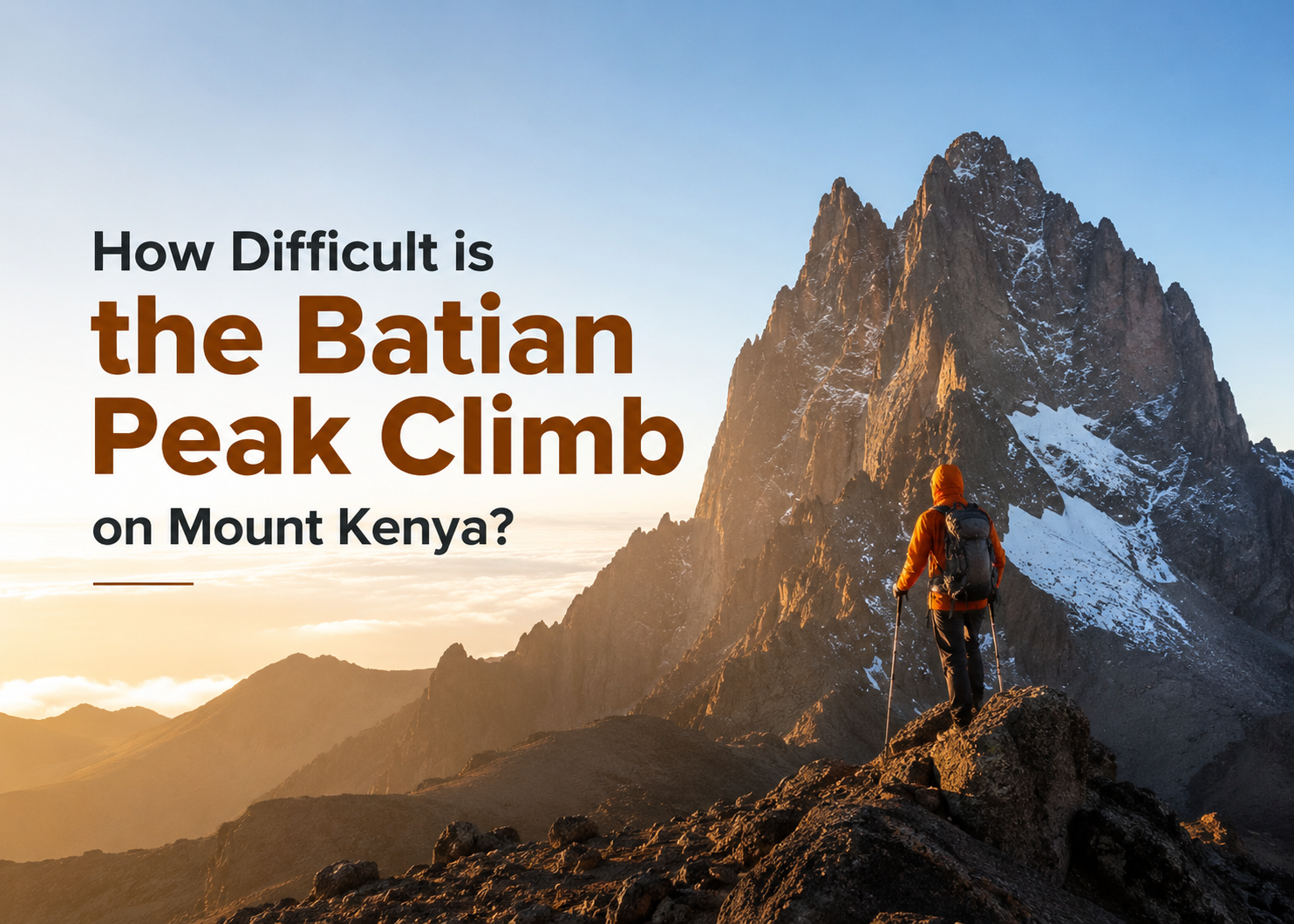
Batian Climb Mount Kenya

Mount Kenya stands as one of Africa’s most respected alpine climbing destinations. While thousands of trekkers visit Point Lenana every year, only a smaller number attempt the legendary Batian summit. Rising to 5,199 meters, Batian is the highest peak on Mount Kenya and demands far more than physical endurance. It requires technical climbing skills, mental strength, altitude adaptation, and proper planning.

For climbers searching for a serious alpine challenge in Africa, the Batian Climb Mount Kenya experience delivers steep rock faces, unpredictable weather, exposed routes, and breathtaking scenery. It is not a casual hiking trail. Batian rewards preparation, patience, and climbing competence.

Ice Rock Trekking has guided climbers through Mount Kenya’s rugged terrain for years, helping mountaineers understand what truly makes Batian one of Africa’s most respected technical climbs.

Why Batian Peak is Different from Point Lenana

Many travelers confuse Mount Kenya summits. Point Lenana is a trekking peak accessible without ropes or technical climbing. Batian, however, belongs in an entirely different category.

Batian involves:

  • Multi-pitch rock climbing
  • Technical rope work
  • Route-finding challenges
  • Exposure to steep granite walls
  • High-altitude alpine conditions
  • Long summit days

Climbers often underestimate the transition from trekking to technical alpine climbing. Reaching Batian is not simply “harder hiking.” It is a mountaineering objective requiring real climbing ability.

Nelion, the second-highest summit at 5,188 meters, is also technical and frequently climbed alongside Batian through a gate crossing between the peaks.

The Technical Difficulty of Batian Peak

The standard Batian route is the North Face Standard Route. Climbers generally rate it around UIAA IV+ to V or approximately 5.6 to 5.7 in the Yosemite Decimal System. While those numbers may not sound extreme to experienced rock climbers, altitude and exposure make the climb significantly harder.

The difficulty comes from several combined factors:

Sustained Climbing Sections

Batian is not a short technical pitch. Climbers face many hours of continuous movement on granite terrain. Fatigue builds gradually, especially above 4,500 meters.

High Altitude

Oxygen levels decrease dramatically near the summit. Even experienced climbers feel slower and weaker. Simple movements require more energy.

Cold Conditions

Mount Kenya’s alpine zone becomes extremely cold before sunrise and during weather changes. Fingers lose sensitivity quickly, making rope handling difficult.

Route-Finding

The mountain is not always straightforward. Climbers must identify the correct chimneys, cracks, and traverses. Mistakes can cost time and energy.

Exposure

Several sections involve steep drops and narrow ledges. Mental focus becomes just as important as technical skill.

For many climbers, Batian is harder psychologically than physically.

Is Batian Peak Suitable for Beginners?

The honest answer is no.

The Batian Climb Mount Kenya route is not recommended for first-time climbers with zero technical experience. A beginner trekker may successfully reach Point Lenana but struggle severely on Batian.

Before attempting Batian, climbers should ideally have:

  • Basic rock climbing experience
  • Knowledge of belaying and rappelling
  • Confidence using climbing harnesses and helmets
  • Experience with multi-pitch routes
  • Good cardiovascular endurance
  • Previous altitude exposure

However, climbers do not need to be elite athletes or professional mountaineers. Strong intermediate climbers with preparation can successfully summit.

Ice Rock Trekking often advises climbers to gain outdoor rock experience before booking a Batian expedition. Indoor gym climbing helps, but real outdoor exposure provides better preparation.

Weather Makes the Climb More Difficult

Mount Kenya weather changes rapidly. Clear mornings can become stormy afternoons within hours.

Rain transforms granite into slippery rock. Mist reduces visibility. Wind increases exposure and cold stress.

The best climbing seasons are generally:

  • January to March
  • July to October

Even during favorable seasons, conditions can shift unexpectedly.

Bad weather creates several risks:

  • Wet climbing surfaces
  • Delayed summit attempts
  • Hypothermia
  • Reduced visibility
  • Falling rock hazards

Many failed summit attempts happen because of weather rather than lack of strength.

Altitude Challenges on Batian

Altitude affects every climber differently. Some strong athletes struggle heavily above 4,000 meters, while others adapt quickly.

Common altitude symptoms include:

  • Headaches
  • Nausea
  • Fatigue
  • Shortness of breath
  • Poor sleep
  • Dizziness

Without proper acclimatization, the Batian Climb Mount Kenya route becomes far more dangerous.

A rushed itinerary increases the risk of Acute Mountain Sickness (AMS). Climbers should spend extra days acclimatizing whenever possible.

Most successful Batian climbers spend several days trekking before summit day.

The Length of Summit Day

Batian summit day is long and exhausting.

Climbers often begin before dawn and remain on technical terrain for many hours. The duration depends on:

  • Weather
  • Team pace
  • Route conditions
  • Experience level
  • Rope management efficiency

A typical summit push may take 10 to 15 hours round trip.

Physical exhaustion becomes a major factor during descent. Many accidents occur after summiting because climbers lose focus while tired.

Good pacing is essential.

Mental Strength Matters More Than Many Expect

Technical climbing ability alone does not guarantee success. Batian tests emotional control and decision-making under pressure.

Exposure, fatigue, altitude, and changing weather can overwhelm climbers mentally.

Strong climbers sometimes turn back because of fear or exhaustion.

Important mental qualities include:

  • Patience
  • Calmness
  • Focus
  • Adaptability
  • Confidence
  • Team communication

A climber who remains composed during difficult sections often performs better than someone relying only on physical strength.

Training for Batian Peak

Proper preparation dramatically improves summit chances.

Cardiovascular Training

Long hikes, stair climbing, cycling, and running help develop endurance for high-altitude movement.

Strength Training

Leg strength is essential for steep approaches and descents. Core strength improves climbing stability.

Rock Climbing Practice

Outdoor climbing experience helps climbers become comfortable on granite walls and exposed terrain.

Endurance Hiking

Long mountain hikes with a loaded backpack simulate summit-day fatigue.

Altitude Preparation

If possible, climbers should spend time at elevation before attempting Batian.

Consistency matters more than extreme workouts.

Equipment Required for Batian Climb Mount Kenya

Technical climbing requires specialized equipment.

Common gear includes:

  • Climbing harness
  • Helmet
  • Climbing shoes
  • Warm alpine clothing
  • Waterproof shell
  • Gloves
  • Headlamp
  • Carabiners
  • Ropes
  • Sleeping bag
  • Mountaineering backpack

Professional operators like Ice Rock Trekking usually provide shared technical gear while climbers bring personal equipment.

Quality gear becomes critical in cold alpine conditions.

How Dangerous is Batian Peak?

Batian is challenging but manageable with proper guidance and preparation.

The primary dangers include:

  • Altitude sickness
  • Falls
  • Weather exposure
  • Loose rock
  • Fatigue
  • Navigation mistakes

Most incidents happen when climbers underestimate the mountain or attempt it without adequate experience.

Guided climbs significantly improve safety because local mountain guides understand:

  • Weather patterns
  • Route conditions
  • Emergency procedures
  • Technical sections
  • Safe pacing

Mount Kenya deserves respect. Batian is not a mountain for shortcuts or rushed planning.

Comparing Batian to Kilimanjaro

Many climbers compare Mount Kenya and Kilimanjaro, but the climbs differ completely.

Kilimanjaro

  • Trekking peak
  • Non-technical
  • Primarily endurance-based
  • Walking only
  • Higher altitude

Batian Peak

  • Technical alpine climb
  • Requires rope systems
  • Steep rock climbing
  • Greater exposure
  • More technical risk

A climber who successfully summits Kilimanjaro may still struggle on Batian without technical experience.

Batian demands a broader mountaineering skill set.

The Most Common Reasons Climbers Fail

Several patterns appear repeatedly among unsuccessful summit attempts.

Poor Acclimatization

Rushing the climb causes altitude problems.

Lack of Technical Experience

Climbers unfamiliar with rock movement lose time and confidence.

Weather Changes

Rain and storms frequently force retreat.

Inadequate Fitness

Summit day becomes extremely difficult without endurance conditioning.

Fear of Exposure

Some climbers freeze on exposed sections.

Poor Gear Choices

Cold hands, wet clothing, or improper footwear create major problems.

Preparation reduces these risks significantly.

How Long Does the Full Expedition Take?

Most Batian expeditions require 4 to 6 days depending on the chosen route and acclimatization schedule.

Popular approach routes include:

  • Sirimon Route
  • Chogoria Route
  • Naro Moru Route

Many climbers combine Sirimon ascent with Chogoria descent for scenic variation.

A slower itinerary usually improves summit success.

Why Climbers Love Batian Despite the Difficulty

The challenge itself attracts mountaineers from around the world.

Batian offers:

  • True alpine climbing in Africa
  • Incredible granite formations
  • Dramatic scenery
  • Less crowded routes
  • Technical satisfaction
  • Unique mountain culture

The summit experience feels deeply earned.

Unlike trekking peaks where large crowds gather, Batian remains selective. Every successful ascent reflects commitment and preparation.

For many climbers, Batian becomes one of the most memorable alpine experiences of their lives.

Choosing the Right Climbing Partner

A reliable expedition operator plays a major role in safety and success.

When selecting a climbing company, climbers should look for:

  • Certified mountain guides
  • Technical climbing experience
  • Strong safety standards
  • Local route knowledge
  • Proper rescue planning
  • Good acclimatization schedules

Ice Rock Trekking focuses on personalized Mount Kenya climbing experiences with experienced local teams who understand the demands of Batian.

Experienced guidance reduces unnecessary risks and improves climber confidence on technical sections.

Final Thoughts

So, how difficult is the Batian Peak climb on Mount Kenya?

It is demanding, technical, mentally intense, and physically exhausting. Batian is far more than a trekking adventure. The mountain challenges climbers through altitude, exposure, weather, and sustained granite climbing.

Yet for prepared climbers, the Batian Climb Mount Kenya experience becomes one of Africa’s most rewarding alpine achievements.

Success depends less on extreme athleticism and more on smart preparation, patience, technical ability, and proper acclimatization.

Batian is not the easiest summit in Africa, and that is exactly why mountaineers respect it so deeply.

Mt Kenya Batian Climb

The Mt Kenya Batian Climb stands among Africa’s most rewarding alpine adventures. Rising dramatically above the rugged peaks of Mount Kenya, Batian is the highest summit on the mountain at 5,199 meters. For climbers seeking technical rock climbing, breathtaking scenery, and a true mountaineering challenge, Batian offers an unforgettable experience.

Unlike trekking peaks where hikers can walk to the top, Batian demands climbing skills, mental strength, endurance, and proper preparation. The journey combines glacier-carved valleys, towering granite walls, dramatic ridges, and rapidly changing mountain weather. Every section of the climb feels raw, adventurous, and deeply rewarding.

At Ice Rock Trekking, climbers from across the globe prepare for successful ascents with experienced local guides, climbing support, and customized expedition planning. Whether you are transitioning from trekking to technical climbing or aiming for your first African alpine summit, proper preparation makes all the difference.

Why the Mt Kenya Batian Climb Attracts Climbers Worldwide

The appeal of the Mt Kenya Batian Climb lies in its unique combination of technical climbing and high-altitude adventure. Batian differs significantly from Kilimanjaro because it requires real mountaineering techniques rather than simple trekking.

Climbers are drawn to Batian because of:

  • Technical granite climbing routes
  • Spectacular alpine scenery
  • Less crowded routes compared to other African peaks
  • Exciting summit exposure
  • Strong sense of achievement
  • Challenging but accessible alpine climbing experience

Batian is often considered one of Africa’s finest alpine rock climbs. The summit delivers panoramic views over Kenya’s valleys, glaciers, rocky towers, and wilderness landscapes.

For many first-time technical climbers, Batian becomes a stepping stone toward larger mountaineering goals worldwide.

Understanding the Peaks of Mount Kenya

Before attempting the Mt Kenya Batian Climb, it is important to understand the mountain’s main peaks.

Batian Peak

Batian is the highest summit at 5,199 meters. It requires technical climbing skills and proper mountaineering equipment.

Nelion Peak

Nelion stands slightly lower at 5,188 meters and is also a technical climb. Many climbers cross between Batian and Nelion through the famous Gate of the Mists.

Point Lenana

Point Lenana is the trekking summit reached without technical climbing. Many trekkers stop here, while experienced climbers continue toward Batian.

The Batian ascent usually involves multi-pitch rock climbing, rope systems, and careful route navigation.

Best Time for the Mt Kenya Batian Climb

Weather conditions heavily influence climbing success on Mount Kenya. Climbers should aim for dry seasons when rock conditions are safer and visibility improves.

Ideal Climbing Seasons

  • January to March
  • July to October

These months generally offer:

  • More stable weather
  • Reduced rainfall
  • Better rock grip
  • Clear summit conditions
  • Lower risk of storms

Rain can make granite surfaces dangerously slippery. Ice formation and freezing temperatures may also increase technical difficulty.

Even during dry months, mountain weather can shift rapidly. Proper clothing and flexible planning remain essential.

Fitness Requirements for First-Time Climbers

The Mt Kenya Batian Climb demands excellent physical conditioning. Climbers should prepare several months in advance.

Essential Fitness Areas

Cardiovascular Endurance

Long hiking days at altitude require strong stamina. Activities like running, cycling, swimming, and hiking improve endurance.

Strength Training

Core stability, leg strength, and upper body conditioning help during technical climbing sections.

Altitude Adaptation

The thin air above 5,000 meters affects breathing and energy levels. Acclimatization days improve summit success.

Mental Toughness

Batian requires focus, patience, and confidence under exposure.

Many first-time climbers underestimate the mental aspect of alpine climbing. Weather changes, steep drops, and long summit days can test determination.

Technical Skills Needed

The Mt Kenya Batian Climb is not suitable for complete beginners without climbing experience. Basic technical climbing knowledge is highly recommended.

Helpful Skills Include

  • Rope handling
  • Belaying
  • Rappelling
  • Multi-pitch climbing basics
  • Use of climbing harness and helmet
  • Rock climbing movement techniques

Climbers with indoor climbing experience often adapt well after proper mountain training.

At Ice Rock Trekking, experienced guides help first-time alpine climbers understand mountain safety systems and climbing procedures.

Popular Routes to Batian

Several routes lead to Batian Peak, but some are more suitable for first-time climbers.

North Face Standard Route

This is the most popular route during dry conditions. It includes moderate technical sections and relatively straightforward navigation.

Advantages include:

  • More established climbing line
  • Better route visibility
  • Easier descent logistics
  • Suitable for intermediate climbers

South-East Face Route

This route is more technical and often preferred by experienced mountaineers seeking additional challenges.

Sirimon and Chogoria Approaches

The trekking approach to the base of Batian usually begins through:

  • Sirimon Route
  • Chogoria Route

Both offer stunning scenery and acclimatization opportunities.

Acclimatization and Altitude Management

Altitude sickness can affect even experienced climbers. The body needs time to adapt to reduced oxygen levels.

Common Altitude Symptoms

  • Headache
  • Nausea
  • Fatigue
  • Dizziness
  • Shortness of breath

Acclimatization Tips

  • Climb gradually
  • Stay hydrated
  • Avoid alcohol before climbing
  • Eat high-energy meals
  • Take rest days when necessary

Many climbers spend several days trekking before summit attempts to improve adaptation.

Essential Gear for the Mt Kenya Batian Climb

Carrying the right gear improves safety, comfort, and climbing performance.

Clothing

  • Waterproof shell jacket
  • Insulated down jacket
  • Thermal base layers
  • Climbing pants
  • Warm gloves
  • Wool socks
  • Sun hat and beanie

Technical Equipment

  • Climbing harness
  • Helmet
  • Carabiners
  • Climbing rope
  • Belay device
  • Headlamp
  • Mountaineering boots

Additional Essentials

  • Sunglasses
  • Sunscreen
  • Water bottles
  • Energy snacks
  • First aid kit

Professional guiding companies often provide group climbing equipment, but personal gear should fit properly and remain reliable.

What a Typical Climbing Itinerary Looks Like

A standard Mt Kenya Batian Climb generally takes 5 to 7 days.

Day 1 – Arrival and Preparation

Climbers arrive, organize equipment, and meet guides.

Day 2 – Trek to Mountain Camp

The trek begins through forest and moorland zones.

Day 3 – Acclimatization Hike

Climbers gain altitude gradually while adapting physically.

Day 4 – Base Camp Preparation

Technical briefing and rest before summit push.

Day 5 – Summit Day

Early morning ascent toward Batian Peak.

Day 6 – Descent

Return through scenic trekking routes.

Day 7 – Departure

Recovery and travel arrangements.

Some itineraries may vary depending on weather and climber experience.

Challenges First-Time Climbers Face

The Mt Kenya Batian Climb can feel demanding for newcomers to alpine mountaineering.

Common Difficulties

Weather Changes

Conditions may shift from sunshine to freezing fog within hours.

Altitude Fatigue

Reduced oxygen slows movement and recovery.

Exposure

Steep drop-offs can feel intimidating.

Technical Sections

Climbers may encounter unfamiliar rock movements.

Long Summit Days

Physical endurance becomes critical during final ascent sections.

Working with experienced mountain guides greatly improves safety and confidence.

Safety Considerations on Mount Kenya

Safety should always remain the top priority during alpine climbing.

Important Safety Measures

  • Hire certified guides
  • Monitor weather forecasts
  • Use proper climbing equipment
  • Maintain hydration
  • Follow acclimatization schedules
  • Avoid rushing the ascent

Experienced local operators understand mountain conditions and emergency procedures.

At Ice Rock Trekking, climber safety, route planning, and responsible mountaineering practices remain central to every expedition.

Wildlife and Scenic Beauty Along the Route

Beyond technical climbing, Mount Kenya offers extraordinary natural beauty.

Climbers often encounter:

  • Giant lobelias
  • Senecio plants
  • Mountain hyrax
  • Eagles and alpine birds
  • Stunning glacial valleys

The changing landscapes create a remarkable contrast between rain forest, moorland, alpine desert, and rocky summit zones.

Photography enthusiasts frequently consider Mount Kenya one of Africa’s most photogenic mountain environments.

Cost of the Mt Kenya Batian Climb

Climbing costs vary depending on:

  • Expedition length
  • Group size
  • Guide experience
  • Equipment rental
  • Accommodation choices
  • Transport arrangements

A professional expedition package usually includes:

  • Park fees
  • Mountain guides
  • Porters
  • Meals
  • Camping support
  • Safety equipment

Choosing reliable operators may cost more initially but significantly improves safety and climbing success.

How to Prepare Mentally for the Climb

Mental preparation is often overlooked during mountaineering planning.

Effective Mental Preparation Includes

  • Setting realistic expectations
  • Training consistently
  • Learning basic climbing skills
  • Understanding mountain risks
  • Building patience and focus

Weather delays, slow progress, and physical fatigue are normal parts of alpine climbing.

Successful climbers remain adaptable rather than overly focused on summit timelines.

Why Guided Expeditions Matter

The Mt Kenya Batian Climb involves route-finding, technical climbing systems, and mountain safety knowledge.

Professional guides help climbers with:

  • Rope management
  • Navigation
  • Weather assessment
  • Emergency response
  • Pace control
  • Technical climbing support

For first-time climbers, guided support reduces stress and improves the overall experience.

Ice Rock Trekking provides experienced mountain teams familiar with Batian changing conditions, climbing routes, and altitude management strategies.

Sustainable Climbing Practices

Protecting Mount Kenya’s environment remains essential for future climbers.

Responsible Climbing Tips

  • Carry out all waste
  • Avoid damaging vegetation
  • Respect wildlife habitats
  • Use eco-friendly camping practices
  • Stay on established routes

Responsible tourism helps preserve the fragile alpine ecosystem.

Final Thoughts on the Mt Kenya Batian Climb

The Mt Kenya Batian Climb offers far more than a mountain summit. It combines adventure, technical climbing, endurance, and breathtaking natural beauty into one unforgettable expedition.

For first-time climbers, preparation becomes the key to success. Strong fitness, proper acclimatization, reliable gear, and experienced guides all contribute to a safer and more rewarding climb.

Batian challenges both body and mind while delivering one of Africa’s most remarkable alpine experiences. Every section of the mountain reveals dramatic scenery, thrilling exposure, and a deep sense of accomplishment.

With professional planning and expert support from Ice Rock Trekking, climbers can approach Mount Kenya with confidence and fully experience the excitement of reaching Batian Peak.

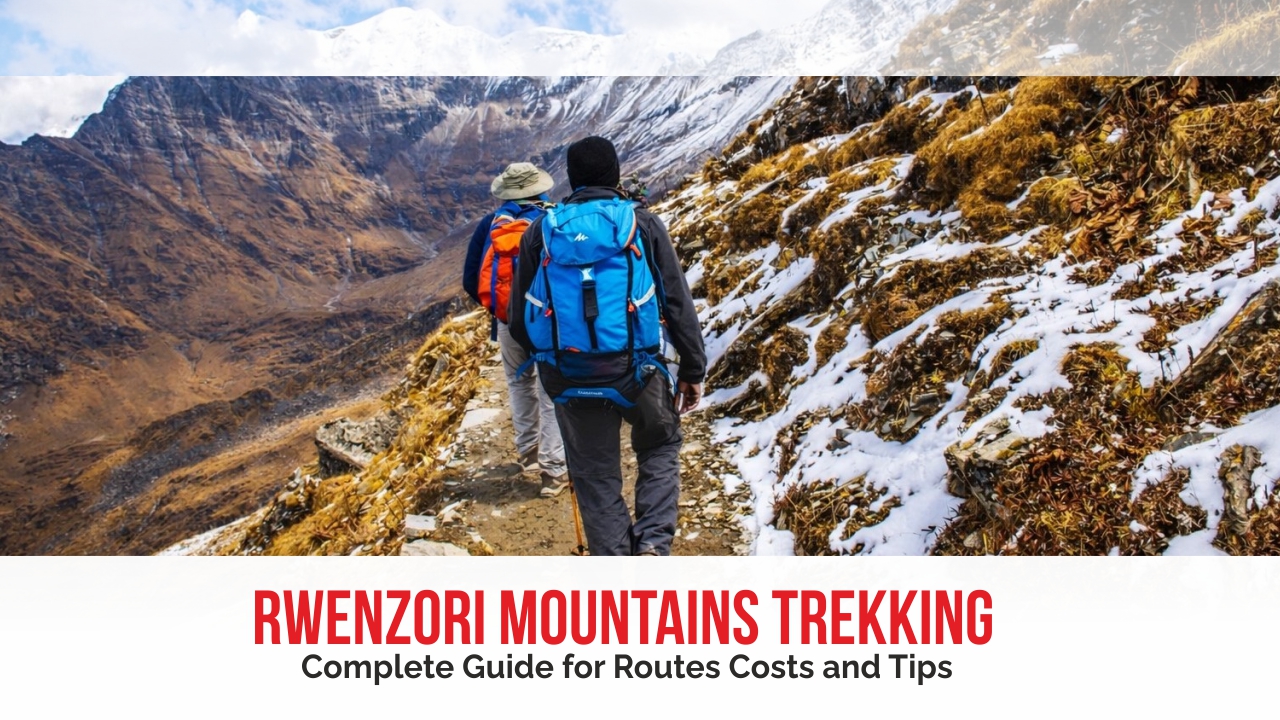
rwenzori mountains trekking

Few mountain experiences match the raw, untamed beauty of the Rwenzori Mountains. Often called the “Mountains of the Moon,” this dramatic range straddles the border between Uganda and Democratic Republic of the Congo. For trekkers seeking something beyond the usual high-altitude routes, rwenzori mountains trekking offers a rare blend of glacial peaks, tropical rainforest, and otherworldly landscapes.

Ice Rock Trekking has guided seasoned climbers and passionate explorers through these rugged trails, and this detailed piece captures everything needed to plan a successful expedition—from route choices to cost breakdowns and practical advice.

Why Choose Rwenzori Mountains Trekking

Unlike popular climbs such as Mount Kilimanjaro, the Rwenzori range delivers a more remote and technical experience. The terrain is less predictable, the trails are often muddy, and the scenery changes dramatically within hours.

Trekkers move through dense bamboo forests, giant heather zones, and alpine valleys filled with lobelias and groundsels. Higher up, glaciers and snowfields dominate the skyline, especially around Margherita Peak, the third-highest point in Africa.

Rwenzori mountains trekking is ideal for:

  • Adventure seekers wanting less crowded trails
  • Photographers chasing unique ecosystems
  • Experienced hikers ready for challenging terrain
  • Mountaineers preparing for technical climbs

Key Trekking Routes in the Rwenzori Mountains

Choosing the right route shapes the entire experience. Each trail varies in difficulty, scenery, and duration.

  1. Central Circuit Trail

The Central Circuit is the most established route within Rwenzori Mountains National Park. Managed by local authorities, it offers a well-structured trekking path.

Highlights:

  • Circular route covering multiple vegetation zones
  • Access to peaks like Mount Stanley and Mount Speke
  • Well-marked trails with designated camps

Duration: 6 to 9 days
Difficulty: Moderate to challenging

This route suits trekkers who want a full immersion into the Rwenzori ecosystem without extreme technical climbing.

  1. Kilembe Trail

The Kilembe Trail has gained popularity for its scenic diversity and less congested paths.

Highlights:

  • Stunning views of valleys and waterfalls
  • Fewer trekkers compared to Central Circuit
  • Flexible itinerary options

Duration: 5 to 8 days
Difficulty: Moderate

Ice Rock Trekking often recommends this trail for trekkers seeking solitude and dramatic landscapes.

  1. Margherita Peak Climb

For those aiming to reach the summit, the climb to Margherita Peak on Mount Stanley is the ultimate challenge.

Highlights:

  • Glacier crossings and technical sections
  • Ice climbing experience required
  • Spectacular summit views

Duration: 7 to 10 days
Difficulty: Technical and demanding

Rwenzori mountains trekking at this level requires proper gear, acclimatization, and experienced guides.

Best Time for Rwenzori Mountains Trekking

Timing plays a crucial role due to the region’s unpredictable weather.

Best seasons:

  • December to February
  • June to August

These periods offer relatively drier conditions, though rain is still common. The Rwenzori range receives rainfall year-round, making waterproof gear essential regardless of timing.

Cost Breakdown for Rwenzori Mountains Trekking

Understanding expenses helps in planning a realistic budget. Costs vary depending on route, duration, and service level.

  1. Park Fees

Entry into Rwenzori Mountains National Park includes conservation fees.

  • $35–$50 per day for international visitors
  1. Guide and Porter Fees

Mandatory for all treks:

  • Guides: $30–$50 per day
  • Porters: $15–$25 per day

Ice Rock Trekking ensures trained professionals who enhance safety and local engagement.

  1. Accommodation

Options include:

  • Mountain huts (basic but functional)
  • Tented camps

Costs range from $20 to $100 per night depending on comfort level.

  1. Equipment Rental

For technical climbs:

  • Crampons, harness, ropes: $100–$300 total
  • Waterproof boots and jackets if needed
  1. Total Estimated Cost

  • Standard trek: $1,200 to $2,500
  • Summit climb: $2,500 to $4,500

These estimates include permits, guides, accommodation, and meals.

Essential Packing List

Rwenzori mountains trekking demands preparation for extreme weather and challenging terrain.

Clothing

  • Waterproof jacket and pants
  • Thermal layers
  • Quick-dry trekking shirts
  • Insulated gloves and hat

Gear

  • Trekking poles
  • Headlamp
  • Durable backpack
  • Sleeping bag rated for cold conditions

Footwear

  • Waterproof hiking boots
  • Gaiters for muddy trails

Physical Preparation and Fitness

This trek is not just about endurance—it’s about adaptability.

Training suggestions:

  • Long-distance hiking with elevation gain
  • Strength training for legs and core
  • Cardiovascular workouts

Altitude can affect even experienced trekkers, so gradual acclimatization is essential.

Challenges to Expect

Rwenzori mountains trekking is rewarding but demanding. Expect:

  • Persistent mud and slippery trails
  • Sudden weather changes
  • High humidity in lower zones
  • Cold temperatures at higher altitudes

Mental resilience is just as important as physical fitness.

Safety and Health Tips

  • Carry a basic first-aid kit
  • Stay hydrated at all times
  • Follow your guide’s instructions
  • Acclimatize properly to avoid altitude sickness

Vaccinations and travel insurance are strongly recommended when traveling to Uganda.

Wildlife and Unique Flora

The Rwenzori ecosystem is unlike any other in Africa.

Trekkers may encounter:

  • Colobus monkeys
  • Forest elephants
  • Unique bird species

The plant life is equally fascinating, with giant lobelias and senecios creating surreal landscapes.

Cultural Experience

Local communities around the Rwenzori Mountains offer rich cultural interactions. Engaging with guides and porters provides insight into traditions, livelihoods, and conservation efforts.

Ice Rock Trekking emphasizes responsible tourism, ensuring that local communities benefit directly from trekking activities.

Responsible Trekking Practices

Preserving the fragile ecosystem is crucial.

Follow these principles:

  • Leave no trace
  • Avoid single-use plastics
  • Respect wildlife
  • Support local businesses

Sustainable trekking ensures that future adventurers can experience the same pristine beauty.

Why Choose Ice Rock Trekking

Ice Rock Trekking brings years of field expertise and a deep commitment to safety and sustainability.

What sets the company apart:

  • Experienced local guides
  • Customized itineraries
  • Focus on safety and acclimatization
  • Strong community partnerships

Whether planning a scenic trek or a technical summit climb, Ice Rock Trekking ensures a well-organized and memorable journey.

Final Thoughts

Rwenzori mountains trekking stands out as one of Africa’s most rewarding adventures. The combination of challenging terrain, diverse ecosystems, and breathtaking scenery creates an experience that goes far beyond a typical mountain trek.

For those willing to embrace the mud, rain, and altitude, the rewards are extraordinary—glacial peaks, untouched wilderness, and a sense of achievement that few other destinations can match.

With the right preparation, expert guidance from Ice Rock Trekking, and a spirit of adventure, the Rwenzori Mountains promise an unforgettable journey into one of the most unique landscapes on Earth.

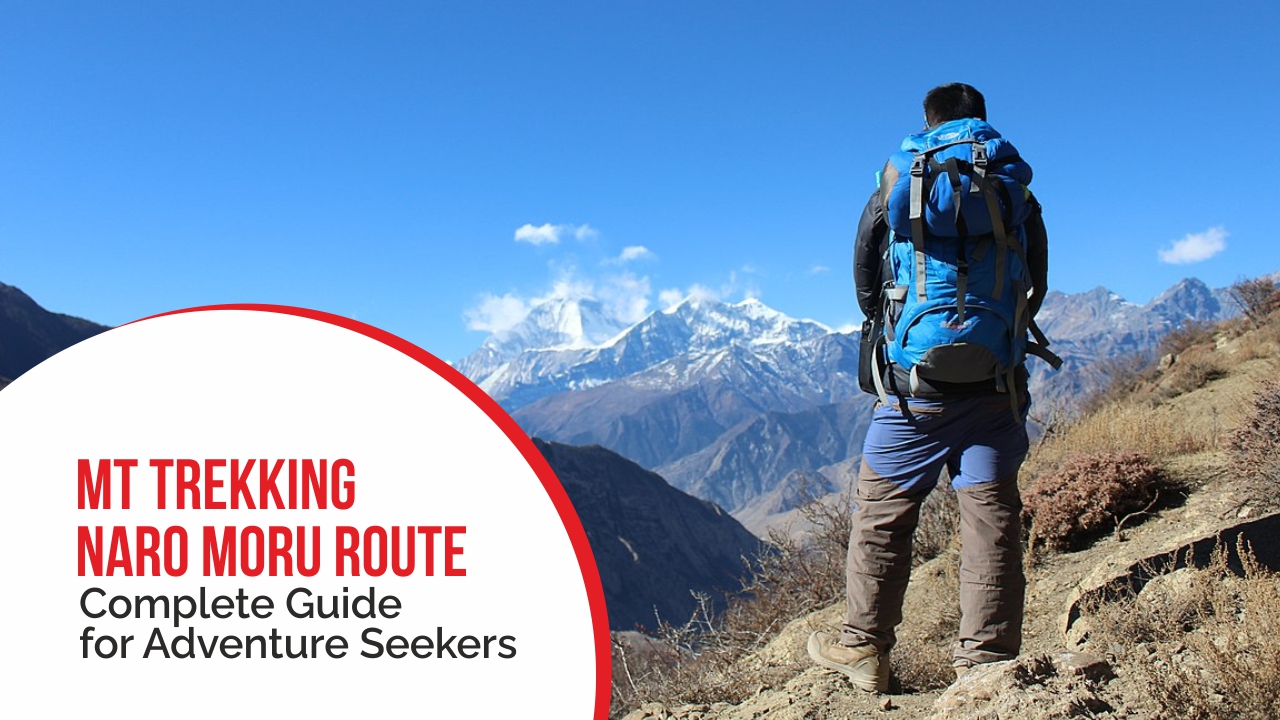
Mt Trekking Naro Moru Route

For climbers drawn to high-altitude landscapes and raw alpine beauty, few African experiences match the thrill of trekking on Mount Kenya. Among its several ascent paths, the Naro Moru Route stands out for its direct approach, dramatic scenery, and rewarding summit push.

At Ice Rock Trekking, years of on-ground experience have shown that success on this route is not just about endurance—it’s about preparation, pacing, and knowing the terrain like the back of your hand. This deep-dive explores everything an adventure seeker or industry professional needs to plan a successful climb via the Naro Moru trail.

Why Choose the Naro Moru Route

The Naro Moru route is often considered the fastest way to reach higher elevations on Mount Kenya. Its popularity stems from its relatively short duration and accessibility, making it ideal for trekkers with limited time but high ambition.

However, speed comes with its own challenges. The route ascends quickly, which increases the risk of altitude-related issues. It is best suited for trekkers who are physically fit and mentally prepared for steep climbs and rapid elevation gain.

Unlike the more scenic but longer Sirimon or Chogoria routes, Naro Moru offers a direct path to Point Lenana, the most commonly trekked summit. The terrain shifts quickly—from lush rainforest to open moorlands and finally to rugged alpine zones.

Understanding the Terrain and Landscape

The journey through the Naro Moru route is a transition across ecological zones that feel like stepping through different worlds.

Rainforest Zone:
The trek begins in dense forest, alive with bird calls and occasional sightings of wildlife such as buffalo and monkeys. The trail here can be muddy, especially after rain.

Moorland Zone:
As you ascend, the forest thins into heather and moorland. Giant lobelias and groundsels dominate the landscape, giving it a surreal, almost prehistoric appearance.

The Vertical Bog:
A defining feature of mt trekking naro-moru, this section is infamous among trekkers. The bog is a steep, muddy stretch that can be physically draining, especially during wet conditions.

Alpine Desert:
Higher up, vegetation disappears, replaced by rocky terrain and sweeping views. The air gets thinner, and temperatures drop significantly.

Ideal Itinerary for Naro Moru Route

A well-planned itinerary improves acclimatization and increases summit success rates. While some attempt a 3-day climb, a 4 to 5-day plan is strongly recommended.

Day 1: Naro Moru Gate to Met Station (3,050m)

The trek starts at the park gate and moves through rainforest. The trail is gradual, allowing your body to ease into the climb.

Day 2: Met Station to Mackinder’s Camp (4,200m)

This is the most demanding day. Trekkers cross the vertical bog and climb steep sections before reaching the alpine zone.

Day 3: Acclimatization or Summit Attempt

Depending on the schedule, trekkers either rest or begin the summit push early in the morning.

Day 4: Summit (Point Lenana 4,985m) and Descent

The climb to Point Lenana begins before dawn. Reaching the summit at sunrise offers breathtaking views across Kenya’s vast landscape.

Difficulty Level and Who Should Attempt It

The Naro Moru route is classified as moderate to challenging. It does not require technical climbing skills for Point Lenana, but it demands stamina and resilience.

Trekkers who should consider this route include:

  • Experienced hikers looking for a quick summit
  • Adventure enthusiasts comfortable with steep ascents
  • Travelers with limited time but strong fitness levels

Beginners can attempt mt trekking naro-moru with proper guidance, but adding extra acclimatization days is strongly advised.

Acclimatization Strategy for Success

Altitude sickness is the biggest challenge on Mount Kenya. The rapid ascent on the Naro Moru route makes acclimatization critical.

Key strategies include:

  • Climb high, sleep low: Gain elevation during the day but descend slightly for sleep when possible
  • Stay hydrated: Drink at least 3–4 liters of water daily
  • Slow pace: Avoid rushing, especially on steep sections
  • Listen to your body: Headaches, nausea, or dizziness should not be ignored

At Ice Rock Trekking, acclimatization schedules are tailored to individual fitness levels, ensuring a safer and more enjoyable climb.

Packing Essentials for the Trek

Packing smart can make or break your experience. Weather conditions can change rapidly, so preparation is key.

Clothing:

  • Moisture-wicking base layers
  • Insulated jacket
  • Waterproof outer shell
  • Thermal gloves and hat

Footwear:

  • High-quality trekking boots with ankle support
  • Extra socks for wet conditions

Gear:

  • Trekking poles (essential for the vertical bog)
  • Headlamp for summit night
  • Sleeping bag rated for sub-zero temperatures

Other Essentials:

  • Sunscreen and sunglasses
  • Water purification tablets
  • Energy snacks

Weather and Best Time to Trek

Mount Kenya experiences two main dry seasons, which are ideal for trekking:

  • January to March
  • July to October

During these months, trails are less muddy, and visibility is clearer. The vertical bog, in particular, becomes significantly more manageable in dry conditions.

Rainy seasons can make the route slippery and challenging, especially for those unfamiliar with high-altitude trekking.

Wildlife and Natural Highlights

The Naro Moru route offers more than just a climb—it’s a journey through diverse ecosystems.

Wildlife sightings may include:

  • Buffalo and bushbucks in the lower forest
  • Hyrax and rock rodents in higher altitudes
  • A variety of bird species, including sunbirds and eagles

The dramatic shift in vegetation and terrain provides a constantly evolving visual experience, making mt trekking naro-moru a favorite among photographers and nature enthusiasts.

Comparing Naro Moru with Other Routes

While Naro Moru is the fastest route, it’s not the only option on Mount Kenya.

Sirimon Route:
Longer but more gradual, ideal for better acclimatization.

Chogoria Route:
Known for its scenic beauty, including lakes and waterfalls.

Naro Moru is best for those prioritizing efficiency, while the others offer a more relaxed and scenic journey.

Safety Considerations

Safety should never be compromised on high-altitude treks.

Important precautions include:

  • Hiring experienced guides
  • Carrying a first-aid kit
  • Monitoring weather updates
  • Avoiding solo climbs

Ice Rock Trekking ensures that all expeditions are led by trained professionals who understand the terrain, weather patterns, and emergency protocols.

Cost Factors and Logistics

The cost of mt trekking naro-moru depends on several factors:

  • Park entry fees
  • Guide and porter charges
  • Accommodation (camping or huts)
  • Equipment rental

Working with a reliable trekking company helps streamline logistics, allowing trekkers to focus entirely on the experience.

Summit Experience at Point Lenana

Reaching Point Lenana is a moment that stays with you long after the trek ends. As the sun rises over the horizon, the peaks glow in shades of gold and orange.

The panoramic view stretches across valleys, ridges, and distant plains. For many, it’s not just about reaching the top—it’s about the journey, the effort, and the connection with nature.

Tips from Ice Rock Trekking Experts

After years of guiding climbers on Mount Kenya, a few insights stand out:

  • Start slow and stay consistent
  • Respect altitude—it’s not a race
  • Invest in good gear
  • Keep your energy levels up with regular snacks
  • Stay mentally focused, especially during the summit push

These small details often make the difference between turning back and standing at the summit.

Final Thoughts

The Naro Moru route offers a raw, unfiltered trekking experience. It challenges both body and mind while rewarding climbers with unforgettable landscapes and a true sense of achievement.

For those ready to take on the mountain, mt trekking naro-moru is more than a climb—it’s a test of endurance, a journey through diverse ecosystems, and a chance to stand on one of Africa’s most iconic peaks.

With the right preparation, expert guidance from Ice Rock Trekking, and a determined mindset, the summit is well within reach.

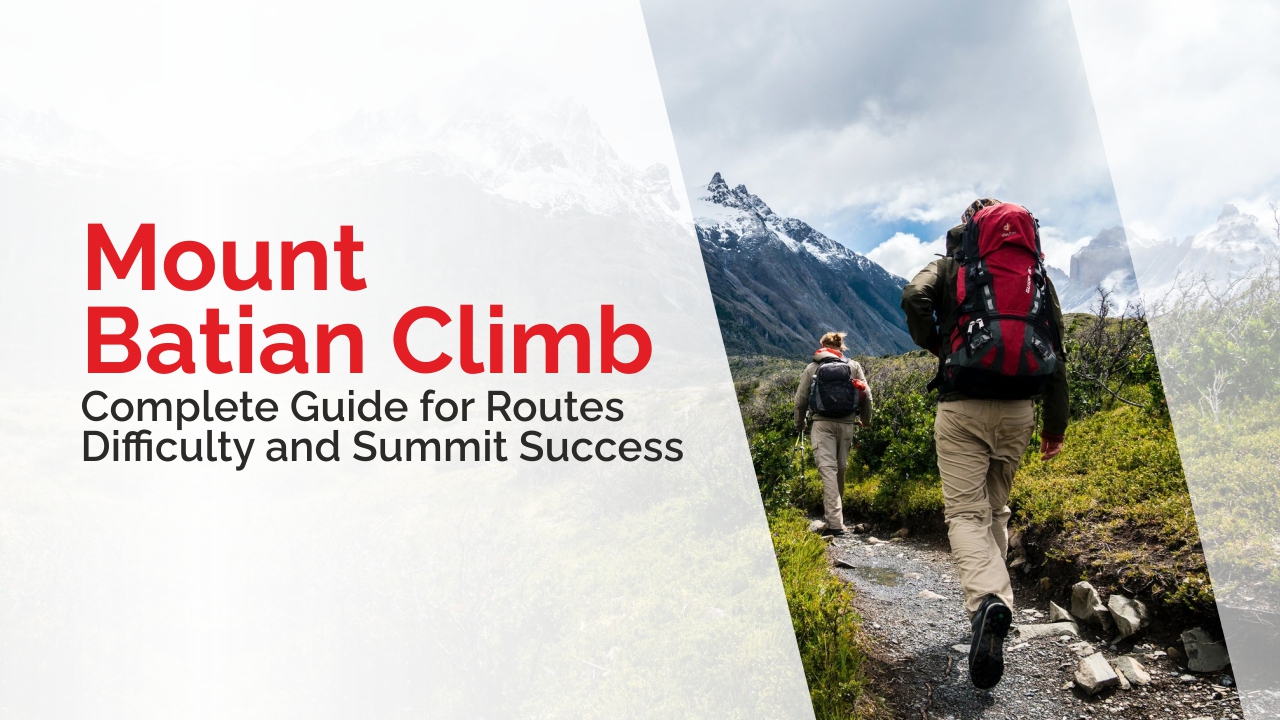
mt Batian climb

For climbers seeking a raw, technical, and deeply rewarding alpine experience in Africa, the mt Batian climb stands as one of the most respected objectives. Rising sharply from the rugged massif of Mount Kenya, Batian is the highest peak at 5,199 meters and demands not only physical endurance but also sharp technical climbing skills, mental resilience, and careful preparation.

Ice Rock Trekking has guided climbers across diverse terrains, and Batian consistently ranks among the most challenging yet fulfilling summits. This piece dives deep into routes, difficulty levels, preparation strategies, and practical insights that help both seasoned mountaineers and ambitious climbers plan their ascent with clarity.

What Makes Mt Batian Climb Unique

Unlike trekking peaks that rely on endurance and acclimatization alone, Batian introduces a different dimension—technical rock climbing at high altitude. The mountain’s jagged twin summits, Batian and Nelion, are carved from volcanic rock, offering steep faces, exposed ridges, and intricate route navigation.

Key highlights:

  • Technical climbing up to UIAA Grade IV+
  • Rapid weather changes near the summit
  • Minimal crowds compared to other African peaks
  • A strong emphasis on ropework, belaying, and route finding

Batian is not a casual climb; it is an expedition that tests every aspect of mountaineering.

Mt Batian Climb Routes Explained

Choosing the right route defines the experience. Each path has its own personality, challenges, and technical requirements.

  1. North Face Standard Route

The North Face Standard Route is the most commonly attempted path to Batian’s summit.

Key features:

  • Approximate grade: UIAA IV+
  • Mixed terrain: rock, cracks, chimneys
  • Time to summit: 10–14 hours from base

Climbers encounter sustained sections of technical rock climbing, often requiring precise footwork and efficient rope management. The route is relatively direct but demands stamina due to its length and altitude exposure.

Best suited for:

  • Experienced climbers with multi-pitch experience
  • Those comfortable with alpine starts and long summit pushes
  1. South East Face via Nelion Traverse

This route involves summiting Nelion (the second-highest peak) and traversing across to Batian.

Key features:

  • Technical climbing on Nelion (UIAA IV to V)
  • A dramatic and exposed traverse between peaks
  • Requires strong route-finding skills

The Nelion-to-Batian traverse is one of the most iconic sections of the mountain. However, it is only accessible during specific conditions when the Gate of Mists (a key crossing point) is open.

Best suited for:

  • Advanced climbers with high-altitude rock experience
  • Those seeking a classic mountaineering challenge
  1. West Ridge Route

Less frequently attempted, the West Ridge offers a remote and committing climb.

Key features:

  • Complex navigation
  • Greater exposure and fewer established anchors
  • Longer approach and descent logistics

This route is favored by climbers looking for solitude and a more exploratory ascent.

Difficulty Level of Mt Batian Climb

The mt Batian climb is often underestimated by those familiar only with trekking peaks. Its difficulty lies in the combination of technical climbing and altitude.

Physical Demands

  • Continuous climbing for 10–15 hours
  • High-altitude fatigue above 4,500 meters
  • Limited rest points on steep sections

Technical Challenges

  • Multi-pitch rock climbing
  • Crack systems and chimney sections
  • Rope management under pressure

Mental Strength

  • Exposure to sheer drops
  • Navigating unpredictable weather
  • Decision-making in remote conditions

Climbers must be proficient in:

  • Lead climbing
  • Belaying
  • Anchor setup
  • Rappelling

Best Season for Mt Batian Climb

Timing plays a crucial role in summit success. Weather patterns on Mount Kenya can shift rapidly, affecting rock conditions and safety.

Optimal climbing windows:

  • January to March
  • July to October

During these months, climbers benefit from:

  • Drier rock surfaces
  • Clearer visibility
  • More stable weather patterns

Avoid rainy seasons, as wet rock significantly increases difficulty and risk.

Essential Gear for Summit Success

Proper equipment ensures safety and efficiency on technical terrain. Packing should be precise, avoiding unnecessary weight while covering all essentials.

Climbing Equipment

  • Dynamic climbing rope (50–60m)
  • Harness and helmet
  • Carabiners, quickdraws, and slings
  • Belay device
  • Climbing shoes suitable for alpine conditions

Personal Gear

  • Layered clothing system (base, insulation, shell)
  • Gloves for cold and grip
  • Headlamp with spare batteries
  • High-altitude boots for approach

Safety Essentials

  • First aid kit
  • Navigation tools (map, GPS)
  • Emergency shelter

Ice Rock Trekking ensures all technical gear meets international safety standards, allowing climbers to focus on performance.

Acclimatization Strategy

Altitude sickness is a serious concern. A structured acclimatization plan significantly improves summit chances.

Recommended Approach:

  • Spend 2–3 days trekking on Mount Kenya before attempting Batian
  • Gradually gain elevation
  • Stay hydrated and monitor symptoms

Popular acclimatization routes include trekking to Point Lenana before transitioning to technical climbing.

Training for Mt Batian Climb

Preparation should begin months in advance. A balanced training program improves endurance, strength, and climbing efficiency.

Physical Conditioning

  • Cardiovascular training (running, cycling)
  • Strength training (core, legs, upper body)
  • Long hikes with weighted packs

Technical Skills

  • Practice multi-pitch climbing
  • Improve crack climbing techniques
  • Rope handling drills

Mental Preparation

  • Exposure training (climbing in exposed environments)
  • Decision-making under fatigue
  • Stress management techniques

Summit Day Experience

Summit day is intense and demands focus from start to finish.

Typical Timeline:

  • Alpine start around midnight or early morning
  • Continuous climbing through technical sections
  • Summit reached after 10–14 hours
  • Descent via rappelling or down-climbing

Climbers must maintain:

  • Steady pacing
  • Efficient transitions between pitches
  • Clear communication with partners or guides

Common Challenges and How to Overcome Them

  1. Weather Changes

Sudden fog, rain, or wind can alter conditions rapidly.

Solution:

  • Check forecasts carefully
  • Start early to maximize stable weather windows
  1. Route Finding

Complex rock formations can lead to navigation errors.

Solution:

  • Climb with experienced guides
  • Study route maps in advance
  1. Fatigue

Long climbing hours can drain energy.

Solution:

  • Maintain hydration and nutrition
  • Pace consistently rather than rushing

Why Choose Ice Rock Trekking

Ice Rock Trekking brings decades of experience in high-altitude expeditions. The team emphasizes safety, personalized support, and technical excellence.

What sets us apart:

  • Certified and experienced climbing guides
  • High-quality equipment
  • Tailored acclimatization plans
  • Strong safety protocols

Climbers benefit from local expertise combined with global mountaineering standards.

Tips for a Successful Mt Batian Climb

  • Start training at least 3–6 months in advance
  • Invest in high-quality climbing gear
  • Practice climbing in varied conditions
  • Build a strong partnership with your climbing team
  • Respect the mountain and adapt to changing conditions

Final Thoughts

The mt Batian climb is not just about reaching a summit; it is about embracing a demanding alpine journey that tests skill, endurance, and determination. Every pitch climbed, every decision made, and every step taken contributes to an experience that stays with climbers for life.

For those prepared to meet its challenges, Batian offers unmatched satisfaction—a summit earned through precision, resilience, and passion for mountaineering.

Ice Rock Trekking stands ready to support climbers at every stage, turning ambition into achievement on one of Africa’s most iconic peaks.

Mt Kilimanjaro Marangu Route

Climbing Africa’s highest peak is a goal that blends ambition with raw natural beauty. The mt kilimanjaro marangu route stands out as one of the most accessible and structured paths to the summit, attracting both first-time trekkers and seasoned mountaineers. Known for its hut accommodations and steady trail, it offers a unique trekking experience that balances comfort with challenge.

At Ice Rock Trekking, every climb is designed to deliver safety, success, and a deeper connection with the mountain. Whether stepping into high-altitude trekking for the first time or aiming to refine summit skills, this route offers something valuable for every climber.

What Makes the Marangu Route Unique

The Marangu Route has earned the nickname “Coca-Cola Route” due to its relative comfort compared to other Kilimanjaro paths. Unlike camping-based routes, this trail features permanent huts, making it appealing for those who prefer shelter over tents.

Key highlights include:

  • Hut Accommodation: Shared dormitory-style huts with basic facilities
  • Gradual Ascent: A steady incline that suits beginners
  • Well-Defined Trail: Easy navigation with clear paths
  • Shorter Duration Options: Typically completed in 5 to 6 days

Despite its reputation as the easiest route, the climb should not be underestimated. Altitude remains the biggest challenge, and preparation is essential.

Route Overview and Distance

The mt kilimanjaro marangu route approaches the mountain from the southeast. The total trekking distance is approximately 72 kilometers round trip.

Starting Point:

  • Marangu Gate (1,870 meters)

Summit:

  • Uhuru Peak (5,895 meters)

The route follows a direct path up and down, meaning climbers descend the same trail they ascend.

Detailed Itinerary Breakdown

Day 1: Marangu Gate to Mandara Hut

  • Distance: 8 km
  • Time: 4–5 hours
  • Elevation Gain: 1,870m to 2,720m

The journey begins through lush rainforest. Expect dense vegetation, colobus monkeys, and a humid atmosphere. Mandara Hut marks the first overnight stay.

Day 2: Mandara Hut to Horombo Hut

  • Distance: 12 km
  • Time: 6–8 hours
  • Elevation Gain: 2,720m to 3,720m

The forest fades into moorland. Giant lobelias and sweeping views define this section. The air becomes thinner, and pacing becomes important.

Day 3: Acclimatization at Horombo Hut

  • Optional hike to Zebra Rocks
  • Rest and recovery

This extra day significantly improves summit success rates. Acclimatization allows the body to adjust to altitude.

Day 4: Horombo Hut to Kibo Hut

  • Distance: 10 km
  • Time: 6–8 hours
  • Elevation Gain: 3,720m to 4,703m

The landscape shifts into alpine desert. Vegetation disappears, replaced by rocky terrain. Hydration and energy conservation are critical.

Day 5: Summit Attempt and Descent to Horombo Hut

  • Distance: 6 km ascent + 16 km descent
  • Time: 10–14 hours

Summit night begins around midnight. Climbers push toward Gilman’s Point, then continue to Uhuru Peak. After reaching the summit, descent begins back to Horombo Hut.

Day 6: Horombo Hut to Marangu Gate

  • Distance: 20 km
  • Time: 5–7 hours

A long descent through familiar terrain concludes the climb. Certificates are awarded at the gate.

Difficulty Level and Who It Suits

The mt kilimanjaro marangu route is often labeled beginner-friendly, but altitude makes it physically demanding. The shorter itinerary can reduce acclimatization time, increasing the risk of altitude sickness.

Ideal for:

  • First-time high-altitude trekkers
  • Climbers seeking hut accommodation
  • Those preferring a direct and structured route

Less Ideal for:

  • Climbers wanting remote wilderness experience
  • Those seeking varied ascent and descent paths

Acclimatization and Altitude Strategy

Altitude is the biggest factor affecting summit success. Proper acclimatization improves performance and safety.

Key tips:

  • Choose the 6-day itinerary over 5 days
  • Walk slowly and maintain a steady pace
  • Stay hydrated (3–4 liters daily)
  • Avoid alcohol and smoking
  • Listen to your body and report symptoms early

Ice Rock Trekking ensures experienced guides monitor oxygen levels and overall health throughout the climb.

Best Time to Climb

Weather conditions play a major role in the trekking experience.

Ideal seasons:

  • January to March: Clear skies, colder temperatures
  • June to October: Dry season with stable conditions

Avoid:

  • April and May due to heavy rainfall
  • November for unpredictable showers

Each season offers a different perspective of the mountain, but dry conditions improve safety and visibility.

Packing Essentials

Packing smart can make or break the climb. The right gear ensures comfort and safety.

Clothing:

  • Moisture-wicking base layers
  • Insulated jacket
  • Waterproof outer shell
  • Thermal gloves and hat

Gear:

  • Quality hiking boots
  • Trekking poles
  • Headlamp with extra batteries
  • Sleeping bag (rated for sub-zero temperatures)

Personal items:

  • Sunscreen and sunglasses
  • Reusable water bottles
  • Energy snacks
  • First aid kit

Ice Rock Trekking provides guidance on gear selection and offers rental options for essential equipment.

Food and Accommodation

One of the standout features of the mt kilimanjaro marangu route is its hut system.

Accommodation:

  • Dormitory-style huts
  • Shared sleeping arrangements
  • Basic mattresses provided

Meals:

  • Freshly prepared by trekking staff
  • Balanced diet with carbohydrates, proteins, and vegetables
  • Hot drinks like tea, coffee, and soup

Nutrition plays a vital role in maintaining energy levels throughout the climb.

Cost Factors and Inclusions

The cost of climbing Kilimanjaro varies depending on services and duration.

Typical inclusions:

  • Park fees and permits
  • Professional guides and porters
  • Accommodation and meals
  • Safety equipment

Additional costs:

  • Tips for crew
  • Personal gear
  • Travel insurance
  • Flights and visas

Ice Rock Trekking focuses on transparent pricing with no hidden charges, ensuring climbers know exactly what to expect.

Safety Measures and Support

Safety is a top priority on every expedition.

Key safety practices:

  • Daily health checks
  • Oxygen tanks and first aid kits
  • Emergency evacuation plans
  • Experienced and certified guides

Climbers are supported at every stage, ensuring confidence and peace of mind.

Success Rate and Tips for Reaching the Summit

The Marangu Route has a moderate success rate compared to longer routes. However, success increases significantly with proper preparation.

Proven strategies:

  • Train at least 8–10 weeks before the climb
  • Focus on cardio and endurance
  • Practice hiking with a backpack
  • Stay mentally prepared for long summit night

Consistency and patience are the keys to reaching Uhuru Peak.

Environmental Responsibility

Preserving Kilimanjaro’s ecosystem is essential.

Responsible practices:

  • Follow “Leave No Trace” principles
  • Avoid plastic waste
  • Respect wildlife and vegetation
  • Support eco-friendly trekking companies

Ice Rock Trekking promotes sustainable climbing practices that protect the mountain for future generations.

Why Choose Ice Rock Trekking

Climbing Kilimanjaro is not just about reaching the summit—it’s about the journey, the team, and the experience.

What sets Ice Rock Trekking apart:

  • Highly experienced guides
  • Personalized itineraries
  • Strong focus on safety and acclimatization
  • Ethical treatment of porters
  • High summit success rates

Every expedition is crafted to deliver a memorable and successful climb.

Final Thoughts

The mt kilimanjaro marangu route offers a balanced mix of accessibility, structure, and adventure. With its hut accommodations and gradual ascent, it appeals to a wide range of climbers. However, success depends on preparation, acclimatization, and the right support team.

For beginners, it provides a manageable introduction to high-altitude trekking. For experienced climbers, it offers a classic and efficient route to the summit. With Ice Rock Trekking, every step is backed by expertise, ensuring a safe and rewarding climb to Africa’s highest point.