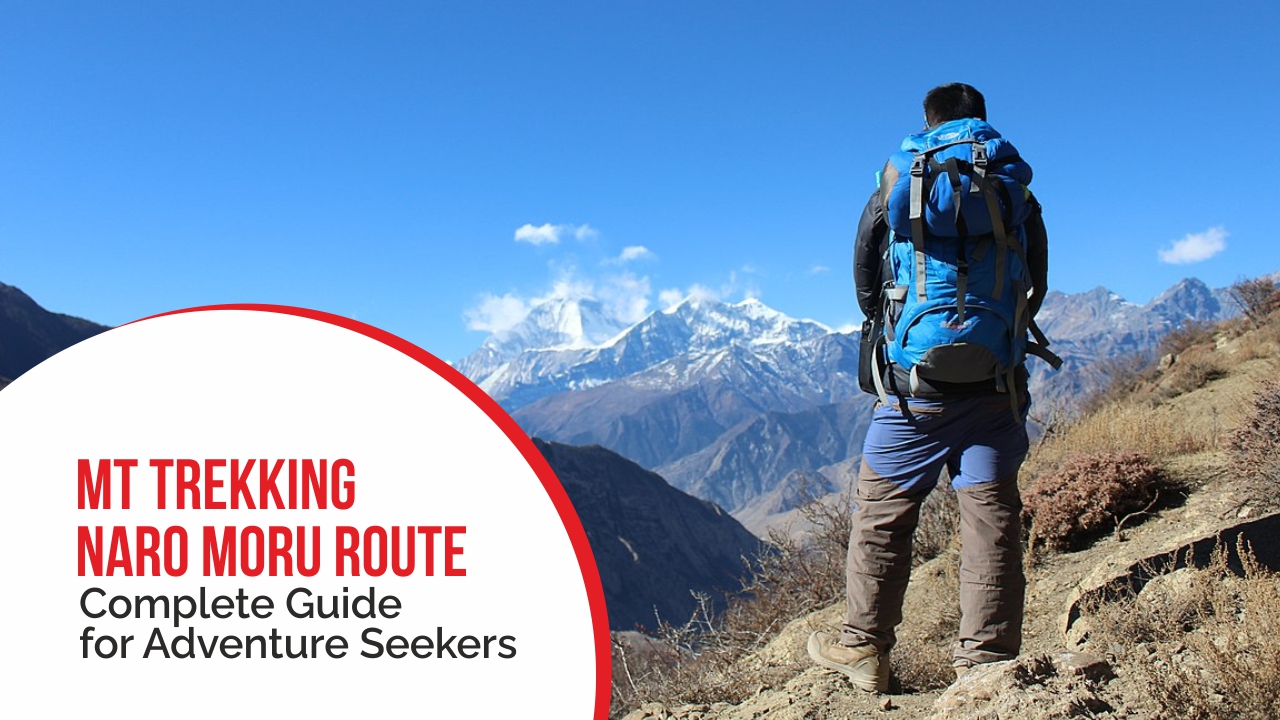
For climbers drawn to high-altitude landscapes and raw alpine beauty, few African experiences match the thrill of trekking on Mount Kenya. Among its several ascent paths, the Naro Moru Route stands out for its direct approach, dramatic scenery, and rewarding summit push.
At Ice Rock Trekking, years of on-ground experience have shown that success on this route is not just about endurance—it’s about preparation, pacing, and knowing the terrain like the back of your hand. This deep-dive explores everything an adventure seeker or industry professional needs to plan a successful climb via the Naro Moru trail.
Why Choose the Naro Moru Route
The Naro Moru route is often considered the fastest way to reach higher elevations on Mount Kenya. Its popularity stems from its relatively short duration and accessibility, making it ideal for trekkers with limited time but high ambition.
However, speed comes with its own challenges. The route ascends quickly, which increases the risk of altitude-related issues. It is best suited for trekkers who are physically fit and mentally prepared for steep climbs and rapid elevation gain.
Unlike the more scenic but longer Sirimon or Chogoria routes, Naro Moru offers a direct path to Point Lenana, the most commonly trekked summit. The terrain shifts quickly—from lush rainforest to open moorlands and finally to rugged alpine zones.
Understanding the Terrain and Landscape
The journey through the Naro Moru route is a transition across ecological zones that feel like stepping through different worlds.
Rainforest Zone:
The trek begins in dense forest, alive with bird calls and occasional sightings of wildlife such as buffalo and monkeys. The trail here can be muddy, especially after rain.
Moorland Zone:
As you ascend, the forest thins into heather and moorland. Giant lobelias and groundsels dominate the landscape, giving it a surreal, almost prehistoric appearance.
The Vertical Bog:
A defining feature of mt trekking naro-moru, this section is infamous among trekkers. The bog is a steep, muddy stretch that can be physically draining, especially during wet conditions.
Alpine Desert:
Higher up, vegetation disappears, replaced by rocky terrain and sweeping views. The air gets thinner, and temperatures drop significantly.
Ideal Itinerary for Naro Moru Route
A well-planned itinerary improves acclimatization and increases summit success rates. While some attempt a 3-day climb, a 4 to 5-day plan is strongly recommended.
Day 1: Naro Moru Gate to Met Station (3,050m)
The trek starts at the park gate and moves through rainforest. The trail is gradual, allowing your body to ease into the climb.
Day 2: Met Station to Mackinder’s Camp (4,200m)
This is the most demanding day. Trekkers cross the vertical bog and climb steep sections before reaching the alpine zone.
Day 3: Acclimatization or Summit Attempt
Depending on the schedule, trekkers either rest or begin the summit push early in the morning.
Day 4: Summit (Point Lenana 4,985m) and Descent
The climb to Point Lenana begins before dawn. Reaching the summit at sunrise offers breathtaking views across Kenya’s vast landscape.
Difficulty Level and Who Should Attempt It
The Naro Moru route is classified as moderate to challenging. It does not require technical climbing skills for Point Lenana, but it demands stamina and resilience.
Trekkers who should consider this route include:
- Experienced hikers looking for a quick summit
- Adventure enthusiasts comfortable with steep ascents
- Travelers with limited time but strong fitness levels
Beginners can attempt mt trekking naro-moru with proper guidance, but adding extra acclimatization days is strongly advised.
Acclimatization Strategy for Success
Altitude sickness is the biggest challenge on Mount Kenya. The rapid ascent on the Naro Moru route makes acclimatization critical.
Key strategies include:
- Climb high, sleep low: Gain elevation during the day but descend slightly for sleep when possible
- Stay hydrated: Drink at least 3–4 liters of water daily
- Slow pace: Avoid rushing, especially on steep sections
- Listen to your body: Headaches, nausea, or dizziness should not be ignored
At Ice Rock Trekking, acclimatization schedules are tailored to individual fitness levels, ensuring a safer and more enjoyable climb.
Packing Essentials for the Trek
Packing smart can make or break your experience. Weather conditions can change rapidly, so preparation is key.
Clothing:
- Moisture-wicking base layers
- Insulated jacket
- Waterproof outer shell
- Thermal gloves and hat
Footwear:
- High-quality trekking boots with ankle support
- Extra socks for wet conditions
Gear:
- Trekking poles (essential for the vertical bog)
- Headlamp for summit night
- Sleeping bag rated for sub-zero temperatures
Other Essentials:
- Sunscreen and sunglasses
- Water purification tablets
- Energy snacks
Weather and Best Time to Trek
Mount Kenya experiences two main dry seasons, which are ideal for trekking:
- January to March
- July to October
During these months, trails are less muddy, and visibility is clearer. The vertical bog, in particular, becomes significantly more manageable in dry conditions.
Rainy seasons can make the route slippery and challenging, especially for those unfamiliar with high-altitude trekking.
Wildlife and Natural Highlights
The Naro Moru route offers more than just a climb—it’s a journey through diverse ecosystems.
Wildlife sightings may include:
- Buffalo and bushbucks in the lower forest
- Hyrax and rock rodents in higher altitudes
- A variety of bird species, including sunbirds and eagles
The dramatic shift in vegetation and terrain provides a constantly evolving visual experience, making mt trekking naro-moru a favorite among photographers and nature enthusiasts.
Comparing Naro Moru with Other Routes
While Naro Moru is the fastest route, it’s not the only option on Mount Kenya.
Sirimon Route:
Longer but more gradual, ideal for better acclimatization.
Chogoria Route:
Known for its scenic beauty, including lakes and waterfalls.
Naro Moru is best for those prioritizing efficiency, while the others offer a more relaxed and scenic journey.
Safety Considerations
Safety should never be compromised on high-altitude treks.
Important precautions include:
- Hiring experienced guides
- Carrying a first-aid kit
- Monitoring weather updates
- Avoiding solo climbs
Ice Rock Trekking ensures that all expeditions are led by trained professionals who understand the terrain, weather patterns, and emergency protocols.
Cost Factors and Logistics
The cost of mt trekking naro-moru depends on several factors:
- Park entry fees
- Guide and porter charges
- Accommodation (camping or huts)
- Equipment rental
Working with a reliable trekking company helps streamline logistics, allowing trekkers to focus entirely on the experience.
Summit Experience at Point Lenana
Reaching Point Lenana is a moment that stays with you long after the trek ends. As the sun rises over the horizon, the peaks glow in shades of gold and orange.
The panoramic view stretches across valleys, ridges, and distant plains. For many, it’s not just about reaching the top—it’s about the journey, the effort, and the connection with nature.
Tips from Ice Rock Trekking Experts
After years of guiding climbers on Mount Kenya, a few insights stand out:
- Start slow and stay consistent
- Respect altitude—it’s not a race
- Invest in good gear
- Keep your energy levels up with regular snacks
- Stay mentally focused, especially during the summit push
These small details often make the difference between turning back and standing at the summit.
Final Thoughts
The Naro Moru route offers a raw, unfiltered trekking experience. It challenges both body and mind while rewarding climbers with unforgettable landscapes and a true sense of achievement.
For those ready to take on the mountain, mt trekking naro-moru is more than a climb—it’s a test of endurance, a journey through diverse ecosystems, and a chance to stand on one of Africa’s most iconic peaks.
With the right preparation, expert guidance from Ice Rock Trekking, and a determined mindset, the summit is well within reach.