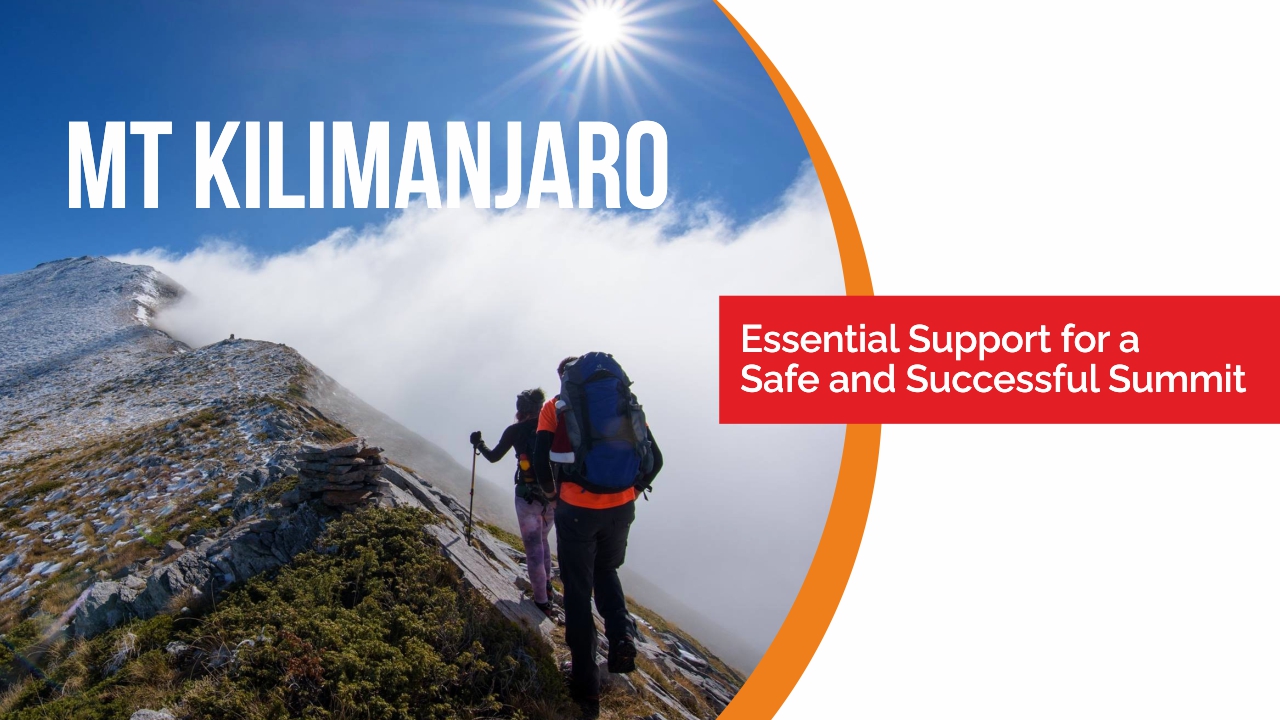
Mt Kilimanjaro guides

Mt Kilimanjaro guides, who provide the leadership, safety oversight, and logistical support that make a summit attempt both achievable and memorable. For many climbers, these professionals transform a demanding high-altitude expedition into a structured, supportive, and rewarding adventure.

For trekking companies such as Ice Rock Trekking, the role of experienced mountain professionals is central to every expedition. From the first briefing at the base of the mountain to the final celebration after the descent, trained climbing leaders coordinate every detail that ensures climbers remain safe, acclimatized, and confident throughout the trek.

The Importance of Professional Support on Mount Kilimanjaro

Rising to 5,895 meters, Mount Kilimanjaro stands as the highest peak in Africa and the tallest free-standing mountain on Earth. Climbers face rapidly changing weather, high altitude, and long trekking days across diverse terrain. Such conditions require careful planning and experienced supervision.

Professional mountain leaders provide several essential services:

  • Safety monitoring at altitude
  • Route navigation through changing terrain
  • Health checks and acclimatization management
  • Camp coordination and expedition logistics
  • Motivation and leadership during challenging moments

Without experienced support, the risks associated with altitude sickness, fatigue, or navigation errors increase significantly. Skilled professionals ensure climbers progress steadily and respond quickly to any health concerns along the way.

Roles and Responsibilities of Kilimanjaro Climbing Leaders

A Kilimanjaro expedition involves a highly coordinated team. The mountain leaders often serve as the backbone of the entire operation.

  1. Expedition Leadership

The lead climber or chief guide directs the entire expedition. This role includes planning daily schedules, assessing weather conditions, and ensuring the group moves at a pace that supports acclimatization.

They also coordinate with assistant guides, porters, and cooks to maintain smooth camp operations.

  1. Altitude Safety and Health Monitoring

Altitude sickness is one of the biggest challenges climbers face on Kilimanjaro. Professional guides conduct regular health checks using tools such as pulse oximeters to measure oxygen saturation levels.

They watch closely for symptoms like:

  • Persistent headaches
  • Nausea or vomiting
  • Dizziness
  • Extreme fatigue
  • Shortness of breath

If symptoms appear, guides may recommend rest, slower ascent, or descent to lower altitude to protect the climber’s health.

  1. Route Navigation and Terrain Management

Although Kilimanjaro is considered a trekking peak rather than a technical climb, its routes still require experienced navigation. Weather conditions can change quickly, visibility may drop, and trails can become slippery or rocky.

Experienced leaders know every section of the mountain’s major routes, including:

  • Marangu Route
  • Machame Route
  • Lemosho Route
  • Rongai Route
  • Northern Circuit
  • Shira Route

Their familiarity with these paths ensures climbers stay on safe and efficient trails.

  1. Motivation and Psychological Support

Reaching nearly 6,000 meters tests mental resilience as much as physical endurance. Summit night can be particularly demanding, often involving a steep ascent in cold, windy conditions.

Guides keep morale high through encouragement, pacing strategies, and constant communication. Their positive leadership can make the difference between turning back early and pushing forward toward the summit.

Training and Certification of Kilimanjaro Professionals

Professional mountaineering teams working on Kilimanjaro undergo extensive training to meet international safety standards.

Many hold certifications through organizations such as:

  • Wilderness First Responder (WFR)
  • High Altitude First Aid
  • Leave No Trace environmental training
  • Local mountain guide associations

These credentials ensure they can respond effectively to emergencies and maintain sustainable trekking practices.

Companies committed to responsible tourism also invest in ongoing training programs that keep their staff updated with the latest safety techniques and mountain management practices.

The Expedition Team Behind Every Climb

While guides lead the expedition, Kilimanjaro climbs rely on a larger support team that works together to create a seamless trekking experience.

Porters

Porters carry tents, cooking equipment, food supplies, and other essential gear up the mountain. Their work allows climbers to focus on trekking without heavy loads.

Mountain Cooks

Proper nutrition plays a major role in maintaining energy levels at altitude. Expedition cooks prepare balanced meals rich in carbohydrates, proteins, and vegetables to help climbers recover each day.

Assistant Guides

Assistant guides support the lead guide by monitoring climbers, managing pacing, and assisting with logistics.

Together, this team structure creates a safe and organized environment that maximizes summit success.

Acclimatization Strategies Used by Kilimanjaro Experts

Acclimatization is one of the most important aspects of high-altitude trekking. Experienced leaders follow structured strategies to help climbers adapt to reduced oxygen levels.

Slow and Steady Ascent

The well-known phrase “pole pole,” meaning “slowly slowly” in Swahili, reflects the pace strategy used on Kilimanjaro. A slower pace helps the body adjust gradually to altitude.

Climb High, Sleep Low

Some routes incorporate hikes to higher elevations during the day followed by descending to a lower camp for sleep. This technique improves acclimatization.

Hydration and Nutrition

Guides encourage climbers to drink three to four liters of water daily and maintain consistent food intake to support acclimatization.

Continuous Monitoring

Daily health checks help detect early signs of altitude sickness, allowing guides to take preventive action before conditions worsen.

Safety Equipment Carried by Professional Teams

Reputable expedition teams carry essential medical and safety equipment on every climb.

Common gear includes:

  • Portable oxygen systems
  • First aid kits
  • Pulse oximeters
  • Emergency stretchers
  • Radios or satellite communication devices

These tools enable guides to respond quickly if a climber experiences altitude illness or injury.

Environmental Stewardship on Kilimanjaro

Protecting Kilimanjaro’s fragile ecosystem is a responsibility shared by trekking companies, guides, and climbers.

Professional teams follow strict environmental practices:

  • Packing out all waste
  • Using designated campsites
  • Avoiding damage to vegetation
  • Promoting responsible trekking behavior

Guides also educate climbers about the mountain’s ecosystems, which range from lush rainforest to alpine desert and arctic summit zones.

Such practices help preserve Kilimanjaro’s beauty for future generations of trekkers.

Choosing the Right Trekking Company

Selecting a responsible operator plays a major role in a successful Kilimanjaro climb. Experienced companies prioritize safety, fair treatment of staff, and professional leadership.

Key factors to evaluate include:

  • Certified and experienced climbing leaders
  • Fair wages and ethical porter treatment
  • High-quality camping equipment
  • Strong safety protocols
  • Positive expedition reviews

Ice Rock Trekking places strong emphasis on these standards, ensuring climbers receive professional support from arrival to summit attempt.

Physical Preparation for Kilimanjaro Climbs

Even with experienced leadership, climbers benefit greatly from proper preparation before arriving in Tanzania.

Recommended training includes:

Cardiovascular Endurance

Long hikes, running, cycling, or swimming help build stamina required for multi-day trekking.

Strength Training

Leg and core exercises improve balance and endurance on steep terrain.

Practice Hikes

Weekend hikes with a backpack simulate mountain trekking conditions and improve overall fitness.

Altitude Preparation

Whenever possible, spending time at moderate altitude before the climb can help the body adapt more easily.

The Kilimanjaro Summit Experience

Summit night is the most demanding stage of the expedition. Climbers usually begin the ascent shortly before midnight, trekking slowly toward the crater rim under a sky filled with stars.

Guides carefully monitor pace, ensuring each climber maintains steady progress. Temperatures can drop far below freezing, and winds may increase as elevation rises.

After several hours of climbing, trekkers reach Stella Point or Gilman’s Point along the crater rim. From there, the final stretch leads to Uhuru Peak, the highest point on the mountain.

Standing at Uhuru Peak offers breathtaking views across glaciers and volcanic landscapes. For many climbers, the moment represents the fulfillment of years of dreaming and preparation.

Descent and Recovery

Although the summit is the highlight of the expedition, the journey continues with a descent through changing ecological zones.

Guides ensure climbers move safely down steep trails while monitoring fatigue levels. Once the team returns to lower altitude camps, energy often returns quickly as oxygen levels increase.

Celebrations usually follow at the park gate, where climbers receive summit certificates recognizing their achievement.

Cultural Connections Along the Mountain

Kilimanjaro expeditions also create meaningful cultural connections. Many guides and porters come from communities surrounding the mountain and carry deep knowledge of the region’s traditions.

Climbers often learn Swahili phrases, local songs, and stories about life near the mountain. These interactions enrich the trekking experience and foster mutual respect between visitors and local communities.

Responsible Tourism and Community Impact

Trekking tourism plays a vital role in the regional economy. Ethical companies ensure that mountain workers receive fair wages, proper equipment, and safe working conditions.

Responsible operators also support community development through:

  • Education initiatives
  • Healthcare programs
  • Environmental conservation projects

Such efforts create sustainable benefits that extend far beyond the mountain itself.

Why Experienced Leadership Matters

Climbing Kilimanjaro involves more than walking uphill. It demands careful planning, altitude management, team coordination, and emergency preparedness.

Experienced leaders bring together all of these elements to create a structured and supportive expedition. Their knowledge of the mountain’s routes, weather patterns, and acclimatization techniques dramatically increases the chances of a successful summit.

For many climbers, the relationships formed with guides become one of the most memorable aspects of the journey.

Ice Rock Trekking and Professional Kilimanjaro Expeditions

Ice Rock Trekking focuses on delivering safe, well-organized Kilimanjaro expeditions supported by highly trained mountain professionals. Each climb is carefully planned with attention to safety, climber comfort, and environmental responsibility.

The company works with experienced teams who possess extensive knowledge of Kilimanjaro’s terrain and altitude challenges. Their commitment to climber safety and ethical tourism practices ensures that every expedition operates with professionalism and integrity.

From the rainforest trails at the base of the mountain to the icy slopes near the summit, the support of dedicated mountain leaders allows trekkers to experience Kilimanjaro with confidence.

Final Thoughts

Reaching the summit of Africa’s tallest peak represents one of the most inspiring achievements in adventure travel. The journey demands preparation, perseverance, and strong teamwork.

At the center of every successful climb stand the Mt Kilimanjaro guides who dedicate their skills and energy to leading climbers safely across the mountain’s diverse landscapes. Their experience, encouragement, and constant vigilance transform a demanding high-altitude trek into an unforgettable expedition.

For trekkers seeking a safe and rewarding Kilimanjaro experience, professional leadership remains the most important element in turning a dream summit into reality. With the right support team, climbers can focus on the joy of the journey, the beauty of the mountain, and the moment they stand proudly on the roof of Africa.
Best Kilimanjaro Tour Guide

Climbing Mount Kilimanjarostands among the most rewarding high-altitude adventures on the African continent. Rising above the savannah plains of Tanzania, the mountain attracts thousands of trekkers every year who want to experience Africa’s highest peak. For first-time climbers and adventure travelers, selecting the best Kilimanjaro tour becomes one of the most important decisions before stepping onto the trail. The right tour team does far more than show the path to the summit. Skilled leaders, experienced porters, and strong logistics shape a safe and memorable expedition. At Ice Rock Trekking, every climb is carefully organized to help travelers enjoy the mountain while respecting its environment and culture.

Why Mount Kilimanjaro Attracts First Time Climbers

Unlike many high peaks that demand advanced mountaineering skills, Mount Kilimanjaro offers trekking routes that do not require ropes or technical climbing experience. This accessibility makes it appealing for hikers attempting their first major summit.

Several factors make the mountain ideal for beginners:

Gradual trekking routes
Many routes allow trekkers to walk steadily through different ecological zones, helping the body adjust to altitude.

Diverse landscapes
The journey passes through rainforest, moorland, alpine desert, and glacial summit terrain. Each day reveals a completely different environment.

Professional support teams
Climbers travel with trained guides, cooks, and porters who handle equipment and camp preparation.

Achievable summit goal
With proper acclimatization and pacing, many first-time climbers reach the summit at Uhuru Peak, the highest point in Africa.

However, success on the mountain still depends heavily on the quality of the tour operator leading the expedition.

What Defines the Best Kilimanjaro Tour Experience

Selecting a trekking operator involves more than comparing prices or itineraries. Reliable companies focus on safety, preparation, and responsible tourism.

  1. Experienced Mountain Guides

Professional guides understand the terrain, altitude challenges, and weather patterns of Mount Kilimanjaro. They monitor climbers’ health daily and adjust pacing to prevent altitude illness.

Key qualities of expert guides include:

  • International mountain training certifications
  • Wilderness first aid knowledge
  • Strong communication skills
  • Deep familiarity with Kilimanjaro routes

At Ice Rock Trekking, guides bring years of experience leading successful summit expeditions.

  1. Ethical Porter Support

Porters carry equipment, food, and tents during the trek. Ethical tour operators follow responsible labor practices by providing:

  • Fair wages
  • Proper clothing and boots
  • Adequate meals
  • Weight limits for loads

Responsible trekking ensures the mountain economy benefits local communities.

  1. Well Planned Acclimatization

Altitude presents the greatest challenge when climbing Mount Kilimanjaro. Good itineraries include gradual elevation gain and rest periods to help the body adapt.

Routes with longer acclimatization often provide higher summit success rates.

  1. Quality Camping Equipment

Reliable tents, sleeping pads, dining shelters, and cooking gear improve comfort and safety at high elevation. High-quality equipment protects climbers from extreme weather near the summit zone.

  1. Nutritious Mountain Meals

Climbing requires significant energy. Professional trekking teams provide balanced meals that include:

  • Fresh vegetables
  • Protein rich dishes
  • Carbohydrate energy foods
  • Hot drinks and soups

Proper nutrition helps climbers maintain strength throughout the expedition.

Popular Kilimanjaro Routes for First Time Climbers

Several trekking paths lead to the summit of Mount Kilimanjaro. Each route offers different scenery, duration, and difficulty.

Marangu Route

Often called the “Coca-Cola Route,” the Marangu Route is one of the oldest paths on the mountain.

Key features

  • Hut accommodations instead of tents
  • Shorter trekking duration
  • Gradual ascent profile

This route attracts climbers seeking simpler logistics, though acclimatization time can be limited.

Machame Route

The Machame Route ranks among the most popular routes because of its scenic landscapes and strong acclimatization schedule.

Highlights include:

  • Diverse terrain
  • Longer trekking duration
  • High summit success rate

Many adventure travelers prefer this route due to its balance between challenge and scenic beauty.

Lemosho Route

The Lemosho Route starts on the western side of the mountain and offers quiet wilderness during the early days of trekking.

Benefits include:

  • Excellent acclimatization profile
  • Stunning panoramic views
  • Lower crowd density

For climbers wanting a more immersive mountain experience, this route provides exceptional scenery.

Rongai Route

The Rongai Route approaches the mountain from the northern side near the Kenyan border.

Advantages include:

  • Drier conditions during rainy seasons
  • Gentle slopes
  • Unique northern landscapes

Physical Preparation for First Time Climbers

Although technical climbing skills are not required, reaching Uhuru Peak demands endurance and mental determination.

Cardiovascular Training

Trekkers should prepare with regular activities such as:

  • Hiking
  • Running
  • Cycling
  • Stair climbing

These exercises improve stamina for long walking days.

Strength Training

Leg and core strength help climbers manage steep sections and uneven trails.

Recommended exercises:

  • Squats
  • Lunges
  • Step-ups
  • Planks

Hiking Practice

Weekend hikes carrying a backpack simulate real trekking conditions. This training improves balance and builds confidence before the expedition.

Essential Gear for Kilimanjaro Climbing

Weather conditions change dramatically on Mount Kilimanjaro, so proper gear becomes essential.

Clothing Layers

Layering helps regulate body temperature throughout the trek.

Important items include:

  • Moisture-wicking base layers
  • Insulating fleece jackets
  • Down jackets for summit night
  • Waterproof outer shells

Footwear

High-quality hiking boots with ankle support protect against rough terrain and cold temperatures.

Trekking Accessories

Useful equipment includes:

  • Trekking poles
  • Headlamps
  • Sunglasses
  • Thermal gloves and hats

Reliable gear contributes greatly to summit success.

Altitude Awareness and Safety

Altitude sickness can affect climbers above 3,000 meters. Symptoms include headaches, fatigue, and nausea.

Experienced teams monitor climbers closely and encourage:

  • Slow walking pace
  • Frequent hydration
  • Proper acclimatization

Professional guides know when to continue or descend if health concerns arise.

Safety remains the top priority during every climb organized by Ice Rock Trekking.

Cultural Encounters During the Kilimanjaro Expedition

Climbing Mount Kilimanjaro also offers a glimpse into local culture. Many guides and porters belong to the Chagga people, a community with deep historical ties to the mountain.

Visitors often experience:

  • Traditional songs from mountain crews
  • Stories about local legends
  • Insights into daily life around Kilimanjaro villages

These interactions enrich the journey and create meaningful connections.

Best Time to Climb Mount Kilimanjaro

Weather conditions play an important role in climbing success.

The most favorable trekking seasons typically include:

January to March
Cooler temperatures and fewer crowds.

June to October
Clear skies and stable conditions, making it a popular trekking period.

Rainy seasons can still offer climbing opportunities, though trails may become muddy and visibility reduced.

Environmental Responsibility on the Mountain

Preserving the fragile ecosystem of Mount Kilimanjaro remains essential for future generations of climbers.

Responsible trekking companies promote:

  • Waste removal from camps
  • Minimal environmental impact
  • Respect for wildlife and vegetation

Sustainable tourism protects the beauty of Africa’s highest mountain.

Why Choose Ice Rock Trekking for Your Kilimanjaro Adventure

Climbing a high mountain requires trust in the team supporting the expedition. Ice Rock Trekking focuses on delivering safe and memorable trekking experiences for international travelers.

Key strengths include:

Experienced leadership
Professional Mountain guides with deep knowledge of Kilimanjaro terrain.

Strong safety protocols
Health monitoring, oxygen support, and emergency preparedness.

Ethical trekking practices
Fair treatment and support for porters and local staff.

Customized itineraries
Flexible routes designed for acclimatization and comfort.

With careful planning and dedicated teams, climbers gain the confidence needed to pursue the summit.

The Summit Experience

Reaching Uhuru Peak delivers an unforgettable moment. The final ascent often begins before midnight, allowing climbers to reach the summit at sunrise.

Standing above the clouds, trekkers witness vast views stretching across the plains of Tanzania and neighboring regions. Glaciers shimmer under the morning light, creating a powerful sense of achievement after days of effort.

For many adventurers, this moment represents more than reaching a geographic point. It symbolizes determination, teamwork, and the spirit of exploration.

Final Thoughts

The dream of climbing Mount Kilimanjaro continues to inspire hikers from around the globe. With proper preparation, reliable equipment, and the support of skilled professionals, first-time climbers can safely pursue the summit.

Choosing the right expedition partner remains the foundation of a successful journey. With experienced guides, ethical trekking practices, and carefully planned itineraries, Ice Rock Trekking provides the support and expertise required for an extraordinary Kilimanjaro adventure.

For adventure travelers seeking a meaningful challenge, the path to Uhuru Peak offers an unforgettable journey across one of Africa’s most iconic landscapes. The mountain rewards patience, determination, and respect for nature—qualities shared by every climber who sets out toward the roof of Africa.

mount kilimanjaro trek

The mount kilimanjaro trek is more than a climb. It is a personal journey that tests endurance, patience, and inner strength. Rising above the African plains, this iconic peak attracts first-time climbers, seasoned trekkers, and adventure seekers who want to experience high-altitude trekking without technical mountaineering. With the right preparation, mindset, and support from an experienced team like Ice Rock Trekking, reaching the summit becomes an achievable and life-changing goal.

Introduction to Mount Kilimanjaro

Located in Tanzania, Mount Kilimanjaro stands at 5,895 meters and holds the title of Africa’s highest peak. What makes it unique is that no ropes or technical climbing skills are required. It is a trekking peak, which means anyone with determination, proper acclimatization, and preparation can attempt the summit.

The mountain is part of Kilimanjaro National Park and features five distinct climate zones. Climbers pass through rainforest, moorland, alpine desert, and arctic summit terrain. Each step reveals dramatic changes in landscape, temperature, and atmosphere.

Why First Time Climbers Choose Kilimanjaro

Kilimanjaro is often the first high-altitude mountain for many trekkers. There are several reasons why it is ideal for beginners:

Non-technical ascent
No climbing equipment like ropes or harnesses is needed.

Well-established routes
Multiple routes offer varying difficulty levels and scenery.

Professional support system
Guides, porters, and cooks assist climbers throughout the journey.

Achievement value
Standing at Uhuru Peak delivers unmatched emotional satisfaction.

With Ice Rock Trekking, first-time climbers receive structured acclimatization plans and expert guidance that improves summit success.

Popular Routes for Mount Kilimanjaro Trek

Selecting the right route is one of the most important decisions.

Machame Route

Known as the “Whiskey Route,” this trail offers stunning scenery and excellent acclimatization. It is challenging but highly rewarding.

Duration: 6–7 days
Best for: Adventurous first-time climbers with good fitness

Marangu Route

Often called the “Coca-Cola Route,” it features hut accommodation instead of tents.

Duration: 5–6 days
Best for: Climbers who prefer more comfort

Lemosho Route

This route offers quieter trails and high success rates.

Duration: 7–8 days
Best for: First-time climbers seeking better acclimatization

Rongai Route

Approaches the mountain from the north side.

Duration: 6–7 days
Best for: Climbers wanting less crowded paths

Ice Rock Trekking helps clients select the most suitable route based on fitness, experience, and goals.

Best Time for Mount Kilimanjaro Trek

Weather plays a major role in trekking success.

January to March

  • Cooler temperatures
  • Fewer crowds
  • Snow at summit

June to October

  • Most popular season
  • Clear skies
  • Excellent visibility

Avoid heavy rainy periods as trails become slippery and difficult.

Physical Preparation and Fitness

Climbing Kilimanjaro does not require technical skills, but physical fitness is essential.

Cardiovascular Training

Focus on activities like:

  • Hiking
  • Running
  • Cycling
  • Stair climbing

Strength Training

Build endurance in:

  • Legs
  • Core
  • Back

Practice Treks

Train on hills or multi-day treks carrying a backpack. This prepares your body and mind for long walking days.

Ice Rock Trekking also provides preparation advice before departure.

Altitude and Acclimatization

Altitude is the biggest challenge. As you climb higher, oxygen levels decrease.

Common symptoms include:

  • Headache
  • Fatigue
  • Nausea

Proper acclimatization reduces risks.

Tips to Adapt

Climb slowly
Gradual ascent improves adjustment.

Stay hydrated
Drink plenty of water.

Follow guide instructions
Professional guides monitor your health.

Ice Rock Trekking prioritizes safety with experienced altitude-trained leaders.

Essential Gear for Kilimanjaro Trek

Proper gear ensures safety and comfort.

Clothing Layers

  • Base layer for moisture control
  • Insulating layer for warmth
  • Waterproof outer layer

Footwear

High-quality trekking boots with ankle support are essential.

Accessories

  • Gloves
  • Hat
  • Sunglasses
  • Headlamp

Sleeping Equipment

Warm sleeping bags are necessary for cold summit nights.

Ice Rock Trekking provides detailed packing lists for all clients.

Typical Trekking Experience Day by Day

Each day brings new scenery and challenges.

Rain forest Zone

Lush greenery, wildlife, and humid climate.

Moorland Zone

Open landscapes and unique plants.

Alpine Desert

Dry terrain with dramatic views.

Summit Push

The final ascent begins at midnight. Reaching Uhuru Peak at sunrise is an emotional and unforgettable moment.

Climbers often describe feelings of pride, relief, and pure joy.

Mental Strength and Motivation

Physical fitness alone is not enough. Mental determination plays a crucial role.

Long walking hours, cold weather, and altitude fatigue test patience.

Mental Preparation Tips

  • Stay positive
  • Focus on small milestones
  • Trust your guides
  • Maintain steady pace

Ice Rock Trekking teams motivate climbers and provide encouragement at every stage.

Safety and Professional Support

Professional support increases success rates and ensures safety.

Ice Rock Trekking provides:

  • Certified mountain guides
  • Experienced porters
  • Nutritious meals
  • Emergency procedures

Guides monitor oxygen levels and health daily.

Safety always remains the top priority.

Why Choose Ice Rock Trekking

Choosing the right trekking company makes a major difference.

Ice Rock Trekking focuses on:

Personalized service
Every climber receives individual attention.

Experienced leadership
Professional guides with extensive Kilimanjaro experience.

High summit success rate
Careful acclimatization planning improves outcomes.

Ethical trekking practices
Fair treatment and support of porters.

Complete logistical support
From arrival to summit and return.

Clients experience both adventure and comfort.

Life Changing Experience at the Summit

Reaching Uhuru Peak is more than standing on a mountain.

It represents:

  • Personal victory
  • Mental strength
  • Courage
  • Determination

The sunrise over Africa from the summit creates memories that last forever.

Many climbers return home with greater confidence and new perspective.

Final Thoughts

The Kilimanjaro journey is achievable for first-time climbers with proper preparation and expert support. It offers breathtaking landscapes, personal growth, and unmatched adventure.

With Ice Rock Trekking, climbers receive professional guidance, safety assurance, and encouragement from start to summit.

Each step brings you closer to one of life’s greatest accomplishments.

If adventure is calling, Kilimanjaro is ready.

Mt Kilimanjaro tours

Embarking on Mt Kilimanjaro tours is an adventure that blends breathtaking landscapes, challenging climbs, and unforgettable experiences. Standing tall at 5,895 meters, Kilimanjaro is Africa’s highest peak, drawing climbers from all corners of the globe. Whether you are a seasoned mountaineer or a passionate trekker seeking a new challenge, preparing for Kilimanjaro requires careful planning, a good understanding of its routes, and practical tips to maximize your chances of a successful ascent. Ice Rock Trekking offers expert support to ensure that every step you take on this iconic mountain is safe, enjoyable, and memorable.

Choosing the Right Route

Selecting the most suitable route is one of the first decisions when planning Mt Kilimanjaro tours. The mountain offers several trails, each with its own appeal, difficulty level, and scenery.

  1. Marangu Route– Known as the “Coca-Cola Route,” Marangu is one of the oldest and most popular paths. It’s considered moderate in difficulty and offers hut accommodations, which can be appealing for trekkers who prefer structured stops over camping. The route typically takes five to six days, allowing gradual acclimatization to altitude.
  2. Machame Route– Nicknamed the “Whiskey Route,” Machame is slightly more challenging but rewards climbers with dramatic views and a higher summit success rate. Trekkers experience diverse ecosystems, from lush rainforest to alpine desert, across six to seven days of trekking.
  3. Lemosho Route– This is a favorite for those seeking solitude and spectacular scenery. Lemosho approaches the mountain from the west and merges with the Machame route near the Shira Plateau. It offers a longer trekking period, which increases acclimatization and reduces the risk of altitude sickness.
  4. Rongai Route– Approaching from the north, Rongai is less crowded and presents a drier climate, making it ideal for those seeking a quieter experience. Though slightly easier on the body, climbers still face the challenge of steep ascents, particularly near the summit.
  5. Umbwe Route– Reserved for experienced climbers, Umbwe is the steepest route, characterized by direct ascents and rugged terrain. It is shorter but intense, providing a true test of physical and mental endurance.

Planning for Kilimanjaro

Proper preparation is critical to ensure a safe and successful climb. Key elements include physical training, gear selection, and understanding environmental conditions.

Physical Training

Climbers should engage in cardiovascular exercises, strength training, and endurance workouts months before departure. Hiking with a weighted backpack, stair climbing, and long-distance trekking at higher altitudes can simulate the conditions encountered on Kilimanjaro. Regular training not only enhances physical readiness but also improves mental resilience for long days on the trail.

Gear Essentials

Having the right gear can make the difference between a comfortable climb and a challenging ordeal. Essential items include:

  • Layered clothing for varying temperatures
  • Waterproof and windproof jacket
  • Insulated sleeping bag rated for sub-zero temperatures
  • Quality trekking boots with ankle support
  • Trekking poles for stability on steep ascents
  • High-quality headlamp and spare batteries
  • Sunglasses and sunscreen to protect against UV exposure
  • Hydration packs or water bottles to maintain fluid intake

Health and Safety

Altitude sickness is a common concern. Climbers should be aware of symptoms such as headaches, nausea, and dizziness. Slow and steady ascent, adequate rest, and proper hydration are key to preventing complications. Additionally, consulting a healthcare professional for vaccinations and medications before the climb is advisable.

Optimal Timing

Timing your Kilimanjaro adventure is crucial. The mountain has two main climbing seasons:

  • January to March:Offers dry conditions but can be cold at higher elevations.
  • June to October:Known for excellent weather and stable conditions, ideal for summit attempts.

Rainfall and wet seasons, particularly in April, May, and November, can make trails slippery and more challenging, increasing the risk of accidents. Planning your climb during favorable weather conditions improves comfort, visibility, and the overall trekking experience.

Trekking Tips for Success

  1. Acclimatize Gradually:Spending extra days on longer routes like Lemosho or Machame increases the likelihood of reaching the summit. The “climb high, sleep low” strategy is recommended to adapt to changing altitudes.
  2. Stay Hydrated:Drinking at least 3–4 liters of water per day helps prevent dehydration and reduces the risk of altitude sickness.
  3. Listen to Your Body:Recognize early signs of fatigue, nausea, or headache. Pushing too hard can compromise safety and enjoyment.
  4. Hire Experienced Guides:Professional guides from trusted companies such as Ice Rock Trekking provide essential local knowledge, route management, and emergency support. Their presence enhances safety and offers valuable insights about the mountain’s ecosystems and culture.
  5. Pace Yourself:Ascend slowly and consistently, avoiding bursts of speed. A steady pace preserves energy for summit attempts and enhances endurance.

Cultural and Environmental Awareness

Climbing Kilimanjaro is not only about physical achievement but also an opportunity to engage with local culture and appreciate the mountain’s natural heritage. The Chagga people, who inhabit the slopes, offer a glimpse into traditional agricultural lifestyles and local customs. Respecting local communities, following trail etiquette, and minimizing environmental impact are critical for sustainable tourism.

Summit Experience

Reaching Uhuru Peak, the highest point of Kilimanjaro, is a moment of triumph. Most climbers begin the final ascent around midnight to reach the summit at sunrise. The early morning climb presents freezing temperatures and thin air, but the reward is a breathtaking view above the clouds, panoramic vistas of Africa, and a profound sense of accomplishment.

Descending requires focus and energy management, as the knees and joints bear significant strain. Many trekkers experience a mix of exhilaration and relief upon returning to base camp, celebrating their success while reflecting on the physical and emotional journey.

Choosing a Trek Operator

Selecting a reliable operator is essential for a safe and enjoyable experience. Companies like Ice Rock Trekking provide:

  • Experienced guides and porters
  • Customized itineraries based on fitness levels and preferences
  • Equipment rental and logistical support
  • Safety measures and emergency response plans
  • Insights into the best routes, acclimatization strategies, and trekking tips

A professional operator ensures that climbers can focus on the adventure itself while minimizing risks associated with altitude, weather, and navigation.

Preparing for the Unexpected

Mount Kilimanjaro is unpredictable. Sudden weather changes, altitude sickness, and minor injuries can occur despite careful planning. Carrying basic first aid, following expert advice, and maintaining flexibility in schedules can make a significant difference. Remaining mentally resilient and adaptable allows climbers to enjoy the journey, even if conditions require adjustments.

Conclusion

Mt Kilimanjaro tours combine physical challenge, natural beauty, and cultural richness. Choosing the right route, preparing physically and mentally, carrying suitable gear, and engaging experienced guides all contribute to a successful ascent. Climbers who approach the mountain with respect, patience, and determination are rewarded with unforgettable landscapes, the thrill of summiting Africa’s highest peak, and memories that last a lifetime.

Ice Rock Trekking offers support for every stage of the journey, from route selection to summit guidance, ensuring that every adventure on Kilimanjaro is safe, enjoyable, and inspiring. Whether you aim for the popular Marangu trail or the remote Lemosho route, careful planning, smart strategies, and expert assistance can make your Kilimanjaro experience extraordinary.

Mount Kilimanjaro Trek

Embarking on a mount Kilimanjaro trek is a journey that blends adventure, endurance, and awe-inspiring natural beauty. Standing tall at 5,895 meters, Africa’s highest peak draws trekkers from across the globe, promising not just a climb but an experience that stays etched in memory forever. Whether you are a seasoned hiker or attempting a high-altitude expedition for the first time, preparing adequately and knowing what to expect can make all the difference between a challenging climb and an exhilarating accomplishment.

Selecting the Right Route

One of the first considerations for a mount Kilimanjaro trek is choosing the route. Kilimanjaro offers several paths, each with its unique terrain, scenery, and pace. Popular options include Marangu, Machame, Lemosho, Rongai, and Shira routes. Marangu is often favored for those seeking a slightly less strenuous climb with comfortable hut accommodations. Machame and Lemosho, on the other hand, are ideal for trekkers seeking scenic diversity and higher chances of successful summits due to better acclimatization profiles. Rongai offers a quieter, northern approach, while Shira provides a route through moorlands and high-altitude plains. Knowing the characteristics of each path allows climbers to match the journey to their fitness level, time availability, and preference for solitude or social interaction on the trail.

Preparing Physically and Mentally

Climbing Kilimanjaro is physically demanding. Preparation should focus on cardiovascular endurance, strength training, and hiking experience. Activities like running, swimming, cycling, and stair climbing build stamina, while strength exercises targeting legs, core, and back enhance endurance for steep ascents. Incorporating hikes with a loaded backpack simulates real conditions on the mountain.

Mental preparation is equally important. The climb tests patience, determination, and adaptability. Trekkers may face sudden weather changes, altitude discomfort, and fatigue. Maintaining a positive mindset, setting realistic expectations, and visualizing success can significantly impact performance and enjoyment during the trek.

Acclimatization and Altitude Awareness

Altitude sickness is a common challenge on Kilimanjaro. Symptoms include headache, nausea, fatigue, and dizziness. Understanding the body’s response to high elevations is critical. Gradual acclimatization, staying well-hydrated, and avoiding overexertion during the initial days can minimize risks. Longer routes, such as Lemosho or Machame, allow better acclimatization and increase the probability of reaching the summit. Some climbers also benefit from incorporating rest days or short acclimatization hikes at mid-altitude camps to adjust more comfortably to thinner air.

Packing Essentials

Proper gear can transform the trek into a comfortable and safe adventure. Key items include:

  • Layered Clothing: Temperatures vary drastically from the rain forest at the base to icy conditions near the summit. Layering allows for adjustment to changing climates.
  • Hiking Boots: Waterproof and well-broken-in boots reduce the risk of blisters and provide necessary support.
  • Sleeping Bag: A high-quality, four-season sleeping bag is essential for cold nights.
  • Trekking Poles: Poles help reduce strain on knees and improve balance, especially on steep or rocky trails.
  • Headlamp: Early morning summit attempts require reliable lighting.
  • Hydration System: Carrying water bottles or a hydration bladder ensures consistent fluid intake, crucial for altitude adjustment.

Other useful items include sunscreen, sunglasses, gloves, a hat, a lightweight rain jacket, and a first-aid kit with altitude-related medication if recommended by a healthcare professional.

Nutrition and Hydration

Eating well-balanced meals during the climb helps sustain energy levels. Most trekking companies provide meals, but it’s useful to bring high-energy snacks such as nuts, energy bars, and dried fruits for quick boosts. Staying hydrated is essential; dehydration can exacerbate altitude sickness. Drinking at least 3–4 liters of water daily, combined with electrolyte supplements, helps maintain energy and prevents headaches and fatigue.

Pacing and Summit Strategy

The summit attempt is the most challenging and rewarding part of the mount Kilimanjaro trek. Climbers usually begin the ascent around midnight to reach the peak by sunrise, experiencing the spectacular view as the sun illuminates the vast African plains. The key to a successful summit lies in pacing. Slow, steady steps, often referred to as “pole pole” (Swahili for slowly slowly), allow the body to adapt and conserve energy. Pushing too hard can lead to exhaustion or altitude complications. Listening to your body and taking breaks when needed is crucial.

Respecting the Environment

Mount Kilimanjaro is an ecological treasure. Trekkers are encouraged to minimize their environmental impact by following Leave No Trace principles. This includes carrying out all waste, avoiding disturbing wildlife, and staying on designated trails. Ethical trekking ensures that future generations can experience the mountain’s pristine beauty while preserving its fragile ecosystems.

Choosing a Reliable Trek Operator

A knowledgeable and responsible trekking company enhances safety, comfort, and overall experience. Experienced guides provide insights on local culture, natural history, and technical aspects of the climb. They also monitor altitude symptoms, ensure proper meal provisions, and handle logistics. Choosing an operator with a strong safety record, well-trained staff, and quality equipment can be the difference between a memorable trek and an avoidable struggle. Ice Rock Trekking emphasizes professional guidance, personalized support, and a focus on making each trek unforgettable.

Capturing the Experience

Beyond physical achievement, mount Kilimanjaro offers opportunities for extraordinary photography. From lush montane forests to alpine deserts and glacier-capped peaks, every stage presents a unique visual story. Early mornings and late afternoons provide soft light ideal for capturing the beauty of the terrain. Carrying a lightweight camera or smartphone ensures memories can be shared without unnecessary burden.

Celebrating the Achievement

Reaching Uhuru Peak, Kilimanjaro’s summit, is a moment of triumph. Many climbers describe it as a life-changing experience, not just physically but emotionally and spiritually. Taking time to absorb the panorama, celebrate with fellow trekkers, and reflect on the journey enhances the sense of accomplishment. Equally important is the descent; descending safely requires the same care, attention, and energy management as ascending.

Final Thoughts

A mount Kilimanjaro trek is more than a physical challenge—it’s a holistic adventure that tests endurance, resilience, and appreciation for nature’s grandeur. Adequate preparation, careful route selection, attention to altitude, and choosing the right trekking partner ensure that the climb is not just successful but truly unforgettable. Trekkers who respect the mountain, pace themselves wisely, and embrace the journey’s highs and lows leave with memories that last a lifetime. Ice Rock Trekking strives to provide experiences that are safe, inspiring, and tailored to every adventurer’s ambition, making each mount Kilimanjaro trek a unique story of achievement.

Kilimanjaro Trekking Guides

Climbing Mount Kilimanjaro is more than just a trek; it is a life-changing experience that demands preparation, patience, and insight. Kilimanjaro trekking guides possess a wealth of knowledge that can transform an arduous climb into a safe and exhilarating journey. At Ice Rock Trekking, we work closely with seasoned guides who have spent years navigating the diverse terrains, unpredictable weather, and high altitudes of Africa’s highest peak. Leveraging their expertise can significantly enhance your chances of a successful adventure on this iconic mountain.

  1. Prioritize Physical Preparation

Physical fitness is a key factor for anyone attempting Kilimanjaro. Experienced trekking guides emphasize consistent aerobic and strength training. Focus on long hikes, stair climbing, and cardio exercises that build endurance. Strengthening leg muscles, core stability, and lung capacity makes a noticeable difference during steep ascents and prolonged trekking days. Regular exercise also reduces fatigue, enhances balance, and improves recovery after each day on the trail.

  1. Acclimatize Gradually

Altitude sickness is one of the most common challenges on Kilimanjaro. Kilimanjaro trekking guides strongly recommend ascending slowly and allowing your body time to adapt. Routes with extra days for acclimatization, like the Lemosho or Machame paths, reduce the risk of headaches, nausea, and fatigue. Listening to your body and communicating symptoms with guides can prevent serious health issues and ensure a safer trek.

  1. Pack Smart and Light

Proper gear is crucial for comfort and safety. Experienced guides stress packing layers suitable for variable weather—from scorching sun to freezing nights. Key items include moisture-wicking base layers, insulated jackets, waterproof outerwear, sturdy trekking boots, and gloves. Keep your backpack light and prioritize essentials such as a hydration system, snacks, trekking poles, and a reliable headlamp. Avoid overpacking; every extra kilogram can become a burden during long climbs.

  1. Hydration and Nutrition

High-altitude trekking demands consistent hydration and balanced nutrition. Kilimanjaro trekking guides advise drinking at least three liters of water daily to combat dehydration and maintain energy levels. Incorporate electrolyte drinks to replenish salts lost through sweating. Meals should focus on carbohydrates for energy, proteins for muscle repair, and healthy fats for sustained endurance. Carrying small, high-calorie snacks like nuts, energy bars, and dried fruits is essential for quick energy boosts during challenging sections.

  1. Mental Resilience Matters

While physical preparation is vital, mental strength often determines success. Guides highlight the importance of maintaining a positive mindset, setting realistic goals, and pacing yourself. Trekking Kilimanjaro requires patience, especially during long stretches above 4,000 meters where oxygen levels are lower. Celebrating small milestones along the way and focusing on the breathtaking scenery can help maintain motivation.

  1. Respect the Mountain’s Environment

Sustainable trekking practices are integral to Kilimanjaro expeditions. Guides urge climbers to follow the Leave No Trace principles, minimize waste, and respect local flora and fauna. Using designated paths, avoiding littering, and supporting local porters and communities ensures the mountain remains pristine for future adventurers. Choosing a reputable trekking company that prioritizes eco-friendly practices contributes positively to the environment and local economy.

  1. Listen to Your Kilimanjaro Trekking Guides

Perhaps the most important tip is to trust and follow the advice of your guides. Their experience with the terrain, weather patterns, and high-altitude physiology is invaluable. They know when to rest, when to push forward, and how to manage minor health concerns before they escalate. A strong rapport with your guide ensures clear communication, safety, and the confidence to tackle challenging sections of the trek.

  1. Gear Maintenance and Checkpoints

Guides often emphasize the importance of inspecting gear before departure and during the trek. Waterproofing your boots, checking zippers on jackets, and testing your headlamp can prevent unnecessary setbacks. Additionally, being familiar with emergency checkpoints and understanding the location of medical support stations provides peace of mind and readiness in case of unforeseen situations.

  1. Optimal Trekking Pace

Pacing is crucial for energy conservation and altitude adaptation. Kilimanjaro trekking guides recommend a “pole pole” approach—Swahili for “slowly, slowly.” This deliberate pace allows climbers to sustain energy over multiple days, reduces the risk of injury, and improves oxygen absorption. Pacing should be flexible, adjusting to your body’s response to altitude and terrain challenges.

  1. Celebrate the Summit Experience

Reaching Uhuru Peak is the ultimate reward, but experienced guides remind climbers to savor the journey as much as the summit. Capture the views, appreciate the camaraderie, and take in the diversity of landscapes—from rainforest and moorlands to alpine deserts and glaciers. The summit is the culmination of preparation, resilience, and guidance, and each moment contributes to memories that last a lifetime.

Conclusion

Success on Mount Kilimanjaro is a blend of preparation, endurance, mental toughness, and trust in the expertise of professional Kilimanjaro trekking guides. Following their advice—from acclimatization strategies to gear selection—enhances safety and enjoyment while transforming the climb into a truly remarkable adventure. At Ice Rock Trekking, we ensure climbers benefit from the knowledge and experience of top guides, providing support at every step and making every expedition a seamless and rewarding experience.

With careful planning, proper guidance, and respect for the mountain, every trekker can approach Kilimanjaro with confidence and enthusiasm, turning a challenging climb into an unforgettable achievement.

Kilimanjaro Uhuru Peak

Standing at an awe-inspiring 5,895 meters above sea level, Kilimanjaro Uhuru Peak represents the pinnacle of adventure for trekkers and mountaineers alike. This iconic summit, draped in glaciers and surrounded by vast African landscapes, is not just a climb—it is a life-changing experience that challenges both physical endurance and mental resilience. For those seeking to conquer Africa’s highest point, every step toward Kilimanjaro Uhuru Peak is a testament to preparation, determination, and the sheer thrill of exploration.

Understanding the Routes to Kilimanjaro Uhuru Peak

Reaching Kilimanjaro Uhuru Peak is possible through several established trekking paths, each offering distinct landscapes, difficulty levels, and experiences. Among these, the Marangu Route is favored for its gradual ascent and comfortable hut accommodations, often called the “Coca-Cola Route” due to its popularity. Trekkers experience lush rainforest, moorland, and alpine deserts before reaching the snowy summit. In contrast, the Machame Route, known as the “Whiskey Route,” provides a more challenging but scenic journey, traversing rugged terrain and offering panoramic views that reward the physically prepared.

Other notable paths include the Lemosho, Shira, Rongai, and Northern Circuit routes. Each path presents unique acclimatization opportunities and scenic variations, ensuring that climbers can tailor their experience based on time availability, fitness, and adventure preference. Despite the differences in routes, the ultimate goal remains the same: standing atop Kilimanjaro Uhuru Peak and witnessing the sun rise over the roof of Africa.

Physical Preparation and Fitness

Summiting Kilimanjaro Uhuru Peak demands rigorous preparation. Trekking at high altitude tests cardiovascular fitness, stamina, and muscular strength. Beginners are encouraged to engage in a multi-week training plan incorporating hiking on varied terrain, long-distance walking, stair climbing, and strength exercises targeting the legs, core, and back. Even seasoned climbers benefit from training focused on endurance and acclimatization techniques.

Equally important is practicing mental resilience. Altitude fatigue, unpredictable weather, and long days of hiking require a focused mindset. Techniques such as visualization, pacing strategies, and controlled breathing help climbers manage the psychological challenges of prolonged trekking.

Acclimatization and Altitude Considerations

Altitude is the greatest challenge on the ascent to Kilimanjaro Uhuru Peak. Rapid gains in elevation can lead to altitude sickness, which manifests as headaches, nausea, dizziness, and fatigue. Proper acclimatization is essential to minimize risks and maximize summit success. Longer routes such as Lemosho and Northern Circuit provide a gradual ascent that helps the body adjust to decreasing oxygen levels, increasing the likelihood of a successful summit.

Hydration and nutrition play a critical role in acclimatization. Drinking at least three liters of water per day, consuming high-carbohydrate meals, and taking short, regular breaks during hikes help maintain energy levels and reduce altitude-related complications. Some trekkers also carry medication for altitude sickness, though natural acclimatization remains the safest method.

Gear and Equipment Essentials

The conditions on Kilimanjaro Uhuru Peak vary drastically, from tropical rainforest at the base to icy alpine deserts near the summit. Proper gear is vital for comfort, safety, and endurance. Essentials include:

  • Layered clothing: moisture-wicking base layers, insulating mid-layers, and waterproof outer shells
  • Sturdy, broken-in trekking boots with ankle support
  • Gloves, hats, and balaclavas for cold summit temperatures
  • Sleeping bags rated for sub-zero temperatures
  • Trekking poles to reduce strain on knees and improve stability
  • Sunglasses, sunscreen, and lip balm to protect from high-altitude sun exposure

Porters and guides often provide logistical support, including tents, meals, and route navigation, allowing climbers to conserve energy for the ascent itself. Partnering with experienced teams like Ice Rock Trekking ensures access to professional guidance, safety protocols, and well-organized expeditions.

Summit Day: The Final Push

Summit day is the most physically demanding and mentally intense part of the journey. Climbers typically begin the ascent in the early hours of the morning, navigating icy trails under a starry sky. The combination of steep inclines, thin air, and cold temperatures tests endurance to the limit.

Pacing and energy management are crucial. Slow, steady steps, frequent rest intervals, and controlled breathing help maintain strength during the challenging final kilometers. Reaching Kilimanjaro Uhuru Peak at sunrise is a transcendent moment, rewarding months of preparation and days of climbing with breathtaking vistas of the African plains stretching to the horizon. The experience is not only a personal triumph but also an opportunity to reflect on human resilience and the sheer magnificence of nature.

Safety and Health Considerations

While the adventure is thrilling, safety remains paramount. Climbers should always follow guidance from experienced guides, monitor for signs of altitude sickness, and respect personal limits. Weather on Kilimanjaro can change rapidly, with sudden snow, rain, or high winds, making it essential to carry extra layers and emergency gear.

Regular communication with guides, adherence to planned routes, and awareness of environmental hazards ensure that the climb remains as safe as possible. Trekkers must also be mindful of the ecological impact of their expedition, practicing Leave No Trace principles to preserve the mountain’s fragile ecosystems.

Post-Summit Recovery

After reaching Kilimanjaro Uhuru Peak, the descent is equally important. Gradual downhill trekking prevents injuries, particularly to knees and ankles. Adequate rest, hydration, and nutrition during descent help the body recover from exertion and altitude strain. Many climbers report a profound sense of accomplishment and transformation after the experience, with memories that last a lifetime.

Celebrating the summit is a personal moment, but it also highlights the importance of preparation, teamwork, and perseverance. For professional adventurers and enthusiasts alike, the climb serves as both a physical challenge and an inspirational milestone.

Choosing the Right Support

Selecting the right trekking company significantly impacts the overall experience. Ice Rock Trekking specializes in organizing expeditions to Kilimanjaro Uhuru Peak, offering expert guides, well-coordinated logistics, and attention to individual climber needs. Their experience ensures that every trekker can focus on the journey, safety, and enjoyment, while professional teams manage the complexities of the climb.

Partnering with experienced guides enhances acclimatization strategies, route selection, and overall safety. Personalized support, quality equipment, and deep local knowledge combine to create an adventure that is not only successful but profoundly rewarding.

Final Thoughts

Standing atop Kilimanjaro Uhuru Peak is a unique blend of triumph, awe, and humility. Every climber experiences a connection to the mountain and to themselves, forged through preparation, perseverance, and a deep respect for the natural world. From the lush forests at the base to the frozen summit plateau, every step tells a story of endurance and exploration.

For those seeking to challenge themselves, embrace nature, and achieve one of the highest points on the continent, Kilimanjaro Uhuru Peak offers an unparalleled adventure. The climb tests the limits of physical stamina and mental determination while delivering unmatched panoramic beauty and a sense of achievement that resonates long after the descent. Partnering with a professional team like Ice Rock Trekking ensures a safe, structured, and unforgettable experience, turning a dream into reality and making the roof of Africa accessible to determined explorers.

Kilimanjaro hiking

Mountain trekking, climbing, and hiking are all adrenaline-pulsating activities that are popular across the world and with different age groups. Among popular mountain attractions across the planet Mount Kilimanjaro in Africa is one of the most prestigious destinations. Every year thousands of trekkers and hikers plan for this destination and make a bid for Kilimanjaro hiking. With the professional support of trekking and climbing guides, experience the beauty and majestic ambiance of Mt. Kilimanjaro.

Why should you trek Mount Kilimanjaro?

Here are five key points why should you trek the Roof of Africa, Mt. Kilimanjaro –

  1. Its diverse ecosystem is truly mesmerizing. Icy Summit, Alpines, and Rein Forest make it a great trekking destination.
  2. It’s a non-technical ascent, which means trekking here is challenging but achievable even to a novice trekker.
  3. You will encounter some exclusive wildlife species while trekking here like elusive leopards and giant heathers.
  4. Witness the vast African landscape from the summit.
  5. Kilimanjaro trekking and Conquering the summit will boost your confidence and a lasting sense of accomplishment.

Unique facts about the trek

There are reasons as to why Mount Kilimanjaro is one of the most famous Mountain treks in the world and attracts thousands of tourists every year from different parts of the world:

  • Mountain height and related facts:

The Mountain has a majestic eight of 5,895 meters or 19,341 feet above sea level. No wonder this tallest mountain in Africa is one of the most challenging peaks to conquer. Mt. Kilimanjaro is not a part of any mountain range. The mountain has three peaks – Kibo (the summit) and the cones of Shira and Mawenzi. All three cones are volcanoes out of which Kibo is a dormant volcano. However, the other two are extinct volcanoes. You can hike up to the Ash pit in Kibo summit which is a hike of two hours from the crater floor. You can smell the odors of sulfurous gases coming from the earth’s crust.

  • Glacier facts:

Scientists estimate that the glaciers present on the Kilimanjaro summit are about 11,700 years old. Between 1912 and 2011 nearly 85% of the glacier ice melted. In 1912 the glaciers had an area of 11.4 square kilometres and in 2011 the number reduced to 1.76 square kilometres. If global warming continues at this rate no glacier will remain by 2060. Still, you can find glaciers while Kilimanjaro trekking.

  • Seven summits:

Every continent has its highest mountain peak. All the seven tallest mountain peaks from the seven continents make the seven summits. Mount Kilimanjaro being the tallest mountain on the African Continent is a member of this prestigious league along with Mount Everest from Asia, Mount Aconcagua from South America, Mount McKinley from North America, Mount Elbrus from Europe, Mount Vinson from Antarctica Mount Kosciuszko in Australia. In this list, Kilimanjaro is in the fourth place. Obviously, trekking to Mt. Kilimanjaro is always rewarding and memorable.

  • The Mountain history:

Till the early 19th century British scientists and geographers did not agree and could not imagine that Africa could have a snow-peaked mountain. In 1844 William Desborough wrote about the mountain peak and referred to Kilimanjaro as Kirimanjara. However, in 1848 German Missionary Johannes Rebmann wrote about the mountain’s existence and its glaciers.

  • First Woman to Conquer the Summit:

In 1927 on 27t September Sheila McDonald first conquered the summit of Mount Kilimanjaro as the first lady mountaineer. She pushed on even though her other companions abandoned their attempt.

Conclusion

The Kilimanjaro hiking is an exhilarating experience. However, the hiking experience can be safer and more comfortable if you are accompanied by professional travel and tour operators like Ice Rock Trekking. Hire support services from some of the best tour and travel operators who can arrange for a safe and comfortable Mount Kilimanjaro trek for you. These experts can arrange for a solo trek and also a hike for a group. You can get ready to buy trekking packages and can also customize your personalized plan.

Mt. Kilimanjaro

Mt. Kilimanjaro is the most empowering hiking adventure that sits atop the bucket lists of many hiking enthusiasts. Offering an unparalleled experience of nature’s grandeur and personal achievement, hiking enthusiasts can experience hiking the mountain without serious training. Kilimanjaro stands as Africa’s tallest peak and the world’s highest free-standing mountain, rising majestically from the plains of Tanzania. This Africa’s tallest mountain renders a stiff challenge to hikers, as it takes them through five different ecosystems ranging from rain forest zone to alpine desert, to arctic snow-cap to climb the 19,340-foot top. Hiking Mt. Kilimanjaro like any other adventure requires preparation and having a knowledgeable guide can make all the difference. It is essential to have a hiking guide for climbing Mt. Kilimanjaro and travelers need to choose the right hiking guide for this expedition.

Reasons to Get Accompanied by Hiking Guides

Trekking at the snow-covered Mt. Kilimanjaro is an arduous yet rewarding experience. However, if trekkers seek a hiking guide in their expedition then they are sure to smoothly climb the tallest mountain of Africa. Anyone climbing Kilimanjaro must be accompanied by a guide licensed by Kilimanjaro National Park. Most climbers have a team that includes a lead guide, an assistant guide, a cook, and porters. Some of the vital reasons to get accompanied by expert hiking guides include:

Safety – The climb to Kilimanjaro’s summit is challenging and may be perilous without proper guidance. A professional hiking guide has proper training to handle emergencies, altitude sickness, and sudden weather changes. These guides have proper training and knowledge to monitor the trekker’s health and can even make vital decisions related to the trekker’s safety, such as when to return or seek medical assistance.

Local Expertise – On accompanied by local hiking guides who have invaluable knowledge about Kilimanjaro’s trails, climate, flora, and fauna, travelers will be mentally prepared for the challenges coming their way. Guides enrich the hiking journey of tourists by providing insights about the mountain’s history, geology, and local culture. Climbing the mountain under their guidance not only enhances the hiker’s experience but also increases their chance of successfully reaching the summit.

Navigational Skills – There are multiple routes to reach the summit of Kilimanjaro, each route offers its own scenic points and set of challenges. Hiking guides will help travelers choose the right route depending on their fitness level and preferences. The guides will also help travelers to aptly navigate the trails, handle the pace, and ensure that tourists properly acclimatize to the altitude.

Support and Motivation – A hiking guide is a great source of motivation, support, and encouragement, as climbing Kilimanjaro is both a physical and mental challenge. The guide will keep the morale and group spirit of the travelers high. This is especially crucial during the final push to the summit when the going gets tough.

Mount Kilimanjaro

Tips to Choose the Right Hiking Guide

Kilimanjaro is an excellent choice for first-time climbers. With proper preparation and physical fitness, beginners can successfully reach the highest peak in Africa. Being well-prepared increases your chances of success. Kilimanjaro is not a technical climb and is suitable for beginners with little or no experience. The most challenging aspects are coping with the altitude and adapting to camping. No technical skills or special equipment are required just physical fitness, determination, and the right guide service to support you along the way.

Certification and Experience – Always prefer a hiking guide who is certified by the Kilimanjaro National Park Authority. Experience and seasoned guides who have led numerous successful expeditions are better equipped to handle the challenges that arise on the mountain.

Reviews and Recommendations – Travelers before embarking on this hiking expedition should check reviews and ask for recommendations from previous climbers. Going through testimonials will provide insights into a guide’s reliability, professionalism, and personality. A guide having lots of positive feedback is more likely to offer a great experience.

Climbing Mt. Kilimanjaro is a once-in-a-lifetime experience that requires careful planning and the right guidance. By choosing a knowledgeable and experienced guide, travelers ensure a safe, enjoyable, and successful ascent to the Roof of Africa. So travelers should carefully choose a guide and get ready to embark on an adventure of a lifetime.

Kilimanjaro trekking routes

Kilimanjaro is the tallest freestanding mountain in the world and is a popular destination for adventure seekers and nature enthusiasts. Mt. Kilimajaro is popularly called the “roof of Africa”. It’s natural beauty is mesmerizing. Located in Tanzania, there are several trekking routes available, each with its unique charm and challenges.

Whether you’re an experienced hiker or a beginner explorer, Kilimanjaro has something to offer for everyone. Here, we will explore three of the most popular Kilimanjaro trekking routes: Marangu, Machame, and Lemosho.

Marangu Route

The Marangu route, also known as the “Coca-Cola” route, is a popular choice for those who prefer a less challenging climb up Kilimanjaro. This route is the only one that has sleeping huts along the way, providing shelter, and eliminating the need for camping gear. It is a gradual ascent, which allows for better acclimatization, but it also means encountering more fellow trekkers.

One of the main highlights of the Marangu route is that it passes through diverse ecosystems, from lush rainforests to alpine deserts. Trekkers will have the opportunity to enjoy stunning vistas of the surrounding landscapes as they make their way up to Uhuru Peak.

Although it is considered the easiest route among the Kilimanjaro trekking routes, it is still essential to prepare adequately for the altitude and physical demands of the climb.

Machame-Mweka Route

If you are looking for a more challenging and picturesque trek, the Machame route is an excellent option. It is also known as the “Whiskey” route and offers breathtaking views and a more diverse terrain compared to the Marangu route. During the trek, you will pass through dense forests, rocky ridges, and vast moorlands, offering a varied and immersive experience. Ou will ascend through Machame route but descend through Mweka route.

The Machame route is popular for its steep ascent, which requires a good level of fitness and stamina. However, the stunning views and the sense of accomplishment upon reaching the summit make it all worthwhile. With proper preparation and pacing, trekkers can conquer the formidable Uhuru Peak and witness the sunrise over the vast African plains.

Kilimanjaro

Lemosho Route

The Lemosho route is known to be one of the most picturesque and least crowded routes for trekking. It offers a more secluded and immersive experience for nature enthusiasts. Trekkers on this route get to enjoy stunning vistas, pristine wilderness, and diverse ecosystems. The gradual ascent profile allows for better acclimatization and increases the chances of a successful summit bid.

The Lemosho route approaches Kilimanjaro from the west, providing ample time for trekkers to adapt to the altitude and soak in the beauty of the surrounding landscapes. Trekkers traverse through dense rainforests, alpine meadows, and rugged terrain, encountering a rich array of flora and fauna on their journey. The route joins the Machame route at Shira Plateau, offering trekkers a combined experience of both routes as they ascend towards the summit.

Choose the most trusted tour and trekking operator

Ice Rock Trekking is a popular name in this domain. They offer complete package tours and trekking with experienced guides and all necessary gear and articles. Ice Rock Trekking arranges trekking through all these three popular routes in Kilimanjaro.

Kilimanjaro trekking routes come with their unique characteristics and challenges. Embarking on a Kilimanjaro trek can be an unforgettable experience, whether you opt for the comfort of the Marangu route, the adventure of the Machame route, or the serenity of the Lemosho route. Remember to pack wisely, stay hydrated, and take it one step at a time as you journey towards the roof of Africa.