kilimanjaro package

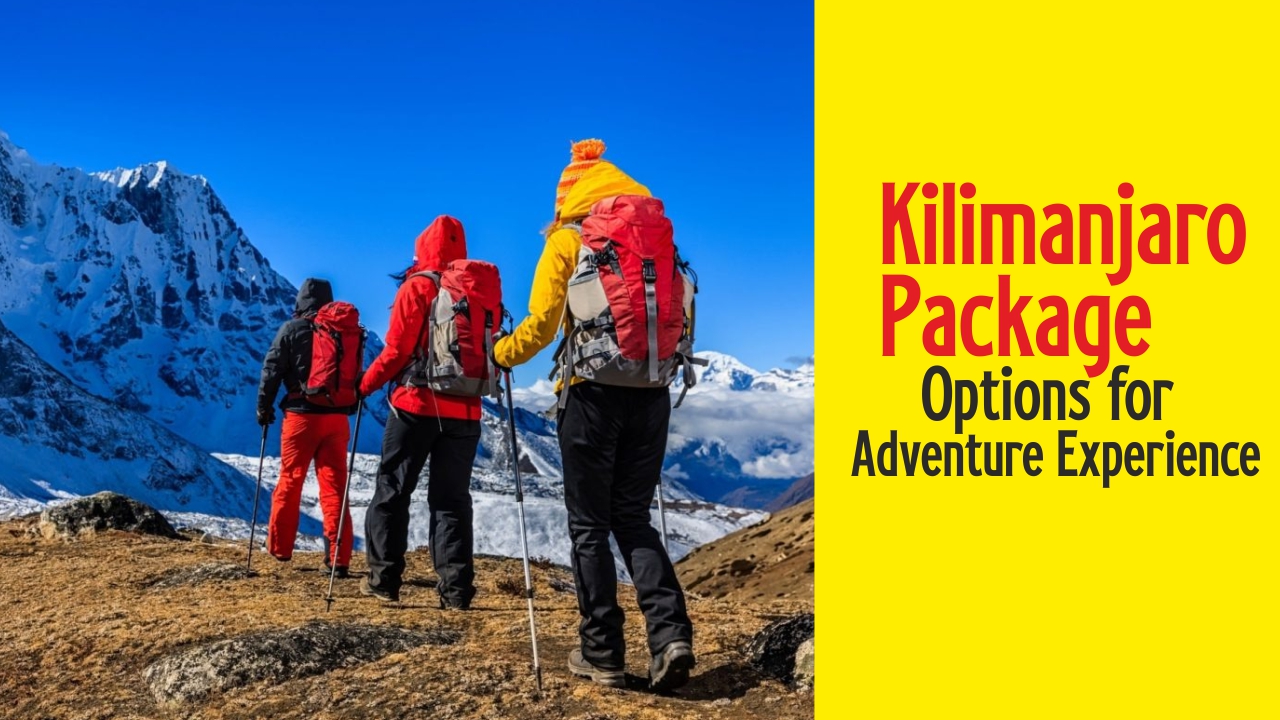
Embarking on a journey to Africa’s highest peak is a dream for adventurers and thrill-seekers alike. Choosing the right kilimanjaro package can make all the difference between a standard trek and a truly unforgettable adventure. At Ice Rock Trekking, the focus is on creating experiences that balance the challenge of mountaineering with comfort, safety, and immersive natural beauty. From breathtaking sunrise vistas over the African plains to the thrill of conquering the summit, selecting the ideal package ensures every moment of the climb is memorable.

Variety of Kilimanjaro Packages

Kilimanjaro offers multiple trekking routes, each with unique features, scenery, and levels of difficulty. Packages are designed to cater to different preferences, from shorter, more intensive climbs to longer, more gradual ascents that enhance acclimatization and enjoyment.

Marangu Route Packages are often considered the most comfortable choice for first-time climbers. Known as the “Coca-Cola Route,” this path features hut accommodations rather than camping, allowing trekkers to rest in dormitory-style shelters along the way. Packages typically range from five to six days, offering a combination of scenic forest trails, alpine deserts, and glacier views at higher elevations. This route provides a structured approach with support for climbers of moderate fitness levels.

Machame Route Packages offer a more scenic and physically challenging experience. Nicknamed the “Whiskey Route,” it features longer days and higher acclimatization potential due to a varied trail layout. Trekkers enjoy panoramic views, moorlands, and unique volcanic formations. Ice Rock Trekking’s Machame packages include camping under the stars, expert guides, and tailored meal plans to ensure energy levels remain high throughout the journey.

For those seeking solitude and extended time on the mountain, Lemosho Route Packages provide a longer, quieter trek with breathtaking vistas. This western approach is celebrated for its pristine landscapes, from lush rainforest to lunar-like summit zones. Lemosho packages usually span seven to eight days, allowing a more gradual ascent, reducing the risk of altitude sickness, and enhancing the overall climbing experience.

Customization and Adventure Add-Ons

Every adventurer has unique expectations and stamina levels, and a well-curated kilimanjaro package accounts for that. Ice Rock Trekking emphasizes customization, whether it’s adjusting the number of trekking days, choosing between hut or tent accommodations, or including additional trekking challenges. Some packages offer summit day adjustments to align with fitness levels, ensuring climbers maximize success while maintaining safety.

Adventure enthusiasts often combine Kilimanjaro treks with other activities. For instance, packages may include wildlife safaris in nearby national parks, cultural tours in local Maasai villages, or photography-focused excursions for capturing the mountain’s spectacular scenery. These add-ons enrich the journey and provide a deeper connection with Tanzania’s natural and cultural heritage.

Expert Support and Safety Measures

The key to a successful Kilimanjaro experience lies in preparation and professional support. Every package from Ice Rock Trekking includes certified guides, experienced porters, and well-planned logistics. Guides are trained to monitor altitude acclimatization, provide medical assistance if necessary, and ensure the climb remains safe without compromising the adventure spirit.

Porters handle heavy gear, set up camps, and prepare meals, allowing climbers to focus on the ascent and enjoy the breathtaking surroundings. Safety equipment, altitude monitoring, and emergency protocols are integrated into every package, ensuring peace of mind during one of the most demanding yet rewarding climbs on Earth.

Meal Plans and Comfort Features

Trekking Kilimanjaro is physically demanding, making nutrition a critical component of the climb. Packages typically include full meal plans designed to provide balanced energy throughout the journey. From hearty breakfasts and energizing lunches to warm dinners, Ice Rock Trekking ensures that climbers remain fueled for success. Special dietary needs can be accommodated, including vegetarian, vegan, or allergy-specific options.

Comfort features vary by package and route. Hut-based packages provide beds, blankets, and communal areas, while camping packages offer high-quality tents, sleeping mats, and meal arrangements in scenic locations. Despite the challenging environment, these thoughtful arrangements make the trek both comfortable and immersive.

Choosing the Right Kilimanjaro Package

Selecting a package requires assessing fitness levels, available days, and desired experiences. Shorter packages like the Marangu or Rongai routes appeal to travelers with limited time or moderate fitness. Longer packages, such as Lemosho or Northern Circuit, suit experienced climbers seeking a gradual ascent, stunning scenery, and higher summit success rates. Ice Rock Trekking offers consultations to match climbers with the ideal package, ensuring goals and expectations are aligned with the mountain’s challenges.

Climbers are encouraged to consider factors such as daily trekking hours, elevation gain, and acclimatization time when deciding on a package. While every route offers the thrill of summiting Africa’s highest peak, careful selection increases the likelihood of a safe, enjoyable, and memorable experience.

Booking and Preparation

Early booking is recommended, especially for popular climbing seasons from January to March and June to October. Ice Rock Trekking provides detailed pre-trek information, including gear checklists, altitude preparation advice, and travel logistics, ensuring climbers arrive ready and confident. Packages can be booked with flexible start dates, group options, and tailored support to accommodate individual preferences or corporate adventure trips.

Additionally, climbers are guided through necessary permits, park fees, and regulations, so the experience is seamless from arrival in Tanzania to reaching Uhuru Peak. This organized approach allows adventurers to focus on the climb rather than administrative tasks.

The Summit Experience

The ultimate reward of any Kilimanjaro package is reaching the summit. Whether it’s the sunrise over Mawenzi and Kibo peaks or the expansive views of the surrounding plains, this moment is unparalleled. Packages are structured to maximize summit success, with careful planning of rest days, acclimatization, and summit timing. Ice Rock Trekking ensures climbers experience this achievement safely, with support and encouragement every step of the way.

Conclusion

Investing in the right kilimanjaro package is more than arranging a climb; it’s designing an unforgettable adventure. Ice Rock Trekking diverse options cater to a wide spectrum of travelers—from first-time trekkers to seasoned mountaineers—ensuring every journey is safe, comfortable, and inspiring. With expert support, thoughtfully planned routes, and immersive adventure opportunities, climbing Kilimanjaro transforms from a dream into a life-changing experience. The mountain’s breathtaking landscapes, the camaraderie of guides and fellow climbers, and the triumph of reaching the summit combine to create memories that last a lifetime.

Whether seeking the most scenic routes, the fastest ascent, or an extended adventure with cultural encounters, choosing the right package ensures every step on Africa’s highest peak is extraordinary.
mt kilimanjaro marangu route

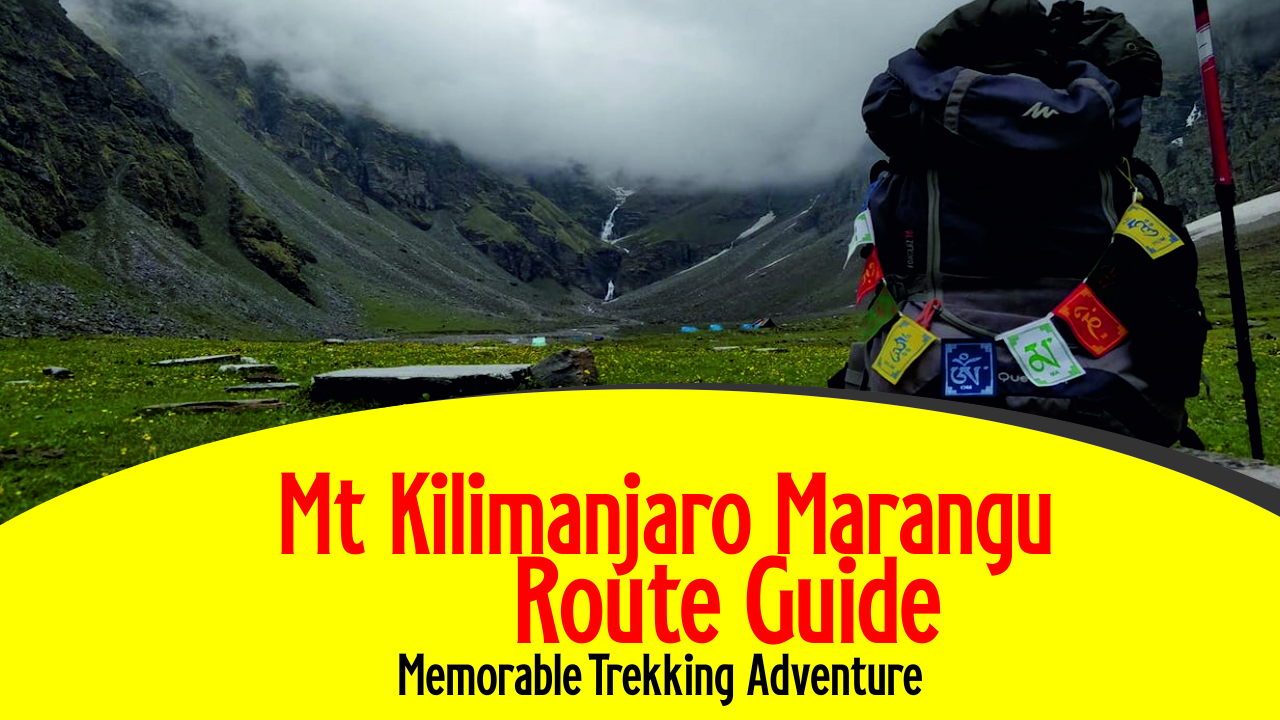
The mt kilimanjaro marangu route stands out as one of the most popular paths for adventurers aiming to summit Africa’s highest peak. Often called the “Coca-Cola Route,” it offers a perfect balance of accessibility, comfort, and breathtaking landscapes. Unlike other routes, it is well-established and equipped with hut accommodations, making it ideal for trekkers who prefer sleeping in a bed rather than a tent. This route is perfect for first-time climbers and seasoned enthusiasts alike who want a structured yet exhilarating ascent.

Starting from the Marangu gate, trekkers are immediately immersed in the lush rainforest that skirts the lower slopes of Kilimanjaro. The trail winds through dense vegetation, moss-covered trees, and cascading streams, providing an enchanting introduction to the mountain. Wildlife sightings are common, with colobus monkeys and colorful birds adding life to the verdant surroundings. The gradual incline allows trekkers to acclimatize slowly, reducing the risk of altitude-related issues while giving ample time to enjoy the scenery.

The trek is typically completed over five to six days, allowing climbers to adjust to changing altitudes. The first stage from Marangu Gate to Mandara Hut is approximately 8 kilometers and crosses through rich forested terrain. Mandara Hut, perched at around 2,700 meters, is the first stop where trekkers can rest, enjoy a warm meal, and prepare for the higher altitudes ahead. The huts along the Marangu route provide basic amenities, including communal dining areas and sleeping quarters, creating a social and supportive trekking environment.

Leaving the rainforest behind, the path gradually transitions into moorland, offering expansive views of Kilimanjaro’s rugged slopes. The journey to Horombo Hut, situated at 3,720 meters, spans roughly 12 kilometers and is a moderate ascent that showcases the mountain’s unique ecological zones. Trekkers witness giant groundsels and lobelias—plants found only at high altitudes—adding an extraordinary element to the trek. Horombo Hut serves as a crucial acclimatization point before attempting the summit. Spending two nights here allows the body to adjust to thinner air and prepares climbers for the challenging push to Uhuru Peak.

The final ascent is famously known as the summit push. Climbers typically depart Horombo Hut late at night to reach Uhuru Peak, the highest point on Mount Kilimanjaro, by sunrise. This section is the most physically demanding, covering an elevation gain of nearly 1,200 meters in one stretch. The trail cuts through the lunar-like landscapes of the alpine desert zone, with jagged rocks and sparse vegetation dominating the scenery. Reaching the summit at 5,895 meters is a triumphant moment, offering panoramic views of Tanzania and, on clear days, neighboring Kenya. The sunrise from Uhuru Peak is a spectacle that many describe as life-changing, as the soft golden light illuminates the glaciers and crater rim.

Descent along the Marangu route is relatively straightforward and less strenuous. Trekkers often return to Horombo Hut for a brief rest before continuing down to Mandara Hut and finally Marangu Gate. The return journey allows climbers to reflect on their accomplishment while enjoying the contrasting landscapes of the descent. Unlike other routes, the Marangu path’s well-marked trails reduce navigational challenges, giving trekkers confidence and peace of mind throughout the trek.

An essential aspect of the mt kilimanjaro marangu route is proper preparation. Trekkers are advised to train for endurance, focus on cardiovascular fitness, and practice hiking with a weighted backpack. Layered clothing is crucial to adapt to fluctuating temperatures, especially during the summit night when conditions can be freezing. Adequate hydration and a balanced diet support energy levels and aid in altitude adjustment. Experienced guides from Ice Rock Trekking provide valuable advice, pacing strategies, and continuous monitoring, ensuring that every climber receives support from start to finish.

The route’s popularity means that climbers can expect a social experience, sharing trails, meals, and stories with fellow adventurers from around the globe. While some may prefer solitude, the communal huts create a sense of camaraderie, making the journey as much about connections as it is about conquering the peak. For those seeking a more isolated experience, early morning departures or trekking during off-peak seasons can offer quieter moments amid the stunning scenery.

Beyond the physical journey, the Marangu route offers cultural insights. Trekkers often pass through small Chagga villages where they can witness traditional farming practices and interact with locals. The Chagga people, native to Kilimanjaro’s southern slopes, are known for their hospitality and knowledge of the mountain. Sampling locally grown bananas, coffee, and honey adds a flavorful dimension to the adventure and deepens the connection to the region.

Safety on the Marangu route is enhanced by its structured nature. The huts provide shelter in unpredictable weather, and the trail’s gradual incline reduces the risk of altitude sickness compared to steeper paths. Ice Rock Trekking ensures that climbers are well-informed about potential risks, equipped with necessary gear, and guided by trained staff. This combination of support, planning, and natural beauty makes the Marangu route an excellent choice for anyone seeking a memorable and scenic ascent of Mount Kilimanjaro.

In conclusion, the mt kilimanjaro marangu route offers an unforgettable trekking adventure, blending natural splendor, cultural encounters, and achievable challenge. Its scenic forest trails, high-altitude moorlands, and striking summit vistas create a layered experience that appeals to both first-time climbers and seasoned mountaineers. The hut system, gradual ascent, and expert guidance from Ice Rock Trekking ensure comfort and safety, while the social and cultural aspects enhance the overall journey. For anyone aspiring to reach Uhuru Peak, this route promises not only a successful summit but memories that last a lifetime.

5 Days Chogoria Route down Sirimon

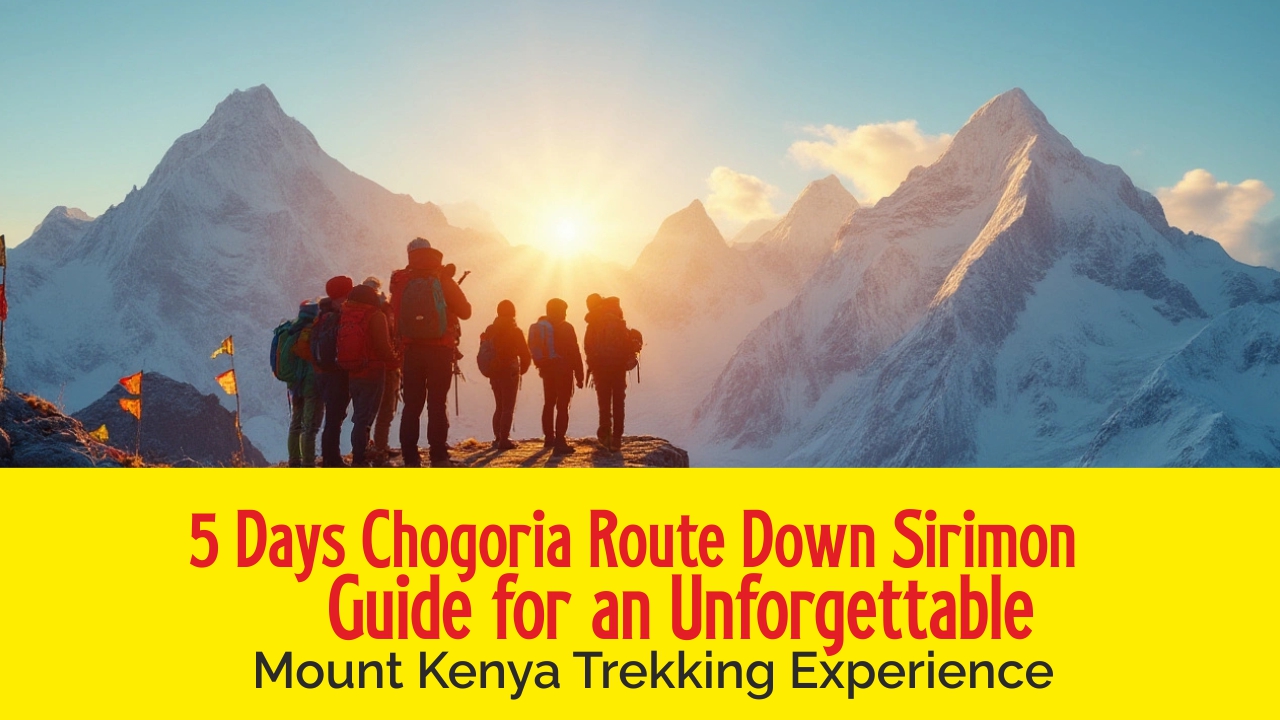
5 Days Chogoria Route down Sirimon trek offers one of the most scenic and exhilarating experiences on Mount Kenya. This route, favored by seasoned trekkers and adventure enthusiasts, combines the raw beauty of untouched landscapes with the thrill of conquering Africa’s second-highest peak. From lush forested trails to stark alpine deserts, each day unfolds a new layer of Mount Kenya’s dramatic terrain, making this journey both physically rewarding and visually mesmerizing. Ice Rock Trekking ensures that every trekker enjoys this route safely while soaking in every breathtaking panorama.

The Chogoria Trail: A Scenic Marvel

Chogoria is renowned for its unparalleled natural beauty. The trail begins in the lower rain forest, where dense indigenous trees form a lush canopy, and the air is thick with the scent of damp earth and wild flora. As trekkers ascend, the landscape gradually transitions from forest to bamboo zones and moorlands, each offering distinct flora and fauna. Along the way, picturesque waterfalls, serene rivers, and crystal-clear tarns like Lake Michaelson provide perfect rest points for reflection and photography. The gradual ascent allows trekkers to acclimatize while enjoying the richness of Mount Kenya’s biodiversity.

What sets the 5 Days Chogoria Route down Sirimon apart is the descent via Sirimon, which offers a gentler gradient and expansive views of the northern plains. Unlike the more congested Sirimon ascent, starting from Chogoria allows trekkers to experience quieter trails and the unspoiled wilderness of Mount Kenya. Along the route, you may spot rare species such as the Mount Kenya hyrax, bongo antelopes, and various endemic birds, making every step a chance to connect with nature.

Day-by-Day Trek Experience

Day 1: Arrival and Acclimatization at Chogoria
The trek begins with a drive to Chogoria town, where trekkers meet the team from Ice Rock Trekking. After settling into a base camp or lodge, the first day focuses on acclimatization and preparation. Briefings include safety protocols, route orientation, and tips for managing high-altitude trekking. A short walk around the Chogoria forest helps the body adjust while giving trekkers a glimpse of the verdant landscapes that lie ahead.

Day 2: Chogoria to Lake Ellis
This day involves the main ascent through the forested slopes, transitioning to bamboo thickets and moorlands. The trail passes scenic points such as Gorges Valley and Mount Kenya waterfalls. By late afternoon, trekkers arrive at Lake Ellis, a stunning glacial lake with the backdrop of snow-capped peaks. Setting up camp here offers a tranquil environment and an ideal opportunity for star-gazing in the clear high-altitude skies.

Day 3: Lake Ellis to Shipton Camp
The route from Lake Ellis to Shipton Camp crosses the dramatic alpine zone, where moorlands stretch as far as the eye can see and giant senecios dominate the landscape. Trekkers gain significant elevation today, but the steady pace allows for proper acclimatization. Shipton Camp, located beneath towering peaks like Nelion and Batian, provides panoramic views that make the challenging ascent worthwhile. The evening often brings breathtaking sunsets reflecting off glaciers, a memory that lingers long after the trek ends.

Day 4: Summit Exploration and Descent Start
Though the summit of Mount Kenya requires additional preparation and permits, trekkers on the 5 Days Chogoria Route down Sirimon can enjoy high-altitude exploration and vantage points near Shipton Camp. Hikes to surrounding peaks or glaciers provide unmatched photography opportunities. After soaking in the views, trekkers begin their descent via the Sirimon route. The descent is gentler than the ascent, allowing hikers to enjoy the scenery without excessive strain on knees and joints. Forested sections reappear as the trail lowers in elevation, accompanied by chirping birds and the scent of fresh foliage.

Day 5: Final Descent to Sirimon Gate
The trek concludes at Sirimon Gate, a site of triumph for every participant. The final stretch is relatively easy, passing through dense forest and offering glimpses of local wildlife and flora. Celebrations with the Ice Rock Trekking team often include certificates of completion and shared stories from the trek, making the experience both memorable and communal. From the top of Mount Kenya to the lush valleys below, the 5 Days Chogoria Route down Sirimon encapsulates adventure, natural beauty, and personal achievement.

Essential Preparation and Tips

  1. Physical Fitness: A moderate level of fitness is recommended. Regular hiking, cardio, and strength exercises in the months leading up to the trek will significantly improve endurance and enjoyment.
  2. Acclimatization: Proper pacing is critical to prevent altitude sickness. Ice Rock Trekking ensures acclimatization periods, hydration, and nutrition are strictly observed.
  3. Gear Essentials: Waterproof clothing, sturdy trekking boots, layered apparel, gloves, and a sunhat are vital. Trekking poles can reduce strain during the descent.
  4. Health Precautions: Carry a basic medical kit including altitude sickness medication, pain relievers, and personal prescriptions. Consultation with a physician before high-altitude trekking is advisable.
  5. Environmental Responsibility: Trekkers should practice Leave No Trace principles, ensuring Mount Kenya’s pristine beauty is preserved for future adventurers.

Why This Route is Unforgettable

The 5 Days Chogoria Route down Sirimon is unmatched for those seeking both adventure and tranquility. Unlike crowded trails, this route balances scenic highlights with solitude. Trekkers witness dense forests, serene lakes, and dramatic alpine deserts, each offering unique perspectives of Mount Kenya’s geological and ecological diversity. The descent via Sirimon adds the perfect contrast, with open vistas, gentle gradients, and a gradual return to lush lowland forests.

Ice Rock Trekking prides itself on providing an experience that goes beyond simple trekking. Expert guides, well-planned camps, and a focus on safety and comfort ensure that trekkers of varying experience levels can embrace the challenges and rewards of Mount Kenya. From the moment you step onto the Chogoria trail to your final arrival at Sirimon Gate, the journey is designed to inspire awe, foster connection with nature, and leave lasting memories.

Conclusion

Mount Kenya’s towering peaks and diverse landscapes make it a dream destination for trekkers. The 5 Days Chogoria Route down Sirimon offers a perfect balance of challenge, scenic beauty, and accessibility, making it a standout choice for both professional mountaineers and enthusiastic explorers. Each day on this trek unfolds a new adventure, from misty forests and alpine lakes to dramatic summits and serene valleys. With Ice Rock Trekking, every step is guided, every view is unforgettable, and every trekker leaves with a profound appreciation for the majesty of Mount Kenya.

Mount Kilimanjaro Trek

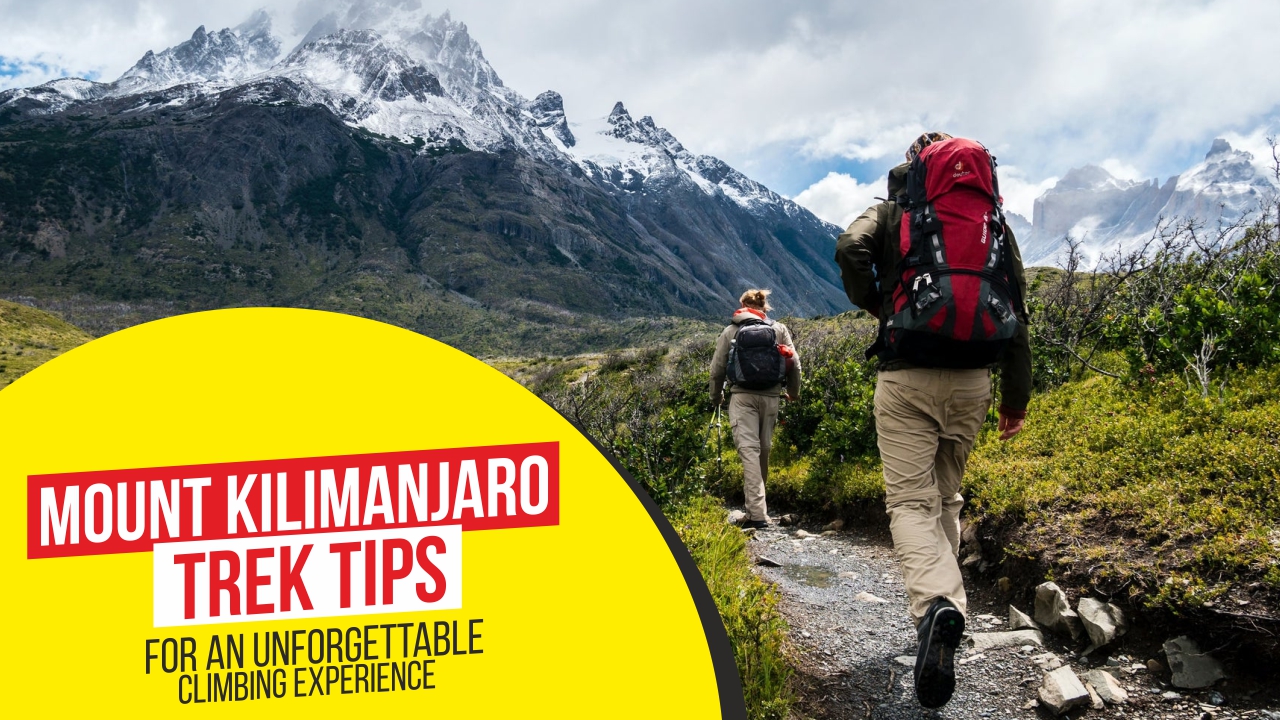
Embarking on a mount Kilimanjaro trek is a journey that blends adventure, endurance, and awe-inspiring natural beauty. Standing tall at 5,895 meters, Africa’s highest peak draws trekkers from across the globe, promising not just a climb but an experience that stays etched in memory forever. Whether you are a seasoned hiker or attempting a high-altitude expedition for the first time, preparing adequately and knowing what to expect can make all the difference between a challenging climb and an exhilarating accomplishment.

Selecting the Right Route

One of the first considerations for a mount Kilimanjaro trek is choosing the route. Kilimanjaro offers several paths, each with its unique terrain, scenery, and pace. Popular options include Marangu, Machame, Lemosho, Rongai, and Shira routes. Marangu is often favored for those seeking a slightly less strenuous climb with comfortable hut accommodations. Machame and Lemosho, on the other hand, are ideal for trekkers seeking scenic diversity and higher chances of successful summits due to better acclimatization profiles. Rongai offers a quieter, northern approach, while Shira provides a route through moorlands and high-altitude plains. Knowing the characteristics of each path allows climbers to match the journey to their fitness level, time availability, and preference for solitude or social interaction on the trail.

Preparing Physically and Mentally

Climbing Kilimanjaro is physically demanding. Preparation should focus on cardiovascular endurance, strength training, and hiking experience. Activities like running, swimming, cycling, and stair climbing build stamina, while strength exercises targeting legs, core, and back enhance endurance for steep ascents. Incorporating hikes with a loaded backpack simulates real conditions on the mountain.

Mental preparation is equally important. The climb tests patience, determination, and adaptability. Trekkers may face sudden weather changes, altitude discomfort, and fatigue. Maintaining a positive mindset, setting realistic expectations, and visualizing success can significantly impact performance and enjoyment during the trek.

Acclimatization and Altitude Awareness

Altitude sickness is a common challenge on Kilimanjaro. Symptoms include headache, nausea, fatigue, and dizziness. Understanding the body’s response to high elevations is critical. Gradual acclimatization, staying well-hydrated, and avoiding overexertion during the initial days can minimize risks. Longer routes, such as Lemosho or Machame, allow better acclimatization and increase the probability of reaching the summit. Some climbers also benefit from incorporating rest days or short acclimatization hikes at mid-altitude camps to adjust more comfortably to thinner air.

Packing Essentials

Proper gear can transform the trek into a comfortable and safe adventure. Key items include:

  • Layered Clothing: Temperatures vary drastically from the rain forest at the base to icy conditions near the summit. Layering allows for adjustment to changing climates.
  • Hiking Boots: Waterproof and well-broken-in boots reduce the risk of blisters and provide necessary support.
  • Sleeping Bag: A high-quality, four-season sleeping bag is essential for cold nights.
  • Trekking Poles: Poles help reduce strain on knees and improve balance, especially on steep or rocky trails.
  • Headlamp: Early morning summit attempts require reliable lighting.
  • Hydration System: Carrying water bottles or a hydration bladder ensures consistent fluid intake, crucial for altitude adjustment.

Other useful items include sunscreen, sunglasses, gloves, a hat, a lightweight rain jacket, and a first-aid kit with altitude-related medication if recommended by a healthcare professional.

Nutrition and Hydration

Eating well-balanced meals during the climb helps sustain energy levels. Most trekking companies provide meals, but it’s useful to bring high-energy snacks such as nuts, energy bars, and dried fruits for quick boosts. Staying hydrated is essential; dehydration can exacerbate altitude sickness. Drinking at least 3–4 liters of water daily, combined with electrolyte supplements, helps maintain energy and prevents headaches and fatigue.

Pacing and Summit Strategy

The summit attempt is the most challenging and rewarding part of the mount Kilimanjaro trek. Climbers usually begin the ascent around midnight to reach the peak by sunrise, experiencing the spectacular view as the sun illuminates the vast African plains. The key to a successful summit lies in pacing. Slow, steady steps, often referred to as “pole pole” (Swahili for slowly slowly), allow the body to adapt and conserve energy. Pushing too hard can lead to exhaustion or altitude complications. Listening to your body and taking breaks when needed is crucial.

Respecting the Environment

Mount Kilimanjaro is an ecological treasure. Trekkers are encouraged to minimize their environmental impact by following Leave No Trace principles. This includes carrying out all waste, avoiding disturbing wildlife, and staying on designated trails. Ethical trekking ensures that future generations can experience the mountain’s pristine beauty while preserving its fragile ecosystems.

Choosing a Reliable Trek Operator

A knowledgeable and responsible trekking company enhances safety, comfort, and overall experience. Experienced guides provide insights on local culture, natural history, and technical aspects of the climb. They also monitor altitude symptoms, ensure proper meal provisions, and handle logistics. Choosing an operator with a strong safety record, well-trained staff, and quality equipment can be the difference between a memorable trek and an avoidable struggle. Ice Rock Trekking emphasizes professional guidance, personalized support, and a focus on making each trek unforgettable.

Capturing the Experience

Beyond physical achievement, mount Kilimanjaro offers opportunities for extraordinary photography. From lush montane forests to alpine deserts and glacier-capped peaks, every stage presents a unique visual story. Early mornings and late afternoons provide soft light ideal for capturing the beauty of the terrain. Carrying a lightweight camera or smartphone ensures memories can be shared without unnecessary burden.

Celebrating the Achievement

Reaching Uhuru Peak, Kilimanjaro’s summit, is a moment of triumph. Many climbers describe it as a life-changing experience, not just physically but emotionally and spiritually. Taking time to absorb the panorama, celebrate with fellow trekkers, and reflect on the journey enhances the sense of accomplishment. Equally important is the descent; descending safely requires the same care, attention, and energy management as ascending.

Final Thoughts

A mount Kilimanjaro trek is more than a physical challenge—it’s a holistic adventure that tests endurance, resilience, and appreciation for nature’s grandeur. Adequate preparation, careful route selection, attention to altitude, and choosing the right trekking partner ensure that the climb is not just successful but truly unforgettable. Trekkers who respect the mountain, pace themselves wisely, and embrace the journey’s highs and lows leave with memories that last a lifetime. Ice Rock Trekking strives to provide experiences that are safe, inspiring, and tailored to every adventurer’s ambition, making each mount Kilimanjaro trek a unique story of achievement.