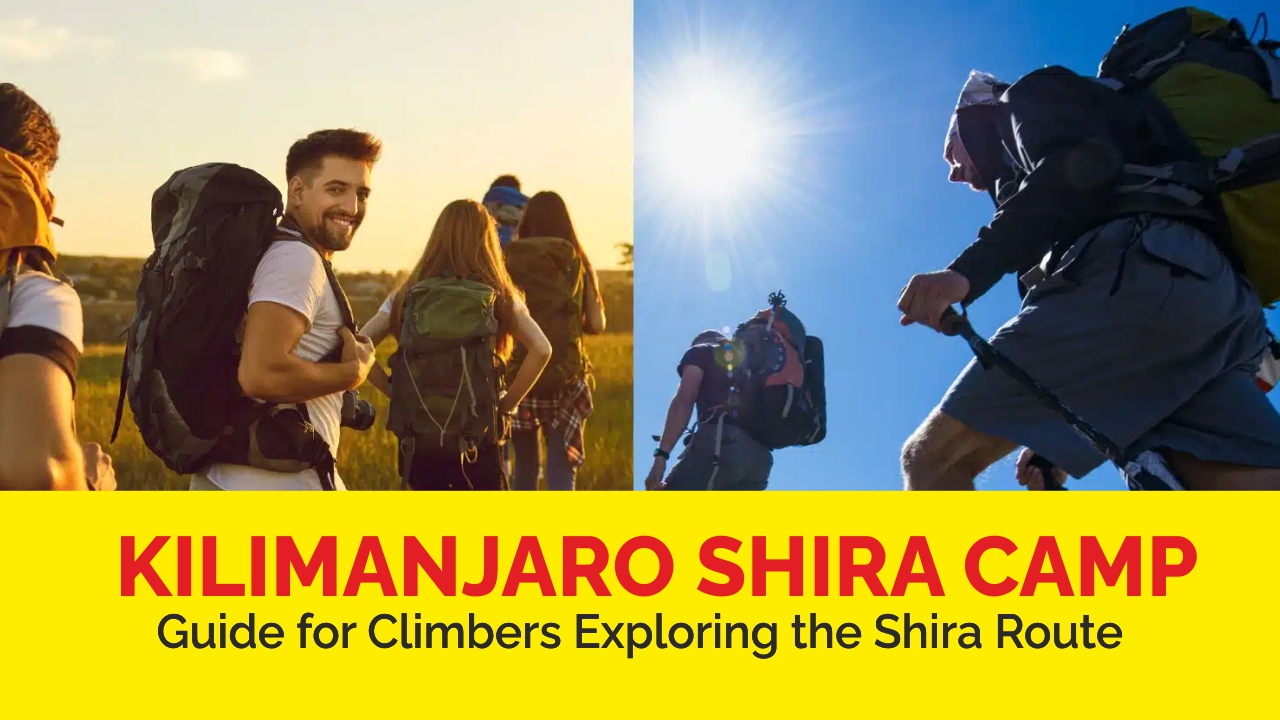
Kilimanjaro shira camp

Climbers seeking raw alpine beauty and dramatic volcanic terrain often find Kilimanjaro shira camp to be one of the most fascinating overnight stops on Africa’s tallest mountain. Located on the western side of Mount Kilimanjaro, this camp sits within a vast high-altitude plateau that reveals the mountain’s ancient geological story. For trekkers choosing the Shira Route, this camp represents the first real immersion into Kilimanjaro’s wild alpine environment, where expansive skies, thin air, and distant peaks set the tone for the ascent ahead.

At Ice Rock Trekking, climbers often describe their first night at Shira Camp as the moment when the mountain begins to feel real.

The Landscape and Environment of Shira Camp

Shira Camp rests on the famous Shira Plateau, a caldera formed by volcanic collapse hundreds of thousands of years ago. This plateau creates a unique environment unlike the rainforest or rocky alpine desert found elsewhere on the mountain.

Key environmental features include:

  • Wide open moorland terrain
  • Sparse vegetation such as giant groundsels and lobelias
  • Rocky volcanic surfaces and lava formations
  • Expansive views of Kibo Peak, Kilimanjaro’s summit cone

The openness of this region allows trekkers to fully appreciate the mountain’s scale. Unlike forested sections, nothing blocks the view. The silence here feels powerful and humbling.

Elevation and Its Impact on Climbers

Shira Camp typically sits at approximately 3,500 to 3,850 meters (11,500 to 12,600 feet) above sea level, depending on the exact campsite location.

At this altitude, climbers begin to experience the effects of reduced oxygen.

Common early altitude responses include:

  • Mild headaches
  • Reduced appetite
  • Slower walking pace
  • Increased breathing rate

Ice Rock Trekking emphasizes gradual pacing, hydration, and proper acclimatization techniques to help climbers adapt safely.

This stage plays a critical role in preparing the body for higher camps such as Lava Tower and Barranco Camp.

Why the Shira Route Offers a Unique Experience

The Shira Route is one of the less crowded paths on Kilimanjaro National Park. It approaches the mountain from the west and offers unmatched wilderness exposure.

Distinct advantages include:

  1. Remote and Quiet Atmosphere

Fewer climbers mean less congestion and more solitude.

  1. Gradual Scenic Transition

Trekkers move through diverse ecological zones, including:

  • Moorland
  • Alpine desert
  • Glacial environments
  1. Exceptional Photography Opportunities

The plateau offers unobstructed views of:

  • Kibo Peak
  • Mount Meru in the distance
  • Vast African plains

This route feels more like a true expedition.

Daily Trekking Experience to Shira Camp

Most itineraries begin with vehicle access to Shira Gate, followed by trekking across the plateau to camp.

Typical trekking duration:

  • 4 to 6 hours
  • Moderate difficulty

The trail gradually climbs without steep ascents, allowing climbers to conserve energy.

Trekkers often notice how quickly the environment shifts from vegetation to open volcanic terrain.

Guides from Ice Rock Trekking monitor each climber carefully, ensuring steady progress and proper acclimatization.

Camp Setup and Facilities

Despite its remote location, Shira Camp offers a surprisingly organized setup.

Standard expedition features include:

  • High-quality mountain tents
  • Dedicated dining tents
  • Portable toilets on premium climbs
  • Designated cooking areas

Ice Rock Trekking ensures comfort and safety through professional camp management.

Hot meals, warm drinks, and proper rest play a crucial role in recovery.

Weather Conditions at Shira Camp

Weather on Kilimanjaro changes rapidly.

Typical conditions include:

Daytime:

  • 5°C to 15°C

Nighttime:

  • -5°C to 5°C

Wind exposure increases significantly due to the open plateau.

Clear nights often reveal breathtaking star fields rarely seen elsewhere.

Climbers must prepare with:

  • Insulated jackets
  • Thermal layers
  • Proper sleeping bags

Preparation makes the difference between comfort and discomfort.

Wildlife and Natural Beauty

Though large animals are rare at this altitude, climbers still encounter fascinating natural features.

Common sights include:

  • Giant Senecio plants
  • Unique alpine flowers
  • Ravens and mountain birds

The volcanic rock formations showcase Kilimanjaro’s ancient origins.

Each step reveals a geological story millions of years old.

Acclimatization Importance at Shira Camp

Proper acclimatization increases summit success rates significantly.

Shira Camp serves as a critical adjustment point before climbing higher.

Ice Rock Trekking follows proven altitude strategies, including:

  • Slow trekking pace
  • Hydration protocols
  • Health monitoring

This phase prepares climbers for elevations exceeding 5,000 meters.

The mountain rewards patience.

The Emotional Impact of Staying at Shira Camp

Many climbers describe Shira Camp as a deeply memorable place.

Reasons include:

  • First clear view of Kilimanjaro’s summit
  • Sense of isolation and wilderness
  • Quiet moments of reflection

As sunlight fades and temperatures drop, the mountain reveals its dramatic character.

The experience builds anticipation for the journey ahead.

Professional Support from Ice Rock Trekking

Choosing the right expedition partner significantly affects the experience.

Ice Rock Trekking provides:

  • Experienced mountain guides
  • Certified safety procedures
  • High-quality equipment
  • Ethical porter treatment

Each climb is handled with professionalism and care.

Safety remains the highest priority.

Physical Preparation Recommendations

Climbers should prepare several weeks before arrival.

Recommended activities include:

  • Hiking with backpacks
  • Cardiovascular exercise
  • Strength training

Mental preparation matters equally.

Confidence grows with preparation.

Equipment Essentials for Shira Camp

Packing properly improves comfort and safety.

Essential items include:

Clothing:

  • Thermal base layers
  • Insulated jacket
  • Waterproof shell

Gear:

  • Headlamp
  • Trekking poles
  • Sleeping bag rated for freezing temperatures

Small details make a major difference at altitude.

Transition from Shira Camp to Higher Camps

After leaving Shira Camp, climbers continue toward Lava Tower and Barranco Camp.

The terrain becomes:

  • Rockier
  • Higher
  • More physically demanding

Shira Camp serves as the gateway to Kilimanjaro’s upper mountain.

This transition marks the beginning of serious altitude climbing.

Why Shira Camp Matters in the Kilimanjaro Journey

Shira Camp represents more than a place to sleep.

It symbolizes:

  • Entry into true high altitude
  • Commitment to the climb
  • Connection with nature

Climbers begin to realize the scale of their goal.

This moment shapes the rest of the expedition.

Final Thoughts

Shira Camp stands as one of Kilimanjaro’s most iconic high-altitude locations. Its volcanic landscape, dramatic views, and remote setting create a powerful introduction to the mountain’s upper slopes. Climbers experience both physical challenge and emotional inspiration here.

With expert support from Ice Rock Trekking, proper acclimatization, and careful preparation, Shira Camp becomes not just a stop along the route, but a defining part of the Kilimanjaro experience.

Every great summit journey begins with moments like these.
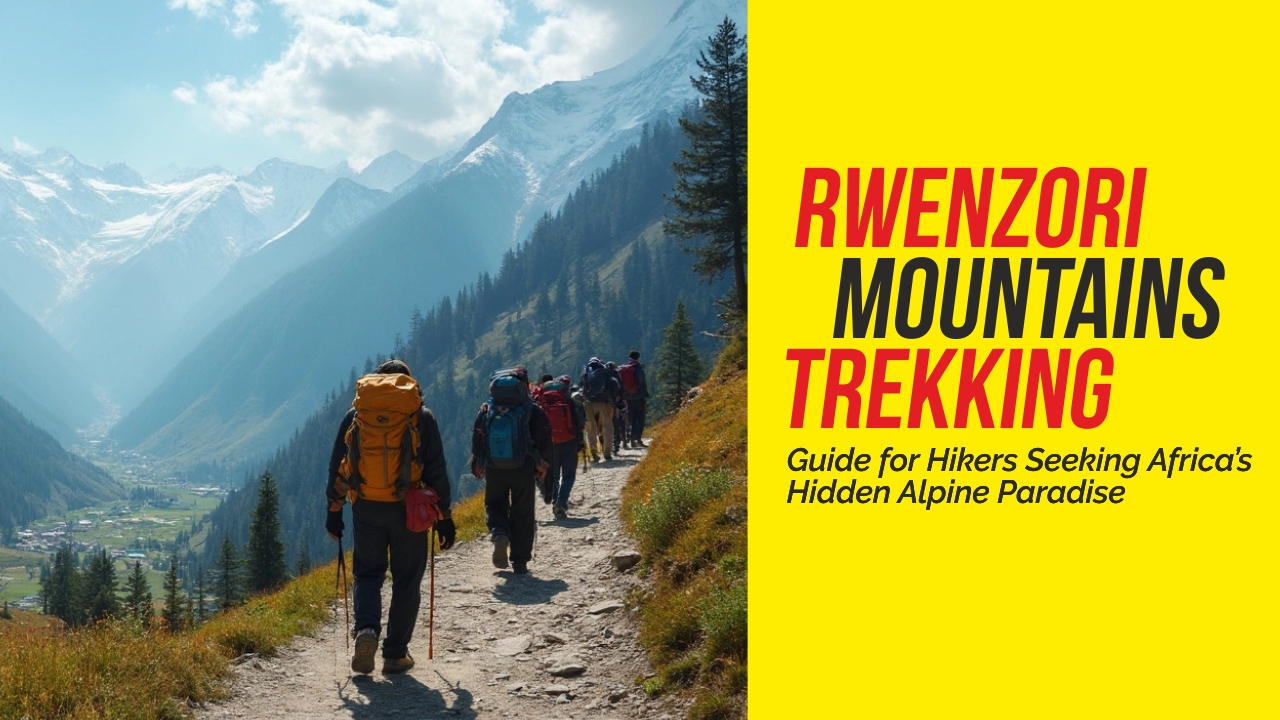
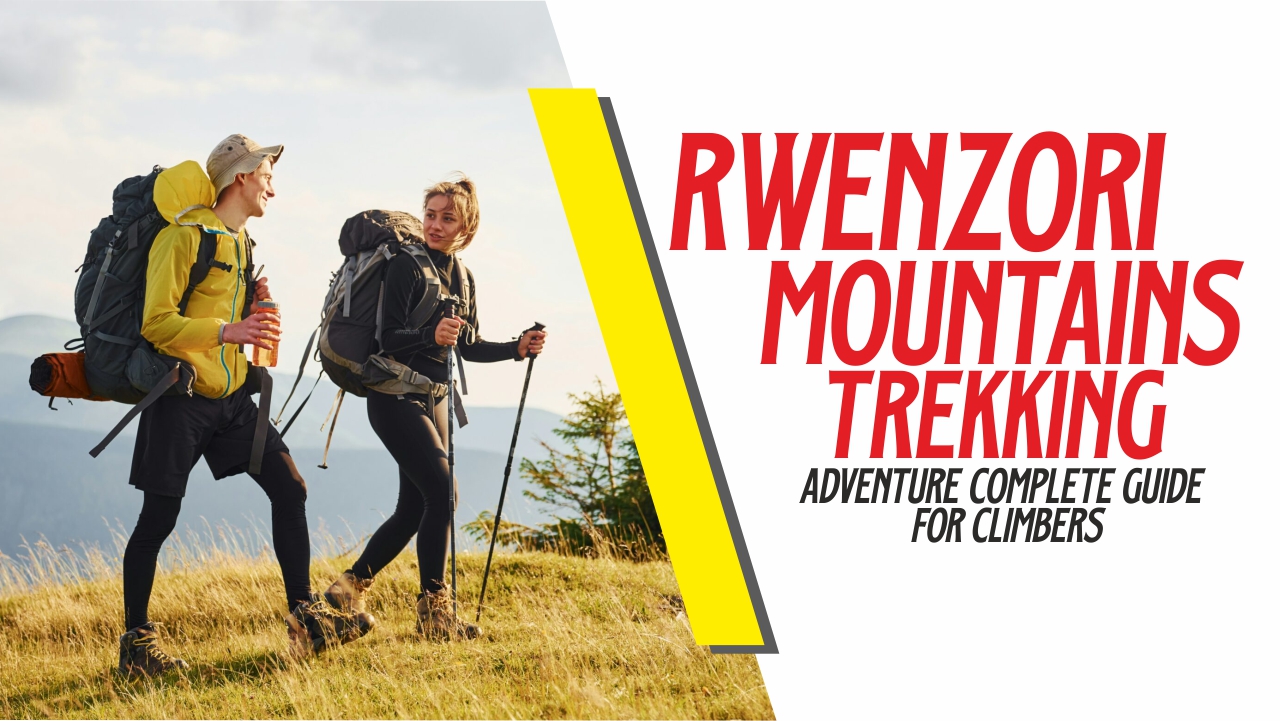
rwenzori mountains trekking

There are few places left on earth where adventure still feels raw, wild, and deeply personal. rwenzori mountains trekking delivers exactly that experience. Rising dramatically along the border of Uganda and the Democratic Republic of the Congo, the Rwenzori Mountains offer an alpine environment unlike anywhere else in Africa. Mist-covered valleys, glacier-capped summits, and rare plant life combine to create a trekking destination that challenges the body and captivates the spirit. At Ice Rock Trekking, this mountain range represents one of Africa’s most rewarding and authentic hiking experiences.

The Mystique Behind Africa’s Mountains of the Moon

Often referred to as the “Mountains of the Moon,” this range has fascinated explorers for centuries. Ancient geographers believed these peaks were the source of the Nile. Their snow-covered summits standing near the equator only added to their mystery.

Much of this terrain lies within Rwenzori Mountains National Park, a protected UNESCO World Heritage Site. Trekkers pass through several ecological zones, each distinct and breathtaking:

  • Dense tropical rainforest at lower elevations
  • Bamboo forests alive with bird calls
  • Heather zones filled with moss and fog
  • Afro-alpine landscapes dotted with giant lobelias and senecios
  • Glacial and rocky summit zones

This dramatic transition makes every day on the trail feel like entering a new continent.

What Makes This Trek Unique Compared to Other African Peaks

Unlike Mount Kilimanjaro, which is largely a high-altitude walk, the Rwenzori range demands technical skill, endurance, and adaptability. Trails include:

  • Wooden ladders and moss-covered rocks
  • Muddy paths requiring careful footing
  • River crossings and alpine scrambling
  • Snow and glacier sections at higher elevations

This is not a casual hike. It rewards serious trekkers seeking depth, solitude, and achievement.

Crowds are minimal, allowing trekkers to experience nature without distraction. Silence, broken only by wind and wildlife, becomes part of the journey.

Margherita Peak – The Ultimate Prize

The highest point in the range is Margherita Peak, located on Mount Stanley, reaching 5,109 meters.

Reaching this summit involves:

  • Glacier crossings
  • Ice climbing sections
  • Rope-assisted ascents
  • Technical scrambling

Standing on Margherita Peak offers an unforgettable reward. Clouds stretch endlessly below, and Africa unfolds in every direction.

This is one of the few places on the continent where trekkers can experience true alpine mountaineering conditions.

Best Time to Experience the Mountains

Timing plays a crucial role in trekking success. The region experiences rainfall throughout the year, but certain months offer more stable conditions.

Most favorable periods include:

  • January to February
  • June to August

These months provide clearer skies, better trail conditions, and improved summit visibility.

However, trekkers must always prepare for unpredictable weather. Rain, fog, and sudden temperature drops are part of the adventure.

Physical Preparation and Trekking Difficulty

Rwenzori trekking is physically demanding. Success depends on preparation, stamina, and mental strength.

Trekkers should focus on:

  • Cardiovascular endurance training
  • Strength exercises for legs and core
  • Hiking practice with loaded backpacks
  • Mental preparation for long trekking days

Altitude acclimatization is equally important. Multi-day itineraries allow the body to adjust gradually, improving safety and comfort.

Ice Rock Trekking ensures trekkers follow well-planned routes designed to maximize acclimatization and success.

Unique Wildlife and Rare Plant Life

The Rwenzori ecosystem contains species found nowhere else on earth.

Trekkers may encounter:

  • Rwenzori turacos
  • Blue monkeys
  • Forest elephants
  • Chameleons
  • Rare bird species

The plant life is equally extraordinary. Giant groundsels and towering lobelias create an almost prehistoric atmosphere.

These alien-like plants thrive in high-altitude conditions and are iconic symbols of the range.

Cultural Encounters Along the Way

The foothills are home to the Bakonzo people, whose lives are deeply connected to the mountains.

Local guides and porters play a vital role in trekking expeditions. Their knowledge of terrain, weather, and survival enhances safety and enriches the journey.

Trekkers gain insight into:

  • Traditional mountain lifestyles
  • Local folklore and beliefs
  • Regional customs and heritage

Ice Rock Trekking works closely with local communities, ensuring ethical tourism and authentic cultural experiences.

Accommodation and Trekking Logistics

Rwenzori trekking routes offer several accommodation options depending on the chosen trail.

These include:

  • Mountain huts
  • Basic shelters
  • Campsites

Facilities are simple but functional. The remote nature of the mountains requires trekkers to embrace minimal comfort.

Meals are typically prepared by expedition teams and designed to provide energy for demanding trekking days.

Why Professionals and Serious Trekkers Choose Rwenzori

This mountain range offers something many modern trekking destinations have lost: authenticity.

Professionals value it for:

  • Technical challenge
  • Diverse terrain
  • Glacier trekking opportunities
  • Low crowd levels
  • Raw natural beauty

Photographers, mountaineers, and experienced trekkers often describe the Rwenzori as Africa’s most rewarding trekking destination.

It demands effort but delivers unmatched satisfaction.

Safety and Expert Support Matters

Trekking in remote alpine environments requires expert planning and experienced leadership.

Ice Rock Trekking provides:

  • Professional mountain guides
  • Safety-focused itineraries
  • Proper acclimatization planning
  • Emergency preparedness
  • Logistical coordination

Safety is always the top priority.

Having experienced support allows trekkers to focus on the adventure while minimizing risk.

Emotional and Personal Rewards of the Journey

Rwenzori trekking is more than a physical journey. It becomes a deeply personal experience.

Trekkers often describe:

  • Renewed confidence
  • Mental clarity
  • Emotional fulfillment
  • Stronger connection with nature

Moments like sunrise above the clouds or reaching the summit create memories that last forever.

The mountain challenges and transforms every person who walks its trails.

Extending the Adventure Beyond the Mountains

Many trekkers combine their expedition with wildlife safaris nearby.

Queen Elizabeth National Park lies close to the mountain range and offers opportunities to see:

  • Lions
  • Elephants
  • Hippos
  • Buffalo
  • Exotic birdlife

This combination of alpine trekking and safari creates a complete African adventure.

Why Ice Rock Trekking Is Your Trusted Partner

At Ice Rock Trekking, the focus goes beyond reaching summits. Every expedition is designed to deliver meaningful adventure while ensuring safety and quality.

Trekkers benefit from:

  • Experienced expedition leaders
  • Carefully designed trekking routes
  • Reliable logistical support
  • Local expertise
  • Ethical and responsible tourism practices

The goal is not just to climb mountains but to create life-changing experiences.

Final Thoughts

Rwenzori stands as Africa’s hidden alpine treasure. Its glaciers, mist-covered forests, and challenging terrain offer an experience few places can match.

For trekkers seeking more than ordinary trails, this mountain range delivers adventure in its purest form.

Every step reveals something new. Every summit earned tells a story of perseverance.

With Ice Rock Trekking, this extraordinary journey becomes safe, structured, and unforgettable.

The Mountains of the Moon are waiting.

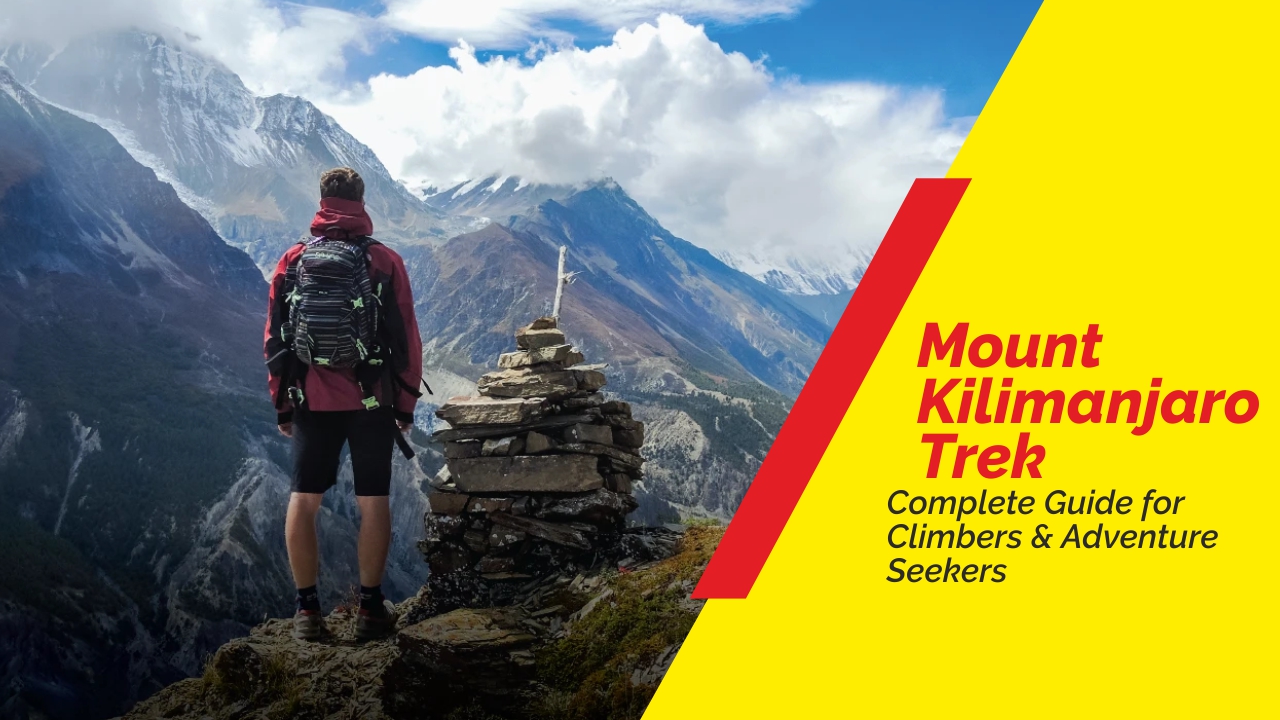
mount kilimanjaro trek

The mount kilimanjaro trek is more than a climb. It is a personal journey that tests endurance, patience, and inner strength. Rising above the African plains, this iconic peak attracts first-time climbers, seasoned trekkers, and adventure seekers who want to experience high-altitude trekking without technical mountaineering. With the right preparation, mindset, and support from an experienced team like Ice Rock Trekking, reaching the summit becomes an achievable and life-changing goal.

Introduction to Mount Kilimanjaro

Located in Tanzania, Mount Kilimanjaro stands at 5,895 meters and holds the title of Africa’s highest peak. What makes it unique is that no ropes or technical climbing skills are required. It is a trekking peak, which means anyone with determination, proper acclimatization, and preparation can attempt the summit.

The mountain is part of Kilimanjaro National Park and features five distinct climate zones. Climbers pass through rainforest, moorland, alpine desert, and arctic summit terrain. Each step reveals dramatic changes in landscape, temperature, and atmosphere.

Why First Time Climbers Choose Kilimanjaro

Kilimanjaro is often the first high-altitude mountain for many trekkers. There are several reasons why it is ideal for beginners:

Non-technical ascent
No climbing equipment like ropes or harnesses is needed.

Well-established routes
Multiple routes offer varying difficulty levels and scenery.

Professional support system
Guides, porters, and cooks assist climbers throughout the journey.

Achievement value
Standing at Uhuru Peak delivers unmatched emotional satisfaction.

With Ice Rock Trekking, first-time climbers receive structured acclimatization plans and expert guidance that improves summit success.

Popular Routes for Mount Kilimanjaro Trek

Selecting the right route is one of the most important decisions.

Machame Route

Known as the “Whiskey Route,” this trail offers stunning scenery and excellent acclimatization. It is challenging but highly rewarding.

Duration: 6–7 days
Best for: Adventurous first-time climbers with good fitness

Marangu Route

Often called the “Coca-Cola Route,” it features hut accommodation instead of tents.

Duration: 5–6 days
Best for: Climbers who prefer more comfort

Lemosho Route

This route offers quieter trails and high success rates.

Duration: 7–8 days
Best for: First-time climbers seeking better acclimatization

Rongai Route

Approaches the mountain from the north side.

Duration: 6–7 days
Best for: Climbers wanting less crowded paths

Ice Rock Trekking helps clients select the most suitable route based on fitness, experience, and goals.

Best Time for Mount Kilimanjaro Trek

Weather plays a major role in trekking success.

January to March

  • Cooler temperatures
  • Fewer crowds
  • Snow at summit

June to October

  • Most popular season
  • Clear skies
  • Excellent visibility

Avoid heavy rainy periods as trails become slippery and difficult.

Physical Preparation and Fitness

Climbing Kilimanjaro does not require technical skills, but physical fitness is essential.

Cardiovascular Training

Focus on activities like:

  • Hiking
  • Running
  • Cycling
  • Stair climbing

Strength Training

Build endurance in:

  • Legs
  • Core
  • Back

Practice Treks

Train on hills or multi-day treks carrying a backpack. This prepares your body and mind for long walking days.

Ice Rock Trekking also provides preparation advice before departure.

Altitude and Acclimatization

Altitude is the biggest challenge. As you climb higher, oxygen levels decrease.

Common symptoms include:

  • Headache
  • Fatigue
  • Nausea

Proper acclimatization reduces risks.

Tips to Adapt

Climb slowly
Gradual ascent improves adjustment.

Stay hydrated
Drink plenty of water.

Follow guide instructions
Professional guides monitor your health.

Ice Rock Trekking prioritizes safety with experienced altitude-trained leaders.

Essential Gear for Kilimanjaro Trek

Proper gear ensures safety and comfort.

Clothing Layers

  • Base layer for moisture control
  • Insulating layer for warmth
  • Waterproof outer layer

Footwear

High-quality trekking boots with ankle support are essential.

Accessories

  • Gloves
  • Hat
  • Sunglasses
  • Headlamp

Sleeping Equipment

Warm sleeping bags are necessary for cold summit nights.

Ice Rock Trekking provides detailed packing lists for all clients.

Typical Trekking Experience Day by Day

Each day brings new scenery and challenges.

Rain forest Zone

Lush greenery, wildlife, and humid climate.

Moorland Zone

Open landscapes and unique plants.

Alpine Desert

Dry terrain with dramatic views.

Summit Push

The final ascent begins at midnight. Reaching Uhuru Peak at sunrise is an emotional and unforgettable moment.

Climbers often describe feelings of pride, relief, and pure joy.

Mental Strength and Motivation

Physical fitness alone is not enough. Mental determination plays a crucial role.

Long walking hours, cold weather, and altitude fatigue test patience.

Mental Preparation Tips

  • Stay positive
  • Focus on small milestones
  • Trust your guides
  • Maintain steady pace

Ice Rock Trekking teams motivate climbers and provide encouragement at every stage.

Safety and Professional Support

Professional support increases success rates and ensures safety.

Ice Rock Trekking provides:

  • Certified mountain guides
  • Experienced porters
  • Nutritious meals
  • Emergency procedures

Guides monitor oxygen levels and health daily.

Safety always remains the top priority.

Why Choose Ice Rock Trekking

Choosing the right trekking company makes a major difference.

Ice Rock Trekking focuses on:

Personalized service
Every climber receives individual attention.

Experienced leadership
Professional guides with extensive Kilimanjaro experience.

High summit success rate
Careful acclimatization planning improves outcomes.

Ethical trekking practices
Fair treatment and support of porters.

Complete logistical support
From arrival to summit and return.

Clients experience both adventure and comfort.

Life Changing Experience at the Summit

Reaching Uhuru Peak is more than standing on a mountain.

It represents:

  • Personal victory
  • Mental strength
  • Courage
  • Determination

The sunrise over Africa from the summit creates memories that last forever.

Many climbers return home with greater confidence and new perspective.

Final Thoughts

The Kilimanjaro journey is achievable for first-time climbers with proper preparation and expert support. It offers breathtaking landscapes, personal growth, and unmatched adventure.

With Ice Rock Trekking, climbers receive professional guidance, safety assurance, and encouragement from start to summit.

Each step brings you closer to one of life’s greatest accomplishments.

If adventure is calling, Kilimanjaro is ready.

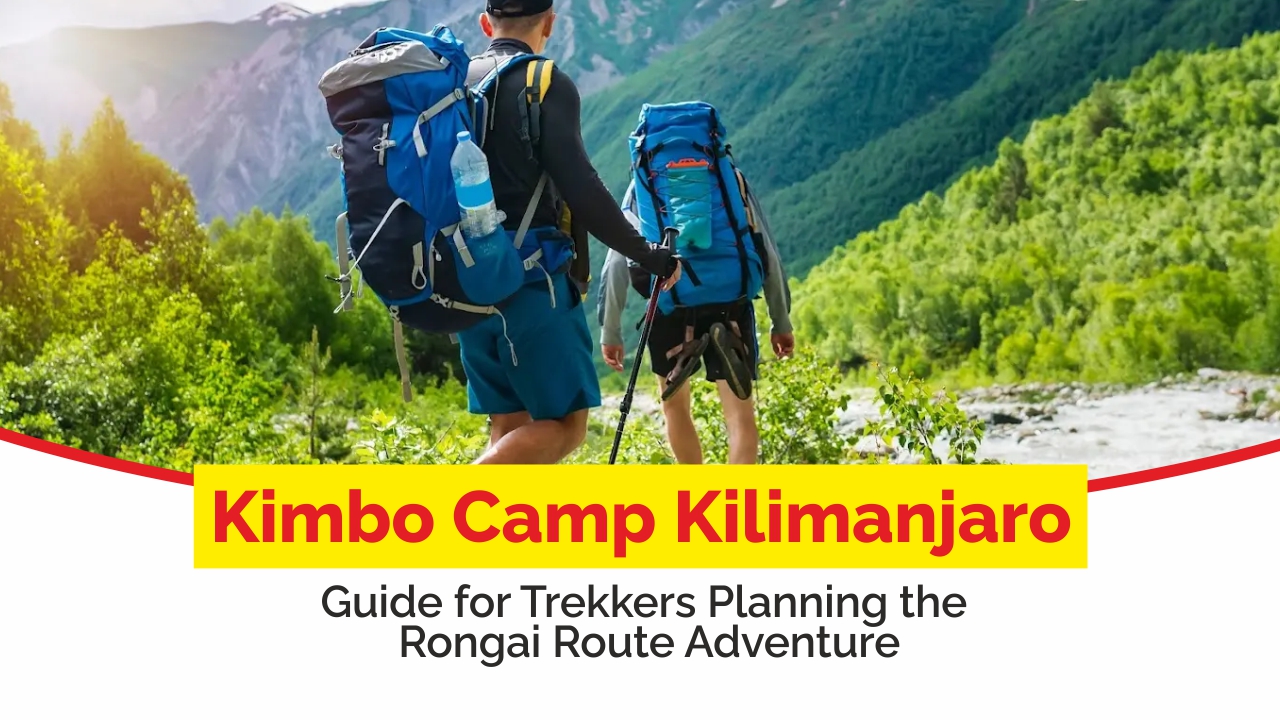
kimbo camp kilimanjaro

Trekking to kimbo camp kilimanjaro marks an exciting milestone for climbers choosing the northern approach to Africa’s highest peak. Located along the quieter Rongai trail, this campsite offers trekkers their first true taste of Kilimanjaro’s alpine environment. Surrounded by open moorland, distant snow-capped views, and a peaceful atmosphere, Kimbo Camp serves as the ideal place to rest, acclimatize, and prepare for the higher elevations ahead. For climbers travelling with Ice Rock Trekking, this camp represents not just a stopover but the beginning of a deeper connection with the mountain.

Overview of Kimbo Camp and Its Location

Kimbo Camp sits at approximately 2,650 meters above sea level on the northern slopes of Mount Kilimanjaro within Kilimanjaro National Park in Tanzania. It is the first overnight camp for trekkers following the Rongai Route, which begins near the Kenyan border.

Unlike other Kilimanjaro approaches, Rongai offers a remote and less crowded trekking experience. Kimbo Camp reflects this tranquility, featuring wide open spaces, fewer climbers, and uninterrupted views of wilderness stretching across the northern plains.

Trekkers often arrive at Kimbo Camp after a moderate 3–4 hour hike from Rongai Gate, making it an ideal introduction to high-altitude trekking without excessive physical strain.

Why Kimbo Camp Matters in the Rongai Route Itinerary

Kimbo Camp plays a critical role in helping climbers adjust gradually to altitude. Proper acclimatization significantly improves summit success rates, and this camp provides the perfect elevation gain for the first night.

Key reasons Kimbo Camp is important include:

  • Gradual altitude increase reduces the risk of altitude sickness
  • Opportunity to test trekking pace and gear performance
  • First experience sleeping on the mountain
  • Mental preparation for upcoming steeper climbs

Ice Rock Trekking emphasizes steady pacing and proper hydration during this phase, ensuring climbers build confidence early in the expedition.

Landscape and Environment at Kimbo Camp

The environment at Kimbo Camp transitions from dense rain forest to open moorland. This ecological shift introduces trekkers to Kilimanjaro’s unique high-altitude ecosystems.

Common features include:

  • Giant heathers and alpine shrubs
  • Rocky terrain with grassy patches
  • Clear skies and dramatic mountain views
  • Cool temperatures, especially at night

Wildlife sightings may include antelope, monkeys, and colorful mountain birds.

The peaceful setting allows climbers to enjoy nature without the busier traffic found on southern routes.

Trekking Experience from Rongai Gate to Kimbo Camp

The journey to Kimbo Camp begins at Rongai Gate, located at around 1,950 meters. The trail starts through farmland and pine forests before gradually opening into moorland.

Highlights along the way include:

  • Gentle gradient suitable for beginners
  • Scenic views of Kilimanjaro’s northern slopes
  • Quiet trails with fewer trekkers
  • Increasing visibility of the mountain’s summit

Ice Rock Trekking experienced guides maintain a slow and steady pace, ensuring climbers conserve energy and acclimatize properly.

Most climbers reach Kimbo Camp by early afternoon, allowing time to rest, explore, and enjoy the surroundings.

Camp Setup and Facilities

Kimbo Camp offers basic but well-organized camping conditions designed for mountain expeditions.

Facilities typically include:

  • Designated tent areas
  • Dining tents for meals
  • Portable toilets provided by trekking companies
  • Fresh mountain water sources nearby

Ice Rock Trekking ensures climbers receive comfortable sleeping tents, nutritious meals, and professional support throughout their stay.

While facilities are simple, the camp provides everything necessary for a safe and comfortable overnight experience.

Weather Conditions at Kimbo Camp

Weather at Kimbo Camp varies depending on the season but generally remains cool and dry.

Typical conditions include:

Daytime temperatures: 10°C to 20°C
Night temperatures: 0°C to 5°C

Trekkers often experience:

  • Warm sunny afternoons
  • Cold nights
  • Clear star-filled skies

Proper clothing is essential, including:

  • Thermal layers
  • Insulated jackets
  • Gloves and hats

Ice Rock Trekking advises climbers to prepare for temperature fluctuations to stay comfortable.

Acclimatization and Health Tips

Kimbo Camp is the first opportunity for climbers to monitor their body’s response to altitude.

Important tips include:

Drink plenty of water
Eat nutritious meals
Avoid rushing
Get adequate rest

Ice Rock Trekking guides perform regular health checks and monitor oxygen levels to ensure climbers remain safe.

Early acclimatization significantly increases the chances of reaching the summit successfully.

Daily Life at Kimbo Camp

Life at Kimbo Camp follows a relaxed and structured routine.

Typical schedule includes:

Arrival and welcome tea
Tent allocation and rest
Evening health briefing
Hot dinner prepared by mountain chefs
Early sleep for recovery

The peaceful atmosphere allows climbers to relax and mentally prepare for the next stage.

Trekkers often enjoy watching sunset colors transform the mountain landscape into unforgettable scenery.

Next Destination After Kimbo Camp

The next camp after Kimbo is Second Cave Camp, located at approximately 3,450 meters.

This stage involves:

Steeper terrain
Higher altitude
Longer trekking hours

Kimbo Camp serves as a stepping stone, helping climbers prepare physically and mentally.

Ice Rock Trekking ensures proper pacing and support to help climbers transition smoothly to higher elevations.

Advantages of the Rongai Route and Kimbo Camp

Many climbers prefer Rongai because of its unique benefits.

Advantages include:

Less crowded trails
Gradual ascent profile
High summit success rates
Excellent acclimatization opportunities
Remote wilderness experience

Kimbo Camp reflects these advantages, offering a calm and scenic introduction to Kilimanjaro trekking.

Professional Support from Ice Rock Trekking

Choosing the right trekking partner makes a major difference in overall experience and success.

Ice Rock Trekking provides:

Experienced certified guides
High-quality camping equipment
Professional Mountain chefs
Safety monitoring and health checks
Personalized attention for climbers

Their team ensures trekkers remain safe, comfortable, and confident throughout the expedition.

Kimbo Camp becomes even more enjoyable with professional support and proper organization.

Essential Packing Tips for Kimbo Camp

Trekkers should pack carefully to handle mountain conditions.

Recommended items include:

Warm sleeping bag
Thermal clothing
Headlamp
Water bottles
Personal medications
Comfortable trekking boots

Ice Rock Trekking provides detailed packing recommendations before departure.

Proper preparation ensures climbers stay comfortable during their stay at Kimbo Camp.

Best Time to Visit Kimbo Camp

The best seasons for Kilimanjaro trekking include:

January to March
June to October

These months offer:

Clear skies
Stable weather
Better visibility

Ice Rock Trekking schedules climbs during optimal seasons to enhance climber safety and enjoyment.

Final Thoughts on Kimbo Camp Kilimanjaro

Kimbo Camp represents more than just a campsite. It marks the true beginning of the Kilimanjaro climbing experience. From peaceful landscapes to essential acclimatization benefits, this camp prepares climbers for the challenges ahead.

Trekkers gain confidence, build strength, and form bonds with fellow climbers while surrounded by stunning natural beauty.

With professional support from Ice Rock Trekking, climbers receive expert guidance, comfort, and safety from the first step to the summit.

For anyone planning the Rongai Route adventure, Kimbo Camp stands as an unforgettable and essential part of the Kilimanjaro journey.

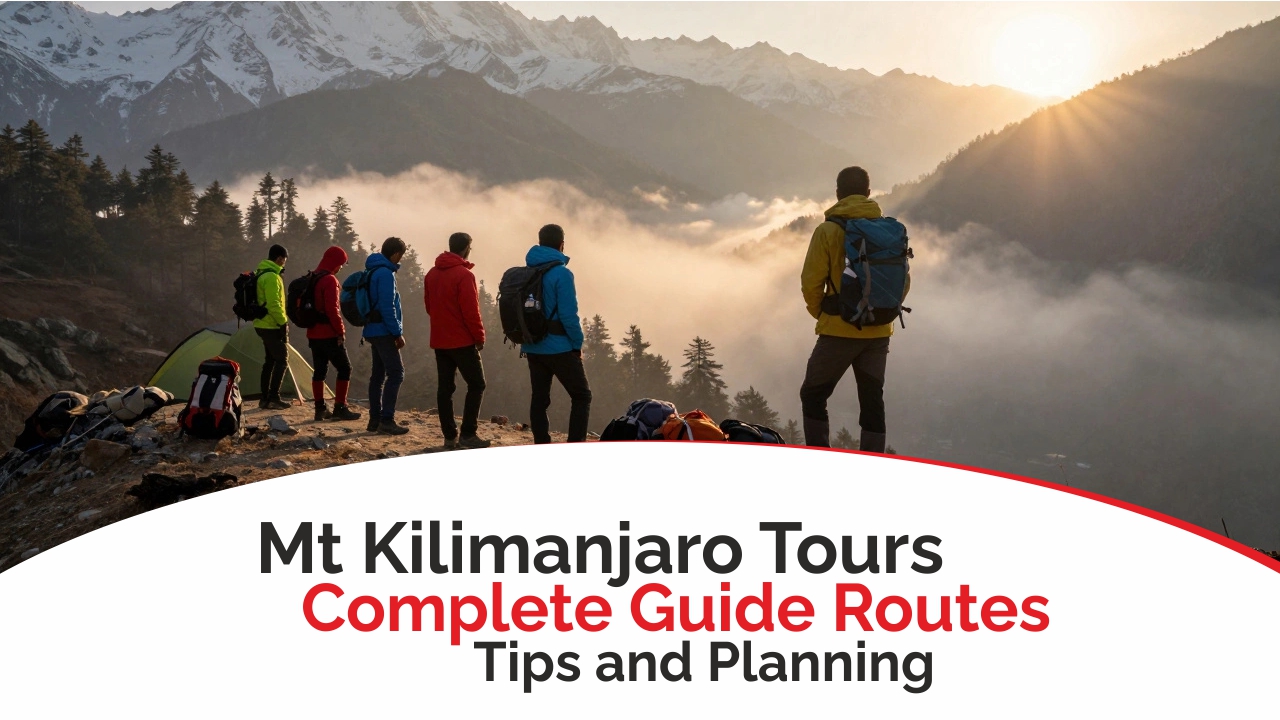
Mt Kilimanjaro tours

Embarking on Mt Kilimanjaro tours is an adventure that blends breathtaking landscapes, challenging climbs, and unforgettable experiences. Standing tall at 5,895 meters, Kilimanjaro is Africa’s highest peak, drawing climbers from all corners of the globe. Whether you are a seasoned mountaineer or a passionate trekker seeking a new challenge, preparing for Kilimanjaro requires careful planning, a good understanding of its routes, and practical tips to maximize your chances of a successful ascent. Ice Rock Trekking offers expert support to ensure that every step you take on this iconic mountain is safe, enjoyable, and memorable.

Choosing the Right Route

Selecting the most suitable route is one of the first decisions when planning Mt Kilimanjaro tours. The mountain offers several trails, each with its own appeal, difficulty level, and scenery.

  1. Marangu Route– Known as the “Coca-Cola Route,” Marangu is one of the oldest and most popular paths. It’s considered moderate in difficulty and offers hut accommodations, which can be appealing for trekkers who prefer structured stops over camping. The route typically takes five to six days, allowing gradual acclimatization to altitude.
  2. Machame Route– Nicknamed the “Whiskey Route,” Machame is slightly more challenging but rewards climbers with dramatic views and a higher summit success rate. Trekkers experience diverse ecosystems, from lush rainforest to alpine desert, across six to seven days of trekking.
  3. Lemosho Route– This is a favorite for those seeking solitude and spectacular scenery. Lemosho approaches the mountain from the west and merges with the Machame route near the Shira Plateau. It offers a longer trekking period, which increases acclimatization and reduces the risk of altitude sickness.
  4. Rongai Route– Approaching from the north, Rongai is less crowded and presents a drier climate, making it ideal for those seeking a quieter experience. Though slightly easier on the body, climbers still face the challenge of steep ascents, particularly near the summit.
  5. Umbwe Route– Reserved for experienced climbers, Umbwe is the steepest route, characterized by direct ascents and rugged terrain. It is shorter but intense, providing a true test of physical and mental endurance.

Planning for Kilimanjaro

Proper preparation is critical to ensure a safe and successful climb. Key elements include physical training, gear selection, and understanding environmental conditions.

Physical Training

Climbers should engage in cardiovascular exercises, strength training, and endurance workouts months before departure. Hiking with a weighted backpack, stair climbing, and long-distance trekking at higher altitudes can simulate the conditions encountered on Kilimanjaro. Regular training not only enhances physical readiness but also improves mental resilience for long days on the trail.

Gear Essentials

Having the right gear can make the difference between a comfortable climb and a challenging ordeal. Essential items include:

  • Layered clothing for varying temperatures
  • Waterproof and windproof jacket
  • Insulated sleeping bag rated for sub-zero temperatures
  • Quality trekking boots with ankle support
  • Trekking poles for stability on steep ascents
  • High-quality headlamp and spare batteries
  • Sunglasses and sunscreen to protect against UV exposure
  • Hydration packs or water bottles to maintain fluid intake

Health and Safety

Altitude sickness is a common concern. Climbers should be aware of symptoms such as headaches, nausea, and dizziness. Slow and steady ascent, adequate rest, and proper hydration are key to preventing complications. Additionally, consulting a healthcare professional for vaccinations and medications before the climb is advisable.

Optimal Timing

Timing your Kilimanjaro adventure is crucial. The mountain has two main climbing seasons:

  • January to March:Offers dry conditions but can be cold at higher elevations.
  • June to October:Known for excellent weather and stable conditions, ideal for summit attempts.

Rainfall and wet seasons, particularly in April, May, and November, can make trails slippery and more challenging, increasing the risk of accidents. Planning your climb during favorable weather conditions improves comfort, visibility, and the overall trekking experience.

Trekking Tips for Success

  1. Acclimatize Gradually:Spending extra days on longer routes like Lemosho or Machame increases the likelihood of reaching the summit. The “climb high, sleep low” strategy is recommended to adapt to changing altitudes.
  2. Stay Hydrated:Drinking at least 3–4 liters of water per day helps prevent dehydration and reduces the risk of altitude sickness.
  3. Listen to Your Body:Recognize early signs of fatigue, nausea, or headache. Pushing too hard can compromise safety and enjoyment.
  4. Hire Experienced Guides:Professional guides from trusted companies such as Ice Rock Trekking provide essential local knowledge, route management, and emergency support. Their presence enhances safety and offers valuable insights about the mountain’s ecosystems and culture.
  5. Pace Yourself:Ascend slowly and consistently, avoiding bursts of speed. A steady pace preserves energy for summit attempts and enhances endurance.

Cultural and Environmental Awareness

Climbing Kilimanjaro is not only about physical achievement but also an opportunity to engage with local culture and appreciate the mountain’s natural heritage. The Chagga people, who inhabit the slopes, offer a glimpse into traditional agricultural lifestyles and local customs. Respecting local communities, following trail etiquette, and minimizing environmental impact are critical for sustainable tourism.

Summit Experience

Reaching Uhuru Peak, the highest point of Kilimanjaro, is a moment of triumph. Most climbers begin the final ascent around midnight to reach the summit at sunrise. The early morning climb presents freezing temperatures and thin air, but the reward is a breathtaking view above the clouds, panoramic vistas of Africa, and a profound sense of accomplishment.

Descending requires focus and energy management, as the knees and joints bear significant strain. Many trekkers experience a mix of exhilaration and relief upon returning to base camp, celebrating their success while reflecting on the physical and emotional journey.

Choosing a Trek Operator

Selecting a reliable operator is essential for a safe and enjoyable experience. Companies like Ice Rock Trekking provide:

  • Experienced guides and porters
  • Customized itineraries based on fitness levels and preferences
  • Equipment rental and logistical support
  • Safety measures and emergency response plans
  • Insights into the best routes, acclimatization strategies, and trekking tips

A professional operator ensures that climbers can focus on the adventure itself while minimizing risks associated with altitude, weather, and navigation.

Preparing for the Unexpected

Mount Kilimanjaro is unpredictable. Sudden weather changes, altitude sickness, and minor injuries can occur despite careful planning. Carrying basic first aid, following expert advice, and maintaining flexibility in schedules can make a significant difference. Remaining mentally resilient and adaptable allows climbers to enjoy the journey, even if conditions require adjustments.

Conclusion

Mt Kilimanjaro tours combine physical challenge, natural beauty, and cultural richness. Choosing the right route, preparing physically and mentally, carrying suitable gear, and engaging experienced guides all contribute to a successful ascent. Climbers who approach the mountain with respect, patience, and determination are rewarded with unforgettable landscapes, the thrill of summiting Africa’s highest peak, and memories that last a lifetime.

Ice Rock Trekking offers support for every stage of the journey, from route selection to summit guidance, ensuring that every adventure on Kilimanjaro is safe, enjoyable, and inspiring. Whether you aim for the popular Marangu trail or the remote Lemosho route, careful planning, smart strategies, and expert assistance can make your Kilimanjaro experience extraordinary.

Rwenzori Mountains trekking

Embarking on a Rwenzori Mountains trekking expedition is a dream for many climbers seeking adventure beyond ordinary trails. Known as the “Mountains of the Moon,” the Rwenzori range straddles the border of Uganda and the Democratic Republic of Congo, offering dramatic landscapes, rare biodiversity, and snow-capped peaks that rise sharply from lush tropical forests. This region presents an exhilarating challenge for both seasoned mountaineers and adventure enthusiasts ready to embrace unique terrain, unpredictable weather, and breathtaking natural beauty. Ice Rock Trekking ensures every trekker experiences this awe-inspiring environment safely and memorably.

Terrain and Elevation Challenges

The Rwenzori Mountains are characterized by steep slopes, deep valleys, and a mix of rainforest, alpine meadows, and glaciers. The trekking routes vary in difficulty, demanding strong physical endurance, adaptability, and preparation. Peaks such as Margherita (the highest at 5,109 meters) require careful acclimatization due to the rapid elevation gain, which can test even experienced climbers. Trails often involve muddy paths, river crossings, and slippery rocks, making proper footwear and trekking equipment essential.

Climbers must be ready for unpredictable weather. The Rwenzori range receives heavy rainfall throughout the year, so waterproof gear, layered clothing, and quick-dry materials are vital. Despite these challenges, the trail rewards adventurers with lush vegetation, endemic wildlife, and panoramic views of rugged peaks piercing through the clouds.

Popular Trekking Routes

Several routes lead to the highest peaks of the Rwenzori Mountains, each offering unique landscapes and experiences:

  • Central Circuit: This is the most popular route, known for its well-established campsites and access to Margherita Peak. The trek covers dense forests, bamboo zones, and alpine moorlands. Climbers encounter stunning lakes, waterfalls, and glaciers along the trail.
  • Northern Circuit: Less frequented and more remote, the Northern Circuit appeals to trekkers seeking solitude and untouched wilderness. It offers dramatic ridges, glacial valleys, and diverse flora, including giant lobelias and endemic alpine plants.
  • Southern Circuit: This route is ideal for those looking for a moderately challenging trek with opportunities to witness spectacular waterfalls and cloud forests. The Southern Circuit connects with the Central route for peak summits.

Ice Rock Trekking customizes itineraries based on climbers’ skill levels, allowing adventurers to explore either one or a combination of these circuits.

Essential Trekking Gear

Proper gear is critical for a successful Rwenzori Mountains trekking expedition. Key items include:

  • Footwear: Waterproof, high-ankle trekking boots with strong grip to navigate slippery and muddy paths.
  • Clothing: Layered clothing with thermal inner layers, waterproof jackets, and quick-dry pants. Fleece jackets are useful for higher altitudes.
  • Accessories: Trekking poles, gloves, hats, and sunglasses for sun and snow protection.
  • Camping Equipment: Durable tents, sleeping bags rated for cold temperatures, and portable stoves for cooking.
  • Navigation and Safety: GPS devices, maps, headlamps, first aid kits, and communication devices are essential for safety in remote areas.

Ice Rock Trekking provides guidance on gear selection and can arrange specialized equipment for climbers who prefer to travel light.

Physical Preparation and Training

Rwenzori Mountains trekking requires significant physical endurance. Climbers should prepare with cardiovascular training, leg strength exercises, and long hikes with weighted backpacks. Acclimatization is crucial to reduce the risk of altitude sickness. It is recommended to spend a day or two at mid-elevation camps before attempting higher altitudes, gradually increasing physical activity while monitoring oxygen levels and overall fitness.

Additionally, mental preparation plays a vital role. The trail can be challenging, with unpredictable weather, muddy paths, and steep ascents. A positive mindset, persistence, and adaptability are just as important as physical training. Ice Rock Trekking offers preparatory advice, including pre-trek exercises, nutrition plans, and acclimatization schedules.

Flora and Fauna

The Rwenzori Mountains are a hotspot for biodiversity. Climbers encounter three primary ecological zones: tropical rainforest at lower elevations, bamboo and heath zones at mid-elevations, and alpine moorlands near the peaks. Iconic plants include giant lobelias, groundsels, and endemic orchids. Birdwatchers and wildlife enthusiasts can spot species such as Rwenzori turacos, forest elephants, and monkeys, making the trek rewarding for nature lovers.

Conservation is vital in this region. Trekkers are encouraged to follow strict guidelines to minimize environmental impact, such as avoiding littering, respecting local flora and fauna, and following designated trails. Ice Rock Trekking emphasizes sustainable trekking practices to preserve the Rwenzori ecosystem.

Accommodation and Campsites

Accommodation during the trek ranges from basic tented camps to rustic mountain huts. Central and Southern circuits have well-marked campsites equipped with sleeping platforms, cooking areas, and sanitation facilities. The Northern Circuit, being more remote, requires climbers to rely on portable tents and carry personal supplies.

Local guides and porters enhance the trekking experience, assisting with campsite setup, cooking, and carrying heavy equipment. Ice Rock Trekking works closely with experienced Rwenzori guides who know the terrain, weather patterns, and safety protocols, ensuring climbers remain secure throughout the journey.

Safety Measures and Risks

Trekking in the Rwenzori Mountains comes with inherent risks. Harsh weather, high altitude, and rugged terrain pose challenges. Key safety measures include:

  • Acclimatization: Ascend gradually to prevent altitude sickness.
  • Weather Awareness: Rain and fog can reduce visibility; climbers should follow guide instructions and be prepared to wait out storms.
  • Hydration and Nutrition: Maintaining energy levels is crucial for endurance. Carry sufficient water and high-calorie snacks.
  • Emergency Preparedness: Ice Rock Trekking ensures trekkers have access to communication devices and emergency evacuation plans.

Climbers must respect their physical limits and communicate with guides regarding fatigue or symptoms of altitude sickness. Safety remains the top priority on every expedition.

Cultural and Local Experiences

The Rwenzori Mountains are home to indigenous communities whose traditions and lifestyles are closely tied to the environment. Trekkers can experience local culture by visiting villages, sampling traditional foods, and learning about the Rwenzori people’s history and conservation efforts. These interactions enrich the trekking experience, providing deeper insight into the region beyond the mountains themselves.

Ideal Trekking Seasons

The Rwenzori Mountains receive heavy rainfall year-round, but optimal trekking conditions typically occur during drier periods. Climbers often choose between June to September and December to February, when trails are slightly less muddy, and cloud cover is reduced. Regardless of season, climbers must be prepared for sudden weather changes, including rain, wind, and temperature fluctuations at higher altitudes.

Ice Rock Trekking Services

Ice Rock Trekking offers tailored Rwenzori Mountains trekking packages, including itinerary planning, logistics, equipment rental, and certified guides. Climbers can opt for multi-day expeditions covering one or multiple circuits, with support for both first-time trekkers and experienced mountaineers. The company emphasizes safety, environmental stewardship, and unforgettable adventure experiences, ensuring each climber reaches their peak with confidence and excitement.

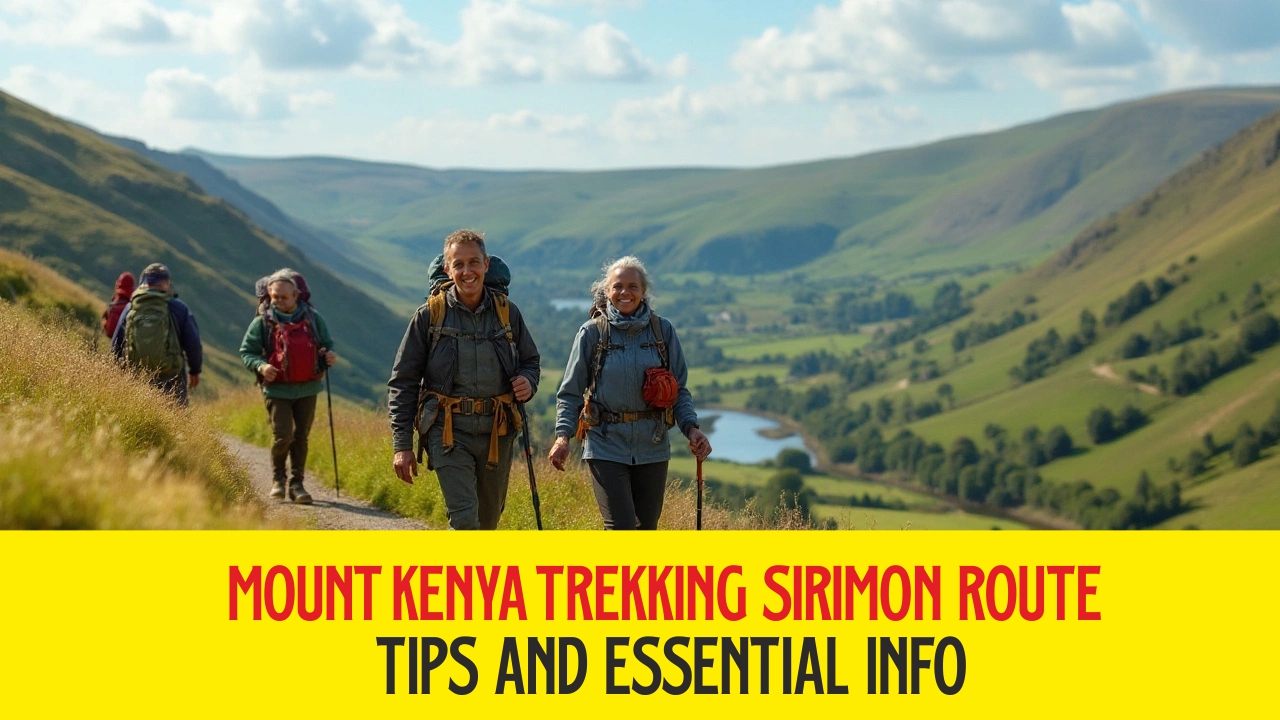
mount kenya trekking sirimon route

Embarking on a Mount Kenya trekking Sirimon route adventure promises a breathtaking journey through rugged landscapes, lush forests, and alpine moorlands. This northern approach to Africa’s second-highest peak offers a unique blend of moderate difficulty, incredible scenery, and the chance to witness the diverse flora and fauna of Mount Kenya National Park. For enthusiasts and professionals alike, Sirimon presents a well-balanced alternative to the steeper Chogoria or technical Batian climbs, making it ideal for trekkers seeking a rewarding high-altitude experience.

Starting Point and Access

The Sirimon route begins at the Sirimon Gate, located near Nanyuki. Access from Nairobi is convenient, with well-maintained roads leading through scenic countryside to Nanyuki town. From there, trekkers often arrange transport to the park gate. Unlike other routes that require long approaches or technical climbs, the Sirimon path allows for a gradual ascent, giving climbers an opportunity to acclimatize naturally while enjoying the changing ecosystems.

Essential Permits and Park Regulations

Mount Kenya National Park requires trekkers to obtain permits before entry. These permits contribute to conservation efforts and ensure safety measures are in place for all climbers. Ice Rock Trekking can assist with securing these permits, which include park entry fees and camping charges. It’s important to adhere strictly to park regulations, including restrictions on fires, waste disposal, and off-trail hiking, to preserve the delicate alpine environment and maintain safety standards.

Optimal Trekking Seasons

The most favorable periods for the Sirimon route are January to March and July to October. These months coincide with dry seasons, reducing the risk of slippery trails, landslides, or heavy cloud cover that can obscure visibility at higher altitudes. While Mount Kenya can be climbed year-round, trekkers should always prepare for sudden weather changes, as temperatures can drop sharply at night, and storms may develop rapidly, especially above 3,500 meters.

Acclimatization and Health Tips

Altitude sickness is a common concern on Mount Kenya. The Sirimon route’s gradual ascent allows climbers to acclimatize more comfortably compared to the steeper southern approaches. Recommended practices include pacing yourself, hydrating regularly, and avoiding alcohol during the trek. Symptoms such as headaches, nausea, or fatigue should be taken seriously; descending a few hundred meters or resting at higher camps often resolves mild issues. Ice Rock Trekking emphasizes careful acclimatization to maximize both safety and enjoyment of the climb.

Route Highlights and Scenery

Starting from Sirimon Gate, the trail winds through a dense montane forest filled with camphor, cedar, and cedarwood trees. Wildlife sightings are common in this section, including bushbucks, elephants, and various bird species. As the path ascends, the forest gradually transitions into bamboo zones and then moorlands, featuring giant lobelias and senecios. The landscape shifts dramatically, offering panoramic views of the surrounding valleys and peaks, including Nelion and Batian.

One of the most rewarding aspects of the Sirimon route is the Liki North and Old Moses Camp areas. These high camps are strategically located for acclimatization and provide stunning sunrise and sunset vistas over the mountain’s ridges. The approach to Shipton’s Camp, the final overnight stop before the summit attempt, offers sweeping views of glaciers, rocky outcrops, and the unique high-altitude ecosystem of Mount Kenya.

Camping and Accommodation

Camping is the primary accommodation on the Sirimon route. Campsites such as Old Moses and Shipton’s are equipped with basic facilities, including pit latrines and designated cooking areas. Trekkers should bring high-quality sleeping bags rated for sub-zero temperatures and durable tents suitable for alpine conditions. Proper layering of clothing, waterproof gear, and insulated sleeping mats is essential for comfort and safety at night. Ice Rock Trekking provides tailored advice on camping equipment and can arrange logistical support, including porters and cook services, for a smoother trekking experience.

Essential Gear Checklist

For a successful Mount Kenya trekking Sirimon route experience, preparation is key. Essential items include:

  • Sturdy, broken-in hiking boots with ankle support
  • Warm, moisture-wicking layers and waterproof outerwear
  • Trekking poles for stability on uneven terrain
  • Headlamp and spare batteries
  • Sunglasses and sunscreen to protect against intense UV exposure
  • First aid kit with altitude sickness medication
  • Hydration system with at least 2–3 liters capacity
  • Lightweight stove and cooking utensils (if self-catering)
  • Backpack with rain cover and sufficient capacity for gear

Packing smartly reduces fatigue, prevents discomfort, and ensures trekkers can fully enjoy the spectacular scenery along the Sirimon route.

Summit Strategy

The ultimate objective on the Sirimon route is Point Lenana, the third-highest peak of Mount Kenya at 4,985 meters. Summit attempts typically start before midnight to reach the peak at sunrise, providing panoramic views of the surrounding landscapes bathed in golden light. Pacing is critical during the final ascent, as the altitude and thin air can be physically demanding. Adequate hydration, energy snacks, and maintaining a steady rhythm make the difference between a successful summit and exhaustion.

Upon reaching Point Lenana, trekkers are rewarded with unmatched views of the glaciers, valleys, and neighboring peaks. While Nelion and Batian are technically challenging and require rock-climbing expertise, Lenana offers a non-technical summit suitable for experienced trekkers and professionals seeking high-altitude achievement.

Wildlife and Conservation Awareness

The Sirimon route passes through regions rich in biodiversity. Mount Kenya is home to elephants, buffalo, duikers, monkeys, and a variety of bird species such as the Mount Kenya hornbill. Trekkers are encouraged to maintain a respectful distance from wildlife, avoid feeding animals, and stick to designated trails to minimize environmental impact. Conservation is vital to preserving the unique ecosystems of the mountain, and all trekkers play a role in protecting this natural treasure.

Local Culture and Community Interaction

The communities around Mount Kenya, including the Kikuyu and Maasai, offer fascinating cultural experiences. Engaging with local guides, porters, and artisans enriches the trekking journey, providing insight into traditional practices, folklore, and the mountain’s spiritual significance. Ice Rock Trekking emphasizes responsible tourism, ensuring that local communities benefit from trekking activities while trekkers enjoy authentic cultural encounters.

Safety Precautions and Emergency Preparedness

Safety is a priority on the Sirimon route. Trekkers should be prepared for sudden weather changes, icy conditions at higher altitudes, and minor injuries. Carrying a satellite phone or GPS device, along with basic first aid knowledge, enhances security. Ice Rock Trekking ensures that all trekking parties have access to experienced guides, emergency evacuation plans, and trained support staff to handle any unexpected situations.

Final Thoughts

The Mount Kenya trekking Sirimon route offers a remarkable blend of adventure, scenic beauty, and high-altitude achievement. With proper planning, acclimatization, and respect for the environment, trekkers can enjoy an unforgettable journey through one of Africa’s most iconic mountains. Whether traversing lush forests, exploring moorlands, or standing atop Point Lenana at sunrise, the experience rewards both body and spirit.

For those seeking an organized, safe, and professionally guided adventure, Ice Rock Trekking provides tailored packages, expert support, and insider knowledge to make every step of the Sirimon route memorable. From logistical assistance to cultural interactions and summit strategy, every detail is managed to enhance your Mount Kenya trekking experience.

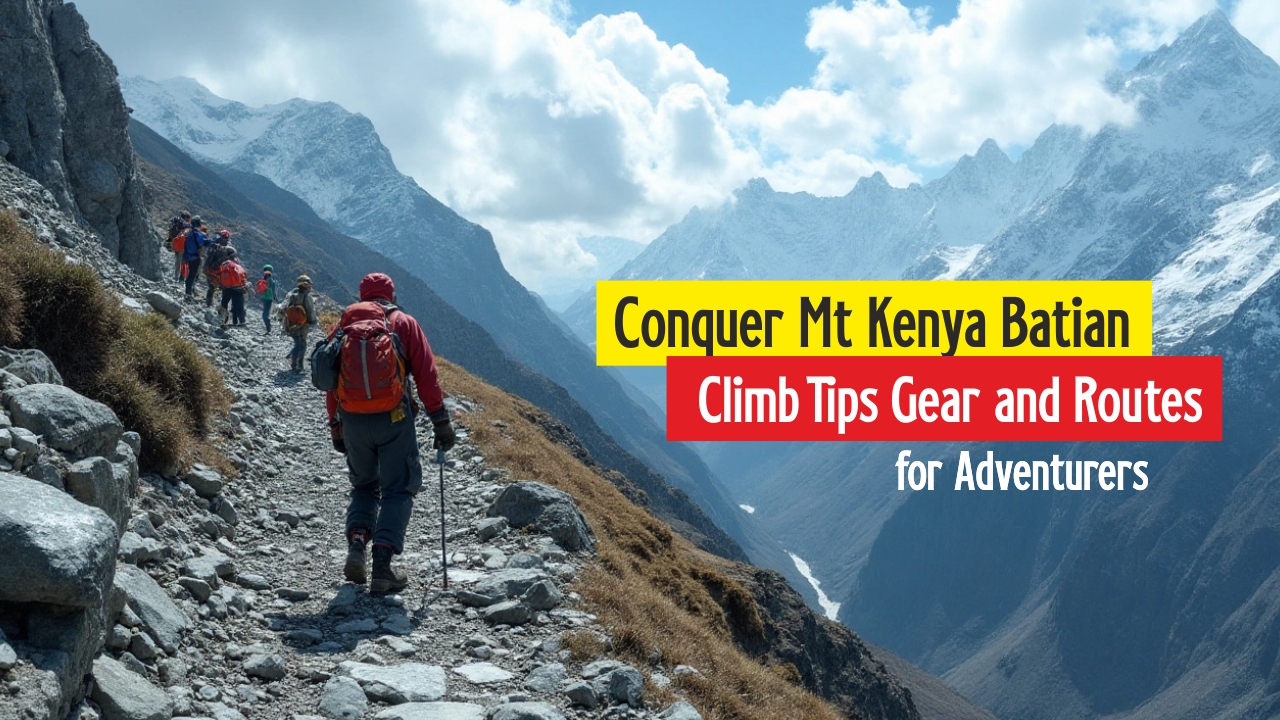
Mt Kenya Batian climb

For thrill-seekers and experienced mountaineers, the Mt Kenya Batian climb represents one of Africa’s ultimate climbing challenges. Batian, standing tall at 5,199 meters, is the highest peak of Mt Kenya and demands technical climbing skills, proper planning, and an adventurous spirit. Unlike its more accessible neighbor, Point Lenana, which can be trekked by fit hikers, Batian requires ropes, harnesses, and a deep respect for alpine climbing conditions. Ice Rock Trekking has years of experience guiding climbers to the summit safely, making this climb an unforgettable adventure.

Understanding the Mt Kenya Batian Terrain

Batian terrain is a mix of rugged rock faces, alpine ridges, and narrow escarpments. Climbers face vertical rock walls, loose scree, and unpredictable weather, which can shift from bright sun to icy winds within hours. The mountain’s volcanic origins have created dramatic cliffs and jagged spires, making route selection a critical aspect of the climb. Knowledge of the terrain is essential for assessing risk points and ensuring safety while ascending.

Choosing the Best Routes

Several established routes lead to the summit of Batian, each with its own challenges and rewards. The most popular ones include the Sirimon, Naro Moru, and Chogoria routes, which all converge towards the technical climbing sections near the peak.

  1. Sirimon Route– Favored by many for its gradual approach to the alpine zone, the Sirimon route allows climbers to acclimatize effectively. Starting from Sirimon Gate, the route passes through verdant forests and moorlands, offering stunning views of Mount Kenya’s northern slopes. The final ascent towards Batian involves technical rock climbing, often requiring fixed ropes and careful navigation.
  2. Naro Moru Route– Known for its steepness and direct approach, Naro Moru is faster but more physically demanding. Climbers experience a rapid change in altitude, which can pose acclimatization challenges. The vertical rock faces in the upper sections require climbers to be proficient in both traditional and aid climbing techniques.
  3. Chogoria Route– Ideal for climbers who appreciate scenic beauty, Chogoria offers spectacular views of Gorges Valley and Lake Michaelson. While longer than other routes, it provides a gradual gain in altitude before reaching the technical climbing sections, making it suitable for climbers with intermediate rock climbing experience.

Essential Gear for Mt Kenya Batian Climb

Success on Batian relies heavily on having the right equipment. Ice Rock Trekking emphasizes climbers carry gear that ensures safety without unnecessary weight.

  • Climbing Harness and Ropes– Essential for vertical rock faces. Ropes should be dynamic to absorb falls, and climbers must know basic knot-tying skills.
  • Helmet and Protective Gear– Falling rocks are a real hazard. Helmets, gloves, and knee protection are crucial for reducing injury risks.
  • Climbing Shoes and Boots– Hybrid approach shoes work well for mixed terrain; crampons may be needed for icy patches.
  • Layered Clothing– Weather at high altitudes can be unpredictable. Thermal base layers, insulating mid-layers, and waterproof outer shells are vital.
  • Backpack Essentials– Water, high-energy snacks, headlamps, first aid kits, and navigation tools should never be overlooked.

Ice Rock Trekking recommends a pre-climb gear check and practical training to familiarize climbers with their equipment under real conditions.

Acclimatization and Physical Preparation

Batian altitude makes acclimatization a key factor for success. Climbers are encouraged to spend several days ascending gradually, allowing their bodies to adapt to thinner air. Common strategies include overnight stops at Mackinder Camp or Shipton Camp, which provide both shelter and a chance to adjust to altitude.

Physical conditioning is equally important. Climbers should focus on strength training, endurance, and flexibility. Exercises like stair climbing, weighted hiking, and core strengthening are particularly beneficial. Mental preparation is just as vital, as climbers will face moments of exhaustion and challenging weather conditions.

Safety Considerations

Safety cannot be overstated. Avalanches, sudden storms, and rockfalls are real dangers on Batian. Climbers should monitor weather forecasts closely and be prepared to turn back if conditions deteriorate. Ice Rock Trekking prioritizes safety with experienced guides, established fixed ropes on technical sections, and emergency evacuation plans.

Climbers must also be aware of the environmental regulations set by Mt Kenya National Park authorities. These regulations help preserve the fragile alpine ecosystem while ensuring climber safety. Minimizing waste, sticking to marked trails, and avoiding damage to endemic flora are mandatory practices.

Timing Your Climb

The best periods for the Mt Kenya Batian climb are during the dry seasons, typically from January to March and August to October. These months offer more stable weather, reduced rainfall, and clearer skies, which are crucial for safe climbing and better summit visibility. Attempting Batian during the rainy season increases risk factors such as slippery rocks, high winds, and poor visibility, making the ascent more dangerous.

Summit Experience

Reaching Batian summit is a rewarding experience, offering panoramic views over Mt Kenya’s rugged peaks, glacial valleys, and highland forests. The climb culminates in a sense of accomplishment and offers unique photographic opportunities that capture the mountain’s dramatic beauty. Climbers often describe the moment on the summit as transformative, where effort, skill, and perseverance meet the raw majesty of nature.

Post-Climb Recovery and Reflection

After descending, proper recovery is essential. Hydration, nutrient-rich meals, and rest are critical to replenish energy reserves. Reflection on the climb helps climbers analyze their experience, assess their performance, and plan future ascents. Many adventurers find that the lessons learned on Batian—patience, precision, and resilience—enhance not only their climbing skills but also their approach to challenges in everyday life.

Partnering with Experienced Guides

Working with experienced climbing organizations like Ice Rock Trekking greatly increases the chances of a successful summit. Our team provides technical support, route planning, and emergency response, allowing climbers to focus on the adventure. From route selection to acclimatization strategies and equipment advice, having expert guidance is invaluable on a climb of this magnitude.

Final Thoughts

The Mt Kenya Batian climb is not just a physical challenge; it is a test of endurance, skill, and determination. Proper preparation, respect for the mountain, and expert guidance make the difference between a memorable adventure and unnecessary risk. For climbers seeking to push boundaries, embrace the wilderness, and conquer Africa’s second-highest peak, Batian offers a journey that is as rewarding as it is demanding.

Ice Rock Trekking ensures that every climber experiences the thrill of the ascent safely, equipped with knowledge, skill, and confidence to take on Batian heights. For those ready to embrace the ultimate mountaineering challenge, Batian awaits.