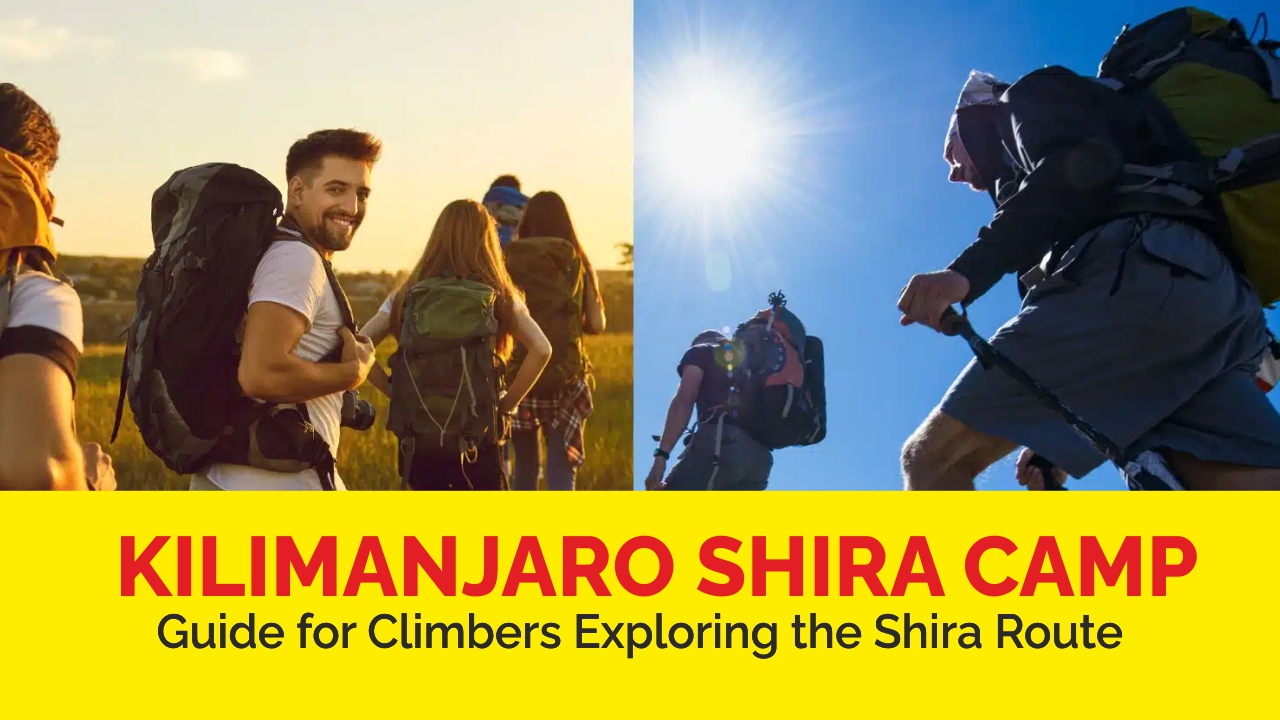
Climbers seeking raw alpine beauty and dramatic volcanic terrain often find Kilimanjaro shira camp to be one of the most fascinating overnight stops on Africa’s tallest mountain. Located on the western side of Mount Kilimanjaro, this camp sits within a vast high-altitude plateau that reveals the mountain’s ancient geological story. For trekkers choosing the Shira Route, this camp represents the first real immersion into Kilimanjaro’s wild alpine environment, where expansive skies, thin air, and distant peaks set the tone for the ascent ahead.
At Ice Rock Trekking, climbers often describe their first night at Shira Camp as the moment when the mountain begins to feel real.
The Landscape and Environment of Shira Camp
Shira Camp rests on the famous Shira Plateau, a caldera formed by volcanic collapse hundreds of thousands of years ago. This plateau creates a unique environment unlike the rainforest or rocky alpine desert found elsewhere on the mountain.
Key environmental features include:
- Wide open moorland terrain
- Sparse vegetation such as giant groundsels and lobelias
- Rocky volcanic surfaces and lava formations
- Expansive views of Kibo Peak, Kilimanjaro’s summit cone
The openness of this region allows trekkers to fully appreciate the mountain’s scale. Unlike forested sections, nothing blocks the view. The silence here feels powerful and humbling.
Elevation and Its Impact on Climbers
Shira Camp typically sits at approximately 3,500 to 3,850 meters (11,500 to 12,600 feet) above sea level, depending on the exact campsite location.
At this altitude, climbers begin to experience the effects of reduced oxygen.
Common early altitude responses include:
- Mild headaches
- Reduced appetite
- Slower walking pace
- Increased breathing rate
Ice Rock Trekking emphasizes gradual pacing, hydration, and proper acclimatization techniques to help climbers adapt safely.
This stage plays a critical role in preparing the body for higher camps such as Lava Tower and Barranco Camp.
Why the Shira Route Offers a Unique Experience
The Shira Route is one of the less crowded paths on Kilimanjaro National Park. It approaches the mountain from the west and offers unmatched wilderness exposure.
Distinct advantages include:
-
Remote and Quiet Atmosphere
Fewer climbers mean less congestion and more solitude.
-
Gradual Scenic Transition
Trekkers move through diverse ecological zones, including:
- Moorland
- Alpine desert
- Glacial environments
-
Exceptional Photography Opportunities
The plateau offers unobstructed views of:
- Kibo Peak
- Mount Meru in the distance
- Vast African plains
This route feels more like a true expedition.
Daily Trekking Experience to Shira Camp
Most itineraries begin with vehicle access to Shira Gate, followed by trekking across the plateau to camp.
Typical trekking duration:
- 4 to 6 hours
- Moderate difficulty
The trail gradually climbs without steep ascents, allowing climbers to conserve energy.
Trekkers often notice how quickly the environment shifts from vegetation to open volcanic terrain.
Guides from Ice Rock Trekking monitor each climber carefully, ensuring steady progress and proper acclimatization.
Camp Setup and Facilities
Despite its remote location, Shira Camp offers a surprisingly organized setup.
Standard expedition features include:
- High-quality mountain tents
- Dedicated dining tents
- Portable toilets on premium climbs
- Designated cooking areas
Ice Rock Trekking ensures comfort and safety through professional camp management.
Hot meals, warm drinks, and proper rest play a crucial role in recovery.
Weather Conditions at Shira Camp
Weather on Kilimanjaro changes rapidly.
Typical conditions include:
Daytime:
- 5°C to 15°C
Nighttime:
- -5°C to 5°C
Wind exposure increases significantly due to the open plateau.
Clear nights often reveal breathtaking star fields rarely seen elsewhere.
Climbers must prepare with:
- Insulated jackets
- Thermal layers
- Proper sleeping bags
Preparation makes the difference between comfort and discomfort.
Wildlife and Natural Beauty
Though large animals are rare at this altitude, climbers still encounter fascinating natural features.
Common sights include:
- Giant Senecio plants
- Unique alpine flowers
- Ravens and mountain birds
The volcanic rock formations showcase Kilimanjaro’s ancient origins.
Each step reveals a geological story millions of years old.
Acclimatization Importance at Shira Camp
Proper acclimatization increases summit success rates significantly.
Shira Camp serves as a critical adjustment point before climbing higher.
Ice Rock Trekking follows proven altitude strategies, including:
- Slow trekking pace
- Hydration protocols
- Health monitoring
This phase prepares climbers for elevations exceeding 5,000 meters.
The mountain rewards patience.
The Emotional Impact of Staying at Shira Camp
Many climbers describe Shira Camp as a deeply memorable place.
Reasons include:
- First clear view of Kilimanjaro’s summit
- Sense of isolation and wilderness
- Quiet moments of reflection
As sunlight fades and temperatures drop, the mountain reveals its dramatic character.
The experience builds anticipation for the journey ahead.
Professional Support from Ice Rock Trekking
Choosing the right expedition partner significantly affects the experience.
Ice Rock Trekking provides:
- Experienced mountain guides
- Certified safety procedures
- High-quality equipment
- Ethical porter treatment
Each climb is handled with professionalism and care.
Safety remains the highest priority.
Physical Preparation Recommendations
Climbers should prepare several weeks before arrival.
Recommended activities include:
- Hiking with backpacks
- Cardiovascular exercise
- Strength training
Mental preparation matters equally.
Confidence grows with preparation.
Equipment Essentials for Shira Camp
Packing properly improves comfort and safety.
Essential items include:
Clothing:
- Thermal base layers
- Insulated jacket
- Waterproof shell
Gear:
- Headlamp
- Trekking poles
- Sleeping bag rated for freezing temperatures
Small details make a major difference at altitude.
Transition from Shira Camp to Higher Camps
After leaving Shira Camp, climbers continue toward Lava Tower and Barranco Camp.
The terrain becomes:
- Rockier
- Higher
- More physically demanding
Shira Camp serves as the gateway to Kilimanjaro’s upper mountain.
This transition marks the beginning of serious altitude climbing.
Why Shira Camp Matters in the Kilimanjaro Journey
Shira Camp represents more than a place to sleep.
It symbolizes:
- Entry into true high altitude
- Commitment to the climb
- Connection with nature
Climbers begin to realize the scale of their goal.
This moment shapes the rest of the expedition.
Final Thoughts
Shira Camp stands as one of Kilimanjaro’s most iconic high-altitude locations. Its volcanic landscape, dramatic views, and remote setting create a powerful introduction to the mountain’s upper slopes. Climbers experience both physical challenge and emotional inspiration here.
With expert support from Ice Rock Trekking, proper acclimatization, and careful preparation, Shira Camp becomes not just a stop along the route, but a defining part of the Kilimanjaro experience.
Every great summit journey begins with moments like these.