Climb Batian Peak in Kenya

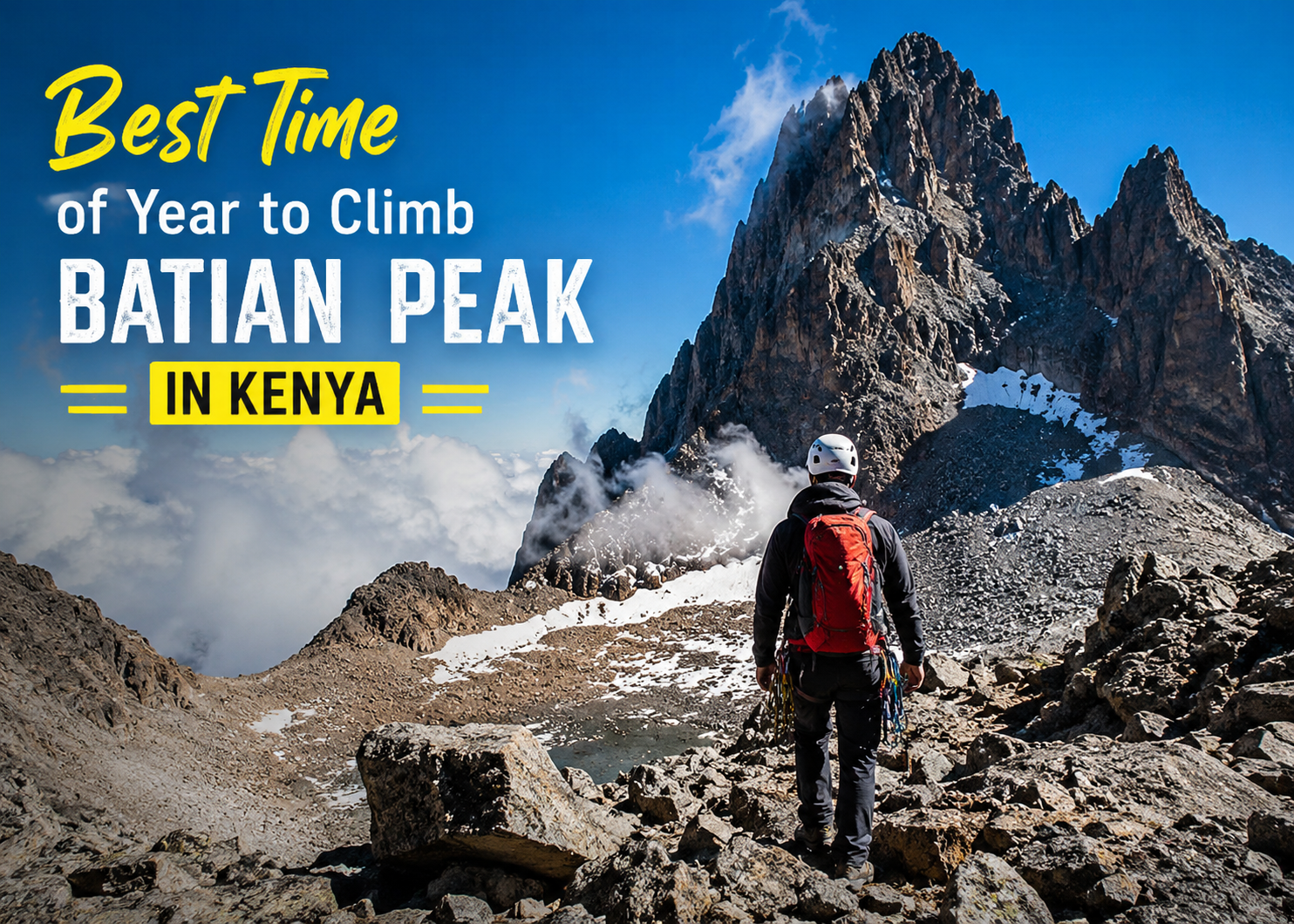
Batian Peak stands as the highest summit of Mount Kenya, reaching an impressive elevation of 5,199 meters above sea level. For experienced climbers seeking a technical alpine challenge in Africa, Batian represents one of the continent’s most rewarding ascents. Unlike trekking peaks that can be reached through hiking routes, Batian requires rock climbing skills, proper equipment, and favorable weather conditions to ensure a safe and successful climb.

Choosing the right season can significantly influence your experience. Weather, visibility, rock conditions, and overall safety are directly connected to the time of year you decide to climb. Whether you are a seasoned mountaineer or an ambitious climber planning your next expedition, knowing the ideal season to Climb Batian Peak in Kenya can make all the difference.

At Ice Rock Trekking, we have helped climbers from across the globe experience the remarkable beauty and challenge of Mount Kenya. Based on years of experience on the mountain, we understand how seasonal changes affect climbing conditions and success rates.

Why Timing Matters for Batian Peak

Batian is not a standard trekking summit. The climb involves technical rock sections, exposure, route-finding, and changing alpine weather. Rainfall can make rock surfaces slippery, while heavy cloud cover can reduce visibility and increase navigation challenges.

The right season provides:

  • Stable weather conditions
  • Better visibility
  • Drier rock faces
  • Reduced risk of storms
  • More comfortable climbing temperatures
  • Improved summit success rates

Since Batian Peak requires technical climbing, even minor weather changes can impact safety and performance.

Understanding Mount Kenya’s Climate

Mount Kenya lies almost directly on the equator, yet its high altitude creates a unique alpine environment. Climbers often experience multiple weather conditions within a single day.

The mountain generally experiences two dry seasons and two rainy seasons.

Dry Seasons

  • January to March
  • July to October

Rainy Seasons

  • April to June
  • November to December

The dry periods are generally considered the most favorable times for technical climbing on Batian.

January to March: Prime Climbing Season

Many experienced mountaineers consider January through March the best time to Climb Batian Peak in Kenya.

During these months, the mountain typically experiences:

  • Clear skies
  • Lower rainfall
  • Dry rock conditions
  • Excellent visibility
  • Stable temperatures

These conditions create an ideal environment for technical climbing. The famous Nelion-Batian traverse and the Normal Route become significantly safer when the rock remains dry.

Advantages of Climbing During January to March

Excellent Rock Quality

Batian’s climbing routes rely heavily on friction and solid foot placement. Dry rock enhances grip and increases climber confidence throughout the ascent.

Better Photography Opportunities

Clear mornings often reveal spectacular views of glaciers, valleys, and surrounding landscapes. Wildlife sightings are also more common during these months.

Increased Summit Success Rates

Stable weather allows climbing teams to move efficiently and safely, leading to a higher probability of reaching the summit.

Reduced Weather Delays

Storm interruptions are less frequent, helping climbers stay on schedule.

July to October: Another Excellent Window

The second major climbing season occurs from July through October. This period also attracts many climbers seeking favorable conditions on Mount Kenya.

Weather during these months is generally dry, though mornings can be colder compared to the January-March season.

Benefits of Climbing Between July and October

Stable Conditions

Climbers often enjoy long stretches of predictable weather, making route planning easier.

Clear Summit Views

The mountain frequently offers panoramic views extending across central Kenya.

Comfortable Climbing Days

Cool temperatures reduce fatigue during long climbing sessions.

Strong Alpine Conditions

Many climbers appreciate the crisp mountain atmosphere and excellent visibility associated with this season.

Comparing the Two Dry Seasons

Both climbing windows offer favorable conditions, but each has distinct characteristics.

January to March

  • Slightly warmer temperatures
  • Drier rock surfaces
  • Less chance of frost
  • Excellent climbing conditions

July to October

  • Cooler temperatures
  • Crisp mornings
  • Stable weather patterns
  • Exceptional visibility

Many professional climbing teams slightly favor January to March because warmer temperatures help maintain dry rock conditions throughout the day.

Why the Rainy Seasons Are Less Suitable

While Mount Kenya remains accessible throughout the year, technical ascents of Batian become more challenging during rainy months.

April to June

This period typically receives the heaviest rainfall.

Challenges include:

  • Wet rock faces
  • Reduced visibility
  • Increased risk of slips
  • Frequent afternoon storms
  • Longer climbing times

November to December

Short rains can create unpredictable conditions.

Potential issues include:

  • Sudden showers
  • Cloud-covered routes
  • Wet climbing sections
  • More difficult route finding

For technical climbers, these conditions often reduce both comfort and safety.

Temperature Conditions on Batian Peak

One of the most common misconceptions is that Kenya’s equatorial location guarantees warm temperatures.

At over 5,000 meters, Batian Peak experiences alpine conditions year-round.

Typical summit temperatures range from:

  • Daytime: -2°C to 10°C
  • Nighttime: -10°C to 0°C

Wind chill can make temperatures feel significantly colder.

Proper layering remains essential regardless of the season.

Technical Challenges of Batian Peak

Before attempting to Climb Batian Peak in Kenya, climbers should understand the technical nature of the mountain.

Key challenges include:

  • Multi-pitch climbing
  • High-altitude exposure
  • Route finding
  • Long summit days
  • Rapid weather changes

Batian is often compared to classic alpine rock climbs rather than trekking peaks.

A successful ascent requires both physical fitness and technical competence.

The Importance of Acclimatization

Regardless of when you climb, altitude acclimatization plays a major role in summit success.

Rapid ascents can increase the likelihood of altitude-related issues.

Many climbers spend several days on Mount Kenya before attempting Batian.

Popular acclimatization strategies include:

  • Gradual elevation gain
  • Rest days
  • Hydration
  • Short training climbs
  • Proper nutrition

At Ice Rock Trekking, acclimatization schedules are carefully designed to maximize comfort and performance.

Wildlife and Scenic Highlights

One of the unique aspects of Mount Kenya is its incredible biodiversity.

During your approach to Batian, you may encounter:

  • Giant lobelias
  • Giant groundsels
  • Rock hyraxes
  • Mountain antelope
  • Diverse bird species

The mountain’s ecosystems change dramatically with altitude, creating a visually fascinating journey from forest to alpine terrain.

Dry-season climbs often provide the best opportunities for photography and wildlife observation.

Equipment Needed for Batian Peak

Proper gear selection is critical.

Essential equipment typically includes:

Climbing Gear

  • Helmet
  • Harness
  • Climbing shoes
  • Carabiners
  • Belay device
  • Slings

Clothing

  • Waterproof jacket
  • Insulated layer
  • Base layers
  • Climbing pants
  • Gloves
  • Warm hat

Additional Essentials

  • Headlamp
  • Sunglasses
  • Water bottles
  • Energy snacks
  • Personal first-aid supplies

Climbers should always ensure equipment is suitable for alpine conditions.

Physical Preparation

The best season alone does not guarantee success.

Batian demands excellent physical conditioning.

Recommended preparation includes:

Endurance Training

Long hikes, running, cycling, and stair climbing help build cardiovascular fitness.

Strength Training

Focus on:

  • Core stability
  • Leg strength
  • Upper body endurance

Technical Practice

Regular rock climbing improves efficiency and confidence on exposed terrain.

Mental Preparation

Patience, focus, and adaptability are valuable assets during alpine climbs.

Choosing an Experienced Climbing Partner

A knowledgeable mountain team can significantly improve safety and success rates.

Professional support helps with:

  • Route planning
  • Logistics
  • Equipment recommendations
  • Safety management
  • Acclimatization strategies

Ice Rock Trekking specializes in Mount Kenya expeditions and provides experienced local support for climbers seeking to reach Batian Peak.

Our team understands the mountain’s seasonal patterns, route conditions, and technical requirements.

Photography Opportunities During the Best Season

Climbers often underestimate the visual rewards awaiting them on Batian.

Highlights include:

  • Sunrise above the clouds
  • Glacial formations
  • Jagged volcanic rock formations
  • Panoramic summit views
  • Dramatic alpine landscapes

The dry seasons offer the clearest conditions for capturing these unforgettable moments.

Planning Your Expedition

A successful Batian expedition starts months before arriving in Kenya.

Important planning considerations include:

  • Selecting the right season
  • Building physical fitness
  • Arranging travel logistics
  • Securing climbing equipment
  • Allowing sufficient acclimatization time

Many climbers combine their Mount Kenya experience with wildlife safaris or visits to other destinations across Kenya.

Final Thoughts

For climbers seeking the highest summit of Mount Kenya, timing is one of the most important factors influencing success. The most favorable periods to Climb Batian Peak in Kenya are January to March and July to October, when dry conditions provide safer rock surfaces, clearer visibility, and more predictable weather.

Among these options, January through March is often regarded as the premier climbing window due to warmer temperatures and consistently dry conditions. However, July through October also delivers outstanding opportunities for experienced mountaineers.

With proper preparation, technical skills, and the support of an experienced team such as Ice Rock Trekking, Batian Peak offers an unforgettable alpine adventure that combines challenging climbing, breathtaking scenery, and the satisfaction of standing atop Kenya’s highest point.
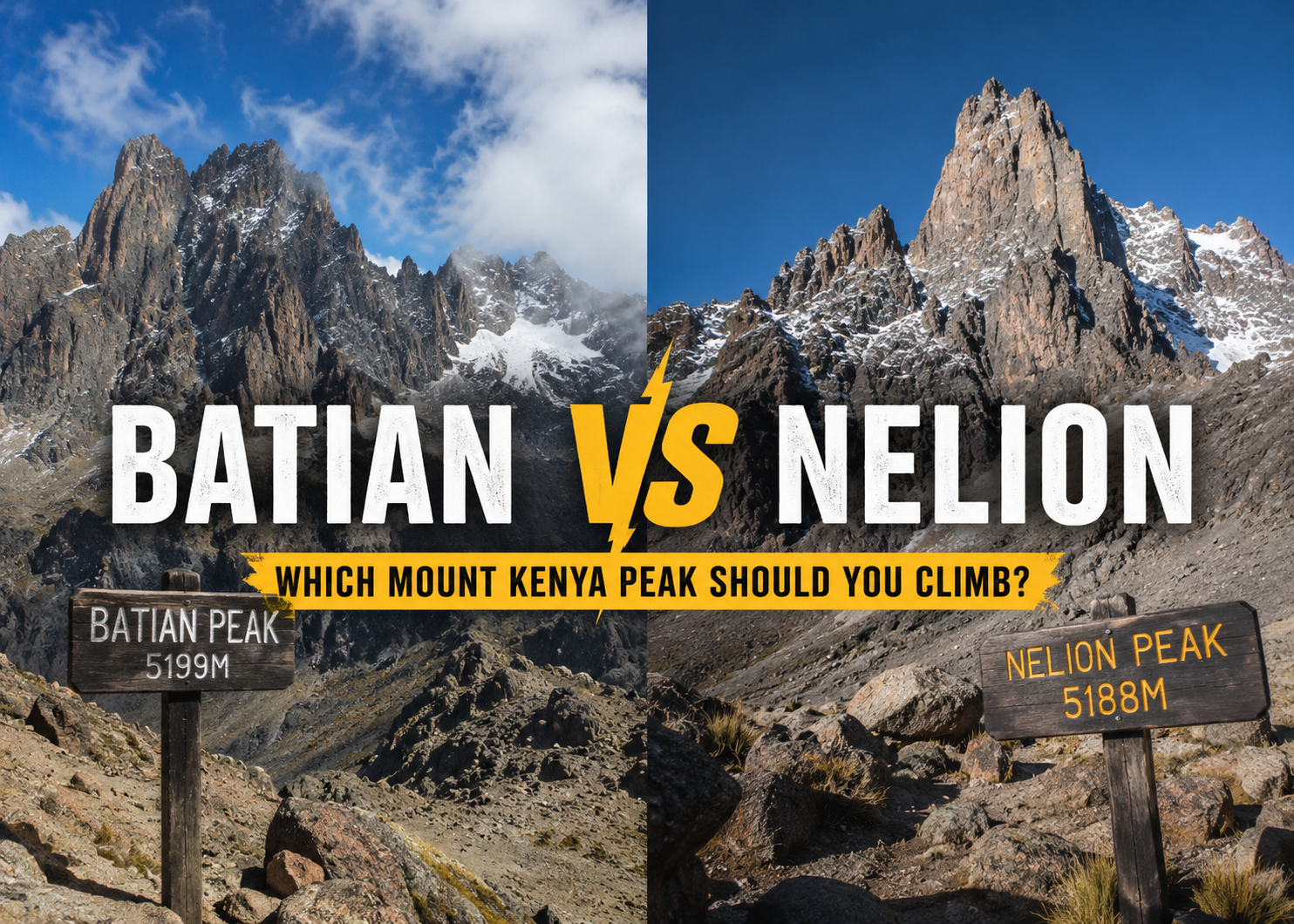
Batian vs Nelion Climb Mount Kenya

Mount Kenya stands as one of Africa’s most respected alpine climbing destinations, attracting trekkers and technical climbers from across the globe. While many visitors hike to Point Lenana, serious mountaineers often set their sights on the mountain’s twin technical summits — Batian and Nelion. Both peaks offer thrilling ascents, rugged granite walls, dramatic scenery, and unforgettable high-altitude experiences.

Choosing between these two iconic summits is not always easy. Each peak has distinct challenges, climbing styles, weather considerations, and route characteristics. For climbers planning a serious expedition, the debate around “Batian vs Nelion Climb Mount Kenya” becomes an essential part of preparation.

At Ice Rock Trekking, we have guided climbers on Mount Kenya for years and understand the practical differences between these legendary peaks. Whether you are an experienced alpine climber or an ambitious mountaineer preparing for your first African technical summit, knowing what separates Batian from Nelion can help you make the right decision.

Introduction to Mount Kenya’s Twin Peaks

Mount Kenya, located in central Kenya, is Africa’s second-highest mountain after Kilimanjaro. The mountain features several peaks, but Batian and Nelion dominate the skyline with their dramatic rock towers and steep granite faces.

  • Batian – 5,199 meters (17,057 feet)
  • Nelion – 5,188 meters (17,021 feet)

The height difference between them is minimal, yet the climbing experience differs significantly. Both summits demand technical climbing ability, proper acclimatization, and strong physical fitness.

Batian is the highest point of Mount Kenya, making it the ultimate prize for many mountaineers. Nelion, meanwhile, offers a slightly more accessible but equally rewarding technical climb.

The Main Difference Between Batian and Nelion

The most important distinction lies in the climbing routes and technical requirements.

Batian

Batian is considered more difficult due to its exposed traverses, route-finding complexity, and challenging rock sections. Reaching Batian often involves crossing the famous Gate of the Mists from Nelion, adding another layer of technical difficulty.

Nelion

Nelion is climbed mainly via the Normal Route, which is more direct and slightly less demanding. It remains a serious alpine climb, but many climbers view it as a more achievable technical summit on Mount Kenya.

For climbers researching “Batian vs Nelion Climb Mount Kenya,” the key factor is often technical confidence and previous climbing experience.

Climbing Difficulty Comparison

Batian Difficulty

Batian is widely regarded as the harder summit. The ascent involves:

  • Multi-pitch rock climbing
  • Exposed ridges
  • Technical traverses
  • Advanced route finding
  • Greater weather exposure

The climb requires confidence on Grade IV to V alpine rock terrain. Climbers should be comfortable with rope systems, belaying, scrambling, and climbing in rapidly changing weather conditions.

The crossing from Nelion to Batian through the Gate of the Mists can become especially difficult during poor weather.

Nelion Difficulty

Nelion is technical but more straightforward. The Normal Route follows the South-East Face and offers:

  • More consistent route lines
  • Better-known anchor points
  • Reduced route-finding pressure
  • Stable climbing rhythm

Nelion is ideal for climbers transitioning from trekking peaks into technical alpine climbing.

Although easier than Batian, Nelion still requires:

  • Rope handling skills
  • Multi-pitch climbing experience
  • Strong endurance
  • Acclimatization

Neither peak should be underestimated.

Which Peak Is Better for First-Time Technical Climbers?

For climbers attempting their first technical summit in Africa, Nelion is usually the preferred option.

Reasons include:

  • Simpler navigation
  • Lower psychological exposure
  • Easier retreat options
  • More established climbing route

Batian is generally recommended for climbers with stronger alpine backgrounds and previous technical ascents.

At Ice Rock Trekking, we often advise first-time Mount Kenya climbers to start with Nelion before attempting Batian on a future expedition.

Route Comparison

Nelion Normal Route

The Normal Route on Nelion follows the South-East Face and features approximately 18 to 20 pitches of climbing.

Key highlights:

  • Solid granite rock
  • Classic alpine climbing
  • Spectacular sunrise views
  • Consistent climbing movement

The route begins from Austrian Hut and usually takes 6 to 8 hours to reach the summit depending on pace and weather.

Batian Standard Approach

Batian is commonly climbed by:

  1. Ascending Nelion first
  2. Crossing the Gate of the Mists
  3. Climbing additional technical sections to Batian

The return journey often requires reversing the same route.

This makes Batian physically longer and mentally more demanding.

Weather Conditions and Their Impact

Weather plays a massive role on Mount Kenya.

Conditions can change rapidly:

  • Morning sunshine can turn into afternoon storms
  • Rock surfaces become slippery during rain
  • Fog reduces visibility
  • Cold winds increase fatigue

Best Seasons for Climbing

The most reliable climbing conditions are:

  • January to March
  • July to October

These months typically offer drier rock and clearer skies.

Batian is more weather-sensitive because the traverses and exposed sections become dangerous in wet conditions.

Nelion remains challenging in bad weather, but climbers often find it slightly more manageable.

Technical Skills Required

Skills Needed for Batian

  • Advanced scrambling
  • Multi-pitch climbing
  • Rope management
  • Alpine route navigation
  • Abseiling
  • Exposure tolerance

Skills Needed for Nelion

  • Basic to intermediate rock climbing
  • Belaying
  • Climbing movement on granite
  • Endurance at altitude

Climbers without technical experience should hire certified mountain guides.

Ice Rock Trekking provides experienced local guides trained in Mount Kenya alpine ascents and rescue procedures.

Acclimatization Matters

Altitude affects every climber differently.

Even technically skilled mountaineers may struggle if poorly acclimatized.

Symptoms of altitude sickness include:

  • Headaches
  • Nausea
  • Fatigue
  • Dizziness
  • Poor sleep

To improve summit success:

  • Spend extra acclimatization days on the mountain
  • Hydrate properly
  • Climb slowly
  • Avoid rushing the ascent

Most successful technical climbers spend at least 4 to 5 days on Mount Kenya before attempting Batian or Nelion.

Batian vs Nelion Climb Mount Kenya: Safety Considerations

Safety should always outweigh summit ambitions.

Batian Safety Factors

  • More exposed climbing
  • Greater fall consequences
  • Complex navigation
  • Longer summit day

Nelion Safety Factors

  • Technical but more structured
  • Easier descent planning
  • Better known route sections

Hiring professional guides significantly improves safety and efficiency.

At Ice Rock Trekking, our guides monitor weather patterns, rope systems, acclimatization, and emergency procedures throughout the climb.

Physical Fitness Requirements

Both climbs require strong physical conditioning.

Recommended preparation includes:

  • Hiking with elevation gain
  • Rock climbing practice
  • Cardio endurance training
  • Leg strength workouts
  • Core stability exercises

Climbers should be capable of carrying a light alpine pack while moving efficiently at high altitude.

Fitness alone does not guarantee success, but poor conditioning can dramatically increase fatigue and risk.

Equipment Needed

Essential Climbing Gear

  • Climbing helmet
  • Harness
  • Mountaineering boots
  • Warm layered clothing
  • Waterproof jacket
  • Gloves
  • Headlamp
  • Technical climbing shoes
  • Carabiners and belay devices

Guides often provide ropes and technical hardware.

Weather protection is critical because temperatures can drop below freezing overnight.

Which Peak Has Better Views?

Both peaks provide breathtaking panoramas.

From the summits, climbers can see:

  • The Kenyan highlands
  • Glacier remnants
  • Jagged volcanic formations
  • Sunrise above the clouds

Batian Views

Batian offers slightly wider summit perspectives because it is the highest point.

Nelion Views

Nelion delivers equally dramatic scenery with fewer climbers and a classic alpine atmosphere.

Most climbers consider both experiences unforgettable.

Time Required for Each Climb

Nelion Expedition Timeline

  • 4 to 5 days total
  • Includes acclimatization
  • Summit push from Austrian Hut

Batian Expedition Timeline

  • 5 to 6 days recommended
  • Extra time for weather windows
  • Longer summit day

Rushing technical climbs on Mount Kenya is never advisable.

Cost Comparison

Batian ascents are usually more expensive due to:

  • Longer climbing duration
  • Additional guide support
  • Increased technical logistics
  • Higher complexity

Nelion climbs remain more budget-friendly while still offering a premium technical alpine experience.

Factors affecting overall cost:

  • Number of guides
  • Park fees
  • Equipment rental
  • Route duration
  • Accommodation choices

Ice Rock Trekking offers customized Mount Kenya climbing packages based on climber experience and expedition goals.

Success Rates

Nelion generally has a higher summit success rate because:

  • The route is more direct
  • Climbers experience less exposure
  • Weather impacts are slightly reduced

Batian has lower success rates due to:

  • Technical complexity
  • Weather sensitivity
  • Longer climbing duration

However, experienced climbers who prepare properly can successfully reach either summit.

Mental Challenge Comparison

Mountaineering is as much mental as physical.

Batian Mental Demands

  • Higher exposure
  • Longer technical sections
  • More sustained focus
  • Challenging traverses

Nelion Mental Demands

  • Technical climbing concentration
  • High-altitude fatigue
  • Multi-pitch endurance

Climbers who stay calm under pressure usually perform better on both peaks.

Photography Opportunities

Mount Kenya offers extraordinary photography conditions.

Highlights include:

  • Alpine sunrise light
  • Glacier remnants
  • Vertical granite towers
  • Cloud inversions
  • Wildlife along lower routes

Batian and Nelion both provide incredible alpine imagery rarely found elsewhere in Africa.

Environmental Responsibility

Mount Kenya is a protected UNESCO World Heritage Site.

Responsible climbing practices include:

  • Carrying out waste
  • Respecting wildlife
  • Staying on established trails
  • Supporting local guides and communities

Ice Rock Trekking strongly supports sustainable mountain tourism and eco-conscious expeditions.

Which Peak Should You Choose?

Choose Batian If:

  • You are an experienced alpine climber
  • You enjoy technical traverses
  • You want Mount Kenya’s highest summit
  • You have strong route-finding abilities
  • You are comfortable with exposure

Choose Nelion If:

  • You are newer to technical mountaineering
  • You want a classic alpine climb
  • You prefer a more direct route
  • You want a slightly safer option
  • You are building high-altitude climbing experience

For many climbers, Nelion becomes the perfect introduction to Mount Kenya technical climbing.

Batian, meanwhile, remains the ultimate challenge for advanced mountaineers seeking a serious African alpine ascent.

Why Climb with Ice Rock Trekking?

Choosing the right expedition partner can shape your entire Mount Kenya experience.

Ice Rock Trekking provides:

  • Professional local climbing guides
  • Customized itineraries
  • Safety-focused expeditions
  • Quality mountain logistics
  • Acclimatization planning
  • Technical climbing support

Our team understands every section of Mount Kenya’s climbing routes and works closely with climbers to maximize safety, comfort, and summit success.

Whether you choose Batian or Nelion, proper planning and experienced leadership make a major difference.

Final Thoughts

The debate around “Batian vs Nelion Climb Mount Kenya” ultimately depends on your climbing background, technical skills, confidence, and personal goals.

Batian offers the prestige of Mount Kenya’s highest summit along with greater technical difficulty and exposure. Nelion provides a rewarding alpine experience with slightly more accessible climbing conditions.

Both peaks deliver exceptional adventure, stunning scenery, and unforgettable mountaineering memories.

With proper acclimatization, strong preparation, and expert support from Ice Rock Trekking, climbers can safely experience one of Africa’s most iconic alpine challenges.

Batian Climb Mount Kenya

Mount Kenya stands as one of Africa’s most respected alpine climbing destinations. While thousands of trekkers visit Point Lenana every year, only a smaller number attempt the legendary Batian summit. Rising to 5,199 meters, Batian is the highest peak on Mount Kenya and demands far more than physical endurance. It requires technical climbing skills, mental strength, altitude adaptation, and proper planning.

For climbers searching for a serious alpine challenge in Africa, the Batian Climb Mount Kenya experience delivers steep rock faces, unpredictable weather, exposed routes, and breathtaking scenery. It is not a casual hiking trail. Batian rewards preparation, patience, and climbing competence.

Ice Rock Trekking has guided climbers through Mount Kenya’s rugged terrain for years, helping mountaineers understand what truly makes Batian one of Africa’s most respected technical climbs.

Why Batian Peak is Different from Point Lenana

Many travelers confuse Mount Kenya summits. Point Lenana is a trekking peak accessible without ropes or technical climbing. Batian, however, belongs in an entirely different category.

Batian involves:

  • Multi-pitch rock climbing
  • Technical rope work
  • Route-finding challenges
  • Exposure to steep granite walls
  • High-altitude alpine conditions
  • Long summit days

Climbers often underestimate the transition from trekking to technical alpine climbing. Reaching Batian is not simply “harder hiking.” It is a mountaineering objective requiring real climbing ability.

Nelion, the second-highest summit at 5,188 meters, is also technical and frequently climbed alongside Batian through a gate crossing between the peaks.

The Technical Difficulty of Batian Peak

The standard Batian route is the North Face Standard Route. Climbers generally rate it around UIAA IV+ to V or approximately 5.6 to 5.7 in the Yosemite Decimal System. While those numbers may not sound extreme to experienced rock climbers, altitude and exposure make the climb significantly harder.

The difficulty comes from several combined factors:

Sustained Climbing Sections

Batian is not a short technical pitch. Climbers face many hours of continuous movement on granite terrain. Fatigue builds gradually, especially above 4,500 meters.

High Altitude

Oxygen levels decrease dramatically near the summit. Even experienced climbers feel slower and weaker. Simple movements require more energy.

Cold Conditions

Mount Kenya’s alpine zone becomes extremely cold before sunrise and during weather changes. Fingers lose sensitivity quickly, making rope handling difficult.

Route-Finding

The mountain is not always straightforward. Climbers must identify the correct chimneys, cracks, and traverses. Mistakes can cost time and energy.

Exposure

Several sections involve steep drops and narrow ledges. Mental focus becomes just as important as technical skill.

For many climbers, Batian is harder psychologically than physically.

Is Batian Peak Suitable for Beginners?

The honest answer is no.

The Batian Climb Mount Kenya route is not recommended for first-time climbers with zero technical experience. A beginner trekker may successfully reach Point Lenana but struggle severely on Batian.

Before attempting Batian, climbers should ideally have:

  • Basic rock climbing experience
  • Knowledge of belaying and rappelling
  • Confidence using climbing harnesses and helmets
  • Experience with multi-pitch routes
  • Good cardiovascular endurance
  • Previous altitude exposure

However, climbers do not need to be elite athletes or professional mountaineers. Strong intermediate climbers with preparation can successfully summit.

Ice Rock Trekking often advises climbers to gain outdoor rock experience before booking a Batian expedition. Indoor gym climbing helps, but real outdoor exposure provides better preparation.

Weather Makes the Climb More Difficult

Mount Kenya weather changes rapidly. Clear mornings can become stormy afternoons within hours.

Rain transforms granite into slippery rock. Mist reduces visibility. Wind increases exposure and cold stress.

The best climbing seasons are generally:

  • January to March
  • July to October

Even during favorable seasons, conditions can shift unexpectedly.

Bad weather creates several risks:

  • Wet climbing surfaces
  • Delayed summit attempts
  • Hypothermia
  • Reduced visibility
  • Falling rock hazards

Many failed summit attempts happen because of weather rather than lack of strength.

Altitude Challenges on Batian

Altitude affects every climber differently. Some strong athletes struggle heavily above 4,000 meters, while others adapt quickly.

Common altitude symptoms include:

  • Headaches
  • Nausea
  • Fatigue
  • Shortness of breath
  • Poor sleep
  • Dizziness

Without proper acclimatization, the Batian Climb Mount Kenya route becomes far more dangerous.

A rushed itinerary increases the risk of Acute Mountain Sickness (AMS). Climbers should spend extra days acclimatizing whenever possible.

Most successful Batian climbers spend several days trekking before summit day.

The Length of Summit Day

Batian summit day is long and exhausting.

Climbers often begin before dawn and remain on technical terrain for many hours. The duration depends on:

  • Weather
  • Team pace
  • Route conditions
  • Experience level
  • Rope management efficiency

A typical summit push may take 10 to 15 hours round trip.

Physical exhaustion becomes a major factor during descent. Many accidents occur after summiting because climbers lose focus while tired.

Good pacing is essential.

Mental Strength Matters More Than Many Expect

Technical climbing ability alone does not guarantee success. Batian tests emotional control and decision-making under pressure.

Exposure, fatigue, altitude, and changing weather can overwhelm climbers mentally.

Strong climbers sometimes turn back because of fear or exhaustion.

Important mental qualities include:

  • Patience
  • Calmness
  • Focus
  • Adaptability
  • Confidence
  • Team communication

A climber who remains composed during difficult sections often performs better than someone relying only on physical strength.

Training for Batian Peak

Proper preparation dramatically improves summit chances.

Cardiovascular Training

Long hikes, stair climbing, cycling, and running help develop endurance for high-altitude movement.

Strength Training

Leg strength is essential for steep approaches and descents. Core strength improves climbing stability.

Rock Climbing Practice

Outdoor climbing experience helps climbers become comfortable on granite walls and exposed terrain.

Endurance Hiking

Long mountain hikes with a loaded backpack simulate summit-day fatigue.

Altitude Preparation

If possible, climbers should spend time at elevation before attempting Batian.

Consistency matters more than extreme workouts.

Equipment Required for Batian Climb Mount Kenya

Technical climbing requires specialized equipment.

Common gear includes:

  • Climbing harness
  • Helmet
  • Climbing shoes
  • Warm alpine clothing
  • Waterproof shell
  • Gloves
  • Headlamp
  • Carabiners
  • Ropes
  • Sleeping bag
  • Mountaineering backpack

Professional operators like Ice Rock Trekking usually provide shared technical gear while climbers bring personal equipment.

Quality gear becomes critical in cold alpine conditions.

How Dangerous is Batian Peak?

Batian is challenging but manageable with proper guidance and preparation.

The primary dangers include:

  • Altitude sickness
  • Falls
  • Weather exposure
  • Loose rock
  • Fatigue
  • Navigation mistakes

Most incidents happen when climbers underestimate the mountain or attempt it without adequate experience.

Guided climbs significantly improve safety because local mountain guides understand:

  • Weather patterns
  • Route conditions
  • Emergency procedures
  • Technical sections
  • Safe pacing

Mount Kenya deserves respect. Batian is not a mountain for shortcuts or rushed planning.

Comparing Batian to Kilimanjaro

Many climbers compare Mount Kenya and Kilimanjaro, but the climbs differ completely.

Kilimanjaro

  • Trekking peak
  • Non-technical
  • Primarily endurance-based
  • Walking only
  • Higher altitude

Batian Peak

  • Technical alpine climb
  • Requires rope systems
  • Steep rock climbing
  • Greater exposure
  • More technical risk

A climber who successfully summits Kilimanjaro may still struggle on Batian without technical experience.

Batian demands a broader mountaineering skill set.

The Most Common Reasons Climbers Fail

Several patterns appear repeatedly among unsuccessful summit attempts.

Poor Acclimatization

Rushing the climb causes altitude problems.

Lack of Technical Experience

Climbers unfamiliar with rock movement lose time and confidence.

Weather Changes

Rain and storms frequently force retreat.

Inadequate Fitness

Summit day becomes extremely difficult without endurance conditioning.

Fear of Exposure

Some climbers freeze on exposed sections.

Poor Gear Choices

Cold hands, wet clothing, or improper footwear create major problems.

Preparation reduces these risks significantly.

How Long Does the Full Expedition Take?

Most Batian expeditions require 4 to 6 days depending on the chosen route and acclimatization schedule.

Popular approach routes include:

  • Sirimon Route
  • Chogoria Route
  • Naro Moru Route

Many climbers combine Sirimon ascent with Chogoria descent for scenic variation.

A slower itinerary usually improves summit success.

Why Climbers Love Batian Despite the Difficulty

The challenge itself attracts mountaineers from around the world.

Batian offers:

  • True alpine climbing in Africa
  • Incredible granite formations
  • Dramatic scenery
  • Less crowded routes
  • Technical satisfaction
  • Unique mountain culture

The summit experience feels deeply earned.

Unlike trekking peaks where large crowds gather, Batian remains selective. Every successful ascent reflects commitment and preparation.

For many climbers, Batian becomes one of the most memorable alpine experiences of their lives.

Choosing the Right Climbing Partner

A reliable expedition operator plays a major role in safety and success.

When selecting a climbing company, climbers should look for:

  • Certified mountain guides
  • Technical climbing experience
  • Strong safety standards
  • Local route knowledge
  • Proper rescue planning
  • Good acclimatization schedules

Ice Rock Trekking focuses on personalized Mount Kenya climbing experiences with experienced local teams who understand the demands of Batian.

Experienced guidance reduces unnecessary risks and improves climber confidence on technical sections.

Final Thoughts

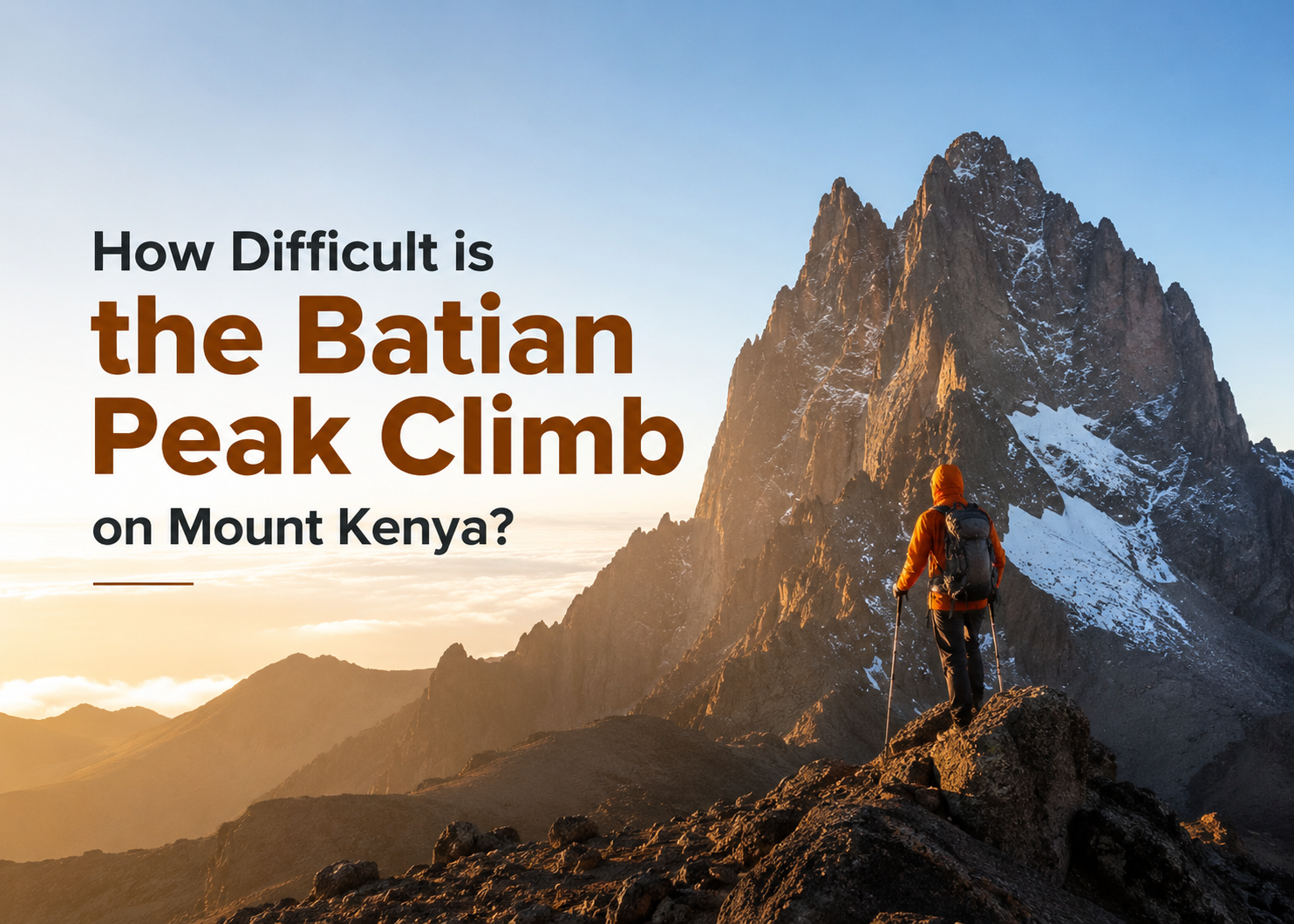
So, how difficult is the Batian Peak climb on Mount Kenya?

It is demanding, technical, mentally intense, and physically exhausting. Batian is far more than a trekking adventure. The mountain challenges climbers through altitude, exposure, weather, and sustained granite climbing.

Yet for prepared climbers, the Batian Climb Mount Kenya experience becomes one of Africa’s most rewarding alpine achievements.

Success depends less on extreme athleticism and more on smart preparation, patience, technical ability, and proper acclimatization.

Batian is not the easiest summit in Africa, and that is exactly why mountaineers respect it so deeply.

mt kilimanjaro marangu route

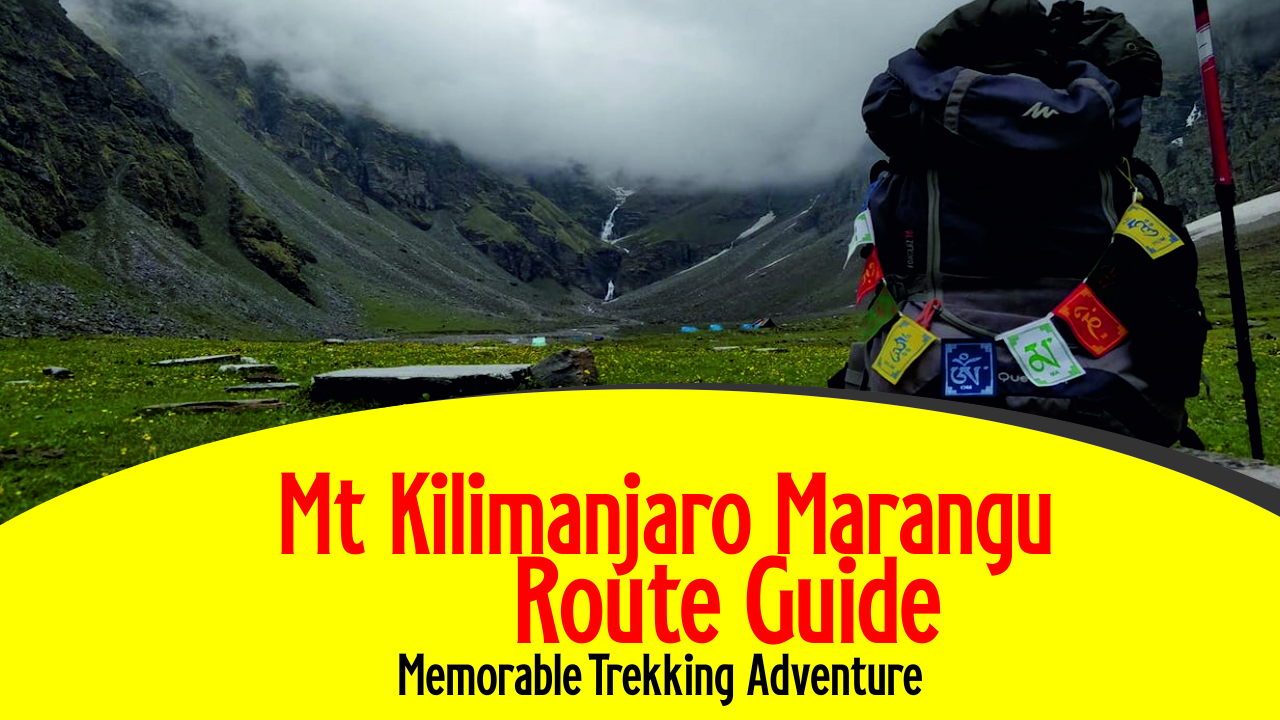
The mt kilimanjaro marangu route stands out as one of the most popular paths for adventurers aiming to summit Africa’s highest peak. Often called the “Coca-Cola Route,” it offers a perfect balance of accessibility, comfort, and breathtaking landscapes. Unlike other routes, it is well-established and equipped with hut accommodations, making it ideal for trekkers who prefer sleeping in a bed rather than a tent. This route is perfect for first-time climbers and seasoned enthusiasts alike who want a structured yet exhilarating ascent.

Starting from the Marangu gate, trekkers are immediately immersed in the lush rainforest that skirts the lower slopes of Kilimanjaro. The trail winds through dense vegetation, moss-covered trees, and cascading streams, providing an enchanting introduction to the mountain. Wildlife sightings are common, with colobus monkeys and colorful birds adding life to the verdant surroundings. The gradual incline allows trekkers to acclimatize slowly, reducing the risk of altitude-related issues while giving ample time to enjoy the scenery.

The trek is typically completed over five to six days, allowing climbers to adjust to changing altitudes. The first stage from Marangu Gate to Mandara Hut is approximately 8 kilometers and crosses through rich forested terrain. Mandara Hut, perched at around 2,700 meters, is the first stop where trekkers can rest, enjoy a warm meal, and prepare for the higher altitudes ahead. The huts along the Marangu route provide basic amenities, including communal dining areas and sleeping quarters, creating a social and supportive trekking environment.

Leaving the rainforest behind, the path gradually transitions into moorland, offering expansive views of Kilimanjaro’s rugged slopes. The journey to Horombo Hut, situated at 3,720 meters, spans roughly 12 kilometers and is a moderate ascent that showcases the mountain’s unique ecological zones. Trekkers witness giant groundsels and lobelias—plants found only at high altitudes—adding an extraordinary element to the trek. Horombo Hut serves as a crucial acclimatization point before attempting the summit. Spending two nights here allows the body to adjust to thinner air and prepares climbers for the challenging push to Uhuru Peak.

The final ascent is famously known as the summit push. Climbers typically depart Horombo Hut late at night to reach Uhuru Peak, the highest point on Mount Kilimanjaro, by sunrise. This section is the most physically demanding, covering an elevation gain of nearly 1,200 meters in one stretch. The trail cuts through the lunar-like landscapes of the alpine desert zone, with jagged rocks and sparse vegetation dominating the scenery. Reaching the summit at 5,895 meters is a triumphant moment, offering panoramic views of Tanzania and, on clear days, neighboring Kenya. The sunrise from Uhuru Peak is a spectacle that many describe as life-changing, as the soft golden light illuminates the glaciers and crater rim.

Descent along the Marangu route is relatively straightforward and less strenuous. Trekkers often return to Horombo Hut for a brief rest before continuing down to Mandara Hut and finally Marangu Gate. The return journey allows climbers to reflect on their accomplishment while enjoying the contrasting landscapes of the descent. Unlike other routes, the Marangu path’s well-marked trails reduce navigational challenges, giving trekkers confidence and peace of mind throughout the trek.

An essential aspect of the mt kilimanjaro marangu route is proper preparation. Trekkers are advised to train for endurance, focus on cardiovascular fitness, and practice hiking with a weighted backpack. Layered clothing is crucial to adapt to fluctuating temperatures, especially during the summit night when conditions can be freezing. Adequate hydration and a balanced diet support energy levels and aid in altitude adjustment. Experienced guides from Ice Rock Trekking provide valuable advice, pacing strategies, and continuous monitoring, ensuring that every climber receives support from start to finish.

The route’s popularity means that climbers can expect a social experience, sharing trails, meals, and stories with fellow adventurers from around the globe. While some may prefer solitude, the communal huts create a sense of camaraderie, making the journey as much about connections as it is about conquering the peak. For those seeking a more isolated experience, early morning departures or trekking during off-peak seasons can offer quieter moments amid the stunning scenery.

Beyond the physical journey, the Marangu route offers cultural insights. Trekkers often pass through small Chagga villages where they can witness traditional farming practices and interact with locals. The Chagga people, native to Kilimanjaro’s southern slopes, are known for their hospitality and knowledge of the mountain. Sampling locally grown bananas, coffee, and honey adds a flavorful dimension to the adventure and deepens the connection to the region.

Safety on the Marangu route is enhanced by its structured nature. The huts provide shelter in unpredictable weather, and the trail’s gradual incline reduces the risk of altitude sickness compared to steeper paths. Ice Rock Trekking ensures that climbers are well-informed about potential risks, equipped with necessary gear, and guided by trained staff. This combination of support, planning, and natural beauty makes the Marangu route an excellent choice for anyone seeking a memorable and scenic ascent of Mount Kilimanjaro.

In conclusion, the mt kilimanjaro marangu route offers an unforgettable trekking adventure, blending natural splendor, cultural encounters, and achievable challenge. Its scenic forest trails, high-altitude moorlands, and striking summit vistas create a layered experience that appeals to both first-time climbers and seasoned mountaineers. The hut system, gradual ascent, and expert guidance from Ice Rock Trekking ensure comfort and safety, while the social and cultural aspects enhance the overall journey. For anyone aspiring to reach Uhuru Peak, this route promises not only a successful summit but memories that last a lifetime.

Hell's Gate National Park in Kenya

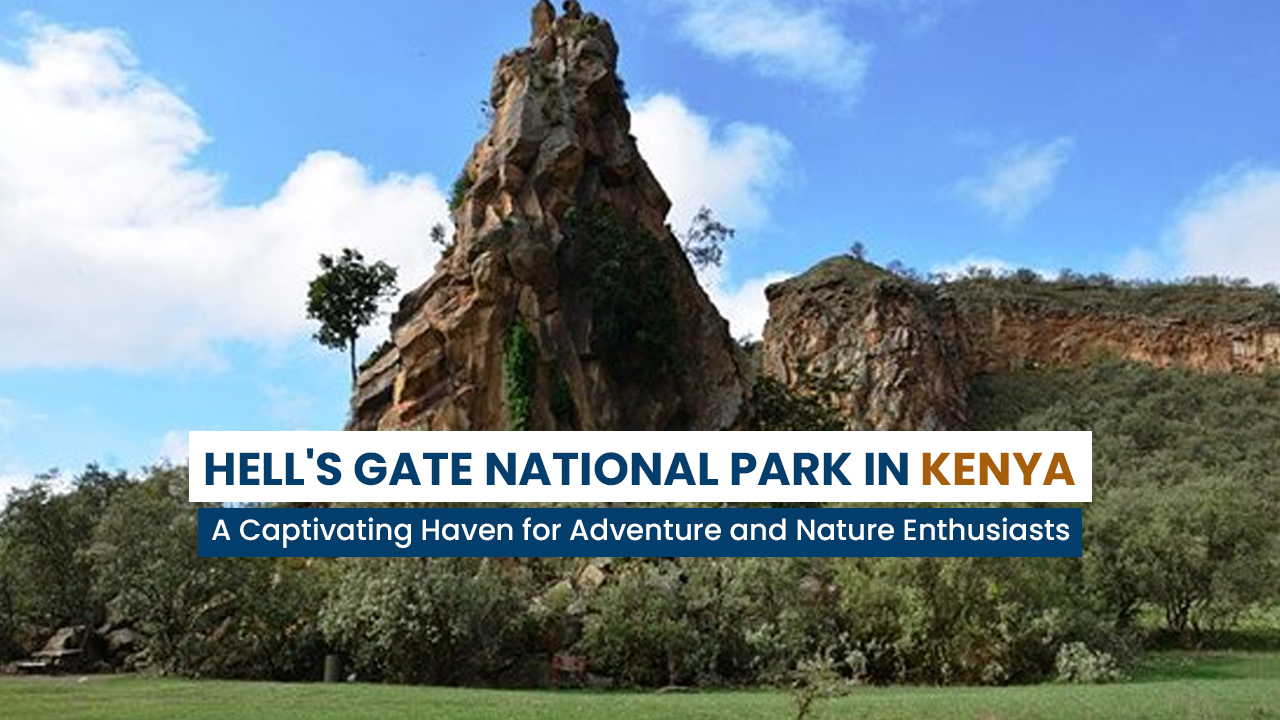
Kenya is sure to cast a spell on every visitor who will surely fall head over heels for its splendid national parks, amazing safaris, diverse wildlife, and exceptional flora and fauna. Among its many spectacular attractions, Hell’s Gate National Park is an ultimate gen and an adventurer’s paradise. Unlike other national parks in Kenya, Hell’s Gate emerges as the most adventurous and exhilarating destination in East Africa because tourists can explore its dramatic cliffs without the safari vehicle, as it allows visitors to cycle, hike, and rock climb. 

A Brief Introduction of Hell’s Gate National Park

Hell’s Gate National Park was established in 1984 to preserve its unique wildlife and landscapes. Spanning around 68.25 square kilometers, Hell’s Gate is not just a cultural landmark but an ecological treasure, popular among tourists seeking an immersive experience of nature splendor. Hell’s Gate National Park is located near Naivasha and is tucked deep into the floor of the Great Rift Valley, which is just 90 kilometers from Nairobi. It is one of Kenya’s smallest national parks whose name originated from a narrow break in the cliffs that was a tributary of a prehistoric lake.

Why Visit Hells Gate National Park?

Hell’s Gate National Park is a thrilling escape into nature’s majesty for nature enthusiasts and adventure seekers alike. This part offers visitors a chance to explore the natural beauty of the Great Rift Valley, discover the rich history and culture of the place, and explore the unique geology and wildlife of the park. Its ultimate landscapes, from geothermal hot springs to towering cliffs add to its allure and provide a thrilling experience to visitors like no other area. It is a must-visit destination for tourists who love to cherish and explore the wonders offered by nature. Tourists visiting this park are sure to experience the most peculiar, surreal, and visually stunning landscapes anywhere in Africa.  

  • The park’s landscape was formed due to volcanic activity and erosion, creating a visually stunning environment of cliffs, gorges, and rock towers. 
  • It is one of the few national parks in the world with active geothermal features, dramatic landscapes, and towering rock formations. 
  • Hell’s Gate is home to hot springs and natural geysers, including the Fischer’s Tower and Central Tower, prominent volcanic plugs that add to its geological allure.
  • Visitors will get exposed to a diverse range of wildlife and can spot herds of giraffes, elands, buffalos, zebras, warthogs, and other herbivores in the grasslands. 
  • Visitors can explore this park on foot or by bicycle, making it extremely popular for hikers and cyclists.
  • Hell’s Gate National Park is a paradise for birdwatchers having over 100 bird species like Raptors, vultures, rare lammergeyer, eagle, and a variety of colorful birds that can be spotted throughout the park.
  • The park offers a close experience with nature through its 24-kilometer cycling route from the park entrance to the gorge. This exhilarating experience provides close encounters with wildlife and breathtaking landscapes along the way.
  • With rock climbing and canyoning opportunities, this park is a paradise for outdoor and adventure seekers. Tourists can experience challenging climbs at Fischer’s Tower and the Central Tower and exciting canyoning experiences at the gorge.

Best Time to Visit Hell’s Gate National Park

The best time to visit the national park is from June to October when the weather is dry and is considered an ideal time for excellent wildlife viewing and other outdoor activities. Though the park is open all through the year, but the best time to visit is the dry season when trails are less muddy and wildlife viewing is at its peak. Besides, the relatively cool climate of the park makes it easier for tourists to explore the park in the warmer months. The skies are clear during this time, making it a great time for outdoor activities like hiking, biking, and rock climbing. This time is also considered best for wildlife spotting.  

Vital Tips For Travellers

Tourists on their way to Hell’s Gate National Park should keep the following tips in mind to enjoy the trip in the most fun filling and effective manner.   

  • Tourists must keep a check on the weather alerts, particularly during the rainy season, to save them from any inconvenience and disruptions in their trip.
  • Tourists are advised to wear closed-toe and sturdy shoes that are ideally recommended in the rugged terrain and will also be a big help for visiting the gorge.   
  • Visitors should carry lots of water and sunscreen, as the temperature in daytime soars high and can quickly dehydrate visitors. 
  • Travelers must carry a good quality camera and binoculars for bird watching and sightseeing.
  • Visitors should hire a guide who will prove to be of great help for activities like hiking and rock climbing, and will increase the safety of the tourists and will aware them of the park’s history and geology.

Why Hell’s Gate Should Be on Bucket List

Hell’s Gate National Park is a must-visit destination for adventure and nature enthusiasts. This place is a haven for travel enthusiasts who are looking to experience Kenya beyond the traditional safari. It is an ideal getaway for both solo travelers and families because of its striking landscapes, thrilling activities, and easy accessibility from Nairobi. This park promises an unforgettable adventure with the opportunity of cycling, hiking, or the option of soaking in a geothermal spa. A trip to Kenya for any traveler is incomplete without exploring this wonder of nature. 

Kilimanjaro Trekking Guides

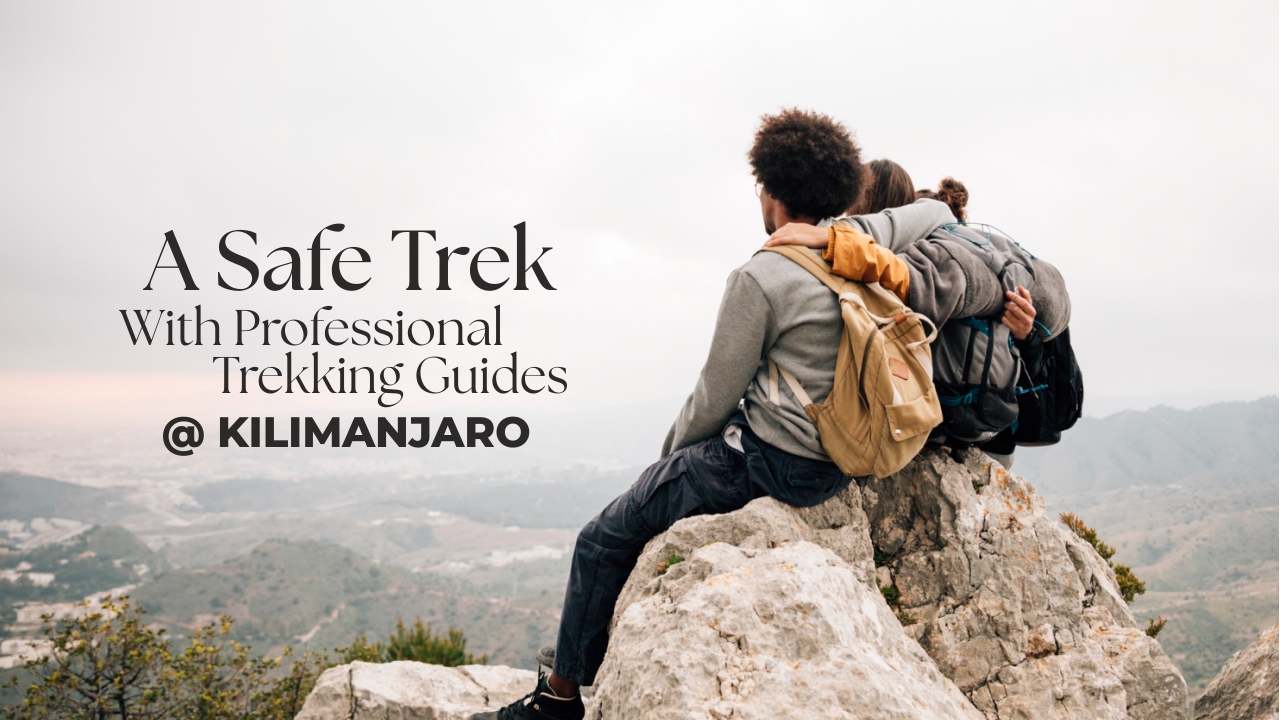
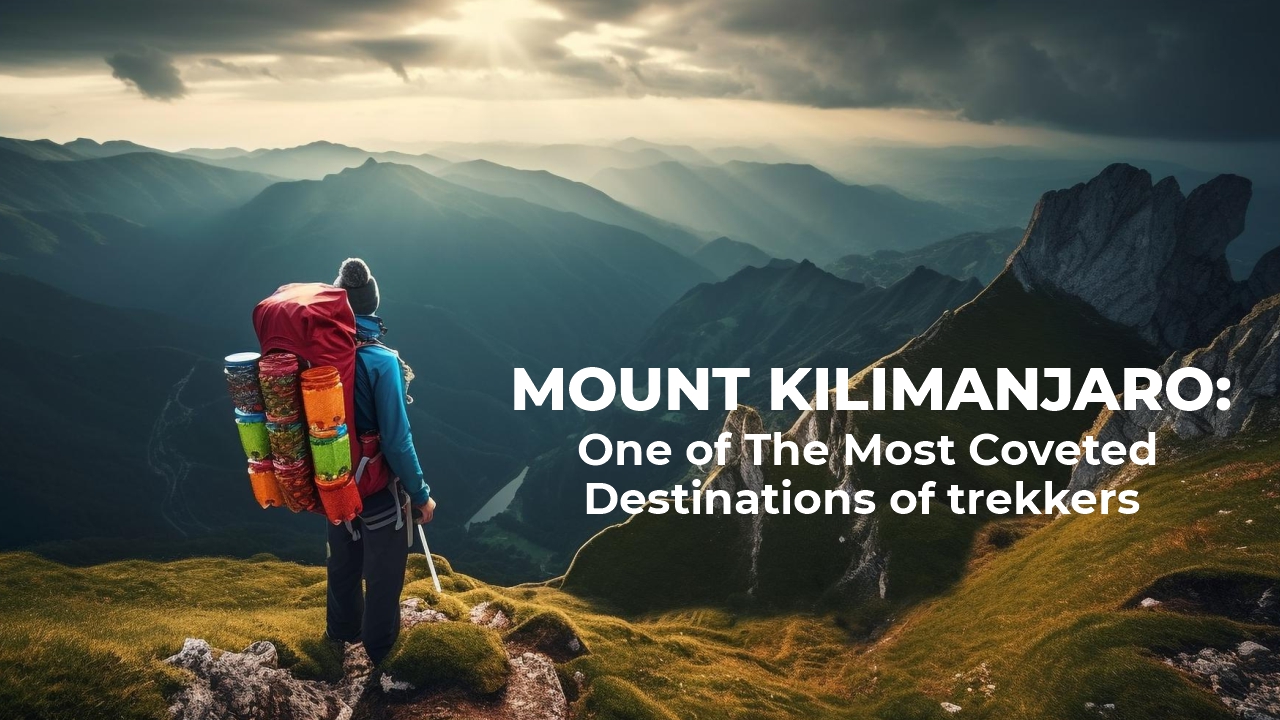
The hike to Mount Kilimanjaro in Africa is one of the most coveted and challenging mountain treks in the world. However, trekking Mt. Kilimanjaro is always exciting to the trekkers and tourists. Whether you are a novice or an experienced trekker, Kilimanjaro trekking guides make your journey safe and easy. Hire an experienced trekking guide from Ice Rock Trekking and make your tour to Kilimanjaro memorable.

A unique experience for trekkers

As a trekker to Mt. Kilimanjaro, you will witness some of the most breathtaking sights, gorgeous landscapes and wildlife, rare flora and fauna, and hundreds of colorful birds. You will also experience the indigenous culture and heritage of the natives in the region. Since Mount Kilimanjaro is one of the highest peaks in the world, this trek is challenging. However, Ice Rock Trekking and Kilimanjaro trekking guides can make your work easy.

Trekking on this mountain is challenging but not tough. No technical experience is required for trekking here. You need physical fitness to make it to the end. Trekkers and hikers of various ages come every year to reach the mountain summit.

The success rate for climbers

Statistics reveal that every year nearly 50,000 people attempt to trek and hike along the routes of Mount Kilimanjaro. Nearly 60% of the tourists who attempt to climb the Mountain are successful. Not much professional training is necessary to climb and trek along the Mount Kilimanjaro trekking routes. Physical fitness and mental strength can help you to make a success out of your attempt. Experienced Kilimanjaro trekking guides provide all kinds of technical and non-technical support to the trekkers.

The following are some trekking guides for your benefit.

  • Hiking duration: Trekkers need a total time duration of five to nine days to climb the Mount Kilimanjaro summit and return. There are options for camps and rest on the route for the benefit of the trekkers and the tourists. Since many hikers and trekkers do not have any professional training and adequate physical fitness, you should consider and accommodate the resting days into your trekking durations. Again, if your trek is well spaced out your body can adapt better to the mountain environment and climate.
  • The Route: One of the main factors that can affect the success of your trekking attempt is the trekking route you select. There are seven trekking and hiking routes to the summit of Mount Kilimanjaro. The popular Southern Circuit routes are the Lemosho Route, Machame Route, Manrangu Route, Rongai Route, and the Northern Circuit. Try to avoid the Shira Route, Western Breach Route, and the Umbwe Route as they are more challenging and unfavorable as compared to the other trekking and hiking routes.
  • Trekking Time: The time of the year you choose to trek to the Mount Kilimanjaro Summit is yet another vital aspect that will affect your trekking experience. The cool dry months between January to March and from June to October are the best times to plan your trek to Kilimanjaro. Keep a watch on the general weather in Mount Kilimanjaro to plan your trek to the summit. The local people and Ice Rock Trekking can be your best guides in determining the trekking time for Kilimanjaro.

Final Summation

On a closing note, do not try to make your trek a very cheap affair. Kilimanjaro trekking guides recommend the support of local guides, cooks, and porters all through the trek to be successful, safe, and comfortable. Ice Rock Trekking has both experience and manpower to extend all kinds of support to the trekkers and tourists. Their guides can advise you on the equipment, clothes, footwear, and medicines that you must carry on the trek.

Mt. Kilimanjaro

Mount Kilimanjaro is the tallest mountain in Africa which is located in Tanzania, i.e., at the border area of Kenya. It is about 5, 895 meter i.e., 19, 341 feet above the sea level. This mountain is known for its snow-capped peaks and is full of scenic beauty. In the year 1889, an Austrian mountaineer named Ludwig Purtscheller and a German geographer named Hans Meyer reached the summit of Mount Kilimanjaro for the first time. Thereafter, it becomes a popular hiking spot for both the local people and tourists.   Thousands of people from almost every part of the world visit this mind-blowing mountain and adjoining national park called Mt. Kilimanjaro National Park in Tanzania.

Why trekking to Mt. Kilimanjaro is fun and adventure?

It is a challenge and thrilling adventure to trek to the highest peak of Africa i.e., the mountain of Kilimanjaro. In this journey, the trekker needs to travel through diverse ecosystems starting from lush and dense rain forest to alpine deserts. The route to the peak of Mount Kilimanjaro provides a unique sensory experience and breathtaking panoramic views to the trekkers. The trekker will experience the ultimate sunrise at Uhuru Peak which will encapsulate the sense of achievement and wonder. The journey to the peak of the mountain provides a unique sensory experience for the trekker and each step the trekker takes brings them closer to the summit which is a rewarding perseverance. 

This adventurous journey to the peak of the mountain is not only a mere physical but also a mental and emotional odyssey for the trekker. This mountain and the national park are full of majestic allure and it is a thrill to climb to the mountain for the trekker. Hence, this mountain stands as evidence of the unconquerable spirit of exploration and the joy that is found by the trekker while conquering the grandeur of nature. As the trekker reaches the peak of the mountain they experience an unparalleled sense of accomplishment since they ascend through varying climates and panoramic views that enhance their joy of expedition. 

Mount Kilimanjaro  

Different routes to Kilimanjaro

There are many routes to reach the peak of Mount Kilimanjaro. Ice Rock Trekking is one of the most popular travel and tourism agencies in Tanzania and Kenya offering pocket-friendly and customizable tours to different parts of Tanzania and Kenya including trekking to this mesmerizing mountain. You can take different routes to Mt. Kilimanjaro but it’s feasible to take advantage of different facilities and professional support of Ice Rock Trekking.  Some of the popular routes are listed as follows:

  1. Machame route: This route is also called as Whiskey route and is known for its panoramic views and diverse landscapes. This route provides a gradual climb for the trekker due to which they get better acclimatization.
  2. Marangu route:This route is popularly called as Coco-Cola route. Among all other routes, this route is the most popular and is relatively easy to climb. In this route, there are features huts for accommodation in place of tents for the trekkers.
  3. Lemosho route:This route requires more time to climb but it provides a different range of ecosystems and stunning scenic beauty.
  4. Rongai route:In this route, you can approach the mountain from the north. This route is known for its quiet trails and is less crowded as compared to other routes.
  5. Northern Circuit route: This is the longest route and it provides excellent acclimatization. 
  6. Umbwe route:This route is known for its steep ascent and thus it is meant only for the experienced trekkers.  

 Visit Mount Kilimanjaro for its scenic beauty, one-of-a-kind ecosystem, and thrill of conquering one of the most popular summits in the world. Ice Rock Trekking offers professional support and the best facilities to the trekkers.

5 days Marangu route

Mt. Kilimanjaro is the tallest mountain in Africa. This gorgeous mountain that attracts thousands of trekkers and tourists every year is about 19,340 feet above sea level. Mt. Kilimanjaro is located in Tanzania near the border with Kenya. In Mt. Kilimanjaro, there are three peaks which are named Kibo, Mawenzi, and Shira. Among all these three cones, Kibo is the tallest volcanic formation while Mawenzi and Shira are extinct.  As per record, nearly 35,000 to 40,000 trekkers around the globe come to trek the mountain every year. Many of these tourists avail of the 5 day Marangu route to the much-coveted summit at Mt. Kilimanjaro. Hence, adventurers from all over the world seek the thrill of this highest point of Africa to enjoy the breathtaking panoramic views.

Some key features of trekking to Mt. Kilimanjaro

Over the centuries, Mt. Kilimanjaro has been attracting trekkers, nature lovers, and tourists. Its landscape is mind-blowing. The following are some key features of trekking to Mt. Kilimanjaro:

  • Diverse routes: In Kilimanjaro, there are several trekking routes. In each of these routes, you will get unique challenges, and scenic landscapes that may cater to different preferences and fitness levels for the level.
  • Altitude gain: The trek has a particular altitude gain that provides some challenging and rewarding experience to the trekkers.
  • Ecological diversity: When the trekkers ascend the mountain they traverse various ecological zones and see the changes in the flora and fauna starting from lush rain forests to alpine deserts.
  • Cultural experience: Most of the time the trekkers interact with the local communities and they get the opportunity to get insights into Tanzanian culture and tradition at the time of their journey.
  • Professional guides: You can also find expert guides who will ensure your safety and provide you with valuable insights that remain in the geology, ecology, and history of the mountain.

    Mt. Kilimanjaro

How the itinerary is arranged through the Marangu route?   

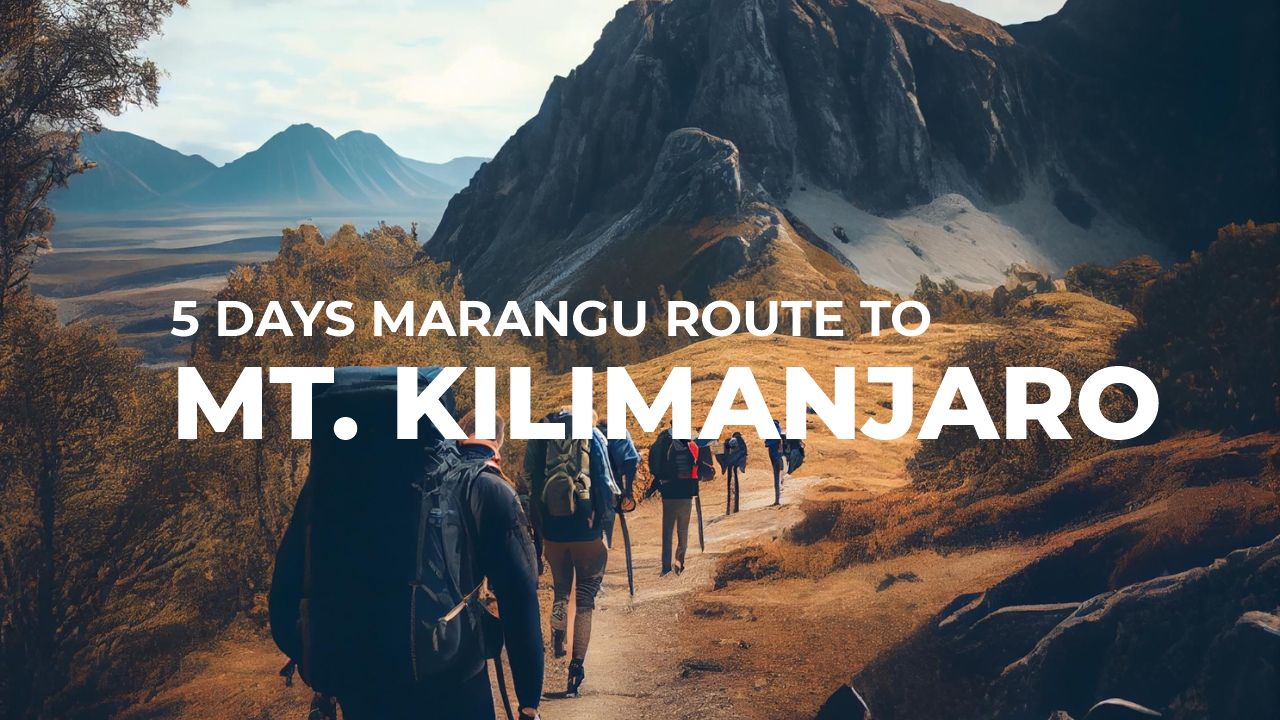
The Marangu route is one of the most popular routes to Mt. Kilimanjaro in Tanzania. This Marangu route is popularly called the “Coco-Cola” route. The itinerary of this route generally spans five days allowing for proper acclimatization. The following is the complete itinerary for 5 days Marangu route:

  • Day 1: On day one, the trekkers have to start at Marangu gate and they need to trek through the dense rainforest to Mandara Hut.
  • Day 2: On day two, the trekkers need to ascend through Moorland to Horombo Hut and gradually gain altitude. Then the trekkers should rest at the Horombo Hut for the rest of the day. Everything is arranged professionally but Ice Rock Trekking also ensures a personal touch to every arrangement.
  • Day 3: On day three, the trekkers should trek to Kibo to enter the alpine desert, and experience the spectacular views. It will be a mind-blowing and unforgettable experience for the trekkers during their 5 days Marangu route.
  • Day 4: On day four, the trekker should travel from Midnight ascent to Uhuru Peak and then he should start descending to Horombo Hut and reach that hut on that day itself.
  • Day 5: On the fifth day, the trekker should descend to Marangu gate and once he reaches the Marangu gate the trekking is completed.

In both the Horombo hut and Marangu hut there are facilities of basic shelter for the trekkers and the Marangu route offers different landscapes starting from rain forests to glaciers. While traveling through this route the trekker experiences more scenic beauty as compared to other routes. That is the reason why most trekkers prefer to trek this mountain through this route. Ice Rock Trekking is a trusted name in the domain of African tourism. They offer unparalleled professional safety and customized itineraries for tourists and trekkers in Tanzania and Kenya.

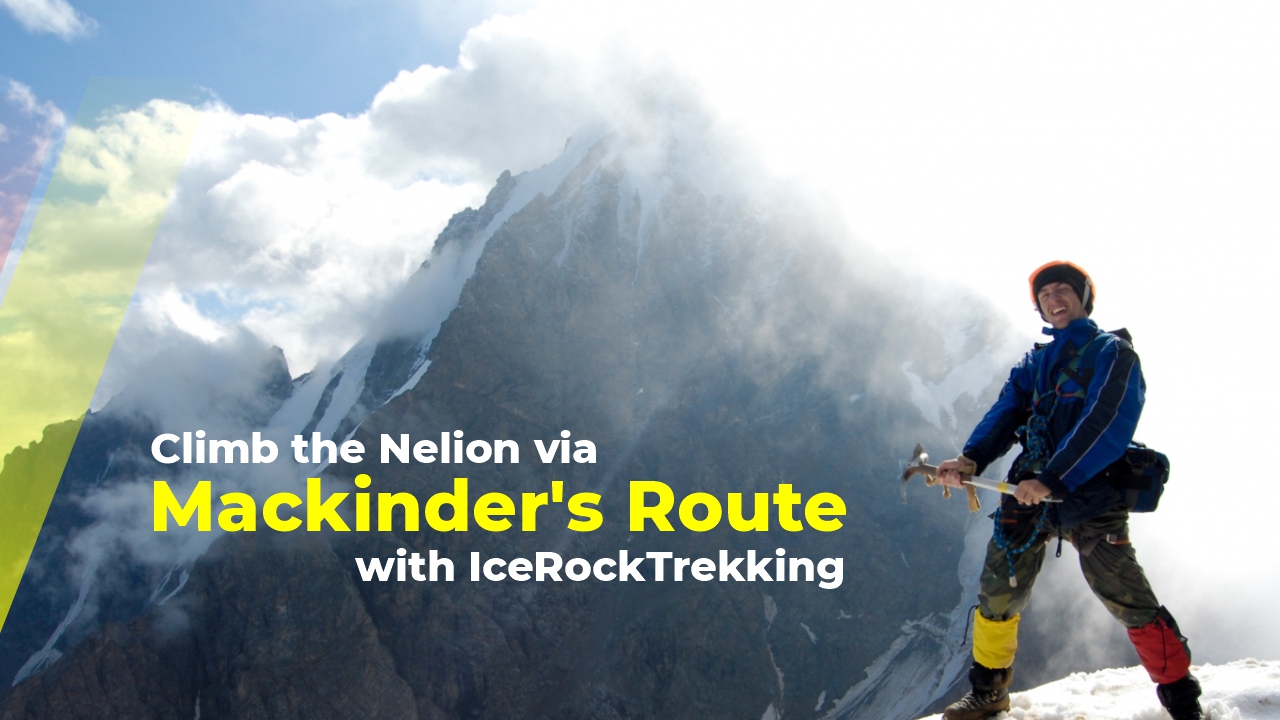
Nelion Climb

Ice Rock Trekking is famed for organizing some of the best trek itineraries in the African region. In this article, we will talk about the standard route taken to attempt the Nelion Climb via the southern side of Mount Kenya. You can best access this trek from the Austrian hut.

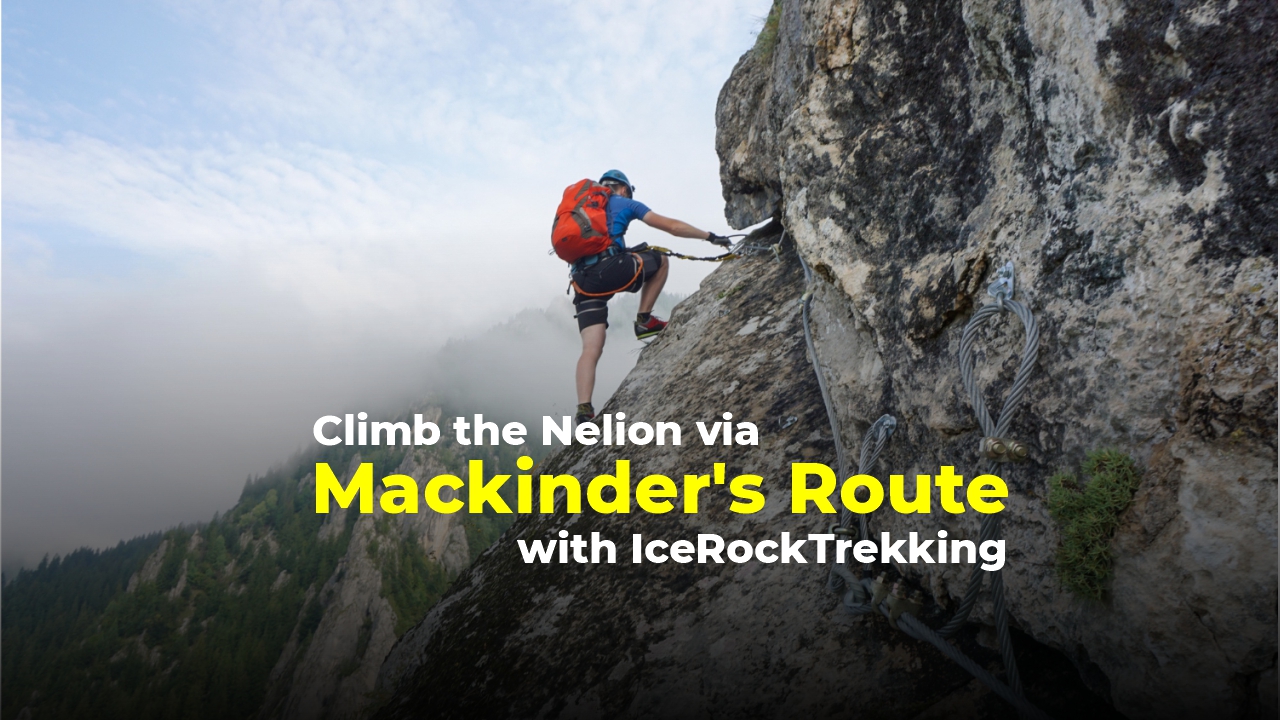
Mackinder Route is the most used route on the Southern/Eastern side of Mount Kenya, where you will get abseil rings fixed. As per the Ice Rock Trekking itinerary, climbers will start from the Austrian Hut which is at 4700m in height in the morning around 4 PM. After crossing the Lewis Glacier, You will use head torches to scramble up the scree to the climb’s base.

With this, you have completed the first two pitches before first light. This stroll usually takes about 2 hours. If the sun comes out of the mountains, the climbing becomes more enjoyable. Starting from the base, the climb becomes easy with the first three scrambled pitches using a running belay.

The One O’clock Gully

While working through the pitches, climbers will pass through some famous features like the following:

  • One o’clock Gully
  • The Amphitheatre
  • De Graf’s Variation

These local points will present some easy as well as some challenging climbing. The halfway point of the climb is the Bailey’s Bivvy. This Bivvy is a disused hut considered a halfway point on a spectacular route.

You will reach the summit of Nelion in 6-8 hours. Howell Hut is the summit of Nelion. Here, you can stay in an overnight bivvy if your group is interested in crossing over to Batian. Climbers will cross over to Batian via the “Gates of Mist”. This involves dropping 35m off Nelion and further climbing 50m to the summit.

We estimate the time to do the Nelion crossing and return is 3-4 hours. But such a fiat is dependent on ice levels within the “Gates of Mist”. Thereafter, we would recommend a night at Howell Hut. You can begin to descend on the following morning. During the trek, you will see en route to Nelion.

Nelion Climb

Eric Shipton first ascended the summit of Mt Kenya in 1929. PW Harris, before him, was a part of a reconnaissance team on Mount Everest.

You can find more similar stories of this route which are famous and involve famous faces of the past. Your guide can also narrate such incidents to you during your unforgettable climb.

Standard Route To Nelion Climb– South Ridge to Nelion

The Nelion Summit is at a height of 5188m or 17,021 feet. The Batian is situated at a height of 5199m or 17,057 feet via the “Gates of Mist”. The Technical Grade for this trek is 4. The suitable season for this climb is December to March. The typical length of the trek is 450m, 18 pitches. Trek’s duration is around 8 hours of climbing with one night stay and three hours for the descent. The trek requires one guide to two guests ratio. For the Nelion climb, you require ice climbing equipment, such as crampons and ice axes. The whole climb is 18 pitches, which makes it easy to climb Nelion and Batian.

Climbing Batian

Ice Rock Trekking is one of the foremost Trekking Expedition organizers of Mount Kenya. We are well-known for providing some of the best trekking experiences to people from around the world. One of our famous routes is the Batian Climb. We prefer to design the trek route from the North Face of Mount Kenya. This is the standard route to Batian attempted via the North side of the mountain, as the most direct route to Mount Kenya’s summit.

Hardness Level of the Batian Route

The Batian Climb is technically harder than the normal route. It involves some harder pitches. The Normal route climb can be broken up into several sections. The Bivvy here is often taken in the large Amphitheater before heading to the first light summit.

Details of the Batian Climb

The North Face route starts from Kami Hut in the Shipton camp. To get to the top, it will take you 7 to 8 days, which will include two days of climbing. When on North Face, you must stay overnight at the Firmin Tower by putting a tent or bivouac. For this trek, climbers don’t need crampons. In case you want to traverse the “Gates of Mist” to Nelion, then crampons are a must.

The First Ascent of the North Face to Batian was done by Arthur Firmin

In 1944, PH Hicks made a very daring attempt with two brave and internationally famous mountaineers to climb the Bation. Thereafter, the climbing duo would go on to complete several other ascents on Mount Kenya.

Batian Climb

About the Climb

The Ice Rock Trekking follows the North Face standard route from the North Side to reach the Batian summit. The Summit of the Batian is situated at 5199m or 17,057 feet in height. It has a technical grade of 4+. The best season to make the climb is July, August, and September. The length of the pitches is 600m with 24 pitches in total, and the duration of the climb is ten hours. This will include one overnight stay and 5 hour’s descent to the climb base.

Things to take care of:

Every climber is recommended to carry their supply for the trek, as these equipment are indispensable for the trek:

  • Harness
  • Climbing Boots
  • Crampons
  • Ice Axe
  • Warm Sleeping Bag
  • Bivvy Bag
  • Light Tent

Some of the other climbing equipment needed is friends (chuckles), the figure of eight, stoppers. The tour guide will provide you with the ropes for the trek.

Ice Rock Trekking is a premier Travel and Expeditions Company that offers trekking services to Mount Kenya as well as Mount Kilimanjaro. We arrange technical climbing guides for the main peaks of Batian. As a professional tour company, headed by Mr. Joseph Muthui Gathu, we are well-versed in dispensing our services effectively to our clients. Mr. Joseph Muthui Gathu is a well-known former member of the Mt Kenya Rescue Team. He has graduated from the American National Outdoor Leadership School, colloquially known as N.O.L.S.