Mt Kilimanjaro Tours


Mount Kilimanjaro stands as Africa’s highest mountain and one of the most sought-after trekking destinations on Earth. Rising to 5,895 meters (19,341 feet) above sea level, this iconic peak attracts thousands of adventurers every year who dream of reaching Uhuru Peak and witnessing the breathtaking views from the Roof of Africa.

One of the most common questions trekkers ask before planning their adventure is: Which Kilimanjaro route is best for me? The answer depends on several factors, including fitness level, previous trekking experience, available time, scenery preferences, and summit success goals.

At Ice Rock Trekking, we help climbers choose the most suitable route based on their experience and expectations. Since there are multiple trails leading to the summit, comparing route duration, difficulty, acclimatization opportunities, and scenery can make a significant difference in your overall experience.

This detailed comparison of mt kilimanjaro tours will help you determine the ideal route for your next mountain adventure.

Why Route Selection Matters on Kilimanjaro

Unlike technical mountaineering peaks that require ropes and advanced climbing skills, Kilimanjaro is a trekking mountain. However, reaching the summit remains physically demanding due to altitude, long hiking days, and changing weather conditions.

The route you choose affects:

  • Summit success rate
  • Acclimatization process
  • Trekking difficulty
  • Scenic diversity
  • Crowds on the trail
  • Total expedition cost
  • Overall trekking experience

A well-planned route significantly increases your chances of reaching Uhuru Peak safely and comfortably.

Overview of Popular Mt Kilimanjaro Tours

The primary routes on Mount Kilimanjaro include:

  • Marangu Route
  • Machame Route
  • Lemosho Route
  • Rongai Route
  • Northern Circuit Route
  • Shira Route
  • Umbwe Route

Each route offers a unique experience, ranging from beginner-friendly treks to challenging adventures designed for experienced hikers.

Marangu Route

Route Profile

The Marangu Route is often called the “Coca-Cola Route” because it is one of the oldest and most established trails on the mountain.

Duration

  • 5 Days
  • 6 Days recommended

Difficulty Level

Moderate

Accommodation

Unlike other routes that use camping tents, Marangu provides mountain huts for overnight stays.

Advantages

  • Comfortable hut accommodation
  • Well-maintained trail
  • Suitable for first-time trekkers
  • Lower logistical requirements

Challenges

  • Less scenic compared to western routes
  • Short acclimatization period
  • Lower summit success rates on 5-day itineraries

Best For

  • Beginners
  • Trekkers preferring hut accommodation
  • Travelers with limited time

Machame Route

Route Profile

The Machame Route is one of the most popular choices among international climbers. It offers excellent scenery and favorable acclimatization opportunities.

Duration

  • 6 Days
  • 7 Days recommended

Difficulty Level

Moderately challenging

Advantages

  • Beautiful landscapes
  • Strong acclimatization profile
  • High summit success rates
  • Diverse ecological zones

Challenges

  • Steeper sections
  • More physically demanding than Marangu
  • Can be crowded during peak seasons

Best For

  • Active hikers
  • Adventure seekers
  • Trekkers seeking excellent scenery

Many mt kilimanjaro tours offered by professional operators focus on the Machame Route because it balances challenge and success effectively.

Lemosho Route

Route Profile

The Lemosho Route begins on Kilimanjaro’s western side and is widely regarded as one of the most scenic trails.

Duration

  • 7 Days
  • 8 Days recommended

Difficulty Level

Moderate to challenging

Advantages

  • Outstanding scenery
  • Excellent acclimatization
  • High summit success rates
  • Lower crowds during initial days

Challenges

  • Longer itinerary
  • Higher expedition costs

Best For

  • Serious trekkers
  • Photographers
  • Climbers prioritizing summit success

The gradual ascent profile makes Lemosho one of the strongest options for climbers concerned about altitude sickness.

Rongai Route

Route Profile

The Rongai Route approaches Kilimanjaro from the northern side near the Kenyan border.

Duration

  • 6 Days
  • 7 Days recommended

Difficulty Level

Moderate

Advantages

  • Less crowded
  • Drier conditions
  • Gentle ascent
  • Excellent wildlife viewing opportunities

Challenges

  • Less scenic variety than western routes
  • Fewer dramatic landscapes

Best For

  • First-time climbers
  • Trekkers climbing during rainy seasons
  • Those seeking quieter trails

Rongai is often recommended for people who want a less crowded Kilimanjaro experience.

Northern Circuit Route

Route Profile

The Northern Circuit is the longest route on Kilimanjaro and circles much of the mountain before reaching the summit.

Duration

  • 8 Days
  • 9 Days

Difficulty Level

Moderate

Advantages

  • Highest summit success rate
  • Outstanding acclimatization
  • Minimal crowds
  • Exceptional scenery

Challenges

  • Longer time commitment
  • Higher expedition costs

Best For

  • Climbers focused on summit success
  • Experienced trekkers
  • Photographers and nature enthusiasts

Among all mt kilimanjaro tours, the Northern Circuit consistently delivers some of the best summit success statistics.

Shira Route

Route Profile

The Shira Route shares much of its trail with Lemosho after the first stages but begins at a higher elevation.

Duration

  • 7 Days
  • 8 Days

Difficulty Level

Moderately challenging

Advantages

  • Beautiful western approach
  • Excellent scenery
  • Good acclimatization opportunities

Challenges

  • Higher starting elevation
  • Increased risk of altitude-related discomfort during early stages

Best For

  • Trekkers with prior high-altitude experience
  • Experienced hikers

Umbwe Route

Route Profile

The Umbwe Route is considered the steepest and most demanding trail on Mount Kilimanjaro.

Duration

  • 6 Days
  • 7 Days

Difficulty Level

High

Advantages

  • Remote atmosphere
  • Dramatic scenery
  • Minimal crowds

Challenges

  • Rapid altitude gain
  • Lower success rates
  • Physically demanding

Best For

  • Experienced mountaineers
  • Strong hikers
  • Adventure-focused climbers

Beginners are generally advised to select longer routes with better acclimatization profiles.

Comparing Kilimanjaro Route Difficulty

Easiest Routes

  1. Marangu Route (6 Days)
  2. Rongai Route
  3. Northern Circuit

These routes feature gentler gradients and are often suitable for less experienced trekkers.

Moderate Routes

  1. Machame Route
  2. Lemosho Route
  3. Shira Route

These options provide excellent scenery while requiring a reasonable level of fitness.

Most Difficult Routes

  1. Umbwe Route
  2. Short-duration summit itineraries

Steeper ascents and reduced acclimatization make these routes significantly more demanding.

Comparing Route Duration

5-Day Climbs

Suitable for:

  • Limited schedules
  • Budget-conscious travelers

Challenges:

  • Lower summit success rates
  • Reduced acclimatization

6-Day Climbs

Suitable for:

  • Active hikers
  • Intermediate trekkers

Benefits:

  • Better acclimatization
  • Higher success rates

7-Day Climbs

Suitable for:

  • Most trekkers

Benefits:

  • Strong balance between cost and success
  • Improved altitude adaptation

8 to 9-Day Climbs

Suitable for:

  • Maximum summit success
  • Comfortable pacing

Benefits:

  • Superior acclimatization
  • Reduced fatigue
  • Increased enjoyment

Longer itineraries consistently deliver better outcomes on Kilimanjaro.

How Altitude Affects Route Choice

Altitude is the biggest challenge on Mount Kilimanjaro.

Symptoms may include:

  • Headaches
  • Fatigue
  • Nausea
  • Dizziness
  • Loss of appetite

Routes with gradual ascents provide the body with more time to adapt to lower oxygen levels.

This is one reason why Lemosho and Northern Circuit itineraries often outperform shorter routes in summit success rates.

Which Route Has the Best Summit Success Rate?

While success rates vary between operators, general trends include:

Route Estimated Success Rate
Northern Circuit 95%+
Lemosho 90%+
Machame 85%–90%
Rongai 80%–90%
Marangu 60%–80%
Umbwe Lower due to rapid ascent

Professional support, proper acclimatization, and physical preparation also play major roles.

Physical Preparation for Kilimanjaro

Regardless of route choice, preparation remains essential.

Recommended activities include:

  • Long-distance hiking
  • Stair climbing
  • Cardiovascular training
  • Strength training
  • Multi-day trekking practice

Training should ideally begin several months before departure.

Best Time for Mt Kilimanjaro Tours

January to March

Advantages:

  • Fewer crowds
  • Cooler temperatures
  • Good summit conditions

June to October

Advantages:

  • Dry weather
  • Excellent visibility
  • Peak trekking season

December

Advantages:

  • Popular holiday season
  • Good climbing conditions

Choosing favorable weather improves comfort and safety throughout the expedition.

Why Choose Ice Rock Trekking for Kilimanjaro Expeditions?

Selecting an experienced operator can significantly impact your success and enjoyment on the mountain.

Ice Rock Trekking provides:

  • Experienced mountain guides
  • Safety-focused trekking programs
  • Carefully designed acclimatization schedules
  • Quality camping equipment
  • Professional logistical support
  • Personalized trekking experiences

Our team understands the challenges of high-altitude trekking and works closely with every climber to maximize safety and summit success.

Choosing the Right Kilimanjaro Route

The ideal route depends on your goals.

If comfort and simplicity are priorities, Marangu may be suitable. If scenery and strong acclimatization matter most, Lemosho is an excellent choice. Adventurers seeking a balanced challenge often select Machame, while trekkers focused on maximizing summit success frequently choose the Northern Circuit.

For those seeking quieter trails, Rongai offers a peaceful alternative, while experienced climbers looking for a tougher ascent may find Umbwe appealing.

The variety of mt kilimanjaro tours ensures there is a route suitable for every type of trekker, from first-time hikers to seasoned mountaineers.

Final Thoughts

Mount Kilimanjaro remains one of the most rewarding trekking destinations on the planet. Choosing the right route can transform your climb from a difficult challenge into an unforgettable achievement. Factors such as duration, acclimatization, physical fitness, and personal preferences should all influence your decision.

Whether you are aiming for your first high-altitude summit or adding another major peak to your mountaineering achievements, selecting the appropriate route greatly improves your chances of success. With expert planning, proper preparation, and professional support from Ice Rock Trekking, your Kilimanjaro adventure can become a remarkable journey to Africa’s highest point and one of the most memorable experiences of your life.
Hiking Kilimanjaro

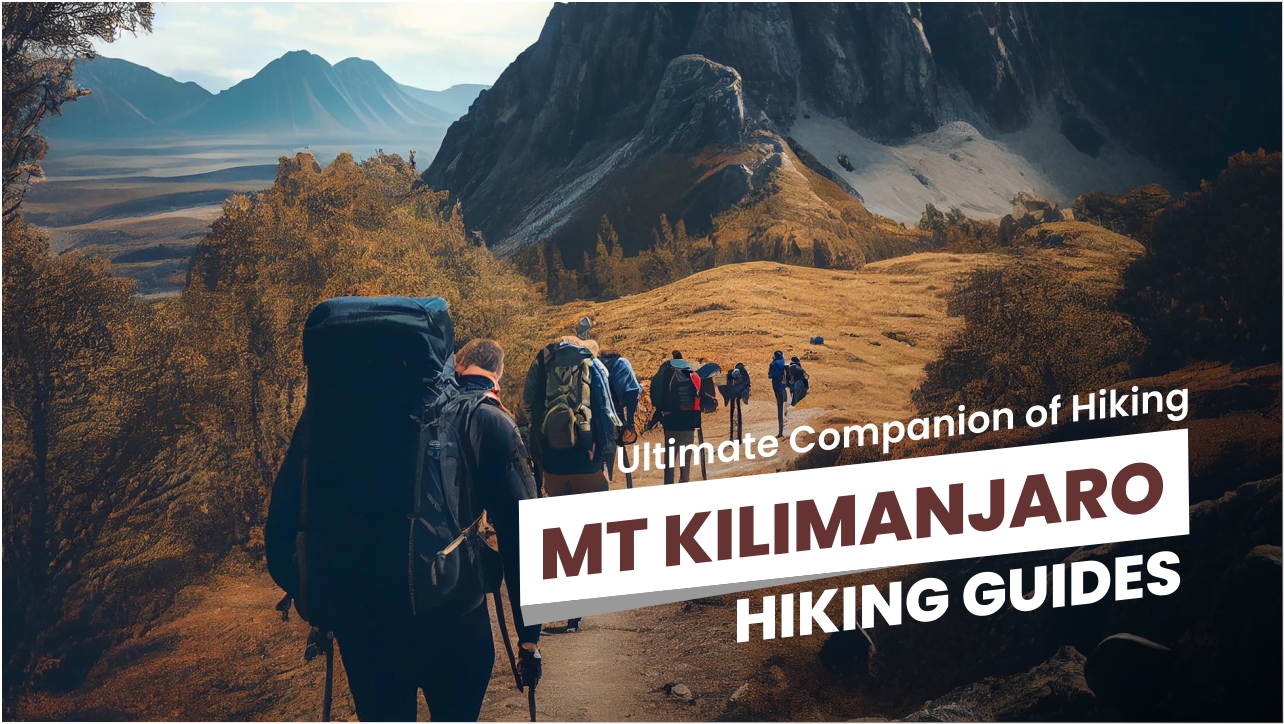
If you love exploring nature’s wonder and if you’re seeking the ultimate hiking adventure, try hiking Kilimanjaro. One of the world’s most iconic peaks, Mt. Kilimanjaro attracts thousands of tourists including hikers and trekkers every year. Experience the breathtaking beauty of the “Roof of Africa” on a guided hiking expedition. Ice Rock Trekking is there to help you and make your hiking to different parts of Kilimanjaro smooth sailing.

Explore Mt. Kilimanjaro while hiking

Mt. Kilimanjaro is the world’s highest free-standing mountain and Africa’s tallest mountain. As you climb the mountain under the guidance of local experts associated with Ice Rock Trekking, you will experience five different ecosystems. It’s one of the most empowering hiking experiences for any mountain lover.

Apart from the ecstasy of reaching the mountain peak – Uhuru, another major attraction for the hikers and trekkers on this route is the stunning landscapes and nature’s wonders. Get details of different trekking and hiking plans of Ice Rock Trekking. The guided tour and hiking in Kilimanjaro help you get the most from your tour schedule in this part of the world.

The hiking routes

There are nearly seven hiking routes you can select from while planning your trek to Mount Kilimanjaro. Some favorable trekking routes to the mountain summit are:

  • Rongai Route: This route has a tranquil feel and approaches the mountain from the northern side. This route is near to the Kenyan border. If you are planning your hike during the rainy season this route can be beneficial due to the absence of vegetation.
  • Lemosho Route: The Lemosho Route is one of the most beautiful routes which has pristine sight-seeing options and natural splendor.
  • Machame Route: This route too offers many scenic views and crosses all five ecological zones. However, this is a longer route.
  • Marangu Route: This last route is one of the most ideal hiking routes to Mount Kilimanjaro and offers a classic hiking experience.

Things to see on the hiking trail

It is now time to list all the scenic beauty you can experience on your trail while hiking Kilimanjaro. The following are the sightseeing experiences you can expect while climbing Mount Kilimanjaro.

  • Rainforest: The hiking treks begin with the beautiful rainforests in Africa. This forest has a rich flora and fauna and offers spectacular sights to the tourists and trekkers. You can spot exotic animals like the Columbus Monkey in these forests.
  • Zebra Rock: If you select the Marangu Route, you can see the Zebra Rock which is a popular sightseeing destination. The black lava rock has white streaks made by the mineral-rich rainwater which flows over the rock to form a surface that resembles a zebra.
  • Dendrosenecio Kilimanjaro Plants: The rare plants and trees in the region are yet another thing that all hikers must watch out for. They have interesting looks and features as the plants over the centuries have adapted to the changing and evolving environment in the place.
  • Shira Plateau: This plateau is on the western side of the mountain. The Shira Plateau is a caldera which is a volcanic crater that has collapsed. This landform was formed about 500,000 years before and then filled with debris from volcanic lava.
  • White-necked ravens: These are African scavengers who are found outside the huts and the campsites looking for leftover food. These animals get their name from the patch of white feathers on the lower neck and back.
  • Plane crash site: In 2008 November a small passenger plane crashed on Kilimanjaro. The wrecks are still present on the mountain.

Look for natural beauty

Apart from the specific sightseeing attractions you can also plan to witness the natural splendors of the place like the glaciers, full moon night, and Kilimanjaro sunrise. Ice Rock Trekking offers a complete package for hiking Kilimanjaro. Choose the one adjustable with your vacation and enjoy the tour.

Mt. Kilimanjaro

Mt. Kilimanjaro is the most empowering hiking adventure that sits atop the bucket lists of many hiking enthusiasts. Offering an unparalleled experience of nature’s grandeur and personal achievement, hiking enthusiasts can experience hiking the mountain without serious training. Kilimanjaro stands as Africa’s tallest peak and the world’s highest free-standing mountain, rising majestically from the plains of Tanzania. This Africa’s tallest mountain renders a stiff challenge to hikers, as it takes them through five different ecosystems ranging from rain forest zone to alpine desert, to arctic snow-cap to climb the 19,340-foot top. Hiking Mt. Kilimanjaro like any other adventure requires preparation and having a knowledgeable guide can make all the difference. It is essential to have a hiking guide for climbing Mt. Kilimanjaro and travelers need to choose the right hiking guide for this expedition.

Reasons to Get Accompanied by Hiking Guides

Trekking at the snow-covered Mt. Kilimanjaro is an arduous yet rewarding experience. However, if trekkers seek a hiking guide in their expedition then they are sure to smoothly climb the tallest mountain of Africa. Anyone climbing Kilimanjaro must be accompanied by a guide licensed by Kilimanjaro National Park. Most climbers have a team that includes a lead guide, an assistant guide, a cook, and porters. Some of the vital reasons to get accompanied by expert hiking guides include:

Safety – The climb to Kilimanjaro’s summit is challenging and may be perilous without proper guidance. A professional hiking guide has proper training to handle emergencies, altitude sickness, and sudden weather changes. These guides have proper training and knowledge to monitor the trekker’s health and can even make vital decisions related to the trekker’s safety, such as when to return or seek medical assistance.

Local Expertise – On accompanied by local hiking guides who have invaluable knowledge about Kilimanjaro’s trails, climate, flora, and fauna, travelers will be mentally prepared for the challenges coming their way. Guides enrich the hiking journey of tourists by providing insights about the mountain’s history, geology, and local culture. Climbing the mountain under their guidance not only enhances the hiker’s experience but also increases their chance of successfully reaching the summit.

Navigational Skills – There are multiple routes to reach the summit of Kilimanjaro, each route offers its own scenic points and set of challenges. Hiking guides will help travelers choose the right route depending on their fitness level and preferences. The guides will also help travelers to aptly navigate the trails, handle the pace, and ensure that tourists properly acclimatize to the altitude.

Support and Motivation – A hiking guide is a great source of motivation, support, and encouragement, as climbing Kilimanjaro is both a physical and mental challenge. The guide will keep the morale and group spirit of the travelers high. This is especially crucial during the final push to the summit when the going gets tough.

Mount Kilimanjaro

Tips to Choose the Right Hiking Guide

Kilimanjaro is an excellent choice for first-time climbers. With proper preparation and physical fitness, beginners can successfully reach the highest peak in Africa. Being well-prepared increases your chances of success. Kilimanjaro is not a technical climb and is suitable for beginners with little or no experience. The most challenging aspects are coping with the altitude and adapting to camping. No technical skills or special equipment are required just physical fitness, determination, and the right guide service to support you along the way.

Certification and Experience – Always prefer a hiking guide who is certified by the Kilimanjaro National Park Authority. Experience and seasoned guides who have led numerous successful expeditions are better equipped to handle the challenges that arise on the mountain.

Reviews and Recommendations – Travelers before embarking on this hiking expedition should check reviews and ask for recommendations from previous climbers. Going through testimonials will provide insights into a guide’s reliability, professionalism, and personality. A guide having lots of positive feedback is more likely to offer a great experience.

Climbing Mt. Kilimanjaro is a once-in-a-lifetime experience that requires careful planning and the right guidance. By choosing a knowledgeable and experienced guide, travelers ensure a safe, enjoyable, and successful ascent to the Roof of Africa. So travelers should carefully choose a guide and get ready to embark on an adventure of a lifetime.

Mt. Kilimanjaro

Mount Kilimanjaro is the tallest mountain in Africa which is located in Tanzania, i.e., at the border area of Kenya. It is about 5, 895 meter i.e., 19, 341 feet above the sea level. This mountain is known for its snow-capped peaks and is full of scenic beauty. In the year 1889, an Austrian mountaineer named Ludwig Purtscheller and a German geographer named Hans Meyer reached the summit of Mount Kilimanjaro for the first time. Thereafter, it becomes a popular hiking spot for both the local people and tourists.   Thousands of people from almost every part of the world visit this mind-blowing mountain and adjoining national park called Mt. Kilimanjaro National Park in Tanzania.

Why trekking to Mt. Kilimanjaro is fun and adventure?

It is a challenge and thrilling adventure to trek to the highest peak of Africa i.e., the mountain of Kilimanjaro. In this journey, the trekker needs to travel through diverse ecosystems starting from lush and dense rain forest to alpine deserts. The route to the peak of Mount Kilimanjaro provides a unique sensory experience and breathtaking panoramic views to the trekkers. The trekker will experience the ultimate sunrise at Uhuru Peak which will encapsulate the sense of achievement and wonder. The journey to the peak of the mountain provides a unique sensory experience for the trekker and each step the trekker takes brings them closer to the summit which is a rewarding perseverance. 

This adventurous journey to the peak of the mountain is not only a mere physical but also a mental and emotional odyssey for the trekker. This mountain and the national park are full of majestic allure and it is a thrill to climb to the mountain for the trekker. Hence, this mountain stands as evidence of the unconquerable spirit of exploration and the joy that is found by the trekker while conquering the grandeur of nature. As the trekker reaches the peak of the mountain they experience an unparalleled sense of accomplishment since they ascend through varying climates and panoramic views that enhance their joy of expedition. 

Mount Kilimanjaro  

Different routes to Kilimanjaro

There are many routes to reach the peak of Mount Kilimanjaro. Ice Rock Trekking is one of the most popular travel and tourism agencies in Tanzania and Kenya offering pocket-friendly and customizable tours to different parts of Tanzania and Kenya including trekking to this mesmerizing mountain. You can take different routes to Mt. Kilimanjaro but it’s feasible to take advantage of different facilities and professional support of Ice Rock Trekking.  Some of the popular routes are listed as follows:

  1. Machame route: This route is also called as Whiskey route and is known for its panoramic views and diverse landscapes. This route provides a gradual climb for the trekker due to which they get better acclimatization.
  2. Marangu route:This route is popularly called as Coco-Cola route. Among all other routes, this route is the most popular and is relatively easy to climb. In this route, there are features huts for accommodation in place of tents for the trekkers.
  3. Lemosho route:This route requires more time to climb but it provides a different range of ecosystems and stunning scenic beauty.
  4. Rongai route:In this route, you can approach the mountain from the north. This route is known for its quiet trails and is less crowded as compared to other routes.
  5. Northern Circuit route: This is the longest route and it provides excellent acclimatization. 
  6. Umbwe route:This route is known for its steep ascent and thus it is meant only for the experienced trekkers.  

 Visit Mount Kilimanjaro for its scenic beauty, one-of-a-kind ecosystem, and thrill of conquering one of the most popular summits in the world. Ice Rock Trekking offers professional support and the best facilities to the trekkers.

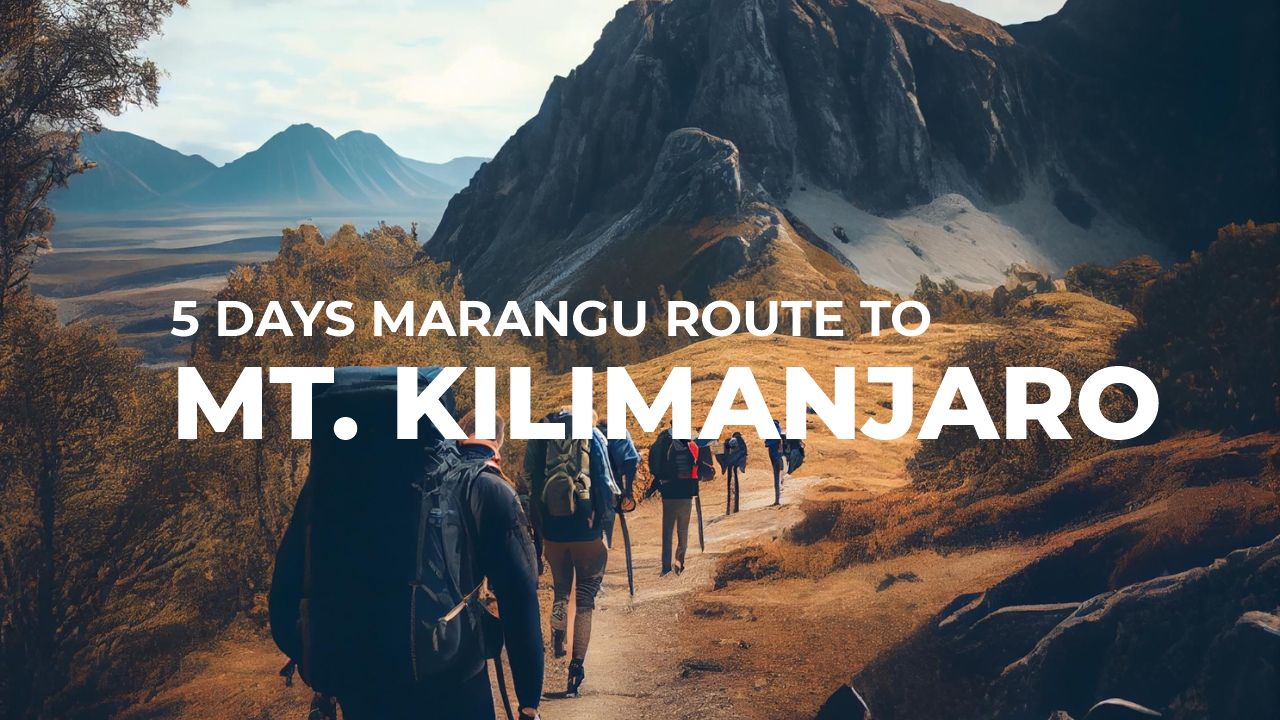
5 days Marangu route

Mt. Kilimanjaro is the tallest mountain in Africa. This gorgeous mountain that attracts thousands of trekkers and tourists every year is about 19,340 feet above sea level. Mt. Kilimanjaro is located in Tanzania near the border with Kenya. In Mt. Kilimanjaro, there are three peaks which are named Kibo, Mawenzi, and Shira. Among all these three cones, Kibo is the tallest volcanic formation while Mawenzi and Shira are extinct.  As per record, nearly 35,000 to 40,000 trekkers around the globe come to trek the mountain every year. Many of these tourists avail of the 5 day Marangu route to the much-coveted summit at Mt. Kilimanjaro. Hence, adventurers from all over the world seek the thrill of this highest point of Africa to enjoy the breathtaking panoramic views.

Some key features of trekking to Mt. Kilimanjaro

Over the centuries, Mt. Kilimanjaro has been attracting trekkers, nature lovers, and tourists. Its landscape is mind-blowing. The following are some key features of trekking to Mt. Kilimanjaro:

  • Diverse routes: In Kilimanjaro, there are several trekking routes. In each of these routes, you will get unique challenges, and scenic landscapes that may cater to different preferences and fitness levels for the level.
  • Altitude gain: The trek has a particular altitude gain that provides some challenging and rewarding experience to the trekkers.
  • Ecological diversity: When the trekkers ascend the mountain they traverse various ecological zones and see the changes in the flora and fauna starting from lush rain forests to alpine deserts.
  • Cultural experience: Most of the time the trekkers interact with the local communities and they get the opportunity to get insights into Tanzanian culture and tradition at the time of their journey.
  • Professional guides: You can also find expert guides who will ensure your safety and provide you with valuable insights that remain in the geology, ecology, and history of the mountain.

    Mt. Kilimanjaro

How the itinerary is arranged through the Marangu route?   

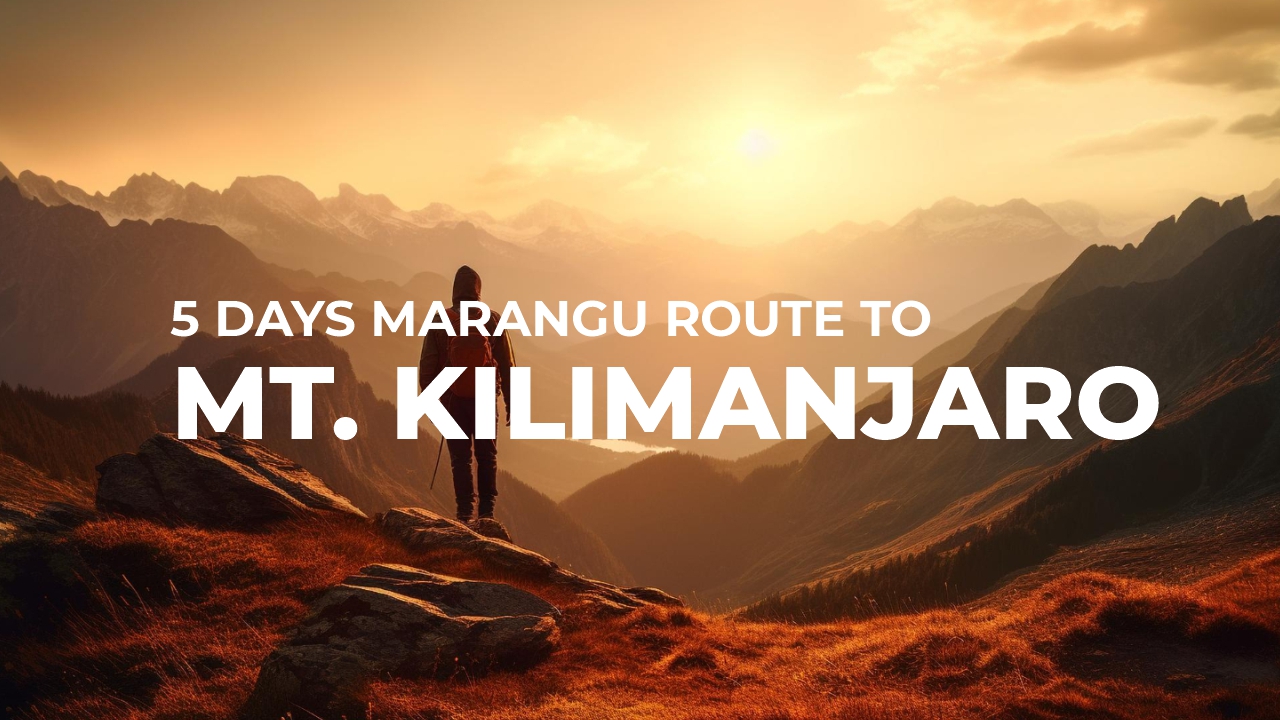
The Marangu route is one of the most popular routes to Mt. Kilimanjaro in Tanzania. This Marangu route is popularly called the “Coco-Cola” route. The itinerary of this route generally spans five days allowing for proper acclimatization. The following is the complete itinerary for 5 days Marangu route:

  • Day 1: On day one, the trekkers have to start at Marangu gate and they need to trek through the dense rainforest to Mandara Hut.
  • Day 2: On day two, the trekkers need to ascend through Moorland to Horombo Hut and gradually gain altitude. Then the trekkers should rest at the Horombo Hut for the rest of the day. Everything is arranged professionally but Ice Rock Trekking also ensures a personal touch to every arrangement.
  • Day 3: On day three, the trekkers should trek to Kibo to enter the alpine desert, and experience the spectacular views. It will be a mind-blowing and unforgettable experience for the trekkers during their 5 days Marangu route.
  • Day 4: On day four, the trekker should travel from Midnight ascent to Uhuru Peak and then he should start descending to Horombo Hut and reach that hut on that day itself.
  • Day 5: On the fifth day, the trekker should descend to Marangu gate and once he reaches the Marangu gate the trekking is completed.

In both the Horombo hut and Marangu hut there are facilities of basic shelter for the trekkers and the Marangu route offers different landscapes starting from rain forests to glaciers. While traveling through this route the trekker experiences more scenic beauty as compared to other routes. That is the reason why most trekkers prefer to trek this mountain through this route. Ice Rock Trekking is a trusted name in the domain of African tourism. They offer unparalleled professional safety and customized itineraries for tourists and trekkers in Tanzania and Kenya.

Kilimanjaro Uhuru Peak

Mount Kilimanjaro is one of the most famous bucket list destinations for hikers and climbers. Uhuru Peak is located at 5,895 meters above sea level and it is considered Africa’s highest free-standing peak. Every year more than 20,000-30,00 hikers target to reach Kilimanjaro Uhuru peak. This peak is located on the Kibo which is the highest among the three peaks that make Mt. Kilimanjaro. The name of this peak was given when Tanzania got independence in 1961. The meaning of the word Uhuru is freedom.

The beauty of Kilimanjaro Uhuru peak 

When the travelers reach the highest point of Africa, along with enjoying the scenic beauty, they also get a sense of accomplishment which can be described as a spiritual experience where the travelers get the chance to feel nature and the universe.

The mind-blowing views of snow-capped peaks will make you mesmerized. When the sun rises, the views look just mesmerizing.

Kilimanjaro Uhuru Peak allows inexperienced hikers to experience the scenic beauty of nature beautifully. Moreover, travelers get the chance to see the world from a different perspective.

Mount Kilimanjaro

How can you prepare yourself for the hiking trip to Uhuru?

Although hiking up Kilimanjaro doesn’t require any serious climbing skills, it is essential to prepare thoroughly for the trip to reach the Uhuru peak successfully.

  • You need to pack sensibly

While it is essential to pack the absolutely necessary things, you need to also be concerned about your comfort level. You need to pack such clothes that can be easily layered for meeting the challenge of fluctuating temperatures. Make sure that you are carrying sleeping bags and an air mattress. Don’t forget to carry a water bottle. Try to drink around 3-4 liters of water every day.

  • Try to build up endurance

Before the trip, you need to consider a few simple endurance as well as strength training. Walk every day with weighted packs so that it can help to stimulate the day-to-day treks required for this tour.

  • Do proper research regarding when to plan the trip

Although there are different tours available throughout the year, different times of year suit different travelers. However, the best time for this trip is January through early March and June through October.

Trust an experienced trekking and tour organizer

Trekking is popular worldwide. Passionate trekkers move from place to place around the world to experience trekking in different locations. Of course, Kilimanjaro is a popular choice of trekkers. You need an experienced organizer that can provide all sorts of services during trekking.

If you want to climb Kilimanjaro Uhuru Peak, you can contact Ice Rock Trekking, a renowned travel and trekking organizer in Africa that offers trekking expeditions to both Mount Kilimanjaro and Kenya. To get a safe and guided tour experience, don’t forget to contact this company which provides onsite guiding and safe route descriptions. Clear all doubts, avail the best services, and proceed for the mind-blowing experience at Kilimanjaro.