Mt Kenya Sirimon Route

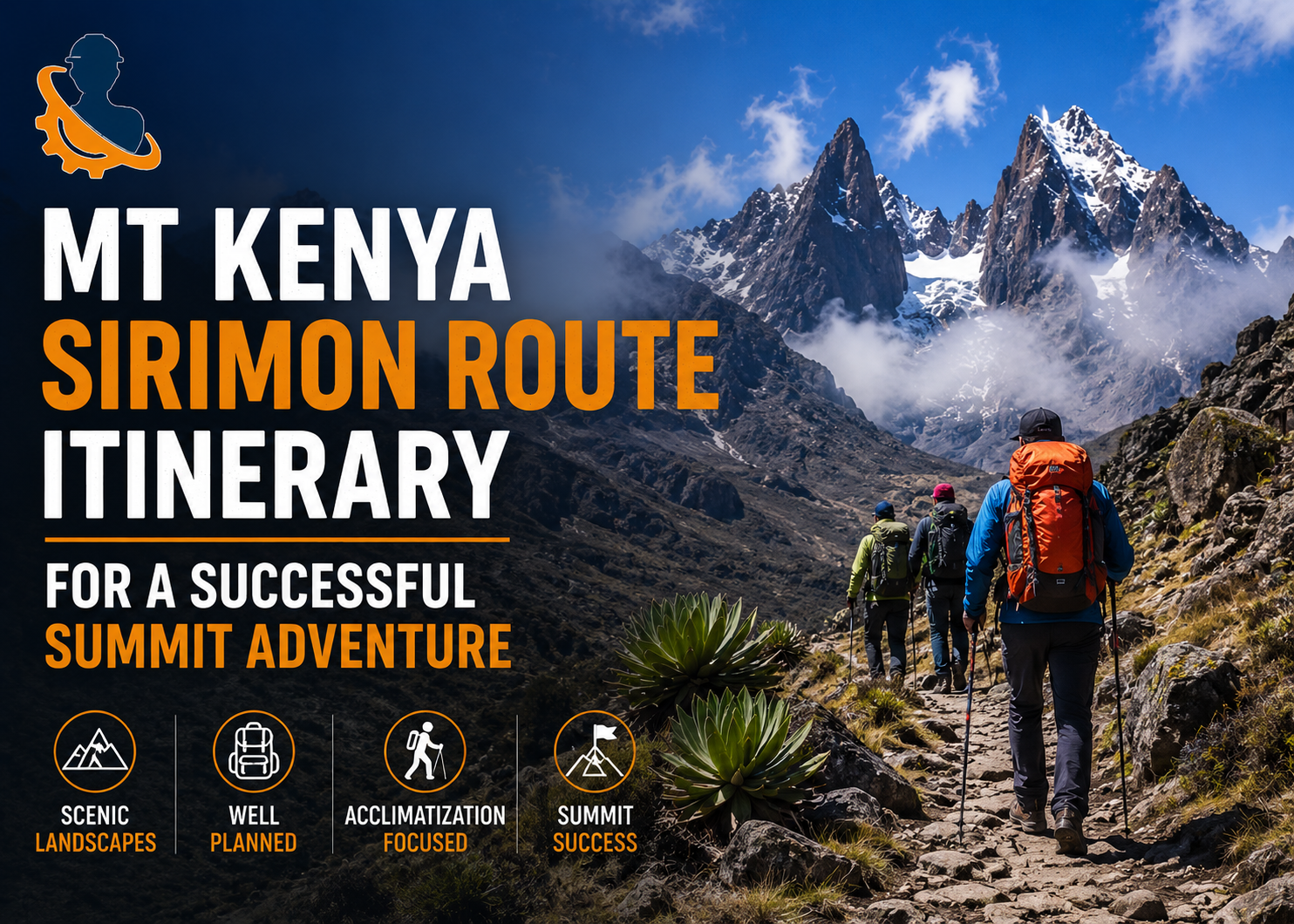
Reaching the summit of Mount Kenya is a rewarding experience that combines breathtaking landscapes, challenging trails, and unforgettable memories. Among all the trekking paths leading to the mountain, the mt kenya sirimon route stands out for its gradual ascent, scenic terrain, and high summit success rate. It offers trekkers an excellent balance between adventure and safety while allowing enough time for proper acclimatization.

Whether you are an experienced mountaineer or planning your first high-altitude trek, selecting the right itinerary can make a significant difference. At Ice Rock Trekking, we help adventurers prepare for every stage of their expedition with carefully planned itineraries, experienced mountain crews, and personalized support.

Why Choose the Mt Kenya Sirimon Route?

The mt kenya sirimon route is widely regarded as one of the most comfortable and scenic approaches to Mount Kenya. Beginning on the northwestern side of the mountain, it features gentle elevation gains, diverse ecosystems, and spectacular mountain views.

Unlike steeper routes, Sirimon allows trekkers to adjust gradually to increasing altitude. This significantly improves comfort levels and enhances the likelihood of reaching Point Lenana successfully.

Major advantages include:

  • Gradual elevation profile
  • Excellent acclimatization opportunities
  • Beautiful alpine landscapes
  • Lower traffic than some other routes
  • Comfortable mountain huts and camps
  • Ideal for beginner and experienced trekkers alike

The combination of moderate terrain and incredible scenery makes this route one of the most popular choices for Mount Kenya expeditions.

Overview of the Mt Kenya Sirimon Route

Starting Elevation: Approximately 2,650 meters

Highest Point: Point Lenana (4,985 meters)

Difficulty Level: Moderate

Typical Duration: 4 to 6 days

Best For:

  • First-time high-altitude trekkers
  • Nature lovers
  • Photographers
  • Experienced hikers
  • Group adventures
  • Private expeditions

The route travels through forests, bamboo zones, giant heather, alpine moorlands, rocky valleys, and glacier-covered peaks, providing constant changes in scenery throughout the journey.

Best Time to Trek the Mt Kenya Sirimon Route

Weather plays an important role in summit success.

The driest months generally provide better trail conditions and clearer mountain views.

Popular trekking seasons include:

January to March

  • Clear skies
  • Dry trails
  • Excellent summit visibility
  • Comfortable daytime temperatures

June to October

  • Stable weather
  • Beautiful mountain scenery
  • Lower rainfall
  • Ideal trekking conditions

Although climbing is possible during much of the year, wetter months often bring muddy trails and reduced visibility.

Physical Preparation Before Your Trek

A successful summit begins weeks before arriving at Mount Kenya.

Preparing your body improves endurance while reducing fatigue during higher elevations.

Recommended activities include:

  • Long-distance hiking
  • Stair climbing
  • Running
  • Cycling
  • Swimming
  • Strength training
  • Core exercises

Aim to train consistently for at least six to eight weeks before your expedition.

Suggested 5-Day Mt Kenya Sirimon Route Itinerary

A five-day schedule provides an excellent balance between trekking pace and acclimatization.

Day 1: Nairobi to Sirimon Gate and Trek to Old Moses Camp

Distance: Approximately 9 km

Walking Time: 3–4 hours

Elevation Gain:

  • Sirimon Gate: 2,650 m
  • Old Moses Camp: 3,300 m

After leaving Nairobi early in the morning, you’ll arrive at Sirimon Gate for registration and a briefing.

The trail begins with a gradual climb through lush forests filled with cedar trees, bamboo vegetation, and wildlife.

Possible wildlife sightings include:

  • Zebras
  • Buffalo
  • Colobus monkeys
  • Bushbucks
  • Numerous bird species

After several hours of comfortable hiking, you’ll reach Old Moses Camp, where you’ll enjoy dinner and your first night on the mountain.

Day 2: Old Moses Camp to Shipton’s Camp

Distance: Approximately 14 km

Walking Time: 6–7 hours

Elevation:

  • Old Moses Camp: 3,300 m
  • Shipton’s Camp: 4,200 m

This stage introduces trekkers to dramatic alpine scenery.

The trail crosses:

  • Mackinder Valley
  • Moorlands
  • Giant lobelias
  • Giant groundsels
  • Rocky ridges

As altitude increases, walking becomes slower, making hydration and steady pacing essential.

Upon arrival at Shipton’s Camp, you’ll rest while enjoying spectacular evening views of Mount Kenya’s towering peaks.

Day 3: Acclimatization and Short Hike

One of the most important days of the expedition focuses on adapting to altitude.

Many trekkers take a short acclimatization hike before returning to Shipton’s Camp for rest.

Benefits include:

  • Better oxygen adaptation
  • Reduced altitude sickness risk
  • Improved summit performance
  • Increased energy

Hydration remains extremely important throughout the day.

Most climbers spend the afternoon relaxing, preparing equipment, and getting adequate sleep before summit day.

Day 4: Summit Point Lenana and Descend to Old Moses

Summit Start:

Approximately 2:30–3:00 AM

Distance:

Around 22 km including descent

This is the most exciting day of the expedition.

Trekkers begin climbing before dawn using headlamps.

Although temperatures can be very cold, the reward comes with sunrise over the Kenyan landscape.

Upon reaching Point Lenana, you’ll witness:

  • Sunrise above the clouds
  • Batian Peak
  • Nelion Peak
  • Glacial valleys
  • Vast mountain ranges

After celebrating at the summit, the descent begins back toward Old Moses Camp.

Descending immediately after the summit reduces time spent at extreme altitude.

Day 5: Old Moses Camp to Sirimon Gate

Distance:

Approximately 9 km

Walking Time:

2–3 hours

The final morning offers one last opportunity to enjoy the mountain’s peaceful environment before descending through forests toward Sirimon Gate.

Upon arrival, certificates are often presented to successful climbers before returning to Nairobi.

Altitude and Acclimatization Tips

Altitude affects every trekker differently.

Even physically fit hikers can experience symptoms.

Common symptoms include:

  • Headaches
  • Fatigue
  • Loss of appetite
  • Mild dizziness
  • Poor sleep

Helpful acclimatization strategies include:

  • Walk slowly
  • Drink 3–4 liters of water daily
  • Avoid alcohol before climbing
  • Eat regular meals
  • Follow your guide’s instructions
  • Report symptoms early

Patience is one of the strongest assets during high-altitude trekking.

Essential Packing List

Packing wisely contributes greatly to comfort and safety.

Clothing

  • Waterproof jacket
  • Waterproof trousers
  • Insulated jacket
  • Thermal base layers
  • Fleece jacket
  • Hiking shirts
  • Trekking pants
  • Warm gloves
  • Wool hat
  • Sun hat

Footwear

  • Waterproof hiking boots
  • Camp shoes
  • Hiking socks
  • Thermal socks

Equipment

  • Trekking poles
  • Sleeping bag
  • Backpack
  • Daypack
  • Water bottles
  • Headlamp
  • Sunglasses
  • Sunscreen
  • Lip balm
  • Camera
  • Power bank

Personal Items

  • First aid kit
  • Personal medication
  • Wet wipes
  • Toiletries
  • Energy snacks

Meals During the Trek

Nutrition becomes increasingly important as altitude rises.

Professional trekking teams prepare freshly cooked meals designed to provide sufficient energy throughout the expedition.

Typical menu includes:

Breakfast

  • Eggs
  • Porridge
  • Toast
  • Fruit
  • Tea
  • Coffee

Lunch

  • Rice
  • Chicken
  • Vegetables
  • Soup

Dinner

  • Pasta
  • Potatoes
  • Stew
  • Fresh vegetables
  • Dessert

Vegetarian and special dietary requests can usually be accommodated with advance notice.

Wildlife Along the Route

One of the unique highlights of the mt kenya sirimon route is its diverse wildlife.

Depending on the season and weather, trekkers may encounter:

  • Mountain antelope
  • Hyrax
  • Bushbuck
  • Zebra
  • Buffalo
  • Rock hyrax
  • Colobus monkeys
  • Sunbirds
  • Eagles
  • Various alpine bird species

Responsible trekking helps preserve these habitats for future visitors.

Photography Opportunities

Mount Kenya offers countless opportunities for stunning photographs.

Popular photography locations include:

  • Forest trails
  • Moorlands
  • Mackinder Valley
  • Giant lobelias
  • Shipton’s Camp
  • Point Lenana sunrise
  • Batian and Nelion peaks
  • Alpine lakes
  • Glacier formations

Carry extra batteries since colder temperatures reduce battery performance.

Safety Measures on the Mountain

Safety always comes before speed.

Professional trekking operators monitor every participant throughout the expedition.

Important safety practices include:

  • Daily health checks
  • Pulse and oxygen monitoring
  • Slow ascent pace
  • Emergency response planning
  • Experienced mountain guides
  • Proper hydration reminders
  • Weather monitoring

Following these practices significantly improves the overall trekking experience.

Why a Professional Trekking Team Matters

While Mount Kenya is accessible, climbing with an experienced team provides several advantages.

Professional services include:

  • Licensed mountain guides
  • Skilled cooks
  • Friendly porters
  • Emergency preparedness
  • Route planning
  • Park logistics
  • Camping support
  • Meal preparation

This allows trekkers to focus entirely on enjoying the mountain rather than worrying about logistics.

Common Mistakes to Avoid

Many summit attempts become more difficult because of preventable mistakes.

Avoid these common issues:

  • Walking too fast
  • Ignoring hydration
  • Wearing new hiking boots
  • Packing unnecessary gear
  • Skipping physical preparation
  • Eating too little
  • Ignoring altitude symptoms
  • Sleeping poorly before summit day

Small decisions throughout the trek often determine summit success.

Why Trek with Ice Rock Trekking?

Choosing the right trekking company can transform your Mount Kenya experience.

At Ice Rock Trekking, every itinerary is carefully planned to maximize safety, comfort, and summit success. Our knowledgeable guides understand the mountain’s terrain, weather patterns, and altitude challenges, allowing trekkers to move with confidence from the first step to Point Lenana.

Our services include:

  • Professional mountain guides
  • Experienced porters
  • Freshly prepared meals
  • Personalized trekking itineraries
  • Quality camping equipment
  • Safety-focused operations
  • Flexible group and private departures
  • Reliable transportation arrangements

We believe every climber deserves a memorable and well-supported adventure while experiencing the incredible beauty of Mount Kenya.

Frequently Asked Questions

Is the mt kenya sirimon route suitable for beginners?

Yes. Its gradual ascent makes it one of the best options for first-time high-altitude trekkers with a reasonable fitness level.

How many days are recommended?

Five days is considered ideal because it provides better acclimatization and improves summit success.

Which summit is reached on this itinerary?

Most trekkers aim for Point Lenana, standing at 4,985 meters above sea level.

Do I need technical climbing skills?

No. Reaching Point Lenana does not require technical mountaineering equipment or advanced climbing experience.

Can I rent trekking equipment?

Yes. Many essential items, including sleeping bags and trekking poles, are available for rent through experienced trekking operators.

What fitness level is required?

Moderate physical fitness is sufficient. Regular cardiovascular exercise and hiking before your trip will make the experience more enjoyable.

Final Thoughts

The mt kenya sirimon route combines scenic landscapes, gradual altitude gain, and excellent trekking conditions, making it one of the finest choices for reaching Point Lenana. A well-planned itinerary, proper preparation, quality equipment, and experienced mountain support all contribute to a rewarding summit experience. With Ice Rock Trekking, every stage of the journey is carefully organized so you can focus on the adventure, embrace the mountain’s beauty, and create lasting memories from one of Africa’s most iconic trekking destinations.

Mt Kenya Batian Climb


Mount Kenya stands as Africa’s second-highest mountain and one of the continent’s most respected climbing destinations. While many trekkers aim for Point Lenana, experienced mountaineers often set their sights on Batian, the highest peak on Mount Kenya at 5,199 meters (17,057 feet). Reaching this summit is a significant achievement that combines technical rock climbing, altitude endurance, and strategic preparation.

The mt kenya Batian climb attracts climbers from across the globe who seek a challenging alpine adventure in East Africa. Unlike trekking peaks that require only hiking skills, Batian demands technical climbing ability, proper equipment, and experienced mountain support.

For climbers planning this remarkable ascent, knowing the routes, costs, level of difficulty, and essential success factors can make a major difference. Ice Rock Trekking has helped countless adventurers experience Mount Kenya safely while maximizing their chances of reaching the summit.

What Is Batian Peak?

Batian is the highest point of Mount Kenya and the second-highest mountain peak in Africa after Kilimanjaro’s Uhuru Peak. The summit rises dramatically above glaciers, steep rock faces, and rugged alpine terrain.

Mount Kenya consists of three main peaks:

  • Batian (5,199m) – Highest peak
  • Nelion (5,188m) – Second highest peak
  • Point Lenana (4,985m) – Popular trekking summit

While Point Lenana can be reached through hiking routes, Batian requires technical rock climbing skills and specialized mountaineering equipment.

The peak was named after a Maasai chief and remains one of Africa’s most respected alpine climbing objectives.

Why Choose the Mt Kenya Batian Climb?

Batian offers a completely different experience from standard mountain trekking. Climbers are rewarded with:

Technical Climbing Challenge

The mountain features multi-pitch rock climbing sections that test both physical and mental endurance.

Exceptional Scenery

The climb passes through unique ecosystems, including:

  • Bamboo forests
  • Moorlands
  • Giant lobelia zones
  • Alpine valleys
  • Glacial landscapes

Less Crowded Experience

Compared to Kilimanjaro, Batian sees fewer climbers, creating a more remote and authentic mountain atmosphere.

Prestigious Achievement

Summiting Batian is considered one of Africa’s most significant alpine climbing accomplishments.

Best Routes for the Mt Kenya Batian Climb

Several approaches provide access to Batian. The route selection depends on climbing experience, weather conditions, and logistical preferences.

Sirimon Route

The Sirimon Route is among the most popular approaches.

Advantages

  • Gentle acclimatization profile
  • Scenic valleys
  • Reliable access throughout the year
  • Comfortable mountain huts

Highlights

  • Old Moses Camp
  • Shipton’s Camp
  • Mackinder Valley
  • North Face access

Many climbers prefer this route because it allows gradual altitude gain before attempting the summit.

Chogoria Route

The Chogoria Route is often considered the most scenic approach on Mount Kenya.

Key Attractions

  • Gorges Valley
  • Lake Michaelson
  • Nithi Falls
  • Spectacular cliffs

This route is excellent for acclimatization and photography while providing access to technical climbing sections.

Naro Moru Route

Naro Moru offers the shortest access to higher elevations.

Benefits

  • Fast approach
  • Efficient logistics
  • Suitable for climbers with limited time

However, its rapid altitude gain can increase acclimatization challenges.

Technical Climbing Routes to Batian

The summit can be reached through different climbing lines.

North Face Standard Route

The North Face Standard Route is the most frequently climbed route to Batian.

Characteristics

  • Moderate technical difficulty
  • Multi-pitch rock climbing
  • Excellent rock quality
  • Suitable for experienced alpine climbers

This route is commonly used during the dry season when weather conditions are favorable.

Gate of the Mists Route

This route is famous among experienced climbers.

Features

  • Greater technical demands
  • Complex route finding
  • Outstanding alpine scenery

It is generally recommended for advanced climbers.

Batian-Nelion Traverse

One of the most rewarding mountaineering experiences on Mount Kenya involves traversing between Batian and Nelion.

This route requires:

  • Strong climbing skills
  • Technical rope work
  • Excellent weather conditions

Difficulty Level of the Mt Kenya Batian Climb

A common question among climbers concerns the difficulty of Batian.

The answer is straightforward: Batian is significantly more challenging than Point Lenana.

Physical Difficulty

Climbers must contend with:

  • High altitude
  • Long summit days
  • Steep terrain
  • Exposure to changing weather

Technical Difficulty

Batian includes:

  • Rock climbing sections
  • Multi-pitch climbing
  • Rope management
  • Belaying techniques

Most climbing sections range around UIAA Grade IV and V, depending on the chosen route.

Mental Challenge

Exposure, altitude, and route-finding can test confidence and decision-making skills.

Who Can Attempt the Mt Kenya Batian Climb?

Batian is ideal for:

  • Experienced hikers
  • Rock climbers
  • Alpine climbers
  • Adventure travelers seeking technical ascents

Climbers should have prior experience with:

  • Rope systems
  • Multi-pitch climbing
  • Basic mountaineering techniques

Beginners can prepare by gaining climbing experience before attempting the summit.

Best Time for the Mt Kenya Batian Climb

Weather plays a critical role in summit success.

January to March

This period offers:

  • Stable weather
  • Dry rock conditions
  • Clear mountain views

Many climbers consider this the prime climbing season.

July to October

Another favorable season with:

  • Reduced rainfall
  • Better visibility
  • Reliable climbing conditions

Rainy Seasons

April to June and November often experience:

  • Wet rock
  • Reduced visibility
  • Greater climbing risks

Climbers generally avoid technical ascents during these periods.

Acclimatization and Altitude Considerations

Altitude is one of the biggest challenges on Mount Kenya.

Symptoms may include:

  • Headaches
  • Fatigue
  • Nausea
  • Sleep difficulties

To improve acclimatization:

  • Ascend gradually
  • Stay hydrated
  • Maintain proper nutrition
  • Include acclimatization days

Many successful itineraries include 4–6 days before summit attempts.

Equipment Required for Batian

Proper gear is essential for safety and performance.

Personal Clothing

  • Waterproof jacket
  • Waterproof pants
  • Thermal layers
  • Fleece jacket
  • Insulated gloves
  • Warm hat
  • Hiking boots

Climbing Equipment

  • Climbing harness
  • Helmet
  • Carabiners
  • Belay device
  • Climbing shoes
  • Dynamic rope

Additional Gear

  • Headlamp
  • Sunglasses
  • Trekking poles
  • Hydration system
  • First aid supplies

Ice Rock Trekking can assist climbers with equipment recommendations and rental arrangements.

Typical Mt Kenya Batian Climb Itinerary

Day 1

Arrival and transfer to Mount Kenya National Park.

Day 2

Trek to Old Moses Camp.

Day 3

Trek to Shipton’s Camp.

Day 4

Acclimatization hike and climbing preparation.

Day 5

Summit attempt on Batian.

Day 6

Descent to lower camps.

Day 7

Exit the park and return transfer.

Actual itineraries may vary depending on weather, acclimatization needs, and climbing objectives.

Mt Kenya Batian Climb Cost Breakdown

Several factors influence the total expedition cost.

Park Fees

Mount Kenya National Park charges conservation and entry fees.

Guide Fees

Technical climbing requires certified and experienced guides.

Porter Support

Porters assist with carrying gear and camp logistics.

Accommodation

Costs may include:

  • Mountain huts
  • Lodges
  • Hotels

Equipment Rental

Climbers without technical gear may rent equipment.

Transportation

Ground transfers to and from the mountain are usually included in organized packages.

Average Cost Range

The mt kenya Batian climb generally ranges between:

USD 1,500 to USD 3,500+ per person

Pricing varies depending on:

  • Group size
  • Route selection
  • Duration
  • Level of support
  • Equipment requirements

Summit Success Tips

Achieving the summit requires more than physical fitness.

Train Early

Focus on:

  • Endurance training
  • Hiking practice
  • Strength conditioning
  • Climbing sessions

Improve Technical Skills

Practice:

  • Belaying
  • Rope handling
  • Multi-pitch climbing
  • Anchor systems

Prioritize Acclimatization

Extra acclimatization days often increase summit success rates.

Stay Hydrated

Hydration supports both performance and altitude adaptation.

Use Professional Mountain Support

Experienced guides significantly improve safety and efficiency during technical climbs.

Monitor Weather Conditions

Summit attempts should be planned around stable weather windows.

Why Climb Batian With Ice Rock Trekking?

Ice Rock Trekking specializes in East African mountain adventures and provides professional support for climbers pursuing Mount Kenya’s highest peak.

Expert Mountain Teams

Our guides possess extensive experience on Mount Kenya’s technical routes.

Customized Climbing Programs

Every climber has different goals and skill levels. We create itineraries that match individual needs.

Safety-Focused Operations

Safety remains a priority throughout every stage of the expedition.

Local Knowledge

Our team understands Mount Kenya’s weather patterns, climbing routes, and logistical requirements.

Quality Equipment Support

We assist climbers in preparing the right gear for successful summit attempts.

Final Thoughts

The mt kenya Batian climb represents one of Africa’s most rewarding mountaineering challenges. Combining technical rock climbing, breathtaking alpine scenery, and the prestige of standing atop Mount Kenya’s highest point, Batian offers an unforgettable experience for skilled climbers.

Success depends on proper preparation, physical conditioning, acclimatization, technical competence, and experienced mountain support. Whether approaching through Sirimon, Chogoria, or another route, careful planning greatly increases the chances of reaching the summit safely.

With professional guidance from Ice Rock Trekking, climbers can focus on the adventure while benefiting from expert local knowledge, reliable logistics, and dedicated mountain support throughout the journey to Batian Peak.

MT Trekking Sirimon Route

For adventure seekers aiming to conquer Africa’s highest peak, mt trekking Sirimon route offers a thrilling blend of scenic landscapes, challenging terrain, and a unique experience of Mount Kenya’s diverse ecosystem. Known for its gradual ascent and stunning views, the Sirimon route is an ideal choice for both seasoned trekkers and those looking to immerse themselves in nature without facing overly steep climbs. Ice Rock Trekking specializes in curating unforgettable expeditions along this route, ensuring adventurers experience safety, comfort, and excitement throughout the journey.

Why Choose the Sirimon Route

The Sirimon route stands out among Mount Kenya’s trails for its relatively gentle gradient in the early stages and the opportunity to witness a variety of flora and fauna. Beginning on the northwestern slopes of Mount Kenya, the path meanders through dense forests, moorlands, and alpine zones before reaching the peaks. Unlike some of the other trails, Sirimon allows trekkers to acclimatize gradually, which reduces the risk of altitude sickness—a crucial consideration when aiming for Point Lenana, the third-highest peak.

This route is favored by those who want a combination of adventure and natural beauty. The trail provides striking panoramas of valleys, ridges, and glaciers, as well as encounters with endemic species such as the giant groundsel and Mount Kenya rock hyrax. For photographers and nature enthusiasts, every step offers a new perspective, making the journey equally rewarding as the summit itself.

Planning the Expedition

Successful mt trekking Sirimon route experiences start with meticulous planning. The trek usually spans five to seven days, depending on the pace and the chosen itinerary. Selecting the right time of year is vital; the dry months from January to March and August to October provide more stable weather, clearer skies, and safer trekking conditions.

Trekking permits are required and can be secured through Kenya Wildlife Service. Ice Rock Trekking assists clients in obtaining all necessary permits, arranging park fees, and providing experienced guides who know the terrain and local climate patterns. Having a certified guide is essential not just for navigation but also for safety, wildlife awareness, and enriching the trek with insights into Mount Kenya’s ecological and cultural significance.

Preparing for the Trek

Physical preparation is essential for mt trekking Sirimon route, even for those with prior hiking experience. Training should focus on endurance, strength, and flexibility, targeting muscles used in uphill climbs and long-distance walking. Practicing on uneven terrains and simulating carrying a loaded backpack can significantly improve stamina.

Equally important is packing the right gear. Essentials include high-quality trekking boots, moisture-wicking clothing, thermal layers for cold nights, waterproof jackets, gloves, and hats. A sturdy backpack, trekking poles, a sleeping bag suitable for sub-zero temperatures, and a headlamp are crucial. Hydration systems and portable water purification methods ensure safe and adequate water intake, while high-energy snacks keep energy levels up during challenging segments. Ice Rock Trekking ensures clients are well-prepared by providing detailed packing lists, advice on gear selection, and optional rental of specialized equipment.

The Trekking Route and Daily Itinerary

Day 1: Sirimon Gate to Old Moses Camp (3,300m)
The journey starts at Sirimon Gate, where the dense forest immediately envelops trekkers. Towering cedar and camphor trees create a serene atmosphere, while streams and waterfalls punctuate the trail. The moderate climb allows for acclimatization, and the arrival at Old Moses Camp offers a scenic resting spot surrounded by heathlands and giant groundsels.

Day 2: Old Moses Camp to Shiptons Camp (4,200m)
As the trail ascends, the forest gives way to moorlands dotted with unique alpine flora. The path is steeper, testing endurance, but the expansive views of valleys and Mount Kenya’s glaciers provide constant motivation. Shiptons Camp is strategically located near dramatic cliffs, offering mesmerizing sunset vistas and a sense of accomplishment after a day of steady climbing.

Day 3: Summit Attempt to Point Lenana (4,985m)
The most challenging part begins with a pre-dawn departure to reach Point Lenana. Trekking in darkness allows climbers to witness the sunrise from above the clouds—a magical moment that makes the physical effort worthwhile. The ascent involves navigating rocky terrain, with the highest stretches demanding mental resilience and careful footing. Reaching Point Lenana rewards adventurers with panoramic views of Mount Kenya’s jagged peaks and the surrounding landscapes, creating memories that last a lifetime.

Day 4: Descent to Old Moses Camp
Descending via the same trail offers a different perspective of the route, highlighting features missed during the ascent. Careful pacing prevents strain, and the day is ideal for capturing photographs of the unique flora and geological formations along the way.

Day 5: Return to Sirimon Gate
The final leg brings trekkers back through the lush forest, where the journey concludes with a sense of accomplishment and reflection on the challenges overcome. Ice Rock Trekking arranges transportation from Sirimon Gate, making the return seamless and comfortable.

Wildlife and Ecosystem Highlights

One of the defining experiences of mt trekking Sirimon route is the opportunity to observe Mount Kenya’s diverse ecosystems. From the lower forested zones to the alpine and nival zones near the peaks, the trail is home to numerous species. Rock hyraxes, bushbucks, and a variety of birds are commonly sighted. The giant groundsels and lobelias are remarkable, as they adapt to extreme altitude and temperatures. These encounters make the trek not only an adventure but also an educational exploration of one of Africa’s most fascinating ecosystems.

Safety Considerations

Safety is paramount during mt trekking Sirimon route. Altitude sickness, sudden weather changes, and fatigue are common risks. Adequate acclimatization, hydration, and nutrition are essential to minimize these dangers. Guides carry first aid kits, and Ice Rock Trekking provides contingency plans for emergencies, including evacuation protocols and communication devices.

Additionally, environmental responsibility is a key focus. Trekkers are encouraged to follow Leave No Trace principles, ensuring minimal impact on fragile ecosystems. Proper waste management, sticking to designated trails, and respecting wildlife are critical to preserving Mount Kenya’s natural beauty for future adventurers.

Enhancing the Experience

Beyond trekking, the Sirimon route offers cultural and experiential enrichment. Local guides share insights into Kikuyu traditions, the significance of Mount Kenya in folklore, and the challenges of conservation efforts. Photography enthusiasts can capture dramatic landscapes, unique wildlife, and stunning sunrises. Ice Rock Trekking can also arrange optional activities, such as educational nature walks and storytelling sessions around the campfire, enhancing the overall adventure.

Why Ice Rock Trekking

Choosing Ice Rock Trekking ensures a well-organized, safe, and unforgettable expedition. Our experienced guides, logistical support, and personalized approach make mt trekking Sirimon route accessible and enjoyable. From planning the itinerary to providing equipment, handling permits, and managing transportation, we handle all aspects of the trek so adventurers can focus on the experience itself. Our commitment to safety, environmental sustainability, and client satisfaction sets us apart in the adventure tourism industry.

Conclusion

Embarking on mt trekking Sirimon route is more than a climb; it’s an immersive journey through stunning landscapes, challenging terrain, and ecological wonders. With careful preparation, the right guidance, and an adventurous spirit, climbers can achieve the rewarding summit of Point Lenana while enjoying the richness of Mount Kenya’s natural beauty. Ice Rock Trekking is dedicated to making this adventure seamless, inspiring, and unforgettable for every enthusiast who takes on the Sirimon route.

Mount Kenya is a place that never feels ordinary. Rising over 5,000 meters, this massive peak has deep valleys, high ridges, glaciers, and trails that wind through some of Africa’s most beautiful landscapes.

If you love adventure, you’ll find more than just one way to experience this mountain. From technical climbs to gentle treks and wildlife encounters, Mount Kenya has something for every outdoor spirit.

Here’s a guide to some of the best adventures to try on this incredible mountain.

1. Trekking to Point Lenana

Point Lenana is the third-highest peak on Mount Kenya and the most accessible summit for trekkers. At 4,985 meters, it offers serious altitude without technical climbing.

The trek is challenging but doesn’t require ropes or climbing gear. Routes like Sirimon, Chogoria, and Naro Moru each offer their own unique experience.

  • Sirimon Route: Known for gentler gradients and scenic moorlands.
  • Chogoria Route: Famous for dramatic views, waterfalls, and the Gorges Valley.
  • Naro Moru Route: Shorter but steeper, with sections like the Vertical Bog.

Most trekkers spend 4–5 days on the trip to acclimatize properly. Sunrise from Point Lenana feels magical. You’ll see Batian and Nelion glowing orange as the sun hits the snow.

2. Climbing Nelion and Batian

For experienced climbers, summiting Nelion (5,188 m) and Batian (5,199 m) is the ultimate goal. These peaks are serious undertakings, involving long, technical rock routes. The most common routes:

  • Nelion:South-East Face Normal Route. About 18 pitches of solid granite, graded UIAA IV+.
  • Batian: North Face Standard Route. Also technical, with exposed rock and glacier approach.

These climbs need skill, preparation, and time. Most teams spend a night at the Austrian Hut before making their attempt. Some climbers even cross the Gates of the Mist to stand on both Nelion and Batian on the same trip.

3. Exploring the Gorges Valley

If you prefer less altitude and more exploring, the Gorges Valley is perfect. This area feels hidden compared to the main trekking routes. Here you’ll find:

  • Towering cliffs
  • Alpine lakes
  • Quiet trails where you might not see another person all day

It’s a good place for day hikes or as part of a longer Chogoria Route trek. Keep your camera ready, this valley is rich with giant groundsel and everlasting flowers.

4. Camping by Lake Michaelson

Lake Michaelson sits in a deep basin beneath the cliffs of the peaks. It’s one of the most beautiful spots on the mountain. Camping here feels remote and peaceful. You’ll wake up to reflections of the peaks on the water and fall asleep to the sound of wind in the grass. Many trekkers on the Chogoria Route spend a night here before continuing to Point Lenana. Even if you don’t plan a summit, Lake Michaelson is worth the effort.

5. Wildlife Watching

Mount Kenya isn’t just about rock and ice. Its lower slopes hold some of the country’s most diverse wildlife. If you’re patient, you might see:

  • Colobus monkeys leaping between trees
  • Bushbucks and duikers in the forest
  • Buffalo grazing in clearings
  • Hyraxes sunning themselves on rocks

Birdlife is just as rich. Keep an eye out for sunbirds, eagles, and turacos as you hike.

6. Rock Climbing and Bouldering

If you enjoy climbing but don’t want to go all the way to the summits, there are plenty of rock walls and boulders around Shipton’s Camp and the Austrian Hut. The granite here is solid, and many climbers spend extra days practicing or warming up. You’ll find routes of all grades, from beginner-friendly scrambles to steep, technical pitches.

7. Mountain Biking the Lower Slopes

Few people realize you can mountain bike in the forests and foothills around Mount Kenya. Local tour companies offer guided rides through bamboo thickets and high-altitude moorland.

Trails can be rough and muddy, but they’re rewarding. It’s a unique way to see the mountain’s lower ecosystems and cover more ground in a day.

8. Fly Fishing in Mountain Streams

For something gentler, try fly fishing in the cold streams that run down from Mount Kenya’s glaciers. Rainbow trout thrive in these clear waters. Permits are required, but local lodges can help arrange everything you need. A day spent fishing with the peaks overhead is hard to beat for quiet adventure.

How to Prepare for Any Mount Kenya Adventure?

No matter which adventure you choose, a few basics will help you stay safe and make the most of your trip.

Acclimatize Slowly:
Altitude sickness can affect anyone. Take time to adjust, drink lots of water, and don’t rush.

Train Ahead:
 Even moderate treks are tougher at altitude. Build fitness with hiking, cardio, and strength training before you travel.

Pack Smart:
Bring layers for cold nights and hot days. Good boots, rain gear, and a warm sleeping bag are essential.

Hire Local Guides:
Guides make navigation safer, share local knowledge, and help you connect with the culture.

Respect the Environment:
Pack out all trash. Stay on trails. Keep noise down to avoid disturbing wildlife.

Check the Weather:
Conditions can change fast. Always carry a rain jacket and be ready to adjust your plans.

Why Mount Kenya Belongs on Your Bucket List?

Mount Kenya offers something you won’t find anywhere else. You can stand on a glacier in the morning, explore alpine meadows by lunch, and walk through bamboo forests by evening. Its adventures can be as hard or as gentle as you like. Whether you’re summiting Batian or relaxing by Lake Ellis, you’ll feel the same sense of wonder. This mountain rewards curiosity. Every trail, valley, and cliff has a story waiting for you.

Final Thoughts

Mount Kenya isn’t just a place to visit, it’s a place to experience. Each adventure here teaches you something. Maybe it’s how strong you are after a long climb. Maybe it’s the way the stars look over the Gorges Valley. Or maybe it’s the kindness of a guide who shows you the quiet paths.  Whatever draws you here, be ready to come home changed. The mountain has a way of staying with you. If you love the outdoors, start planning your trip now. Mount Kenya has a thousand adventures. All you have to do is choose.

kilimanjaro trekking guides

Kilimanjaro is the highest free-standing mountain in the world and trekking its staggering 19,341-feet-high summit is an adrenaline-rushing experience. The trekking to its summit, Uhuru Peak of Kilimanjaro will make jaw drop and guarantee a life-changing experience. Located in Kilimanjaro National Park in Tanzania, which is a UNESCO World Heritage Site, it is a popular trekking destination that is on the bucket list of many travel enthusiasts. Trekking to its highest peak requires proper preparation, a deep understanding of the mountain, and expert guidance from an experienced guide to reach the top. The expert guides play a significant role in helping enthusiasts reach the top while ensuring their safety, comfort, and enjoyment along the way.     

The Vital Role of Guides for Successful Kilimanjaro Trekking Expedition

Kilimanjaro is a challenging and multiple-day trekking expedition that takes trekkers through changing climates, diverse terrains, and high altitudes. Since trekking this mountain is no ordinary hike, safety regulations are in place for the trekkers. However, before embarking on the Kilimanjaro trekking, travel enthusiasts need to perfectly plan for their trekking expedition to be successful in their mission. Kilimanjaro trekking guides immensely contribute to making this adventure unforgettable and are essential for a successful trekking expedition.

Navigation Expertise – Trekking guides are well aware of different routes like Marangu, Machame, and Lemosho and ensure trekkers stay on the right trekking path to smoothly navigate to the top. Besides, the trekking guides can even adjust the itinerary if required.

Altitude Awareness and Safety – While trekking the highest peak, trekkers often experience altitude sickness and trekking guides emerge as the biggest help, as they are trained to recognize symptoms, administer first aid, and also help them with acclimatization. The trekking guides give top-most priority to the trekker’s health and safety and make sure that reach the peak without any health issues.

Cultural Insights – Kilimanjaro trekking guides are usually the local people having a sound understanding of Kilimanjaro’s geology, history, and the surrounding culture and they share fascinating stories related to Kilimanjaro with the trekkers. Their knowledge and insights about the mountain add a sound educational aspect to their trekking expedition.

Motivation and Support – Kilimanjaro trekking is both mentally and physically tiring and hence trekkers need moral and psychological support. A good and cooperative guide turns out to be the best coach who provides help and encouragement during challenging terrains and celebrates their milestones on the way keeping the trekkers encouraged and motivated during the entire trekking period.

What to Expect from Kilimanjaro Trekking Guides

Mt. Kilimanjaro is the most recognized mountain that lures thousands of trekkers every year because it allows them to explore five different ecosystems ranging from rain-forest zone to alpine desert, to arctic snow-cap and climbing 19,340 feet to conquer Uhuru peak. Kilimanjaro climb takes trekkers through thick and drenched rainforests onto alpine fields and crosses a desert-like lunar landscape to reach the twin summits of Kibo and Mawenzi. Trekking this challenging mountain is not an easy task and hence trekkers need help and guidance from guides who offer comprehensive support in the trekking journey. The role of trekking guides is not restricted to leading the way but also includes the following:    

Pre-Trek Briefings – Trekking guides brief tourists about the weather, route, safety protocols, and the equipment required for trekking, before starting the trek. This provides trekkers with the opportunity to clarify their doubts and ask trekking-related questions to gain absolute clarity on their trekking.

Daily Itinerary Management – Daily itineraries are perfectly managed by the guides to ensure that the entire group progresses in their trekking mission at a safe and steady pace. To optimize the chance of successfully reaching the summit of the group, the trekking guides meticulously plan breaks for rest, meals, and acclimatization.

Emergency Preparedness – Trekking guides are well prepared for managing any health and medical emergencies while climbing to the top. These guides are equipped with oxygen cylinders, first-aid kits, and vital communication devices to communicate about the emergencies and call for evacuation if required.

Communication and Multilingual Skills – Trekking guides are well versed in multiple languages like Swahili, English, and even some other languages which makes it easy for international trekkers to effectively communicate with guides.

Environmental Stewardship – Trekking guides also hold the responsibility to maintain and preserve the mountain’s natural beauty, hence they emphasize responsible trekking practices and instruct trekkers to adhere to the “Leave No Trace” policy.

Tips to Choose the Right Trekking Guide

Travel enthusiasts who are looking for a memorable and adventurous Kilimanjaro trekking experience should be cautious while selecting the best trekking guide, as this will make a big difference in their trekking trip. For a safe and enjoyable trekking experience, trekkers should keep the following factors in mind while choosing the trekking guide: 

Certification and Licensing – Trekkers should give priority to certified and licensed trekking guides to avoid any problems later on. Preference should be given to guides who are certified by the Kilimanjaro National Park Authority and are affiliated with esteemed organizations like the Tanzania Association of Tour Operators.

Experience – Travellers should choose a trekking guide that has good experience of Kilimanjaro trekking. This will ensure that they have knowledge about the multiple trekking routes and can even suggest the best route to reach the top. Besides, they will also have in-depth knowledge of the mountain as well as the weather conditions.

Reviews and Recommendations – Trekkers before making the final decision should check online reviews and recommendations of trekkers who have already availed service of a guide. Reviews and recommendations of previous trekkers will help individuals make sound and informed decisions and help them pick the best trekking guide from the available options.  

Final Thoughts

Mount Kilimanjaro trekking is a once-in-a-lifetime experience that requires proper preparation and the guidance of the best trekking guide. Professional Kilimanjaro trekking guides are the most valued and trusted companions ensuring safety, comfort, and an unforgettable experience for trekkers. Whether a seasoned trekker or a first-time climber, the right trekking guide helps trekkers navigate the challenges and enjoy the satisfaction of conquering Africa’s highest peak.

Mount Kenya Nelion climb

Climbing Nelion Peak, part of Mount Kenya is an exhilarating challenge for experienced climbers. As the second-highest peak on the mountain, it offers breathtaking views and demanding routes. If you’re gearing up for this adventure, here’s a simple guide to help you choose the best routes and strategies for a successful climb.

Best Routes to Nelion Peak

  1. Normal Route (Via Naro Moru)
    The Normal Route is one of the most popular ways to reach Nelion Peak. It starts from the Naro Moru side of Mount Kenya. This route is relatively straightforward but still requires good climbing skills.

How to Approach:

  • Day 1: Start your journey at the Naro Moru Gate. From here, hike to the Met Station for your first night.
  • Day 2: Continue your trek to Mackinder’s Camp. This is a good spot to rest and start acclimatizing.
  • Day 3: Head up to Point Lenana. This is a great spot to adjust to the altitude before you tackle Nelion Peak.
  • Day 4: Begin your ascent of Nelion Peak from the high camp. This part of the climb involves some technical sections, so be ready for a challenge.
  1. Sirimon Route
    The Sirimon Route is known for its beautiful scenery and less crowded trails. It starts from the Sirimon side of the mountain.

How to Approach:

  • Day 1: Start at the Sirimon Gate and hike to Old Moses Camp for your first night.
  • Day 2: Continue your trek to Shipton’s Camp. This is a good base for acclimatization.
  • Day 3: Hike up to the high camp near Nelion Peak. This will set you up for your final push.
  • Day 4: Start your climb of Nelion Peak. Depending on your pace, you might return to Shipton’s Camp or continue your descent.
  1. Chogoria Route
    The Chogoria Route is less traveled and offers a more remote experience. It starts from the Chogoria side of Mount Kenya.

How to Approach:

  • Day 1: Begin at the Chogoria Gate and hike to Meru Mount Kenya Lodge or a nearby camp.
  • Day 2: Continue to Bandas Camp.
  • Day 3: Make your way to the high camp at the base of Nelion Peak.
  • Day 4: Climb Nelion Peak. Afterward, you can either descend via the same route or continue to the Sirimon Route for a different descent experience.

Strategies for a Successful Ascent

  1. Acclimatize Properly
    High altitude can affect your body, so it’s important to acclimatize. Spend a few days at higher altitudes before your climb. This will help your body adjust and reduce the risk of altitude sickness.
  2. Hire a Guide
    Nelion Peak is a technical climb, and hiring an experienced guide is a good idea. A guide can help you navigate, ensure your safety, and assist with technical sections of the climb.
  3. Check the Weather
    The weather on Mount Kenya can be unpredictable. Check the weather forecast regularly and be ready for changes. Climbing during the dry seasons, from December to March or June to October, usually offers better conditions.
  4. Train Physically
    Good physical fitness is crucial for climbing Nelion Peak. Train by hiking, climbing, and building strength. Focus on cardiovascular fitness and leg strength. Practice climbing with a loaded backpack to simulate the conditions of the climb.
  5. Pack the Right Gear
    Bring all the necessary climbing gear, including crampons, an ice axe, a helmet, and harnesses. Dress in layers to adjust to changing temperatures. Make sure your climbing boots are sturdy and comfortable, and choose a durable backpack that fits well.
  6. Use Proper Climbing Techniques
    Familiarize yourself with climbing techniques. Practice using ropes and other climbing equipment if you’re not already comfortable with them. Safety is key, so ensure you’re prepared for technical sections of the climb.
  7. Stay Hydrated and Eat Well
    Proper hydration and nutrition are important. Drink plenty of water and eat high-energy foods during the climb. Foods like nuts, energy bars, and dried fruits are great for quick energy. Good nutrition helps maintain your energy levels and overall health.
  8. Pace Yourself
    Climbing Nelion Peak requires stamina. Take your time and listen to your body. Climb at a steady pace and take breaks as needed. It’s important to avoid rushing and to stay focused on safety.
  9. Respect Local Regulations
    Follow all local regulations and guidelines. Stick to designated trails and campsites to help preserve the environment. Respecting the local rules ensures a safe and enjoyable climb for everyone.
  10. Enjoy the Experience
    Finally, enjoy the climb and the stunning views. Nelion Peak offers some of the most beautiful scenery you’ll ever see. Take in the experience and appreciate the effort it takes to reach such a remarkable peak.

Climbing Nelion Peak is a rewarding adventure, but it requires careful planning and preparation. By choosing the right route and following these strategies, you’ll be better prepared for a successful and memorable ascent. 

Mt Kenya trekking

Renowned for its diverse ecosystem and challenging peaks, Mt. Kenya has always remained one of the most adventurous trekking experiences for new and experienced trekkers across the globe. Nestled in the heart of East Africa, Mt. Kenya stands as the regal testament to nature’s magnificence. Every year, hundreds of experienced and new mountaineers visit Kenya for Mt Kenya trekking. If you are planning the same, plan well with an expert tour and trekking organizer like Ice Rock Trekking. You need skilled guides and several amenities while going for this breathtaking experience.

Know more about Mt. Kenya

Trekkers love climbing the different peaks of Mt. Kenya because of the challenges it brings at every turn. The Mountain has several peaks with point Lenana being the most popular one to the trekkers. While trekking to different paths to this point, trekkers experience different landscapes. You can follow the Chogoria route, the Sirimon route, or the Naro-Maru route. Ice Rock Trekking arranges trekking through all these three paths. While planning Mt Kenya trekking it is always best to consult with them to choose the right route depending on your trekking ability and experience.

The variety of routes to the summit seek different abilities of the trekkers also. If you are eager to experience the unique beauty of the mountain, the Sirimon and the Naro Moru routes are the best while the Chogorya route is the shortest route of these three popular routes to the summit. However, the Chogorya route offers some unique scenic beauty and the temple area that are not visible in the other routes.

The cultural significance of Mt. Kenya

Mt Kenya is not just about natural splendor, this nature’s wonder holds cultural significance too. The trekking experience gets extra momentum when you get the opportunity to know the local communities, especially the Kikuyu tribe. These local communities consider the mountain a very sacred place and they have centuries-old rituals associated with the mountain. Trekkers often interact with the local people enriching the journey with a deeper perspective of Mt. Kenya’s cultural aspects. Too few mountains in the world give this opportunity to the trekkers to know the local communities. Remember, these local communities are the indigenous people living in these mountains for centuries. They give a glimpse into the most basic aspects of human life and evolution.

Mt. Kenya

The flora and fauna of Mt. Kenya

Mt. Kenya is also popular for its diverse nature with some exclusive qualities of flora and fauna scattered all over the mountain. During Mt Kenya trekking, you encounter hundreds of different species of flora and fauna most of which you might not have seen before. Finding giant lobelias, Mt Kenya cabbage (an endemic species), or scenarios make the tourists and trekkers happy. Again, a variety of wildlife such as various species of monkeys, buffalos, elephants, and birds delight you. You will frequently encounter majestic lammergeyers and beautiful sunbirds.

Unique climate of Mt. Kenya

As you elevate through the route and rest at different points in different valley regions during Mt Kenya trekking, you encounter different climatic conditions. Sometimes, the drastic change in the landscape and climate in the next turn never fails to charm you. The opportunity to witness the sunrise and sunrise from different elevations throughout the journey are unforgettable event for the trekkers. The scenic beauty of tropical rainforests, glaciers, and highlands live in the memory forever.

Ice Rock Trekking is here to help you with the best trekking experience in your life. Mt Kenya trekking is unique in many senses but you need the guidance of the right people.  5 Days Chogoriya down Sirimon, 5 Days Sirimon down Chogorya, or 5 days Naru-Moru down Sirimon make trekking fun and adventurous.

Nelion Climb

Ice Rock Trekking is famed for organizing some of the best trek itineraries in the African region. In this article, we will talk about the standard route taken to attempt the Nelion Climb via the southern side of Mount Kenya. You can best access this trek from the Austrian hut.

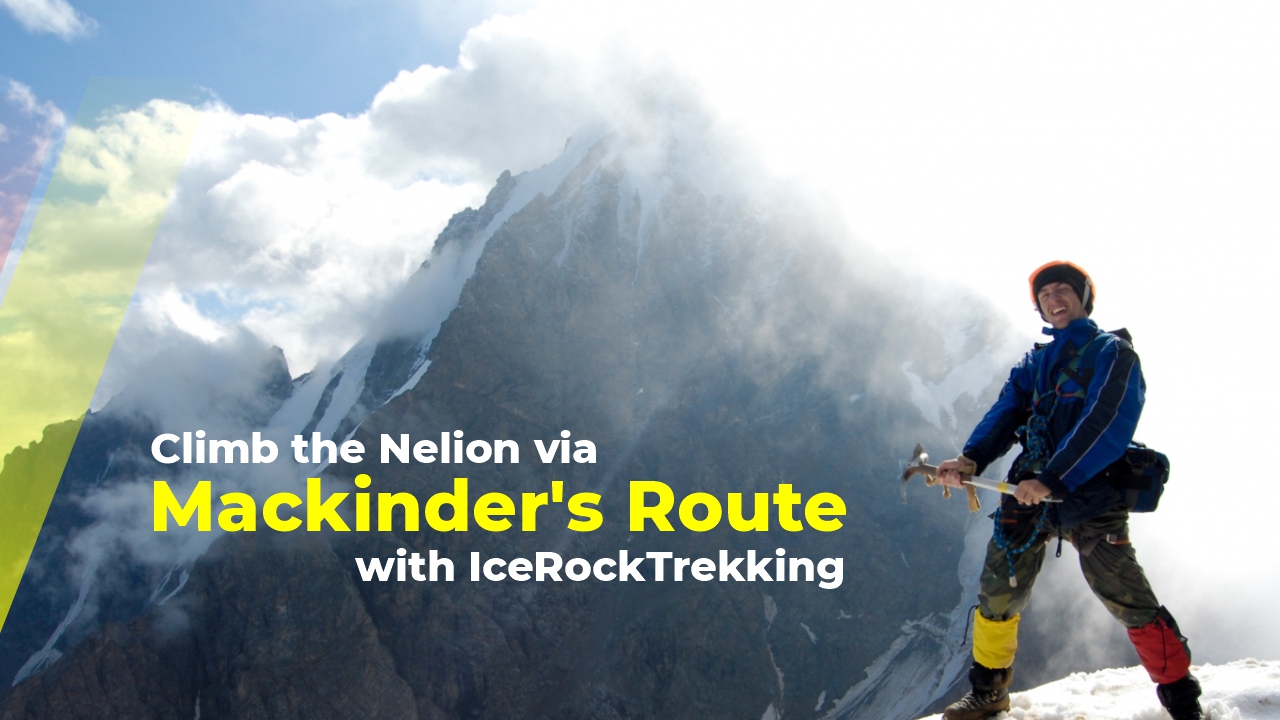
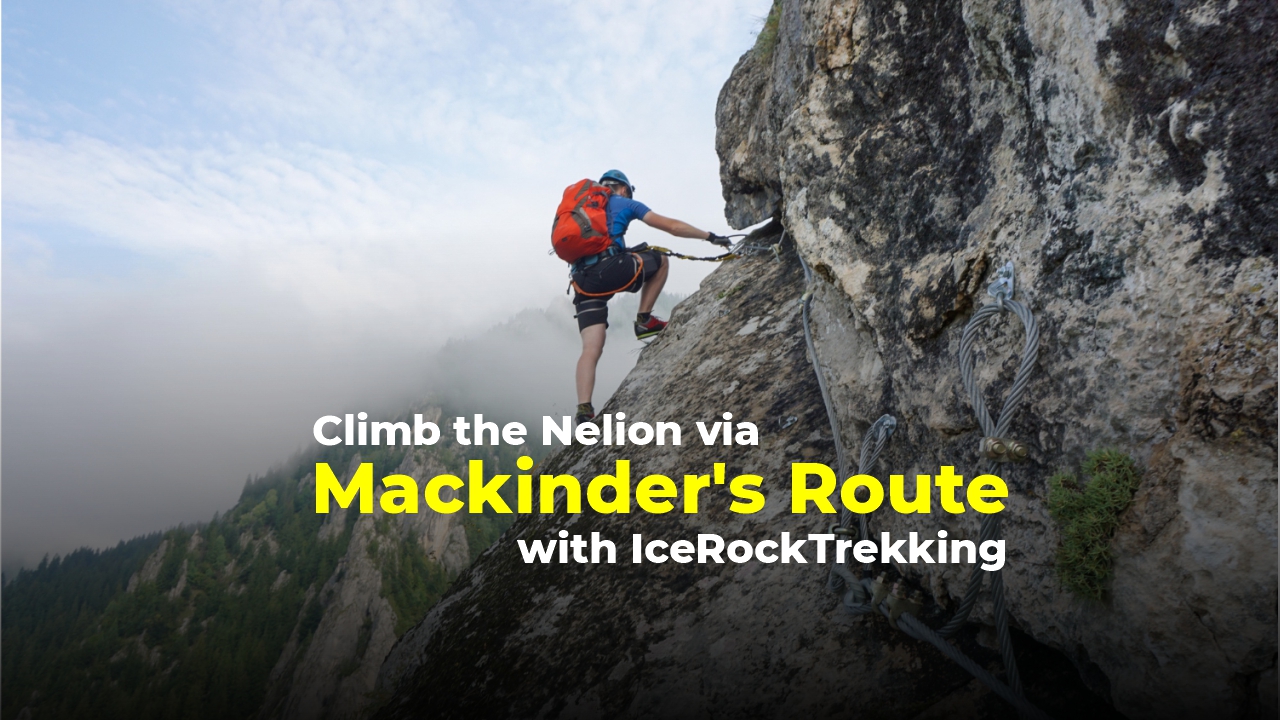
Mackinder Route is the most used route on the Southern/Eastern side of Mount Kenya, where you will get abseil rings fixed. As per the Ice Rock Trekking itinerary, climbers will start from the Austrian Hut which is at 4700m in height in the morning around 4 PM. After crossing the Lewis Glacier, You will use head torches to scramble up the scree to the climb’s base.

With this, you have completed the first two pitches before first light. This stroll usually takes about 2 hours. If the sun comes out of the mountains, the climbing becomes more enjoyable. Starting from the base, the climb becomes easy with the first three scrambled pitches using a running belay.

The One O’clock Gully

While working through the pitches, climbers will pass through some famous features like the following:

  • One o’clock Gully
  • The Amphitheatre
  • De Graf’s Variation

These local points will present some easy as well as some challenging climbing. The halfway point of the climb is the Bailey’s Bivvy. This Bivvy is a disused hut considered a halfway point on a spectacular route.

You will reach the summit of Nelion in 6-8 hours. Howell Hut is the summit of Nelion. Here, you can stay in an overnight bivvy if your group is interested in crossing over to Batian. Climbers will cross over to Batian via the “Gates of Mist”. This involves dropping 35m off Nelion and further climbing 50m to the summit.

We estimate the time to do the Nelion crossing and return is 3-4 hours. But such a fiat is dependent on ice levels within the “Gates of Mist”. Thereafter, we would recommend a night at Howell Hut. You can begin to descend on the following morning. During the trek, you will see en route to Nelion.

Nelion Climb

Eric Shipton first ascended the summit of Mt Kenya in 1929. PW Harris, before him, was a part of a reconnaissance team on Mount Everest.

You can find more similar stories of this route which are famous and involve famous faces of the past. Your guide can also narrate such incidents to you during your unforgettable climb.

Standard Route To Nelion Climb– South Ridge to Nelion

The Nelion Summit is at a height of 5188m or 17,021 feet. The Batian is situated at a height of 5199m or 17,057 feet via the “Gates of Mist”. The Technical Grade for this trek is 4. The suitable season for this climb is December to March. The typical length of the trek is 450m, 18 pitches. Trek’s duration is around 8 hours of climbing with one night stay and three hours for the descent. The trek requires one guide to two guests ratio. For the Nelion climb, you require ice climbing equipment, such as crampons and ice axes. The whole climb is 18 pitches, which makes it easy to climb Nelion and Batian.

Climbing Batian

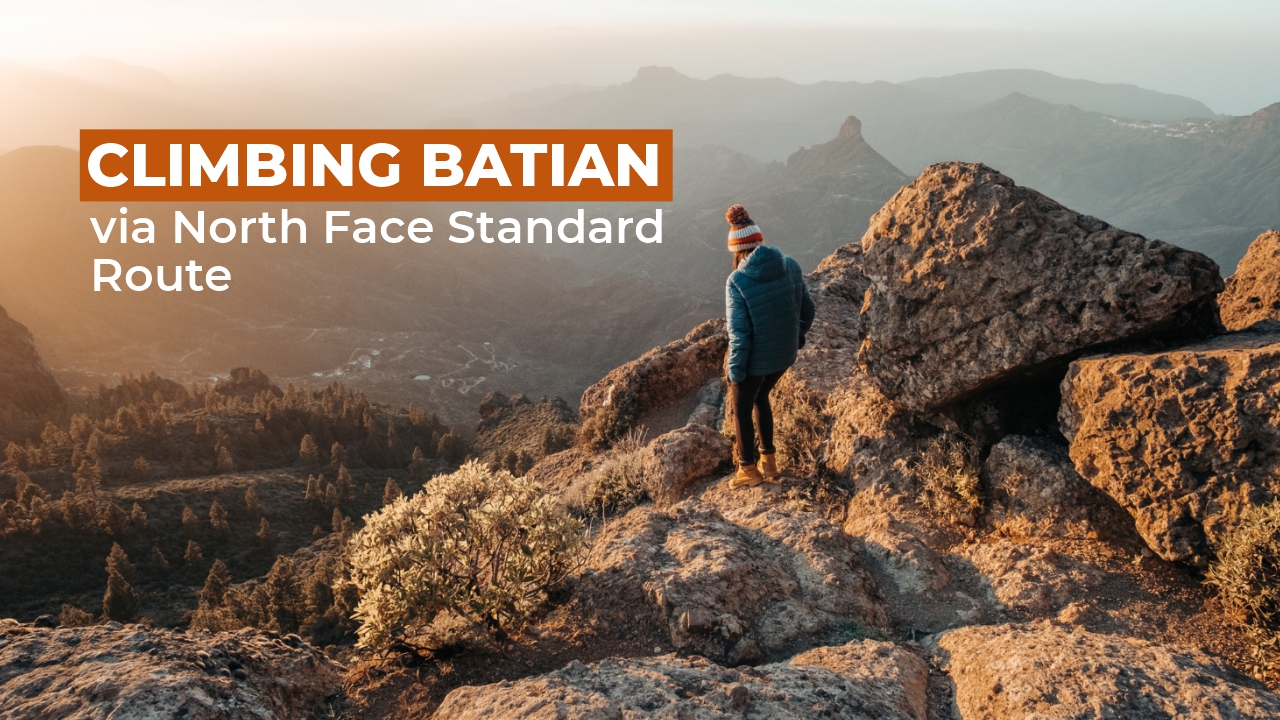
Ice Rock Trekking is one of the foremost Trekking Expedition organizers of Mount Kenya. We are well-known for providing some of the best trekking experiences to people from around the world. One of our famous routes is the Batian Climb. We prefer to design the trek route from the North Face of Mount Kenya. This is the standard route to Batian attempted via the North side of the mountain, as the most direct route to Mount Kenya’s summit.

Hardness Level of the Batian Route

The Batian Climb is technically harder than the normal route. It involves some harder pitches. The Normal route climb can be broken up into several sections. The Bivvy here is often taken in the large Amphitheater before heading to the first light summit.

Details of the Batian Climb

The North Face route starts from Kami Hut in the Shipton camp. To get to the top, it will take you 7 to 8 days, which will include two days of climbing. When on North Face, you must stay overnight at the Firmin Tower by putting a tent or bivouac. For this trek, climbers don’t need crampons. In case you want to traverse the “Gates of Mist” to Nelion, then crampons are a must.

The First Ascent of the North Face to Batian was done by Arthur Firmin

In 1944, PH Hicks made a very daring attempt with two brave and internationally famous mountaineers to climb the Bation. Thereafter, the climbing duo would go on to complete several other ascents on Mount Kenya.

Batian Climb

About the Climb

The Ice Rock Trekking follows the North Face standard route from the North Side to reach the Batian summit. The Summit of the Batian is situated at 5199m or 17,057 feet in height. It has a technical grade of 4+. The best season to make the climb is July, August, and September. The length of the pitches is 600m with 24 pitches in total, and the duration of the climb is ten hours. This will include one overnight stay and 5 hour’s descent to the climb base.

Things to take care of:

Every climber is recommended to carry their supply for the trek, as these equipment are indispensable for the trek:

  • Harness
  • Climbing Boots
  • Crampons
  • Ice Axe
  • Warm Sleeping Bag
  • Bivvy Bag
  • Light Tent

Some of the other climbing equipment needed is friends (chuckles), the figure of eight, stoppers. The tour guide will provide you with the ropes for the trek.

Ice Rock Trekking is a premier Travel and Expeditions Company that offers trekking services to Mount Kenya as well as Mount Kilimanjaro. We arrange technical climbing guides for the main peaks of Batian. As a professional tour company, headed by Mr. Joseph Muthui Gathu, we are well-versed in dispensing our services effectively to our clients. Mr. Joseph Muthui Gathu is a well-known former member of the Mt Kenya Rescue Team. He has graduated from the American National Outdoor Leadership School, colloquially known as N.O.L.S.

mt kenya sirimon chogoria route

The Chogoria route which approaches Mount Kenya on the eastern side, is excellent for acclimatization over a 5-day trek. During your mountain hike via Mt Kenya Sirimon Chogoria route, you can enjoy mind-blowing scenery along with getting the feeling of solitude and peace. The trek passes two iconic lakes of Mount Kenya: Lake Ellis and Lake Michaelson. In this case, you should know that Lake Michaelson is considered one of the most beautiful locations on this mountain.

Sirimon Route

It is the least used route. As Sirimon is located on the dry side of the mountain, you can find beautiful forest here. Whereas in the lower sections, above Park Gate, you can get to see Cedar and Podocarpus trees. On the other hand, near the top of the track, airplane flowers and tussock grass can be seen.

Chogoria route

If you want to enjoy the wildlife and bird life on Mount Kenya, then you can trek through the Chogoria route following a 7-day itinerary with campsites setup and the guidance of Ice Rock Trekking company’s trained local porters and guides.

mt kenya sirimon chogoria

Mt Kenya Sirimon Chogoria Route Itinerary

● Nairobi to Old Moses Camp

You need to leave Nairobi by 8 am. Then, you have to proceed to Sirimon gate of Mt Kenya which will take about 4 hours. Then, you need to follow the track uphill for 10 km from Sirimon Gate forking left at the junction so that you can reach Old Moses Camp.

● Old Moses Camp to Shipton Camp
After having your breakfast, you need to start your journey at 8 am. Then, you have to follow the directions for the direct route until you reach there. This track will swing right and South around the head of a valley. Then, you need to cross several small streams so that you can reach the crest of the ridge between the Otulili and Liki North valleys. Then, what you need to do is ascend the West side of the valley over a bridge. Then, go down into the Mackinders Valley. To reach Shipton Camp, it will take about 6 hours.

● Shipton camp to point Lenana down to Mintos Hut
After having your tea, you need to leave the camp at 3 am and go to the Lenana site to watch the sunrise. You need to walk across a tough scree until you reach Harris Tarn. After enjoying the stunning views, you need to descend down to Mintos Hut.

● Mintos Hut to Meru Mount Kenya Bandas

After having your breakfast, you need to descend to the Gorges Valley via Lake Michaelson and Vivan talks. Within 5 hours, you will reach the Bandas.

● Meru Mount Kenya Bandas to Nairobi

After having your breakfast, you need to walk down through bamboo and forest until you reach Bairunyi. Here, you will get transport to go back to Nairobi.

End note

If you want to have a tour of Mount Kenya via the Mt Kenya Sirimon Chogoria route, you can contact Ice Rock Trekking. The best thing about this company is they can customize the tours as per their requirements and assure that you will have a safe and enjoyable trip.