Mt Kenya Trekking via Naro-Moru

Mount Kenya rises dramatically above the central Kenyan landscape, offering trekkers a remarkable combination of volcanic terrain, alpine scenery, wildlife-rich forests, and challenging high-altitude trails. Among the established approaches to the mountain, the Naro-Moru Route has earned a reputation for being direct, demanding, and rewarding.

For climbers considering mt kenya trekking naro-moru, knowing what lies ahead can make preparation easier and expectations more realistic. From dense forests and the notorious Vertical Bog to alpine valleys and the ascent toward Point Lenana, every section brings a different experience. Ice Rock Trekking helps climbers approach this journey with careful planning, suitable pacing, and respect for the mountain environment.

What Makes the Naro-Moru Route Different?

The Naro-Moru Route approaches Mount Kenya from the western side and provides one of the most direct paths toward the mountain’s high-altitude areas. Its relatively short distance attracts trekkers who want an efficient route to Point Lenana, the mountain’s popular trekking summit.

However, shorter does not necessarily mean easier.

The route gains elevation relatively quickly, which places greater importance on acclimatization and controlled pacing. Climbers encounter forest trails, moorlands, wetlands, rocky alpine terrain, and steep summit sections within a relatively compact journey.

Another distinctive feature is the Vertical Bog. Depending on rainfall and trail conditions, this section can become muddy, slippery, and physically tiring. Trekkers who arrive expecting a straightforward mountain path may find this portion surprisingly challenging.

The variety of terrain makes Naro-Moru particularly interesting for experienced hikers as well as ambitious first-time high-altitude trekkers who prepare properly.

Where Does the Naro-Moru Trek Begin?

The journey generally starts around Naro Moru town before climbers travel toward the Mount Kenya National Park entrance and the trailhead.

The lower elevations feature fertile agricultural landscapes before the environment gradually changes as the route enters protected mountain territory.

Once trekking begins, climbers move through montane forest characterized by tall trees, dense vegetation, and cooler temperatures. This lower section creates a striking contrast with the exposed alpine landscape encountered later.

Wildlife may also be present in the forest zone. Mount Kenya National Park supports numerous animal and bird species, although sightings vary considerably.

The first stages should not be treated as a race. A measured walking speed helps climbers conserve energy while allowing their bodies to begin adapting to increasing altitude.

Expect Dramatic Changes in Vegetation

One of the most memorable aspects of trekking Mount Kenya is watching the environment transform as elevation increases.

The lower slopes feature dense montane forests where moisture supports thick vegetation. As trekkers climb higher, forests gradually give way to bamboo and heathland before transitioning into open moorland.

Higher still, unusual Afro-alpine vegetation begins to dominate the landscape.

Giant lobelias and groundsels are among the characteristic plants associated with Mount Kenya’s upper elevations. These distinctive species have adapted to harsh conditions involving intense daytime sunlight, freezing nighttime temperatures, and considerable daily temperature fluctuations.

Eventually, vegetation becomes sparse as trekkers enter rocky alpine areas.

Experiencing several ecological zones during one mountain journey gives the Naro-Moru Route much of its visual appeal.

The Vertical Bog Can Be Tougher Than Expected

Ask experienced Mount Kenya trekkers about Naro-Moru, and the Vertical Bog will frequently enter the conversation.

This section crosses high-altitude moorland where water collects in soft ground. Conditions vary considerably according to rainfall.

During dry periods, trekkers may encounter relatively manageable trails. After substantial rain, however, sections can become deeply muddy and slippery.

Good waterproof trekking boots become particularly valuable here. Gaiters can also help prevent mud and moisture from entering footwear.

Trekkers should concentrate on stable foot placement rather than trying to move quickly. Trekking poles can provide additional balance, especially when crossing uneven or waterlogged terrain.

The Vertical Bog is not simply an inconvenience. It represents one of the characteristic features that distinguish Naro-Moru from other Mount Kenya approaches.

Altitude Becomes a Major Factor

Point Lenana stands at approximately 4,985 meters above sea level, making altitude one of the most important considerations during the trek.

As elevation increases, atmospheric pressure decreases and less oxygen becomes available with each breath. Climbers may notice that normal physical activities suddenly require more effort.

Walking uphill can feel significantly harder. Breathing becomes faster, and recovery after steep sections may take longer.

Some trekkers experience headaches, reduced appetite, tiredness, disturbed sleep, or mild nausea while acclimatizing.

These symptoms should never be dismissed simply because reaching the summit is an important personal goal.

A slower itinerary can provide more time for acclimatization. Drinking sufficient fluids, eating regularly, maintaining a controlled pace, and communicating openly about symptoms are essential practices at altitude.

Professional trekking teams should continually observe participants and make safety-based decisions when necessary.

Mountain Weather Changes Quickly

Mount Kenya’s equatorial position does not mean consistently warm conditions.

Temperature varies dramatically with altitude and time of day. Lower forest sections can feel relatively mild, while upper elevations may become extremely cold, especially overnight and before sunrise.

Trekkers should expect possible combinations of sunshine, wind, rain, mist, and freezing temperatures.

Layering works better than relying on one heavy garment.

A practical clothing system normally includes moisture-managing base layers, insulating mid-layers, warm outer layers, and waterproof protection. Gloves, warm headwear, suitable trekking socks, and a weather-resistant shell become particularly important at higher elevations.

Climbers should also protect themselves from strong ultraviolet exposure. High altitude can intensify sun exposure even when temperatures feel cool.

Sunglasses, suitable sunscreen, and protective clothing can reduce unnecessary discomfort.

What Are Overnight Stops Like?

Accommodation arrangements depend on the itinerary, route conditions, and trekking program.

Mountain huts are associated with parts of the Naro-Moru approach, providing climbers with relatively basic accommodation in a rugged environment. Trekkers should expect practical facilities rather than hotel-style comfort.

Sleeping conditions can become cold, especially at higher elevations.

A suitable sleeping bag rated for low temperatures can make an enormous difference to comfort and recovery. Climbers may also benefit from keeping dry nighttime clothing separate from trekking clothes.

Mountain evenings usually become quiet fairly early because teams need sufficient rest before the next day’s climb.

The summit attempt often requires waking during the night or very early in the morning, making quality rest beforehand particularly valuable.

What Is Summit Night Like?

The ascent toward Point Lenana is often the most demanding and emotionally rewarding part of the trek.

Climbers generally begin while it is still dark so they can progress toward the summit around sunrise. Headlamps illuminate rocky paths while temperatures remain very low.

Movement should remain slow and consistent.

At this elevation, even physically fit trekkers can find themselves breathing heavily after relatively short sections. The combination of darkness, cold temperatures, altitude, and steep terrain creates a significant physical challenge.

Mental patience becomes almost as important as fitness.

Instead of concentrating constantly on the remaining distance, many climbers find it easier to focus on maintaining rhythm—step, breathe, repeat.

As daylight begins to appear, Mount Kenya’s rugged peaks and surrounding highlands gradually emerge from the darkness.

Reaching Point Lenana can provide remarkable views when weather conditions cooperate.

Is Naro-Moru Suitable for Beginners?

The route can be suitable for physically prepared beginners, but it should not be underestimated.

Previous high-altitude experience is helpful but not always essential for reaching Point Lenana. More important factors include cardiovascular fitness, leg endurance, appropriate equipment, realistic expectations, and enough time for acclimatization.

Beginners should train before arriving.

Regular hill walking is particularly valuable because it prepares the legs for sustained climbs and descents. Stair climbing, hiking, cycling, jogging, and other cardiovascular activities can complement trekking-specific preparation.

Training with a loaded daypack also helps climbers become accustomed to carrying water, clothing, snacks, and personal equipment.

Someone who exercises regularly but rarely hikes should still spend time walking on uneven terrain before attempting the mountain.

How Difficult Is the Trek?

Difficulty depends on several interacting factors rather than one specific trail feature.

Distance matters, but altitude, elevation gain, weather, terrain, acclimatization, fitness, and individual recovery all influence how challenging the trek feels.

Naro-Moru’s relatively direct approach means climbers may gain altitude quickly compared with longer alternatives.

The Vertical Bog can require significant effort, particularly in wet conditions. Upper mountain sections involve rocky and uneven terrain, while summit morning adds cold temperatures and thin air.

Descending also deserves attention.

Trekkers sometimes assume the hardest work ends at the summit. In reality, long downhill sections place considerable strain on knees, ankles, and leg muscles.

Trekking poles and controlled movement can make descents more manageable.

What Should You Pack?

Packing appropriately contributes directly to comfort and safety.

Climbers generally need sturdy waterproof hiking boots that have already been broken in, rather than brand-new footwear worn for the first time on the mountain.

Layered clothing should cover both mild lower-altitude conditions and freezing upper-mountain temperatures.

Other useful items include waterproof outerwear, warm gloves, a hat, quality hiking socks, sunglasses, sunscreen, a headlamp with spare batteries, reusable water containers, trekking poles, gaiters, and a suitable sleeping bag.

A small daypack should comfortably carry essential equipment required during each trekking stage.

Avoid excessive packing. Carrying unnecessary weight makes altitude trekking harder and can create additional fatigue.

Ice Rock Trekking can help participants determine which personal items are appropriate for their chosen itinerary and expected mountain conditions.

Food and Hydration Matter More at Altitude

Trekkers burn substantial energy while climbing, making regular meals important even when altitude affects appetite.

Carbohydrate-rich foods can provide accessible energy during sustained trekking. Protein and balanced meals also support recovery after long days.

Hydration deserves equal attention.

Cold conditions sometimes reduce the sensation of thirst, causing trekkers to drink less than they should. Regular fluid intake throughout the day is generally more practical than consuming large amounts occasionally.

Climbers should monitor how they feel and communicate concerns to the trekking team rather than trying to conceal fatigue or discomfort.

Maintaining nutrition and hydration will not eliminate altitude problems, but both support the body’s overall ability to perform.

How Does Naro-Moru Compare With Other Mount Kenya Routes?

Mount Kenya has several established trekking approaches, including Sirimon and Chogoria.

Naro-Moru stands out primarily because of its direct nature and distinctive terrain.

Sirimon is often appreciated for relatively gradual terrain and scenic high-altitude landscapes. Chogoria is famous for dramatic valleys, lakes, cliffs, and varied scenery.

Naro-Moru offers something different: a direct western approach with rapid environmental transitions and the challenging Vertical Bog.

Some itineraries combine routes, ascending from one side and descending another. This approach can provide greater landscape variety and prevent trekkers from retracing exactly the same trail.

Route selection should depend on available time, fitness, acclimatization needs, scenery preferences, and trekking objectives.

When Is a Good Time to Trek?

Mount Kenya can experience highly variable mountain weather, but some periods generally offer more favorable trekking conditions than others.

Drier periods are often preferred because trails can be easier to manage and mountain views may be clearer.

However, conditions at high altitude remain unpredictable regardless of season.

Rain can make the Vertical Bog substantially more difficult, while cold temperatures, cloud, and strong winds may occur higher on the mountain at different times of year.

Trekkers should therefore prepare for changing conditions rather than relying entirely on seasonal expectations.

Flexible expectations are particularly useful on mountains because weather can affect visibility, trail conditions, pace, and summit plans.

Why Pacing Matters

Fast walking does not necessarily produce better results at high altitude.

The body requires time to adjust as elevation increases. Maintaining a slow, steady pace can conserve energy and support acclimatization.

Experienced mountain teams often encourage deliberate walking even when trekkers initially feel capable of moving faster.

This can seem unnecessarily slow during the lower sections. Higher on the mountain, however, the value becomes clearer.

Climbers who spend too much energy early may struggle when altitude and steep terrain become more demanding.

Consistency matters more than speed.

Regular short breaks, controlled breathing, adequate hydration, and steady movement can help trekkers maintain energy across several days.

Environmental Responsibility on Mount Kenya

Mount Kenya is not merely a climbing destination. It is an ecologically important protected landscape with fragile high-altitude ecosystems.

Trekkers should minimize their environmental footprint throughout the journey.

Waste should be carried out or disposed of through approved systems. Staying on established trails helps reduce damage to vegetation and soil.

Climbers should avoid disturbing wildlife, picking plants, or leaving food waste behind.

Reusable water containers can also reduce dependence on disposable plastics.

Responsible trekking practices become increasingly important as mountain tourism grows. Tour operators, trekking professionals, porters, and visitors all share responsibility for protecting the landscape.

Ice Rock Trekking promotes respectful mountain travel that allows climbers to enjoy Mount Kenya while helping preserve its natural character.

What Can Make the Experience More Enjoyable?

Preparation influences enjoyment almost as much as physical ability.

Trekkers who arrive with realistic expectations usually adapt more easily to cold mornings, basic mountain facilities, changing weather, mud, fatigue, and slow progress at altitude.

Quality equipment also removes avoidable distractions.

Comfortable boots reduce foot problems. Effective rainwear keeps clothing dry. Warm layers improve rest, and trekking poles support stability on challenging ground.

A positive group atmosphere can also make difficult sections feel more manageable.

Mountain trekking involves shared meals, early starts, changing conditions, physical challenges, and moments of extraordinary scenery. Patience and cooperation often become important parts of the overall experience.

Why Trek Mount Kenya With Ice Rock Trekking?

A successful Mount Kenya trek involves far more than reaching a particular elevation.

Route planning, acclimatization, logistics, equipment preparation, pacing, meals, weather awareness, and mountain safety all contribute to the experience.

Ice Rock Trekking works with climbers to create well-planned Mount Kenya adventures suited to their objectives and trekking abilities.

For enthusiasts, the Naro-Moru Route offers an opportunity to experience Mount Kenya’s ecological diversity within a demanding mountain environment. For trekking professionals, it demonstrates how route selection, pacing, environmental conditions, and acclimatization must work together.

The mountain deserves preparation and respect at every stage.

Final Thoughts

Trekking Mount Kenya via Naro-Moru combines forest trails, muddy moorlands, unusual alpine vegetation, cold high-altitude conditions, and an exciting ascent toward Point Lenana. The route may be relatively direct, but altitude and changing terrain ensure that it remains a serious mountain undertaking.

With suitable fitness, dependable equipment, careful pacing, realistic expectations, and professional support from Ice Rock Trekking, climbers can experience one of Kenya’s most distinctive high-altitude adventures while appreciating the remarkable landscape that makes Mount Kenya special.

Mount Kenya is a place that never feels ordinary. Rising over 5,000 meters, this massive peak has deep valleys, high ridges, glaciers, and trails that wind through some of Africa’s most beautiful landscapes.

If you love adventure, you’ll find more than just one way to experience this mountain. From technical climbs to gentle treks and wildlife encounters, Mount Kenya has something for every outdoor spirit.

Here’s a guide to some of the best adventures to try on this incredible mountain.

1. Trekking to Point Lenana

Point Lenana is the third-highest peak on Mount Kenya and the most accessible summit for trekkers. At 4,985 meters, it offers serious altitude without technical climbing.

The trek is challenging but doesn’t require ropes or climbing gear. Routes like Sirimon, Chogoria, and Naro Moru each offer their own unique experience.

  • Sirimon Route: Known for gentler gradients and scenic moorlands.
  • Chogoria Route: Famous for dramatic views, waterfalls, and the Gorges Valley.
  • Naro Moru Route: Shorter but steeper, with sections like the Vertical Bog.

Most trekkers spend 4–5 days on the trip to acclimatize properly. Sunrise from Point Lenana feels magical. You’ll see Batian and Nelion glowing orange as the sun hits the snow.

2. Climbing Nelion and Batian

For experienced climbers, summiting Nelion (5,188 m) and Batian (5,199 m) is the ultimate goal. These peaks are serious undertakings, involving long, technical rock routes. The most common routes:

  • Nelion:South-East Face Normal Route. About 18 pitches of solid granite, graded UIAA IV+.
  • Batian: North Face Standard Route. Also technical, with exposed rock and glacier approach.

These climbs need skill, preparation, and time. Most teams spend a night at the Austrian Hut before making their attempt. Some climbers even cross the Gates of the Mist to stand on both Nelion and Batian on the same trip.

3. Exploring the Gorges Valley

If you prefer less altitude and more exploring, the Gorges Valley is perfect. This area feels hidden compared to the main trekking routes. Here you’ll find:

  • Towering cliffs
  • Alpine lakes
  • Quiet trails where you might not see another person all day

It’s a good place for day hikes or as part of a longer Chogoria Route trek. Keep your camera ready, this valley is rich with giant groundsel and everlasting flowers.

4. Camping by Lake Michaelson

Lake Michaelson sits in a deep basin beneath the cliffs of the peaks. It’s one of the most beautiful spots on the mountain. Camping here feels remote and peaceful. You’ll wake up to reflections of the peaks on the water and fall asleep to the sound of wind in the grass. Many trekkers on the Chogoria Route spend a night here before continuing to Point Lenana. Even if you don’t plan a summit, Lake Michaelson is worth the effort.

5. Wildlife Watching

Mount Kenya isn’t just about rock and ice. Its lower slopes hold some of the country’s most diverse wildlife. If you’re patient, you might see:

  • Colobus monkeys leaping between trees
  • Bushbucks and duikers in the forest
  • Buffalo grazing in clearings
  • Hyraxes sunning themselves on rocks

Birdlife is just as rich. Keep an eye out for sunbirds, eagles, and turacos as you hike.

6. Rock Climbing and Bouldering

If you enjoy climbing but don’t want to go all the way to the summits, there are plenty of rock walls and boulders around Shipton’s Camp and the Austrian Hut. The granite here is solid, and many climbers spend extra days practicing or warming up. You’ll find routes of all grades, from beginner-friendly scrambles to steep, technical pitches.

7. Mountain Biking the Lower Slopes

Few people realize you can mountain bike in the forests and foothills around Mount Kenya. Local tour companies offer guided rides through bamboo thickets and high-altitude moorland.

Trails can be rough and muddy, but they’re rewarding. It’s a unique way to see the mountain’s lower ecosystems and cover more ground in a day.

8. Fly Fishing in Mountain Streams

For something gentler, try fly fishing in the cold streams that run down from Mount Kenya’s glaciers. Rainbow trout thrive in these clear waters. Permits are required, but local lodges can help arrange everything you need. A day spent fishing with the peaks overhead is hard to beat for quiet adventure.

How to Prepare for Any Mount Kenya Adventure?

No matter which adventure you choose, a few basics will help you stay safe and make the most of your trip.

Acclimatize Slowly:
Altitude sickness can affect anyone. Take time to adjust, drink lots of water, and don’t rush.

Train Ahead:
 Even moderate treks are tougher at altitude. Build fitness with hiking, cardio, and strength training before you travel.

Pack Smart:
Bring layers for cold nights and hot days. Good boots, rain gear, and a warm sleeping bag are essential.

Hire Local Guides:
Guides make navigation safer, share local knowledge, and help you connect with the culture.

Respect the Environment:
Pack out all trash. Stay on trails. Keep noise down to avoid disturbing wildlife.

Check the Weather:
Conditions can change fast. Always carry a rain jacket and be ready to adjust your plans.

Why Mount Kenya Belongs on Your Bucket List?

Mount Kenya offers something you won’t find anywhere else. You can stand on a glacier in the morning, explore alpine meadows by lunch, and walk through bamboo forests by evening. Its adventures can be as hard or as gentle as you like. Whether you’re summiting Batian or relaxing by Lake Ellis, you’ll feel the same sense of wonder. This mountain rewards curiosity. Every trail, valley, and cliff has a story waiting for you.

Final Thoughts

Mount Kenya isn’t just a place to visit, it’s a place to experience. Each adventure here teaches you something. Maybe it’s how strong you are after a long climb. Maybe it’s the way the stars look over the Gorges Valley. Or maybe it’s the kindness of a guide who shows you the quiet paths.  Whatever draws you here, be ready to come home changed. The mountain has a way of staying with you. If you love the outdoors, start planning your trip now. Mount Kenya has a thousand adventures. All you have to do is choose.

kilimanjaro trekking guides

Kilimanjaro is the highest free-standing mountain in the world and trekking its staggering 19,341-feet-high summit is an adrenaline-rushing experience. The trekking to its summit, Uhuru Peak of Kilimanjaro will make jaw drop and guarantee a life-changing experience. Located in Kilimanjaro National Park in Tanzania, which is a UNESCO World Heritage Site, it is a popular trekking destination that is on the bucket list of many travel enthusiasts. Trekking to its highest peak requires proper preparation, a deep understanding of the mountain, and expert guidance from an experienced guide to reach the top. The expert guides play a significant role in helping enthusiasts reach the top while ensuring their safety, comfort, and enjoyment along the way.     

The Vital Role of Guides for Successful Kilimanjaro Trekking Expedition

Kilimanjaro is a challenging and multiple-day trekking expedition that takes trekkers through changing climates, diverse terrains, and high altitudes. Since trekking this mountain is no ordinary hike, safety regulations are in place for the trekkers. However, before embarking on the Kilimanjaro trekking, travel enthusiasts need to perfectly plan for their trekking expedition to be successful in their mission. Kilimanjaro trekking guides immensely contribute to making this adventure unforgettable and are essential for a successful trekking expedition.

Navigation Expertise – Trekking guides are well aware of different routes like Marangu, Machame, and Lemosho and ensure trekkers stay on the right trekking path to smoothly navigate to the top. Besides, the trekking guides can even adjust the itinerary if required.

Altitude Awareness and Safety – While trekking the highest peak, trekkers often experience altitude sickness and trekking guides emerge as the biggest help, as they are trained to recognize symptoms, administer first aid, and also help them with acclimatization. The trekking guides give top-most priority to the trekker’s health and safety and make sure that reach the peak without any health issues.

Cultural Insights – Kilimanjaro trekking guides are usually the local people having a sound understanding of Kilimanjaro’s geology, history, and the surrounding culture and they share fascinating stories related to Kilimanjaro with the trekkers. Their knowledge and insights about the mountain add a sound educational aspect to their trekking expedition.

Motivation and Support – Kilimanjaro trekking is both mentally and physically tiring and hence trekkers need moral and psychological support. A good and cooperative guide turns out to be the best coach who provides help and encouragement during challenging terrains and celebrates their milestones on the way keeping the trekkers encouraged and motivated during the entire trekking period.

What to Expect from Kilimanjaro Trekking Guides

Mt. Kilimanjaro is the most recognized mountain that lures thousands of trekkers every year because it allows them to explore five different ecosystems ranging from rain-forest zone to alpine desert, to arctic snow-cap and climbing 19,340 feet to conquer Uhuru peak. Kilimanjaro climb takes trekkers through thick and drenched rainforests onto alpine fields and crosses a desert-like lunar landscape to reach the twin summits of Kibo and Mawenzi. Trekking this challenging mountain is not an easy task and hence trekkers need help and guidance from guides who offer comprehensive support in the trekking journey. The role of trekking guides is not restricted to leading the way but also includes the following:    

Pre-Trek Briefings – Trekking guides brief tourists about the weather, route, safety protocols, and the equipment required for trekking, before starting the trek. This provides trekkers with the opportunity to clarify their doubts and ask trekking-related questions to gain absolute clarity on their trekking.

Daily Itinerary Management – Daily itineraries are perfectly managed by the guides to ensure that the entire group progresses in their trekking mission at a safe and steady pace. To optimize the chance of successfully reaching the summit of the group, the trekking guides meticulously plan breaks for rest, meals, and acclimatization.

Emergency Preparedness – Trekking guides are well prepared for managing any health and medical emergencies while climbing to the top. These guides are equipped with oxygen cylinders, first-aid kits, and vital communication devices to communicate about the emergencies and call for evacuation if required.

Communication and Multilingual Skills – Trekking guides are well versed in multiple languages like Swahili, English, and even some other languages which makes it easy for international trekkers to effectively communicate with guides.

Environmental Stewardship – Trekking guides also hold the responsibility to maintain and preserve the mountain’s natural beauty, hence they emphasize responsible trekking practices and instruct trekkers to adhere to the “Leave No Trace” policy.

Tips to Choose the Right Trekking Guide

Travel enthusiasts who are looking for a memorable and adventurous Kilimanjaro trekking experience should be cautious while selecting the best trekking guide, as this will make a big difference in their trekking trip. For a safe and enjoyable trekking experience, trekkers should keep the following factors in mind while choosing the trekking guide: 

Certification and Licensing – Trekkers should give priority to certified and licensed trekking guides to avoid any problems later on. Preference should be given to guides who are certified by the Kilimanjaro National Park Authority and are affiliated with esteemed organizations like the Tanzania Association of Tour Operators.

Experience – Travellers should choose a trekking guide that has good experience of Kilimanjaro trekking. This will ensure that they have knowledge about the multiple trekking routes and can even suggest the best route to reach the top. Besides, they will also have in-depth knowledge of the mountain as well as the weather conditions.

Reviews and Recommendations – Trekkers before making the final decision should check online reviews and recommendations of trekkers who have already availed service of a guide. Reviews and recommendations of previous trekkers will help individuals make sound and informed decisions and help them pick the best trekking guide from the available options.  

Final Thoughts

Mount Kilimanjaro trekking is a once-in-a-lifetime experience that requires proper preparation and the guidance of the best trekking guide. Professional Kilimanjaro trekking guides are the most valued and trusted companions ensuring safety, comfort, and an unforgettable experience for trekkers. Whether a seasoned trekker or a first-time climber, the right trekking guide helps trekkers navigate the challenges and enjoy the satisfaction of conquering Africa’s highest peak.

Kilimanjaro hiking

Mountain trekking, climbing, and hiking are all adrenaline-pulsating activities that are popular across the world and with different age groups. Among popular mountain attractions across the planet Mount Kilimanjaro in Africa is one of the most prestigious destinations. Every year thousands of trekkers and hikers plan for this destination and make a bid for Kilimanjaro hiking. With the professional support of trekking and climbing guides, experience the beauty and majestic ambiance of Mt. Kilimanjaro.

Why should you trek Mount Kilimanjaro?

Here are five key points why should you trek the Roof of Africa, Mt. Kilimanjaro –

  1. Its diverse ecosystem is truly mesmerizing. Icy Summit, Alpines, and Rein Forest make it a great trekking destination.
  2. It’s a non-technical ascent, which means trekking here is challenging but achievable even to a novice trekker.
  3. You will encounter some exclusive wildlife species while trekking here like elusive leopards and giant heathers.
  4. Witness the vast African landscape from the summit.
  5. Kilimanjaro trekking and Conquering the summit will boost your confidence and a lasting sense of accomplishment.

Unique facts about the trek

There are reasons as to why Mount Kilimanjaro is one of the most famous Mountain treks in the world and attracts thousands of tourists every year from different parts of the world:

  • Mountain height and related facts:

The Mountain has a majestic eight of 5,895 meters or 19,341 feet above sea level. No wonder this tallest mountain in Africa is one of the most challenging peaks to conquer. Mt. Kilimanjaro is not a part of any mountain range. The mountain has three peaks – Kibo (the summit) and the cones of Shira and Mawenzi. All three cones are volcanoes out of which Kibo is a dormant volcano. However, the other two are extinct volcanoes. You can hike up to the Ash pit in Kibo summit which is a hike of two hours from the crater floor. You can smell the odors of sulfurous gases coming from the earth’s crust.

  • Glacier facts:

Scientists estimate that the glaciers present on the Kilimanjaro summit are about 11,700 years old. Between 1912 and 2011 nearly 85% of the glacier ice melted. In 1912 the glaciers had an area of 11.4 square kilometres and in 2011 the number reduced to 1.76 square kilometres. If global warming continues at this rate no glacier will remain by 2060. Still, you can find glaciers while Kilimanjaro trekking.

  • Seven summits:

Every continent has its highest mountain peak. All the seven tallest mountain peaks from the seven continents make the seven summits. Mount Kilimanjaro being the tallest mountain on the African Continent is a member of this prestigious league along with Mount Everest from Asia, Mount Aconcagua from South America, Mount McKinley from North America, Mount Elbrus from Europe, Mount Vinson from Antarctica Mount Kosciuszko in Australia. In this list, Kilimanjaro is in the fourth place. Obviously, trekking to Mt. Kilimanjaro is always rewarding and memorable.

  • The Mountain history:

Till the early 19th century British scientists and geographers did not agree and could not imagine that Africa could have a snow-peaked mountain. In 1844 William Desborough wrote about the mountain peak and referred to Kilimanjaro as Kirimanjara. However, in 1848 German Missionary Johannes Rebmann wrote about the mountain’s existence and its glaciers.

  • First Woman to Conquer the Summit:

In 1927 on 27t September Sheila McDonald first conquered the summit of Mount Kilimanjaro as the first lady mountaineer. She pushed on even though her other companions abandoned their attempt.

Conclusion

The Kilimanjaro hiking is an exhilarating experience. However, the hiking experience can be safer and more comfortable if you are accompanied by professional travel and tour operators like Ice Rock Trekking. Hire support services from some of the best tour and travel operators who can arrange for a safe and comfortable Mount Kilimanjaro trek for you. These experts can arrange for a solo trek and also a hike for a group. You can get ready to buy trekking packages and can also customize your personalized plan.

Mt Kenya trekking

Renowned for its diverse ecosystem and challenging peaks, Mt. Kenya has always remained one of the most adventurous trekking experiences for new and experienced trekkers across the globe. Nestled in the heart of East Africa, Mt. Kenya stands as the regal testament to nature’s magnificence. Every year, hundreds of experienced and new mountaineers visit Kenya for Mt Kenya trekking. If you are planning the same, plan well with an expert tour and trekking organizer like Ice Rock Trekking. You need skilled guides and several amenities while going for this breathtaking experience.

Know more about Mt. Kenya

Trekkers love climbing the different peaks of Mt. Kenya because of the challenges it brings at every turn. The Mountain has several peaks with point Lenana being the most popular one to the trekkers. While trekking to different paths to this point, trekkers experience different landscapes. You can follow the Chogoria route, the Sirimon route, or the Naro-Maru route. Ice Rock Trekking arranges trekking through all these three paths. While planning Mt Kenya trekking it is always best to consult with them to choose the right route depending on your trekking ability and experience.

The variety of routes to the summit seek different abilities of the trekkers also. If you are eager to experience the unique beauty of the mountain, the Sirimon and the Naro Moru routes are the best while the Chogorya route is the shortest route of these three popular routes to the summit. However, the Chogorya route offers some unique scenic beauty and the temple area that are not visible in the other routes.

The cultural significance of Mt. Kenya

Mt Kenya is not just about natural splendor, this nature’s wonder holds cultural significance too. The trekking experience gets extra momentum when you get the opportunity to know the local communities, especially the Kikuyu tribe. These local communities consider the mountain a very sacred place and they have centuries-old rituals associated with the mountain. Trekkers often interact with the local people enriching the journey with a deeper perspective of Mt. Kenya’s cultural aspects. Too few mountains in the world give this opportunity to the trekkers to know the local communities. Remember, these local communities are the indigenous people living in these mountains for centuries. They give a glimpse into the most basic aspects of human life and evolution.

Mt. Kenya

The flora and fauna of Mt. Kenya

Mt. Kenya is also popular for its diverse nature with some exclusive qualities of flora and fauna scattered all over the mountain. During Mt Kenya trekking, you encounter hundreds of different species of flora and fauna most of which you might not have seen before. Finding giant lobelias, Mt Kenya cabbage (an endemic species), or scenarios make the tourists and trekkers happy. Again, a variety of wildlife such as various species of monkeys, buffalos, elephants, and birds delight you. You will frequently encounter majestic lammergeyers and beautiful sunbirds.

Unique climate of Mt. Kenya

As you elevate through the route and rest at different points in different valley regions during Mt Kenya trekking, you encounter different climatic conditions. Sometimes, the drastic change in the landscape and climate in the next turn never fails to charm you. The opportunity to witness the sunrise and sunrise from different elevations throughout the journey are unforgettable event for the trekkers. The scenic beauty of tropical rainforests, glaciers, and highlands live in the memory forever.

Ice Rock Trekking is here to help you with the best trekking experience in your life. Mt Kenya trekking is unique in many senses but you need the guidance of the right people.  5 Days Chogoriya down Sirimon, 5 Days Sirimon down Chogorya, or 5 days Naru-Moru down Sirimon make trekking fun and adventurous.

Hells Gate National Park in Africa

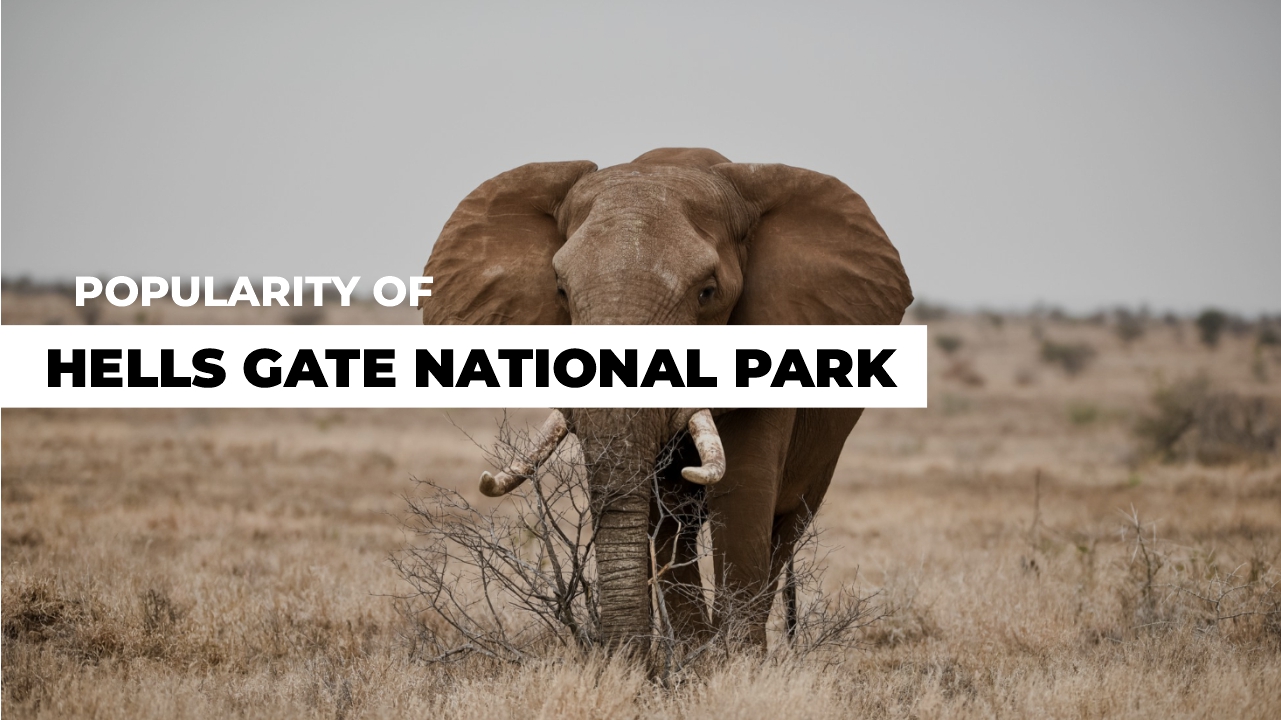
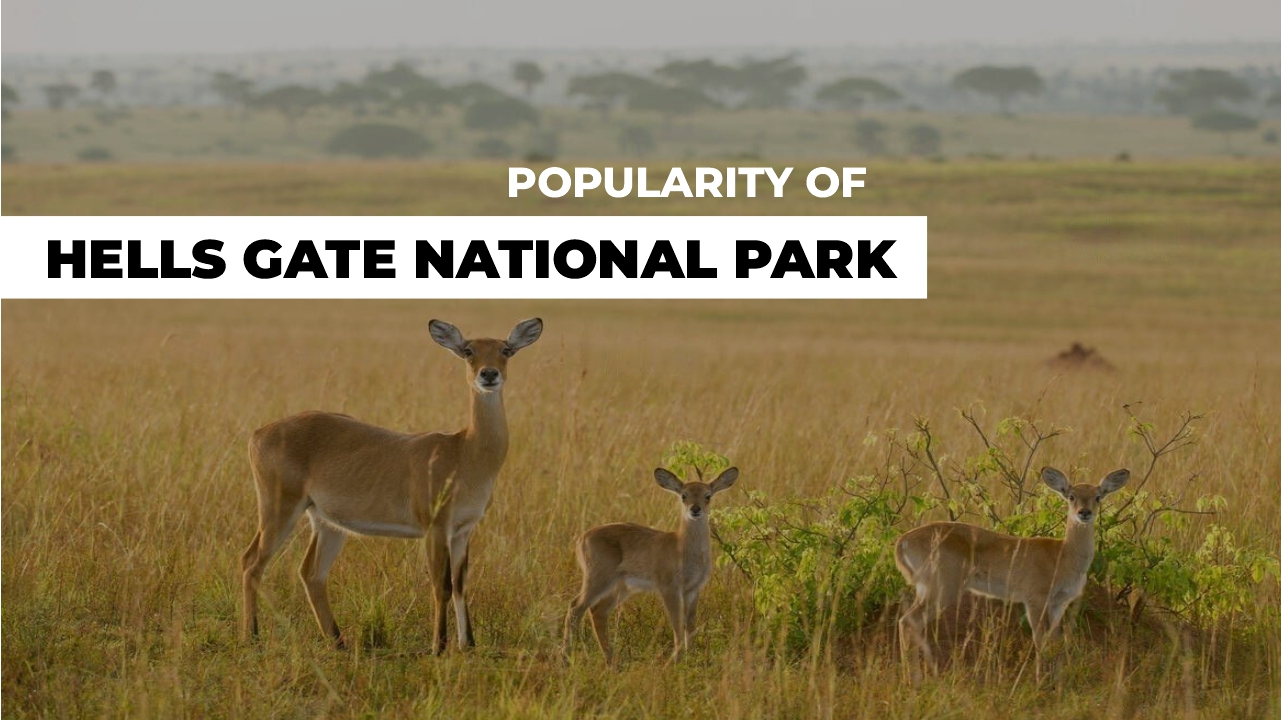
Hells Gate National Park is an astonishing area of the Great Rift Valley which is south of Lake Naivasha. It is one of the most popular, amazing, and atmospheric Parks in Africa due to its spectacular scenic beauty including water-gouged gorges, towering cliffs, scrub-clad volcanoes, rock towers, and more. This National Park offers a remarkable climbing wall which is very beneficial for rock climbing along with offering the thrilling experience of climbing through tough pitches within the rocks. It is a vast area covering 68.25 square kilometers which are characterized by geological scenery as well as diverse topography. This park is just 90 km away from Nairobi making it an ideal addition to an African safari trip. So, if you have a wish list to visit this mesmerizing Hells Gate National Park then contacting one of the best tourism companies is a must.

What are the different activities that the visitors can enjoy at Hells Gate National Park?

Travelers always prefer to visit Hells Gate National Park not only for enjoying the spectacular view but also for experiencing various activities that are depicted below:

  • Rock Climbing: It is one of the most liked activities in the park. The most popular for beginners for rock climbing is Fischer’s Tower but skilled climbers opt for the Main Wall. Interested travelers are provided with an entire climbing kit including rope, stoppers, friends, helmet, seat harness, and carabiners along with a professional guide by the tour operators.
  • Cycling: It is another thrilling activity that travelers love to do at the Hells Gate National Park in Africa. It is the most satisfying way of exploring this National Park. This activity also offers personal contact and interaction with the flora and fauna of the park.

hells gate national park

  • Moreover, cycling through the Buffalo cycling circuit provides breathtaking views of Mt. Suswa, Lake Naivasha, and Mt. Longonot.
  • Trekking: It is also a favorite activity of the adventure-lovers. This activity is opted for by travelers to enjoy the wildlife outside of the city along with keeping themselves fit. This trekking journey starts from the main gate of the park known as Elsa Gate to the main valley of the park and the best part is that trekkers can enjoy fantastic views while trekking.
  • Bird Watching: This National Park is an absolute must-visit for all birders around the world. Since it is home to more than 100 species of birds so travelers enjoy having beautiful bird life.

With Ice Rock Trekking, you will get different trekking and safari packages covering the national parks of Kenya including Hell Gate. Choose your package or ask them to change the itinerary as per your choice. You will be able to cover the best of all national parks.

End Note

Are you thinking to visit Hells Gate National Park in Africa? Do not worry when one of the most trustworthy tourism companies like Ice Rock Trekking is here to guide and arrange everything as per your desire.