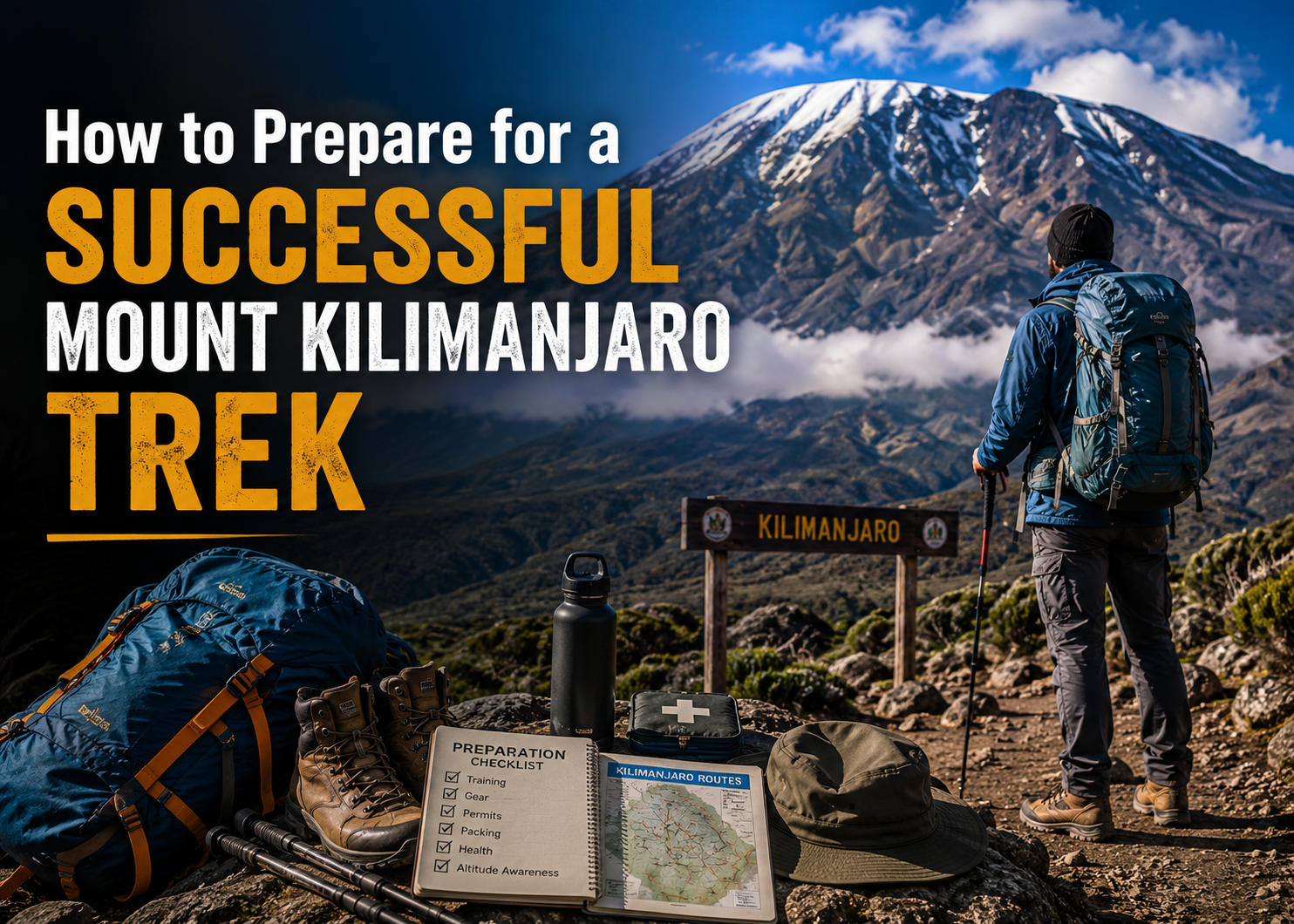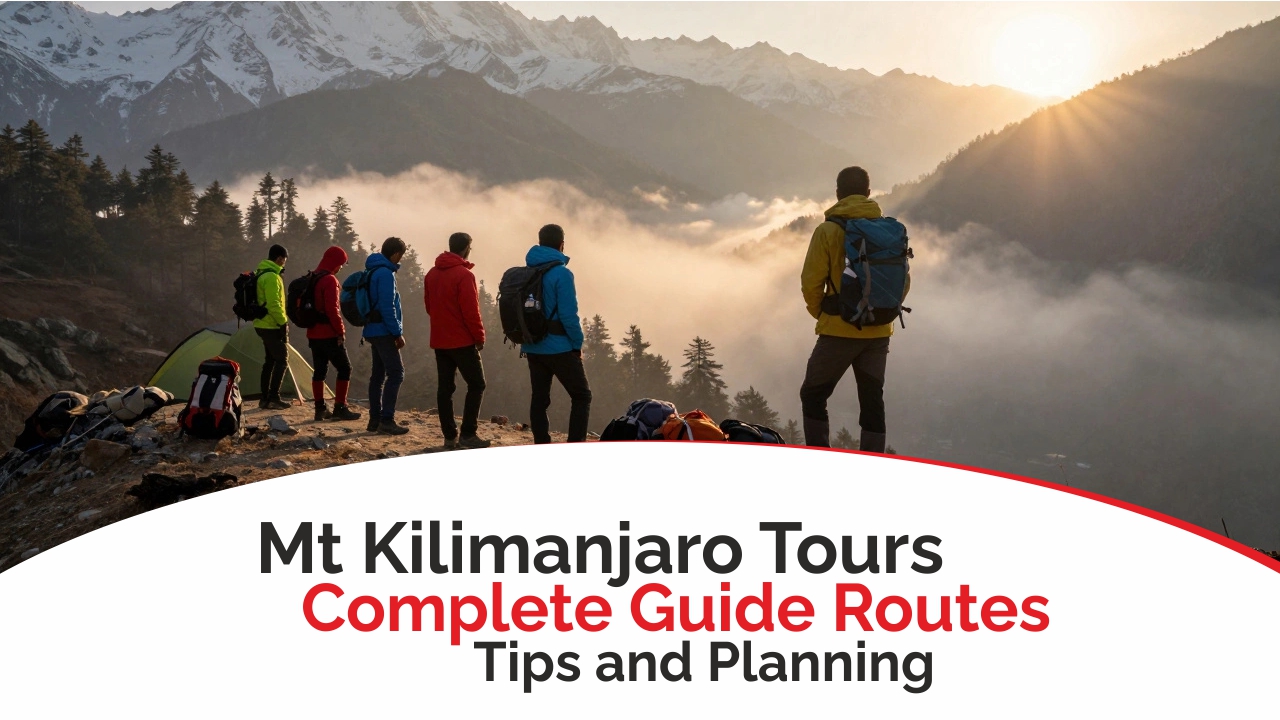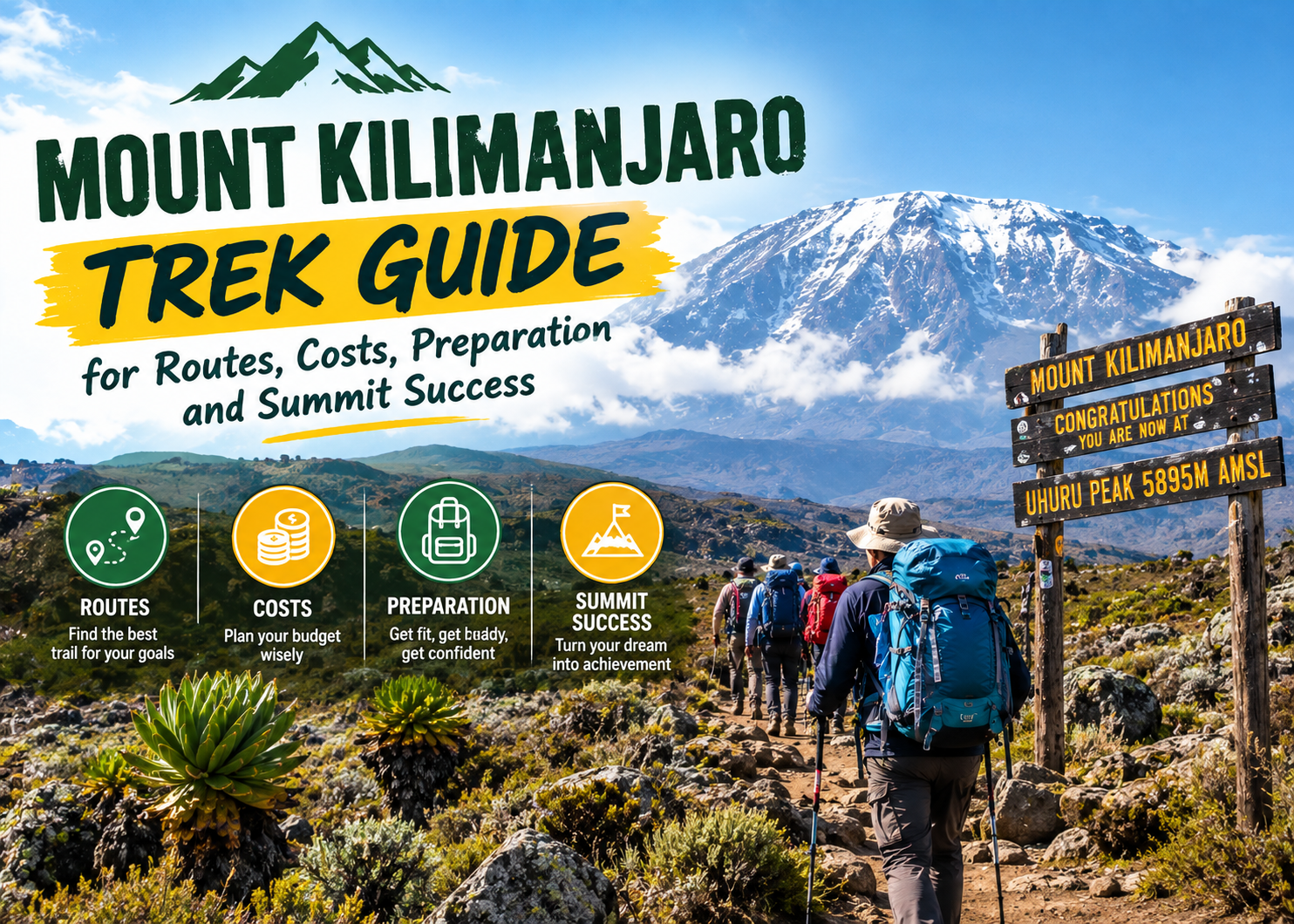
A Mount Kilimanjaro trek is more than a high-altitude hike. It is a carefully planned mountain experience that combines physical endurance, altitude adaptation, changing landscapes, early-morning summit efforts, and the satisfaction of standing on the roof of Africa.
Rising to 5,895 metres above sea level, Mount Kilimanjaro attracts trekkers from across the globe. You do not need advanced mountaineering skills for the standard trekking routes, but preparation, route selection, professional support, and a sensible pace can make a major difference to your summit experience.
For travelers considering Tanzania for their next major adventure, choosing the right route and itinerary is one of the first decisions to make. At Ice Rock Trekking, we help trekkers plan their Kilimanjaro experience around their fitness, schedule, preferred scenery, and altitude strategy.
Why Choose a Mount Kilimanjaro Trek?
Kilimanjaro offers something unusual: a high-altitude African summit that can be reached without technical climbing equipment on the standard trekking routes.
The mountain passes through several ecological zones. Lower slopes feature cultivated land and forest, followed by moorland, alpine desert, and the dramatic volcanic terrain surrounding the summit.
Every day brings a noticeable change in scenery.
Trekkers may begin among green vegetation and gradually move into landscapes dominated by giant volcanic rocks, open ridges, glaciers, scree slopes, and vast views across Tanzania.
The real challenge is altitude rather than technical climbing. As the trail climbs higher, the available oxygen decreases. A trekker who is strong at sea level can still struggle if the ascent is too rapid.
That is why a successful Kilimanjaro experience should focus on gradual elevation gain, rest, hydration, nutrition, sleep, and experienced mountain support.
Best Routes for Mount Kilimanjaro Trek
Kilimanjaro has several established routes. Each offers a different combination of scenery, duration, difficulty, accommodation style, and acclimatization opportunities.
Machame Route
The Machame Route is one of the most popular choices for trekkers who want scenic variety and a rewarding mountain experience.
It usually takes six or seven days. The trail passes through forest before reaching moorland and higher alpine terrain.
One of its advantages is the route profile, which allows trekkers to climb high and sleep lower on certain sections. This can support acclimatization.
Machame is sometimes called the “Whiskey Route,” but there is nothing casual about the climb. Several sections involve steep ascents and descents, especially around Barranco and the higher mountain terrain.
For travelers seeking beautiful scenery and a strong trekking experience, Machame remains an excellent option.
Lemosho Route
Lemosho is particularly attractive for trekkers who want a longer approach and more gradual altitude adaptation.
The route begins on the western side of Kilimanjaro and crosses beautiful highland landscapes before joining the southern circuit.
Seven- or eight-day itineraries are common.
The longer duration gives trekkers more time to adjust to elevation and enjoy the mountain without rushing. Lemosho is an excellent choice for people who prioritize acclimatization and scenery over completing the climb as quickly as possible.
Marangu Route
Marangu is known for hut accommodation rather than camping throughout the trek.
It follows a relatively direct trail toward the summit and is often selected by travelers with limited trekking time.
The route is less demanding in terms of camping logistics, but its shorter itineraries can provide less time for altitude adaptation.
For this reason, selecting a longer Marangu itinerary can be preferable to attempting the mountain in the minimum number of days.
Rongai Route
The Rongai Route approaches Kilimanjaro from the northeastern side near the Kenyan border.
It generally receives fewer trekkers than Machame and Marangu. The landscape has a different character, with open terrain and quieter trail sections.
Rongai can appeal to trekkers who prefer a less crowded experience and want to approach Kilimanjaro from a different direction.
Northern Circuit Route
The Northern Circuit is the longest standard route option and provides extensive time on the mountain.
It circles around the northern side of Kilimanjaro before approaching the summit.
The extended itinerary can offer excellent acclimatization potential and a quieter trekking experience.
For travelers with sufficient time and a strong preference for gradual altitude gain, the Northern Circuit is worth considering.
How Much Does a Mount Kilimanjaro Trek Cost?
The price of a Kilimanjaro climb depends on several factors rather than one fixed figure.
Important cost elements include:
- Route selected
- Number of trekking days
- Group size
- Park and conservation fees
- Mountain crew
- Meals and camping arrangements
- Transfers
- Accommodation before and after the climb
- Equipment requirements
- Emergency and rescue provisions
- Additional safari or Zanzibar arrangements
A budget package may appear attractive initially, but extremely low prices can mean compromises in logistics, staffing, food, accommodation, or crew welfare.
A responsible operator should provide a clear cost structure before departure.
When comparing Kilimanjaro packages, ask exactly what is included. Check whether airport transfers, accommodation, park fees, meals, drinking water, tents, crew support, and rescue arrangements are part of the quoted price.
At Ice Rock Trekking, we focus on transparent planning so trekkers can make decisions based on the actual services provided rather than simply choosing the lowest advertised price.
What Is the Best Time to Climb Kilimanjaro?
Kilimanjaro can be climbed throughout much of the year, but weather conditions influence the trekking experience.
The commonly preferred periods are the drier months, particularly around June to October and January to February.
These periods generally offer favorable trekking conditions, although mountain weather can change quickly at higher elevations.
The wetter seasons can bring rain on lower trails and snow or challenging conditions at higher elevations. Some experienced trekkers may still choose these periods because of quieter trails and different mountain conditions.
Your ideal departure period should also consider your schedule, tolerance for weather changes, and preferred level of trail traffic.
How Difficult Is a Mount Kilimanjaro Trek?
Kilimanjaro is physically demanding even though the standard routes do not normally require technical climbing.
The biggest difficulty is altitude.
Symptoms of altitude-related illness can include headache, nausea, dizziness, tiredness, poor appetite, and disturbed sleep. More serious symptoms require immediate attention and may require descent.
The best defense is not simply physical strength. Gradual ascent and sufficient acclimatization are essential.
A trekker who attempts to move too quickly may find the summit increasingly difficult, regardless of their fitness level.
The final summit push is particularly demanding. Trekkers generally leave camp around midnight or in the early morning, climbing through darkness toward the summit.
Temperatures can be extremely cold. The trail becomes steep and rocky, and every step requires concentration.
After reaching the summit area, trekkers descend to lower elevations, often covering a significant distance on the same day.
Mount Kilimanjaro Preparation
Preparation should begin well before arrival in Tanzania.
You do not need to be an elite athlete, but you should develop cardiovascular fitness, leg strength, endurance, and comfort with long periods of walking.
Build Cardiovascular Fitness
Walking, hiking, running, cycling, stair climbing, and other aerobic activities can help develop endurance.
Aim for consistent training rather than occasional intense workouts.
Strengthen Your Legs
Squats, lunges, step-ups, calf raises, and controlled downhill exercises can prepare your legs for repeated climbing and descending.
The descent should not be underestimated. Many trekkers experience significant muscle fatigue after summit day.
Practice Long Walks
Include longer weekend walks in your preparation.
Gradually increase distance and elevation when possible. Training with the boots and backpack you expect to use on Kilimanjaro can also help identify discomfort before the expedition.
Prepare for Altitude
No exercise program can completely prepare your body for high altitude.
Fitness helps you manage physical effort, but acclimatization happens at elevation.
A well-planned itinerary with enough days on the mountain is therefore one of the most important preparation decisions you can make.
What Should You Pack for Kilimanjaro?
Packing for Kilimanjaro requires preparation for warm, cool, wet, windy, and freezing conditions.
Essential equipment commonly includes:
- Waterproof trekking boots
- Moisture-wicking base layers
- Fleece or insulated mid-layer
- Waterproof jacket and trousers
- Warm down or synthetic jacket
- Thermal clothing
- Warm hat and gloves
- Sun hat
- Sunglasses
- High-SPF sunscreen
- Headlamp with spare batteries
- Trekking poles
- Comfortable trekking trousers
- Backpack and daypack
- Water bottles or hydration system
- Sleeping bag suitable for cold mountain conditions
- Personal toiletries
- Basic first-aid supplies
- High-energy snacks
- Passport and required travel documents
Your exact packing list depends on the season and route.
Avoid bringing excessive weight. A heavy backpack can make long trekking days considerably harder.
Food and Hydration on Kilimanjaro
Nutrition becomes especially important during multi-day trekking.
Meals should provide carbohydrates for energy, protein for recovery, and sufficient calories for long days on the trail.
Common trekking meals may include rice, pasta, potatoes, vegetables, meat, eggs, soups, fruits, bread, and other energy-rich foods.
Hydration is equally important.
Drink regularly rather than waiting until you feel extremely thirsty. At high altitude, appetite can decrease, but your body still needs adequate fuel.
Trekkers should follow their mountain crew’s recommendations regarding water intake and altitude-related symptoms.
What Happens on Summit Day?
Summit day is usually the most demanding part of the climb.
Depending on the itinerary and route, trekkers commonly begin the final ascent during the night.
The purpose is to reach the summit around sunrise or shortly afterward.
The temperature can be well below freezing. Wind may make conditions feel even colder.
The pace is deliberately slow.
You may hear the phrase “pole pole,” meaning “slowly, slowly.” This approach is central to successful altitude trekking.
The climb can feel mentally challenging because progress becomes slow at high elevation. Staying focused on short sections of trail rather than thinking about the entire remaining distance can help.
At the summit, trekkers have the opportunity to celebrate reaching Uhuru Peak, the highest point of Mount Kilimanjaro.
After photographs and a short rest, the descent begins.
How to Increase Your Chances of Reaching the Summit
Summit success is influenced by several factors, and none can guarantee a successful ascent.
However, you can improve your chances by following sensible practices.
Choose an appropriate itinerary. Longer routes generally provide more time for altitude adaptation.
Train consistently. Build endurance rather than focusing exclusively on speed.
Walk slowly. Conserving energy is important at altitude.
Stay hydrated. Follow the hydration recommendations of your mountain crew.
Eat regularly. Even if your appetite decreases, try to maintain adequate nutrition.
Sleep whenever possible. Rest is important during multi-day trekking.
Communicate symptoms. Never hide headaches, dizziness, nausea, breathing difficulties, or unusual fatigue from your guides.
Respect the mountain. Turning around because of serious altitude symptoms is not failure. Safety comes first.
Why Professional Mountain Support Matters
A reliable trekking team contributes far beyond carrying equipment.
Experienced mountain professionals monitor trail conditions, pacing, weather, hydration, and signs of altitude-related problems.
Porters handle essential camp equipment and supplies, while cooks prepare meals that help trekkers maintain energy throughout the expedition.
Good crew management also matters from an ethical perspective.
Travelers should choose companies that treat mountain staff respectfully, provide appropriate equipment, and follow responsible porter practices.
Ice Rock Trekking places emphasis on organized logistics, experienced mountain crews, clear communication, and personalized trekking support.
Combining Kilimanjaro With an African Safari
Many travelers extend their Tanzania trip after completing their mountain climb.
A safari can provide a completely different experience, with opportunities to explore Tanzania’s wildlife areas and observe elephants, lions, giraffes, zebras, wildebeest, and other species.
Some trekkers also combine Kilimanjaro with a Zanzibar beach holiday.
This creates a varied itinerary: challenging mountain days followed by wildlife exploration or time beside the Indian Ocean.
When planning a combined trip, allow enough recovery time after the climb before beginning a demanding safari schedule.
Mount Kilimanjaro Trek With Ice Rock Trekking
Choosing a trekking company is an important part of planning your climb.
Ice Rock Trekking assists travelers with route selection, trekking logistics, mountain crew coordination, accommodation planning, transfers, equipment recommendations, and preparation.
Rather than treating every trekker the same, a good itinerary should reflect the traveler’s experience, physical preparation, available time, and preferred route.
Whether you are considering Machame, Lemosho, Rongai, Marangu, or the Northern Circuit, careful planning can make the difference between a rushed mountain trip and a memorable high-altitude adventure.
Final Thoughts
A Mount Kilimanjaro trek requires commitment, but it does not demand that you be an expert climber.
The most important ingredients are appropriate preparation, a suitable route, gradual acclimatization, experienced mountain support, sensible pacing, and respect for changing mountain conditions.
Take time to choose the right itinerary rather than simply searching for the shortest or cheapest option. Prepare your body for long trekking days, invest in appropriate clothing and equipment, and listen to your mountain team throughout the climb.
When the final ascent begins beneath a dark African sky and the first light appears over the surrounding landscape, the effort becomes part of the reward.
With careful planning and the right support from Ice Rock Trekking, your journey toward Uhuru Peak can become one of the most memorable adventures of your life.