Batian Climb Mount Kenya

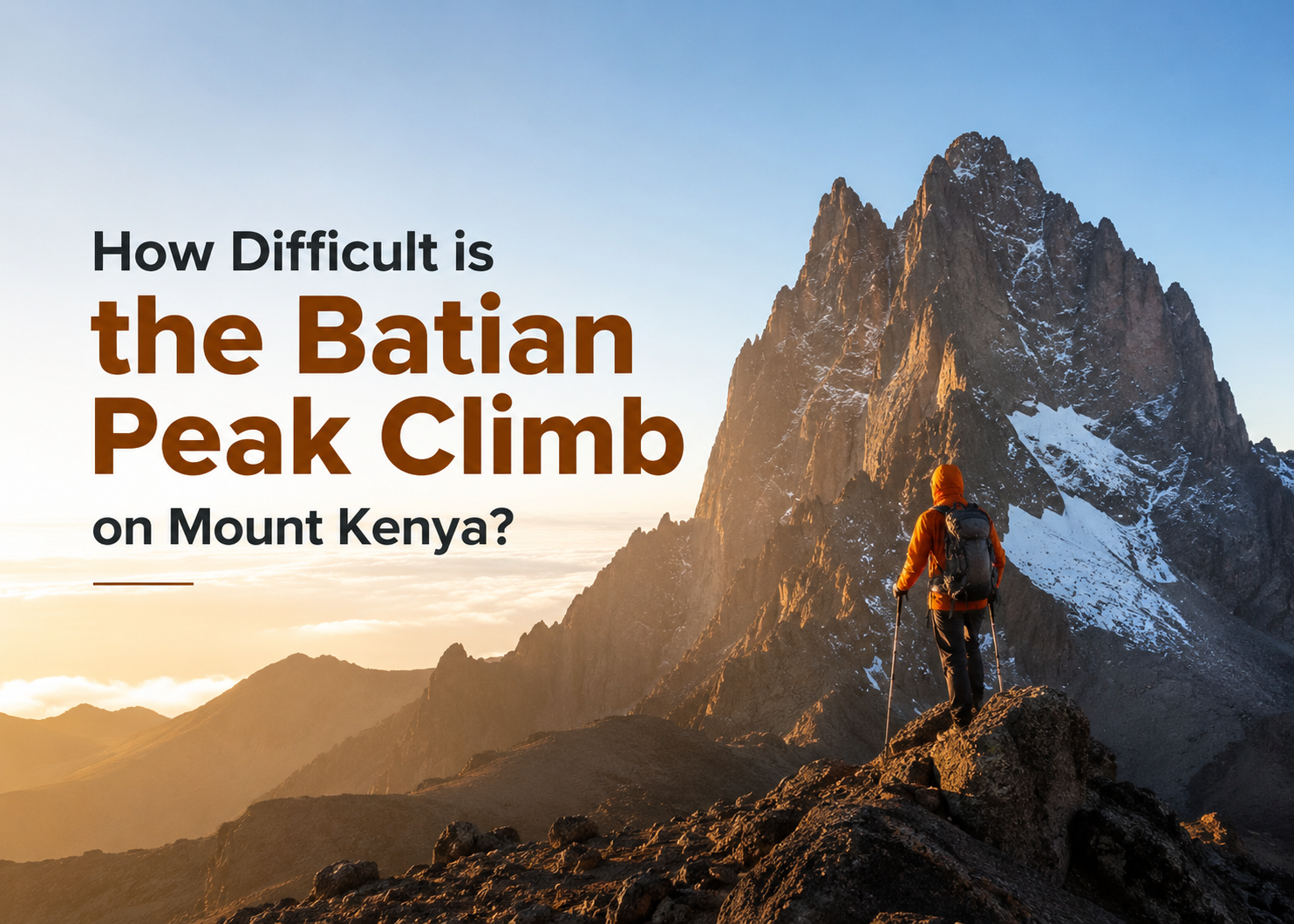
Mount Kenya stands as one of Africa’s most respected alpine climbing destinations. While thousands of trekkers visit Point Lenana every year, only a smaller number attempt the legendary Batian summit. Rising to 5,199 meters, Batian is the highest peak on Mount Kenya and demands far more than physical endurance. It requires technical climbing skills, mental strength, altitude adaptation, and proper planning.

For climbers searching for a serious alpine challenge in Africa, the Batian Climb Mount Kenya experience delivers steep rock faces, unpredictable weather, exposed routes, and breathtaking scenery. It is not a casual hiking trail. Batian rewards preparation, patience, and climbing competence.

Ice Rock Trekking has guided climbers through Mount Kenya’s rugged terrain for years, helping mountaineers understand what truly makes Batian one of Africa’s most respected technical climbs.

Why Batian Peak is Different from Point Lenana

Many travelers confuse Mount Kenya summits. Point Lenana is a trekking peak accessible without ropes or technical climbing. Batian, however, belongs in an entirely different category.

Batian involves:

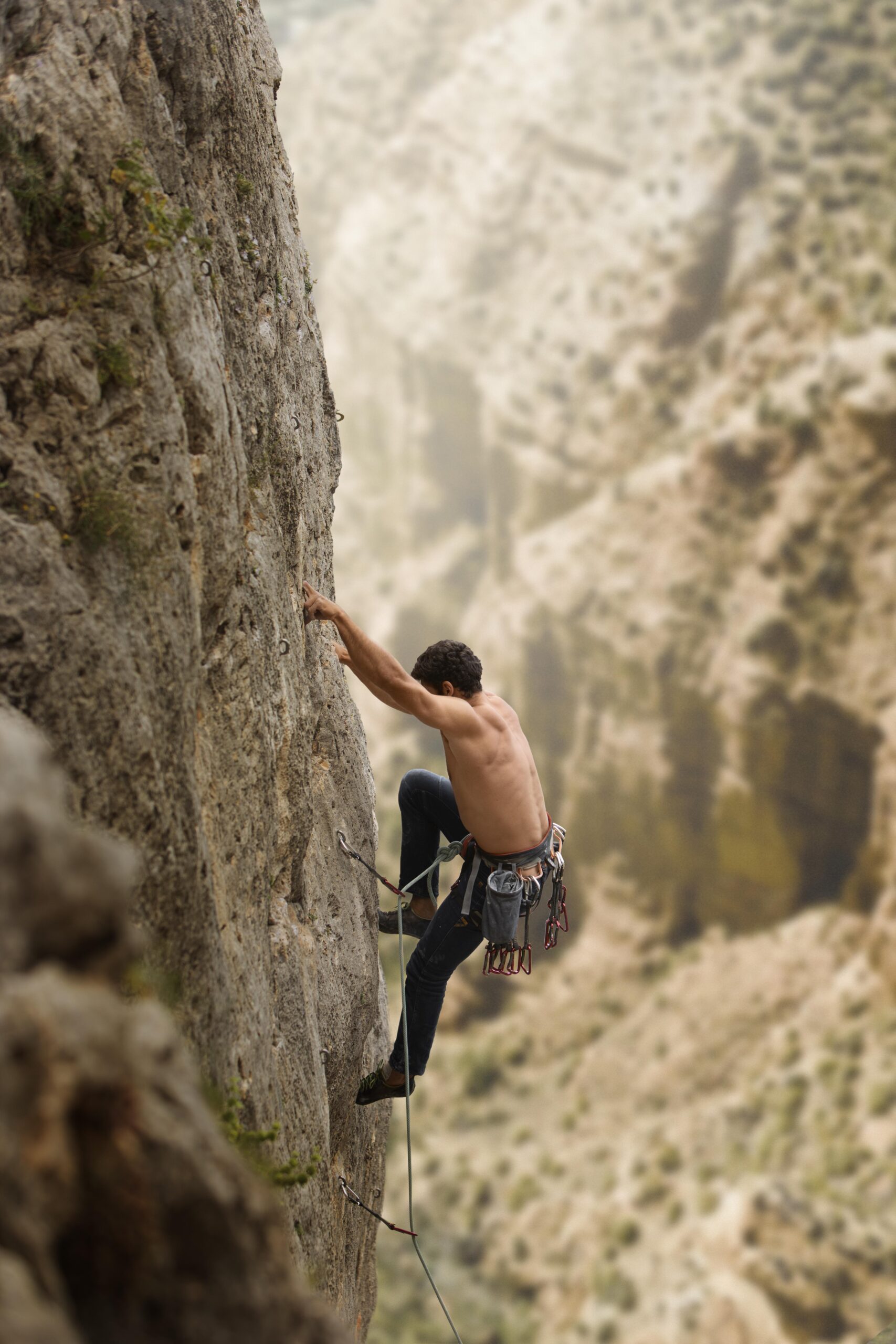
  • Multi-pitch rock climbing
  • Technical rope work
  • Route-finding challenges
  • Exposure to steep granite walls
  • High-altitude alpine conditions
  • Long summit days

Climbers often underestimate the transition from trekking to technical alpine climbing. Reaching Batian is not simply “harder hiking.” It is a mountaineering objective requiring real climbing ability.

Nelion, the second-highest summit at 5,188 meters, is also technical and frequently climbed alongside Batian through a gate crossing between the peaks.

The Technical Difficulty of Batian Peak

The standard Batian route is the North Face Standard Route. Climbers generally rate it around UIAA IV+ to V or approximately 5.6 to 5.7 in the Yosemite Decimal System. While those numbers may not sound extreme to experienced rock climbers, altitude and exposure make the climb significantly harder.

The difficulty comes from several combined factors:

Sustained Climbing Sections

Batian is not a short technical pitch. Climbers face many hours of continuous movement on granite terrain. Fatigue builds gradually, especially above 4,500 meters.

High Altitude

Oxygen levels decrease dramatically near the summit. Even experienced climbers feel slower and weaker. Simple movements require more energy.

Cold Conditions

Mount Kenya’s alpine zone becomes extremely cold before sunrise and during weather changes. Fingers lose sensitivity quickly, making rope handling difficult.

Route-Finding

The mountain is not always straightforward. Climbers must identify the correct chimneys, cracks, and traverses. Mistakes can cost time and energy.

Exposure

Several sections involve steep drops and narrow ledges. Mental focus becomes just as important as technical skill.

For many climbers, Batian is harder psychologically than physically.

Is Batian Peak Suitable for Beginners?

The honest answer is no.

The Batian Climb Mount Kenya route is not recommended for first-time climbers with zero technical experience. A beginner trekker may successfully reach Point Lenana but struggle severely on Batian.

Before attempting Batian, climbers should ideally have:

  • Basic rock climbing experience
  • Knowledge of belaying and rappelling
  • Confidence using climbing harnesses and helmets
  • Experience with multi-pitch routes
  • Good cardiovascular endurance
  • Previous altitude exposure

However, climbers do not need to be elite athletes or professional mountaineers. Strong intermediate climbers with preparation can successfully summit.

Ice Rock Trekking often advises climbers to gain outdoor rock experience before booking a Batian expedition. Indoor gym climbing helps, but real outdoor exposure provides better preparation.

Weather Makes the Climb More Difficult

Mount Kenya weather changes rapidly. Clear mornings can become stormy afternoons within hours.

Rain transforms granite into slippery rock. Mist reduces visibility. Wind increases exposure and cold stress.

The best climbing seasons are generally:

  • January to March
  • July to October

Even during favorable seasons, conditions can shift unexpectedly.

Bad weather creates several risks:

  • Wet climbing surfaces
  • Delayed summit attempts
  • Hypothermia
  • Reduced visibility
  • Falling rock hazards

Many failed summit attempts happen because of weather rather than lack of strength.

Altitude Challenges on Batian

Altitude affects every climber differently. Some strong athletes struggle heavily above 4,000 meters, while others adapt quickly.

Common altitude symptoms include:

  • Headaches
  • Nausea
  • Fatigue
  • Shortness of breath
  • Poor sleep
  • Dizziness

Without proper acclimatization, the Batian Climb Mount Kenya route becomes far more dangerous.

A rushed itinerary increases the risk of Acute Mountain Sickness (AMS). Climbers should spend extra days acclimatizing whenever possible.

Most successful Batian climbers spend several days trekking before summit day.

The Length of Summit Day

Batian summit day is long and exhausting.

Climbers often begin before dawn and remain on technical terrain for many hours. The duration depends on:

  • Weather
  • Team pace
  • Route conditions
  • Experience level
  • Rope management efficiency

A typical summit push may take 10 to 15 hours round trip.

Physical exhaustion becomes a major factor during descent. Many accidents occur after summiting because climbers lose focus while tired.

Good pacing is essential.

Mental Strength Matters More Than Many Expect

Technical climbing ability alone does not guarantee success. Batian tests emotional control and decision-making under pressure.

Exposure, fatigue, altitude, and changing weather can overwhelm climbers mentally.

Strong climbers sometimes turn back because of fear or exhaustion.

Important mental qualities include:

  • Patience
  • Calmness
  • Focus
  • Adaptability
  • Confidence
  • Team communication

A climber who remains composed during difficult sections often performs better than someone relying only on physical strength.

Training for Batian Peak

Proper preparation dramatically improves summit chances.

Cardiovascular Training

Long hikes, stair climbing, cycling, and running help develop endurance for high-altitude movement.

Strength Training

Leg strength is essential for steep approaches and descents. Core strength improves climbing stability.

Rock Climbing Practice

Outdoor climbing experience helps climbers become comfortable on granite walls and exposed terrain.

Endurance Hiking

Long mountain hikes with a loaded backpack simulate summit-day fatigue.

Altitude Preparation

If possible, climbers should spend time at elevation before attempting Batian.

Consistency matters more than extreme workouts.

Equipment Required for Batian Climb Mount Kenya

Technical climbing requires specialized equipment.

Common gear includes:

  • Climbing harness
  • Helmet
  • Climbing shoes
  • Warm alpine clothing
  • Waterproof shell
  • Gloves
  • Headlamp
  • Carabiners
  • Ropes
  • Sleeping bag
  • Mountaineering backpack

Professional operators like Ice Rock Trekking usually provide shared technical gear while climbers bring personal equipment.

Quality gear becomes critical in cold alpine conditions.

How Dangerous is Batian Peak?

Batian is challenging but manageable with proper guidance and preparation.

The primary dangers include:

  • Altitude sickness
  • Falls
  • Weather exposure
  • Loose rock
  • Fatigue
  • Navigation mistakes

Most incidents happen when climbers underestimate the mountain or attempt it without adequate experience.

Guided climbs significantly improve safety because local mountain guides understand:

  • Weather patterns
  • Route conditions
  • Emergency procedures
  • Technical sections
  • Safe pacing

Mount Kenya deserves respect. Batian is not a mountain for shortcuts or rushed planning.

Comparing Batian to Kilimanjaro

Many climbers compare Mount Kenya and Kilimanjaro, but the climbs differ completely.

Kilimanjaro

  • Trekking peak
  • Non-technical
  • Primarily endurance-based
  • Walking only
  • Higher altitude

Batian Peak

  • Technical alpine climb
  • Requires rope systems
  • Steep rock climbing
  • Greater exposure
  • More technical risk

A climber who successfully summits Kilimanjaro may still struggle on Batian without technical experience.

Batian demands a broader mountaineering skill set.

The Most Common Reasons Climbers Fail

Several patterns appear repeatedly among unsuccessful summit attempts.

Poor Acclimatization

Rushing the climb causes altitude problems.

Lack of Technical Experience

Climbers unfamiliar with rock movement lose time and confidence.

Weather Changes

Rain and storms frequently force retreat.

Inadequate Fitness

Summit day becomes extremely difficult without endurance conditioning.

Fear of Exposure

Some climbers freeze on exposed sections.

Poor Gear Choices

Cold hands, wet clothing, or improper footwear create major problems.

Preparation reduces these risks significantly.

How Long Does the Full Expedition Take?

Most Batian expeditions require 4 to 6 days depending on the chosen route and acclimatization schedule.

Popular approach routes include:

  • Sirimon Route
  • Chogoria Route
  • Naro Moru Route

Many climbers combine Sirimon ascent with Chogoria descent for scenic variation.

A slower itinerary usually improves summit success.

Why Climbers Love Batian Despite the Difficulty

The challenge itself attracts mountaineers from around the world.

Batian offers:

  • True alpine climbing in Africa
  • Incredible granite formations
  • Dramatic scenery
  • Less crowded routes
  • Technical satisfaction
  • Unique mountain culture

The summit experience feels deeply earned.

Unlike trekking peaks where large crowds gather, Batian remains selective. Every successful ascent reflects commitment and preparation.

For many climbers, Batian becomes one of the most memorable alpine experiences of their lives.

Choosing the Right Climbing Partner

A reliable expedition operator plays a major role in safety and success.

When selecting a climbing company, climbers should look for:

  • Certified mountain guides
  • Technical climbing experience
  • Strong safety standards
  • Local route knowledge
  • Proper rescue planning
  • Good acclimatization schedules

Ice Rock Trekking focuses on personalized Mount Kenya climbing experiences with experienced local teams who understand the demands of Batian.

Experienced guidance reduces unnecessary risks and improves climber confidence on technical sections.

Final Thoughts

So, how difficult is the Batian Peak climb on Mount Kenya?

It is demanding, technical, mentally intense, and physically exhausting. Batian is far more than a trekking adventure. The mountain challenges climbers through altitude, exposure, weather, and sustained granite climbing.

Yet for prepared climbers, the Batian Climb Mount Kenya experience becomes one of Africa’s most rewarding alpine achievements.

Success depends less on extreme athleticism and more on smart preparation, patience, technical ability, and proper acclimatization.

Batian is not the easiest summit in Africa, and that is exactly why mountaineers respect it so deeply.
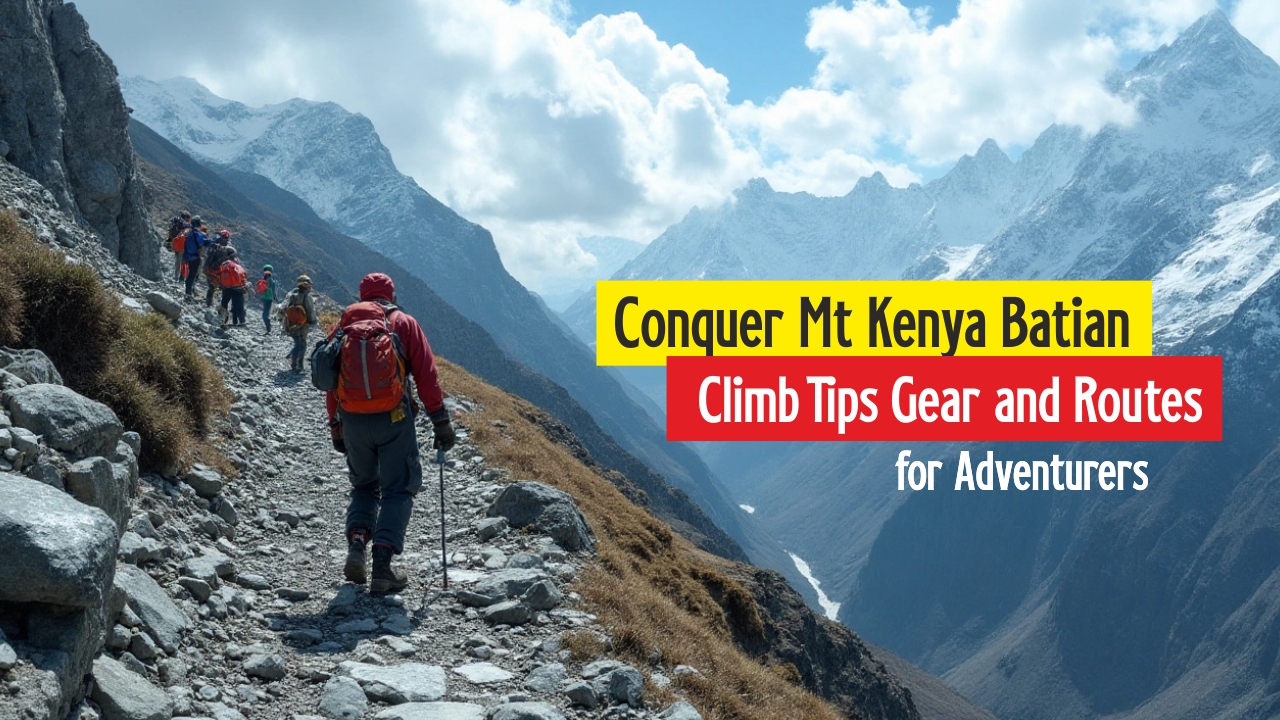
Mt Kenya Batian Climb

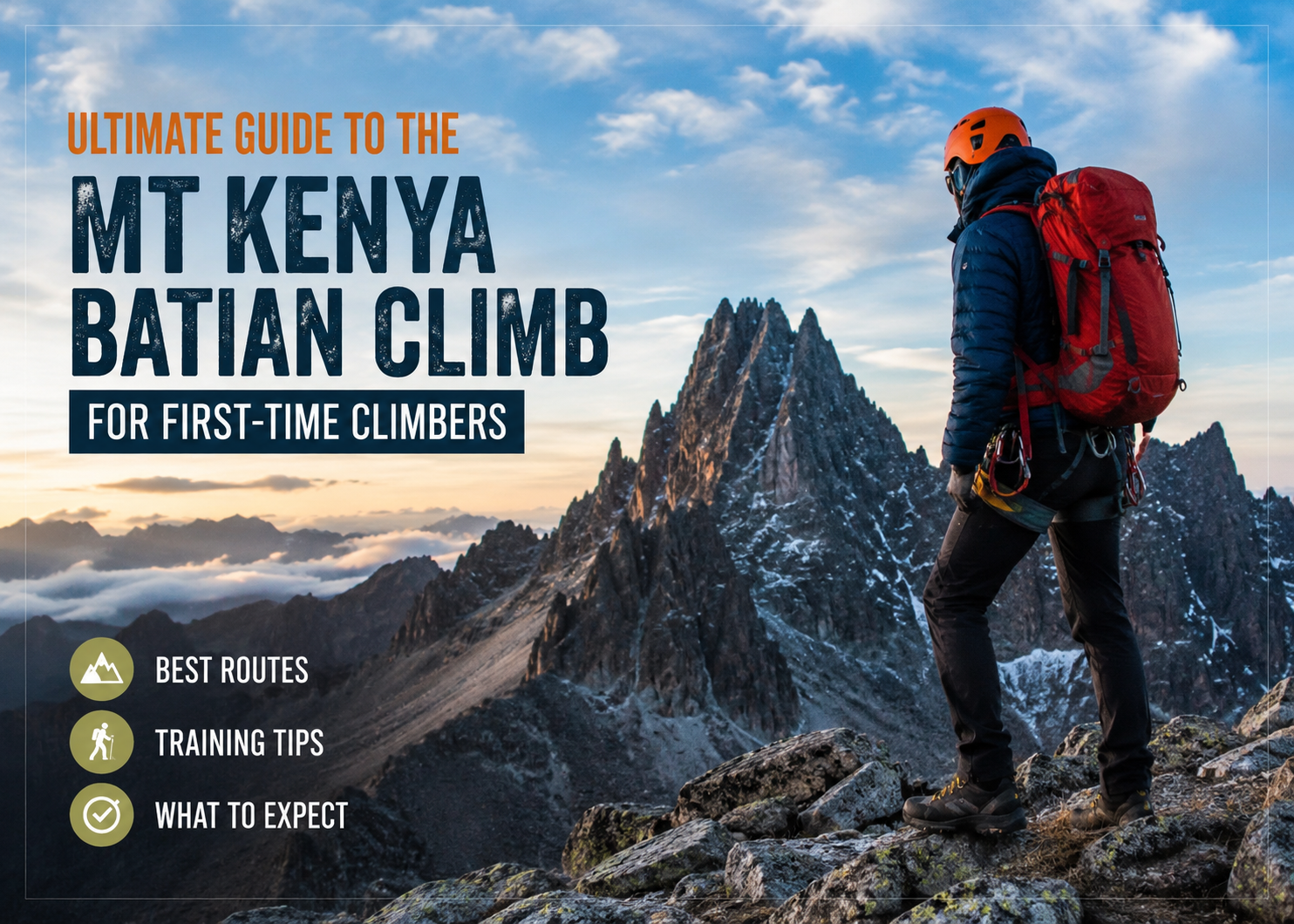
The Mt Kenya Batian Climb stands among Africa’s most rewarding alpine adventures. Rising dramatically above the rugged peaks of Mount Kenya, Batian is the highest summit on the mountain at 5,199 meters. For climbers seeking technical rock climbing, breathtaking scenery, and a true mountaineering challenge, Batian offers an unforgettable experience.

Unlike trekking peaks where hikers can walk to the top, Batian demands climbing skills, mental strength, endurance, and proper preparation. The journey combines glacier-carved valleys, towering granite walls, dramatic ridges, and rapidly changing mountain weather. Every section of the climb feels raw, adventurous, and deeply rewarding.

At Ice Rock Trekking, climbers from across the globe prepare for successful ascents with experienced local guides, climbing support, and customized expedition planning. Whether you are transitioning from trekking to technical climbing or aiming for your first African alpine summit, proper preparation makes all the difference.

Why the Mt Kenya Batian Climb Attracts Climbers Worldwide

The appeal of the Mt Kenya Batian Climb lies in its unique combination of technical climbing and high-altitude adventure. Batian differs significantly from Kilimanjaro because it requires real mountaineering techniques rather than simple trekking.

Climbers are drawn to Batian because of:

  • Technical granite climbing routes
  • Spectacular alpine scenery
  • Less crowded routes compared to other African peaks
  • Exciting summit exposure
  • Strong sense of achievement
  • Challenging but accessible alpine climbing experience

Batian is often considered one of Africa’s finest alpine rock climbs. The summit delivers panoramic views over Kenya’s valleys, glaciers, rocky towers, and wilderness landscapes.

For many first-time technical climbers, Batian becomes a stepping stone toward larger mountaineering goals worldwide.

Understanding the Peaks of Mount Kenya

Before attempting the Mt Kenya Batian Climb, it is important to understand the mountain’s main peaks.

Batian Peak

Batian is the highest summit at 5,199 meters. It requires technical climbing skills and proper mountaineering equipment.

Nelion Peak

Nelion stands slightly lower at 5,188 meters and is also a technical climb. Many climbers cross between Batian and Nelion through the famous Gate of the Mists.

Point Lenana

Point Lenana is the trekking summit reached without technical climbing. Many trekkers stop here, while experienced climbers continue toward Batian.

The Batian ascent usually involves multi-pitch rock climbing, rope systems, and careful route navigation.

Best Time for the Mt Kenya Batian Climb

Weather conditions heavily influence climbing success on Mount Kenya. Climbers should aim for dry seasons when rock conditions are safer and visibility improves.

Ideal Climbing Seasons

  • January to March
  • July to October

These months generally offer:

  • More stable weather
  • Reduced rainfall
  • Better rock grip
  • Clear summit conditions
  • Lower risk of storms

Rain can make granite surfaces dangerously slippery. Ice formation and freezing temperatures may also increase technical difficulty.

Even during dry months, mountain weather can shift rapidly. Proper clothing and flexible planning remain essential.

Fitness Requirements for First-Time Climbers

The Mt Kenya Batian Climb demands excellent physical conditioning. Climbers should prepare several months in advance.

Essential Fitness Areas

Cardiovascular Endurance

Long hiking days at altitude require strong stamina. Activities like running, cycling, swimming, and hiking improve endurance.

Strength Training

Core stability, leg strength, and upper body conditioning help during technical climbing sections.

Altitude Adaptation

The thin air above 5,000 meters affects breathing and energy levels. Acclimatization days improve summit success.

Mental Toughness

Batian requires focus, patience, and confidence under exposure.

Many first-time climbers underestimate the mental aspect of alpine climbing. Weather changes, steep drops, and long summit days can test determination.

Technical Skills Needed

The Mt Kenya Batian Climb is not suitable for complete beginners without climbing experience. Basic technical climbing knowledge is highly recommended.

Helpful Skills Include

  • Rope handling
  • Belaying
  • Rappelling
  • Multi-pitch climbing basics
  • Use of climbing harness and helmet
  • Rock climbing movement techniques

Climbers with indoor climbing experience often adapt well after proper mountain training.

At Ice Rock Trekking, experienced guides help first-time alpine climbers understand mountain safety systems and climbing procedures.

Popular Routes to Batian

Several routes lead to Batian Peak, but some are more suitable for first-time climbers.

North Face Standard Route

This is the most popular route during dry conditions. It includes moderate technical sections and relatively straightforward navigation.

Advantages include:

  • More established climbing line
  • Better route visibility
  • Easier descent logistics
  • Suitable for intermediate climbers

South-East Face Route

This route is more technical and often preferred by experienced mountaineers seeking additional challenges.

Sirimon and Chogoria Approaches

The trekking approach to the base of Batian usually begins through:

  • Sirimon Route
  • Chogoria Route

Both offer stunning scenery and acclimatization opportunities.

Acclimatization and Altitude Management

Altitude sickness can affect even experienced climbers. The body needs time to adapt to reduced oxygen levels.

Common Altitude Symptoms

  • Headache
  • Nausea
  • Fatigue
  • Dizziness
  • Shortness of breath

Acclimatization Tips

  • Climb gradually
  • Stay hydrated
  • Avoid alcohol before climbing
  • Eat high-energy meals
  • Take rest days when necessary

Many climbers spend several days trekking before summit attempts to improve adaptation.

Essential Gear for the Mt Kenya Batian Climb

Carrying the right gear improves safety, comfort, and climbing performance.

Clothing

  • Waterproof shell jacket
  • Insulated down jacket
  • Thermal base layers
  • Climbing pants
  • Warm gloves
  • Wool socks
  • Sun hat and beanie

Technical Equipment

  • Climbing harness
  • Helmet
  • Carabiners
  • Climbing rope
  • Belay device
  • Headlamp
  • Mountaineering boots

Additional Essentials

  • Sunglasses
  • Sunscreen
  • Water bottles
  • Energy snacks
  • First aid kit

Professional guiding companies often provide group climbing equipment, but personal gear should fit properly and remain reliable.

What a Typical Climbing Itinerary Looks Like

A standard Mt Kenya Batian Climb generally takes 5 to 7 days.

Day 1 – Arrival and Preparation

Climbers arrive, organize equipment, and meet guides.

Day 2 – Trek to Mountain Camp

The trek begins through forest and moorland zones.

Day 3 – Acclimatization Hike

Climbers gain altitude gradually while adapting physically.

Day 4 – Base Camp Preparation

Technical briefing and rest before summit push.

Day 5 – Summit Day

Early morning ascent toward Batian Peak.

Day 6 – Descent

Return through scenic trekking routes.

Day 7 – Departure

Recovery and travel arrangements.

Some itineraries may vary depending on weather and climber experience.

Challenges First-Time Climbers Face

The Mt Kenya Batian Climb can feel demanding for newcomers to alpine mountaineering.

Common Difficulties

Weather Changes

Conditions may shift from sunshine to freezing fog within hours.

Altitude Fatigue

Reduced oxygen slows movement and recovery.

Exposure

Steep drop-offs can feel intimidating.

Technical Sections

Climbers may encounter unfamiliar rock movements.

Long Summit Days

Physical endurance becomes critical during final ascent sections.

Working with experienced mountain guides greatly improves safety and confidence.

Safety Considerations on Mount Kenya

Safety should always remain the top priority during alpine climbing.

Important Safety Measures

  • Hire certified guides
  • Monitor weather forecasts
  • Use proper climbing equipment
  • Maintain hydration
  • Follow acclimatization schedules
  • Avoid rushing the ascent

Experienced local operators understand mountain conditions and emergency procedures.

At Ice Rock Trekking, climber safety, route planning, and responsible mountaineering practices remain central to every expedition.

Wildlife and Scenic Beauty Along the Route

Beyond technical climbing, Mount Kenya offers extraordinary natural beauty.

Climbers often encounter:

  • Giant lobelias
  • Senecio plants
  • Mountain hyrax
  • Eagles and alpine birds
  • Stunning glacial valleys

The changing landscapes create a remarkable contrast between rain forest, moorland, alpine desert, and rocky summit zones.

Photography enthusiasts frequently consider Mount Kenya one of Africa’s most photogenic mountain environments.

Cost of the Mt Kenya Batian Climb

Climbing costs vary depending on:

  • Expedition length
  • Group size
  • Guide experience
  • Equipment rental
  • Accommodation choices
  • Transport arrangements

A professional expedition package usually includes:

  • Park fees
  • Mountain guides
  • Porters
  • Meals
  • Camping support
  • Safety equipment

Choosing reliable operators may cost more initially but significantly improves safety and climbing success.

How to Prepare Mentally for the Climb

Mental preparation is often overlooked during mountaineering planning.

Effective Mental Preparation Includes

  • Setting realistic expectations
  • Training consistently
  • Learning basic climbing skills
  • Understanding mountain risks
  • Building patience and focus

Weather delays, slow progress, and physical fatigue are normal parts of alpine climbing.

Successful climbers remain adaptable rather than overly focused on summit timelines.

Why Guided Expeditions Matter

The Mt Kenya Batian Climb involves route-finding, technical climbing systems, and mountain safety knowledge.

Professional guides help climbers with:

  • Rope management
  • Navigation
  • Weather assessment
  • Emergency response
  • Pace control
  • Technical climbing support

For first-time climbers, guided support reduces stress and improves the overall experience.

Ice Rock Trekking provides experienced mountain teams familiar with Batian changing conditions, climbing routes, and altitude management strategies.

Sustainable Climbing Practices

Protecting Mount Kenya’s environment remains essential for future climbers.

Responsible Climbing Tips

  • Carry out all waste
  • Avoid damaging vegetation
  • Respect wildlife habitats
  • Use eco-friendly camping practices
  • Stay on established routes

Responsible tourism helps preserve the fragile alpine ecosystem.

Final Thoughts on the Mt Kenya Batian Climb

The Mt Kenya Batian Climb offers far more than a mountain summit. It combines adventure, technical climbing, endurance, and breathtaking natural beauty into one unforgettable expedition.

For first-time climbers, preparation becomes the key to success. Strong fitness, proper acclimatization, reliable gear, and experienced guides all contribute to a safer and more rewarding climb.

Batian challenges both body and mind while delivering one of Africa’s most remarkable alpine experiences. Every section of the mountain reveals dramatic scenery, thrilling exposure, and a deep sense of accomplishment.

With professional planning and expert support from Ice Rock Trekking, climbers can approach Mount Kenya with confidence and fully experience the excitement of reaching Batian Peak.

Mt Kenya Batian climb

For thrill-seekers and experienced mountaineers, the Mt Kenya Batian climb represents one of Africa’s ultimate climbing challenges. Batian, standing tall at 5,199 meters, is the highest peak of Mt Kenya and demands technical climbing skills, proper planning, and an adventurous spirit. Unlike its more accessible neighbor, Point Lenana, which can be trekked by fit hikers, Batian requires ropes, harnesses, and a deep respect for alpine climbing conditions. Ice Rock Trekking has years of experience guiding climbers to the summit safely, making this climb an unforgettable adventure.

Understanding the Mt Kenya Batian Terrain

Batian terrain is a mix of rugged rock faces, alpine ridges, and narrow escarpments. Climbers face vertical rock walls, loose scree, and unpredictable weather, which can shift from bright sun to icy winds within hours. The mountain’s volcanic origins have created dramatic cliffs and jagged spires, making route selection a critical aspect of the climb. Knowledge of the terrain is essential for assessing risk points and ensuring safety while ascending.

Choosing the Best Routes

Several established routes lead to the summit of Batian, each with its own challenges and rewards. The most popular ones include the Sirimon, Naro Moru, and Chogoria routes, which all converge towards the technical climbing sections near the peak.

  1. Sirimon Route– Favored by many for its gradual approach to the alpine zone, the Sirimon route allows climbers to acclimatize effectively. Starting from Sirimon Gate, the route passes through verdant forests and moorlands, offering stunning views of Mount Kenya’s northern slopes. The final ascent towards Batian involves technical rock climbing, often requiring fixed ropes and careful navigation.
  2. Naro Moru Route– Known for its steepness and direct approach, Naro Moru is faster but more physically demanding. Climbers experience a rapid change in altitude, which can pose acclimatization challenges. The vertical rock faces in the upper sections require climbers to be proficient in both traditional and aid climbing techniques.
  3. Chogoria Route– Ideal for climbers who appreciate scenic beauty, Chogoria offers spectacular views of Gorges Valley and Lake Michaelson. While longer than other routes, it provides a gradual gain in altitude before reaching the technical climbing sections, making it suitable for climbers with intermediate rock climbing experience.

Essential Gear for Mt Kenya Batian Climb

Success on Batian relies heavily on having the right equipment. Ice Rock Trekking emphasizes climbers carry gear that ensures safety without unnecessary weight.

  • Climbing Harness and Ropes– Essential for vertical rock faces. Ropes should be dynamic to absorb falls, and climbers must know basic knot-tying skills.
  • Helmet and Protective Gear– Falling rocks are a real hazard. Helmets, gloves, and knee protection are crucial for reducing injury risks.
  • Climbing Shoes and Boots– Hybrid approach shoes work well for mixed terrain; crampons may be needed for icy patches.
  • Layered Clothing– Weather at high altitudes can be unpredictable. Thermal base layers, insulating mid-layers, and waterproof outer shells are vital.
  • Backpack Essentials– Water, high-energy snacks, headlamps, first aid kits, and navigation tools should never be overlooked.

Ice Rock Trekking recommends a pre-climb gear check and practical training to familiarize climbers with their equipment under real conditions.

Acclimatization and Physical Preparation

Batian altitude makes acclimatization a key factor for success. Climbers are encouraged to spend several days ascending gradually, allowing their bodies to adapt to thinner air. Common strategies include overnight stops at Mackinder Camp or Shipton Camp, which provide both shelter and a chance to adjust to altitude.

Physical conditioning is equally important. Climbers should focus on strength training, endurance, and flexibility. Exercises like stair climbing, weighted hiking, and core strengthening are particularly beneficial. Mental preparation is just as vital, as climbers will face moments of exhaustion and challenging weather conditions.

Safety Considerations

Safety cannot be overstated. Avalanches, sudden storms, and rockfalls are real dangers on Batian. Climbers should monitor weather forecasts closely and be prepared to turn back if conditions deteriorate. Ice Rock Trekking prioritizes safety with experienced guides, established fixed ropes on technical sections, and emergency evacuation plans.

Climbers must also be aware of the environmental regulations set by Mt Kenya National Park authorities. These regulations help preserve the fragile alpine ecosystem while ensuring climber safety. Minimizing waste, sticking to marked trails, and avoiding damage to endemic flora are mandatory practices.

Timing Your Climb

The best periods for the Mt Kenya Batian climb are during the dry seasons, typically from January to March and August to October. These months offer more stable weather, reduced rainfall, and clearer skies, which are crucial for safe climbing and better summit visibility. Attempting Batian during the rainy season increases risk factors such as slippery rocks, high winds, and poor visibility, making the ascent more dangerous.

Summit Experience

Reaching Batian summit is a rewarding experience, offering panoramic views over Mt Kenya’s rugged peaks, glacial valleys, and highland forests. The climb culminates in a sense of accomplishment and offers unique photographic opportunities that capture the mountain’s dramatic beauty. Climbers often describe the moment on the summit as transformative, where effort, skill, and perseverance meet the raw majesty of nature.

Post-Climb Recovery and Reflection

After descending, proper recovery is essential. Hydration, nutrient-rich meals, and rest are critical to replenish energy reserves. Reflection on the climb helps climbers analyze their experience, assess their performance, and plan future ascents. Many adventurers find that the lessons learned on Batian—patience, precision, and resilience—enhance not only their climbing skills but also their approach to challenges in everyday life.

Partnering with Experienced Guides

Working with experienced climbing organizations like Ice Rock Trekking greatly increases the chances of a successful summit. Our team provides technical support, route planning, and emergency response, allowing climbers to focus on the adventure. From route selection to acclimatization strategies and equipment advice, having expert guidance is invaluable on a climb of this magnitude.

Final Thoughts

The Mt Kenya Batian climb is not just a physical challenge; it is a test of endurance, skill, and determination. Proper preparation, respect for the mountain, and expert guidance make the difference between a memorable adventure and unnecessary risk. For climbers seeking to push boundaries, embrace the wilderness, and conquer Africa’s second-highest peak, Batian offers a journey that is as rewarding as it is demanding.

Ice Rock Trekking ensures that every climber experiences the thrill of the ascent safely, equipped with knowledge, skill, and confidence to take on Batian heights. For those ready to embrace the ultimate mountaineering challenge, Batian awaits.

Mount Kenya feels like a world apart. Its highest summits, Batian, Nelion, and Point Lenana, rise above forests and clouds. For many climbers, Nelion is the true prize. At 5,188 meters, Nelion is not just a long hike. It’s a technical climb that tests your skills and patience. If you’re planning to stand on this peak, good preparation is key. Here are some practical tips to help you get ready and climb safely.

What Makes Nelion Different?

Unlike Point Lenana, which trekkers reach without ropes, Nelion needs technical skill. The route up the South-East Face has about 18 pitches on solid granite.

Some parts feel like easy scrambling, while others are steep and exposed. Snow or ice can cover sections near the summit. You have to be steady and comfortable with heights. Because fewer people attempt Nelion, it feels more remote. The mountain demands respect.

Best Time to Climb

Weather matters here. The best months are July through early September. Conditions are drier, and the rock stays safer. January and February can also be good. But storms pop up fast. Clear skies in the morning can vanish by noon. Always build a few spare days into your plan. Waiting out bad weather is part of the experience.

Skills You Need

Nelion isn’t a place to learn basic climbing. Before you go, be sure you can:

  • Climb multi-pitch routes confidently
  • Place gear and set anchors
  • Belay safely in exposed spots
  • Rappel without stress
  • Move on snow if needed

If you’re unsure about any of these, spend time with a guide or take a course first. It’s worth it.

Fitness Counts

Even skilled climbers can struggle without fitness. You’ll be moving all day at high altitude with a pack on your back. Three months before your trip, start training:

  • Go on long hikes with a loaded backpack
  • Run, cycle, or swim for cardio
  • Do leg and core exercises
  • Practice climbing on real rock

The fitter you are, the safer and more enjoyable the climb will feel.

Acclimatize Slowly

Altitude can sneak up on you. Even if you’re strong, you may feel tired, dizzy, or sick. Take your time going up:

  • Day 1: Hike to Old Moses Camp (3,300 m)  
  • Day 2: Walk to Shipton’s Camp (4,200 m)
  • Day 3: Rest and take short walks higher
  • Day 4: Move to Austrian Hut (4,790 m)
  • Day 5: Summit day

Drink plenty of water. Eat well. If you feel unwell, stop and rest. Listen to your body.

Hire a Guide You Trust

You don’t have to climb Nelion with a guide. But most people do, and it’s a smart choice.

A local guide knows:

  • The route’s hidden anchors
  • When the weather is turning
  • How to adjust the plan safely

Ask your guide about their experience. Make sure you feel comfortable with their style. A good guide makes the climb safer and more enjoyable.

What to Pack

Here’s a simple checklist to help you get ready:

  • Clothes:
  • Thermal base layers
  • Warm fleece or jacket
  • Down jacket
  • Waterproof shell
  • Hat and gloves

Footwear:

  • Mountaineering boots
  • Approach shoes

Climbing Gear:

  • Helmet
  • Harness
  • Belay device
  • Carabiners
  • Crampons (if needed)
  • Ice axe (sometimes helpful)

Other:

  • Sunglasses
  • Sunscreen
  • Headlamp
  • Water bottles
  • High-energy snacks
  • First aid kit

Ask your guide what gear they provide so you don’t pack too much.

Know the Route

Most people climb the South-East Face Normal Route. It starts from the Austrian Hut and follows granite pitches to the top. You’ll cross sections of snow or ice if conditions call for it. Many climbers reach the summit and rappel down in one long day. Some prefer to bivouac near the top. Talk to your guide about which plan fits you best. Moving too fast or too slow can be risky.

Manage the Descent

Many accidents happen on the way down. Fatigue, cold hands, and fading light make rappelling tricky. Take your time. Double-check anchors and knots. Communicate clearly with your guide or partner. If you start early, you’ll have daylight for most of the descent.

Eat and Drink Often

High altitude and long hours burn energy fast. Bring snacks you like and will eat even when tired. Sip water regularly. Dehydration increases the risk of altitude sickness. Small, steady meals keep your strength up all day.

Watch the Weather

Always keep an eye on the sky. If you see clouds building or feel the wind shift, be ready to change plans. Mount Kenya’s weather can turn quickly. Respect it. No summit is worth pushing into a storm.

Use a Simple Schedule

Here’s a sample six-day plan:

Day 1: Drive to Sirimon Gate, hike to Old Moses Camp
 Day 2: Trek to Shipton’s Camp
 Day 3: Rest and acclimatize
 Day 4: Hike to Austrian Hut
 Day 5: Summit attempt
 Day 6: Descend and return to Nairobi

Add extra days if you can. Flexibility helps you stay safe.

Stay Calm and Focused

Nelion requires patience. Break the climb into small parts. Focus on the next pitch instead of thinking about the summit. When you feel overwhelmed, take a breath. Look around. The mountain is beautiful. Staying present helps you climb better and keeps your mind steady.

Respect Your Limits

If you feel sick or exhausted, stop. Rest. If symptoms don’t improve, go down. Trust your instincts. Pushing too far is dangerous. Remember, turning back is smart, not failure.

Why Nelion Is Worth the Effort

Nelion is harder to reach than Point Lenana. That’s why it feels so rewarding. Standing on the summit, you’ll see Batian beside you and the plains stretching out below. The cold air and quiet stay with you long after you leave. It’s a climb that teaches you patience and respect. That’s what makes it special.

Final Thoughts

Climbing Nelion is no small goal. But with preparation and the right mindset, it’s an unforgettable adventure. Train well. Acclimatize slowly. Climb with people you trust. When you stand on top, you’ll know every step was worth it.

Mount Kenya is one of Africa’s most striking places. Its highest summit, Batian, rises to 5,199 meters. While many trekkers reach Point Lenana without ropes, Batian is in a different league. This climb demands skill, planning, and a steady mind.

If you’re thinking about taking it on, this guide will help you prepare. These tips cover everything from fitness to mindset, so you can stand on top feeling ready and proud.

Know What Makes Batian Unique

Most people think of Kilimanjaro when they picture African peaks. But Mount Kenya has a wilder feel. There are no big crowds here. The terrain changes constantly, from forests and moorlands to glaciers and steep granite walls.

Batian isn’t a trekking peak. The North Face Standard Route requires about 18 pitches of climbing. It’s graded around 5.9 (UIAA IV+), so you need to be comfortable on technical rock. Some parts are exposed, and the weather shifts quickly.

If you reach the summit, you’ll be part of a small group who have stood on Kenya’s highest point. That alone makes the effort worth it.

Choose the Right Time

The best months are July through early September. During this dry season, the rock stays cleaner and less icy. January and February can also be good, but you need to watch forecasts closely. Mount Kenya has its weather system. Storms can roll in within hours. Whenever you go, build flexibility into your schedule. Have an extra day or two in case you need to wait out poor conditions.

Train Well Before You Arrive

Many climbers underestimate how much fitness matters. Climbing at altitude with a heavy pack is different from a day hike. You’ll need strength, endurance, and balance.

About three months before your trip, start training. Work on:

  • Cardio: hiking, running, or cycling.
  • Strength: squats, lunges, and core exercises.
  • Climbing: practice on real rock, not just in the gym.
  • Carrying weight: train with a loaded pack.

The more you prepare, the more energy you’ll have to focus on each move instead of fighting fatigue.

Acclimatize Slowly

Altitude sickness can hit anyone. Even if you’re fit, your body needs time to adjust to thinner air.

Plan your approach carefully:

  • Day 1: Walk to Old Moses Camp (3,300 m).
  • Day 2: Hike to Shipton’s Camp (4,200 m).
  • Day 3: Rest, hydrate, and take short walks higher up.
  • Day 4: Start your summit push.

Use the climb-high, sleep-low method. It helps your body create more red blood cells and cope better with less oxygen.

Hire a Trusted Guide

While it’s legal to climb Batian without a guide if you’re qualified, most people don’t. A local guide knows the safest lines, hidden anchors, and how to read the mountain’s moods.

When you look for a guide, ask:

  • How often do you guide Batian?
  • What’s included in your service (gear, meals, porters)?
  • What happens if the weather turns bad?

A good guide is more than a leader. They’re your safety net and your teammate.

Bring the Right Gear

Batian demands a mix of mountaineering and technical climbing gear. Here’s a checklist to start:

       Clothing:

  • Warm base layers.
  • Insulating mid-layer.
  • A down jacket for camp and cold mornings.
  • Waterproof shell.
  • Gloves and a hat.

    Footwear:
  • Mountaineering boots that fit crampons.
  • Approach shoes if you prefer for the lower sections.

    Climbing Equipment:

  • Belay device.
  • Locking carabiners.
  • Ice axe and crampons.

    Other:

  • Sunglasses and sunscreen.
  • Headlamp with spare batteries.
  • Water bottles or a hydration bladder.
  • High-energy snacks.
  • A small first-aid kit.

Ask your guide what they provide. It helps avoid carrying extra weight.

Learn the Route

Most teams use the North Face Standard Route. It starts with a glacier approach, then climbs steep granite pitches. You’ll find exposed ridges and sections that feel endless.

Some parties summit and descend in one long day. Others bivouac near the top and finish the next morning. Talk with your guide about which plan fits your fitness and comfort. Moving too fast can drain you. Moving too slow can risk afternoon storms.

Keep Hydrated and Fed

Dehydration makes altitude sickness more likely. Sip water all day. Even when you don’t feel thirsty, drink. Pack snacks you like and will eat even when tired. Dried fruit, nuts, and energy gels work well. Eat small bites often to keep your energy up.

Watch the Weather

Mount Kenya’s weather changes fast. Clear skies at dawn can turn stormy by noon. Start early to give yourself more time. Keep an eye on clouds, wind, and temperature drops. If your guide suggests turning back, listen. No summit is worth risking your life.

Know Your Limits

Batian isn’t a place to push past warning signs. If you feel dizzy, nauseous, or confused, stop. Tell your guide if you feel unwell. Sometimes a short rest and water help. Other times, descending is the only safe option. Be honest about your energy and mindset. Pride should never come before safety.

Break the Climb Into Sections

Looking up at the whole route can feel overwhelming. Break the day into small parts:

  • Getting to the glacier.
  • Climbing the first pitches.
  • Reaching the notch.
  • Moving toward the summit.

Focus on one section at a time. You’ll stay calmer and more focused.

Use a Sample 6-Day Plan

Many climbers follow this schedule:

 Day 1: Drive from Nairobi to Sirimon Gate. Hike to Old Moses Camp.
 Day 2: Trek to Shipton’s Camp.
 Day 3: Rest and acclimatize.
 Day 4: Summit attempt via the North Face. Return to Shipton’s or bivouac.
 Day 5: Complete the descent.
 Day 6: Walk out and drive back to Nairobi.

Having extra days gives you a buffer for weather or acclimatization.

Final Thoughts

Batian is a serious climb. But with the right preparation, it’s an adventure you’ll never forget. Train hard, find a guide you trust, and stay humble on the mountain. When you stand on top, you’ll feel a mix of relief, joy, and pride that only comes from real effort. Mount Kenya waits for those who respect it. If you’re ready, it can show you something remarkable.

climbing Mt Kenya trekking

Mount Kenya is Africa’s second-highest mountain and a place full of rugged beauty. Many travelers know Kilimanjaro, but fewer make it here. That’s a big reason why climbing Batian feels so special. It’s not crowded. It’s raw. It asks a lot, and rewards you even more.

Batian rises to 5,199 meters. Unlike Point Lenana, which is a trekking peak, Batian is a technical climb. You’ll need skill, confidence, and good fitness. If you’re thinking about trying, this guide will help you get ready.

Why Batian Stands Apart

Batian isn’t just the highest point on Mount Kenya. It’s a climb that feels honest. No shortcuts. No easy trails to the top. You earn every meter. When you stand on Batian’s summit, you’ll see all three peaks, Batian, Nelion, and Lenana, together. You’ll look down on glaciers and far out over the plains. The view is as big as it gets.

Most of all, you’ll feel proud. Few people reach this point each year. It takes planning and heart.

The Normal Route

The North Face Standard Route is the most common way up. It’s graded about 5.9 (UIAA IV+). You’ll need to be comfortable climbing rock at that level.

The route has:

  • About 18 pitches of rock.
  • A glacier approach, depending on the season.
  • Big exposure in many spots.
  • Sections that can be hard to follow.

Most climbers do the route over two days. Some bivouac on the mountain, but it makes logistics more complex. 

Skills You Need:

Climbing Batian is very different from hiking to Point Lenana. This is a true alpine route with long pitches and real exposure. You can’t rely on a simple trail. Instead, you’ll need solid climbing skills, good balance, and confidence using ropes on steep rock. Even if you hire a guide, you must be prepared. Knowing what to expect helps you stay safe and enjoy this unique mountain challenge.

  • Multi-pitch rock climbing experience.
  • Knowledge of alpine rope work.
  • Good balance and confidence at height.
  • Strong fitness.

Even if you hire a guide, you’ll be moving all day. You’ll carry your gear, water, and snacks. Staying steady under pressure is key.

When to Climb?

The best months are July through September. The weather is more settled, and the rock is usually dry. January and February can also work, but storms are less predictable. Mount Kenya creates its weather. Clear mornings can turn stormy by noon. Try to build some flexibility into your plans in case you need to wait for safe conditions.

Permits and Guides

All climbers need a park permit. Fees are different for residents and visitors. Hiring a guide isn’t mandatory if you’re qualified, but most people do. Local guides know the mountain’s details, weather shifts, route choices, and safe camps. Look for a certified guide with a proven record on technical climbs here. Ask questions before you book.

Getting Used to the Altitude

Altitude is often the biggest surprise for climbers. Even fit people can feel tired fast if they don’t acclimate. A good approach:

  • Day 1: Hike to Old Moses Camp (3,300m).
  • Day 2: Trek to Shipton’s Camp (4,200m).
  • Day 3: Rest and take short walks to higher spots, then sleep low.

Spending a few days getting used to the elevation makes the climb safer and more enjoyable.

What to Pack?

This is a mixed route, rock, ice, and snow. You’ll need both mountaineering and climbing gear:

       Clothing:

  • Warm base layers.
  • A down jacket.  
  • Waterproof outer layer.
  • Hat and gloves.

    Footwear:

  • Mountaineering boots that fit crampons.
  • Approach shoes if you prefer for the lower sections.

    Climbing Gear:

  • Belay device.
  • Locking carabiners.
  • Crampons and ice axe.

    Other Essentials:

  • Headlamp and extra batteries.
  • Water bottles or a bladder.
  • High-energy snacks.
  • Personal first aid kit.  

Guides usually provide ropes and protection. Always check in advance. 

A Sample 6-Day Plan

Planning your days helps you move with confidence. Here’s a common six-day schedule many climbers use to acclimatize, climb Batian, and return safely. Many teams use a schedule like this:

Day 1: Drive from Nairobi to Sirimon Gate. Hike to Old Moses Camp.
Day 2: Trek to Shipton’s Camp.
Day 3: Acclimatize and prepare gear.
Day 4: Start early, climb Batian: return or bivouac.
Day 5: Finish descent to Shipton’s.
Day 6: Walk out and return to Nairobi.

Staying Safe

Climbing Batian is serious. A few simple habits keep you safer:

  • Listen to your guide.
  • Respect the weather.
  • Drink plenty of water.
  • Eat small snacks often.
  • Watch for signs of altitude sickness.

Turn back if you feel unwell or if conditions change fast. The mountain will be there another day.

Training Tips

You’ll enjoy the climb more if you train ahead.

  • Do cardio workouts, running, hiking, and cycling.
  • Practice rock climbing on real stone, not just a gym wall.
  • Learn or refresh rope systems and rappels.
  • Train with a weighted pack on long hikes.

Aim to build strength, stamina, and skill.

Batian vs. Lenana

Point Lenana is a popular trekking peak. It’s beautiful and much easier, no ropes needed. But it doesn’t feel as wild. Batian is different. Fewer people go there. You’ll need skills and focus. That’s part of what makes it special. If you’re ready for a real alpine climb, Batian is worth the work.  

Final Reflections

Batian is not just a climb. It’s a test of patience and preparation. But it’s also a place of calm beauty. The glaciers, the views, and the early morning light stay with you long after you leave. If you start with respect and train with purpose, you’ll be ready.

mount Kenya Batian climb

Climbing Batian Peak, the highest point in Mount Kenya, is an incredible adventure. It’s a challenging trek that requires some preparation. If you’re planning to climb Batian Peak, here’s a simple guide to help you get ready.

Gear: What You Need

  1. Hiking Boots

A good pair of hiking boots is a must. Choose boots that are waterproof and have strong ankle support. Make sure they are broken in before your climb to avoid blisters.

  1. Clothing
    Dress in layers. Start with a moisture-wicking base layer that keeps sweat away from your skin. Add an insulating layer, like a fleece or down jacket, for warmth. Finally, bring a waterproof and windproof outer layer. Weather on Batian Peak can change quickly, so be prepared for rain, wind, and cold temperatures.
  2. Backpack
    Your backpack should be comfortable and have enough space for your essentials. Aim for a pack with a capacity of 40-50 liters. It should fit well and not bounce around as you climb.
  3. Sleeping Bag
    A high-quality sleeping bag rated for cold temperatures is essential. Temperatures can drop below freezing, especially at higher altitudes.
  4. Trekking Poles
    Trekking poles can help with stability and reduce the strain on your knees, especially on steep sections.
  5. Safety Gear
    Bring a headlamp with extra batteries, a first-aid kit, and a multi-tool. A helmet is also recommended for protection against falling rocks.

Training: Get Ready Physically

  1. Build Stamina
    Start by increasing your cardiovascular fitness. Go for regular runs, bike rides, or swims. Aim for at least 30 minutes of exercise most days of the week. Hiking on hilly terrain can also be very beneficial.
  2. Strength Training
    Focus on building strength in your legs, core, and upper body. Exercises like squats, lunges, and planks can help. Strong legs and core will make climbing and carrying a pack easier.
  3. Practice Hiking
    Try to do some long hikes with a loaded backpack. This will help your body get used to the conditions you’ll face on the climb. If possible, practice on similar terrain to what you’ll encounter on Batian Peak.
  4. Acclimatization
    Batian Peak is high, so you’ll need to get used to the altitude. Plan to spend a few days at higher elevations before your climb to help your body adjust. This can prevent altitude sickness.

Tips: Make Your Climb Smooth

  1. Know the Route
    Familiarize yourself with the climbing route. Knowing what to expect can help you prepare mentally and avoid surprises. Research the trail and read about others’ experiences.
  2. Stay Hydrated
    Drink plenty of water before and during the climb. Staying hydrated helps with acclimatization and keeps your energy levels up.
  3. Eat Well
    Bring high-energy snacks and meals. Foods like nuts, energy bars, and dried fruits are great for quick energy. On the climb, eat small amounts frequently to keep your energy up.
  4. Pace Yourself
    Climbing Batian Peak is not a race. Take your time and listen to your body. If you feel tired, take breaks. Slow and steady wins the climb.
  5. Be Prepared for Weather
    Check the weather forecast before you go. Be ready for any changes and adjust your clothing accordingly.
  6. Follow Safety Protocols
    Always follow the advice of your guide and any local regulations. Safety is the most important part of climbing. Make sure you have proper insurance and know the emergency procedures.
  7. Respect the Environment
    Leave no trace. Carry all your trash with you and respect wildlife and natural surroundings. Protecting the environment ensures that future climbers can enjoy Batian Peak as much as you do.

Preparing for a Batian Peak climb requires the right gear, physical training, and some practical tips. With careful planning and preparation, you can make your climb a memorable and successful adventure. Stay safe and enjoy the stunning views from one of Kenya’s highest peaks!