Climb Batian Peak in Kenya

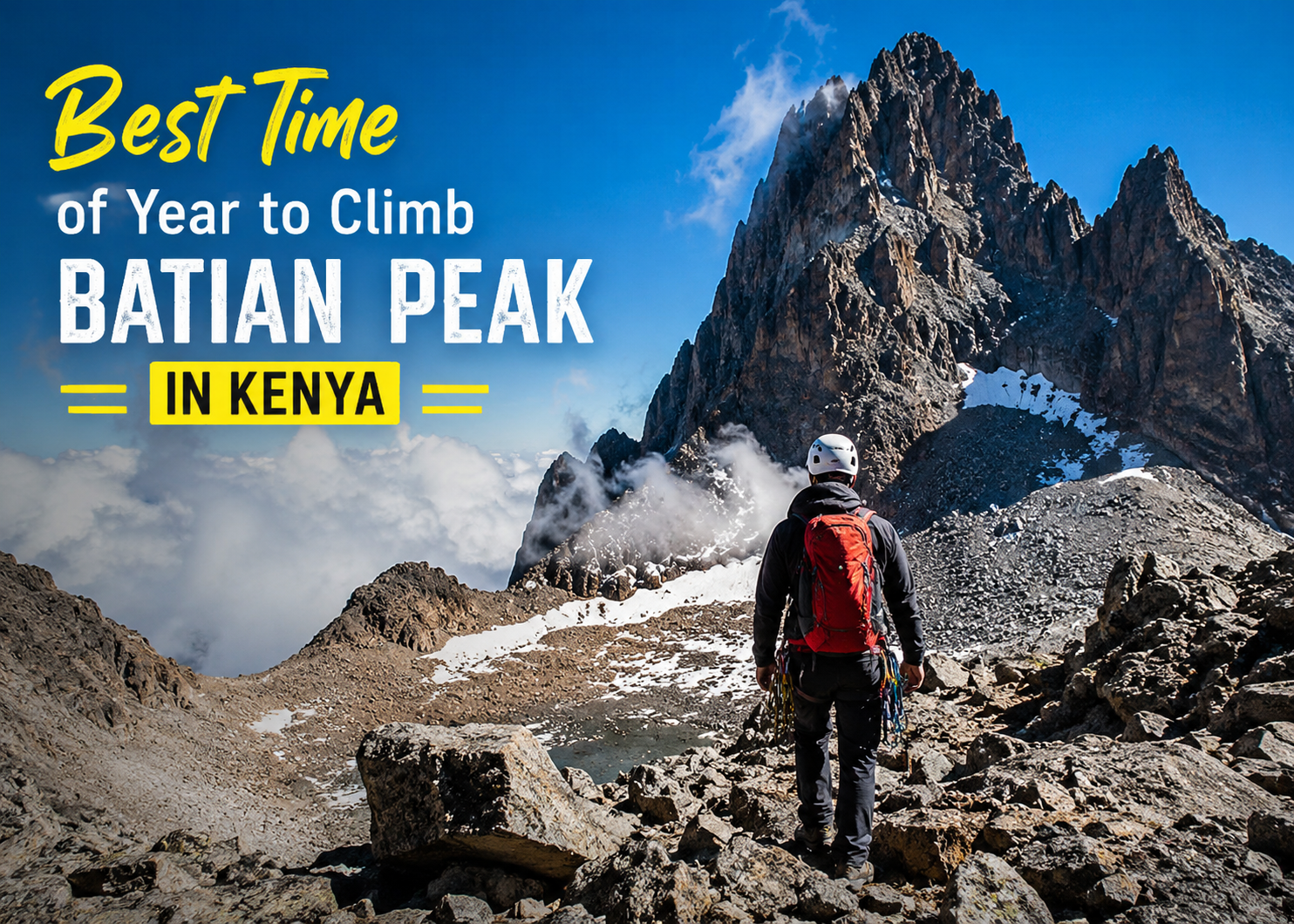
Batian Peak stands as the highest summit of Mount Kenya, reaching an impressive elevation of 5,199 meters above sea level. For experienced climbers seeking a technical alpine challenge in Africa, Batian represents one of the continent’s most rewarding ascents. Unlike trekking peaks that can be reached through hiking routes, Batian requires rock climbing skills, proper equipment, and favorable weather conditions to ensure a safe and successful climb.

Choosing the right season can significantly influence your experience. Weather, visibility, rock conditions, and overall safety are directly connected to the time of year you decide to climb. Whether you are a seasoned mountaineer or an ambitious climber planning your next expedition, knowing the ideal season to Climb Batian Peak in Kenya can make all the difference.

At Ice Rock Trekking, we have helped climbers from across the globe experience the remarkable beauty and challenge of Mount Kenya. Based on years of experience on the mountain, we understand how seasonal changes affect climbing conditions and success rates.

Why Timing Matters for Batian Peak

Batian is not a standard trekking summit. The climb involves technical rock sections, exposure, route-finding, and changing alpine weather. Rainfall can make rock surfaces slippery, while heavy cloud cover can reduce visibility and increase navigation challenges.

The right season provides:

  • Stable weather conditions
  • Better visibility
  • Drier rock faces
  • Reduced risk of storms
  • More comfortable climbing temperatures
  • Improved summit success rates

Since Batian Peak requires technical climbing, even minor weather changes can impact safety and performance.

Understanding Mount Kenya’s Climate

Mount Kenya lies almost directly on the equator, yet its high altitude creates a unique alpine environment. Climbers often experience multiple weather conditions within a single day.

The mountain generally experiences two dry seasons and two rainy seasons.

Dry Seasons

  • January to March
  • July to October

Rainy Seasons

  • April to June
  • November to December

The dry periods are generally considered the most favorable times for technical climbing on Batian.

January to March: Prime Climbing Season

Many experienced mountaineers consider January through March the best time to Climb Batian Peak in Kenya.

During these months, the mountain typically experiences:

  • Clear skies
  • Lower rainfall
  • Dry rock conditions
  • Excellent visibility
  • Stable temperatures

These conditions create an ideal environment for technical climbing. The famous Nelion-Batian traverse and the Normal Route become significantly safer when the rock remains dry.

Advantages of Climbing During January to March

Excellent Rock Quality

Batian’s climbing routes rely heavily on friction and solid foot placement. Dry rock enhances grip and increases climber confidence throughout the ascent.

Better Photography Opportunities

Clear mornings often reveal spectacular views of glaciers, valleys, and surrounding landscapes. Wildlife sightings are also more common during these months.

Increased Summit Success Rates

Stable weather allows climbing teams to move efficiently and safely, leading to a higher probability of reaching the summit.

Reduced Weather Delays

Storm interruptions are less frequent, helping climbers stay on schedule.

July to October: Another Excellent Window

The second major climbing season occurs from July through October. This period also attracts many climbers seeking favorable conditions on Mount Kenya.

Weather during these months is generally dry, though mornings can be colder compared to the January-March season.

Benefits of Climbing Between July and October

Stable Conditions

Climbers often enjoy long stretches of predictable weather, making route planning easier.

Clear Summit Views

The mountain frequently offers panoramic views extending across central Kenya.

Comfortable Climbing Days

Cool temperatures reduce fatigue during long climbing sessions.

Strong Alpine Conditions

Many climbers appreciate the crisp mountain atmosphere and excellent visibility associated with this season.

Comparing the Two Dry Seasons

Both climbing windows offer favorable conditions, but each has distinct characteristics.

January to March

  • Slightly warmer temperatures
  • Drier rock surfaces
  • Less chance of frost
  • Excellent climbing conditions

July to October

  • Cooler temperatures
  • Crisp mornings
  • Stable weather patterns
  • Exceptional visibility

Many professional climbing teams slightly favor January to March because warmer temperatures help maintain dry rock conditions throughout the day.

Why the Rainy Seasons Are Less Suitable

While Mount Kenya remains accessible throughout the year, technical ascents of Batian become more challenging during rainy months.

April to June

This period typically receives the heaviest rainfall.

Challenges include:

  • Wet rock faces
  • Reduced visibility
  • Increased risk of slips
  • Frequent afternoon storms
  • Longer climbing times

November to December

Short rains can create unpredictable conditions.

Potential issues include:

  • Sudden showers
  • Cloud-covered routes
  • Wet climbing sections
  • More difficult route finding

For technical climbers, these conditions often reduce both comfort and safety.

Temperature Conditions on Batian Peak

One of the most common misconceptions is that Kenya’s equatorial location guarantees warm temperatures.

At over 5,000 meters, Batian Peak experiences alpine conditions year-round.

Typical summit temperatures range from:

  • Daytime: -2°C to 10°C
  • Nighttime: -10°C to 0°C

Wind chill can make temperatures feel significantly colder.

Proper layering remains essential regardless of the season.

Technical Challenges of Batian Peak

Before attempting to Climb Batian Peak in Kenya, climbers should understand the technical nature of the mountain.

Key challenges include:

  • Multi-pitch climbing
  • High-altitude exposure
  • Route finding
  • Long summit days
  • Rapid weather changes

Batian is often compared to classic alpine rock climbs rather than trekking peaks.

A successful ascent requires both physical fitness and technical competence.

The Importance of Acclimatization

Regardless of when you climb, altitude acclimatization plays a major role in summit success.

Rapid ascents can increase the likelihood of altitude-related issues.

Many climbers spend several days on Mount Kenya before attempting Batian.

Popular acclimatization strategies include:

  • Gradual elevation gain
  • Rest days
  • Hydration
  • Short training climbs
  • Proper nutrition

At Ice Rock Trekking, acclimatization schedules are carefully designed to maximize comfort and performance.

Wildlife and Scenic Highlights

One of the unique aspects of Mount Kenya is its incredible biodiversity.

During your approach to Batian, you may encounter:

  • Giant lobelias
  • Giant groundsels
  • Rock hyraxes
  • Mountain antelope
  • Diverse bird species

The mountain’s ecosystems change dramatically with altitude, creating a visually fascinating journey from forest to alpine terrain.

Dry-season climbs often provide the best opportunities for photography and wildlife observation.

Equipment Needed for Batian Peak

Proper gear selection is critical.

Essential equipment typically includes:

Climbing Gear

  • Helmet
  • Harness
  • Climbing shoes
  • Carabiners
  • Belay device
  • Slings

Clothing

  • Waterproof jacket
  • Insulated layer
  • Base layers
  • Climbing pants
  • Gloves
  • Warm hat

Additional Essentials

  • Headlamp
  • Sunglasses
  • Water bottles
  • Energy snacks
  • Personal first-aid supplies

Climbers should always ensure equipment is suitable for alpine conditions.

Physical Preparation

The best season alone does not guarantee success.

Batian demands excellent physical conditioning.

Recommended preparation includes:

Endurance Training

Long hikes, running, cycling, and stair climbing help build cardiovascular fitness.

Strength Training

Focus on:

  • Core stability
  • Leg strength
  • Upper body endurance

Technical Practice

Regular rock climbing improves efficiency and confidence on exposed terrain.

Mental Preparation

Patience, focus, and adaptability are valuable assets during alpine climbs.

Choosing an Experienced Climbing Partner

A knowledgeable mountain team can significantly improve safety and success rates.

Professional support helps with:

  • Route planning
  • Logistics
  • Equipment recommendations
  • Safety management
  • Acclimatization strategies

Ice Rock Trekking specializes in Mount Kenya expeditions and provides experienced local support for climbers seeking to reach Batian Peak.

Our team understands the mountain’s seasonal patterns, route conditions, and technical requirements.

Photography Opportunities During the Best Season

Climbers often underestimate the visual rewards awaiting them on Batian.

Highlights include:

  • Sunrise above the clouds
  • Glacial formations
  • Jagged volcanic rock formations
  • Panoramic summit views
  • Dramatic alpine landscapes

The dry seasons offer the clearest conditions for capturing these unforgettable moments.

Planning Your Expedition

A successful Batian expedition starts months before arriving in Kenya.

Important planning considerations include:

  • Selecting the right season
  • Building physical fitness
  • Arranging travel logistics
  • Securing climbing equipment
  • Allowing sufficient acclimatization time

Many climbers combine their Mount Kenya experience with wildlife safaris or visits to other destinations across Kenya.

Final Thoughts

For climbers seeking the highest summit of Mount Kenya, timing is one of the most important factors influencing success. The most favorable periods to Climb Batian Peak in Kenya are January to March and July to October, when dry conditions provide safer rock surfaces, clearer visibility, and more predictable weather.

Among these options, January through March is often regarded as the premier climbing window due to warmer temperatures and consistently dry conditions. However, July through October also delivers outstanding opportunities for experienced mountaineers.

With proper preparation, technical skills, and the support of an experienced team such as Ice Rock Trekking, Batian Peak offers an unforgettable alpine adventure that combines challenging climbing, breathtaking scenery, and the satisfaction of standing atop Kenya’s highest point.

Mt Kenya Batian Climb

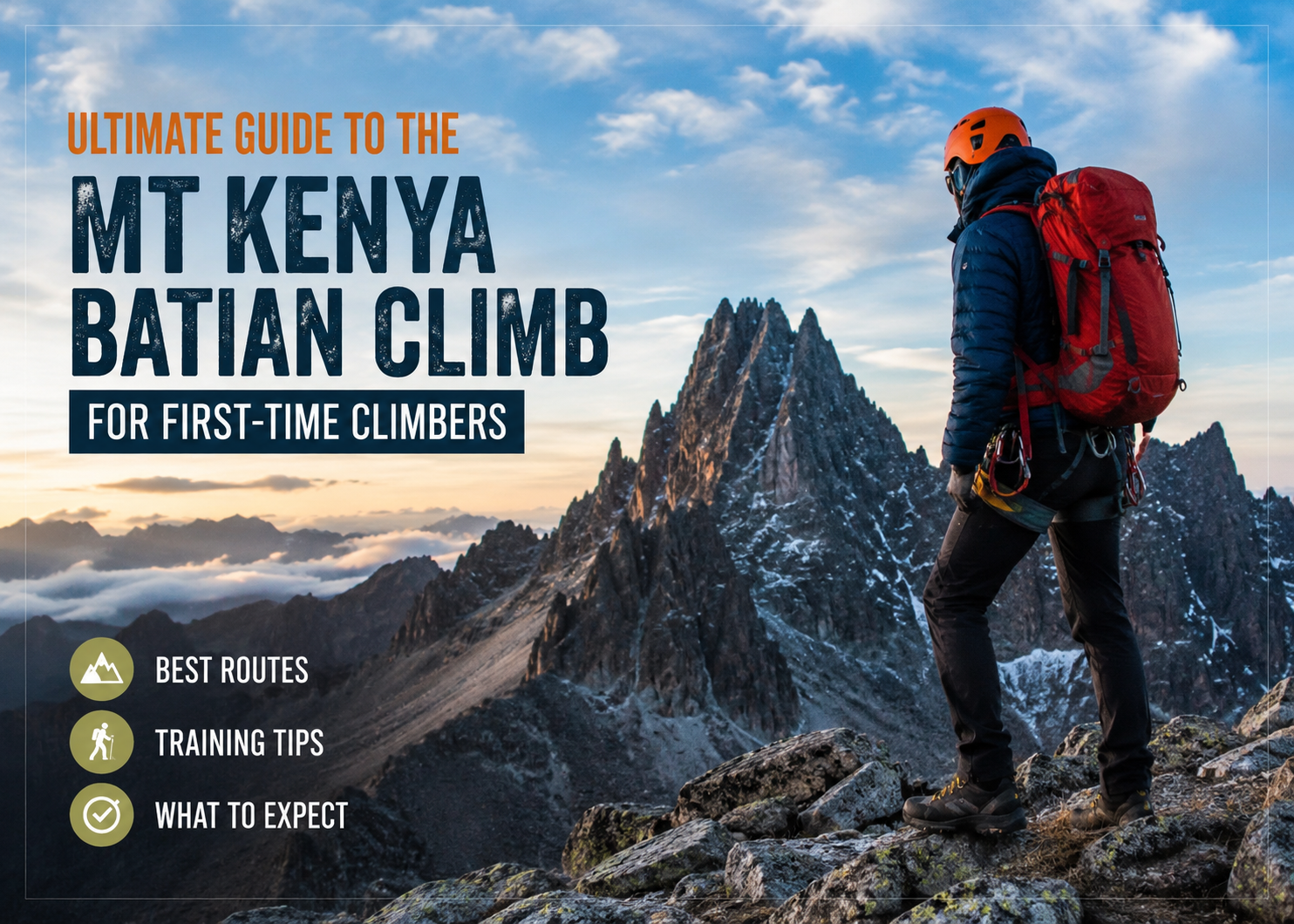
The Mt Kenya Batian Climb stands among Africa’s most rewarding alpine adventures. Rising dramatically above the rugged peaks of Mount Kenya, Batian is the highest summit on the mountain at 5,199 meters. For climbers seeking technical rock climbing, breathtaking scenery, and a true mountaineering challenge, Batian offers an unforgettable experience.

Unlike trekking peaks where hikers can walk to the top, Batian demands climbing skills, mental strength, endurance, and proper preparation. The journey combines glacier-carved valleys, towering granite walls, dramatic ridges, and rapidly changing mountain weather. Every section of the climb feels raw, adventurous, and deeply rewarding.

At Ice Rock Trekking, climbers from across the globe prepare for successful ascents with experienced local guides, climbing support, and customized expedition planning. Whether you are transitioning from trekking to technical climbing or aiming for your first African alpine summit, proper preparation makes all the difference.

Why the Mt Kenya Batian Climb Attracts Climbers Worldwide

The appeal of the Mt Kenya Batian Climb lies in its unique combination of technical climbing and high-altitude adventure. Batian differs significantly from Kilimanjaro because it requires real mountaineering techniques rather than simple trekking.

Climbers are drawn to Batian because of:

  • Technical granite climbing routes
  • Spectacular alpine scenery
  • Less crowded routes compared to other African peaks
  • Exciting summit exposure
  • Strong sense of achievement
  • Challenging but accessible alpine climbing experience

Batian is often considered one of Africa’s finest alpine rock climbs. The summit delivers panoramic views over Kenya’s valleys, glaciers, rocky towers, and wilderness landscapes.

For many first-time technical climbers, Batian becomes a stepping stone toward larger mountaineering goals worldwide.

Understanding the Peaks of Mount Kenya

Before attempting the Mt Kenya Batian Climb, it is important to understand the mountain’s main peaks.

Batian Peak

Batian is the highest summit at 5,199 meters. It requires technical climbing skills and proper mountaineering equipment.

Nelion Peak

Nelion stands slightly lower at 5,188 meters and is also a technical climb. Many climbers cross between Batian and Nelion through the famous Gate of the Mists.

Point Lenana

Point Lenana is the trekking summit reached without technical climbing. Many trekkers stop here, while experienced climbers continue toward Batian.

The Batian ascent usually involves multi-pitch rock climbing, rope systems, and careful route navigation.

Best Time for the Mt Kenya Batian Climb

Weather conditions heavily influence climbing success on Mount Kenya. Climbers should aim for dry seasons when rock conditions are safer and visibility improves.

Ideal Climbing Seasons

  • January to March
  • July to October

These months generally offer:

  • More stable weather
  • Reduced rainfall
  • Better rock grip
  • Clear summit conditions
  • Lower risk of storms

Rain can make granite surfaces dangerously slippery. Ice formation and freezing temperatures may also increase technical difficulty.

Even during dry months, mountain weather can shift rapidly. Proper clothing and flexible planning remain essential.

Fitness Requirements for First-Time Climbers

The Mt Kenya Batian Climb demands excellent physical conditioning. Climbers should prepare several months in advance.

Essential Fitness Areas

Cardiovascular Endurance

Long hiking days at altitude require strong stamina. Activities like running, cycling, swimming, and hiking improve endurance.

Strength Training

Core stability, leg strength, and upper body conditioning help during technical climbing sections.

Altitude Adaptation

The thin air above 5,000 meters affects breathing and energy levels. Acclimatization days improve summit success.

Mental Toughness

Batian requires focus, patience, and confidence under exposure.

Many first-time climbers underestimate the mental aspect of alpine climbing. Weather changes, steep drops, and long summit days can test determination.

Technical Skills Needed

The Mt Kenya Batian Climb is not suitable for complete beginners without climbing experience. Basic technical climbing knowledge is highly recommended.

Helpful Skills Include

  • Rope handling
  • Belaying
  • Rappelling
  • Multi-pitch climbing basics
  • Use of climbing harness and helmet
  • Rock climbing movement techniques

Climbers with indoor climbing experience often adapt well after proper mountain training.

At Ice Rock Trekking, experienced guides help first-time alpine climbers understand mountain safety systems and climbing procedures.

Popular Routes to Batian

Several routes lead to Batian Peak, but some are more suitable for first-time climbers.

North Face Standard Route

This is the most popular route during dry conditions. It includes moderate technical sections and relatively straightforward navigation.

Advantages include:

  • More established climbing line
  • Better route visibility
  • Easier descent logistics
  • Suitable for intermediate climbers

South-East Face Route

This route is more technical and often preferred by experienced mountaineers seeking additional challenges.

Sirimon and Chogoria Approaches

The trekking approach to the base of Batian usually begins through:

  • Sirimon Route
  • Chogoria Route

Both offer stunning scenery and acclimatization opportunities.

Acclimatization and Altitude Management

Altitude sickness can affect even experienced climbers. The body needs time to adapt to reduced oxygen levels.

Common Altitude Symptoms

  • Headache
  • Nausea
  • Fatigue
  • Dizziness
  • Shortness of breath

Acclimatization Tips

  • Climb gradually
  • Stay hydrated
  • Avoid alcohol before climbing
  • Eat high-energy meals
  • Take rest days when necessary

Many climbers spend several days trekking before summit attempts to improve adaptation.

Essential Gear for the Mt Kenya Batian Climb

Carrying the right gear improves safety, comfort, and climbing performance.

Clothing

  • Waterproof shell jacket
  • Insulated down jacket
  • Thermal base layers
  • Climbing pants
  • Warm gloves
  • Wool socks
  • Sun hat and beanie

Technical Equipment

  • Climbing harness
  • Helmet
  • Carabiners
  • Climbing rope
  • Belay device
  • Headlamp
  • Mountaineering boots

Additional Essentials

  • Sunglasses
  • Sunscreen
  • Water bottles
  • Energy snacks
  • First aid kit

Professional guiding companies often provide group climbing equipment, but personal gear should fit properly and remain reliable.

What a Typical Climbing Itinerary Looks Like

A standard Mt Kenya Batian Climb generally takes 5 to 7 days.

Day 1 – Arrival and Preparation

Climbers arrive, organize equipment, and meet guides.

Day 2 – Trek to Mountain Camp

The trek begins through forest and moorland zones.

Day 3 – Acclimatization Hike

Climbers gain altitude gradually while adapting physically.

Day 4 – Base Camp Preparation

Technical briefing and rest before summit push.

Day 5 – Summit Day

Early morning ascent toward Batian Peak.

Day 6 – Descent

Return through scenic trekking routes.

Day 7 – Departure

Recovery and travel arrangements.

Some itineraries may vary depending on weather and climber experience.

Challenges First-Time Climbers Face

The Mt Kenya Batian Climb can feel demanding for newcomers to alpine mountaineering.

Common Difficulties

Weather Changes

Conditions may shift from sunshine to freezing fog within hours.

Altitude Fatigue

Reduced oxygen slows movement and recovery.

Exposure

Steep drop-offs can feel intimidating.

Technical Sections

Climbers may encounter unfamiliar rock movements.

Long Summit Days

Physical endurance becomes critical during final ascent sections.

Working with experienced mountain guides greatly improves safety and confidence.

Safety Considerations on Mount Kenya

Safety should always remain the top priority during alpine climbing.

Important Safety Measures

  • Hire certified guides
  • Monitor weather forecasts
  • Use proper climbing equipment
  • Maintain hydration
  • Follow acclimatization schedules
  • Avoid rushing the ascent

Experienced local operators understand mountain conditions and emergency procedures.

At Ice Rock Trekking, climber safety, route planning, and responsible mountaineering practices remain central to every expedition.

Wildlife and Scenic Beauty Along the Route

Beyond technical climbing, Mount Kenya offers extraordinary natural beauty.

Climbers often encounter:

  • Giant lobelias
  • Senecio plants
  • Mountain hyrax
  • Eagles and alpine birds
  • Stunning glacial valleys

The changing landscapes create a remarkable contrast between rain forest, moorland, alpine desert, and rocky summit zones.

Photography enthusiasts frequently consider Mount Kenya one of Africa’s most photogenic mountain environments.

Cost of the Mt Kenya Batian Climb

Climbing costs vary depending on:

  • Expedition length
  • Group size
  • Guide experience
  • Equipment rental
  • Accommodation choices
  • Transport arrangements

A professional expedition package usually includes:

  • Park fees
  • Mountain guides
  • Porters
  • Meals
  • Camping support
  • Safety equipment

Choosing reliable operators may cost more initially but significantly improves safety and climbing success.

How to Prepare Mentally for the Climb

Mental preparation is often overlooked during mountaineering planning.

Effective Mental Preparation Includes

  • Setting realistic expectations
  • Training consistently
  • Learning basic climbing skills
  • Understanding mountain risks
  • Building patience and focus

Weather delays, slow progress, and physical fatigue are normal parts of alpine climbing.

Successful climbers remain adaptable rather than overly focused on summit timelines.

Why Guided Expeditions Matter

The Mt Kenya Batian Climb involves route-finding, technical climbing systems, and mountain safety knowledge.

Professional guides help climbers with:

  • Rope management
  • Navigation
  • Weather assessment
  • Emergency response
  • Pace control
  • Technical climbing support

For first-time climbers, guided support reduces stress and improves the overall experience.

Ice Rock Trekking provides experienced mountain teams familiar with Batian changing conditions, climbing routes, and altitude management strategies.

Sustainable Climbing Practices

Protecting Mount Kenya’s environment remains essential for future climbers.

Responsible Climbing Tips

  • Carry out all waste
  • Avoid damaging vegetation
  • Respect wildlife habitats
  • Use eco-friendly camping practices
  • Stay on established routes

Responsible tourism helps preserve the fragile alpine ecosystem.

Final Thoughts on the Mt Kenya Batian Climb

The Mt Kenya Batian Climb offers far more than a mountain summit. It combines adventure, technical climbing, endurance, and breathtaking natural beauty into one unforgettable expedition.

For first-time climbers, preparation becomes the key to success. Strong fitness, proper acclimatization, reliable gear, and experienced guides all contribute to a safer and more rewarding climb.

Batian challenges both body and mind while delivering one of Africa’s most remarkable alpine experiences. Every section of the mountain reveals dramatic scenery, thrilling exposure, and a deep sense of accomplishment.

With professional planning and expert support from Ice Rock Trekking, climbers can approach Mount Kenya with confidence and fully experience the excitement of reaching Batian Peak.

mt kenya Batian climb

Standing tall above the rugged highlands of East Africa, Mount Kenya offers one of the most rewarding alpine experiences on the continent. Among its dramatic granite towers, the legendary Batian Peak rises as the highest point, attracting skilled climbers who seek a true technical ascent rather than a standard trekking summit. The mt kenya Batian climb represents the ultimate objective for mountaineers who want a challenging rock route in an equatorial alpine environment filled with glaciers, steep walls, and breathtaking views.

Operated by Ice Rock Trekking, carefully organized climbing programs combine expert guiding, logistical planning, and high-altitude support to help experienced climbers safely reach this remarkable summit. From the approach through dense forest to the exposed granite pitches high above the clouds, every stage of the ascent delivers unforgettable moments.

Why Batian Peak Attracts Technical Climbers

The highest point of Mount Kenya is Batian, standing at 5,199 meters above sea level. Unlike the trekking peaks nearby, Batian requires rock-climbing expertise, route navigation, and alpine endurance.

Several factors make this ascent special:

True Alpine Rock Climbing

  • Vertical granite walls rising thousands of meters
  • Classic multi-pitch climbing routes
  • Exposure that rivals well-known alpine peaks

Equatorial Alpine Environment

Despite its location near the equator, the mountain contains glaciers, snow patches, and cold alpine winds. Climbers often experience dramatic weather shifts within a single day.

Historic Mountaineering Heritage

The peak was first climbed in 1944 by legendary climbers Arthur Firmin and Peter Hicks. Since then, Batian has remained a respected objective among international mountaineers.

Remote Wilderness Setting

Located inside Mount Kenya National Park, the mountain is surrounded by high-altitude lakes, unique afro-alpine plants, and wildlife rarely seen elsewhere in Africa.

Batian Peak vs Nelion Peak

The two highest summits on the mountain sit side by side.

Peak Elevation Climbing Style
Batian 5,199 m Technical rock climbing
Nelion 5,188 m Technical rock climbing
Point Lenana 4,985 m Trekking summit

Batian is slightly higher than its neighbor Nelion Peak. Many climbers ascend Nelion first and then traverse across the famous Gate of the Mists to reach Batian.

This combination provides one of the most thrilling ridge traverses in African mountaineering.

Best Season for the Batian Ascent

Weather plays a critical role in success on the mountain.

Two main climbing seasons offer the best conditions:

January to March

  • Clear skies
  • Dry rock surfaces
  • Stable weather patterns

July to October

  • Good climbing conditions
  • Lower precipitation
  • Ideal visibility for route finding

During rainy months, granite slabs become extremely slippery and dangerous, making technical climbing difficult.

Key Routes to the Summit

Several classic routes lead to Batian, though some are more frequently attempted than others.

North Face Standard Route

The North Face Standard Route is the most popular and commonly climbed line.

Features include:

  • Approximately 20 pitches of technical rock climbing
  • Difficulty around UIAA IV to V
  • Chimneys, cracks, and exposed ridges
  • A combination of rock and occasional snow patches

Climbers normally start very early in the morning from Shipton’s Camp, allowing enough daylight for the long ascent and descent.

Nelion to Batian Traverse

Another famous line begins on Nelion.

Climbing stages:

  1. Ascent of Nelion via the Normal Route
  2. Reach the summit of Nelion
  3. Traverse across the Gate of the Mists
  4. Final scramble to Batian

This route requires solid climbing skills and precise timing.

Popular Approach Routes to the Mountain

Reaching the base of Batian involves several days of trekking through spectacular landscapes.

Sirimon Route

The Sirimon Route offers gradual altitude gain and scenic valleys.

Highlights include:

  • Mackinder’s Valley views
  • Alpine vegetation
  • Comfortable acclimatization

Chogoria Route

The Chogoria Route is often considered the most scenic.

Features include:

  • Lakes and waterfalls
  • Dramatic cliffs
  • Panoramic views of the eastern side of the mountain

Many climbers combine the Sirimon approach with the Chogoria descent for a varied experience.

Typical Batian Climbing Itinerary

Professional expedition operators such as Ice Rock Trekking structure the ascent over several days to allow proper acclimatization.

Day 1 – Nairobi to Mountain Base

Transfer from Nairobi to the foothills of Mount Kenya National Park. Entry formalities and preparation begin here.

Day 2 – Trek to Old Moses Camp

A gradual hike through forest and moorland leads to Old Moses Camp at around 3,300 meters.

Day 3 – Trek to Shipton’s Camp

The trail enters the dramatic Mackinder’s Valley before reaching Shipton’s Camp at 4,200 meters.

Day 4 – Acclimatization and Preparation

Climbers rest and review equipment before the summit attempt.

Day 5 – Batian Summit Attempt

An alpine start before sunrise allows climbers to reach the summit and return safely before afternoon weather changes.

Day 6 – Descent from the Mountain

The descent normally follows the Sirimon or Chogoria trail back to the park gate.

Required Climbing Skills

Batian is not a trekking peak. Climbers must possess solid technical skills.

Key requirements include:

  • Multi-pitch rock climbing experience
  • Rope management skills
  • Crack climbing techniques
  • High-altitude endurance
  • Navigation on exposed ridges

Previous climbs on alpine rock routes greatly increase success rates.

Essential Equipment for the Climb

A well-planned gear list improves safety and efficiency.

Technical Climbing Gear

  • Helmet
  • Harness
  • Climbing shoes
  • Belay device
  • Locking carabiners
  • Slings and protection gear

Mountaineering Gear

  • Crampons
  • Ice axe
  • Mountaineering boots
  • Warm insulated clothing

Personal Essentials

  • Headlamp
  • High-energy food
  • Hydration system
  • Gloves and protective layers

Professional expeditions arranged by Ice Rock Trekking provide additional safety equipment and logistical support.

Altitude and Acclimatization

The summit of Batian sits above 5,000 meters, which can cause altitude-related symptoms.

Common challenges include:

  • Headaches
  • Fatigue
  • Shortness of breath

A slow ascent and rest days significantly reduce these risks.

Climbers should always hydrate well and listen carefully to guides regarding pacing and altitude management.

Unique Wildlife and Alpine Flora

The ecosystems surrounding Mount Kenya National Park are incredibly diverse.

Wildlife sightings may include:

  • Rock hyrax
  • Mount Kenya sunbird
  • Giant forest hog
  • Colobus monkeys

The alpine zones feature distinctive plants such as giant lobelias and groundsels, creating a landscape unlike any other mountain environment.

Safety Considerations on Batian

Safety remains the most important factor during technical climbs.

Experienced guides focus on:

  • Weather monitoring
  • Rope management
  • Route navigation
  • Emergency procedures

Rockfall and sudden weather shifts are the most common hazards. Proper timing and preparation minimize these risks.

Professional support from Ice Rock Trekking ensures climbers receive experienced leadership and reliable logistics throughout the ascent.

Why Choose Ice Rock Trekking

Climbing Batian requires detailed planning, strong guiding expertise, and reliable local knowledge. Ice Rock Trekking delivers carefully structured climbing experiences tailored for serious mountaineers.

Key advantages include:

Experienced Mountaineering Guides

Certified guides familiar with Batian’s complex routes and weather patterns.

Reliable Safety Standards

High-quality equipment and structured risk management protocols.

Local Knowledge

Years of experience operating expeditions within Mount Kenya National Park.

Personalized Climbing Programs

Flexible itineraries designed for experienced climbers, small teams, and private expeditions.

Training Before Attempting Batian

Preparation significantly increases summit success.

Recommended training includes:

  • Rock climbing at grades equivalent to UIAA IV or V
  • Endurance hiking with a heavy pack
  • High-altitude trekking practice
  • Strength training for legs and core

Climbers who arrive physically prepared enjoy a safer and more rewarding ascent.

The Reward of Standing on Batian

Reaching the summit offers an unforgettable perspective across East Africa.

From the top, climbers witness:

  • Glacier-covered ridges
  • The rugged towers of Nelion
  • Vast savannas stretching toward the horizon

Few experiences match the sense of accomplishment felt after completing the mt kenya Batian climb. Every pitch of granite, every step through alpine valleys, and every sunrise above the clouds becomes part of a mountaineering story that lasts a lifetime.

With experienced leadership from Ice Rock Trekking, serious climbers gain the opportunity to tackle one of Africa’s most respected technical summits while exploring the remarkable beauty of Mount Kenya.

Mt Kenya Batian climb

For thrill-seekers and experienced mountaineers, the Mt Kenya Batian climb represents one of Africa’s ultimate climbing challenges. Batian, standing tall at 5,199 meters, is the highest peak of Mt Kenya and demands technical climbing skills, proper planning, and an adventurous spirit. Unlike its more accessible neighbor, Point Lenana, which can be trekked by fit hikers, Batian requires ropes, harnesses, and a deep respect for alpine climbing conditions. Ice Rock Trekking has years of experience guiding climbers to the summit safely, making this climb an unforgettable adventure.

Understanding the Mt Kenya Batian Terrain

Batian terrain is a mix of rugged rock faces, alpine ridges, and narrow escarpments. Climbers face vertical rock walls, loose scree, and unpredictable weather, which can shift from bright sun to icy winds within hours. The mountain’s volcanic origins have created dramatic cliffs and jagged spires, making route selection a critical aspect of the climb. Knowledge of the terrain is essential for assessing risk points and ensuring safety while ascending.

Choosing the Best Routes

Several established routes lead to the summit of Batian, each with its own challenges and rewards. The most popular ones include the Sirimon, Naro Moru, and Chogoria routes, which all converge towards the technical climbing sections near the peak.

  1. Sirimon Route– Favored by many for its gradual approach to the alpine zone, the Sirimon route allows climbers to acclimatize effectively. Starting from Sirimon Gate, the route passes through verdant forests and moorlands, offering stunning views of Mount Kenya’s northern slopes. The final ascent towards Batian involves technical rock climbing, often requiring fixed ropes and careful navigation.
  2. Naro Moru Route– Known for its steepness and direct approach, Naro Moru is faster but more physically demanding. Climbers experience a rapid change in altitude, which can pose acclimatization challenges. The vertical rock faces in the upper sections require climbers to be proficient in both traditional and aid climbing techniques.
  3. Chogoria Route– Ideal for climbers who appreciate scenic beauty, Chogoria offers spectacular views of Gorges Valley and Lake Michaelson. While longer than other routes, it provides a gradual gain in altitude before reaching the technical climbing sections, making it suitable for climbers with intermediate rock climbing experience.

Essential Gear for Mt Kenya Batian Climb

Success on Batian relies heavily on having the right equipment. Ice Rock Trekking emphasizes climbers carry gear that ensures safety without unnecessary weight.

  • Climbing Harness and Ropes– Essential for vertical rock faces. Ropes should be dynamic to absorb falls, and climbers must know basic knot-tying skills.
  • Helmet and Protective Gear– Falling rocks are a real hazard. Helmets, gloves, and knee protection are crucial for reducing injury risks.
  • Climbing Shoes and Boots– Hybrid approach shoes work well for mixed terrain; crampons may be needed for icy patches.
  • Layered Clothing– Weather at high altitudes can be unpredictable. Thermal base layers, insulating mid-layers, and waterproof outer shells are vital.
  • Backpack Essentials– Water, high-energy snacks, headlamps, first aid kits, and navigation tools should never be overlooked.

Ice Rock Trekking recommends a pre-climb gear check and practical training to familiarize climbers with their equipment under real conditions.

Acclimatization and Physical Preparation

Batian altitude makes acclimatization a key factor for success. Climbers are encouraged to spend several days ascending gradually, allowing their bodies to adapt to thinner air. Common strategies include overnight stops at Mackinder Camp or Shipton Camp, which provide both shelter and a chance to adjust to altitude.

Physical conditioning is equally important. Climbers should focus on strength training, endurance, and flexibility. Exercises like stair climbing, weighted hiking, and core strengthening are particularly beneficial. Mental preparation is just as vital, as climbers will face moments of exhaustion and challenging weather conditions.

Safety Considerations

Safety cannot be overstated. Avalanches, sudden storms, and rockfalls are real dangers on Batian. Climbers should monitor weather forecasts closely and be prepared to turn back if conditions deteriorate. Ice Rock Trekking prioritizes safety with experienced guides, established fixed ropes on technical sections, and emergency evacuation plans.

Climbers must also be aware of the environmental regulations set by Mt Kenya National Park authorities. These regulations help preserve the fragile alpine ecosystem while ensuring climber safety. Minimizing waste, sticking to marked trails, and avoiding damage to endemic flora are mandatory practices.

Timing Your Climb

The best periods for the Mt Kenya Batian climb are during the dry seasons, typically from January to March and August to October. These months offer more stable weather, reduced rainfall, and clearer skies, which are crucial for safe climbing and better summit visibility. Attempting Batian during the rainy season increases risk factors such as slippery rocks, high winds, and poor visibility, making the ascent more dangerous.

Summit Experience

Reaching Batian summit is a rewarding experience, offering panoramic views over Mt Kenya’s rugged peaks, glacial valleys, and highland forests. The climb culminates in a sense of accomplishment and offers unique photographic opportunities that capture the mountain’s dramatic beauty. Climbers often describe the moment on the summit as transformative, where effort, skill, and perseverance meet the raw majesty of nature.

Post-Climb Recovery and Reflection

After descending, proper recovery is essential. Hydration, nutrient-rich meals, and rest are critical to replenish energy reserves. Reflection on the climb helps climbers analyze their experience, assess their performance, and plan future ascents. Many adventurers find that the lessons learned on Batian—patience, precision, and resilience—enhance not only their climbing skills but also their approach to challenges in everyday life.

Partnering with Experienced Guides

Working with experienced climbing organizations like Ice Rock Trekking greatly increases the chances of a successful summit. Our team provides technical support, route planning, and emergency response, allowing climbers to focus on the adventure. From route selection to acclimatization strategies and equipment advice, having expert guidance is invaluable on a climb of this magnitude.

Final Thoughts

The Mt Kenya Batian climb is not just a physical challenge; it is a test of endurance, skill, and determination. Proper preparation, respect for the mountain, and expert guidance make the difference between a memorable adventure and unnecessary risk. For climbers seeking to push boundaries, embrace the wilderness, and conquer Africa’s second-highest peak, Batian offers a journey that is as rewarding as it is demanding.

Ice Rock Trekking ensures that every climber experiences the thrill of the ascent safely, equipped with knowledge, skill, and confidence to take on Batian heights. For those ready to embrace the ultimate mountaineering challenge, Batian awaits.