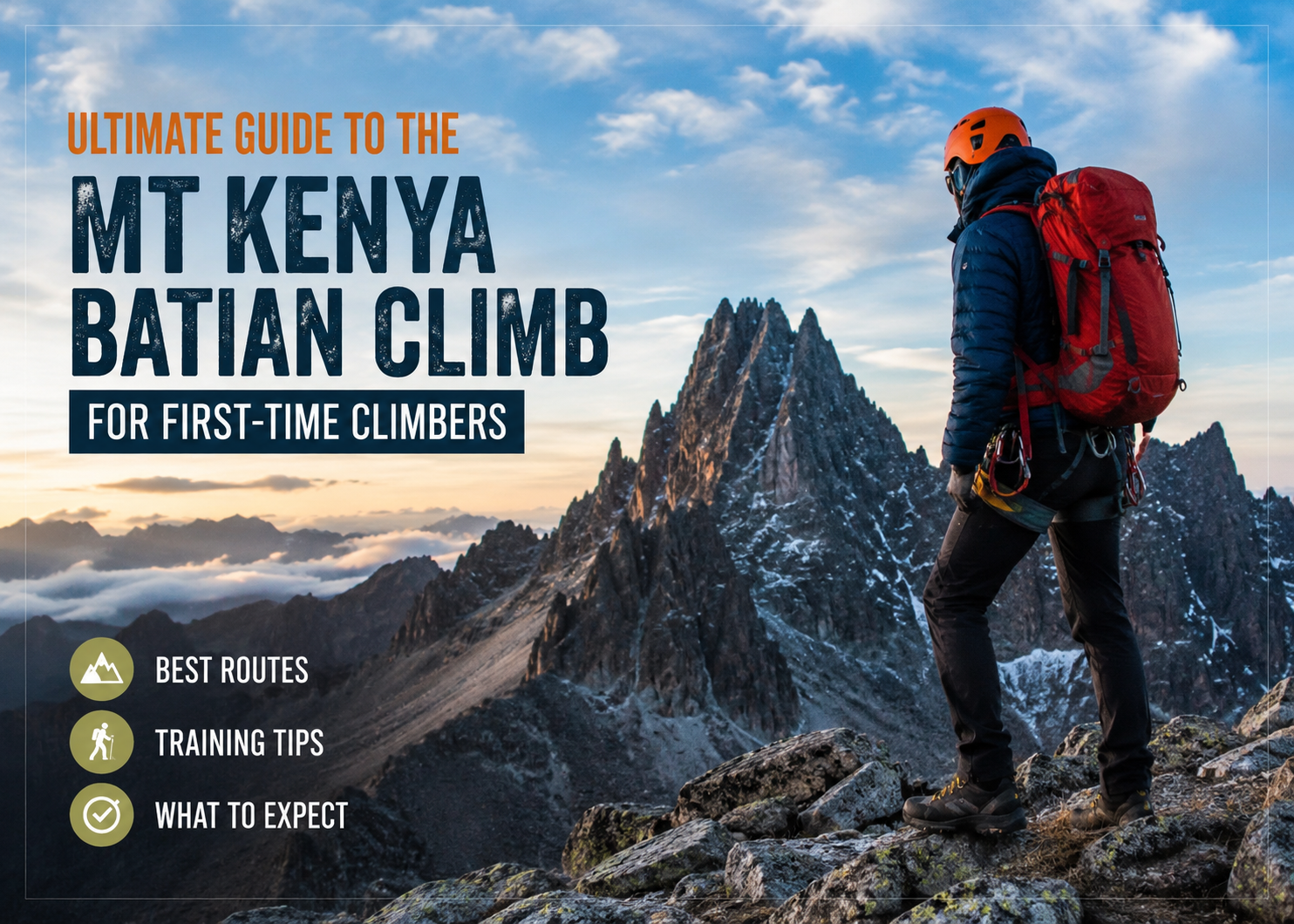
The Mt Kenya Batian Climb stands among Africa’s most rewarding alpine adventures. Rising dramatically above the rugged peaks of Mount Kenya, Batian is the highest summit on the mountain at 5,199 meters. For climbers seeking technical rock climbing, breathtaking scenery, and a true mountaineering challenge, Batian offers an unforgettable experience.
Unlike trekking peaks where hikers can walk to the top, Batian demands climbing skills, mental strength, endurance, and proper preparation. The journey combines glacier-carved valleys, towering granite walls, dramatic ridges, and rapidly changing mountain weather. Every section of the climb feels raw, adventurous, and deeply rewarding.
At Ice Rock Trekking, climbers from across the globe prepare for successful ascents with experienced local guides, climbing support, and customized expedition planning. Whether you are transitioning from trekking to technical climbing or aiming for your first African alpine summit, proper preparation makes all the difference.
Why the Mt Kenya Batian Climb Attracts Climbers Worldwide
The appeal of the Mt Kenya Batian Climb lies in its unique combination of technical climbing and high-altitude adventure. Batian differs significantly from Kilimanjaro because it requires real mountaineering techniques rather than simple trekking.
Climbers are drawn to Batian because of:
- Technical granite climbing routes
- Spectacular alpine scenery
- Less crowded routes compared to other African peaks
- Exciting summit exposure
- Strong sense of achievement
- Challenging but accessible alpine climbing experience
Batian is often considered one of Africa’s finest alpine rock climbs. The summit delivers panoramic views over Kenya’s valleys, glaciers, rocky towers, and wilderness landscapes.
For many first-time technical climbers, Batian becomes a stepping stone toward larger mountaineering goals worldwide.
Understanding the Peaks of Mount Kenya
Before attempting the Mt Kenya Batian Climb, it is important to understand the mountain’s main peaks.
Batian Peak
Batian is the highest summit at 5,199 meters. It requires technical climbing skills and proper mountaineering equipment.
Nelion Peak
Nelion stands slightly lower at 5,188 meters and is also a technical climb. Many climbers cross between Batian and Nelion through the famous Gate of the Mists.
Point Lenana
Point Lenana is the trekking summit reached without technical climbing. Many trekkers stop here, while experienced climbers continue toward Batian.
The Batian ascent usually involves multi-pitch rock climbing, rope systems, and careful route navigation.
Best Time for the Mt Kenya Batian Climb
Weather conditions heavily influence climbing success on Mount Kenya. Climbers should aim for dry seasons when rock conditions are safer and visibility improves.
Ideal Climbing Seasons
- January to March
- July to October
These months generally offer:
- More stable weather
- Reduced rainfall
- Better rock grip
- Clear summit conditions
- Lower risk of storms
Rain can make granite surfaces dangerously slippery. Ice formation and freezing temperatures may also increase technical difficulty.
Even during dry months, mountain weather can shift rapidly. Proper clothing and flexible planning remain essential.
Fitness Requirements for First-Time Climbers
The Mt Kenya Batian Climb demands excellent physical conditioning. Climbers should prepare several months in advance.
Essential Fitness Areas
Cardiovascular Endurance
Long hiking days at altitude require strong stamina. Activities like running, cycling, swimming, and hiking improve endurance.
Strength Training
Core stability, leg strength, and upper body conditioning help during technical climbing sections.
Altitude Adaptation
The thin air above 5,000 meters affects breathing and energy levels. Acclimatization days improve summit success.
Mental Toughness
Batian requires focus, patience, and confidence under exposure.
Many first-time climbers underestimate the mental aspect of alpine climbing. Weather changes, steep drops, and long summit days can test determination.
Technical Skills Needed
The Mt Kenya Batian Climb is not suitable for complete beginners without climbing experience. Basic technical climbing knowledge is highly recommended.
Helpful Skills Include
- Rope handling
- Belaying
- Rappelling
- Multi-pitch climbing basics
- Use of climbing harness and helmet
- Rock climbing movement techniques
Climbers with indoor climbing experience often adapt well after proper mountain training.
At Ice Rock Trekking, experienced guides help first-time alpine climbers understand mountain safety systems and climbing procedures.
Popular Routes to Batian
Several routes lead to Batian Peak, but some are more suitable for first-time climbers.
North Face Standard Route
This is the most popular route during dry conditions. It includes moderate technical sections and relatively straightforward navigation.
Advantages include:
- More established climbing line
- Better route visibility
- Easier descent logistics
- Suitable for intermediate climbers
South-East Face Route
This route is more technical and often preferred by experienced mountaineers seeking additional challenges.
Sirimon and Chogoria Approaches
The trekking approach to the base of Batian usually begins through:
- Sirimon Route
- Chogoria Route
Both offer stunning scenery and acclimatization opportunities.
Acclimatization and Altitude Management
Altitude sickness can affect even experienced climbers. The body needs time to adapt to reduced oxygen levels.
Common Altitude Symptoms
- Headache
- Nausea
- Fatigue
- Dizziness
- Shortness of breath
Acclimatization Tips
- Climb gradually
- Stay hydrated
- Avoid alcohol before climbing
- Eat high-energy meals
- Take rest days when necessary
Many climbers spend several days trekking before summit attempts to improve adaptation.
Essential Gear for the Mt Kenya Batian Climb
Carrying the right gear improves safety, comfort, and climbing performance.
Clothing
- Waterproof shell jacket
- Insulated down jacket
- Thermal base layers
- Climbing pants
- Warm gloves
- Wool socks
- Sun hat and beanie
Technical Equipment
- Climbing harness
- Helmet
- Carabiners
- Climbing rope
- Belay device
- Headlamp
- Mountaineering boots
Additional Essentials
- Sunglasses
- Sunscreen
- Water bottles
- Energy snacks
- First aid kit
Professional guiding companies often provide group climbing equipment, but personal gear should fit properly and remain reliable.
What a Typical Climbing Itinerary Looks Like
A standard Mt Kenya Batian Climb generally takes 5 to 7 days.
Day 1 – Arrival and Preparation
Climbers arrive, organize equipment, and meet guides.
Day 2 – Trek to Mountain Camp
The trek begins through forest and moorland zones.
Day 3 – Acclimatization Hike
Climbers gain altitude gradually while adapting physically.
Day 4 – Base Camp Preparation
Technical briefing and rest before summit push.
Day 5 – Summit Day
Early morning ascent toward Batian Peak.
Day 6 – Descent
Return through scenic trekking routes.
Day 7 – Departure
Recovery and travel arrangements.
Some itineraries may vary depending on weather and climber experience.
Challenges First-Time Climbers Face
The Mt Kenya Batian Climb can feel demanding for newcomers to alpine mountaineering.
Common Difficulties
Weather Changes
Conditions may shift from sunshine to freezing fog within hours.
Altitude Fatigue
Reduced oxygen slows movement and recovery.
Exposure
Steep drop-offs can feel intimidating.
Technical Sections
Climbers may encounter unfamiliar rock movements.
Long Summit Days
Physical endurance becomes critical during final ascent sections.
Working with experienced mountain guides greatly improves safety and confidence.
Safety Considerations on Mount Kenya
Safety should always remain the top priority during alpine climbing.
Important Safety Measures
- Hire certified guides
- Monitor weather forecasts
- Use proper climbing equipment
- Maintain hydration
- Follow acclimatization schedules
- Avoid rushing the ascent
Experienced local operators understand mountain conditions and emergency procedures.
At Ice Rock Trekking, climber safety, route planning, and responsible mountaineering practices remain central to every expedition.
Wildlife and Scenic Beauty Along the Route
Beyond technical climbing, Mount Kenya offers extraordinary natural beauty.
Climbers often encounter:
- Giant lobelias
- Senecio plants
- Mountain hyrax
- Eagles and alpine birds
- Stunning glacial valleys
The changing landscapes create a remarkable contrast between rain forest, moorland, alpine desert, and rocky summit zones.
Photography enthusiasts frequently consider Mount Kenya one of Africa’s most photogenic mountain environments.
Cost of the Mt Kenya Batian Climb
Climbing costs vary depending on:
- Expedition length
- Group size
- Guide experience
- Equipment rental
- Accommodation choices
- Transport arrangements
A professional expedition package usually includes:
- Park fees
- Mountain guides
- Porters
- Meals
- Camping support
- Safety equipment
Choosing reliable operators may cost more initially but significantly improves safety and climbing success.
How to Prepare Mentally for the Climb
Mental preparation is often overlooked during mountaineering planning.
Effective Mental Preparation Includes
- Setting realistic expectations
- Training consistently
- Learning basic climbing skills
- Understanding mountain risks
- Building patience and focus
Weather delays, slow progress, and physical fatigue are normal parts of alpine climbing.
Successful climbers remain adaptable rather than overly focused on summit timelines.
Why Guided Expeditions Matter
The Mt Kenya Batian Climb involves route-finding, technical climbing systems, and mountain safety knowledge.
Professional guides help climbers with:
- Rope management
- Navigation
- Weather assessment
- Emergency response
- Pace control
- Technical climbing support
For first-time climbers, guided support reduces stress and improves the overall experience.
Ice Rock Trekking provides experienced mountain teams familiar with Batian changing conditions, climbing routes, and altitude management strategies.
Sustainable Climbing Practices
Protecting Mount Kenya’s environment remains essential for future climbers.
Responsible Climbing Tips
- Carry out all waste
- Avoid damaging vegetation
- Respect wildlife habitats
- Use eco-friendly camping practices
- Stay on established routes
Responsible tourism helps preserve the fragile alpine ecosystem.
Final Thoughts on the Mt Kenya Batian Climb
The Mt Kenya Batian Climb offers far more than a mountain summit. It combines adventure, technical climbing, endurance, and breathtaking natural beauty into one unforgettable expedition.
For first-time climbers, preparation becomes the key to success. Strong fitness, proper acclimatization, reliable gear, and experienced guides all contribute to a safer and more rewarding climb.
Batian challenges both body and mind while delivering one of Africa’s most remarkable alpine experiences. Every section of the mountain reveals dramatic scenery, thrilling exposure, and a deep sense of accomplishment.
With professional planning and expert support from Ice Rock Trekking, climbers can approach Mount Kenya with confidence and fully experience the excitement of reaching Batian Peak.