Kilimanjaro Uhuru Peak

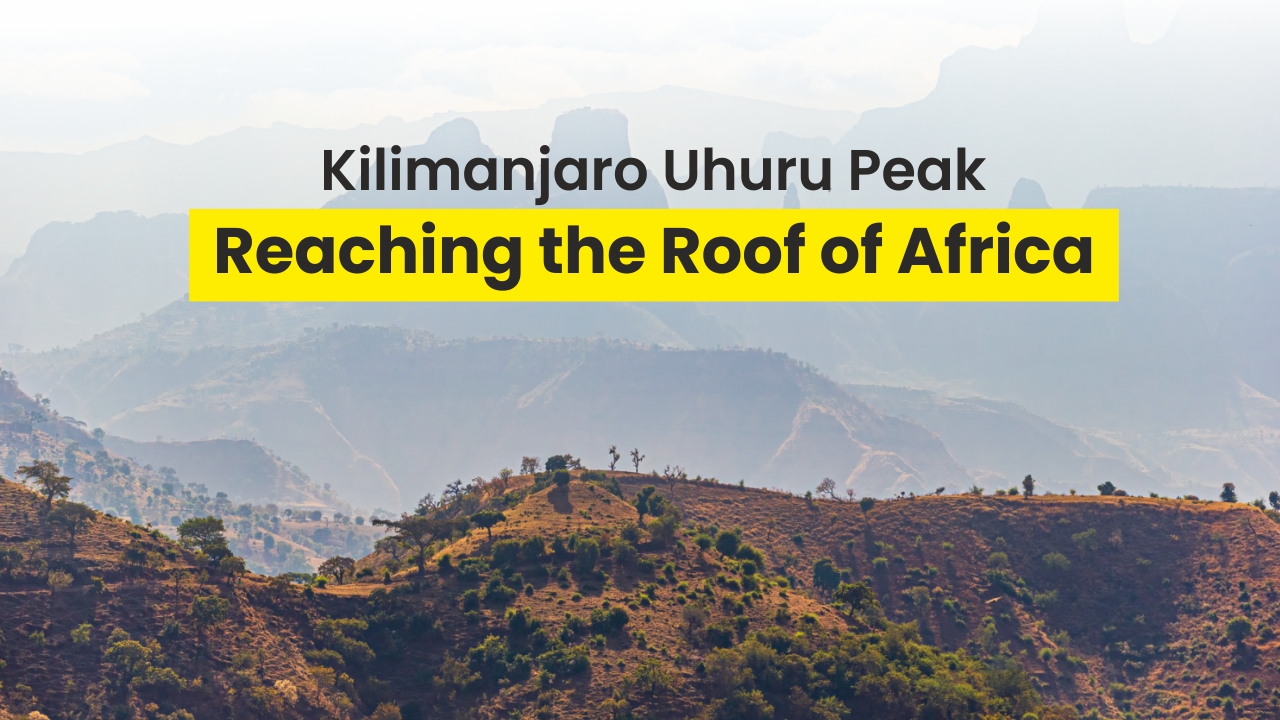
Standing at an awe-inspiring 5,895 meters above sea level, Kilimanjaro Uhuru Peak represents the pinnacle of adventure for trekkers and mountaineers alike. This iconic summit, draped in glaciers and surrounded by vast African landscapes, is not just a climb—it is a life-changing experience that challenges both physical endurance and mental resilience. For those seeking to conquer Africa’s highest point, every step toward Kilimanjaro Uhuru Peak is a testament to preparation, determination, and the sheer thrill of exploration.

Understanding the Routes to Kilimanjaro Uhuru Peak

Reaching Kilimanjaro Uhuru Peak is possible through several established trekking paths, each offering distinct landscapes, difficulty levels, and experiences. Among these, the Marangu Route is favored for its gradual ascent and comfortable hut accommodations, often called the “Coca-Cola Route” due to its popularity. Trekkers experience lush rainforest, moorland, and alpine deserts before reaching the snowy summit. In contrast, the Machame Route, known as the “Whiskey Route,” provides a more challenging but scenic journey, traversing rugged terrain and offering panoramic views that reward the physically prepared.

Other notable paths include the Lemosho, Shira, Rongai, and Northern Circuit routes. Each path presents unique acclimatization opportunities and scenic variations, ensuring that climbers can tailor their experience based on time availability, fitness, and adventure preference. Despite the differences in routes, the ultimate goal remains the same: standing atop Kilimanjaro Uhuru Peak and witnessing the sun rise over the roof of Africa.

Physical Preparation and Fitness

Summiting Kilimanjaro Uhuru Peak demands rigorous preparation. Trekking at high altitude tests cardiovascular fitness, stamina, and muscular strength. Beginners are encouraged to engage in a multi-week training plan incorporating hiking on varied terrain, long-distance walking, stair climbing, and strength exercises targeting the legs, core, and back. Even seasoned climbers benefit from training focused on endurance and acclimatization techniques.

Equally important is practicing mental resilience. Altitude fatigue, unpredictable weather, and long days of hiking require a focused mindset. Techniques such as visualization, pacing strategies, and controlled breathing help climbers manage the psychological challenges of prolonged trekking.

Acclimatization and Altitude Considerations

Altitude is the greatest challenge on the ascent to Kilimanjaro Uhuru Peak. Rapid gains in elevation can lead to altitude sickness, which manifests as headaches, nausea, dizziness, and fatigue. Proper acclimatization is essential to minimize risks and maximize summit success. Longer routes such as Lemosho and Northern Circuit provide a gradual ascent that helps the body adjust to decreasing oxygen levels, increasing the likelihood of a successful summit.

Hydration and nutrition play a critical role in acclimatization. Drinking at least three liters of water per day, consuming high-carbohydrate meals, and taking short, regular breaks during hikes help maintain energy levels and reduce altitude-related complications. Some trekkers also carry medication for altitude sickness, though natural acclimatization remains the safest method.

Gear and Equipment Essentials

The conditions on Kilimanjaro Uhuru Peak vary drastically, from tropical rainforest at the base to icy alpine deserts near the summit. Proper gear is vital for comfort, safety, and endurance. Essentials include:

  • Layered clothing: moisture-wicking base layers, insulating mid-layers, and waterproof outer shells
  • Sturdy, broken-in trekking boots with ankle support
  • Gloves, hats, and balaclavas for cold summit temperatures
  • Sleeping bags rated for sub-zero temperatures
  • Trekking poles to reduce strain on knees and improve stability
  • Sunglasses, sunscreen, and lip balm to protect from high-altitude sun exposure

Porters and guides often provide logistical support, including tents, meals, and route navigation, allowing climbers to conserve energy for the ascent itself. Partnering with experienced teams like Ice Rock Trekking ensures access to professional guidance, safety protocols, and well-organized expeditions.

Summit Day: The Final Push

Summit day is the most physically demanding and mentally intense part of the journey. Climbers typically begin the ascent in the early hours of the morning, navigating icy trails under a starry sky. The combination of steep inclines, thin air, and cold temperatures tests endurance to the limit.

Pacing and energy management are crucial. Slow, steady steps, frequent rest intervals, and controlled breathing help maintain strength during the challenging final kilometers. Reaching Kilimanjaro Uhuru Peak at sunrise is a transcendent moment, rewarding months of preparation and days of climbing with breathtaking vistas of the African plains stretching to the horizon. The experience is not only a personal triumph but also an opportunity to reflect on human resilience and the sheer magnificence of nature.

Safety and Health Considerations

While the adventure is thrilling, safety remains paramount. Climbers should always follow guidance from experienced guides, monitor for signs of altitude sickness, and respect personal limits. Weather on Kilimanjaro can change rapidly, with sudden snow, rain, or high winds, making it essential to carry extra layers and emergency gear.

Regular communication with guides, adherence to planned routes, and awareness of environmental hazards ensure that the climb remains as safe as possible. Trekkers must also be mindful of the ecological impact of their expedition, practicing Leave No Trace principles to preserve the mountain’s fragile ecosystems.

Post-Summit Recovery

After reaching Kilimanjaro Uhuru Peak, the descent is equally important. Gradual downhill trekking prevents injuries, particularly to knees and ankles. Adequate rest, hydration, and nutrition during descent help the body recover from exertion and altitude strain. Many climbers report a profound sense of accomplishment and transformation after the experience, with memories that last a lifetime.

Celebrating the summit is a personal moment, but it also highlights the importance of preparation, teamwork, and perseverance. For professional adventurers and enthusiasts alike, the climb serves as both a physical challenge and an inspirational milestone.

Choosing the Right Support

Selecting the right trekking company significantly impacts the overall experience. Ice Rock Trekking specializes in organizing expeditions to Kilimanjaro Uhuru Peak, offering expert guides, well-coordinated logistics, and attention to individual climber needs. Their experience ensures that every trekker can focus on the journey, safety, and enjoyment, while professional teams manage the complexities of the climb.

Partnering with experienced guides enhances acclimatization strategies, route selection, and overall safety. Personalized support, quality equipment, and deep local knowledge combine to create an adventure that is not only successful but profoundly rewarding.

Final Thoughts

Standing atop Kilimanjaro Uhuru Peak is a unique blend of triumph, awe, and humility. Every climber experiences a connection to the mountain and to themselves, forged through preparation, perseverance, and a deep respect for the natural world. From the lush forests at the base to the frozen summit plateau, every step tells a story of endurance and exploration.

For those seeking to challenge themselves, embrace nature, and achieve one of the highest points on the continent, Kilimanjaro Uhuru Peak offers an unparalleled adventure. The climb tests the limits of physical stamina and mental determination while delivering unmatched panoramic beauty and a sense of achievement that resonates long after the descent. Partnering with a professional team like Ice Rock Trekking ensures a safe, structured, and unforgettable experience, turning a dream into reality and making the roof of Africa accessible to determined explorers.
Marangu Route Kilimanjaro

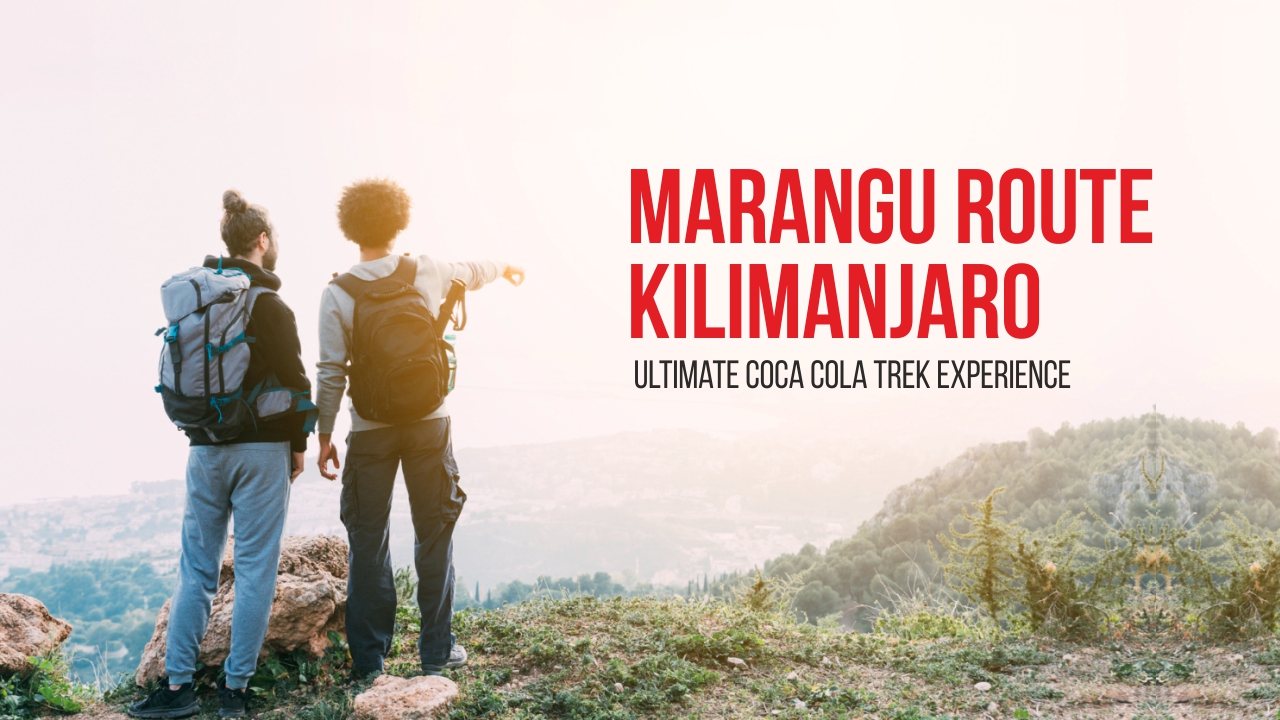
For trekkers seeking a classic, time-tested ascent of Africa’s highest peak, the Marangu Route Kilimanjaro offers an unmatched adventure. Often called the “Coca Cola Route” due to its popularity and relative comfort compared to other paths, this route blends accessibility, scenic diversity, and cultural encounters. Ice Rock Trekking has guided thousands through this iconic journey, ensuring climbers experience both the natural beauty and the rich heritage that surround Kilimanjaro.

The Marangu Route begins at the park gate near Marangu village, a region rich with Chagga culture. From the outset, hikers are greeted by the lush foothills of Kilimanjaro, where banana plantations, maize fields, and tropical forests create a stunning green backdrop. This area is not only visually striking but also culturally immersive. Local guides provide insights into Chagga farming practices, forest conservation efforts, and traditional stories, allowing trekkers to connect deeply with the environment they traverse.

One of the defining features of the Marangu Route is its hut-based accommodation. Unlike tented paths such as Machame or Lemosho, the Marangu Route offers simple dormitory-style huts at strategic points along the trail. This unique aspect makes it ideal for climbers who prefer not to camp and enjoy a slightly less rugged experience. The huts provide basic shelter, meals, and an opportunity to rest and socialize with fellow trekkers. While not luxurious, they foster a communal atmosphere where stories of the day’s trek are shared over hearty meals, creating lasting memories and connections.

The ascent itself unfolds in distinct ecological zones, each presenting unique challenges and visual rewards. The first stage passes through dense montane forest, home to exotic birds, colobus monkeys, and giant lobelias. The forest floor is carpeted with moss, and towering hardwoods create a sense of walking through an ancient, mystical environment. Trekkers often pause to observe wildlife or capture photographs of the striking flora. Moving upward, the trail gradually transitions into the heath and moorland zone, characterized by giant heathers, endemic plants, and open landscapes that reveal sweeping views of the lower slopes.

The Marangu Route Kilimanjaro is particularly advantageous for those conscious of altitude sickness. The itinerary typically spans five to six days, allowing sufficient time for acclimatization. The key to successful high-altitude trekking is a steady pace, ample hydration, and gradual elevation gain, all of which are incorporated into Ice Rock Trekking’s approach. The “climb high, sleep low” principle is often employed on higher days, enhancing acclimatization and minimizing the risk of altitude-related issues. Trekkers are encouraged to listen to their bodies and communicate any symptoms to the guides, who are trained to respond swiftly to ensure safety.

A highlight of this route is the scenic traverse of the Saddle, the high-altitude pass between Kibo and Mawenzi peaks. The landscape shifts dramatically, revealing lunar-like terrain, volcanic rocks, and glaciers in the distance. This section is challenging but immensely rewarding, offering climbers a preview of the final summit push and panoramic views that linger in memory long after the trek concludes. As trekkers move closer to the summit, the air becomes thinner and the temperatures drop significantly, demanding mental resilience and physical determination.

Summit day on the Marangu Route is typically an overnight hike starting around midnight. Trekkers ascend through the crater rim and approach Uhuru Peak at sunrise, experiencing one of the most awe-inspiring moments on Earth. The combination of fatigue, anticipation, and the ethereal glow of dawn creates an emotional experience that resonates deeply with all who reach the top. Ice Rock Trekking ensures that every climber receives guidance, encouragement, and support during this critical phase, fostering both safety and a sense of accomplishment.

Descending the Marangu Route provides a different kind of satisfaction. The trail back to Marangu village is shorter and faster but still offers stunning scenery, including alpine deserts and open moorlands. Many trekkers reflect on the diverse ecosystems traversed—from rainforests to glaciers—and the sense of achievement that comes from completing Kilimanjaro via this classic path. The descent also allows time to enjoy conversations with fellow climbers and guides, sharing experiences and celebrating successes.

The cultural and logistical aspects of the Marangu Route Kilimanjaro enhance the trekking experience. Local porters carry gear, prepare meals, and provide essential support throughout the journey. Engaging respectfully with porters and guides not only enriches the experience but also contributes to the local economy. Many trekkers find that their interactions with these dedicated professionals create lasting friendships and a deeper appreciation for the human element of mountaineering.

Preparation for the Marangu Route requires attention to both equipment and fitness. Hikers are advised to bring layered clothing suitable for varying temperatures, sturdy trekking boots, gloves, and a headlamp for summit day. Essential items also include sunscreen, water bottles, snacks, and a first-aid kit. Physically, moderate cardio conditioning and strength training can significantly enhance endurance and comfort during the climb. Ice Rock Trekking provides pre-trek consultations to ensure climbers are well-prepared and confident in their abilities.

Safety is paramount on Kilimanjaro, and the Marangu Route benefits from well-established trails, regular patrols, and proximity to the park gate. However, the mountain environment is unpredictable, and climbers must be vigilant regarding weather changes, altitude effects, and personal health. Ice Rock Trekking equips every trekker with expert guidance, emergency protocols, and support systems to navigate any challenges that arise.

For those seeking a classic, manageable, and culturally rich ascent, the Marangu Route Kilimanjaro is an ideal choice. It balances accessibility with adventure, offering unforgettable views, diverse ecosystems, and a profound sense of achievement upon reaching Uhuru Peak. This path has welcomed thousands of climbers over the decades, earning its reputation as the Coca Cola Route not only for its popularity but also for the shared camaraderie experienced along the trail.

The Marangu Route is more than a trek; it is an immersion into the beauty and heritage of Kilimanjaro. From lush forests to alpine deserts, from Chagga villages to the summit of Africa, every step offers an opportunity to connect with nature, culture, and the spirit of adventure. With careful preparation, dedicated guides, and a willingness to embrace the challenges, climbers leave the mountain transformed, carrying memories and experiences that last a lifetime.

Ice Rock Trekking continues to lead adventurers on this iconic route, ensuring each journey reflects the perfect blend of safety, enjoyment, and discovery. Whether it is a first-time climber or an experienced mountaineer, the Marangu Route offers a path that respects tradition, celebrates nature, and rewards determination with one of the most spectacular summits on Earth.

The journey on Marangu Route Kilimanjaro is both an external adventure and an internal journey of resilience and accomplishment. From the first step in the Chagga foothills to the final triumph at Uhuru Peak, every moment is an opportunity to challenge oneself, admire extraordinary landscapes, and create lifelong memories. It remains a timeless classic, celebrated for its unique combination of comfort, culture, and challenge, embodying the essence of Kilimanjaro trekking at its finest.

Sirimon Route Mt Kenya

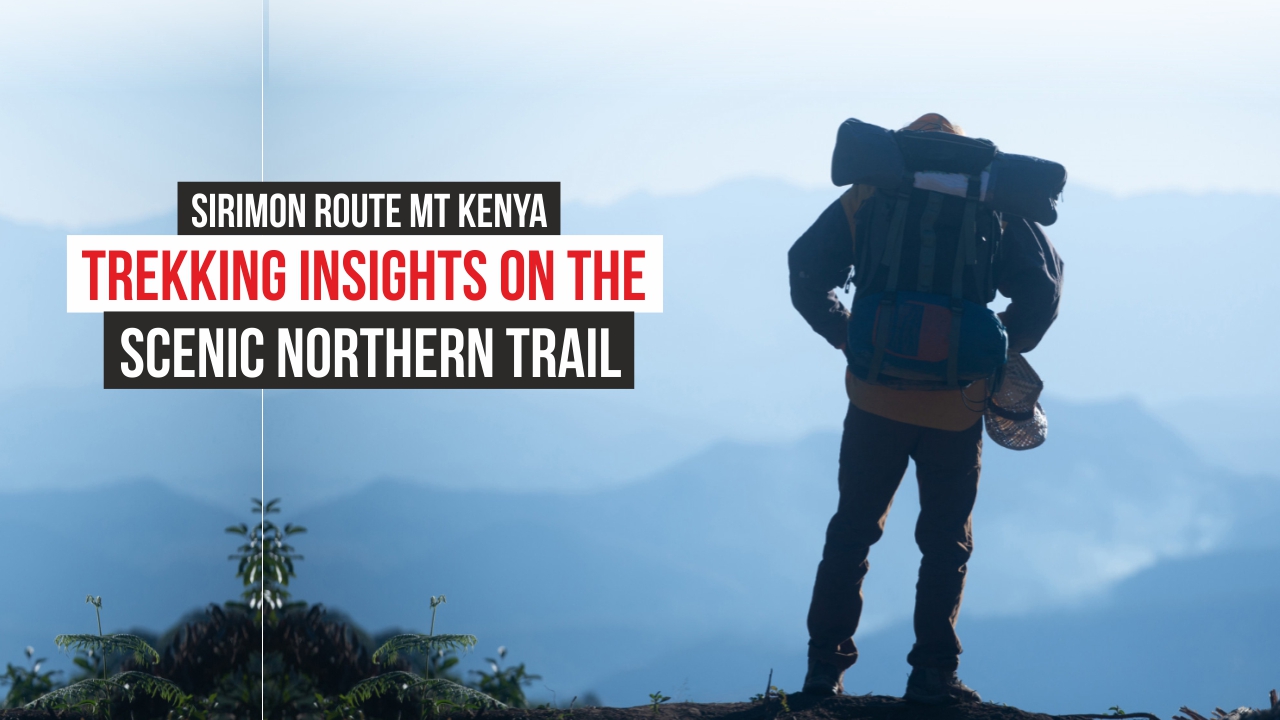
The Sirimon Route Mt Kenya offers one of the most scenic and rewarding experiences for climbers and adventure enthusiasts. Winding through lush forests, open moorlands, and alpine deserts, this northern trail is renowned for its breathtaking landscapes, diverse wildlife, and moderate trekking challenges. Unlike some of the more crowded paths, the Sirimon route provides a tranquil environment, perfect for those who wish to connect with nature while gradually ascending to the mountain’s higher altitudes.

Starting from Nanyuki, the trailhead is easily accessible from major towns, making logistics straightforward for both first-time trekkers and seasoned climbers. The initial segment meanders through dense cedar and pine forests, where the air is crisp, and the scent of earth and pine invigorates every step. Early encounters often include colobus monkeys, bushbucks, and an array of bird species, making the first few hours of trekking a visual delight.

As trekkers progress, the terrain gradually shifts from forested paths to open moorlands dotted with giant heathers and lobelias. This transition is not only a feast for the eyes but also a critical period for acclimatization, as the altitude begins to rise steadily. For climbers, maintaining a measured pace here is vital to reduce the risk of altitude sickness. The Sirimon route’s elevation gain is gradual compared to the Chogoria or Naro Moru trails, allowing more time for the body to adjust naturally.

A notable highlight of the Sirimon Route Mt Kenya is the Shipton’s Camp, situated at an altitude of around 4,200 meters. It serves as an ideal resting point before pushing towards higher camps like Old Moses Camp. Shipton’s Camp is surrounded by impressive alpine scenery, including glacial valleys and rocky ridges, which offer perfect opportunities for photography or short side hikes. Climbers often find this location peaceful yet energizing, providing a sense of achievement as the treeline fades into the alpine desert.

From Shipton’s Camp, the path ascends gently but consistently, with the landscape transitioning into sparse vegetation and exposed rocky surfaces. The Old Moses Camp, perched near 4,900 meters, is the final high camp for trekkers aiming for the peaks of Batian and Nelion. Staying at Old Moses allows climbers to wake up early and tackle the summit in cooler, more favorable conditions. The route demands good fitness and proper acclimatization at this stage, but the reward is a panoramic view of Kenya’s second-highest mountain and the surrounding Rift Valley.

One of the unique aspects of the Sirimon Route Mt Kenya is the chance to witness the mountain’s glacial formations. Though retreating, the glaciers on Batian and Nelion remain a striking feature, creating stark contrasts with the otherwise volcanic terrain. Trekking in this zone requires careful attention to footing and weather conditions, as temperatures can drop sharply, and sudden mist or rain can reduce visibility. Experienced guides from Ice Rock Trekking ensure safety by providing proper advice, navigation, and support throughout this section.

Wildlife encounters remain a continuous highlight along the northern trail. Beyond the forested lower sections, trekkers may spot small herds of eland, buffalo, and even the elusive mountain bongo in less frequented areas. Birdwatchers particularly appreciate this route for spotting endemic species like the Aberdare cisticola and Jackson’s francolin. Photographers and nature lovers find the Sirimon Route rewarding due to the diversity of flora and fauna coupled with dramatic mountain vistas.

Another critical factor for a successful trek on this route is planning for altitude, weather, and logistics. The northern trail offers multiple campsites and lodges along the way, including Sirimon Gate, Old Moses Camp, and Shipton’s Camp. While some trekkers prefer tented camping, others opt for more structured accommodations available near the lower sections. Packing warm layers, proper trekking boots, water purification options, and high-energy food ensures comfort and safety throughout the journey. Ice Rock Trekking specializes in arranging all essential amenities, making the climb smooth and organized for all levels of trekkers.

The Sirimon Route’s northern orientation provides a gradual ascent, unlike some steeper alternatives, making it suitable for first-time climbers who wish to experience Mt Kenya’s majesty without overwhelming physical stress. The trail is well-marked, with clear paths and signs, but the expertise of experienced guides ensures that adventurers navigate any tricky sections safely. Knowledgeable guides also enrich the experience with insights into local flora, fauna, and the mountain’s cultural significance, making the trek educational as well as thrilling.

Summiting via the northern route is a physically and emotionally rewarding experience. Climbers aiming for Point Lenana, the trek’s highest accessible peak at 4,985 meters, are treated to panoramic views stretching over the Aberdare ranges, the Great Rift Valley, and even glimpses of Mount Kilimanjaro on exceptionally clear days. The combination of alpine lakes, rugged ridges, and glacial remnants creates an unmatched visual spectacle, making every step towards the summit unforgettable. Ice Rock Trekking ensures that climbers receive the right guidance, motivation, and safety checks to maximize the summit experience while minimizing risks.

Descending the Sirimon Route offers a different but equally captivating perspective. The trail back passes through moorlands and forest zones in reverse, allowing trekkers to notice wildlife and plants they might have missed on the ascent. It’s also a chance to reflect on the journey, enjoy the fresh mountain air, and capture last photographs of this serene landscape. Many trekkers report a sense of fulfillment and rejuvenation after completing this northern path, highlighting its value not just as a climb but as a holistic mountain experience.

For those seeking longer itineraries, combining the Sirimon Route with the Chogoria Route for a circular trek provides exposure to multiple ecosystems, dramatic ridgelines, and even glacial valleys inaccessible on the northern trail alone. This combination is suitable for climbers with more experience and time, offering a deeper immersion into Mt Kenya’s diverse and challenging environment.

In conclusion, the Sirimon Route Mt Kenya represents a perfect blend of adventure, natural beauty, and manageable trekking difficulty. Its gradual ascent, variety of landscapes, abundant wildlife, and well-placed camps make it ideal for both first-time climbers and seasoned mountaineers. Ice Rock Trekking offers personalized services, expert guidance, and detailed planning for climbers eager to explore the northern trail efficiently and safely. Whether it’s witnessing glacial valleys, spotting rare wildlife, or standing atop Point Lenana, this route promises an enriching experience that leaves lasting memories.

Trekking the Sirimon Route ensures more than just reaching a peak—it allows adventurers to immerse themselves in one of East Africa’s most iconic mountains, appreciating its ecosystems, cultural significance, and unparalleled natural beauty. For those ready to embrace the challenge and marvel at Kenya’s highland treasures, the northern trail stands as a must-experience journey, combining safety, adventure, and visual splendor in equal measure.

Mountain Rwenzori Uganda

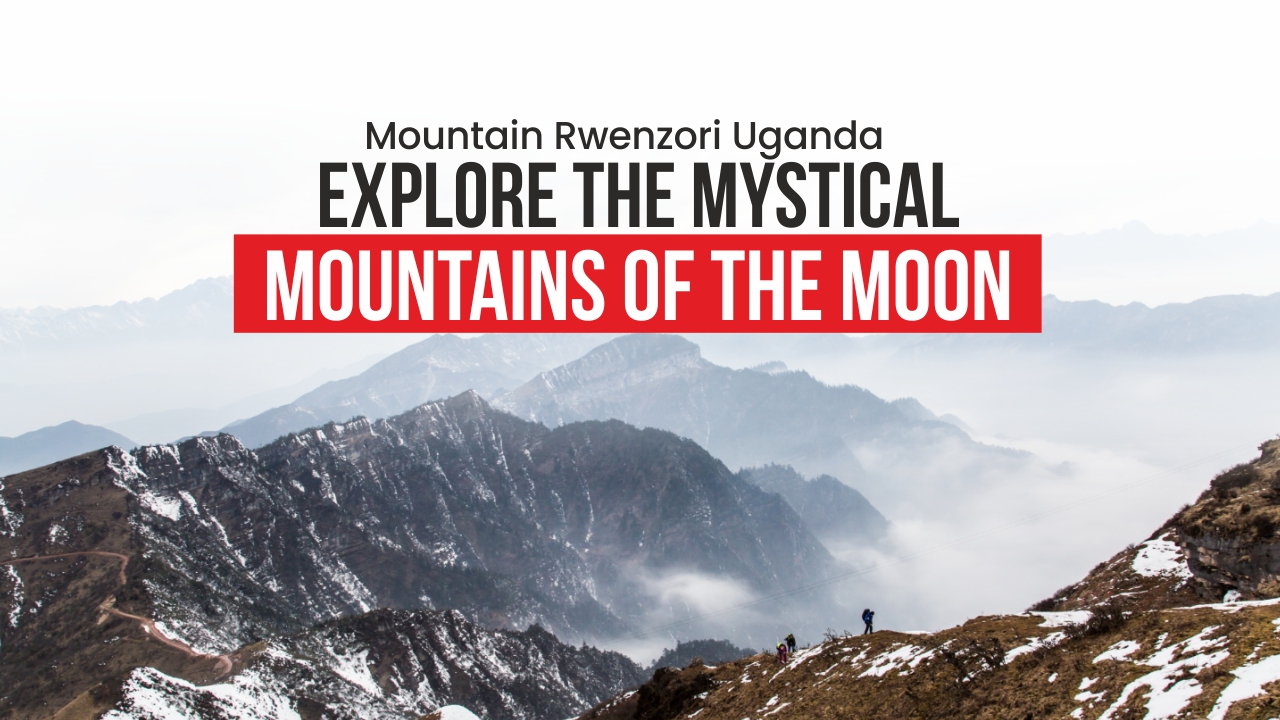
Mountain Rwenzori Uganda, often referred to as the “Mountains of the Moon,” is a breathtaking destination that captivates adventurers, nature lovers, and explorers alike. Towering peaks, lush forests, and crystal-clear streams create a landscape that seems almost magical. For those who crave more than a conventional trek, the Rwenzori Mountains offer a journey into a pristine wilderness where every step reveals hidden waterfalls, glacial lakes, and rare flora unique to this region of East Africa. Ice Rock Trekking specializes in curating experiences that allow visitors to fully immerse themselves in this extraordinary environment while prioritizing safety, sustainability, and authentic local interactions.

The allure of Rwenzori lies not only in its physical beauty but also in the sense of adventure that accompanies traversing its trails. Unlike typical hiking routes, the paths here wind through tropical alpine vegetation, bamboo forests, and moorlands dotted with giant lobelias and senecios. Wildlife enthusiasts can encounter species such as Rwenzori turacos, monkeys, and even elusive leopards. Each layer of the mountain presents a unique ecosystem, offering opportunities for photography, ecological observation, and peaceful reflection away from urban distractions.

One of the key features that make Mountain Rwenzori Uganda exceptional is the accessibility of peaks for both amateur and seasoned climbers. Margherita Peak, the highest point at 5,109 meters, challenges experienced mountaineers with its glacial climbs, while lower-altitude trails provide a rewarding experience for those less accustomed to high-altitude trekking. Preparation is essential: carrying proper gear, acclimatizing to the elevation, and following expert advice ensures a safe and enjoyable journey. Ice Rock Trekking equips travelers with detailed itineraries, experienced guides, and essential support, allowing them to focus on the adventure rather than logistical concerns.

Accommodations near the Rwenzori Mountains range from basic mountain huts to well-maintained lodges. These options enable travelers to rest comfortably while remaining close to nature. Staying overnight in the park offers a unique perspective: early morning mist rolling over the peaks, the sounds of exotic birds, and a star-filled sky unspoiled by city lights. Meals are often prepared using local ingredients, giving visitors a taste of authentic Ugandan cuisine while supporting surrounding communities.

Exploration in this region is not limited to trekking alone. The Rwenzori Mountains are intersected by numerous rivers and streams, providing opportunities for refreshing dips and water-based photography. Hiking to alpine lakes such as Lake Bujuku or Lake Mahoma rewards visitors with reflections of towering peaks and untouched landscapes. Seasonal waterfalls, cascading with immense force, add a dramatic backdrop to the journey. For adventurers with an eye for detail, smaller paths leading to hidden valleys reveal a side of Rwenzori that few outsiders ever witness.

Cultural encounters enhance the experience of visiting Mountain Rwenzori Uganda. Local communities, including the Bakonjo and Bamba tribes, have lived in harmony with these mountains for centuries. Travelers often have opportunities to learn about traditional lifestyles, participate in local ceremonies, and purchase handcrafts that reflect the region’s rich heritage. These interactions foster a deeper appreciation of the landscape and emphasize the importance of conserving both the natural environment and cultural traditions.

Safety and preparation are critical when exploring high-altitude environments like the Rwenzori Mountains. Sudden weather changes, cold temperatures, and steep terrain demand adequate clothing, sturdy footwear, and a well-planned itinerary. Ice Rock Trekking ensures all participants receive thorough briefings on altitude adjustment, emergency procedures, and environmental guidelines. By following established trails and respecting wildlife habitats, visitors can enjoy the mountains responsibly without compromising the ecosystem.

The mystical atmosphere of Rwenzori is amplified by the interplay of clouds and sunlight across jagged peaks. Photographers and artists often find themselves captivated by the ethereal light and dramatic landscapes. Each day offers a new perspective: foggy mornings transform valleys into mysterious realms, while clear afternoons reveal the intricate details of glacial formations and rock faces. Birdwatchers and botanists will find particular interest in this diverse environment, where endemic species thrive in relative isolation.

For those seeking physical challenges, multi-day trekking routes allow climbers to ascend multiple peaks and traverse varying terrains. Camp sites strategically located along the trails provide opportunities for rest, reflection, and camaraderie among fellow adventurers. The journey often includes crossing bamboo thickets, steep ridges, and glacial streams—experiences that test endurance while offering a profound sense of accomplishment. Every step reveals the dynamic beauty and raw power of these ancient mountains.

Environmental preservation remains a central focus for anyone visiting Rwenzori. The fragile alpine ecosystems are sensitive to human impact, making responsible travel practices essential. Ice Rock Trekking emphasizes leave-no-trace principles, encourages minimal disturbance to wildlife, and works with local authorities to maintain the integrity of trails and campsites. Visitors contribute to conservation efforts, ensuring that future generations can experience the same awe-inspiring landscapes.

Seasonal variations influence the type of adventure travelers can expect. Dry months provide easier trail conditions and better visibility of distant peaks, while the rainy season transforms the mountains into lush, emerald landscapes with powerful waterfalls and vibrant flora. Understanding seasonal patterns allows explorers to plan their visit for optimal weather, wildlife observation, and photographic opportunities. Regardless of timing, Mountain Rwenzori Uganda delivers an experience that feels both intimate and grand in scale.

In addition to adventure and natural beauty, the health benefits of trekking through Rwenzori are notable. Physical activity at high altitudes enhances cardiovascular fitness, strengthens muscles, and improves mental clarity. The fresh mountain air, absence of pollution, and immersion in serene environments contribute to overall wellness. Many visitors report a sense of rejuvenation and lasting inspiration after navigating these spectacular terrains.

For travelers committed to a meaningful experience, combining trekking with cultural immersion, photography, wildlife observation, and environmental awareness offers a holistic adventure. Each journey becomes more than a physical challenge—it evolves into a personal exploration of resilience, curiosity, and connection to nature. Mountain Rwenzori Uganda stands as a testament to the beauty and mystery that the Earth continues to offer those willing to venture beyond familiar paths.

By partnering with experienced operators such as Ice Rock Trekking, adventurers can navigate this remarkable landscape with confidence. Knowledgeable guides, carefully planned itineraries, and support services ensure that every aspect of the journey is smooth, safe, and enriching. From first-time visitors to seasoned mountaineers, the Rwenzori Mountains promise an unforgettable encounter with one of Africa’s most enchanting natural wonders.

In conclusion, Mountain Rwenzori Uganda is not just a destination—it is an invitation to explore untouched wilderness, experience diverse ecosystems, and connect with a region steeped in cultural richness. Each expedition reveals new layers of beauty, challenge, and inspiration. Those who embark on this journey return with memories etched by misty peaks, cascading waterfalls, and the quiet majesty of the “Mountains of the Moon.” For anyone seeking adventure that transcends the ordinary, the Rwenzori Mountains offer a once-in-a-lifetime experience filled with wonder, discovery, and the timeless allure of nature.