
Rwenzori Mountains in Uganda

The Rwenzori Mountains, often called the “Mountains of the Moon,” are amongst Africa’s most breathtaking yet less-explored natural wonders. The majestic mountain is located on the border between Uganda and the Democratic Republic of the Congo and is home to some of the most breathtaking and diverse landscapes in Africa. The mountain range is 120 km long and 65 km wide, and with an increase in altitude, the magical landscape transforms into a botanical paradise. The landscape of the mountain ranges from lush montane forests and moorlands to equatorial snow-capped peaks. The Rwenzori Mountains National Park in southwestern Uganda became a UNESCO world heritage site in 1994. 

Rwenzori Mountains – The Legendary “Mountains of the Moon”

The Rwenzori was termed as the “Mountains of the Moon,” by the Greek geographer Ptolemy in the 2nd century AD and was later explored in 1889 by European adventurer Henry Morton Stanley. The Rwenzori Mountains boast a dramatic landscape of rugged peaks, pristine glaciers, lush forests, and diverse wildlife offering an unparalleled experience to adventurers, nature lovers, and trekking enthusiasts. The highest peak of the mountains is Margherita Peak reaching an impressive 5,109 meters above sea level on Mount Stanley. It is Africa’s third-highest peak and the mountains were formed by tectonic activity in which huge rock blocks thrust upward from the Western Rift Valley floor. The name Rwenzori of the mountains is derived from the word “Rwe Nzururu,” which means “rainmaker.” The name is a perfect fit considering the frequent rainfall and mist-covered peaks of the mountains. 

Biodiversity and Unique Ecosystems

The Rwenzori Mountains are a biodiversity hotspot, as this region is home to Africa’s most unique ecosystems, boasting a variety of plant, and animal species, and ecosystems including montane forests, moorlands, glacial peaks, and alpine meadows. While ascending this majestic mountain, tourists will get to encounter an amazing variety of flora and fauna comprising heather trees, giant lobelias, rare animal species such as Rwenzori Turaco, leopards, rare primates such as the L’Hoest’s monkey and three-horned chameleons. In addition to these, tourists, particularly birdwatchers will be treated with over 200 bird species and this ecological diversity of this mountain is a testament to Uganda’s natural beauty. While ascending the mountain tourists will pass through the following five distinct vegetation zones:

Tropical Rainforest (1,600–2,500m) – Tropical Rainforest is the lowest zone of the mountain having rich flora and fauna comprising over 200 bird species along with forest elephants, and colobus monkeys. 

Bamboo Forest (2,500–3,000m) – The second lower zone is the dense Bamboo Forest that serves as a home for the elusive Rwenzori turaco, an iconic bird of the region.

Heather Zone (3,000–3,800m) – The next vegetation zone is the Heather Zone which is occupied by giant lobelias and heathers draped in moss. This zone is known for providing otherworldly experiences for trekkers.

Alpine Zone (3,800–4,500m) – The Alpine is the second topmost zone that features rockier terrain and is home to unique plants like the giant groundsel and provides panoramic views of the peaks.

Glacial Zone (above 4,500m) – Glacial is the highest zone of the mountain having snow-capped peaks and glaciers. This zone is a rare sight in equatorial Africa.

Best Time to Visit

The Rwenzori Mountains in Uganda can be best visited during the dry seasons, which are from June to August and from December to February. These months have perfect weather having clear skies and less rain and are considered ideal for climbing and trekking. Besides, even trails are accessible and have better visibility, allowing trekkers to experience the scenic beauty of the region.  

Visit Rwenzori Mountains – A Landscape Like No Other

The Rwenzoris Mountains with their lower slopes sheltered in montane forests, bamboo woodlands, and vast moorlands emerge as a mystical wonderland. The landscape with the increase in altitude transforms into a botanical paradise featuring giant lobelias, tree heathers, and everlasting flowers, creating a magical feel among moss-draped rocks. Some of the compelling reasons to visit the mystical mountains include:

  • Visit the “Mountains of the Moon”, which is a legendary and historic range
  • It is Africa’s third-highest peak and a true mountaineering experience
  • A globally significant conservation area and UNESCO World Heritage Site
  • Unique flora and fauna with rare birds and animal species that are not found anywhere
  • Tourists get to experience all levels of hiking from easy nature walks to summit climbs

Final Thoughts

The Rwenzori Mountains are Africa’s gem offering an unforgettable blend of adventure, natural beauty, and cultural heritage. Embarking on a journey to this mountain is an exploration of Uganda’s untouched beauty, wilderness, and awe-inspiring landscapes. Tourists whether an experienced mountaineer or a nature enthusiast looking for a unique trekking experience the Rwenzoris Mountains promise an unparalleled journey.  Rwenzori Mountains are a must-visit destination for anyone exploring Uganda’s natural wonders due to its rich biodiversity, breathtaking scenery, and deep cultural significance.
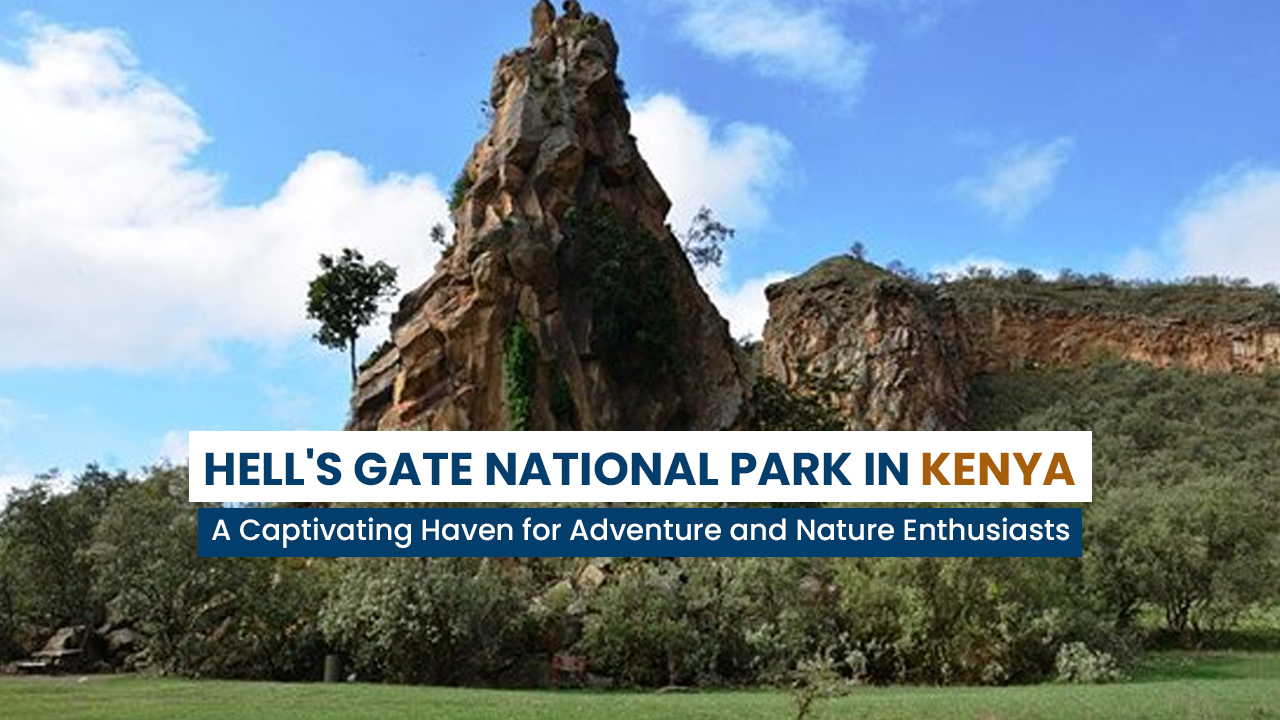
Hell's Gate National Park in Kenya

Kenya is sure to cast a spell on every visitor who will surely fall head over heels for its splendid national parks, amazing safaris, diverse wildlife, and exceptional flora and fauna. Among its many spectacular attractions, Hell’s Gate National Park is an ultimate gen and an adventurer’s paradise. Unlike other national parks in Kenya, Hell’s Gate emerges as the most adventurous and exhilarating destination in East Africa because tourists can explore its dramatic cliffs without the safari vehicle, as it allows visitors to cycle, hike, and rock climb. 

A Brief Introduction of Hell’s Gate National Park

Hell’s Gate National Park was established in 1984 to preserve its unique wildlife and landscapes. Spanning around 68.25 square kilometers, Hell’s Gate is not just a cultural landmark but an ecological treasure, popular among tourists seeking an immersive experience of nature splendor. Hell’s Gate National Park is located near Naivasha and is tucked deep into the floor of the Great Rift Valley, which is just 90 kilometers from Nairobi. It is one of Kenya’s smallest national parks whose name originated from a narrow break in the cliffs that was a tributary of a prehistoric lake.

Why Visit Hells Gate National Park?

Hell’s Gate National Park is a thrilling escape into nature’s majesty for nature enthusiasts and adventure seekers alike. This part offers visitors a chance to explore the natural beauty of the Great Rift Valley, discover the rich history and culture of the place, and explore the unique geology and wildlife of the park. Its ultimate landscapes, from geothermal hot springs to towering cliffs add to its allure and provide a thrilling experience to visitors like no other area. It is a must-visit destination for tourists who love to cherish and explore the wonders offered by nature. Tourists visiting this park are sure to experience the most peculiar, surreal, and visually stunning landscapes anywhere in Africa.  

  • The park’s landscape was formed due to volcanic activity and erosion, creating a visually stunning environment of cliffs, gorges, and rock towers. 
  • It is one of the few national parks in the world with active geothermal features, dramatic landscapes, and towering rock formations. 
  • Hell’s Gate is home to hot springs and natural geysers, including the Fischer’s Tower and Central Tower, prominent volcanic plugs that add to its geological allure.
  • Visitors will get exposed to a diverse range of wildlife and can spot herds of giraffes, elands, buffalos, zebras, warthogs, and other herbivores in the grasslands. 
  • Visitors can explore this park on foot or by bicycle, making it extremely popular for hikers and cyclists.
  • Hell’s Gate National Park is a paradise for birdwatchers having over 100 bird species like Raptors, vultures, rare lammergeyer, eagle, and a variety of colorful birds that can be spotted throughout the park.
  • The park offers a close experience with nature through its 24-kilometer cycling route from the park entrance to the gorge. This exhilarating experience provides close encounters with wildlife and breathtaking landscapes along the way.
  • With rock climbing and canyoning opportunities, this park is a paradise for outdoor and adventure seekers. Tourists can experience challenging climbs at Fischer’s Tower and the Central Tower and exciting canyoning experiences at the gorge.

Best Time to Visit Hell’s Gate National Park

The best time to visit the national park is from June to October when the weather is dry and is considered an ideal time for excellent wildlife viewing and other outdoor activities. Though the park is open all through the year, but the best time to visit is the dry season when trails are less muddy and wildlife viewing is at its peak. Besides, the relatively cool climate of the park makes it easier for tourists to explore the park in the warmer months. The skies are clear during this time, making it a great time for outdoor activities like hiking, biking, and rock climbing. This time is also considered best for wildlife spotting.  

Vital Tips For Travellers

Tourists on their way to Hell’s Gate National Park should keep the following tips in mind to enjoy the trip in the most fun filling and effective manner.   

  • Tourists must keep a check on the weather alerts, particularly during the rainy season, to save them from any inconvenience and disruptions in their trip.
  • Tourists are advised to wear closed-toe and sturdy shoes that are ideally recommended in the rugged terrain and will also be a big help for visiting the gorge.   
  • Visitors should carry lots of water and sunscreen, as the temperature in daytime soars high and can quickly dehydrate visitors. 
  • Travelers must carry a good quality camera and binoculars for bird watching and sightseeing.
  • Visitors should hire a guide who will prove to be of great help for activities like hiking and rock climbing, and will increase the safety of the tourists and will aware them of the park’s history and geology.

Why Hell’s Gate Should Be on Bucket List

Hell’s Gate National Park is a must-visit destination for adventure and nature enthusiasts. This place is a haven for travel enthusiasts who are looking to experience Kenya beyond the traditional safari. It is an ideal getaway for both solo travelers and families because of its striking landscapes, thrilling activities, and easy accessibility from Nairobi. This park promises an unforgettable adventure with the opportunity of cycling, hiking, or the option of soaking in a geothermal spa. A trip to Kenya for any traveler is incomplete without exploring this wonder of nature.