Mount Kilimanjaro Trek

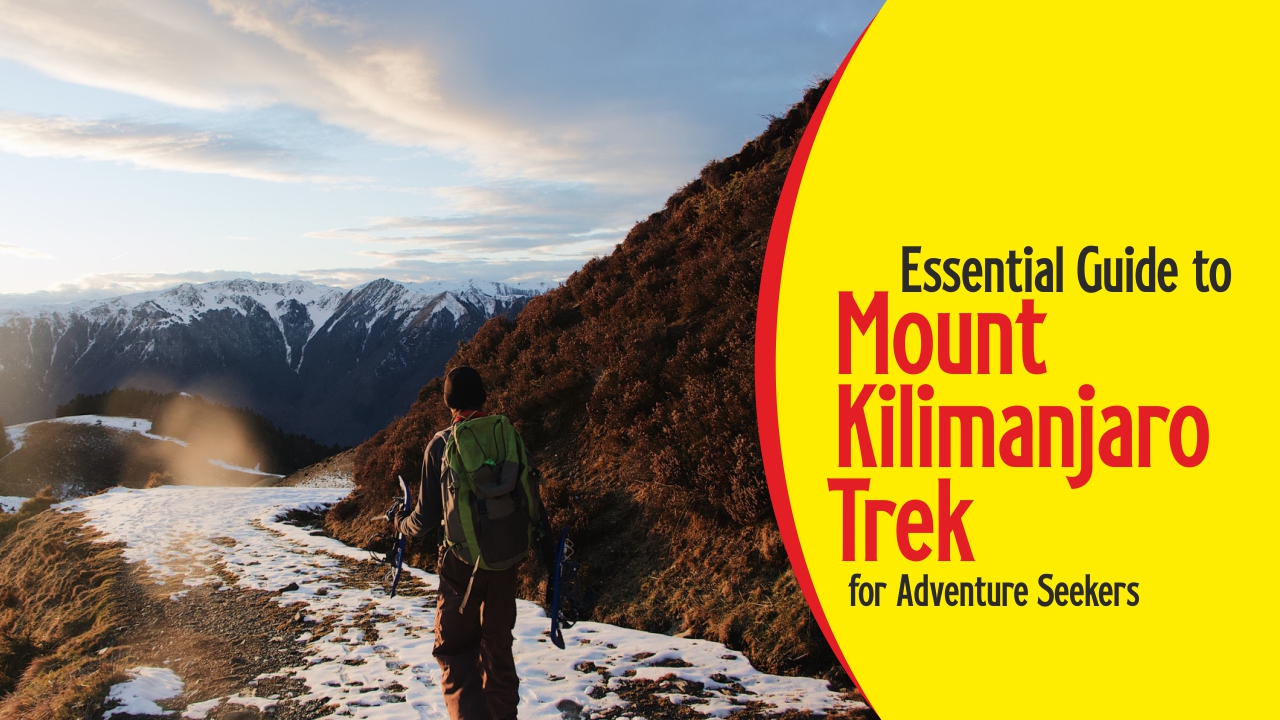
Embarking on a Mount Kilimanjaro trek is a dream for adventurers seeking an unforgettable challenge. Standing at 5,895 meters, Africa’s highest peak is not just a mountain—it is a test of endurance, spirit, and determination. From lush rain forests to alpine deserts and snow-capped summits, Kilimanjaro offers a dramatic contrast of landscapes that mesmerize every hiker who attempts its ascent. Whether you are a seasoned trekker or a passionate adventure seeker, understanding the terrain, preparation, and best practices can transform your expedition into a successful and exhilarating journey. Ice Rock Trekking has been assisting enthusiasts for decades, ensuring every trekker experience Kilimanjaro safely and memorably.

Choosing the Ideal Route

Kilimanjaro features several trekking routes, each offering distinct experiences. The Marangu Route, known for its gentle slopes and hut accommodations, is ideal for those seeking comfort without compromising on adventure. Machame Route, often referred to as the “Whiskey Route,” presents steeper inclines but rewards trekkers with panoramic views and diverse landscapes. Lemosho and Shira Routes are longer and less crowded, offering a sense of wilderness and opportunities to acclimatize gradually. Selecting the right route depends on fitness levels, trekking experience, and the type of adventure you are pursuing. Ice Rock Trekking advises beginners to consider longer routes for better acclimatization and higher summit success rates.

Preparing Physically and Mentally

A successful mount kilimanjaro trek relies heavily on preparation. Physical training should focus on cardiovascular endurance, leg strength, and stamina. Activities such as hiking, running, cycling, and stair climbing can simulate trekking conditions. Additionally, strength training exercises targeting the core, legs, and back improve stability on uneven terrain. Mental readiness is equally vital; high-altitude trekking can be mentally demanding due to altitude sickness, fatigue, and unpredictable weather. Positive visualization, meditation, and practicing patience during long hikes can enhance resilience and determination during the climb.

Packing Essentials

Choosing the right gear can make a significant difference on the trail. Layering is key: moisture-wicking base layers, insulating mid-layers, and waterproof outer shells are essential to cope with Kilimanjaro’s varied climate. Quality trekking boots with proper ankle support and sturdy soles reduce the risk of injuries. Warm gloves, hats, and thermal socks are necessary for the higher altitudes, while trekking poles provide balance and reduce strain on knees during steep ascents and descents. Other essentials include a reliable backpack, hydration system, first-aid kit, sun protection, headlamps, and lightweight sleeping bags if camping. Ice Rock Trekking provides detailed equipment checklists and offers guidance on renting or purchasing high-quality gear.

Acclimatization and Altitude Awareness

Altitude sickness is a critical consideration when attempting mount kilimanjaro. Symptoms include headaches, nausea, fatigue, and dizziness. Gradual acclimatization is essential to prevent severe complications. Trekking slower, following the “pole pole” (slowly, slowly) principle, and staying hydrated improve the chances of adapting to thinner air. Choosing routes with longer durations and overnight stays at higher camps allows the body to adjust naturally. Ice Rock Trekking ensures treks are structured to balance daily distance with proper acclimatization, prioritizing safety without compromising the thrill of the adventure.

Nutrition and Hydration

Maintaining energy levels during the climb requires careful attention to nutrition and hydration. High-carbohydrate meals provide the necessary fuel for strenuous days, while proteins support muscle repair. Snacks such as nuts, energy bars, and dried fruits are convenient for quick refueling during trekking. Staying hydrated is vital to combat altitude sickness and fatigue. Drinking 3-4 liters of water daily, supplemented with electrolyte solutions, keeps the body functioning optimally. Ice Rock Trekking emphasizes meal planning and ensures that every trekker receives balanced, wholesome food that caters to different dietary preferences.

Weather Considerations

Kilimanjaro’s climate varies significantly from base to summit. The lower slopes feature humid tropical forests with occasional rainfall, while higher elevations present cold alpine deserts with strong winds. Snow and ice cap the summit, requiring warm clothing and proper equipment. Understanding seasonal weather patterns can influence the timing of your trek. The dry seasons, typically from June to October and December to February, offer more stable conditions and higher chances of a successful summit. However, even during dry months, sudden weather changes can occur, emphasizing the importance of preparation and adaptability.

Summit Strategies

Reaching Uhuru Peak, the summit of Mount Kilimanjaro, is the ultimate reward for every trekker. Most routes start the final push around midnight to reach the summit by sunrise, providing both cooler conditions and spectacular views. Mental determination, pacing, and steady breathing are crucial during this demanding stage. Ice Rock Trekking guides ensure trekkers maintain a comfortable pace, provide motivational support, and monitor each individual for signs of altitude stress. The sense of accomplishment upon standing on the roof of Africa is unparalleled, making the climb a life-changing experience.

Safety Measures and Expert Support

Safety is paramount on any mount Kilimanjaro trek. Engaging experienced guides, porters, and support staff can prevent accidents and enhance the trekking experience. Guides are trained in first aid, altitude sickness recognition, and emergency evacuation procedures. Ice Rock Trekking prioritizes safety by maintaining high standards for equipment, providing comprehensive briefings, and accompanying trekkers throughout the journey. Clear communication, structured itineraries, and emergency protocols ensure that the focus remains on adventure and enjoyment rather than risk management.

Post-Trek Recovery and Reflection

After descending from Kilimanjaro, proper recovery is essential. Stretching, hydration, and a balanced diet aid in muscle recovery, while rest allows the body to adjust after exertion at high altitudes. Many trekkers find reflection and sharing experiences with fellow adventurers rewarding. The memories, photographs, and sense of achievement stay long after the trek concludes. Ice Rock Trekking encourages post-trek discussions and offers insights on maintaining fitness and preparing for future expeditions.

Why Choose Ice Rock Trekking

With decades of experience in organizing mount Kilimanjaro treks, Ice Rock Trekking combines professional expertise with personalized attention. From pre-trek planning to summit support, the team ensures every aspect of the expedition is seamless. Their knowledge of routes, altitude adaptation strategies, and safety protocols empowers trekkers to embrace the adventure with confidence. Every trekker benefit from a balance of challenge, enjoyment, and safety, creating a transformative experience that lasts a lifetime.

Mount Kilimanjaro is more than a destination—it is a journey that tests physical endurance, mental resilience, and the spirit of adventure. For those ready to take on this iconic climb, preparation, careful planning, and expert guidance from Ice Rock Trekking make the expedition not only achievable but unforgettable.

7 days 6 Nights Lemosho Route

Embarking on the 7 days 6 Nights Lemosho Route trek on Mount Kenya is an adventure that blends natural beauty, physical challenge, and the thrill of high-altitude exploration. This route is highly sought after for its scenic diversity, gentle acclimatization, and breathtaking panoramas. Ice Rock Trekking ensures every step of this journey is safe, memorable, and tailored for enthusiasts seeking the perfect balance between adventure and comfort.

The Lemosho Route starts on the western side of Mount Kenya, leading trekkers through lush rainforest, open moorlands, and rocky alpine terrain. Its extended trail makes it ideal for gradual acclimatization, reducing the risks associated with altitude sickness while allowing trekkers to fully absorb the stunning vistas. Along the way, climbers experience the dense greenery of the forest canopy, the unique wildlife inhabiting these ecosystems, and the striking contrasts of Mount Kenya’s volcanic slopes.

Day 1: Arrival and Shira Plateau Trek
The journey begins with a drive to the Lemosho trailhead. From here, trekkers embark on a steady climb into the Shira Forest, moving toward the Shira Plateau. This area is characterized by open moorlands, towering rock formations, and patches of giant heather. The plateau offers a perfect opportunity to witness Mount Kenya’s volcanic features while acclimatizing to the altitude. Trekkers set up camp amidst scenic surroundings, ready for the challenges ahead.

Day 2: Shira Plateau to Moir Hut
As the trek continues, the trail traverses the vast Shira Plateau, revealing dramatic views of lava cliffs and volcanic ridges. Reaching Moir Hut, trekkers experience the first high-altitude camp, which serves as a crucial point for acclimatization. The day’s walk combines moderate inclines with moments to pause and admire the expansive landscapes, preparing the body for the demanding sections to come.

Day 3: Moir Hut to Lava Tower to Barranco Camp
This segment introduces trekkers to the rugged volcanic terrain surrounding Lava Tower. The ascent to Lava Tower is challenging yet rewarding, offering a panoramic perspective of the mountain’s eastern and southern slopes. From here, the descent to Barranco Camp brings a mix of rocky gullies and vegetative patches, showcasing the diversity of Mount Kenya’s ecosystem. Barranco Camp, nestled beneath the imposing Barranco Wall, provides an unforgettable high-altitude camping experience.

Day 4: Barranco Wall and Karanga Valley
Trekking past the iconic Barranco Wall involves an exciting scramble, demanding careful footing and a sense of adventure. This route is a favorite among seasoned climbers, offering thrilling views and a sense of accomplishment. Beyond the wall lies the Karanga Valley, where trekkers find a mix of alpine meadows and rocky expanses. The serene Karanga Camp is ideal for resting, enjoying the crisp mountain air, and preparing for the ascent toward higher altitudes.

Day 5: Karanga Valley to Barafu Camp
The trek from Karanga Valley to Barafu Camp is a test of endurance, with the trail steadily climbing through high-altitude alpine terrain. Barafu Camp serves as the launch point for the summit attempt, offering sweeping views of glaciers, peaks, and ridges. Trekkers settle into camp, ensuring proper hydration, nutrition, and rest before the challenging summit push in the early hours.

Day 6: Summit Attempt and Descent to Mweka Camp
The summit push begins late at night, ascending under the starlit sky toward Point Lenana, Mount Kenya’s highest accessible peak for trekkers. The cold, thin air challenges even the most experienced adventurers, but the reward is unparalleled—a sunrise over the glacial peaks and valleys of Mount Kenya. After reaching the summit, trekkers descend to Mweka Camp, passing through alpine meadows and forests, reflecting on the achievement and beauty experienced along the trail.

Day 7: Mweka Camp to Trailhead and Departure
The final day involves a gradual descent through dense forest back to the Mweka trailhead. Trekkers complete the circuit with a sense of fulfillment, having experienced a full spectrum of Mount Kenya’s diverse landscapes. The journey concludes with transport to the nearest town, marking the end of an unforgettable 7 days 6 Nights Lemosho Route adventure.

Why the Lemosho Route Stands Out
The Lemosho Route is renowned for its panoramic vistas, diverse ecosystems, and efficient acclimatization schedule. Unlike other trails, it offers an extended experience that balances trekking challenges with moments to soak in nature’s beauty. Ice Rock Trekking ensures all logistics, including camping, meals, and guidance, are meticulously managed, allowing adventurers to focus entirely on the trekking experience.

The journey is not only a physical achievement but also an immersive encounter with Mount Kenya’s unique flora and fauna. From the dense rainforest teeming with birdlife to the barren alpine ridges, trekkers witness a range of environments that few other mountains can offer. The Lemosho Route combines adventure, safety, and natural wonder, making it a top choice for trekking enthusiasts seeking a remarkable high-altitude experience.

Preparation and Essentials
Success on the Lemosho Route requires proper preparation. Climbers should have high-quality trekking boots, layered clothing for varying temperatures, and essentials like walking poles, headlamps, and hydration packs. Physical conditioning is crucial, as the trek demands endurance, strength, and the ability to manage high-altitude conditions. Ice Rock Trekking provides detailed pre-trek briefings and ensures that every participant is well-equipped for the adventure.

Embarking on the 7 days 6 Nights Lemosho Route with Ice Rock Trekking promises more than just a climb—it offers a deep connection with the raw, unspoiled beauty of Mount Kenya. For trekking enthusiasts, this journey is an unparalleled opportunity to challenge oneself, experience nature at its finest, and create memories that last a lifetime.

mount kenya trekking sirimon route

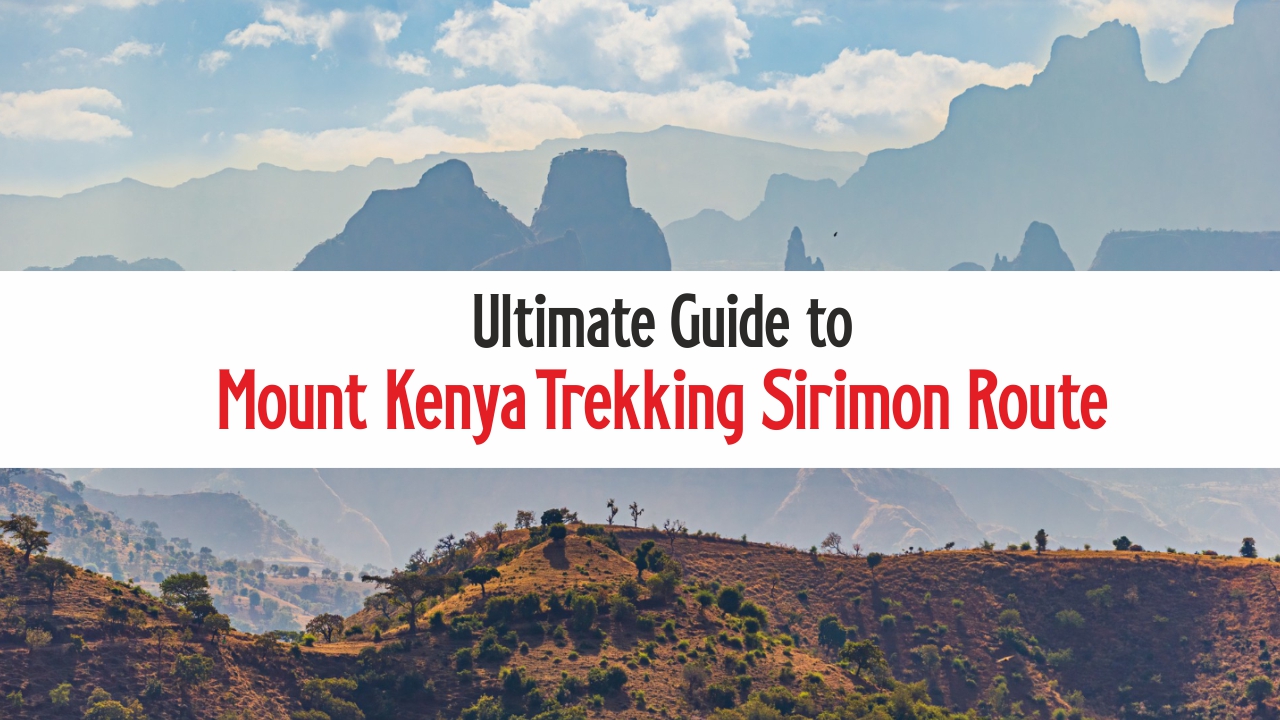
Embarking on a mount kenya trekking sirimon route adventure offers thrill-seekers and nature lovers an unforgettable experience through Kenya’s second-highest peak. Known for its scenic beauty, diverse ecosystems, and less crowded paths, the Sirimon Route presents a perfect blend of challenge and awe-inspiring landscapes. Ice Rock Trekking ensures that every trekker experiences the magic of Mount Kenya while prioritizing safety, comfort, and personalized adventure.

The journey begins from Nanyuki, a bustling town at the foothills of Mount Kenya. From here, trekkers are transported to the Sirimon Gate, the official entry point for this route. The Sirimon Route is favored for its gradual ascent, making it ideal for acclimatization, especially for those aiming to reach the peak without severe altitude sickness. Along the path, hikers traverse through dense forest zones rich in indigenous flora and fauna. Towering cedar and camphor trees, endemic birds, and occasional sightings of colobus monkeys create a serene and immersive environment.

As trekkers ascend, the landscape transitions from dense forest to bamboo zones and heathland, a remarkable ecological change that showcases the mountain’s biodiversity. The crisp mountain air, paired with panoramic views of valleys and distant peaks, rejuvenates the spirit and invigorates the body. Ice Rock Trekking guides ensure that trekkers receive insights about the ecosystem, pointing out rare plants and explaining the significance of Mount Kenya’s environment.

Camping along the Sirimon Route offers a blend of adventure and comfort. Campsites such as Old Moses Camp, Shipton’s Camp, and Mackinder’s Camp are strategically positioned to optimize acclimatization and provide stunning views. Nights at these camps are memorable as trekkers witness clear starry skies, distant sounds of wildlife, and the ethereal glow of the alpine environment. Ice Rock Trekking prioritizes high-quality camping gear, warm sleeping bags, and nutritious meals to keep trekkers energized throughout the journey.

One of the most exciting aspects of mount kenya trekking sirimon route is the approach to Point Lenana, the trekking summit accessible without technical climbing. The trail from Shipton’s Camp to the summit is particularly challenging due to the steep gradient and high altitude. However, the early morning ascent rewards trekkers with a breathtaking sunrise over Mount Kenya’s rugged peaks, glaciers, and surrounding valleys. Capturing this moment is often a lifelong memory for adventurers and photography enthusiasts alike.

While the Sirimon Route is less technically demanding than the northern or Chogoria routes, proper preparation remains crucial. Trekkers are advised to maintain a balanced fitness routine, focusing on endurance, strength, and cardiovascular health. Layered clothing is essential, as temperatures fluctuate significantly from the forest base to the alpine summit. Ice Rock Trekking provides detailed pre-trek instructions, including gear recommendations, altitude management tips, and essential safety protocols to ensure a secure and enjoyable experience.

Wildlife spotting is another highlight of the Sirimon Route. Trekkers may encounter elephants, buffalos, and diverse bird species along the trail. The mountain’s unique ecosystem supports endemic plants such as giant lobelias and senecios, which add an exotic touch to the trekking experience. Guides from Ice Rock Trekking enrich the journey with stories about local culture, mountain folklore, and ecological significance, creating a holistic adventure that engages both the mind and senses.

Nutrition and hydration play a critical role during mount kenya trekking sirimon route expeditions. High-energy snacks, balanced meals, and sufficient water intake are essential for stamina and altitude adaptation. Ice Rock Trekking emphasizes healthy, locally sourced meals, providing trekkers with traditional Kenyan flavors alongside essential nutrients. This thoughtful approach ensures that every trekker maintains peak performance while enjoying authentic culinary experiences.

Beyond physical challenges, trekking the Sirimon Route fosters mental resilience. Navigating steep slopes, unpredictable weather, and extended periods in remote areas strengthens determination, patience, and problem-solving skills. The sense of accomplishment upon reaching Point Lenana is profound, offering a rewarding blend of personal triumph and natural beauty. Ice Rock Trekking expert guides support every step of the journey, ensuring that trekkers feel confident and encouraged throughout.

Photography enthusiasts find mount kenya trekking sirimon route particularly rewarding. From mist-laden forests to high-altitude landscapes and panoramic views of snow-capped peaks, the route offers countless opportunities for stunning shots. Ice Rock Trekking often provides advice on the best vantage points, optimal lighting conditions, and unique angles, helping trekkers capture memories that last a lifetime.

Safety is a top priority on every expedition. The unpredictable mountain weather demands preparedness, including carrying rain gear, warm clothing, and first-aid kits. Trekkers are advised to be vigilant and follow guide instructions closely. Ice Rock Trekking maintains strict safety standards, ensures clear communication at all times, and conducts regular altitude and health checks to prevent complications.

The descent from Point Lenana through the Sirimon Route is equally engaging, as trekkers witness landscapes from a new perspective. The gradual return allows the body to recover while enjoying the scenic diversity one last time. Trekkers often reflect on the journey, sharing stories of wildlife encounters, challenging ascents, and the camaraderie formed along the way. Ice Rock Trekking encourages this reflection, fostering a sense of achievement and connection to Mount Kenya’s natural splendor.

For adventure enthusiasts, mount kenya trekking sirimon route offers more than just a physical challenge. It is a journey that combines nature, culture, and personal growth. The route’s carefully managed campsites, expert guides, and emphasis on safety and comfort make it accessible for both seasoned trekkers and newcomers seeking an unforgettable mountain experience. Ice Rock Trekking remains committed to providing memorable, well-organized expeditions, ensuring that every trekker leaves with lasting memories and a deeper appreciation for Mount Kenya’s majestic landscapes.

Trekking Mount Kenya via the Sirimon Route is a transformative experience. It demands preparation, patience, and perseverance, yet rewards adventurers with awe-inspiring vistas, encounters with wildlife, and a profound connection with nature. With Ice Rock Trekking, this journey is both safe and exhilarating, allowing trekkers to fully immerse themselves in the unique beauty and challenge of Mount Kenya. For anyone seeking an adventure that blends excitement, natural wonder, and personal achievement, the Sirimon Route stands out as an exceptional choice.

5 Days 4 Nights Chogoria Route

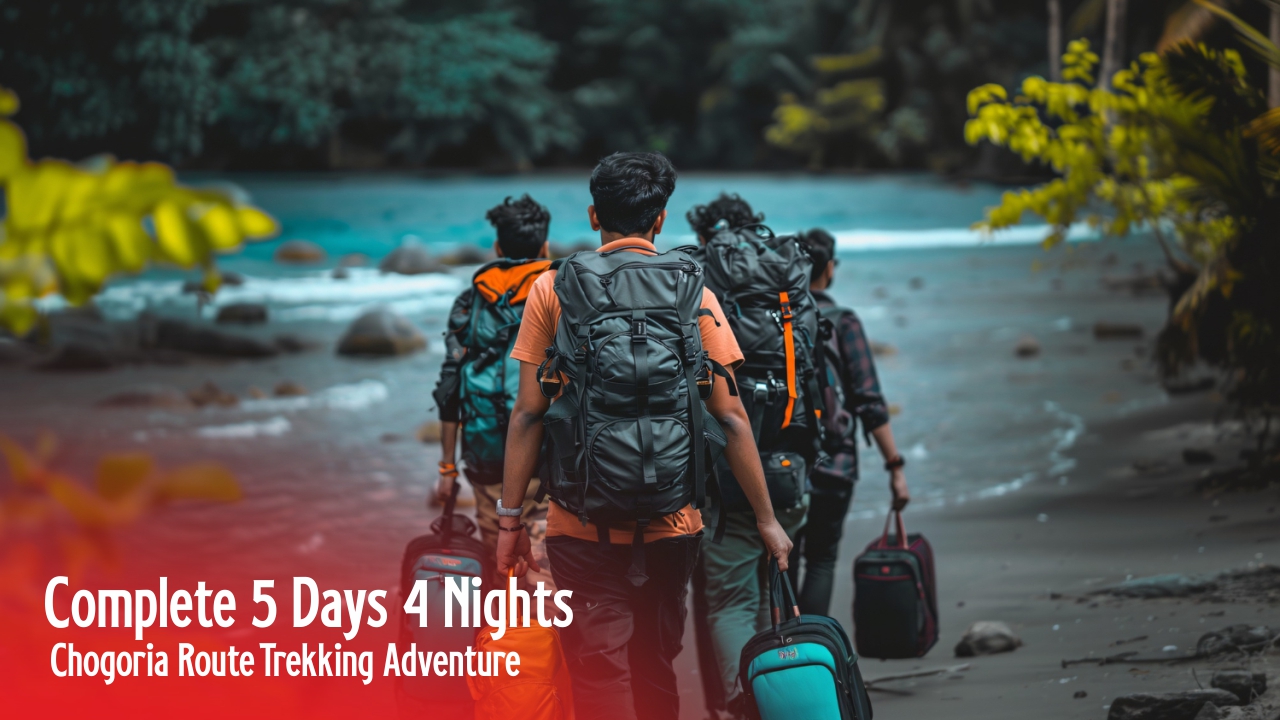
Embarking on the 5 Days 4 Nights Chogoria Route offers an unforgettable journey through some of Mount Kenya’s most pristine and dramatic landscapes. This route is renowned for its scenic diversity, combining lush forests, glacial valleys, and rugged peaks. It presents an ideal challenge for seasoned trekkers and adventure enthusiasts seeking an immersive experience of Kenya’s second-highest mountain. Ice Rock Trekking ensures that this journey balances excitement with safety, offering travelers an opportunity to witness the striking contrasts between the lower forested slopes and the alpine zones near the summit.

Day 1: Arrival and Trek to Muthuaini Campsite

The adventure begins at the Chogoria Gate, the main entry point for this scenic route. From here, trekkers follow the winding trails that cut through dense montane forests, teeming with exotic birdlife and towering trees. The trek gradually ascends towards the Muthuaini Campsite, providing a moderate introduction to the altitude. Along the way, hikers encounter streams and waterfalls that enhance the natural charm of the route. Camp setup at Muthuaini is straightforward, allowing trekkers to relax and acclimatize before the more challenging days ahead.

Day 2: Trek Through Gorges to Lake Michaelson

The second day of the 5 Days 4 Nights Chogoria Route takes adventurers deeper into Mount Kenya’s dramatic gorges. The trail navigates steep ridges and offers panoramic views of the surrounding highlands. Trekkers often pause to admire the rock formations and rare plant species unique to this elevation. The day concludes at the serene Lake Michaelson, nestled amidst towering cliffs and glacial features. This campsite is ideal for early evening reflection, as the lake’s waters mirror the peaks and sky above, creating a tranquil setting for rest and photography.

Day 3: Ascend to Shipton’s Camp

The trek intensifies on the third day, with a focus on altitude adaptation and stamina. Hikers climb past vertical cliffs, glacial valleys, and rugged terrain, eventually arriving at Shipton’s Camp. This area serves as the last major campsite before summit attempts, offering spectacular views of the Batian and Nelion peaks. The camp itself is surrounded by alpine vegetation and mossy ridges, providing a sense of remoteness and wilderness. Ice Rock Trekking ensures that trekkers receive guidance on hydration, pacing, and acclimatization strategies to prepare for the demanding ascent the following day.

Day 4: Summit Point Lenana Peak

The pinnacle of the 5 Days 4 Nights Chogoria Route experience is the early morning ascent to Point Lenana, the trekking summit of Mount Kenya. Departure occurs before dawn to capture the sunrise over the rugged peaks and glaciers. The climb requires focus and endurance, as trekkers navigate steep paths and rocky terrain. Reaching Point Lenana rewards adventurers with panoramic views of the surrounding landscapes, from rolling highlands to distant savannahs. After savoring the summit experience, hikers descend to Shipton’s Camp for rest and celebration, reflecting on the achievement of standing atop one of Africa’s most iconic mountains.

Day 5: Descent to Chogoria Gate

The final day involves a gradual descent back to Chogoria Gate. Trekkers pass through the same forests and streams encountered on Day 1, now viewing them from a higher perspective. This descent allows time to absorb the journey’s experiences, photograph the scenic vistas, and appreciate the flora and fauna encountered along the route. Reaching Chogoria Gate marks the conclusion of a rewarding adventure, leaving trekkers with lasting memories and a sense of accomplishment.

Flora and Fauna Along the Route

The Chogoria Route offers a unique opportunity to witness Mount Kenya biodiversity. Hikers traverse montane forests, bamboo zones, and alpine moorlands. Wildlife sightings often include Sykes monkeys, bushbucks, and an array of exotic bird species. Rare plants like lobelias and giant groundsels dot the higher elevations, creating a striking contrast with the rocky terrain. These natural wonders make the 5 Days 4 Nights Chogoria Route a captivating experience for nature enthusiasts and photographers alike.

Practical Tips for Trekkers

Successful completion of the trek requires careful preparation. Layered clothing is essential to adapt to fluctuating temperatures, especially near the summit. High-quality trekking boots, walking poles, and a well-fitted backpack improve comfort and stability. Hydration and nutrition are vital, as the altitude and exertion can quickly deplete energy levels. Ice Rock Trekking emphasizes responsible trekking practices, including minimizing waste, respecting wildlife, and following established trails to protect the mountain’s delicate ecosystem.

Why Choose the Chogoria Route

Compared to other routes on Mount Kenya, Chogoria offers unmatched scenery and fewer crowds, providing an intimate connection with the mountain. Its combination of forested paths, glacial lakes, and dramatic cliffs creates a varied and challenging trek suitable for both adventure seekers and professional mountaineers. The well-organized camping spots and support from experienced guides make it a safe yet exhilarating journey. Ice Rock Trekking expertise ensures that every trekker experiences the mountain’s beauty while receiving professional care throughout the expedition.

Conclusion

The 5 Days 4 Nights Chogoria Route presents an exceptional trekking adventure, blending physical challenge with the awe-inspiring beauty of Mount Kenya. From dense forests to glacial peaks, this route captures the essence of the mountain’s diverse landscapes. With careful planning, proper equipment, and professional guidance, adventurers can achieve a fulfilling journey, culminating in the rewarding experience of standing atop Point Lenana. Ice Rock Trekking continues to provide unforgettable Mount Kenya adventures, making this route an essential experience for anyone passionate about mountain trekking.