Chogoria Route Mount Kenya

Mount Kenya is one of Africa’s most rewarding high-altitude trekking destinations, offering dramatic valleys, volcanic landscapes, alpine scenery, rugged peaks, and diverse wildlife. Among its trekking approaches, the chogoria route mount Kenya experience stands out for its scenic beauty and distinctive landscapes.

The Chogoria approach is particularly attractive to trekkers who want more than a straightforward ascent. The trail passes through forest, moorland, open valleys, unusual rock formations, alpine vegetation, and high-altitude terrain before connecting with routes leading toward the mountain’s summit area.

For travelers planning a Mount Kenya trek, choosing the right route is an important decision. Distance, altitude gain, walking hours, accommodation, weather, acclimatization, park charges, porter support, and summit objectives all affect the overall experience.

Ice Rock Trekking organizes Mount Kenya trekking experiences with attention to safety, pacing, logistics, and local mountain conditions. Whether you are preparing for your first high-altitude trek or looking for a demanding African mountain adventure, the Chogoria side provides a memorable way to experience Mount Kenya.

Why Choose the Chogoria Route on Mount Kenya

The Chogoria Route is known for its spectacular scenery. Compared with some other approaches, the landscape changes considerably throughout the trek.

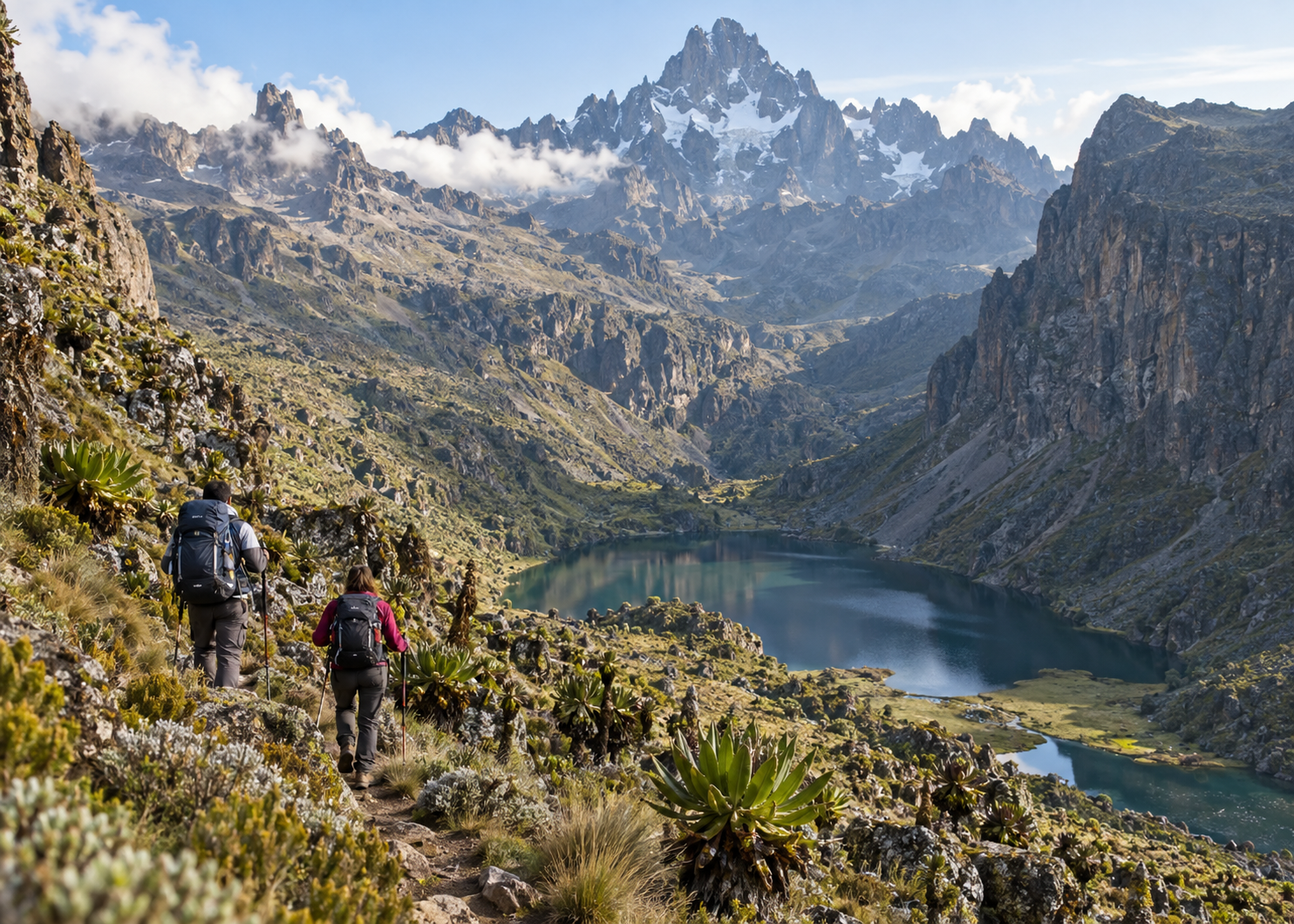
Trekkers may encounter dense mountain forest at lower elevations, followed by bamboo zones, moorland, giant heather, high-altitude valleys, and rocky terrain. The route also provides access to some of Mount Kenya’s most recognizable natural features.

Highlights can include:

  • Chogoria forest
  • Lake Ellis
  • Minto’s Hut area
  • Hall Tarns
  • Gorges Valley
  • Giant groundsel and lobelia
  • High-altitude volcanic landscapes
  • Views toward Batian and Nelion
  • Sunrise around Point Lenana
  • Diverse mountain wildlife

One of the major advantages is the opportunity to combine scenic trekking with gradual altitude gain. A carefully planned itinerary can give the body more time to adjust before reaching the summit zone.

Chogoria Route Mount Kenya Starting Point

The trek generally begins from the Chogoria side of Mount Kenya. Access to the trailhead involves road travel from nearby towns and can include a rougher mountain road depending on weather and seasonal conditions.

Many itineraries use a vehicle to reach a suitable starting point before walking into the mountain environment.

The exact starting location can vary according to road conditions, park regulations, weather, and the selected itinerary. This is important because the actual walking distance can change when vehicles cannot travel as high as expected.

For this reason, trekkers should confirm the planned starting elevation and walking distance with their trekking operator before departure.

Main Chogoria Route Trekking Itinerary

A typical Chogoria trekking program can range from several days to a longer itinerary designed for better acclimatization. A five-day or six-day schedule is commonly considered when balancing trekking time with an efficient travel plan.

Day 1: Nairobi to Chogoria and Mountain Approach

The journey normally begins with road travel toward Chogoria. After reaching the area, the team continues toward the mountain entrance or an appropriate trailhead.

Depending on the selected itinerary and road conditions, the first walking section may be relatively moderate.

The lower slopes are characterized by forest and changing vegetation. Wildlife can occasionally be spotted, although sightings are never guaranteed.

Day 2: Forest to Higher Moorland

As the trek continues, the landscape gradually opens up. Dense forest gives way to bamboo and moorland vegetation.

The pace should remain comfortable. There is little advantage in walking aggressively at altitude, particularly during the early stages.

Trekkers may spend the night at a mountain camp or designated accommodation depending on the itinerary.

Day 3: Lake Ellis or High-Altitude Valley Section

Lake Ellis is one of the attractive points along the Chogoria side. Its surroundings provide a peaceful setting and excellent views of the mountain landscape.

Some itineraries use Lake Ellis as an acclimatization point, while others continue farther toward higher camps.

This section gives trekkers an opportunity to experience the changing environment before reaching the summit zone.

Day 4: Hall Tarns and Summit Preparation

The trail becomes more rugged as it approaches the higher elevations.

Hall Tarns and the surrounding cliffs create one of the most impressive sections of the Chogoria approach. The scenery becomes distinctly alpine, with dramatic rock walls, open valleys, and sparse vegetation.

The evening should be focused on rest, hydration, nutrition, and preparation for the summit attempt.

Day 5: Point Lenana Summit and Descent

The summit day normally begins very early.

Point Lenana, at approximately 4,985 metres, is the highest trekking summit on Mount Kenya and the usual objective for non-technical trekkers.

The pre-dawn ascent can be physically demanding because of the altitude, cold temperatures, darkness, and steep terrain.

Reaching the summit around sunrise can provide spectacular views when weather conditions are clear.

After spending a short period at the summit, trekkers descend to a lower camp. The descent is usually faster than the ascent but can still be tiring.

Day 6: Descent and Return

The final day involves descending toward the mountain exit and continuing by vehicle toward the onward destination.

Longer programs may add an extra acclimatization or recovery day, which can be useful for trekkers who want a less rushed experience.

Chogoria Route Difficulty

The Chogoria Route is generally considered challenging rather than an easy hiking trail.

The main difficulty comes from altitude rather than technical climbing for trekkers aiming for Point Lenana.

Factors that influence difficulty include:

  • High elevation
  • Long walking days
  • Steep sections
  • Rocky terrain
  • Cold temperatures
  • Reduced oxygen availability
  • Early-morning summit ascent
  • Variable weather
  • Individual fitness
  • Acclimatization ability

A person who regularly hikes and has reasonable cardiovascular fitness may be well prepared for the physical demands. However, fitness does not eliminate altitude-related risks.

Walking slowly, maintaining steady breathing, drinking regularly, eating enough food, and allowing appropriate acclimatization are important elements of a successful trek.

Is Chogoria Route Suitable for Beginners?

Yes, but beginners should not underestimate the mountain.

Previous high-altitude trekking experience is helpful but not mandatory for Point Lenana if the itinerary is appropriately designed.

A beginner should ideally prepare through regular walking, uphill training, stair climbing, strength exercises, and longer weekend hikes.

The biggest mistake is arriving at Mount Kenya without preparation and expecting fitness alone to solve altitude problems.

A professional mountain crew can help with pacing, route decisions, camp arrangements, meals, and monitoring during the trek.

Chogoria Route Mount Kenya Cost

The total cost of a Mount Kenya trek depends on the number of days, group size, accommodation arrangements, park fees, transport, food, crew requirements, equipment, and the level of service included.

A trekking package may include:

  • Mount Kenya National Park fees
  • Mountain crew services
  • Professional trekking guides
  • Porters
  • Meals during the trek
  • Camping equipment
  • Accommodation where applicable
  • Transport to and from the mountain
  • Emergency support arrangements

Some expenses may remain separate, including international flights, visas, personal insurance, personal equipment, tips, hotel stays before or after the trek, and optional activities.

Because park fees and operational expenses can change, travelers should request an updated quotation from Ice Rock Trekking before confirming their itinerary.

The cheapest package is not always the best choice for a high-altitude trek. Proper staffing, food, safety planning, equipment, and acclimatization can make a significant difference.

Best Time for Chogoria Route Mount Kenya

Mount Kenya can be climbed during different periods of the year, but weather conditions strongly influence the trekking experience.

The generally preferred periods are the drier seasons, when trails tend to be more manageable and visibility can be better.

Dry conditions can make steep and rocky sections easier to negotiate. Clear weather also increases the possibility of enjoying views from Point Lenana.

Wet periods can bring slippery trails, muddy sections, cloud cover, and more challenging conditions.

However, mountain weather can change quickly regardless of season. Trekkers should therefore carry suitable waterproof and warm clothing even when traveling during a traditionally favorable period.

What to Pack for Chogoria Route

Packing correctly is essential for a comfortable Mount Kenya trek.

Recommended equipment includes:

  • Waterproof hiking boots
  • Comfortable trekking socks
  • Thermal base layers
  • Fleece or insulated jacket
  • Waterproof jacket and trousers
  • Warm hat
  • Gloves
  • Sun hat
  • Sunglasses
  • Sunscreen
  • Headlamp
  • Trekking poles
  • Water bottles or hydration system
  • Sleeping bag suitable for low temperatures
  • Backpack
  • Duffel bag for porter transport
  • Personal first-aid supplies
  • High-energy snacks
  • Toiletries
  • Power bank
  • Small personal medication kit

Avoid overpacking. Porters have weight limitations, and carrying unnecessary equipment can make the trek harder.

Fitness Preparation for Mount Kenya

Preparation should begin several weeks before departure.

Walking is the simplest way to build endurance, but adding elevation training makes preparation more effective.

A useful weekly routine can include:

Walking: Long-distance walks to develop endurance.

Stairs: Useful for strengthening the legs and improving cardiovascular capacity.

Strength training: Squats, lunges, step-ups, and core exercises can support uphill movement.

Hill walking: The closest practical preparation for mountain terrain.

Recovery: Rest days allow the body to adapt and reduce injury risk.

Try to include longer hikes before departure. If possible, practice carrying a daypack similar to the one you will use during the trek.

Altitude on Mount Kenya

Altitude is one of the most important considerations when trekking above 4,000 metres.

At high elevation, the body receives less available oxygen. Some trekkers adjust well, while others experience symptoms associated with altitude sickness.

Possible symptoms include:

  • Headache
  • Nausea
  • Dizziness
  • Reduced appetite
  • Fatigue
  • Shortness of breath
  • Difficulty sleeping

Trekkers should report unusual symptoms to their mountain crew rather than hiding them.

A responsible trekking team can assess the situation and determine whether to continue, rest, descend, or seek medical assistance.

Point Lenana vs Batian and Nelion

Mount Kenya has three principal summits: Batian, Nelion, and Point Lenana.

Point Lenana is the primary trekking summit and can be reached without the technical climbing requirements associated with Batian and Nelion.

Batian and Nelion involve technical climbing, specialist equipment, route knowledge, and advanced climbing skills.

Therefore, travelers should clearly state their summit objective when booking. A normal trekking package for Point Lenana should not be confused with a technical climbing expedition to Batian or Nelion.

Chogoria Route Compared With Other Mount Kenya Routes

Mount Kenya offers several approaches, with the Naro Moru and Sirimon routes being among the better-known alternatives.

The Chogoria side is especially appealing for trekkers prioritizing scenery and varied landscapes.

Naro Moru is often selected for its direct approach and traditional trekking characteristics.

Sirimon is known for its gradual approach and attractive high-altitude scenery.

Some itineraries combine routes, such as ascending through one side and descending through another. This creates a more varied experience and avoids repeating the same trail.

Responsible Trekking on Mount Kenya

Mountain tourism should benefit local communities while minimizing environmental impact.

Trekkers can support responsible travel by:

  • Carrying reusable water bottles
  • Avoiding single-use plastics
  • Staying on established trails
  • Following park regulations
  • Avoiding litter
  • Respecting wildlife
  • Supporting local mountain crews
  • Using properly managed waste systems
  • Respecting other trekking groups

The mountain environment is fragile, particularly at high elevations where vegetation grows slowly.

Why Trek With Ice Rock Trekking

Ice Rock Trekking focuses on creating well-organized mountain experiences with practical planning and experienced local support.

For the Chogoria Route, a good operator should pay attention to more than simply getting trekkers from one camp to another. Route selection, acclimatization, crew coordination, meals, equipment, weather decisions, emergency procedures, and summit pacing all matter.

Ice Rock Trekking can help travelers select an itinerary based on their available time, fitness, summit objective, and preferred trekking style.

Final Thoughts

The chogoria route mount Kenya experience combines challenging high-altitude trekking with some of the mountain’s most impressive landscapes. From forested slopes and open moorlands to Lake Ellis, Hall Tarns, and the summit approach, the route offers plenty of variety.

Success on Mount Kenya depends on preparation, sensible pacing, appropriate equipment, acclimatization, and a strong mountain support team.

For travelers planning a Mount Kenya adventure, choosing an itinerary that allows enough time for altitude adjustment is often more valuable than simply selecting the shortest package.

With careful preparation and professional support from Ice Rock Trekking, the Chogoria approach can become one of the most memorable trekking experiences in East Africa. 
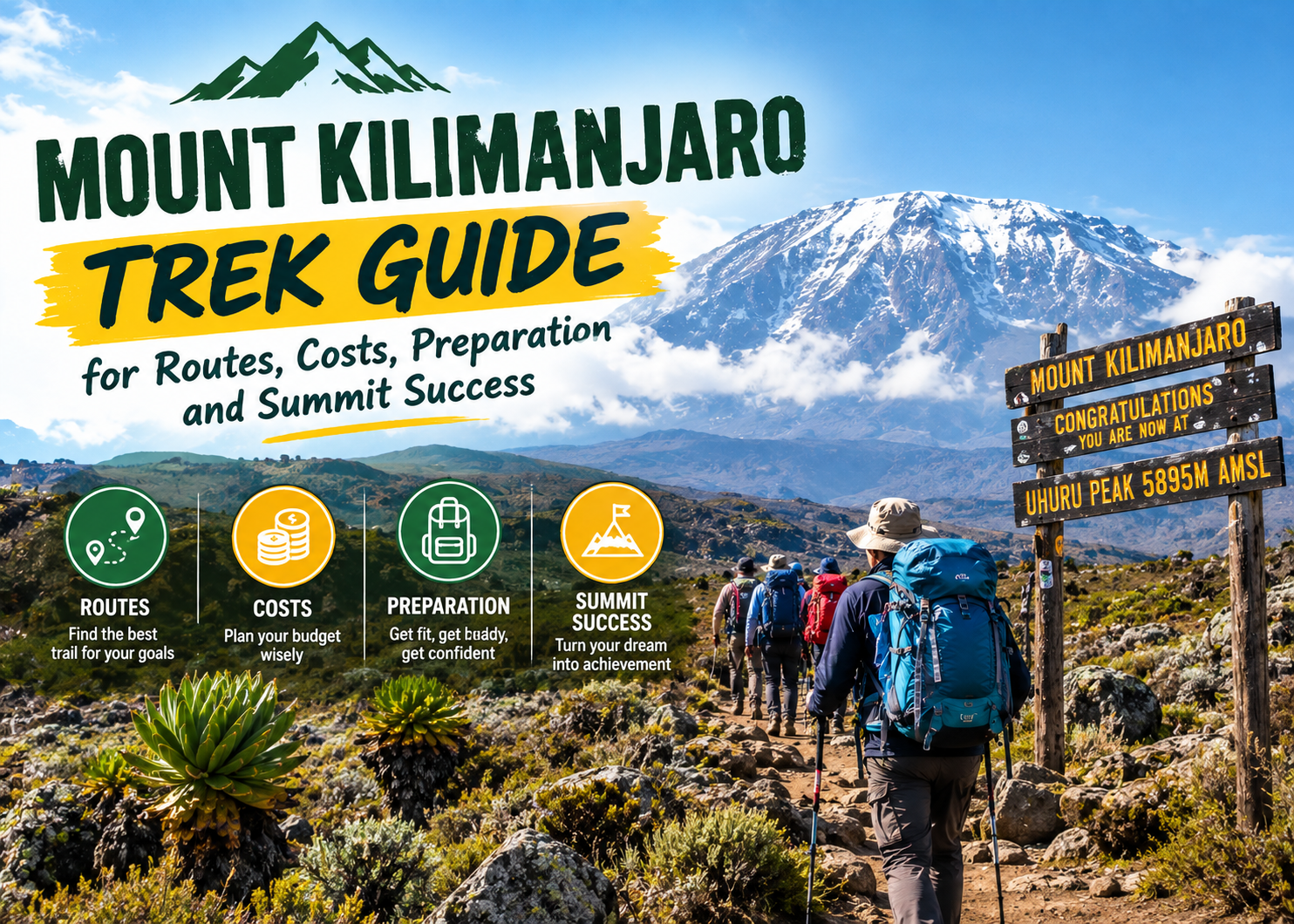
Mount Kilimanjaro Trek

A Mount Kilimanjaro trek is more than a high-altitude hike. It is a carefully planned mountain experience that combines physical endurance, altitude adaptation, changing landscapes, early-morning summit efforts, and the satisfaction of standing on the roof of Africa.

Rising to 5,895 metres above sea level, Mount Kilimanjaro attracts trekkers from across the globe. You do not need advanced mountaineering skills for the standard trekking routes, but preparation, route selection, professional support, and a sensible pace can make a major difference to your summit experience.

For travelers considering Tanzania for their next major adventure, choosing the right route and itinerary is one of the first decisions to make. At Ice Rock Trekking, we help trekkers plan their Kilimanjaro experience around their fitness, schedule, preferred scenery, and altitude strategy.

Why Choose a Mount Kilimanjaro Trek?

Kilimanjaro offers something unusual: a high-altitude African summit that can be reached without technical climbing equipment on the standard trekking routes.

The mountain passes through several ecological zones. Lower slopes feature cultivated land and forest, followed by moorland, alpine desert, and the dramatic volcanic terrain surrounding the summit.

Every day brings a noticeable change in scenery.

Trekkers may begin among green vegetation and gradually move into landscapes dominated by giant volcanic rocks, open ridges, glaciers, scree slopes, and vast views across Tanzania.

The real challenge is altitude rather than technical climbing. As the trail climbs higher, the available oxygen decreases. A trekker who is strong at sea level can still struggle if the ascent is too rapid.

That is why a successful Kilimanjaro experience should focus on gradual elevation gain, rest, hydration, nutrition, sleep, and experienced mountain support.

Best Routes for Mount Kilimanjaro Trek

Kilimanjaro has several established routes. Each offers a different combination of scenery, duration, difficulty, accommodation style, and acclimatization opportunities.

Machame Route

The Machame Route is one of the most popular choices for trekkers who want scenic variety and a rewarding mountain experience.

It usually takes six or seven days. The trail passes through forest before reaching moorland and higher alpine terrain.

One of its advantages is the route profile, which allows trekkers to climb high and sleep lower on certain sections. This can support acclimatization.

Machame is sometimes called the “Whiskey Route,” but there is nothing casual about the climb. Several sections involve steep ascents and descents, especially around Barranco and the higher mountain terrain.

For travelers seeking beautiful scenery and a strong trekking experience, Machame remains an excellent option.

Lemosho Route

Lemosho is particularly attractive for trekkers who want a longer approach and more gradual altitude adaptation.

The route begins on the western side of Kilimanjaro and crosses beautiful highland landscapes before joining the southern circuit.

Seven- or eight-day itineraries are common.

The longer duration gives trekkers more time to adjust to elevation and enjoy the mountain without rushing. Lemosho is an excellent choice for people who prioritize acclimatization and scenery over completing the climb as quickly as possible.

Marangu Route

Marangu is known for hut accommodation rather than camping throughout the trek.

It follows a relatively direct trail toward the summit and is often selected by travelers with limited trekking time.

The route is less demanding in terms of camping logistics, but its shorter itineraries can provide less time for altitude adaptation.

For this reason, selecting a longer Marangu itinerary can be preferable to attempting the mountain in the minimum number of days.

Rongai Route

The Rongai Route approaches Kilimanjaro from the northeastern side near the Kenyan border.

It generally receives fewer trekkers than Machame and Marangu. The landscape has a different character, with open terrain and quieter trail sections.

Rongai can appeal to trekkers who prefer a less crowded experience and want to approach Kilimanjaro from a different direction.

Northern Circuit Route

The Northern Circuit is the longest standard route option and provides extensive time on the mountain.

It circles around the northern side of Kilimanjaro before approaching the summit.

The extended itinerary can offer excellent acclimatization potential and a quieter trekking experience.

For travelers with sufficient time and a strong preference for gradual altitude gain, the Northern Circuit is worth considering.

How Much Does a Mount Kilimanjaro Trek Cost?

The price of a Kilimanjaro climb depends on several factors rather than one fixed figure.

Important cost elements include:

  • Route selected
  • Number of trekking days
  • Group size
  • Park and conservation fees
  • Mountain crew
  • Meals and camping arrangements
  • Transfers
  • Accommodation before and after the climb
  • Equipment requirements
  • Emergency and rescue provisions
  • Additional safari or Zanzibar arrangements

A budget package may appear attractive initially, but extremely low prices can mean compromises in logistics, staffing, food, accommodation, or crew welfare.

A responsible operator should provide a clear cost structure before departure.

When comparing Kilimanjaro packages, ask exactly what is included. Check whether airport transfers, accommodation, park fees, meals, drinking water, tents, crew support, and rescue arrangements are part of the quoted price.

At Ice Rock Trekking, we focus on transparent planning so trekkers can make decisions based on the actual services provided rather than simply choosing the lowest advertised price.

What Is the Best Time to Climb Kilimanjaro?

Kilimanjaro can be climbed throughout much of the year, but weather conditions influence the trekking experience.

The commonly preferred periods are the drier months, particularly around June to October and January to February.

These periods generally offer favorable trekking conditions, although mountain weather can change quickly at higher elevations.

The wetter seasons can bring rain on lower trails and snow or challenging conditions at higher elevations. Some experienced trekkers may still choose these periods because of quieter trails and different mountain conditions.

Your ideal departure period should also consider your schedule, tolerance for weather changes, and preferred level of trail traffic.

How Difficult Is a Mount Kilimanjaro Trek?

Kilimanjaro is physically demanding even though the standard routes do not normally require technical climbing.

The biggest difficulty is altitude.

Symptoms of altitude-related illness can include headache, nausea, dizziness, tiredness, poor appetite, and disturbed sleep. More serious symptoms require immediate attention and may require descent.

The best defense is not simply physical strength. Gradual ascent and sufficient acclimatization are essential.

A trekker who attempts to move too quickly may find the summit increasingly difficult, regardless of their fitness level.

The final summit push is particularly demanding. Trekkers generally leave camp around midnight or in the early morning, climbing through darkness toward the summit.

Temperatures can be extremely cold. The trail becomes steep and rocky, and every step requires concentration.

After reaching the summit area, trekkers descend to lower elevations, often covering a significant distance on the same day.

Mount Kilimanjaro Preparation

Preparation should begin well before arrival in Tanzania.

You do not need to be an elite athlete, but you should develop cardiovascular fitness, leg strength, endurance, and comfort with long periods of walking.

Build Cardiovascular Fitness

Walking, hiking, running, cycling, stair climbing, and other aerobic activities can help develop endurance.

Aim for consistent training rather than occasional intense workouts.

Strengthen Your Legs

Squats, lunges, step-ups, calf raises, and controlled downhill exercises can prepare your legs for repeated climbing and descending.

The descent should not be underestimated. Many trekkers experience significant muscle fatigue after summit day.

Practice Long Walks

Include longer weekend walks in your preparation.

Gradually increase distance and elevation when possible. Training with the boots and backpack you expect to use on Kilimanjaro can also help identify discomfort before the expedition.

Prepare for Altitude

No exercise program can completely prepare your body for high altitude.

Fitness helps you manage physical effort, but acclimatization happens at elevation.

A well-planned itinerary with enough days on the mountain is therefore one of the most important preparation decisions you can make.

What Should You Pack for Kilimanjaro?

Packing for Kilimanjaro requires preparation for warm, cool, wet, windy, and freezing conditions.

Essential equipment commonly includes:

  • Waterproof trekking boots
  • Moisture-wicking base layers
  • Fleece or insulated mid-layer
  • Waterproof jacket and trousers
  • Warm down or synthetic jacket
  • Thermal clothing
  • Warm hat and gloves
  • Sun hat
  • Sunglasses
  • High-SPF sunscreen
  • Headlamp with spare batteries
  • Trekking poles
  • Comfortable trekking trousers
  • Backpack and daypack
  • Water bottles or hydration system
  • Sleeping bag suitable for cold mountain conditions
  • Personal toiletries
  • Basic first-aid supplies
  • High-energy snacks
  • Passport and required travel documents

Your exact packing list depends on the season and route.

Avoid bringing excessive weight. A heavy backpack can make long trekking days considerably harder.

Food and Hydration on Kilimanjaro

Nutrition becomes especially important during multi-day trekking.

Meals should provide carbohydrates for energy, protein for recovery, and sufficient calories for long days on the trail.

Common trekking meals may include rice, pasta, potatoes, vegetables, meat, eggs, soups, fruits, bread, and other energy-rich foods.

Hydration is equally important.

Drink regularly rather than waiting until you feel extremely thirsty. At high altitude, appetite can decrease, but your body still needs adequate fuel.

Trekkers should follow their mountain crew’s recommendations regarding water intake and altitude-related symptoms.

What Happens on Summit Day?

Summit day is usually the most demanding part of the climb.

Depending on the itinerary and route, trekkers commonly begin the final ascent during the night.

The purpose is to reach the summit around sunrise or shortly afterward.

The temperature can be well below freezing. Wind may make conditions feel even colder.

The pace is deliberately slow.

You may hear the phrase “pole pole,” meaning “slowly, slowly.” This approach is central to successful altitude trekking.

The climb can feel mentally challenging because progress becomes slow at high elevation. Staying focused on short sections of trail rather than thinking about the entire remaining distance can help.

At the summit, trekkers have the opportunity to celebrate reaching Uhuru Peak, the highest point of Mount Kilimanjaro.

After photographs and a short rest, the descent begins.

How to Increase Your Chances of Reaching the Summit

Summit success is influenced by several factors, and none can guarantee a successful ascent.

However, you can improve your chances by following sensible practices.

Choose an appropriate itinerary. Longer routes generally provide more time for altitude adaptation.

Train consistently. Build endurance rather than focusing exclusively on speed.

Walk slowly. Conserving energy is important at altitude.

Stay hydrated. Follow the hydration recommendations of your mountain crew.

Eat regularly. Even if your appetite decreases, try to maintain adequate nutrition.

Sleep whenever possible. Rest is important during multi-day trekking.

Communicate symptoms. Never hide headaches, dizziness, nausea, breathing difficulties, or unusual fatigue from your guides.

Respect the mountain. Turning around because of serious altitude symptoms is not failure. Safety comes first.

Why Professional Mountain Support Matters

A reliable trekking team contributes far beyond carrying equipment.

Experienced mountain professionals monitor trail conditions, pacing, weather, hydration, and signs of altitude-related problems.

Porters handle essential camp equipment and supplies, while cooks prepare meals that help trekkers maintain energy throughout the expedition.

Good crew management also matters from an ethical perspective.

Travelers should choose companies that treat mountain staff respectfully, provide appropriate equipment, and follow responsible porter practices.

Ice Rock Trekking places emphasis on organized logistics, experienced mountain crews, clear communication, and personalized trekking support.

Combining Kilimanjaro With an African Safari

Many travelers extend their Tanzania trip after completing their mountain climb.

A safari can provide a completely different experience, with opportunities to explore Tanzania’s wildlife areas and observe elephants, lions, giraffes, zebras, wildebeest, and other species.

Some trekkers also combine Kilimanjaro with a Zanzibar beach holiday.

This creates a varied itinerary: challenging mountain days followed by wildlife exploration or time beside the Indian Ocean.

When planning a combined trip, allow enough recovery time after the climb before beginning a demanding safari schedule.

Mount Kilimanjaro Trek With Ice Rock Trekking

Choosing a trekking company is an important part of planning your climb.

Ice Rock Trekking assists travelers with route selection, trekking logistics, mountain crew coordination, accommodation planning, transfers, equipment recommendations, and preparation.

Rather than treating every trekker the same, a good itinerary should reflect the traveler’s experience, physical preparation, available time, and preferred route.

Whether you are considering Machame, Lemosho, Rongai, Marangu, or the Northern Circuit, careful planning can make the difference between a rushed mountain trip and a memorable high-altitude adventure.

Final Thoughts

A Mount Kilimanjaro trek requires commitment, but it does not demand that you be an expert climber.

The most important ingredients are appropriate preparation, a suitable route, gradual acclimatization, experienced mountain support, sensible pacing, and respect for changing mountain conditions.

Take time to choose the right itinerary rather than simply searching for the shortest or cheapest option. Prepare your body for long trekking days, invest in appropriate clothing and equipment, and listen to your mountain team throughout the climb.

When the final ascent begins beneath a dark African sky and the first light appears over the surrounding landscape, the effort becomes part of the reward.

With careful planning and the right support from Ice Rock Trekking, your journey toward Uhuru Peak can become one of the most memorable adventures of your life.

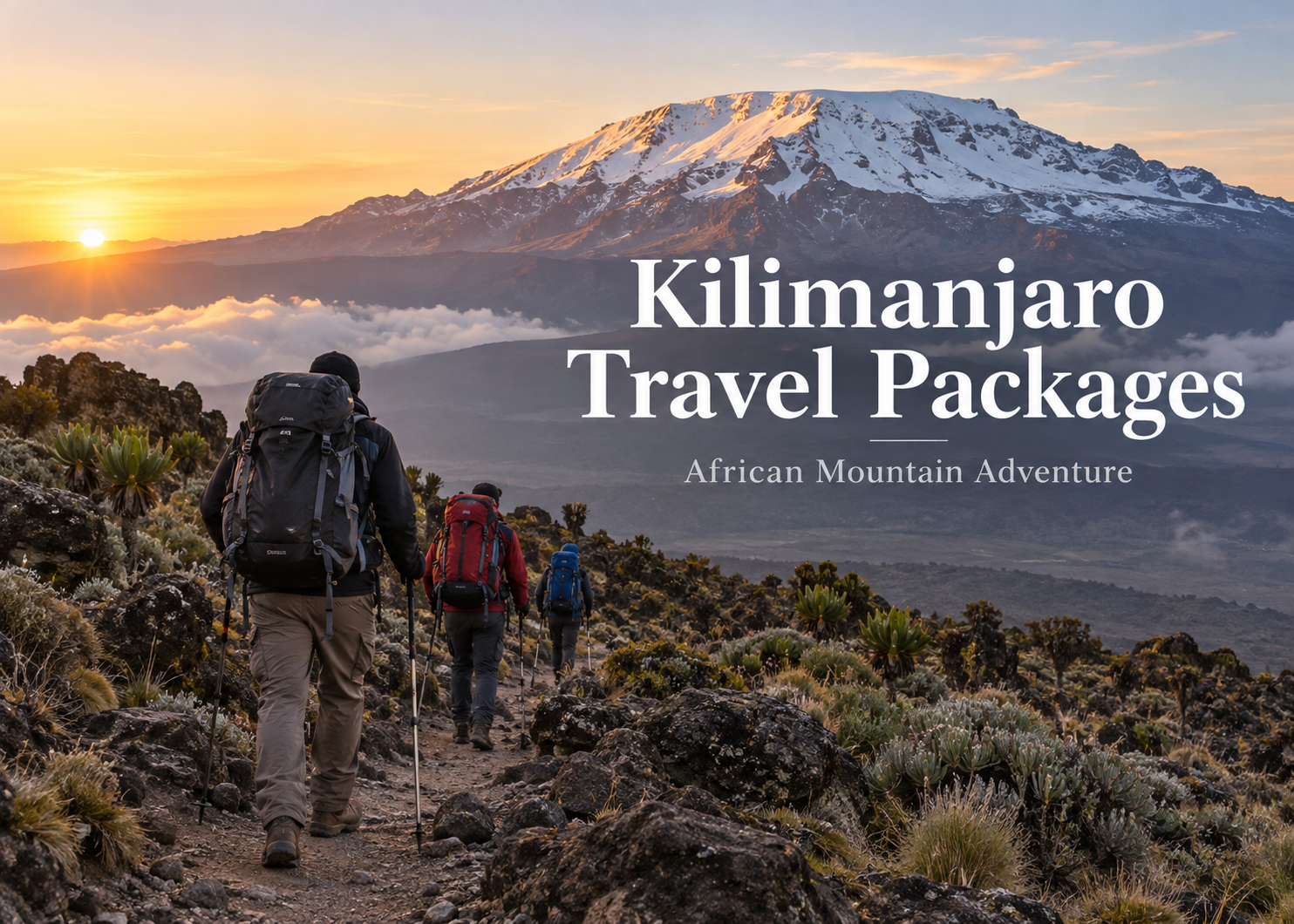
Kilimanjaro Travel Packages

Mount Kilimanjaro is more than a mountain to tick off a travel list. Rising above Tanzania’s northern landscape, it offers an extraordinary combination of high-altitude trekking, dramatic scenery, changing ecosystems, and the personal satisfaction of reaching Uhuru Peak, Africa’s highest point.

For travelers planning this adventure, choosing the right Kilimanjaro travel packages can make a major difference. The route, number of trekking days, accommodation style, acclimatization schedule, group size, transfers, meals, and professional mountain support all influence the quality of the experience.

At Ice Rock Trekking, we help trekkers plan mountain adventures around practical needs rather than simply selling a fixed itinerary. Whether you are a first-time high-altitude trekker, an experienced mountaineer, a couple seeking a private adventure, or a group looking for a professionally organized expedition, there is a Kilimanjaro experience suited to your ambitions.

Why Choose Kilimanjaro for Your Next Mountain Adventure?

Kilimanjaro stands at approximately 5,895 metres above sea level. Its remarkable appeal comes from the fact that trekkers can experience several distinct ecological zones during one expedition.

The lower slopes feature cultivated farmland and lush forest. Higher elevations transition into moorland and alpine desert before the landscape becomes stark, cold, and increasingly rugged near the summit.

The changing scenery keeps the trek engaging. One day may involve walking through dense vegetation, while another brings volcanic rock, open alpine terrain, glaciers, and spectacular views across Tanzania.

Reaching Uhuru Peak is physically demanding, but the experience is not limited to the summit morning. The gradual transformation of the landscape, evenings at mountain camps, conversations with guides and fellow trekkers, and the rhythm of walking day after day become equally memorable.

What Are Kilimanjaro Travel Packages?

Kilimanjaro travel packages are organized trekking programs that combine the essential services required for a Mount Kilimanjaro expedition.

Depending on the operator and package, these may include:

  • Airport transfers
  • Hotel accommodation before and after trekking
  • National park fees
  • Professional mountain guides
  • Porters and mountain crew
  • Meals during the trek
  • Camping equipment
  • Hut accommodation on selected routes
  • Emergency support
  • Transportation to and from trailheads
  • Pre-trek briefing
  • Summit support
  • Optional safari or beach extensions

The exact inclusions vary, so travelers should always compare what is included rather than choosing a package based only on its advertised price.

A low-cost option may appear attractive initially but can become expensive when park fees, transfers, equipment, accommodation, meals, or additional services are added separately.

Popular Routes Included in Kilimanjaro Packages

The route you select influences the scenery, trekking duration, accommodation, traffic levels, and acclimatization opportunities.

Machame Route

The Machame Route is one of the most popular choices for trekkers who want spectacular scenery and a more adventurous trail experience.

Often called the “Whiskey Route,” it passes through forest, moorland, alpine desert, and high-altitude terrain. The route generally takes around six to seven trekking days, although longer itineraries can provide additional acclimatization time.

It is particularly appealing to active travelers who enjoy varied landscapes and challenging trail sections.

Marangu Route

Marangu is commonly known as the “Coca-Cola Route.” Unlike camping-focused routes, it uses mountain huts for overnight accommodation.

The trail is relatively straightforward in terms of terrain, but the shorter versions of the itinerary can provide less time for acclimatization. Trekkers who choose Marangu should consider a longer schedule when possible.

Lemosho Route

Lemosho is an excellent choice for travelers seeking a scenic approach and a more gradual acclimatization profile.

The trail begins on the western side of Kilimanjaro and crosses beautiful highland landscapes before joining sections shared with other routes.

Longer Lemosho itineraries are popular because they provide additional time on the mountain and can help trekkers adapt to increasing altitude.

Rongai Route

Rongai approaches Kilimanjaro from the northern side. It tends to be quieter than some of the more heavily used routes and provides a different perspective of the mountain.

Its relatively drier environment can also make it appealing during periods when weather conditions on other sides of the mountain are less favourable.

Northern Circuit

For travelers with more time, the Northern Circuit offers one of the longest approaches to the summit.

It circles much of Kilimanjaro and provides excellent acclimatization opportunities. Because of its longer duration, it can be particularly attractive to trekkers who prioritize a gradual ascent and a quieter experience.

How Many Days Should You Spend on Kilimanjaro?

The number of days you spend trekking is one of the most important decisions when selecting your package.

Although shorter itineraries may reduce the overall price, rushing an ascent can make altitude adaptation more difficult.

A longer itinerary generally allows the body more time to adjust as elevation increases. It also provides a more relaxed trekking rhythm and gives you additional opportunities to appreciate the mountain.

For many travelers, a six- to nine-day trekking itinerary offers a sensible balance between time, cost, scenery, and acclimatization.

At Ice Rock Trekking, we can structure an itinerary around your experience level, preferred route, available vacation time, and fitness.

Kilimanjaro Trekking Difficulty

Kilimanjaro does not require advanced technical climbing skills on the standard trekking routes. However, that does not mean reaching the summit is easy.

The biggest challenge is altitude.

As you climb higher, oxygen availability decreases. Trekkers may experience headaches, tiredness, reduced appetite, disturbed sleep, or nausea. Severe symptoms should never be ignored.

Physical preparation helps, but fitness alone does not guarantee a successful summit. A strong runner or gym enthusiast can still struggle with altitude, while a moderately fit trekker with good pacing and acclimatization may perform extremely well.

The most useful preparation includes:

  • Regular walking or hiking
  • Cardiovascular training
  • Strength exercises
  • Long weekend hikes
  • Stair climbing
  • Training with a loaded backpack
  • Adequate rest
  • Practicing steady pacing

The goal is not to race uphill. Kilimanjaro rewards consistency.

What Is Summit Night Like?

Summit night is often the toughest and most memorable part of the expedition.

Trekkers normally begin the final ascent during the night, walking under a dark sky while temperatures drop significantly. Headlamps illuminate the trail as the group climbs slowly toward the summit.

The pace is deliberately controlled. Short breaks help maintain energy without allowing the body to cool excessively.

As dawn approaches, the horizon begins to brighten. Reaching Stella Point or continuing toward Uhuru Peak can be an emotional moment after several days of trekking.

Standing at Uhuru Peak, surrounded by the high-altitude landscape, offers a sense of achievement that is difficult to replicate elsewhere.

Best Time for Kilimanjaro Travel Packages

Kilimanjaro can be climbed during much of the year, but weather conditions vary by season.

The traditionally preferred periods are the drier months, especially:

  • January to early March
  • June to October
  • Some parts of December

The mountain can also be climbed during wetter periods, but trekkers should expect greater chances of rain, muddy trails, cloud cover, and changing conditions.

Choosing the best period depends on your priorities. Some travelers prefer clearer weather and busier trails, while others may accept variable conditions in exchange for fewer people.

What Does a Kilimanjaro Package Cost?

The price of Kilimanjaro travel packages varies depending on route, duration, group size, accommodation, operator standards, park charges, transfers, and additional services.

A typical package may include several fixed costs that do not change significantly between operators, especially official park-related charges. Other costs depend on the level of service provided.

When comparing prices, check whether the package includes:

  • Park and conservation fees
  • Camping or hut fees
  • Rescue-related charges
  • Professional guides
  • Porter services
  • Meals
  • Drinking water
  • Transfers
  • Hotel nights
  • Airport pickup
  • Equipment
  • Staff wages and tips

An unusually cheap package deserves careful examination. Quality mountain operations depend on trained staff, appropriate equipment, reliable logistics, and responsible treatment of the mountain crew.

Responsible Trekking Matters

A successful Kilimanjaro expedition should benefit both travelers and the people who make the journey possible.

Porters carry essential equipment, prepare camps, support meals, and help maintain the smooth operation of the expedition. Ethical trekking operators should provide fair working conditions, suitable equipment, proper meals, reasonable loads, and respectful treatment.

Travelers can also contribute by reducing plastic waste, following park rules, staying on designated trails, and avoiding unnecessary environmental impact.

At Ice Rock Trekking, responsible mountain tourism is an important part of the experience we aim to provide.

What Should You Pack for Kilimanjaro?

Packing correctly is essential because conditions change dramatically with altitude.

Important items include:

  • Waterproof trekking boots
  • Moisture-wicking base layers
  • Warm insulating layers
  • Waterproof jacket and trousers
  • Fleece or insulated jacket
  • Warm hat
  • Gloves
  • Sunglasses
  • Headlamp
  • Trekking poles
  • Comfortable backpack
  • Sleeping bag suitable for low temperatures
  • Water bottles or hydration system
  • Sunscreen
  • Personal medication
  • Basic toiletries
  • High-energy snacks
  • Comfortable trekking socks

Avoid overpacking. Your mountain crew will handle much of the heavier equipment, while you should carry only what you need during each day’s walking.

Combining Kilimanjaro With a Tanzania Safari

One of the biggest advantages of choosing Tanzania for a mountain holiday is the opportunity to combine Kilimanjaro with a wildlife safari.

After completing the trek, travelers can visit destinations such as Serengeti National Park, Ngorongoro Conservation Area, Tarangire National Park, or Lake Manyara.

A safari extension creates a natural contrast to the mountain experience. Instead of trekking through alpine landscapes, you can spend your days watching elephants, lions, giraffes, zebras, wildebeest, and other wildlife.

For travelers with additional vacation time, Zanzibar can also be added for beaches, relaxation, and coastal culture.

This combination turns a mountain expedition into a broader East African adventure.

Why Choose Ice Rock Trekking?

Choosing a trekking company is about more than finding an itinerary at the right price.

Ice Rock Trekking focuses on creating well-organized mountain experiences with attention to safety, route selection, acclimatization, logistics, and personal service.

Our team can assist with selecting an appropriate route, preparing for altitude, organizing transfers, arranging accommodation, and coordinating the mountain crew.

Whether you are interested in a private climb, small group expedition, family adventure, or a longer acclimatization-focused itinerary, the right planning can make your Kilimanjaro experience considerably more comfortable.

Planning Your Kilimanjaro Adventure

The best Kilimanjaro travel packages are not necessarily the shortest or cheapest. They are the ones that match your physical preparation, travel schedule, preferred scenery, comfort expectations, and approach to mountain travel.

Give yourself enough time to prepare physically. Select an itinerary that allows sensible acclimatization. Pack according to the changing conditions. Work with experienced mountain professionals. Most importantly, respect the mountain and listen to your body.

Kilimanjaro offers much more than a summit photograph. It is a journey through changing landscapes, challenging altitude, local culture, and unforgettable African scenery.

With the right preparation and a thoughtfully planned expedition from Ice Rock Trekking, your journey toward Uhuru Peak can become one of the most rewarding adventures you have ever undertaken. 

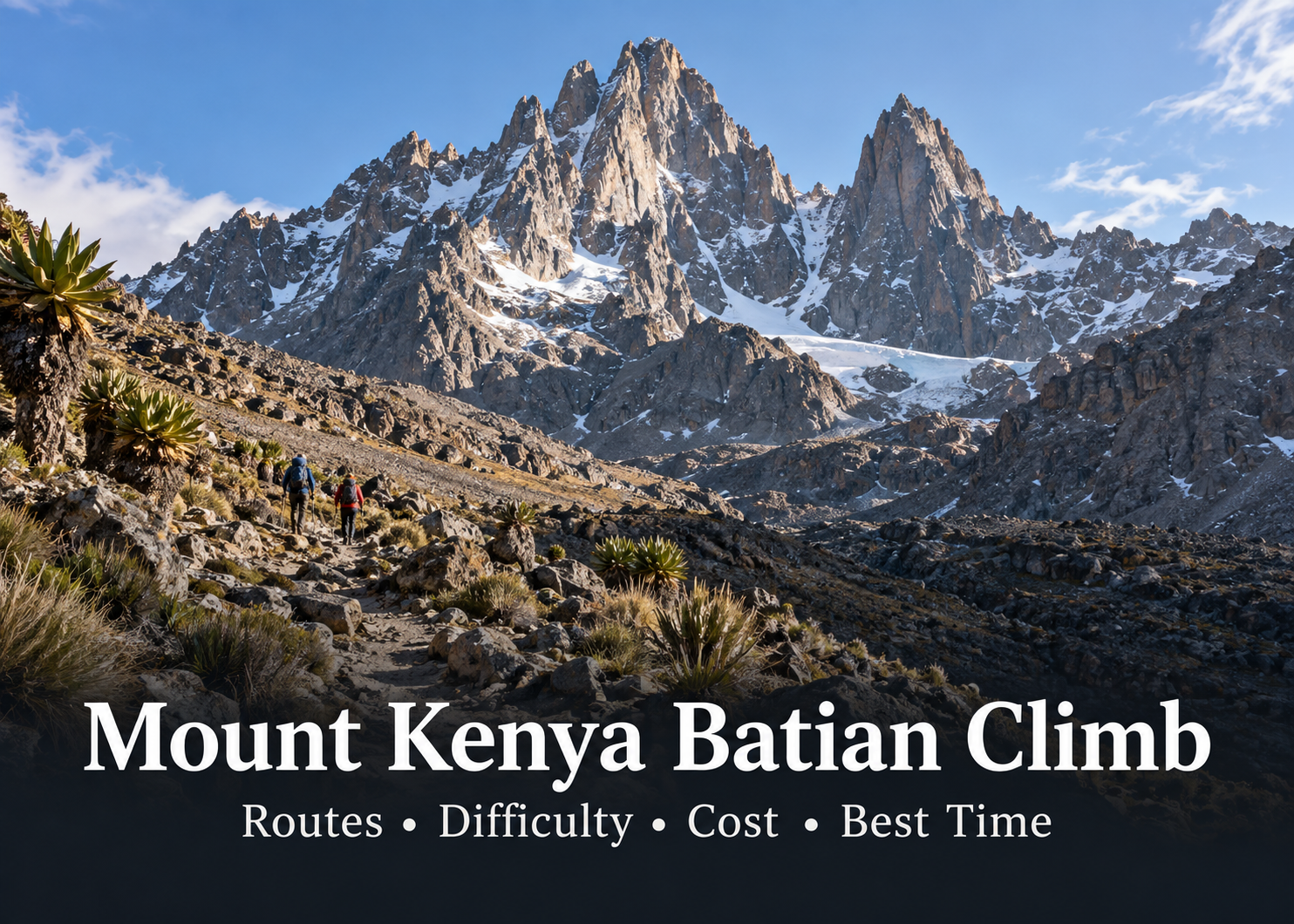
Mount Kenya Batian Climb

Climbing Batian, the highest summit of Mount Kenya, is a serious alpine adventure that combines exposed rock climbing, high-altitude trekking, route-finding, and spectacular mountain scenery. Rising to 5,199 metres (17,057 feet), Batian is the highest point on Mount Kenya and is considerably more technical than Point Lenana.

For experienced climbers, a Mount Kenya Batian climb offers something different from a standard trekking summit. The objective is not simply reaching a high-altitude viewpoint. Batian requires technical climbing skills, careful acclimatization, competent rope management, and a suitable weather window.

Ice Rock Trekking provides climbing support for adventurers looking to experience Mount Kenya’s challenging terrain with experienced mountain crews and carefully planned itineraries.

What Makes Batian Different From Point Lenana?

Mount Kenya has three prominent peaks: Batian, Nelion, and Point Lenana. Batian is the highest at 5,199 metres, followed closely by Nelion at 5,188 metres. Point Lenana reaches approximately 4,985 metres and is the trekking summit most commonly visited by non-technical trekkers.

The difference is important.

Point Lenana can be reached through established trekking routes without technical rock climbing. Batian, however, involves sections of exposed rock, scrambling and technical climbing depending on the selected route and conditions.

A successful Batian ascent therefore requires more than good hiking fitness.

Climbers should be comfortable with:

  • Multi-pitch rock climbing
  • Belaying and rappelling
  • Rope systems
  • Route-finding
  • Climbing exposed terrain
  • Moving safely on loose or uneven rock
  • High-altitude travel
  • Early starts and long climbing days

Previous alpine or rock-climbing experience is strongly recommended.

Mount Kenya Batian Climb Routes

Several climbing lines lead toward Batian. The North Face Standard Route is one of the best-known and most frequently used climbing routes. It provides a classic ascent with a combination of scrambling and technical climbing.

Another important line is the South East Face, associated with the historic Shipton route and more demanding climbing terrain.

Route selection depends on climbing ability, weather, mountain conditions, experience, and the objective of the expedition.

North Face Standard Route

The North Face Standard Route is often considered the classic route for reaching Batian. It involves numerous pitches and exposed sections where climbers must maintain concentration throughout the ascent.

The route includes notable climbing features and traverses, with technical difficulty varying between sections.

For climbers with suitable experience, it provides an excellent balance of technical challenge, altitude, exposure and mountain scenery.

South East Face and Shipton Route

The South East Face provides another demanding line toward the summit. Climbers encounter steep rock, exposure and route-finding challenges.

This option is generally more appropriate for experienced mountaineers who already have strong technical climbing skills.

Because conditions can affect rock quality and route safety, a qualified local climbing team should assess the route before departure.

How Difficult Is the Mount Kenya Batian Climb?

Batian is a technical mountaineering objective, not an ordinary hiking destination.

The exact difficulty depends on the route and conditions, but climbers should expect sustained exposure, technical rock sections and the effects of altitude.

One of the biggest mistakes is judging the climb only by its elevation. Although Batian is lower than several famous Himalayan peaks, the technical nature of the ascent makes it demanding.

A climber may have excellent cardiovascular fitness and still struggle if they lack rock-climbing experience.

Physical Fitness

You should be able to manage:

  • Long uphill approaches
  • Several hours of climbing
  • Steep terrain
  • A heavy or moderately loaded backpack
  • Cold and changing weather
  • Consecutive days at altitude

Training should combine cardiovascular conditioning with strength and climbing practice.

Useful preparation includes:

Endurance: Hiking, running, cycling and stair training.

Leg strength: Squats, lunges and step-ups.

Core strength: Planks, hanging exercises and controlled bodyweight movements.

Upper-body strength: Pull-ups, rows and climbing-specific exercises.

Technical practice: Multi-pitch rock climbing, rappelling and rope management.

Acclimatization for Batian

Altitude deserves serious attention.

At 5,199 metres, oxygen availability is significantly lower than at sea level. A climber who moves too quickly to high elevation may develop symptoms of altitude illness.

A sensible itinerary allows time to gain elevation gradually before attempting Batian.

Many expeditions use lower sections of Mount Kenya for acclimatization before moving toward the summit zone. Spending additional nights at altitude can improve comfort and reduce the temptation to rush.

Common altitude symptoms include:

  • Headache
  • Reduced appetite
  • Fatigue
  • Nausea
  • Dizziness
  • Disturbed sleep
  • Shortness of breath

Severe symptoms should never be ignored. Descent is the primary treatment for serious altitude illness.

Best Time for a Mount Kenya Batian Climb

Mount Kenya can be climbed at different times of the year, but weather plays a major role in determining climbing conditions.

The traditional favorable periods are generally associated with the drier seasons, particularly around January to February and July to September.

During these periods, climbers may encounter more favorable conditions for rock climbing and summit attempts.

However, mountain weather is unpredictable. Rain, cloud, wind, snow and freezing temperatures can still occur.

January and February

These months can offer relatively dry conditions, making them attractive for technical climbing.

Clearer weather can improve visibility and provide better opportunities for route-finding and photography.

July to September

This period is another popular window for climbing Mount Kenya. Conditions can be suitable for technical routes, although temperatures at elevation remain cold.

Wet Seasons

The wetter periods can create slippery rock, reduced visibility and more challenging approaches.

Experienced climbers may still undertake expeditions during less favorable periods, but flexibility becomes increasingly important.

For a technical summit, choosing the season with the best probability of stable weather is preferable to forcing an ascent on a poor-weather day.

How Much Does a Mount Kenya Batian Climb Cost?

The price of a Batian expedition varies considerably depending on the route, number of climbing days, group size, equipment requirements, accommodation, park fees, transport and technical climbing support.

A basic trekking package and a technical Batian expedition should not be compared as if they were the same service.

Your overall cost may include:

  • Mount Kenya park fees
  • Professional climbing guide
  • Porters
  • Accommodation
  • Meals
  • Transport
  • Camping equipment
  • Technical climbing equipment
  • Ropes and protection
  • Rescue or emergency arrangements
  • Pre- and post-climb accommodation

International travelers should also consider flights, visas where applicable, travel insurance and personal equipment.

The best approach is to request a detailed quotation from Ice Rock Trekking based on your preferred route, dates, group size and technical experience.

Typical Batian Climb Itinerary

A technical ascent normally requires more time than a standard Mount Kenya trekking trip.

A sample itinerary may look like this:

Day 1: Nairobi to Mount Kenya

Travel from Nairobi toward the Mount Kenya region and continue to the selected park entrance or starting point.

After registration and preparation, the expedition begins with a trek toward the first overnight camp.

Day 2: Trekking and Acclimatization

Continue toward higher elevation while maintaining a controlled pace.

This day is useful for acclimatization and allowing the body to adapt before the technical sections begin.

Day 3: Higher Camp

Move toward a higher camp near the climbing objective.

The climbing team checks equipment, reviews the route and discusses the following day’s plan.

Day 4: Batian Climb

Start early for the technical ascent.

Depending on the route and conditions, the day may involve scrambling, exposed traverses, technical pitches and rappelling.

The climbing schedule depends heavily on weather, pace and route conditions.

Day 5: Descent

Descend from the high mountain environment toward lower elevation.

This is an important recovery phase after the summit attempt.

Day 6: Return

Continue the descent and travel back toward Nairobi or the next destination.

The itinerary can be extended when additional acclimatization or weather flexibility is required.

Equipment Required for Batian

A technical Mount Kenya ascent requires specialized equipment.

Depending on the route and season, essential equipment may include:

  • Mountaineering boots
  • Climbing harness
  • Helmet
  • Dynamic climbing rope
  • Slings
  • Carabiners
  • Belay device
  • Ascenders where required
  • Rappel equipment
  • Climbing shoes where appropriate
  • Ice axe depending on conditions
  • Crampons where required
  • Warm insulating layers
  • Waterproof jacket and trousers
  • Gloves
  • Sunglasses
  • Headlamp
  • Trekking poles
  • Sleeping bag
  • Backpack
  • Water bottles or hydration system
  • Personal first-aid supplies

Your climbing operator should confirm the exact equipment list before departure.

Technical equipment requirements can change according to the selected route and current mountain conditions.

Training for Batian

Preparation should begin well before arriving in Kenya.

A good training program combines endurance, strength and technical climbing.

Try to include regular long hikes with elevation gain. Stair climbing is particularly useful for building climbing-specific endurance.

Rock-climbing sessions should focus on movement efficiency rather than simply maximizing difficulty.

Multi-pitch practice is especially valuable because Batian requires sustained concentration and efficient rope management.

You should also practice climbing while carrying a small pack. This helps your body adapt to moving efficiently over long periods.

Is Batian Suitable for Beginners?

Generally, no.

Someone who has never climbed technical rock should not select Batian as their first major mountain objective.

A trek to Point Lenana is a much more accessible option for people seeking a high-altitude Mount Kenya experience without technical climbing.

Batian is better suited to climbers who already have experience with:

  • Rock climbing
  • Multi-pitch climbing
  • Rappelling
  • Belaying
  • Alpine environments
  • Exposed terrain

If your climbing experience is limited, Ice Rock Trekking can help identify a suitable Mount Kenya objective based on your current ability.

Safety Considerations

Technical climbing always involves inherent risks.

Weather can change quickly at altitude. Rockfall, loose terrain, cold exposure, fatigue and altitude-related illness are among the hazards climbers may encounter.

A responsible expedition should include experienced guides, appropriate equipment, route assessment and emergency planning.

Never continue upward simply because the summit is close.

A safe turnaround decision is a successful mountain decision.

Climbers should also carry appropriate travel insurance that covers high-altitude trekking and technical climbing.

Why Climb Batian With Ice Rock Trekking?

A technical mountain expedition benefits from local knowledge.

Ice Rock Trekking works with mountain professionals who understand the terrain, weather patterns, trekking logistics and climbing requirements around Mount Kenya.

Our approach focuses on preparation before the climb, appropriate route selection and careful pacing during the expedition.

Whether you are planning the North Face Standard Route or another technical line, the objective is to create a climbing experience that combines adventure with responsible mountain practices.

Batian vs Point Lenana

The choice between Batian and Point Lenana depends primarily on your climbing experience.

FeatureBatianPoint Lenana
Elevation5,199 m4,985 m
Technical climbingRequiredGenerally not required
ExperienceExperienced climbersSuitable for trekkers
DifficultyVery challengingModerate to challenging
Main objectiveTechnical summitTrekking summit
EquipmentTechnical climbing gearStandard trekking gear
ExposureHighLower

If your priority is technical climbing and summit challenge, Batian is the natural choice.

If your priority is experiencing Mount Kenya without technical climbing, Point Lenana may be more appropriate.

Final Thoughts

A Mount Kenya Batian climb is an ambitious mountain objective that rewards preparation, technical ability and patience. From exposed rock pitches to high-altitude landscapes, the ascent offers a very different experience from conventional trekking.

The right season, route, acclimatization schedule and climbing team can make a major difference to the expedition.

Before committing to Batian, assess your climbing background honestly and allow enough time for training and altitude adaptation.

With proper preparation and professional support from Ice Rock Trekking, Batian can become one of the most memorable technical climbing experiences in East Africa.