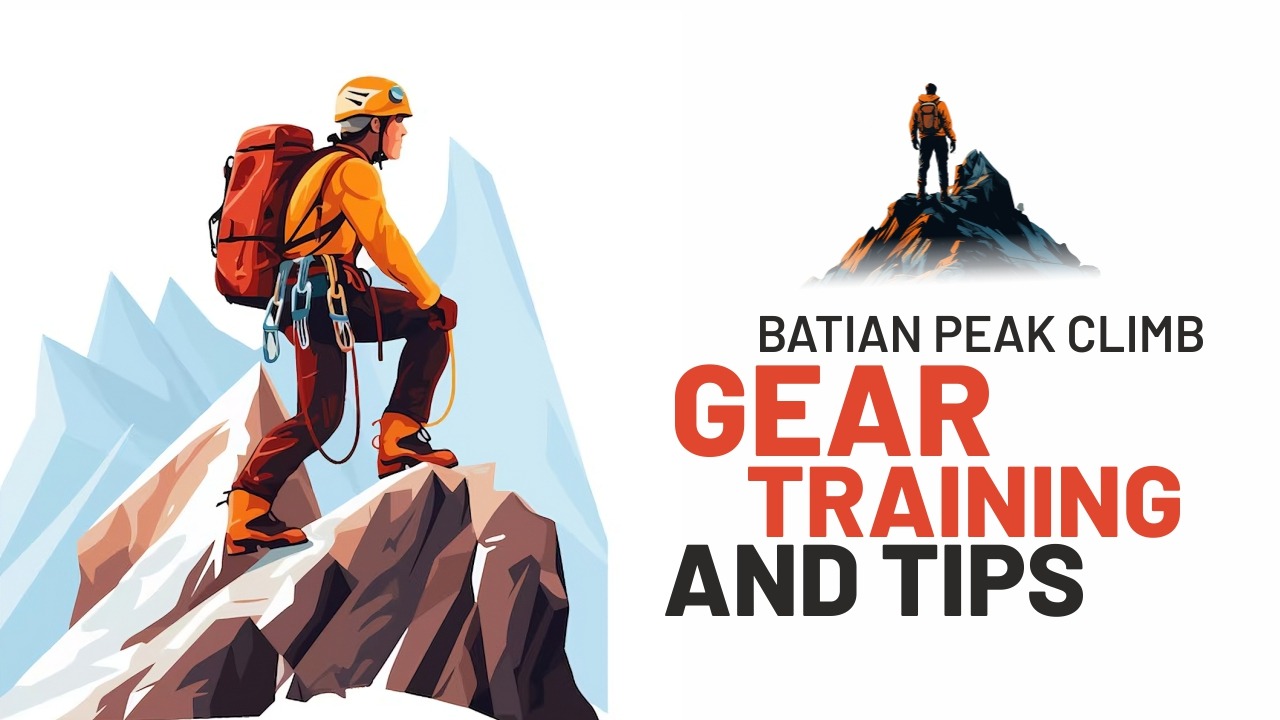
Climbing Nelion Peak, part of Mount Kenya is an exhilarating challenge for experienced climbers. As the second-highest peak on the mountain, it offers breathtaking views and demanding routes. If you’re gearing up for this adventure, here’s a simple guide to help you choose the best routes and strategies for a successful climb.
Best Routes to Nelion Peak
- Normal Route (Via Naro Moru)
The Normal Route is one of the most popular ways to reach Nelion Peak. It starts from the Naro Moru side of Mount Kenya. This route is relatively straightforward but still requires good climbing skills.
How to Approach:
- Day 1: Start your journey at the Naro Moru Gate. From here, hike to the Met Station for your first night.
- Day 2: Continue your trek to Mackinder’s Camp. This is a good spot to rest and start acclimatizing.
- Day 3: Head up to Point Lenana. This is a great spot to adjust to the altitude before you tackle Nelion Peak.
- Day 4: Begin your ascent of Nelion Peak from the high camp. This part of the climb involves some technical sections, so be ready for a challenge.
- Sirimon Route
The Sirimon Route is known for its beautiful scenery and less crowded trails. It starts from the Sirimon side of the mountain.
How to Approach:
- Day 1: Start at the Sirimon Gate and hike to Old Moses Camp for your first night.
- Day 2: Continue your trek to Shipton’s Camp. This is a good base for acclimatization.
- Day 3: Hike up to the high camp near Nelion Peak. This will set you up for your final push.
- Day 4: Start your climb of Nelion Peak. Depending on your pace, you might return to Shipton’s Camp or continue your descent.
- Chogoria Route
The Chogoria Route is less traveled and offers a more remote experience. It starts from the Chogoria side of Mount Kenya.
How to Approach:
- Day 1: Begin at the Chogoria Gate and hike to Meru Mount Kenya Lodge or a nearby camp.
- Day 2: Continue to Bandas Camp.
- Day 3: Make your way to the high camp at the base of Nelion Peak.
- Day 4: Climb Nelion Peak. Afterward, you can either descend via the same route or continue to the Sirimon Route for a different descent experience.
Strategies for a Successful Ascent
- Acclimatize Properly
High altitude can affect your body, so it’s important to acclimatize. Spend a few days at higher altitudes before your climb. This will help your body adjust and reduce the risk of altitude sickness. - Hire a Guide
Nelion Peak is a technical climb, and hiring an experienced guide is a good idea. A guide can help you navigate, ensure your safety, and assist with technical sections of the climb. - Check the Weather
The weather on Mount Kenya can be unpredictable. Check the weather forecast regularly and be ready for changes. Climbing during the dry seasons, from December to March or June to October, usually offers better conditions. - Train Physically
Good physical fitness is crucial for climbing Nelion Peak. Train by hiking, climbing, and building strength. Focus on cardiovascular fitness and leg strength. Practice climbing with a loaded backpack to simulate the conditions of the climb. - Pack the Right Gear
Bring all the necessary climbing gear, including crampons, an ice axe, a helmet, and harnesses. Dress in layers to adjust to changing temperatures. Make sure your climbing boots are sturdy and comfortable, and choose a durable backpack that fits well. - Use Proper Climbing Techniques
Familiarize yourself with climbing techniques. Practice using ropes and other climbing equipment if you’re not already comfortable with them. Safety is key, so ensure you’re prepared for technical sections of the climb. - Stay Hydrated and Eat Well
Proper hydration and nutrition are important. Drink plenty of water and eat high-energy foods during the climb. Foods like nuts, energy bars, and dried fruits are great for quick energy. Good nutrition helps maintain your energy levels and overall health. - Pace Yourself
Climbing Nelion Peak requires stamina. Take your time and listen to your body. Climb at a steady pace and take breaks as needed. It’s important to avoid rushing and to stay focused on safety. - Respect Local Regulations
Follow all local regulations and guidelines. Stick to designated trails and campsites to help preserve the environment. Respecting the local rules ensures a safe and enjoyable climb for everyone. - Enjoy the Experience
Finally, enjoy the climb and the stunning views. Nelion Peak offers some of the most beautiful scenery you’ll ever see. Take in the experience and appreciate the effort it takes to reach such a remarkable peak.
Climbing Nelion Peak is a rewarding adventure, but it requires careful planning and preparation. By choosing the right route and following these strategies, you’ll be better prepared for a successful and memorable ascent.