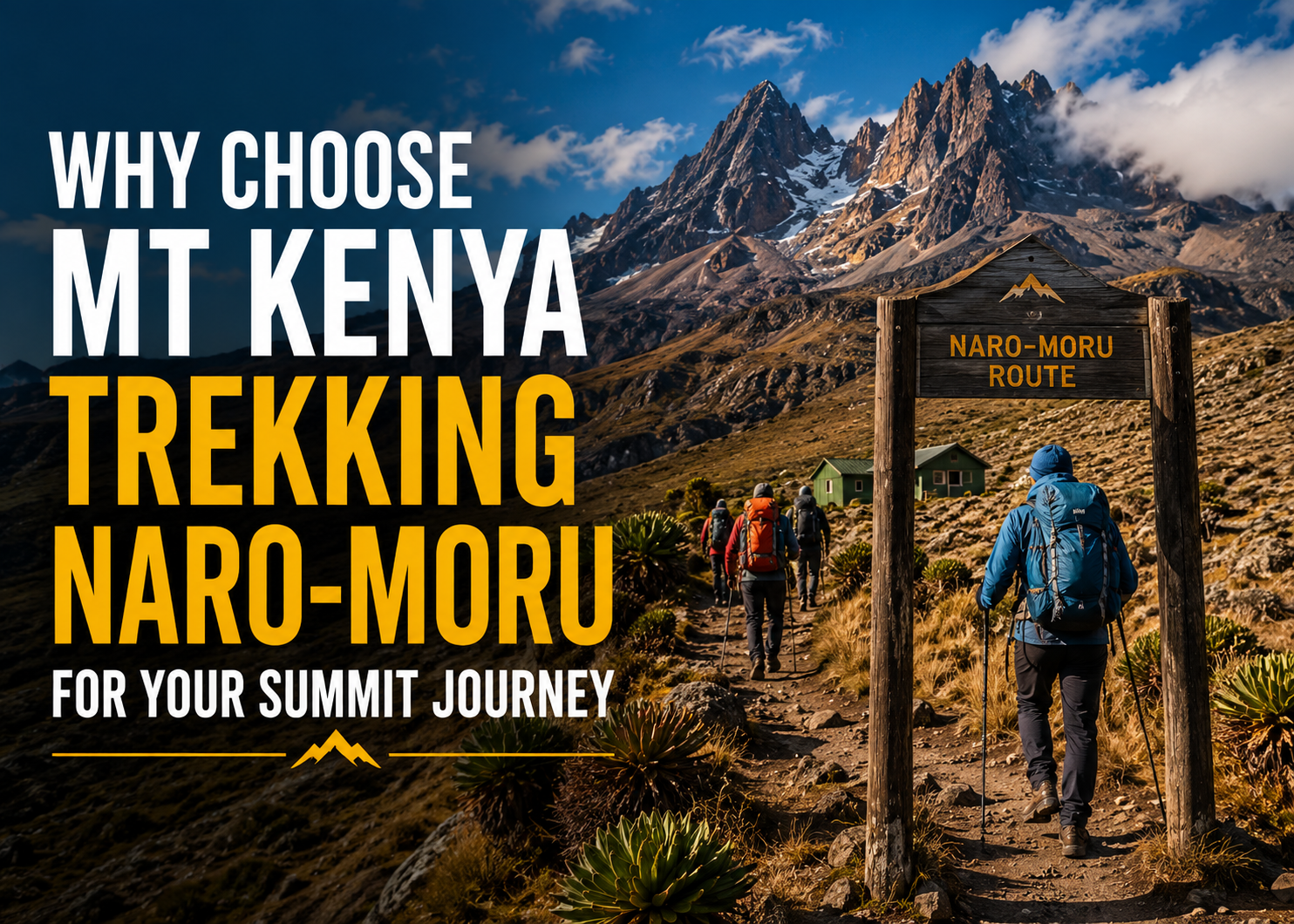
Mt Kenya Trekking Naro-Moru

Reaching the summit of Mount Kenya is a rewarding achievement for hikers seeking breathtaking landscapes, physical challenge, and unforgettable memories. Among the several routes leading to Africa’s second-highest mountain, mt kenya trekking naro-moru remains one of the most popular choices for adventurers aiming for Point Lenana. Its direct trail, well-established camps, and relatively shorter itinerary make it an attractive option for first-time trekkers as well as experienced mountaineers with limited time.

At Ice Rock Trekking, we believe every mountain journey should combine safety, expert planning, and memorable experiences. The Naro-Moru Route delivers all of these while offering stunning scenery, unique alpine environments, and an efficient path toward the summit.

An Introduction to the Naro-Moru Route

The Naro-Moru Route begins on the western side of Mount Kenya National Park near the town of Naro Moru. Known for its straightforward ascent, this trail is often selected by trekkers looking for the fastest approach to Point Lenana.

Although the route is shorter than alternatives such as Sirimon or Chogoria, it still provides excellent opportunities to experience the mountain’s changing ecosystems. From dense rainforest to bamboo forests, giant heather zones, alpine meadows, and rocky summit landscapes, every stage introduces new scenery and wildlife.

The route has gained popularity because of its accessibility, reliable infrastructure, and efficient ascent profile.

Why Many Climbers Prefer Mt Kenya Trekking Naro-Moru

Every trekking route offers something different, but several characteristics make this trail stand out.

Shorter Summit Schedule

Many visitors have limited travel time. The Naro-Moru Route allows trekkers to reach Point Lenana within fewer days compared to some alternative routes.

This makes it suitable for travelers who wish to combine Mount Kenya with a safari, coastal holiday, or other East African adventures.

Well-Maintained Trail

The route is clearly marked and receives regular use throughout the year. This helps reduce navigation challenges and creates a smoother trekking experience.

Well-established camps and mountain huts also simplify overnight logistics.

Ideal for First-Time High-Altitude Trekkers

Although summit success always depends on preparation and acclimatization, the Naro-Moru Route is frequently recommended for hikers attempting their first major African mountain.

Professional guides carefully monitor pace, hydration, and altitude adaptation throughout the climb.

Diverse Landscapes Throughout the Trek

One of the highlights of mt kenya trekking naro-moru is the remarkable diversity of landscapes encountered during the ascent.

Tropical Forest

The lower slopes feature lush rainforest filled with towering trees, moss-covered vegetation, and colorful birdlife.

Trekkers may spot:

  • Colobus monkeys
  • Sykes monkeys
  • Forest antelope
  • Numerous bird species
  • Unique mountain plants

The fresh forest air provides a pleasant beginning before the climb becomes more demanding.

Bamboo Zone

As elevation increases, dense bamboo forests replace the taller trees.

The atmosphere changes noticeably as temperatures cool and mountain vegetation becomes more specialized.

Giant Heather and Moorland

The giant heather region creates one of Mount Kenya’s most recognizable landscapes.

Large lobelias and giant groundsels dominate the scenery, creating an almost prehistoric appearance.

Photographers especially enjoy this section because morning light often produces spectacular mountain views.

Alpine Desert

Higher elevations become rocky and open.

Vegetation becomes sparse while panoramic views expand across surrounding valleys, glaciers, and distant peaks.

The transition between ecosystems is one of the most fascinating aspects of the journey.

The Famous Vertical Bog

One feature unique to the Naro-Moru Route is the Vertical Bog.

This section has become legendary among Mount Kenya trekkers.

Following rainfall, the trail can become muddy and physically demanding. During drier periods, the crossing becomes significantly easier.

Proper hiking boots, trekking poles, and experienced guides help trekkers navigate this section safely.

Rather than viewing it as an obstacle, many climbers remember the Vertical Bog as one of the most memorable parts of their adventure.

Summit Day Experience

Summit day begins well before sunrise.

Trekkers leave camp during the early morning hours with headlamps lighting the trail.

As the climb continues, darkness slowly gives way to spectacular colors spreading across the horizon.

Reaching Point Lenana during sunrise rewards climbers with breathtaking views of:

  • Batian Peak
  • Nelion Peak
  • Kenya’s highlands
  • Rolling valleys
  • Alpine lakes
  • Glacier remnants

The changing light creates one of the most impressive mountain sunrises in Africa.

Physical Challenge Without Technical Climbing

One reason mt kenya trekking naro-moru appeals to many hikers is that Point Lenana does not require technical climbing equipment.

Instead, success depends on:

  • Good physical fitness
  • Consistent pacing
  • Proper acclimatization
  • Mental determination
  • Experienced mountain support

This makes the trek achievable for many active travelers.

Acclimatization Matters

Even though the route is relatively short, altitude remains the biggest challenge.

Higher elevations contain less oxygen, making acclimatization essential.

Professional guides encourage:

  • Slow walking pace
  • Regular hydration
  • Balanced nutrition
  • Frequent health monitoring
  • Adequate rest

Listening to your guide greatly improves both safety and summit success.

Wildlife Along the Route

Mount Kenya National Park protects remarkable biodiversity.

Depending on the season and location, trekkers may encounter:

  • Rock hyrax
  • Bushbucks
  • Sunbirds
  • Eagles
  • Mountain rodents
  • Colobus monkeys
  • Buffalo in lower forests

Bird enthusiasts often appreciate the wide variety of endemic and migratory species found throughout the park.

Photography Opportunities

Photography enthusiasts rarely put their cameras away during this trek.

Excellent subjects include:

Mountain Sunrise

Golden light illuminating rugged peaks creates unforgettable images.

Afro-Alpine Plants

The giant lobelias and groundsels are among East Africa’s most photographed alpine plants.

Valley Landscapes

Deep valleys, ridges, and lakes provide dramatic compositions throughout the climb.

Night Sky

Minimal light pollution makes the mountain an excellent location for astrophotography.

Best Time for Mt Kenya Trekking Naro-Moru

Although trekking is available throughout much of the year, weather conditions influence trail quality and visibility.

The drier months generally provide:

  • Better trail conditions
  • Improved summit visibility
  • Less mud
  • More comfortable camping
  • Safer hiking conditions

Weather can still change quickly at high altitude, making layered clothing essential regardless of season.

Essential Equipment

Packing correctly contributes significantly to comfort and safety.

Recommended gear includes:

  • Waterproof hiking boots
  • Warm insulated jacket
  • Thermal base layers
  • Waterproof outer shell
  • Hiking trousers
  • Gloves
  • Warm hat
  • Sun hat
  • Sunglasses
  • Trekking poles
  • Sleeping bag
  • Headlamp
  • Water bottles
  • Sunscreen
  • Personal medication

Quality equipment helps maintain comfort throughout changing mountain conditions.

Fitness Preparation

The trek is demanding but achievable with consistent preparation.

Several weeks before departure, focus on:

Cardiovascular Exercise

Walking, jogging, cycling, or swimming improves endurance.

Strength Training

Leg strength supports steep uphill and downhill hiking.

Practice Hikes

Weekend hikes with a backpack simulate mountain conditions.

Flexibility

Stretching reduces stiffness during multi-day trekking.

Proper preparation increases confidence on summit day.

Professional Mountain Support Makes the Difference

A successful climb depends on far more than physical fitness.

Professional mountain teams provide:

  • Certified guides
  • Route planning
  • Safety management
  • First aid
  • Altitude monitoring
  • Meal preparation
  • Camp organization
  • Porter support

Experienced crews allow trekkers to focus entirely on enjoying the mountain.

Sustainable Trekking Practices

Responsible trekking helps preserve Mount Kenya for future generations.

Simple actions make a significant difference:

  • Carry reusable water bottles.
  • Avoid littering.
  • Stay on designated trails.
  • Respect wildlife.
  • Minimize plastic waste.
  • Support local communities.
  • Follow park regulations.

Sustainable tourism protects the fragile alpine ecosystem while benefiting nearby communities.

Why the Naro-Moru Route Fits Different Types of Trekkers

The route attracts a wide variety of visitors.

Adventure Travelers

Those seeking a rewarding mountain challenge appreciate the efficient summit itinerary.

Nature Lovers

Changing ecosystems and wildlife create continuous interest throughout the trek.

Photographers

Every elevation offers new photographic opportunities.

International Visitors

The shorter schedule fits well into broader East African travel plans.

Experienced Hikers

Many seasoned trekkers enjoy combining the Naro-Moru ascent with another route for descent, allowing them to experience different landscapes.

Safety Should Always Come First

Mountain environments require respect.

Professional trekking operators prioritize:

  • Daily health assessments
  • Weather monitoring
  • Emergency response planning
  • Safe pacing
  • Proper nutrition
  • Hydration reminders

Ignoring altitude symptoms should never be part of any summit strategy.

Choosing experienced professionals significantly improves both safety and enjoyment.

Why Choose Ice Rock Trekking

Selecting the right trekking company has a direct impact on your mountain experience.

At Ice Rock Trekking, we focus on creating organized, safe, and memorable summit journeys for trekkers from around the globe.

Our approach includes:

  • Experienced local mountain guides
  • Well-planned itineraries
  • Reliable safety procedures
  • Quality camping equipment
  • Nutritious mountain meals
  • Friendly support staff
  • Personalized customer service
  • Strong commitment to responsible tourism

From your first inquiry until you return from the mountain, our team works to ensure every detail supports a successful climb.

Final Thoughts

Choosing mt kenya trekking naro-moru offers an excellent balance of accessibility, scenic beauty, physical challenge, and rewarding summit views. From lush rainforest trails to the dramatic landscapes surrounding Point Lenana, every stage presents memorable experiences that remain with trekkers long after the descent. With careful preparation, proper equipment, and the experienced support of Ice Rock Trekking, your Mount Kenya summit journey becomes more than a trek—it becomes an achievement worth celebrating.

Kilimanjaro Shira Camp

Climbing Mount Kilimanjaro is a remarkable experience filled with changing landscapes, challenging trails, and unforgettable moments. One of the most memorable stops during the journey is Kilimanjaro Shira Camp, a campsite that introduces trekkers to the mountain’s high-altitude environment while rewarding them with breathtaking scenery. Located on the western side of the mountain, Shira Camp serves as an important overnight stop on the Shira and Lemosho Routes, giving climbers time to adapt before ascending further.

Many climbers search for information about Kilimanjaro Shira Camp because they want to know what the campsite is like, how difficult the altitude feels, what facilities are available, and how to prepare for the night. Having realistic expectations helps trekkers remain confident and comfortable throughout the expedition.

At Ice Rock Trekking, we believe that proper preparation leads to a safer and more enjoyable climb. Knowing what awaits at Shira Camp allows you to focus on the incredible adventure rather than worrying about surprises.

Where Is Kilimanjaro Shira Camp?

Kilimanjaro Shira Camp is situated on the expansive Shira Plateau at approximately 3,500 to 3,850 meters (11,500 to 12,600 feet), depending on the specific campsite used during the itinerary. The plateau was formed by volcanic activity thousands of years ago and remains one of the largest high-altitude plateaus in Africa.

Trekkers generally arrive at Shira Camp after hiking through lush rainforests and giant heath vegetation. The dramatic transition in scenery makes this campsite one of the most visually impressive stops on the mountain.

Unlike the dense forests found at lower elevations, the plateau offers wide-open landscapes where distant mountain peaks become visible throughout the day.

Why Kilimanjaro Shira Camp Is an Important Stop

Many climbers underestimate the importance of Shira Camp. Although it appears to be just another overnight campsite, it plays a significant role in helping trekkers adapt to increasing elevation.

Key reasons why this camp matters include:

  • Gradual altitude acclimatization
  • Opportunity to rest after a demanding hiking day
  • Preparation for higher camps
  • Incredible panoramic mountain views
  • Exposure to Kilimanjaro’s alpine ecosystem

Most successful summit attempts depend on proper acclimatization, making Shira Camp much more than simply a place to sleep.

The Journey to Kilimanjaro Shira Camp

Reaching Kilimanjaro Shira Camp varies depending on the chosen route.

Via the Lemosho Route

Trekkers begin in lush rainforest before gradually climbing into heath and moorland vegetation. As the trees disappear, the landscape opens into volcanic terrain filled with shrubs, giant lobelias, and unusual alpine plants.

Via the Shira Route

The Shira Route starts at a higher elevation than most Kilimanjaro routes, allowing climbers to reach Shira Camp relatively quickly. However, because of the higher starting point, acclimatization can be more challenging for some trekkers.

Regardless of the route, reaching camp often feels rewarding as expansive views stretch across the plateau.

First Impressions Upon Arrival

The first thing many climbers notice is the peaceful atmosphere.

The landscape feels dramatically different from the forests below. Rolling volcanic plains, scattered rocks, and distant glaciers create an unforgettable setting.

Large camping areas accommodate multiple trekking groups while maintaining enough space for comfort.

On clear afternoons, climbers often witness spectacular cloud formations drifting below the plateau, creating beautiful photography opportunities.

Camp Layout and Facilities

Although Kilimanjaro Shira Camp is located in a remote wilderness, experienced trekking operators organize the campsite efficiently.

Typical camp facilities include:

Sleeping Tents

Quality trekking companies provide durable mountain tents designed for high-altitude conditions.

These tents offer protection from:

  • Wind
  • Cold temperatures
  • Overnight moisture
  • Light rain

Dining Tent

Most organized expeditions provide a communal dining tent where trekkers enjoy hot meals and warm beverages.

This shared space also allows climbers to socialize, discuss the day’s hike, and receive updates from guides.

Portable Toilets

Premium trekking operators often include private portable toilets for additional comfort.

Public mountain toilets are available but may vary in cleanliness depending on usage.

Kitchen Area

Dedicated mountain chefs prepare freshly cooked meals using portable cooking equipment.

Despite the remote location, many climbers are pleasantly surprised by the quality of food served.

Weather Conditions at Kilimanjaro Shira Camp

Weather changes quickly at this elevation.

During the daytime, sunshine may create comfortable hiking conditions.

As evening approaches, temperatures fall rapidly.

Trekkers should expect:

  • Cold nights
  • Strong winds
  • Bright sunshine during clear days
  • Occasional mist
  • Sudden weather changes

Night temperatures frequently approach freezing, making warm clothing essential.

Layering becomes one of the most effective ways to remain comfortable.

What Does the Landscape Look Like?

One of the biggest highlights of Kilimanjaro Shira Camp is its dramatic scenery.

The surrounding environment features:

  • Volcanic rock formations
  • Open alpine meadows
  • Giant groundsels
  • Giant lobelias
  • Lava fields
  • Wide mountain vistas

Unlike the crowded forests below, the plateau feels open and expansive.

Many photographers consider sunset at Shira Camp one of the finest moments during the entire Kilimanjaro climb.

Wildlife Around Shira Camp

Although wildlife becomes less common at higher elevations, several species continue to thrive.

Trekkers may occasionally spot:

  • White-necked ravens
  • Four-striped mice
  • Alpine birds
  • Sunbirds
  • Small rodents

Bird enthusiasts often enjoy watching ravens glide effortlessly through the mountain winds.

Meals Served at Camp

Nutrition becomes increasingly important as altitude increases.

Most trekking companies provide meals designed to maintain energy levels.

Breakfast may include:

  • Porridge
  • Eggs
  • Bread
  • Fruit
  • Tea
  • Coffee

Lunch often consists of:

  • Soup
  • Rice
  • Vegetables
  • Chicken
  • Pasta

Dinner usually features:

  • Hot soup
  • Meat or vegetarian dishes
  • Potatoes
  • Rice
  • Fresh vegetables
  • Fruit

Hydration also remains a priority.

Guides encourage climbers to drink several liters of water every day.

Sleeping at High Altitude

Many first-time climbers wonder whether they will sleep well at Kilimanjaro Shira Camp.

Sleep quality often changes because of altitude.

Some trekkers experience:

  • Light sleep
  • Frequent waking
  • Faster breathing
  • Mild headaches

These reactions are generally normal while the body adjusts.

Using a warm sleeping bag rated for below-freezing temperatures greatly improves overnight comfort.

Altitude and Acclimatization

Shira Camp marks the beginning of more noticeable altitude exposure.

Common symptoms may include:

  • Mild headache
  • Reduced appetite
  • Slight fatigue
  • Increased breathing rate

Professional mountain guides closely monitor every climber.

They regularly check:

  • Energy levels
  • Hydration
  • Walking pace
  • Oxygen saturation
  • Overall health

Proper acclimatization significantly increases summit success rates.

What to Pack for Kilimanjaro Shira Camp

Packing the right equipment makes a significant difference.

Recommended clothing includes:

  • Insulated jacket
  • Thermal base layers
  • Warm hat
  • Gloves
  • Hiking socks
  • Waterproof shell
  • Fleece jacket

Essential gear includes:

  • Headlamp
  • Water bottles
  • Trekking poles
  • Sunscreen
  • Lip balm
  • Sunglasses
  • Sleeping bag
  • Personal medication

Keeping important items easily accessible helps throughout the evening.

Evening Routine at Camp

After arriving, climbers usually follow a structured routine.

The afternoon often includes:

  • Hot drinks
  • Rest
  • Health checks
  • Dinner
  • Briefing for the next day’s hike

Guides explain:

  • Departure time
  • Trail conditions
  • Weather expectations
  • Safety instructions

Many trekkers spend time watching the sunset before retiring early.

The Sunrise Experience

Early morning at Kilimanjaro Shira Camp feels peaceful and inspiring.

As sunlight reaches the plateau, the surrounding landscape transforms with golden colors.

Many climbers consider sunrise one of the most memorable experiences of the expedition.

The crisp mountain air and clear views provide excellent conditions for photography before breakfast.

Challenges You May Face

Although Shira Camp offers stunning scenery, climbers should prepare for several challenges.

These include:

Cold Temperatures

Evenings become surprisingly cold, especially during dry seasons.

High Altitude

The thinner air requires slower walking and proper hydration.

Wind

Strong gusts occasionally pass across the plateau.

Dry Air

Dry mountain air may cause dehydration faster than expected.

Proper preparation minimizes these challenges considerably.

Tips for a Comfortable Stay

Several simple habits can improve your experience.

  • Drink water consistently.
  • Walk slowly during the day’s hike.
  • Wear layers instead of one heavy jacket.
  • Eat even if your appetite decreases.
  • Keep electronics warm to preserve battery life.
  • Organize your gear before darkness falls.
  • Listen carefully to your mountain guides.
  • Rest whenever possible.

These practices help maintain energy for higher elevations.

Photography Opportunities

Kilimanjaro Shira Camp offers countless photography locations.

Popular subjects include:

  • Kibo Peak
  • Shira Plateau
  • Sunrise
  • Sunset
  • Giant lobelias
  • Mountain clouds
  • Camping tents beneath the stars

Night photography can also produce spectacular images thanks to minimal light pollution.

Preparing for the Next Stage

After spending the night at Kilimanjaro Shira Camp, climbers continue toward higher elevations where acclimatization becomes even more important.

The next section of the trek usually involves climbing toward Lava Tower or another higher campsite, depending on the chosen route.

The gradual increase in elevation allows the body to continue adapting while revealing even more dramatic mountain landscapes.

Maintaining a steady pace, staying hydrated, and following your guide’s advice remain essential for a successful summit attempt.

Why Choose Ice Rock Trekking for Your Kilimanjaro Adventure?

Choosing an experienced trekking company can significantly influence your climbing experience. At Ice Rock Trekking, every expedition is carefully planned to provide professional guidance, safety, and personalized support from the beginning of the trek until the summit attempt.

Our experienced mountain guides understand the importance of proper acclimatization and monitor each climber throughout the journey. We provide quality camping equipment, nutritious meals, organized logistics, and detailed pre-climb preparation to help you feel confident at every stage.

Whether you are climbing via the Lemosho Route, Shira Route, or another popular trail, our team is committed to creating a memorable adventure while prioritizing your safety and comfort.

Final Thoughts

Kilimanjaro Shira Camp is far more than an overnight stop. It introduces trekkers to the mountain’s alpine environment, offers exceptional scenery, and provides valuable time for altitude adaptation before the climb becomes more demanding. From breathtaking sunsets and peaceful mornings to well-organized camps and experienced mountain crews, every aspect of the stay contributes to the overall Kilimanjaro experience.

Arriving well prepared, maintaining a positive mindset, and trekking with a trusted operator like Ice Rock Trekking can make your time at Kilimanjaro Shira Camp both comfortable and memorable, setting the foundation for a rewarding journey toward Africa’s highest summit.

Mt Kilimanjaro Marangu Route

Climbing mt kilimanjaro marangu route is a rewarding experience that combines breathtaking scenery, comfortable mountain huts, and a well-established trekking trail leading to Africa’s highest peak. Popularly known as the “Coca-Cola Route,” it is often chosen by first-time high-altitude trekkers because of its gradual ascent and permanent hut accommodations. However, reaching Uhuru Peak still requires proper preparation, physical endurance, and the right mindset.

Success on Kilimanjaro begins long before arriving in Tanzania. Careful planning, structured fitness training, appropriate equipment, altitude awareness, and choosing an experienced trekking operator all contribute to a safer and more enjoyable climb.

At Ice Rock Trekking, we believe that excellent preparation builds confidence and significantly increases summit success. Whether you are planning your first mountain adventure or adding Kilimanjaro to an impressive climbing portfolio, the following information will help you prepare effectively.

Why Preparation Matters for the Mt Kilimanjaro Marangu Route

Although the Marangu Route is regarded as one of the easier paths to Mount Kilimanjaro, the mountain itself remains physically demanding. The elevation reaches 5,895 meters (19,341 feet), where oxygen levels are considerably lower than at sea level.

Many trekkers assume that comfortable hut accommodation makes the climb simple. While sleeping indoors offers additional comfort compared to camping routes, the altitude remains the biggest challenge.

Good preparation helps you:

  • Improve physical endurance
  • Adapt more effectively to altitude
  • Reduce fatigue
  • Prevent avoidable injuries
  • Increase summit success
  • Enjoy every stage of the trek

Preparing early allows your body and mind to work together during the climb.

Learn the Route Before You Arrive

One of the first steps in preparing is becoming familiar with the route itself.

The mt kilimanjaro marangu route normally follows this sequence:

  • Marangu Gate
  • Mandara Hut
  • Horombo Hut
  • Kibo Hut
  • Uhuru Peak
  • Return through Horombo Hut
  • Marangu Gate

The route is usually completed in five or six days. While the five-day option is shorter, many experienced operators recommend the six-day itinerary because the additional acclimatization day significantly improves the chances of reaching the summit.

Knowing what to expect each day helps reduce anxiety and allows you to pace yourself more effectively.

Build Your Fitness Several Months Before Departure

Physical preparation should begin at least two to three months before your trek.

The climb is not technical, but it requires long days of continuous walking at increasing altitude.

Your training program should include:

Cardiovascular Exercise

Improve your endurance with activities such as:

  • Hiking
  • Running
  • Cycling
  • Swimming
  • Stair climbing

Aim for three to five sessions each week.

Strength Training

Strong legs and core muscles help reduce fatigue.

Focus on:

  • Squats
  • Lunges
  • Deadlifts
  • Step-ups
  • Core exercises
  • Calf raises

Building muscular endurance makes carrying a daypack much easier.

Practice Hiking

Whenever possible, hike on uneven terrain while carrying a backpack weighing between 5 and 8 kilograms.

Practice walking uphill for several hours without long breaks.

This closely resembles trekking conditions on Kilimanjaro.

Train for Consecutive Hiking Days

Unlike a single-day hike, Kilimanjaro involves multiple days of continuous trekking.

Schedule back-to-back hikes during weekends to prepare your muscles for repeated effort.

For example:

  • Saturday: 5–7 hours
  • Sunday: 4–6 hours

This improves recovery while strengthening endurance.

Choose the Right Trekking Gear

Quality equipment plays a major role in both comfort and safety.

Essential clothing includes:

  • Waterproof hiking boots
  • Thermal base layers
  • Insulated jacket
  • Waterproof shell jacket
  • Hiking trousers
  • Warm gloves
  • Wool socks
  • Sun hat
  • Winter hat
  • Neck gaiter

Avoid bringing brand-new boots without breaking them in beforehand.

Pack Smart Instead of Packing Heavy

Overpacking creates unnecessary weight.

Essential equipment includes:

  • Trekking poles
  • Headlamp
  • Sunglasses
  • Sunscreen
  • Water bottles
  • Hydration bladder
  • Power bank
  • Personal medications
  • Camera
  • Snacks

Porters carry most of your luggage, but your daypack should remain light enough for comfortable hiking.

Understand Altitude Before the Trek

Altitude affects everyone differently.

Excellent fitness does not guarantee immunity from altitude sickness.

Common symptoms include:

  • Headaches
  • Fatigue
  • Loss of appetite
  • Nausea
  • Dizziness
  • Difficulty sleeping

The best protection comes from gradual ascent, hydration, proper pacing, and listening to your guides.

Never ignore worsening symptoms.

Practice Slow and Steady Walking

Experienced Kilimanjaro guides often repeat one important phrase:

“Pole Pole.”

This Swahili expression means “slowly.”

Walking slowly conserves energy while helping your body adjust to decreasing oxygen levels.

Many strong hikers fail because they begin too quickly.

Consistent pacing is far more effective than speed.

Stay Hydrated Every Day

Hydration supports altitude adaptation.

Most climbers should drink between three and four liters of water each day.

Electrolyte tablets can help replace minerals lost through perspiration.

Monitor your hydration by checking urine color, which should remain light yellow.

Prepare Your Nutrition Strategy

Your body burns thousands of calories during the climb.

Focus on nutritious foods before departure.

Increase intake of:

  • Lean protein
  • Fruits
  • Vegetables
  • Whole grains
  • Healthy fats

During the trek, eat regularly even if altitude reduces your appetite.

Energy bars, dried fruit, nuts, and chocolate provide convenient energy.

Strengthen Your Mental Resilience

Summit day begins around midnight and can last more than twelve hours.

Cold temperatures, darkness, fatigue, and altitude create significant mental challenges.

Mental preparation includes:

  • Setting realistic expectations
  • Staying patient
  • Remaining positive
  • Breaking the climb into smaller milestones
  • Trusting your guides

A determined mindset often becomes the deciding factor near the summit.

Sleep Well Before Departure

Adequate rest improves recovery and immune function.

Avoid arriving already exhausted from work or extensive travel.

Several nights of quality sleep before your flight help your body perform better on the mountain.

Obtain Proper Travel Insurance

Not every travel insurance policy covers high-altitude trekking.

Verify that your policy includes:

  • Trekking above 5,000 meters
  • Emergency evacuation
  • Medical treatment
  • Trip interruption
  • Lost luggage

Proper coverage offers valuable peace of mind.

Prepare Travel Documents Early

Before departure, confirm that you have:

  • Passport validity
  • Tanzanian visa requirements
  • Flight confirmations
  • Travel insurance documents
  • Vaccination records if required

Keeping digital and printed copies is always recommended.

Learn Basic Mountain Etiquette

Respect for fellow climbers and mountain staff creates a better experience for everyone.

Simple practices include:

  • Greeting fellow trekkers
  • Following guide instructions
  • Keeping huts clean
  • Respecting local culture
  • Avoiding unnecessary noise

Positive teamwork contributes to a successful expedition.

Acclimatization Makes a Big Difference

Many experienced climbers recommend selecting the six-day Marangu itinerary rather than the shorter five-day option.

The additional day at Horombo Hut allows your body extra time to adjust to altitude.

Higher acclimatization often translates into:

  • Better sleep
  • Improved energy
  • Lower altitude sickness risk
  • Greater summit success

Extra time on the mountain is usually a worthwhile investment.

Work with Experienced Mountain Guides

Professional mountain guides monitor your health throughout the climb.

They evaluate:

  • Walking pace
  • Oxygen saturation
  • Hydration
  • Altitude symptoms
  • Overall well-being

Experienced guides know when to encourage progress and when safety requires turning back.

Choosing a reputable trekking company is one of the most important decisions you can make.

What Makes the Marangu Route Different?

The mt kilimanjaro marangu route stands apart because of its permanent sleeping huts.

Unlike camping routes, trekkers sleep inside shared mountain huts equipped with bunk beds.

Advantages include:

  • Shelter from rain
  • Comfortable sleeping arrangements
  • Faster camp setup
  • Reduced camping equipment

However, shared accommodations also mean larger trekking groups during busy climbing seasons.

Best Time to Prepare Your Climb

Planning several months in advance provides enough time to improve fitness, purchase equipment, and organize travel.

Many climbers prefer trekking during Tanzania’s drier seasons because trail conditions are generally more favorable.

Early preparation also provides greater flexibility when selecting preferred travel dates and accommodations.

Common Mistakes to Avoid

Several avoidable mistakes reduce summit success.

Avoid:

  • Starting fitness training too late
  • Wearing untested boots
  • Carrying unnecessary gear
  • Walking too quickly
  • Ignoring hydration
  • Skipping meals
  • Choosing the shortest itinerary solely to save time
  • Ignoring guide instructions

Eliminating these mistakes can significantly improve your overall experience.

Why Choose Ice Rock Trekking?

At Ice Rock Trekking, every expedition is planned with safety, comfort, and success in mind. Our experienced mountain team understands the unique demands of the mt kilimanjaro marangu route and works closely with every climber before and during the trek.

Our services include:

  • Experienced professional guides
  • Carefully planned itineraries
  • Quality mountain equipment support
  • Safety-first trekking practices
  • Comfortable accommodations
  • Personalized assistance before departure
  • Expert advice on training and packing
  • Reliable logistics throughout your expedition

Our commitment is to help every climber enjoy an organized, memorable, and rewarding Kilimanjaro experience.

Final Thoughts

Preparing for the mt kilimanjaro marangu route requires more than booking a trek. Physical conditioning, smart packing, altitude awareness, careful planning, and selecting an experienced trekking company all contribute to a successful summit attempt. With the right preparation and expert support from Ice Rock Trekking, you can approach Africa’s highest mountain with confidence, maximize your chances of reaching Uhuru Peak, and create lasting memories from one of the world’s most iconic trekking adventures.

Mount Kenya Batian Climb Route

Reaching Batian, the highest peak on Mount Kenya, is a remarkable achievement that attracts experienced climbers from across the globe. Standing at 5,199 meters, Batian demands technical climbing skills, physical endurance, careful planning, and respect for the mountain’s changing conditions. Unlike trekking routes leading to Point Lenana, Batian requires rock climbing techniques, rope work, and a strong understanding of alpine environments.

The mount kenya batian climb is much more than reaching a summit. Every section presents a combination of breathtaking scenery, exposed rock faces, glacier remnants, dramatic ridges, and unforgettable sunrise views. Success depends on choosing the right route, preparing properly, climbing with experienced professionals, and allowing enough time for acclimatization. At Ice Rock Trekking, we help climbers experience this challenging ascent with experienced mountain guides, quality equipment, and carefully planned itineraries.

What Makes Batian Different from Other Mount Kenya Peaks?

Mount Kenya has three famous summits:

  • Batian (5,199 m)
  • Nelion (5,188 m)
  • Point Lenana (4,985 m)

Most visitors climb Point Lenana because it is accessible through trekking routes without technical climbing. Batian, however, is reserved for experienced climbers capable of handling exposed rock terrain and multi-pitch climbing.

Batian is the true highest point of Mount Kenya, requiring both mountaineering and rock climbing abilities. Climbers encounter steep granite walls, narrow ledges, chimneys, cracks, and exposed traverses that demand concentration throughout the ascent.

Where Is Batian Located?

Batian forms part of the rugged central massif of Mount Kenya National Park. The peak consists mainly of solid volcanic granite, shaped over thousands of years through erosion and glaciation.

Unlike many snow-covered mountains, Batian offers classic alpine rock climbing rather than glacier travel. Although glaciers once dominated the mountain, only small remnants remain.

Its dramatic vertical cliffs make it one of Africa’s finest alpine climbing destinations.

Why Climbers Choose the Mount Kenya Batian Climb

Experienced mountaineers choose Batian because it offers:

  • Technical alpine climbing
  • Stunning granite rock formations
  • Exceptional mountain scenery
  • Less crowded climbing routes
  • Challenging multi-pitch climbing
  • Spectacular summit views
  • Excellent training for larger alpine expeditions

Many climbers use Batian as preparation for bigger mountains due to its combination of altitude, exposure, and technical climbing.

Best Routes for the Mount Kenya Batian Climb

Several climbing routes reach Batian, although two remain the most popular.

North Face Standard Route

The North Face Standard Route is the classic line during the dry season.

It offers:

  • Stable rock
  • Predictable weather
  • Good climbing conditions
  • Easier route finding
  • Numerous established belays

This route contains approximately twenty climbing pitches, combining cracks, slabs, chimneys, and exposed traverses.

Difficulty generally falls around UIAA IV+ to V or approximately 5.6–5.8 in the Yosemite Decimal System.

South-East Face Route

The South-East Face Route becomes more suitable during wetter months when the north face receives more moisture.

This route features:

  • Longer climbing sections
  • More technical moves
  • Greater route-finding challenges
  • Increased exposure

Although highly rewarding, it is recommended only for experienced alpine climbers.

Typical Mount Kenya Batian Climb Itinerary

A successful expedition normally lasts five to seven days.

Day One

Arrival and transfer to Mount Kenya National Park.

Equipment inspection.

Briefing with climbing guides.

Day Two

Trek toward mountain huts.

Gradual altitude gain.

Acclimatization begins.

Day Three

Continue hiking to Austrian Hut or Shipton’s Camp.

Hydration.

Rest.

Equipment preparation.

Day Four

Early morning summit attempt.

Multi-pitch climbing.

Summit Batian.

Descend carefully.

Return to camp.

Day Five

Descend through scenic trekking routes before departure.

Longer itineraries allow additional acclimatization, increasing summit success rates.

Difficulty of the Mount Kenya Batian Climb

The mount kenya batian climb is considered one of Africa’s most demanding alpine climbs.

Challenges include:

Technical Rock Climbing

Unlike trekking peaks, Batian requires:

  • Rope systems
  • Belaying
  • Multi-pitch climbing
  • Crack climbing
  • Chimney climbing
  • Rappelling

Previous climbing experience is essential.

High Altitude

At over 5,000 meters, oxygen levels decrease significantly.

Many climbers experience:

  • Headaches
  • Fatigue
  • Reduced endurance
  • Slower recovery

Proper acclimatization minimizes altitude-related problems.

Long Summit Day

Summit day often starts before sunrise.

Climbers spend many hours ascending and descending technical terrain, making endurance just as important as climbing ability.

Weather Changes

Mountain weather changes rapidly.

Clear skies may suddenly become:

  • Rain
  • Mist
  • Strong winds
  • Cold temperatures

Experienced local guides closely monitor weather patterns throughout the expedition.

Physical Preparation

Strong fitness greatly improves climbing performance.

Recommended training includes:

Cardiovascular Conditioning

Build endurance through:

  • Running
  • Hiking
  • Cycling
  • Swimming
  • Stair climbing

Aim for consistent training several months before departure.

Strength Training

Focus on:

  • Legs
  • Core
  • Back
  • Shoulders
  • Grip strength

Functional exercises improve climbing efficiency.

Climbing Practice

Practice regularly on:

  • Indoor climbing walls
  • Outdoor rock faces
  • Multi-pitch routes

Become comfortable using climbing equipment before arriving.

Hiking with a Backpack

Carry a loaded backpack during training hikes to simulate mountain conditions.

Essential Climbing Skills

Before attempting Batian, climbers should know:

  • Belaying
  • Rope management
  • Anchor systems
  • Basic rescue awareness
  • Rappelling
  • Efficient movement on rock
  • Helmet safety

Professional mountain guides handle route management, but climbers should possess solid foundational skills.

Equipment Checklist

Bringing reliable equipment improves safety and comfort.

Clothing

Pack:

  • Waterproof shell jacket
  • Waterproof trousers
  • Thermal base layers
  • Fleece jacket
  • Down jacket
  • Warm climbing pants
  • Hiking shirts
  • Extra socks
  • Warm hat
  • Sun hat
  • Gloves

Layering helps manage rapidly changing temperatures.

Footwear

Choose:

  • Mountaineering boots
  • Comfortable trekking shoes
  • Gaiters if necessary

Boots should already be broken in before the expedition.

Climbing Equipment

Essential gear includes:

  • Helmet
  • Harness
  • Climbing shoes
  • Locking carabiners
  • Belay device
  • Personal anchor
  • Slings
  • Prusik loops

Many operators provide technical equipment, although experienced climbers often prefer their own gear.

Accessories

Carry:

  • Headlamp
  • Sunglasses
  • Sunscreen
  • Lip balm
  • Trekking poles
  • Water bottles
  • Hydration system
  • Camera
  • Personal medication

Best Season for the Mount Kenya Batian Climb

Weather significantly influences climbing success.

The most favorable months are:

January to March

Generally offers:

  • Dry rock
  • Stable weather
  • Better visibility
  • Comfortable climbing temperatures

July to October

Another excellent climbing season featuring:

  • Lower rainfall
  • Reliable climbing conditions
  • Beautiful mountain scenery

Heavy rainfall during April, May, and November increases rock slipperiness and route difficulty.

Acclimatization Matters

Altitude affects every climber differently.

Good acclimatization includes:

  • Climbing gradually
  • Drinking plenty of water
  • Avoiding alcohol
  • Eating nutritious meals
  • Sleeping adequately
  • Following guide recommendations

Many successful itineraries include extra acclimatization days rather than rushing toward the summit.

Safety Tips for Batian Climbers

Safety should remain the highest priority throughout every expedition.

Never Rush

Slow, consistent movement conserves energy and improves decision-making.

Stay Hydrated

Drink water regularly, even when temperatures feel cold.

Eat Frequently

Small meals and snacks help maintain energy during long climbing days.

Listen to Your Guides

Professional guides know local conditions and make decisions based on safety.

Inspect Equipment

Double-check:

  • Harness buckles
  • Helmets
  • Rope systems
  • Carabiners
  • Belay devices

Small mistakes become serious in alpine environments.

Respect Weather Changes

Turning back is sometimes the safest decision.

Successful climbers understand that mountains will always remain for another attempt.

Wildlife Along the Trek

Although climbing focuses on rock terrain, lower elevations feature remarkable wildlife.

Visitors may encounter:

  • Rock hyrax
  • Mountain antelope
  • Buffalo
  • Colobus monkeys
  • Sunbirds
  • Eagles

The diverse ecosystems make the expedition even more memorable.

Photography Opportunities

Batian offers exceptional photography throughout the journey.

Popular subjects include:

  • Sunrise over African landscapes
  • Alpine valleys
  • Granite cliffs
  • Tarn lakes
  • Mountain flora
  • Glacier remnants
  • Dramatic ridgelines

Carrying a lightweight camera allows climbers to capture unforgettable moments without adding excessive weight.

Environmental Responsibility

Mount Kenya is both a national park and a UNESCO-recognized natural treasure.

Responsible climbers should:

  • Carry out all waste
  • Stay on established paths
  • Avoid damaging vegetation
  • Respect wildlife
  • Minimize noise
  • Follow park regulations

Protecting the mountain ensures future generations can enjoy the same experience.

Why Climb with Ice Rock Trekking?

Choosing an experienced operator significantly improves safety, organization, and overall experience.

Ice Rock Trekking offers:

  • Experienced mountain guides
  • Carefully planned itineraries
  • Quality climbing support
  • Reliable logistics
  • Safety-focused operations
  • Local mountain expertise
  • Personalized climbing assistance
  • Strong emphasis on acclimatization

Our team works closely with every climber to maximize safety while creating a rewarding mountain experience from arrival to departure.

Common Mistakes to Avoid

Many unsuccessful attempts result from avoidable errors.

Common mistakes include:

  • Poor physical preparation
  • Insufficient acclimatization
  • Ignoring weather forecasts
  • Carrying unsuitable equipment
  • Underestimating technical difficulty
  • Climbing too quickly
  • Neglecting hydration
  • Wearing new boots

Planning carefully reduces unnecessary risks.

Final Thoughts

The mount kenya batian climb stands among Africa’s finest alpine adventures, combining technical rock climbing, breathtaking scenery, and the satisfaction of reaching the highest point on Mount Kenya. Success comes from preparation, patience, strong fitness, proper acclimatization, and climbing with experienced professionals who understand the mountain’s unique challenges.

Whether your goal is expanding alpine climbing experience or achieving a long-awaited summit, Batian delivers an unforgettable mountaineering challenge. With careful planning and expert support from Ice Rock Trekking, every stage of the expedition becomes safer, more enjoyable, and rewarding, allowing you to focus on the climb while creating lasting memories on one of Africa’s most iconic peaks.

Mount Kilimanjaro Trek


Reaching the summit of Mount Kilimanjaro is an unforgettable achievement that attracts trekkers from every corner of the globe. While the mountain does not require technical climbing skills, reaching the highest point demands physical preparation, mental resilience, careful planning, and the right support team. Every successful mount kilimanjaro trek begins long before arriving in Tanzania. Proper preparation improves your confidence, increases your chances of reaching the summit, and allows you to enjoy every stage of the adventure.

At Ice Rock Trekking, we believe preparation is just as important as the climb itself. Whether you are taking on your first high-altitude adventure or adding another mountain to your experience, investing time in training, selecting quality equipment, and learning about altitude can make a remarkable difference.

Why Preparation Matters for Mount Kilimanjaro

Mount Kilimanjaro stands at 5,895 meters (19,341 feet), making it Africa’s highest mountain. Although no ropes or technical climbing experience are required on standard routes, the altitude presents the greatest challenge for most trekkers.

Preparation helps you:

  • Improve endurance and stamina.
  • Reduce the impact of altitude sickness.
  • Build confidence before the climb.
  • Increase summit success rates.
  • Make the overall experience more enjoyable.
  • Stay comfortable during changing weather conditions.

Rather than relying on luck, experienced trekkers focus on consistent preparation several months before departure.

Build Your Physical Fitness

Fitness plays a major role in every successful mount kilimanjaro trek. The climb involves walking for several consecutive days across changing terrain, including forests, rocky paths, alpine deserts, and steep summit slopes.

A balanced fitness routine should include cardiovascular exercise, strength training, flexibility, and hiking practice.

Cardiovascular Training

Strong cardiovascular endurance helps your body perform efficiently over long distances.

Recommended activities include:

  • Hiking
  • Running
  • Cycling
  • Swimming
  • Stair climbing
  • Brisk walking

Aim for at least four cardio sessions each week lasting between 45 and 90 minutes.

Practice Hiking with a Backpack

Nothing prepares you better than hiking on natural trails while carrying a backpack similar to the one you will use during the climb.

Practice hikes should include:

  • Uneven terrain
  • Long uphill sections
  • Descents
  • Multi-hour walking sessions
  • Different weather conditions

Gradually increase hiking distance over several weeks.

Strength Training

Leg strength helps maintain stability on rocky trails while reducing fatigue.

Focus on exercises such as:

  • Squats
  • Lunges
  • Step-ups
  • Deadlifts
  • Calf raises
  • Core exercises
  • Planks

Strong core muscles improve posture while carrying your backpack.

Improve Flexibility

Stretching reduces muscle tightness after long hiking days.

Include:

  • Hamstring stretches
  • Hip stretches
  • Calf stretches
  • Lower back mobility
  • Shoulder mobility

Yoga can also improve flexibility and breathing techniques.

Prepare for High Altitude

Altitude is the biggest challenge during a mount kilimanjaro trek. As elevation increases, oxygen levels decrease, making physical activity more demanding.

Common symptoms include:

  • Headaches
  • Fatigue
  • Nausea
  • Loss of appetite
  • Poor sleep

Preparation cannot eliminate altitude sickness entirely, but it significantly improves your body’s response.

Helpful strategies include:

  • Choose longer routes.
  • Walk slowly.
  • Drink plenty of water.
  • Eat regular meals.
  • Listen to your mountain guides.
  • Never ignore severe symptoms.

Choose the Right Route

Every Kilimanjaro route offers different scenery, difficulty levels, and acclimatization opportunities.

Popular routes include:

Machame Route

Known for scenic landscapes and strong acclimatization profiles, this route is suitable for many first-time trekkers.

Lemosho Route

Offers excellent acclimatization with gradual elevation gain and beautiful wilderness scenery.

Rongai Route

Approaches from the northern side and generally receives less rainfall.

Marangu Route

Often called the “Coca-Cola Route,” it provides hut accommodation instead of camping.

Northern Circuit

The longest route with outstanding acclimatization opportunities and high summit success rates.

Selecting the appropriate route should match your fitness level, schedule, and trekking experience.

Select the Best Season

Weather conditions greatly affect your climbing experience.

Popular climbing seasons include:

  • January to March
  • June to October

These months generally provide clearer skies and more stable weather.

Although Kilimanjaro remains accessible throughout the year, seasonal conditions influence trail conditions and visibility.

Invest in Quality Trekking Gear

Reliable equipment makes every mount kilimanjaro trek safer and more comfortable.

Essential clothing includes:

  • Waterproof jacket
  • Waterproof trousers
  • Insulated down jacket
  • Thermal base layers
  • Hiking trousers
  • Moisture-wicking shirts
  • Warm gloves
  • Insulated hat
  • Sun hat
  • Hiking socks

Avoid cotton clothing since it retains moisture.

Choose Proper Footwear

Your hiking boots should:

  • Be waterproof
  • Offer ankle support
  • Fit comfortably
  • Already be broken in

Never begin the climb wearing brand-new boots.

Carry lightweight camp shoes for evenings.

Essential Equipment Checklist

Your packing list should include:

  • Daypack
  • Duffel bag
  • Trekking poles
  • Sleeping bag
  • Headlamp
  • Sunglasses
  • Sunscreen
  • Water bottles
  • Hydration bladder
  • Gaiters
  • Buff or neck gaiter
  • Camera
  • Power bank
  • Personal medications

Packing efficiently reduces unnecessary weight while ensuring comfort.

Learn Proper Hydration Habits

Hydration directly affects performance at altitude.

Drink approximately three to four liters of water each day during your climb.

Signs of dehydration include:

  • Headaches
  • Fatigue
  • Dizziness
  • Dry mouth

Electrolyte tablets can help replace minerals lost through sweating.

Eat Well Before and During the Trek

Nutrition fuels long hiking days.

Before departure:

  • Increase complex carbohydrates.
  • Eat lean proteins.
  • Include healthy fats.
  • Consume fresh fruits and vegetables.

During the climb:

  • Eat regularly.
  • Accept snacks between meals.
  • Focus on carbohydrates for energy.

Even when appetite decreases at altitude, maintaining calorie intake remains important.

Prepare Mentally

Mental preparation is often overlooked but becomes extremely valuable during summit night.

Successful trekkers develop:

  • Patience
  • Positive thinking
  • Persistence
  • Confidence
  • Flexibility

Expect changing weather, physical fatigue, and long hiking days.

Breaking each day into smaller goals helps maintain motivation.

Train with Long Walking Days

Weekend hikes lasting six to eight hours closely simulate Kilimanjaro trekking conditions.

Practice walking:

  • Consecutive days
  • Uphill terrain
  • Rocky trails
  • Variable weather

Building endurance gradually prevents injuries.

Learn About Summit Night

Summit night represents the most demanding stage of the climb.

Trekkers typically begin around midnight, reaching Uhuru Peak after several hours of steady uphill walking.

Conditions often include:

  • Freezing temperatures
  • High winds
  • Darkness
  • Thin air

Proper preparation allows you to remain focused despite these challenges.

Pace Yourself

One of the most common sayings on Kilimanjaro is “Pole Pole,” meaning “slowly, slowly.”

Walking slowly:

  • Conserves energy.
  • Improves acclimatization.
  • Reduces fatigue.
  • Helps maintain steady breathing.

Many trekkers who start too quickly struggle later in the climb.

Sleep and Recovery Before Departure

Quality sleep supports both physical performance and recovery.

During the weeks before your trip:

  • Sleep seven to nine hours each night.
  • Avoid overtraining.
  • Stay hydrated.
  • Maintain healthy eating habits.

Arriving well-rested gives your body a stronger starting point.

Travel Insurance Matters

Choose insurance that specifically covers:

  • High-altitude trekking
  • Emergency evacuation
  • Medical treatment
  • Trip cancellation
  • Lost luggage

Review policy details carefully before departure.

Follow Your Guides

Professional mountain guides possess valuable knowledge gained from years of experience.

Their responsibilities include:

  • Monitoring health
  • Managing pace
  • Assessing weather
  • Supporting acclimatization
  • Ensuring safety

Following their advice significantly improves your overall experience.

Respect the Mountain

Environmental responsibility protects Kilimanjaro for future generations.

Responsible trekking includes:

  • Carrying reusable water bottles.
  • Avoiding litter.
  • Staying on marked trails.
  • Respecting wildlife.
  • Supporting sustainable tourism.

Responsible travel benefits both local communities and the mountain environment.

Common Mistakes to Avoid

Many first-time trekkers make avoidable errors that reduce their summit chances.

These include:

  • Underestimating altitude.
  • Wearing new boots.
  • Skipping fitness preparation.
  • Packing unnecessary gear.
  • Walking too quickly.
  • Ignoring hydration.
  • Eating too little.
  • Neglecting rest.

Avoiding these mistakes greatly improves your trekking experience.

Why Choose Ice Rock Trekking

Ice Rock Trekking is committed to creating memorable mountain adventures with safety, professionalism, and personalized service at the center of every expedition.

Our experienced team helps trekkers prepare before departure and supports them throughout every stage of the journey. From selecting the ideal route to providing experienced mountain guides, quality camping equipment, and carefully planned itineraries, we focus on delivering a rewarding climbing experience.

Our commitment extends beyond reaching the summit. We believe every trek should combine safety, environmental responsibility, local expertise, and exceptional customer care. Whether you are preparing for your first mount kilimanjaro trek or returning for another adventure, our knowledgeable team works closely with every climber to maximize comfort, confidence, and summit success.

Final Thoughts

A successful mount kilimanjaro trek is built on thoughtful planning, consistent training, quality equipment, proper acclimatization, and the support of experienced professionals. Every step taken before departure contributes to a safer and more rewarding climb. By improving your fitness, preparing for altitude, packing wisely, and maintaining a positive mindset, you place yourself in the best position to reach Uhuru Peak with confidence. Ice Rock Trekking is ready to support your journey from the first stage of planning to the unforgettable moment you stand on Africa’s highest summit.

Best Kilimanjaro Travel Packages

Standing on the roof of Africa is a dream shared by trekkers from every corner of the globe. Rising above the plains of Tanzania, Mount Kilimanjaro offers an unforgettable combination of breathtaking landscapes, changing ecosystems, and the rewarding challenge of reaching Uhuru Peak. While determination and preparation are essential, selecting the right kilimanjaro travel packages is equally important.

Every traveler has different expectations. Some prioritize comfort, while others focus on budget or summit success. Some seek scenic routes, whereas others value shorter itineraries. Choosing a package that matches your fitness level, travel goals, and budget creates a smoother and more enjoyable climbing experience.

At Ice Rock Trekking, we believe every climber deserves a carefully planned adventure backed by experienced professionals, quality equipment, and reliable support. Knowing what separates one package from another allows you to invest in an experience that is safe, rewarding, and memorable.

Why Choosing the Right Kilimanjaro Package Matters

Many people assume every trekking package is the same. In reality, significant differences exist between operators, itineraries, safety standards, accommodation quality, and support services.

A well-designed package increases your chances of reaching the summit while minimizing unnecessary risks. Better planning also improves acclimatization, provides experienced mountain crews, and ensures proper logistical support throughout the expedition.

The right package influences:

  • Summit success rate
  • Personal safety
  • Comfort during the trek
  • Quality of meals
  • Professional guidance
  • Environmental responsibility
  • Overall trekking experience

Instead of focusing only on price, consider the complete value offered.

Know Your Climbing Goals

Before comparing kilimanjaro travel packages, ask yourself several important questions.

Are You Climbing for Adventure?

Adventure seekers often choose longer scenic routes that provide diverse landscapes and excellent acclimatization opportunities.

Is Summit Success Your Priority?

Longer itineraries generally produce higher summit success because they allow your body more time to adjust to increasing altitude.

Are You Traveling with Family or Friends?

Group climbs create memorable shared experiences and often reduce overall costs.

Are You Looking for Privacy?

Private climbs provide personalized schedules, flexible pacing, and individual attention from experienced guides.

Understanding your expectations helps narrow your choices quickly.

Compare Kilimanjaro Routes Carefully

Every Kilimanjaro route offers different scenery, difficulty levels, and acclimatization profiles.

Machame Route

Often called the “Whiskey Route,” Machame offers spectacular scenery and strong summit success rates. It is suitable for trekkers seeking both adventure and scenic beauty.

Lemosho Route

One of the most beautiful routes, Lemosho provides gradual acclimatization, fewer crowds during the early stages, and excellent summit success.

Marangu Route

Known as the “Coca-Cola Route,” Marangu is the only route offering mountain huts instead of camping. It appeals to travelers seeking additional comfort.

Rongai Route

Approaching from the northern side, Rongai experiences less traffic and receives less rainfall, making it attractive during wetter seasons.

Northern Circuit

The longest route around Kilimanjaro, this itinerary provides outstanding acclimatization and some of the highest summit success rates.

Umbwe Route

Steep and demanding, Umbwe is designed for experienced climbers comfortable with rapid elevation gain.

Selecting the best route depends on your available time, fitness, and preferred trekking style.

Consider Trip Duration

Many travelers underestimate how much itinerary length affects success.

Common package durations include:

  • 5 days
  • 6 days
  • 7 days
  • 8 days
  • 9 days

Although shorter climbs cost less, longer itineraries significantly improve acclimatization.

If your schedule allows, choosing seven or eight-day kilimanjaro travel packages usually offers the best balance between challenge and summit success.

Evaluate the Safety Standards

Safety should never be optional.

Professional operators invest heavily in mountain safety equipment and staff training.

Look for packages including:

  • Certified mountain guides
  • Daily health monitoring
  • Pulse oximeter checks
  • Emergency oxygen
  • Portable altitude chambers where available
  • Satellite communication
  • Emergency evacuation planning

These features become increasingly valuable at higher elevations.

Examine Guide Experience

Your mountain guide becomes your leader, motivator, safety expert, and educator throughout the climb.

Highly experienced guides:

  • Monitor altitude symptoms
  • Adjust trekking pace
  • Encourage proper hydration
  • Manage emergencies
  • Share mountain knowledge
  • Boost team morale

Experienced leadership often becomes the deciding factor between reaching the summit and turning back.

Understand What’s Included

Every trekking package differs in included services.

Quality kilimanjaro travel packages generally include:

  • Airport transfers
  • National park entry fees
  • Mountain rescue fees
  • Professional guides
  • Porters
  • Cooks
  • Camping equipment
  • Tents
  • Sleeping mattresses
  • Daily meals
  • Drinking water

Some premium packages also include:

  • Hotel accommodation
  • Safari extensions
  • Cultural experiences
  • Equipment rental
  • Private transportation

Always compare inclusions before making decisions.

Don’t Choose Based Only on Price

Low prices often hide reduced services.

Budget operators may compromise on:

  • Staff experience
  • Food quality
  • Safety equipment
  • Porter welfare
  • Tent quality
  • Emergency planning

A slightly higher investment frequently delivers significantly greater value and peace of mind.

Remember that climbing Africa’s highest mountain deserves professional planning rather than unnecessary shortcuts.

Check Group Size

Group size affects your overall experience.

Small Groups

Advantages include:

  • Flexible pacing
  • Better guide interaction
  • Stronger team relationships
  • Personalized support

Large Groups

Benefits may include:

  • Lower prices
  • Social atmosphere
  • Meeting international travelers

Choose whichever matches your travel personality.

Learn About Porter Welfare

Responsible tourism matters.

Ethical operators ensure porters receive:

  • Fair wages
  • Proper meals
  • Suitable equipment
  • Safe working conditions
  • Weight limits
  • Adequate clothing

Supporting companies committed to ethical trekking contributes positively to local communities.

Ice Rock Trekking believes porter welfare is a fundamental part of responsible mountain tourism.

Food Quality Makes a Difference

Nutrition directly affects energy levels during high-altitude trekking.

Excellent climbing meals include:

  • Fresh fruits
  • Vegetables
  • Rice
  • Pasta
  • Soups
  • Protein-rich meals
  • Snacks
  • Hot drinks

Experienced mountain cooks prepare balanced meals that help maintain energy throughout the expedition.

Accommodation Before and After the Trek

Many packages include hotel stays before and after climbing.

Quality accommodation provides opportunities to:

  • Rest after long flights
  • Organize equipment
  • Attend climbing briefings
  • Recover after descending
  • Celebrate summit success

Comfortable hotels improve the entire travel experience.

Equipment Support

Not everyone owns mountaineering gear.

Some operators offer rental equipment including:

  • Sleeping bags
  • Trekking poles
  • Down jackets
  • Gaiters
  • Headlamps
  • Waterproof clothing

Rental services help reduce travel costs while ensuring suitable mountain equipment.

Read Real Customer Reviews

Reviews provide valuable insights into actual climbing experiences.

Pay attention to comments about:

  • Guide professionalism
  • Safety practices
  • Food quality
  • Equipment condition
  • Summit success
  • Customer service
  • Communication
  • Organization

Consistently positive reviews often reflect dependable service.

Consider Seasonal Weather

Kilimanjaro can be climbed throughout the year, but weather conditions vary.

Popular climbing periods typically offer:

  • Better visibility
  • Drier trails
  • Pleasant trekking conditions

Rainy seasons create muddy paths and lower visibility.

Selecting suitable travel dates improves overall comfort.

Acclimatization Should Never Be Overlooked

Altitude affects every climber differently.

Good packages incorporate gradual elevation gain through carefully planned itineraries.

Proper acclimatization includes:

  • Slow walking pace
  • Adequate hydration
  • Rest days where appropriate
  • Monitoring altitude symptoms
  • Balanced nutrition

These factors greatly improve summit success.

Transportation Logistics

Reliable transportation simplifies your adventure.

Well-organized packages often include:

  • Airport pickup
  • Hotel transfers
  • Transport to trailheads
  • Return transportation after descent

Efficient logistics reduce travel stress.

Communication Before Booking

Professional companies respond promptly and clearly.

Before booking, ask questions regarding:

  • Route recommendations
  • Equipment lists
  • Visa requirements
  • Vaccinations
  • Travel insurance
  • Fitness preparation
  • Cancellation policies
  • Payment procedures

Clear communication reflects professional service standards.

Why Experience Matters

Mountain operations require years of planning and field expertise.

Experienced operators understand:

  • Weather changes
  • Emergency response
  • Altitude management
  • Camp organization
  • Route conditions
  • Customer expectations

This knowledge creates smoother expeditions from arrival through departure.

Why Choose Ice Rock Trekking

Choosing the right operator is just as important as choosing the right route. Ice Rock Trekking combines local expertise with professional expedition planning to deliver memorable Kilimanjaro experiences.

Our climbing packages are designed around safety, comfort, ethical tourism, and exceptional customer service.

When you travel with Ice Rock Trekking, you benefit from:

  • Experienced mountain guides
  • Well-trained support teams
  • Ethical porter treatment
  • High-quality camping equipment
  • Nutritious mountain meals
  • Carefully planned itineraries
  • Personalized customer support
  • Transparent pricing
  • Reliable logistics
  • Strong commitment to summit success and safety

Our mission is to help every climber enjoy one of Africa’s greatest adventures with confidence from the first inquiry to the final celebration at Uhuru Peak.

Preparing Before Departure

Preparation increases confidence and comfort.

Several months before travel:

  • Begin regular hiking
  • Improve cardiovascular fitness
  • Practice carrying a backpack
  • Break in trekking boots
  • Review equipment checklists
  • Purchase travel insurance
  • Complete required travel documents

Good preparation allows you to enjoy the experience rather than struggle through it.

Final Thoughts

Selecting the best kilimanjaro travel packages requires more than comparing prices. Route selection, itinerary length, guide experience, safety standards, ethical practices, accommodation, and customer support all contribute to a successful climb. Investing in a professionally organized expedition improves your chances of standing on Uhuru Peak while enjoying every stage of the journey.

With experienced leadership, reliable logistics, and a commitment to responsible trekking, Ice Rock Trekking helps transform your Kilimanjaro ambition into an unforgettable achievement. Choose a package that matches your goals, prepare carefully, and begin your adventure with confidence toward Africa’s highest summit.

Mt Kenya Sirimon Route

Reaching the summit of Mount Kenya is a rewarding experience that combines breathtaking landscapes, challenging trails, and unforgettable memories. Among all the trekking paths leading to the mountain, the mt kenya sirimon route stands out for its gradual ascent, scenic terrain, and high summit success rate. It offers trekkers an excellent balance between adventure and safety while allowing enough time for proper acclimatization.

Whether you are an experienced mountaineer or planning your first high-altitude trek, selecting the right itinerary can make a significant difference. At Ice Rock Trekking, we help adventurers prepare for every stage of their expedition with carefully planned itineraries, experienced mountain crews, and personalized support.

Why Choose the Mt Kenya Sirimon Route?

The mt kenya sirimon route is widely regarded as one of the most comfortable and scenic approaches to Mount Kenya. Beginning on the northwestern side of the mountain, it features gentle elevation gains, diverse ecosystems, and spectacular mountain views.

Unlike steeper routes, Sirimon allows trekkers to adjust gradually to increasing altitude. This significantly improves comfort levels and enhances the likelihood of reaching Point Lenana successfully.

Major advantages include:

  • Gradual elevation profile
  • Excellent acclimatization opportunities
  • Beautiful alpine landscapes
  • Lower traffic than some other routes
  • Comfortable mountain huts and camps
  • Ideal for beginner and experienced trekkers alike

The combination of moderate terrain and incredible scenery makes this route one of the most popular choices for Mount Kenya expeditions.

Overview of the Mt Kenya Sirimon Route

Starting Elevation: Approximately 2,650 meters

Highest Point: Point Lenana (4,985 meters)

Difficulty Level: Moderate

Typical Duration: 4 to 6 days

Best For:

  • First-time high-altitude trekkers
  • Nature lovers
  • Photographers
  • Experienced hikers
  • Group adventures
  • Private expeditions

The route travels through forests, bamboo zones, giant heather, alpine moorlands, rocky valleys, and glacier-covered peaks, providing constant changes in scenery throughout the journey.

Best Time to Trek the Mt Kenya Sirimon Route

Weather plays an important role in summit success.

The driest months generally provide better trail conditions and clearer mountain views.

Popular trekking seasons include:

January to March

  • Clear skies
  • Dry trails
  • Excellent summit visibility
  • Comfortable daytime temperatures

June to October

  • Stable weather
  • Beautiful mountain scenery
  • Lower rainfall
  • Ideal trekking conditions

Although climbing is possible during much of the year, wetter months often bring muddy trails and reduced visibility.

Physical Preparation Before Your Trek

A successful summit begins weeks before arriving at Mount Kenya.

Preparing your body improves endurance while reducing fatigue during higher elevations.

Recommended activities include:

  • Long-distance hiking
  • Stair climbing
  • Running
  • Cycling
  • Swimming
  • Strength training
  • Core exercises

Aim to train consistently for at least six to eight weeks before your expedition.

Suggested 5-Day Mt Kenya Sirimon Route Itinerary

A five-day schedule provides an excellent balance between trekking pace and acclimatization.

Day 1: Nairobi to Sirimon Gate and Trek to Old Moses Camp

Distance: Approximately 9 km

Walking Time: 3–4 hours

Elevation Gain:

  • Sirimon Gate: 2,650 m
  • Old Moses Camp: 3,300 m

After leaving Nairobi early in the morning, you’ll arrive at Sirimon Gate for registration and a briefing.

The trail begins with a gradual climb through lush forests filled with cedar trees, bamboo vegetation, and wildlife.

Possible wildlife sightings include:

  • Zebras
  • Buffalo
  • Colobus monkeys
  • Bushbucks
  • Numerous bird species

After several hours of comfortable hiking, you’ll reach Old Moses Camp, where you’ll enjoy dinner and your first night on the mountain.

Day 2: Old Moses Camp to Shipton’s Camp

Distance: Approximately 14 km

Walking Time: 6–7 hours

Elevation:

  • Old Moses Camp: 3,300 m
  • Shipton’s Camp: 4,200 m

This stage introduces trekkers to dramatic alpine scenery.

The trail crosses:

  • Mackinder Valley
  • Moorlands
  • Giant lobelias
  • Giant groundsels
  • Rocky ridges

As altitude increases, walking becomes slower, making hydration and steady pacing essential.

Upon arrival at Shipton’s Camp, you’ll rest while enjoying spectacular evening views of Mount Kenya’s towering peaks.

Day 3: Acclimatization and Short Hike

One of the most important days of the expedition focuses on adapting to altitude.

Many trekkers take a short acclimatization hike before returning to Shipton’s Camp for rest.

Benefits include:

  • Better oxygen adaptation
  • Reduced altitude sickness risk
  • Improved summit performance
  • Increased energy

Hydration remains extremely important throughout the day.

Most climbers spend the afternoon relaxing, preparing equipment, and getting adequate sleep before summit day.

Day 4: Summit Point Lenana and Descend to Old Moses

Summit Start:

Approximately 2:30–3:00 AM

Distance:

Around 22 km including descent

This is the most exciting day of the expedition.

Trekkers begin climbing before dawn using headlamps.

Although temperatures can be very cold, the reward comes with sunrise over the Kenyan landscape.

Upon reaching Point Lenana, you’ll witness:

  • Sunrise above the clouds
  • Batian Peak
  • Nelion Peak
  • Glacial valleys
  • Vast mountain ranges

After celebrating at the summit, the descent begins back toward Old Moses Camp.

Descending immediately after the summit reduces time spent at extreme altitude.

Day 5: Old Moses Camp to Sirimon Gate

Distance:

Approximately 9 km

Walking Time:

2–3 hours

The final morning offers one last opportunity to enjoy the mountain’s peaceful environment before descending through forests toward Sirimon Gate.

Upon arrival, certificates are often presented to successful climbers before returning to Nairobi.

Altitude and Acclimatization Tips

Altitude affects every trekker differently.

Even physically fit hikers can experience symptoms.

Common symptoms include:

  • Headaches
  • Fatigue
  • Loss of appetite
  • Mild dizziness
  • Poor sleep

Helpful acclimatization strategies include:

  • Walk slowly
  • Drink 3–4 liters of water daily
  • Avoid alcohol before climbing
  • Eat regular meals
  • Follow your guide’s instructions
  • Report symptoms early

Patience is one of the strongest assets during high-altitude trekking.

Essential Packing List

Packing wisely contributes greatly to comfort and safety.

Clothing

  • Waterproof jacket
  • Waterproof trousers
  • Insulated jacket
  • Thermal base layers
  • Fleece jacket
  • Hiking shirts
  • Trekking pants
  • Warm gloves
  • Wool hat
  • Sun hat

Footwear

  • Waterproof hiking boots
  • Camp shoes
  • Hiking socks
  • Thermal socks

Equipment

  • Trekking poles
  • Sleeping bag
  • Backpack
  • Daypack
  • Water bottles
  • Headlamp
  • Sunglasses
  • Sunscreen
  • Lip balm
  • Camera
  • Power bank

Personal Items

  • First aid kit
  • Personal medication
  • Wet wipes
  • Toiletries
  • Energy snacks

Meals During the Trek

Nutrition becomes increasingly important as altitude rises.

Professional trekking teams prepare freshly cooked meals designed to provide sufficient energy throughout the expedition.

Typical menu includes:

Breakfast

  • Eggs
  • Porridge
  • Toast
  • Fruit
  • Tea
  • Coffee

Lunch

  • Rice
  • Chicken
  • Vegetables
  • Soup

Dinner

  • Pasta
  • Potatoes
  • Stew
  • Fresh vegetables
  • Dessert

Vegetarian and special dietary requests can usually be accommodated with advance notice.

Wildlife Along the Route

One of the unique highlights of the mt kenya sirimon route is its diverse wildlife.

Depending on the season and weather, trekkers may encounter:

  • Mountain antelope
  • Hyrax
  • Bushbuck
  • Zebra
  • Buffalo
  • Rock hyrax
  • Colobus monkeys
  • Sunbirds
  • Eagles
  • Various alpine bird species

Responsible trekking helps preserve these habitats for future visitors.

Photography Opportunities

Mount Kenya offers countless opportunities for stunning photographs.

Popular photography locations include:

  • Forest trails
  • Moorlands
  • Mackinder Valley
  • Giant lobelias
  • Shipton’s Camp
  • Point Lenana sunrise
  • Batian and Nelion peaks
  • Alpine lakes
  • Glacier formations

Carry extra batteries since colder temperatures reduce battery performance.

Safety Measures on the Mountain

Safety always comes before speed.

Professional trekking operators monitor every participant throughout the expedition.

Important safety practices include:

  • Daily health checks
  • Pulse and oxygen monitoring
  • Slow ascent pace
  • Emergency response planning
  • Experienced mountain guides
  • Proper hydration reminders
  • Weather monitoring

Following these practices significantly improves the overall trekking experience.

Why a Professional Trekking Team Matters

While Mount Kenya is accessible, climbing with an experienced team provides several advantages.

Professional services include:

  • Licensed mountain guides
  • Skilled cooks
  • Friendly porters
  • Emergency preparedness
  • Route planning
  • Park logistics
  • Camping support
  • Meal preparation

This allows trekkers to focus entirely on enjoying the mountain rather than worrying about logistics.

Common Mistakes to Avoid

Many summit attempts become more difficult because of preventable mistakes.

Avoid these common issues:

  • Walking too fast
  • Ignoring hydration
  • Wearing new hiking boots
  • Packing unnecessary gear
  • Skipping physical preparation
  • Eating too little
  • Ignoring altitude symptoms
  • Sleeping poorly before summit day

Small decisions throughout the trek often determine summit success.

Why Trek with Ice Rock Trekking?

Choosing the right trekking company can transform your Mount Kenya experience.

At Ice Rock Trekking, every itinerary is carefully planned to maximize safety, comfort, and summit success. Our knowledgeable guides understand the mountain’s terrain, weather patterns, and altitude challenges, allowing trekkers to move with confidence from the first step to Point Lenana.

Our services include:

  • Professional mountain guides
  • Experienced porters
  • Freshly prepared meals
  • Personalized trekking itineraries
  • Quality camping equipment
  • Safety-focused operations
  • Flexible group and private departures
  • Reliable transportation arrangements

We believe every climber deserves a memorable and well-supported adventure while experiencing the incredible beauty of Mount Kenya.

Frequently Asked Questions

Is the mt kenya sirimon route suitable for beginners?

Yes. Its gradual ascent makes it one of the best options for first-time high-altitude trekkers with a reasonable fitness level.

How many days are recommended?

Five days is considered ideal because it provides better acclimatization and improves summit success.

Which summit is reached on this itinerary?

Most trekkers aim for Point Lenana, standing at 4,985 meters above sea level.

Do I need technical climbing skills?

No. Reaching Point Lenana does not require technical mountaineering equipment or advanced climbing experience.

Can I rent trekking equipment?

Yes. Many essential items, including sleeping bags and trekking poles, are available for rent through experienced trekking operators.

What fitness level is required?

Moderate physical fitness is sufficient. Regular cardiovascular exercise and hiking before your trip will make the experience more enjoyable.

Final Thoughts

The mt kenya sirimon route combines scenic landscapes, gradual altitude gain, and excellent trekking conditions, making it one of the finest choices for reaching Point Lenana. A well-planned itinerary, proper preparation, quality equipment, and experienced mountain support all contribute to a rewarding summit experience. With Ice Rock Trekking, every stage of the journey is carefully organized so you can focus on the adventure, embrace the mountain’s beauty, and create lasting memories from one of Africa’s most iconic trekking destinations.

Rwenzori Mountains Trekking


The majestic Rwenzori Mountains are among Africa’s most rewarding trekking destinations, offering dramatic landscapes, glacier-covered peaks, alpine meadows, dense rainforests, and diverse wildlife. Unlike many high-altitude trekking regions, this mountain range delivers an incredible combination of natural beauty, physical challenge, and peaceful surroundings.

For travelers seeking an unforgettable hiking experience beyond the ordinary, rwenzori mountains trekking offers an exceptional opportunity to experience one of Africa’s most spectacular mountain ecosystems. At Ice Rock Trekking, we help adventurers prepare for every stage of their expedition with experienced planning, knowledgeable support, and carefully designed itineraries.

Why Choose Rwenzori Mountains Trekking?

The Rwenzori Mountains, often called the “Mountains of the Moon,” stretch along the border between Uganda and the Democratic Republic of Congo. Their highest point, Margherita Peak, rises to 5,109 meters above sea level and attracts trekkers from across the globe.

Unlike volcanic mountains such as Kilimanjaro, the Rwenzori range features rugged ridges, glacial valleys, waterfalls, moss-covered forests, and unique alpine vegetation that cannot be found elsewhere.

Highlights include:

  • Snow-capped peaks
  • Giant lobelias and giant groundsels
  • Crystal-clear mountain lakes
  • Beautiful waterfalls
  • Rich biodiversity
  • Challenging mountain trails
  • Quiet trekking routes with fewer crowds

Every day on the trail presents a completely different landscape, making each stage feel like a new adventure.

Where Are the Rwenzori Mountains?

The mountain range lies in western Uganda, near Kasese, with sections extending into eastern Democratic Republic of Congo.

Most trekking expeditions begin from:

  • Nyakalengija
  • Kilembe
  • Kasese

These access points are easily reached from Kampala or Entebbe by road or domestic flight.

The surrounding region also offers national parks, wildlife reserves, and cultural experiences that can easily be combined with your trekking itinerary.

Best Time for Rwenzori Mountains Trekking

Weather plays a major role in planning any mountain expedition.

The most favorable trekking periods are generally:

January to February

This season often experiences lower rainfall, improving trail conditions and mountain visibility.

Advantages include:

  • Better photography
  • Easier hiking
  • Reduced mud
  • Clear summit views

June to August

Another excellent trekking window with relatively stable weather.

Trekkers often enjoy:

  • Comfortable daytime temperatures
  • Better climbing conditions
  • Improved glacier visibility

Although trekking remains possible throughout much of the year, heavy rains can create muddy trails and slower progress.

Popular Trekking Routes

Several routes provide different experiences depending on your fitness level, available time, and trekking goals.

Central Circuit Trail

The Central Circuit remains one of the most popular options.

It offers:

  • Rainforest sections
  • Bamboo forests
  • Alpine valleys
  • Glacial terrain
  • Access to Margherita Peak

Most expeditions require 7 to 9 days.

Kilembe Trail

This scenic route is known for dramatic valleys, waterfalls, and panoramic viewpoints.

Many trekkers appreciate:

  • Less crowded paths
  • Beautiful vegetation
  • Excellent photography opportunities

Expeditions generally last 7 to 8 days.

How Difficult Is Rwenzori Mountains Trekking?

This expedition is considered physically demanding.

Trekkers should expect:

  • Long hiking days
  • Steep ascents
  • Rocky sections
  • Muddy terrain
  • River crossings
  • High-altitude conditions

Previous trekking experience is beneficial but not always mandatory.

Consistent physical preparation significantly improves both safety and enjoyment.

Physical Preparation

Preparing several weeks before departure increases your chances of a successful expedition.

Recommended activities include:

  • Long-distance hiking
  • Stair climbing
  • Strength training
  • Cardio workouts
  • Backpack walking
  • Flexibility exercises

Improving endurance helps reduce fatigue during consecutive trekking days.

Altitude Considerations

Altitude affects every trekker differently.

Possible symptoms include:

  • Headache
  • Fatigue
  • Nausea
  • Loss of appetite
  • Shortness of breath

Experienced mountain teams manage ascent rates carefully to improve acclimatization.

Trekkers should:

  • Walk slowly
  • Stay hydrated
  • Eat regularly
  • Inform guides about symptoms immediately

Essential Equipment

Packing properly makes a significant difference during rwenzori mountains trekking.

Important clothing includes:

  • Waterproof jacket
  • Waterproof trousers
  • Thermal base layers
  • Insulated jacket
  • Trekking trousers
  • Moisture-wicking shirts
  • Warm gloves
  • Wool socks
  • Sun hat
  • Winter hat

Footwear should include:

  • Waterproof hiking boots
  • Comfortable camp shoes
  • Gaiters

Other essentials include:

  • Trekking poles
  • Headlamp
  • Water bottles
  • Sleeping bag
  • Dry bags
  • Sunglasses
  • Sunscreen
  • Personal medications
  • Camera
  • Energy snacks

Why Waterproof Equipment Matters

The Rwenzori Mountains receive frequent rainfall.

Waterproof gear helps maintain comfort during:

  • River crossings
  • Wet forests
  • Marshy sections
  • Rain showers

Quality waterproof clothing prevents unnecessary exposure and helps maintain body temperature throughout the expedition.

Wildlife Along the Trail

The mountain ecosystem supports remarkable biodiversity.

Trekkers may encounter:

  • Blue monkeys
  • Colobus monkeys
  • Chameleons
  • Forest elephants
  • Giant forest hogs
  • Numerous bird species

Bird enthusiasts often identify:

  • Rwenzori Turaco
  • Sunbirds
  • Hornbills
  • Mountain buzzards

Every section of the mountain presents unique ecological characteristics.

Unique Alpine Vegetation

One of the most memorable features of rwenzori mountains trekking is the remarkable vegetation.

Higher elevations feature:

  • Giant lobelias
  • Giant groundsels
  • Heather forests
  • Moss-covered trees
  • Alpine flowers

These rare plant communities create landscapes unlike any other African mountain destination.

Accommodation During the Trek

Accommodation depends on the selected route.

Options typically include:

Mountain Huts

Many established routes feature basic huts equipped with:

  • Sleeping areas
  • Dining rooms
  • Shared facilities

Camping

Some itineraries include camping at designated locations.

Camping allows trekkers to experience peaceful mountain evenings surrounded by dramatic scenery.

Food on the Mountain

Professional trekking teams prepare nutritious meals designed to support energy throughout the expedition.

Typical meals include:

Breakfast:

  • Eggs
  • Bread
  • Porridge
  • Tea
  • Coffee

Lunch:

  • Rice
  • Vegetables
  • Meat
  • Fruits

Dinner:

  • Soup
  • Pasta
  • Potatoes
  • Chicken
  • Fresh vegetables

Vegetarian meals can usually be arranged with advance notice.

Permits and Park Fees

Rwenzori trekking requires official permits issued through authorized management authorities.

Permit fees generally contribute toward:

  • Conservation
  • Trail maintenance
  • Ranger services
  • Environmental protection

Working with experienced operators such as Ice Rock Trekking simplifies the permit process and helps avoid unnecessary complications.

Hiring Professional Guides

Mountain regulations require certified guides on most trekking routes.

Professional guides provide:

  • Navigation
  • Safety management
  • Weather assessment
  • First aid support
  • Local knowledge
  • Cultural insights

Porters also assist by carrying equipment, allowing trekkers to focus on hiking comfortably.

Responsible Trekking Practices

Protecting the fragile mountain ecosystem benefits future generations.

Responsible trekking includes:

  • Carrying reusable water bottles
  • Removing personal waste
  • Staying on marked trails
  • Respecting wildlife
  • Avoiding litter
  • Following ranger instructions

Responsible travel helps preserve this extraordinary mountain environment.

Photography Opportunities

The Rwenzori Mountains reward photographers with incredible scenery.

Excellent subjects include:

  • Snow-covered peaks
  • Mountain lakes
  • Giant lobelias
  • Waterfalls
  • Cloud forests
  • Sunrise landscapes
  • Wildlife
  • Alpine valleys

Weather changes quickly, creating dramatic lighting conditions throughout the day.

Common Challenges

Every mountain expedition presents obstacles.

Trekkers commonly experience:

  • Muddy trails
  • Cold temperatures
  • Rainfall
  • High altitude
  • Long hiking hours
  • Steep climbs

Proper preparation significantly reduces these challenges.

Safety Tips

A successful trek begins with careful planning.

Key recommendations include:

  • Train before departure.
  • Wear waterproof boots.
  • Stay hydrated.
  • Pack layered clothing.
  • Follow guide instructions.
  • Maintain a comfortable hiking pace.
  • Eat enough calories.
  • Carry personal medications.
  • Protect electronics with waterproof bags.
  • Respect changing weather conditions.

Combining Rwenzori Trekking with Other Adventures

Many visitors extend their East African journey after completing rwenzori mountains trekking.

Popular additions include:

Gorilla Trekking

Uganda offers unforgettable encounters with mountain gorillas in protected forests.

Wildlife Safaris

National parks feature:

  • Lions
  • Leopards
  • Elephants
  • Buffalo
  • Giraffes
  • Hippos

Chimpanzee Tracking

Several forests provide opportunities to observe chimpanzees in their natural habitat.

Combining these experiences creates an exciting and diverse travel itinerary.

Who Should Consider This Trek?

This mountain adventure is suitable for:

  • Experienced hikers
  • Adventure travelers
  • Nature photographers
  • Mountaineers
  • Wildlife enthusiasts
  • Trekking clubs
  • Outdoor explorers

Although physically demanding, proper preparation allows many healthy trekkers to complete the expedition successfully.

Why Plan with Ice Rock Trekking?

Choosing a knowledgeable trekking company contributes significantly to the overall experience. Ice Rock Trekking focuses on carefully organized mountain expeditions supported by experienced guides, reliable logistics, and personalized assistance from the planning stage through the final day of the trek.

Our services include:

  • Customized trekking itineraries
  • Permit assistance
  • Professional mountain guides
  • Experienced porters
  • Quality camping and trekking support
  • Transportation arrangements
  • Safety-focused expedition planning
  • Flexible travel options

Every expedition is designed to help trekkers enjoy the remarkable beauty of the Rwenzori Mountains with confidence and peace of mind.

Final Thoughts

Rwenzori mountains trekking offers far more than a mountain climb. It combines dramatic scenery, unique ecosystems, challenging trails, rich biodiversity, and unforgettable alpine landscapes into one extraordinary expedition. Every section of the journey introduces something new, from lush rainforests and roaring waterfalls to glacier-covered peaks and rare high-altitude vegetation.

With proper preparation, suitable equipment, and the support of an experienced operator like Ice Rock Trekking, this remarkable adventure becomes an achievable goal for trekkers seeking one of Africa’s most rewarding mountain experiences. Whether your objective is reaching Margherita Peak or simply enjoying the remarkable scenery, the Rwenzori Mountains promise lasting memories and an expedition unlike any other.