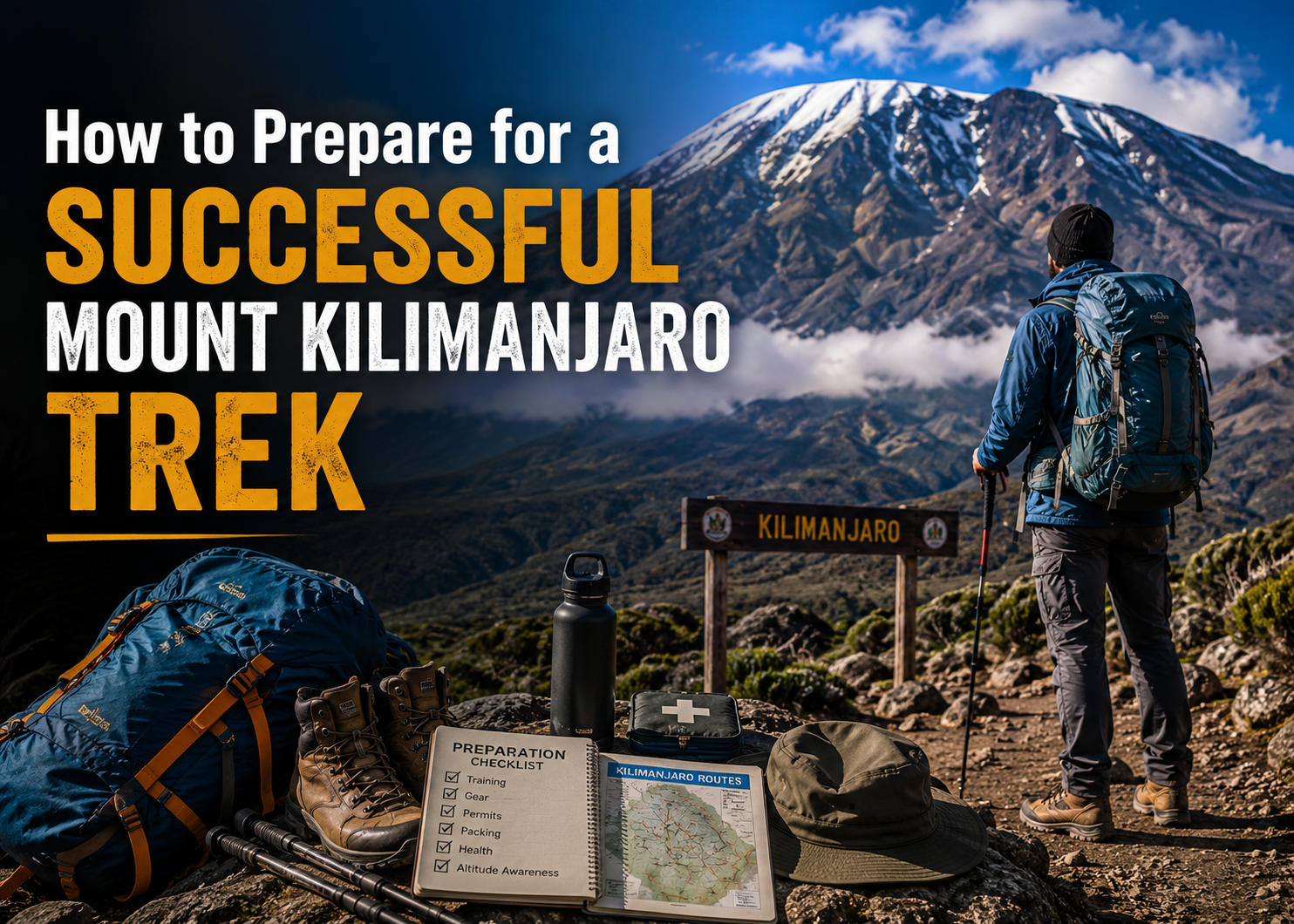
Reaching the summit of Mount Kilimanjaro is an unforgettable achievement that attracts trekkers from every corner of the globe. While the mountain does not require technical climbing skills, reaching the highest point demands physical preparation, mental resilience, careful planning, and the right support team. Every successful mount kilimanjaro trek begins long before arriving in Tanzania. Proper preparation improves your confidence, increases your chances of reaching the summit, and allows you to enjoy every stage of the adventure.
At Ice Rock Trekking, we believe preparation is just as important as the climb itself. Whether you are taking on your first high-altitude adventure or adding another mountain to your experience, investing time in training, selecting quality equipment, and learning about altitude can make a remarkable difference.
Why Preparation Matters for Mount Kilimanjaro
Mount Kilimanjaro stands at 5,895 meters (19,341 feet), making it Africa’s highest mountain. Although no ropes or technical climbing experience are required on standard routes, the altitude presents the greatest challenge for most trekkers.
Preparation helps you:
- Improve endurance and stamina.
- Reduce the impact of altitude sickness.
- Build confidence before the climb.
- Increase summit success rates.
- Make the overall experience more enjoyable.
- Stay comfortable during changing weather conditions.
Rather than relying on luck, experienced trekkers focus on consistent preparation several months before departure.
Build Your Physical Fitness
Fitness plays a major role in every successful mount kilimanjaro trek. The climb involves walking for several consecutive days across changing terrain, including forests, rocky paths, alpine deserts, and steep summit slopes.
A balanced fitness routine should include cardiovascular exercise, strength training, flexibility, and hiking practice.
Cardiovascular Training
Strong cardiovascular endurance helps your body perform efficiently over long distances.
Recommended activities include:
- Hiking
- Running
- Cycling
- Swimming
- Stair climbing
- Brisk walking
Aim for at least four cardio sessions each week lasting between 45 and 90 minutes.
Practice Hiking with a Backpack
Nothing prepares you better than hiking on natural trails while carrying a backpack similar to the one you will use during the climb.
Practice hikes should include:
- Uneven terrain
- Long uphill sections
- Descents
- Multi-hour walking sessions
- Different weather conditions
Gradually increase hiking distance over several weeks.
Strength Training
Leg strength helps maintain stability on rocky trails while reducing fatigue.
Focus on exercises such as:
- Squats
- Lunges
- Step-ups
- Deadlifts
- Calf raises
- Core exercises
- Planks
Strong core muscles improve posture while carrying your backpack.
Improve Flexibility
Stretching reduces muscle tightness after long hiking days.
Include:
- Hamstring stretches
- Hip stretches
- Calf stretches
- Lower back mobility
- Shoulder mobility
Yoga can also improve flexibility and breathing techniques.
Prepare for High Altitude
Altitude is the biggest challenge during a mount kilimanjaro trek. As elevation increases, oxygen levels decrease, making physical activity more demanding.
Common symptoms include:
- Headaches
- Fatigue
- Nausea
- Loss of appetite
- Poor sleep
Preparation cannot eliminate altitude sickness entirely, but it significantly improves your body’s response.
Helpful strategies include:
- Choose longer routes.
- Walk slowly.
- Drink plenty of water.
- Eat regular meals.
- Listen to your mountain guides.
- Never ignore severe symptoms.
Choose the Right Route
Every Kilimanjaro route offers different scenery, difficulty levels, and acclimatization opportunities.
Popular routes include:
Machame Route
Known for scenic landscapes and strong acclimatization profiles, this route is suitable for many first-time trekkers.
Lemosho Route
Offers excellent acclimatization with gradual elevation gain and beautiful wilderness scenery.
Rongai Route
Approaches from the northern side and generally receives less rainfall.
Marangu Route
Often called the “Coca-Cola Route,” it provides hut accommodation instead of camping.
Northern Circuit
The longest route with outstanding acclimatization opportunities and high summit success rates.
Selecting the appropriate route should match your fitness level, schedule, and trekking experience.
Select the Best Season
Weather conditions greatly affect your climbing experience.
Popular climbing seasons include:
- January to March
- June to October
These months generally provide clearer skies and more stable weather.
Although Kilimanjaro remains accessible throughout the year, seasonal conditions influence trail conditions and visibility.
Invest in Quality Trekking Gear
Reliable equipment makes every mount kilimanjaro trek safer and more comfortable.
Essential clothing includes:
- Waterproof jacket
- Waterproof trousers
- Insulated down jacket
- Thermal base layers
- Hiking trousers
- Moisture-wicking shirts
- Warm gloves
- Insulated hat
- Sun hat
- Hiking socks
Avoid cotton clothing since it retains moisture.
Choose Proper Footwear
Your hiking boots should:
- Be waterproof
- Offer ankle support
- Fit comfortably
- Already be broken in
Never begin the climb wearing brand-new boots.
Carry lightweight camp shoes for evenings.
Essential Equipment Checklist
Your packing list should include:
- Daypack
- Duffel bag
- Trekking poles
- Sleeping bag
- Headlamp
- Sunglasses
- Sunscreen
- Water bottles
- Hydration bladder
- Gaiters
- Buff or neck gaiter
- Camera
- Power bank
- Personal medications
Packing efficiently reduces unnecessary weight while ensuring comfort.
Learn Proper Hydration Habits
Hydration directly affects performance at altitude.
Drink approximately three to four liters of water each day during your climb.
Signs of dehydration include:
- Headaches
- Fatigue
- Dizziness
- Dry mouth
Electrolyte tablets can help replace minerals lost through sweating.
Eat Well Before and During the Trek
Nutrition fuels long hiking days.
Before departure:
- Increase complex carbohydrates.
- Eat lean proteins.
- Include healthy fats.
- Consume fresh fruits and vegetables.
During the climb:
- Eat regularly.
- Accept snacks between meals.
- Focus on carbohydrates for energy.
Even when appetite decreases at altitude, maintaining calorie intake remains important.
Prepare Mentally
Mental preparation is often overlooked but becomes extremely valuable during summit night.
Successful trekkers develop:
- Patience
- Positive thinking
- Persistence
- Confidence
- Flexibility
Expect changing weather, physical fatigue, and long hiking days.
Breaking each day into smaller goals helps maintain motivation.
Train with Long Walking Days
Weekend hikes lasting six to eight hours closely simulate Kilimanjaro trekking conditions.
Practice walking:
- Consecutive days
- Uphill terrain
- Rocky trails
- Variable weather
Building endurance gradually prevents injuries.
Learn About Summit Night
Summit night represents the most demanding stage of the climb.
Trekkers typically begin around midnight, reaching Uhuru Peak after several hours of steady uphill walking.
Conditions often include:
- Freezing temperatures
- High winds
- Darkness
- Thin air
Proper preparation allows you to remain focused despite these challenges.
Pace Yourself
One of the most common sayings on Kilimanjaro is “Pole Pole,” meaning “slowly, slowly.”
Walking slowly:
- Conserves energy.
- Improves acclimatization.
- Reduces fatigue.
- Helps maintain steady breathing.
Many trekkers who start too quickly struggle later in the climb.
Sleep and Recovery Before Departure
Quality sleep supports both physical performance and recovery.
During the weeks before your trip:
- Sleep seven to nine hours each night.
- Avoid overtraining.
- Stay hydrated.
- Maintain healthy eating habits.
Arriving well-rested gives your body a stronger starting point.
Travel Insurance Matters
Choose insurance that specifically covers:
- High-altitude trekking
- Emergency evacuation
- Medical treatment
- Trip cancellation
- Lost luggage
Review policy details carefully before departure.
Follow Your Guides
Professional mountain guides possess valuable knowledge gained from years of experience.
Their responsibilities include:
- Monitoring health
- Managing pace
- Assessing weather
- Supporting acclimatization
- Ensuring safety
Following their advice significantly improves your overall experience.
Respect the Mountain
Environmental responsibility protects Kilimanjaro for future generations.
Responsible trekking includes:
- Carrying reusable water bottles.
- Avoiding litter.
- Staying on marked trails.
- Respecting wildlife.
- Supporting sustainable tourism.
Responsible travel benefits both local communities and the mountain environment.
Common Mistakes to Avoid
Many first-time trekkers make avoidable errors that reduce their summit chances.
These include:
- Underestimating altitude.
- Wearing new boots.
- Skipping fitness preparation.
- Packing unnecessary gear.
- Walking too quickly.
- Ignoring hydration.
- Eating too little.
- Neglecting rest.
Avoiding these mistakes greatly improves your trekking experience.
Why Choose Ice Rock Trekking
Ice Rock Trekking is committed to creating memorable mountain adventures with safety, professionalism, and personalized service at the center of every expedition.
Our experienced team helps trekkers prepare before departure and supports them throughout every stage of the journey. From selecting the ideal route to providing experienced mountain guides, quality camping equipment, and carefully planned itineraries, we focus on delivering a rewarding climbing experience.
Our commitment extends beyond reaching the summit. We believe every trek should combine safety, environmental responsibility, local expertise, and exceptional customer care. Whether you are preparing for your first mount kilimanjaro trek or returning for another adventure, our knowledgeable team works closely with every climber to maximize comfort, confidence, and summit success.
Final Thoughts
A successful mount kilimanjaro trek is built on thoughtful planning, consistent training, quality equipment, proper acclimatization, and the support of experienced professionals. Every step taken before departure contributes to a safer and more rewarding climb. By improving your fitness, preparing for altitude, packing wisely, and maintaining a positive mindset, you place yourself in the best position to reach Uhuru Peak with confidence. Ice Rock Trekking is ready to support your journey from the first stage of planning to the unforgettable moment you stand on Africa’s highest summit.