Rwenzori Mountains

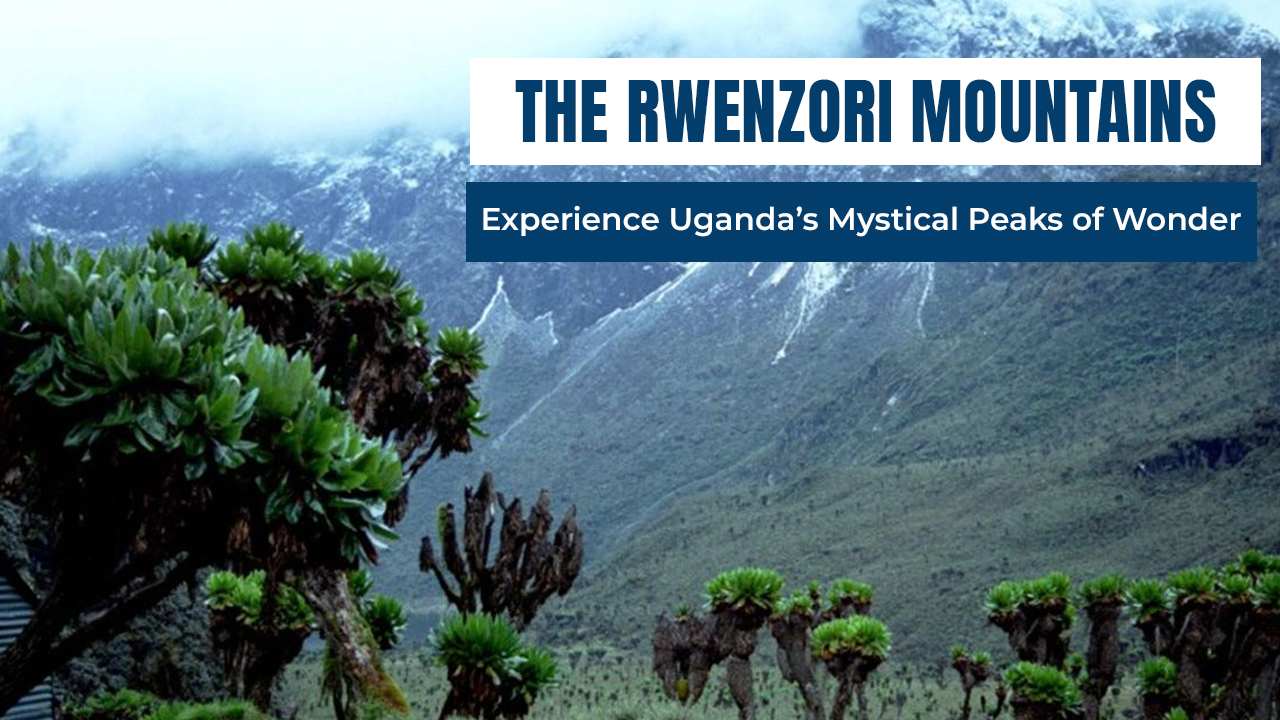
The Rwenzori Mountains are nestled on Uganda’s western border and these emerge like an ethereal fortress into the skies. These mountains are home to six of the highest mountains namely, Stanley, Speke, Baker, Emin, Gessi, and Savioa in Africa they are better known as the “Mountains of the Moon” due to their snow-capped peaks, unique flora, and unearthly beauty. These peaks are Africa’s most enchanting landscapes and are a stunning destination for hikers and adventure travelers longing for thrill and adventure. The charm and appeal of these mountains are rooted in their rich biodiversity, natural beauty, and cultural significance. The Rwenzori Mountains offer an unforgettable experience to both nature enthusiasts and adventurers alike and are ideal for hiking and adventurous activities.

A Glimpse into the History and Mystique of Rwenzori Mountains

The Rwenzori Mountains ranges are located in the Albertine Rift Valley of East Africa, which stretches 130 kilometers from north to south along the border between western Uganda and the eastern Democratic Republic of Congo. These majestic peaks lie in the southwestern region of Uganda, just north of the renowned Queen Elizabeth National Park, which is a premier safari destination. The Rwenzori was named the “Mountains of the Moon” by the Alexandrine geographer Ptolemy in AD 15O. These mountains were placed on the modern map in 1888 by the explorer Henry Stanley who labelled it as ‘Ruwenzori’, a local name that means rainmaker or cloud king. He also claimed that the snow-capped mountain range served as the source of the Nile. Over the years the Rwenzori has emerged as Africa’s great mountaineering adventures that provide adventurers with an opportunity to ascend snow peaks and walk on equatorial glaciers, which is the most intriguing source of the Nile. 

The Unique Biodiversity of the Rwenzori

The Rwenzori Mountains strongly justify Winston Churchill’s claim that Uganda is the Pearl of Africa, as these mountains are absolutely beautiful. Comprising several glaciers, lakes, snowfields, and waterfalls, these mountains in many parts are covered in thick and breathtaking vegetation. The valleys of the mountains echo with the sound of running and dripping water, bird calls, and insects. Moving higher up the mountains, travelers will discover countless heather trees draped in pale beard lichens that give the feeling of exploring a forgotten kingdom. The astonishing biodiversity of the Rwenzori Mountains is its standout feature offering a visual feast of magical landscapes.

  • Mount Stanley is Africa’s third-highest peak and these icy summits are adorned with glaciers and ice formations creating astonishing wonder in the Africa wilderness.
  • Moving up into the Rwenzori Mountain range, travelers will witness a major transformation in the vegetation. They will discover bamboo forests giving way to the snow-capped peaks of the mountains along with moss-covered alpine meadows.
  • The grassy expanses of the mountains are dotted with sparkling glacial lakes that reflect the surrounding mountain peaks like shimmering mirrors.
  • Travelers’ senses will liven with the crisp mountain air, which they will experience while ascending to higher altitudes where the landscape transforms into a breath-taking alpine wonderland.
  • The Rwenzori Mountains are surrounded by the mindless natural beauty comprising a melody of gentle breezes, bird songs, and flowing streams whirr.
  • Wildlife enthusiasts may discover forest elephants, leopards, and various duiker species, along with an abundance of unique flora found nowhere else on Earth.

Exploring the Rwenzori Mountains is like experiencing a mythical planet where tropical and alpine environments create dreamy wonderlands. Every visitor of the Rwenzori Mountains is sure to be surprised by the ever-changing ecosystems, rugged beauty, and sparky vistas creating a tranquil and wondrous atmosphere and leaving a lasting impression.

Adventure Awaits for Hikers in the Rwenzori Mountains

The Rwenzori Mountains are a popular and preferred destination for hikers and mountaineers, as these are less frequented and provide a sense of solitude and unspoiled wilderness. Hiking in the Rwenzori Mountains in Uganda takes wildlife enthusiasts through breathtaking landscapes and untamed wilderness that are hard to discover elsewhere.

  • The Mountains of the Moon are blessed with an ethereal landscape that provides intrepid hikers with a memorable experience through Africa’s natural wonders.
  • The Central Circuit Trail is a 7-10 day hiking expedition and it is the most popular trekking route that takes hikers through major vegetation zones and ends in a challenging ascent to Margherita Peak.
  • Lake Mahoma or the Nyabitaba Hut is a shorter trek providing stunning vistas and a taste of the Rwenzori’s beauty.
  • Hiking here is a transformative experience, as the jungle of the mountain will embrace travelers in the raw beauty of the African wilderness. The trail’s wind crossing through different terrains sparkles like emerald gems.
  • Hikers may get to encounter mysterious Rwenzori colobus monkeys that will make their hiking splendid and magical.

Every moment of the hiking expedition unveils a new face of the Rwenzori’s charm, from encountering glacial lakes shimmering like mirrors to witnessing the landscape transformation into an amazing alpine wonderland, the experience in these mountains is surreal and magical. Tourists are bound to forge a deep connection with nature amidst the silence of the snow-capped summits and gain an appreciation for the untamed surrounding beauty. 

Planning a Visit to the Rwenzori Mountains

Adventure enthusiasts need to carefully plan a visit to the Rwenzori Mountains, as right from picking the best time to knowing every detail related to the place is essential before embarking on this adventurous journey. The dry seasons from December to February and June to August are the best time to visit because the trails are more accessible. Tourists are required to obtain entry permits from UWA or from tour operators that offer guided treks. Trekking in the Rwenzori requires proper planning because the terrain is challenging, the weather is unpredictable, and high altitudes pose risks. Thus, visitors coming here need to be physically fit, well-equipped with essential gear and must be ready for cold weather at higher elevations.
Hiking Kilimanjaro

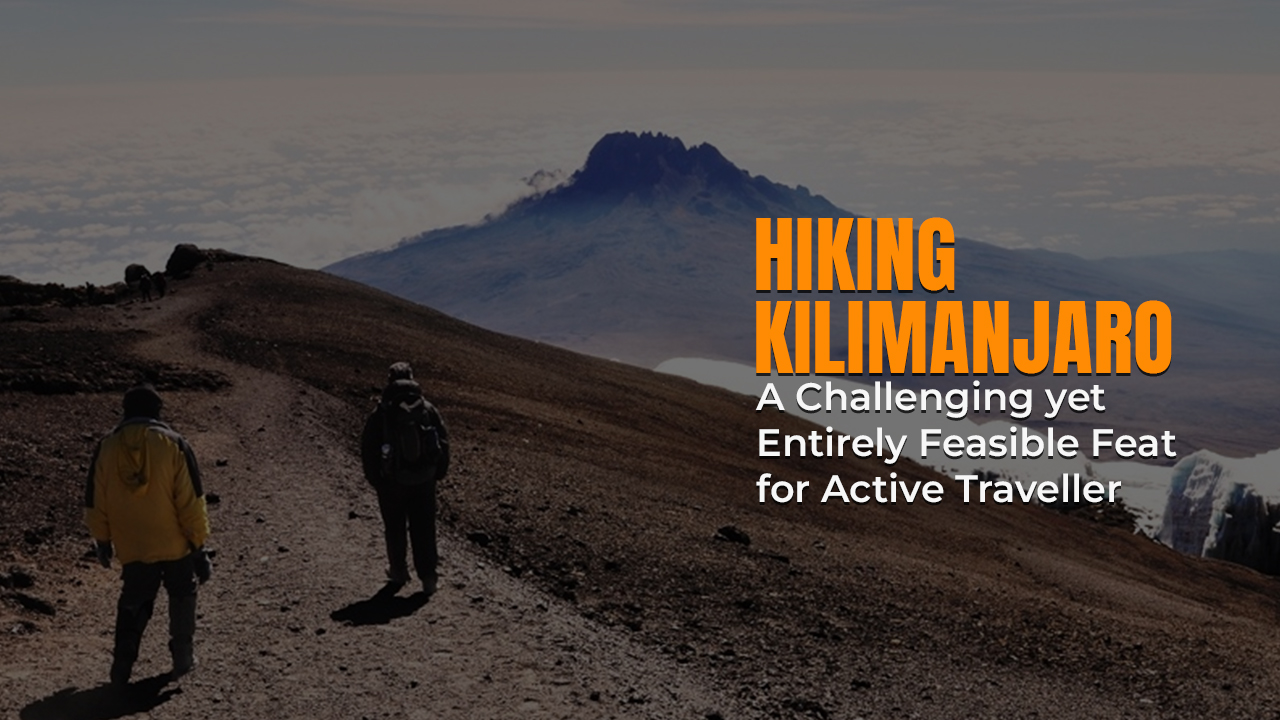
Mount Kilimanjaro, located in Tanzania, is iconic and the highest peak in Africa that dominates the landscape. With an elevation of 5,895 meters, it is the tallest free-standing mountain in the world and is termed the African jewel in the Seven Summits crown. Hiking Kilimanjaro is popular among both experienced and less-experienced trekkers and requires no technical hiking skills or equipment. Nevertheless, this does not mean that hiking Kilimanjaro is an easy feat, as travelers require proper planning and preparation before embarking on once-in-a-lifetime trips to Kilimanjaro. Active travellers or keen walkers can move ahead in this mission, which is challenging yet entirely feasible.    

Hiking Kilimanjaro – Embark on Once-in-a-Lifetime Trips

Mount Kilimanjaro hiking is a life-changing experience that attracts adventure lovers from around the world who are desperate to tick this impressive peak from their bucket list. The snow-capped peak is part of the Kilimanjaro National Park and towers above the surrounding Savannah and serves as a vital inspiration source for hikers and adventure enthusiasts from around the world. In a matter of five to nine days, hikers can reach the top of Kilimanjaro from the African plains while moving through grasslands, rain forests, alpine meadows, desert uplands, and moorlands to snow and ice. Hiking Kilimanjaro is not extremely difficult, as children over the age of ten years to seniors in their 60s and 70s can climb this highest peak with grit and determination.

Commencing Hiking Expedition

After flying to Kilimanjaro International Airport, travelers will commence a Mount Kilimanjaro hiking expedition that usually sets off from one of two towns, Arusha, to the southwest of the mountain, and Moshi, directly south. It takes travelers around an hour time to reach Moshi and eighty minutes to reach Arusha. The most common way to reach these towns is via taxi or pre-booked shuttle but usually, the tour operators arrange to transfer travelers from the airport.

What is the Kilimanjaro Hiking Duration?

The time required to hike Mount Kilimanjaro depends on the route chosen by the traveler, as there are seven routes to reach Kilimanjaro. These routes take five to nine days to reach the summit and return; however, it is important for travelers to not be in a hurry to rush the ascent because it will lower their success rate. This is important because first travelers need to give time to their body to acclimate to high altitude and with slow and steady ascent their bodies get time to adjust to high altitude. Travelers who are in a hurry to reach the top are likely to develop altitude sickness that can prevent them from achieving success.  

Clothing and Equipment Required for Kilimanjaro Hiking

Preparation is the key to a successful hiking experience and Kilimanjaro hiking is no different. Travelers who are planning hiking in a short duration of time, or who have chosen a tough route to reach the summit should carefully plan for the hiking. Hikers should plan Kilimanjaro hiking and should carry essential clothing and equipment that are required for the hiking. Some of the clothing and equipment essentials that are must-haves for hikers include:   

  • Waterproof hiking boots and thick socks are a must for the hikers and they should test the boot before initiating the hike to avoid last-minute hassle.
  • Warm gloves and mittens are essential for hikers, especially for cold nights, whereas insulated and water-resistant gloves are preferred for the summit.
  • Travelers will require a sun hat that is wide-brimmed for protection. Pick a hat that has a neck cover, especially when they are not going to wear a neck gaiter.
  • The other vital stuff is a waterproof backpack and a big sack that is required to carry personal stuff like a head torch, clothes, and camera, along with the food.
  • Thermals and inners for hiking on colder nights are essential clothing items that will give respite to hikers on cold nights.
  • Waterproof and windproof pants and shells are must-haves for hikers, even if they are hiking in the dryer seasons because the weather in Kilimanjaro is unpredictable and can quickly become cold.
  • Quick-drying clothes are great while hiking, as these clothes can easily be washed and dried without taking too much time.
  • Sunglasses and sunscreen are vital stuff that should be packed for hiking trips because travelers will not prefer to burn their skin and eyes while climbing the mountain.
  • Jackets and fleece are also required in the hiking expedition, especially with the temperature dropping at higher altitudes and the summit can be as cold as -30 degrees Celsius.
  • Carrying snacks and energy bars is also essential to fulfil the high-calorie requirements of the body while hiking.
  • Head torches also prove essential hiking equipment that helps while trekking in the night.
  • A small medical kit containing essential cold and pain medicines and sprays will come in handy to manage smaller health issues.

Kilimanjaro hiking is a great experience that can be accomplished with proper planning and consideration. This highest peak holds a special place in the hearts of adventurous tourists who like to plan something exciting and challenging, as they cherish the thought of reaching the highest peak all through their lives.   

Mount Kilimanjaro tour

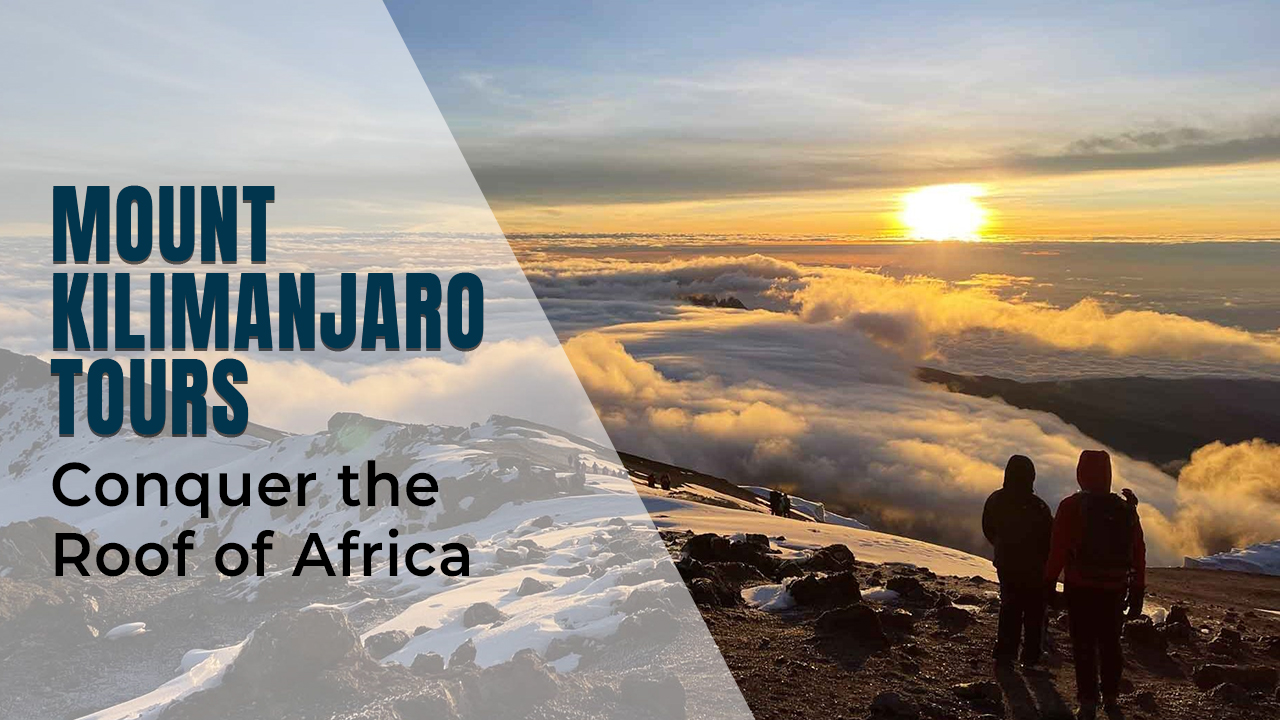
Mount Kilimanjaro is the highest peak in Africa and is greatly popular among adventurers from around the globe. It is one of the most iconic landmarks that is high on the list of ultimate trekkers who wish to owe the fame of climbing the tallest mountain in Africa. Located in Tanzania, Mount Kilimanjaro is 5895 meters tall which lures hikers and travel enthusiasts from all across the globe fascinated by its breathtaking beauty. The Mount Kilimanjaro tour is a once-in-a-lifetime experience that is a perfect blend of nature bliss, adventure, and cultural bliss.

What Makes Mount Kilimanjaro Tour Special?

Mount Kilimanjaro tour is a bucket list experience for both adventure seekers and nature enthusiasts, as an expedition of this dormant volcano will help them traverse through diverse climatic zones having their unique specialty.

Don’t Require Technical Climbing Skills – Mount Kilimanjaro unlike other highest peaks of the world does not require technical climbing skills or any specific equipment to reach the summit. Thus, this mountain is accessible to a wide range of hikers and trekkers, who with some basic trekking skills can climb this mountain with success. Hikers and trekkers just need to be physically fit and determined to take on this challenge. 

Amazing Landscapes and Unparalleled Scenic Diversity – The Mount Kilimanjaro tour remains lifelong etched in the memories of travelers, mainly because of iconic landscapes and unmatched scenic diversity. The landscapes of the mountain transit through distinct zones, from lush rain forests at the base to through moorlands, and alpine deserts to volcanic rock just before the icy glaciers of the summit. Each zone is known for its distinct fauna and flora along with the breathtaking views that make the tour simply unforgettable.  

Cultural Connection – The Mount Kilimanjaro tour is not just limited to the trekking expedition but also includes visits to nearby villages. This will allow tourists to learn about their cultural and spiritual significance. Tourists will also have the opportunity to learn about their culture, food, and tradition and they will get to experience warm Tanzanian hospitality.

Enjoy the Mount Kilimanjaro Tour with the Best Route

Mount Kilimanjaro tour for adventure seekers is a dream come true experience because this beautiful mountain promises a memorable trip to hikers comprising awe-inspiring landscapes, diverse ecosystems, and a great sense of accomplishment. Nevertheless, climbing this mountain does require rigorous preparation and planning. To enjoy a successful hiking expedition to Kilimanjaro choosing the best route is most important. There are several routes, each having its own set of natural scenery and experiences that can be chosen depending on the hiker’s fitness levels and hiking duration. Some popular hiking routes include:

The Machame Route – It is also called Whiskey Route and is a popular choice due to its stunning views, and varied scenery. His route is ideal for adventurers who are looking for natural bliss as well as challenges, as this route has steeper climbs and rugged terrain. Trekkers on this route move through lush rain forests, heath lands, and moorlands before finally arriving at the summit’s bleak.

The Marangu Route – It is also called Coca Coca-Cola route which is of five to six days duration. It is the oldest and most established route on Kilimanjaro that offers stunning views of varied landscapes. This route is ideal for beginners or individuals who prefer a shorter trek. Trekkers on this route get cozy sleeping cottages along the road which makes it a more sheltered experience than camping.

Lemosho Route – It is a longer route that takes around seven to nine days and is usually best for experienced hikers who enjoy a slower pace. This route is less crowded and has more scenic views, offering trekkers plenty of time for acclimatization. Since this route starts from the west, hence allows trekkers to view Kilimanjaro’s unspoiled environment.

Surprises Waiting on Your Mount Kilimanjaro Tour

Mount Kilimanjaro tour is not like a regular tour that promises unlimited fun and excitement but this tour also includes adventure and challenges that slowly unfold as travelers move ahead in their challenging journey. Some of the surprises waiting in this challenging and exciting tour include:

  • Hikers and trekkers on their Mount Kilimanjaro tour may experience altitude sickness or acclimatization issues that may pose challenges in their expedition. To handle this challenge, travelers should choose a route with gradual ascent and should give time for acclimatization.
  • Mount Kilimanjaro’s weather is quite unpredictable and tourists may experience tropical rain to freezing temperatures. To handle the sudden change of weather, tourists must pack warm woolens, and sturdy boots, along with waterproof gears to keep them protected in all weather conditions.
  • Mount Kilimanjaro trekking is full of challenges though technical climbing experience is not required by the hikers. To successfully face this challenge, travelers should mentally and physically prepare themselves for a positive mindset to bear through the exhaustion and exertion.

Best Time to Plan Mount Kilimanjaro Tour

Mount Kilimanjaro tour should always be planned during the dry seasons and tourists must plan their visit from December to early March and from July to early October, as these are dry periods. During the rainy seasons, the trails become slippery, and hence conditions are less favourable so this season should be avoided by the tourists. Weather is highly unpredictable on Mount Kilimanjaro so tourists must come prepared with their protective gear and equipment.

kilimanjaro trekking guides

Kilimanjaro is the highest free-standing mountain in the world and trekking its staggering 19,341-feet-high summit is an adrenaline-rushing experience. The trekking to its summit, Uhuru Peak of Kilimanjaro will make jaw drop and guarantee a life-changing experience. Located in Kilimanjaro National Park in Tanzania, which is a UNESCO World Heritage Site, it is a popular trekking destination that is on the bucket list of many travel enthusiasts. Trekking to its highest peak requires proper preparation, a deep understanding of the mountain, and expert guidance from an experienced guide to reach the top. The expert guides play a significant role in helping enthusiasts reach the top while ensuring their safety, comfort, and enjoyment along the way.     

The Vital Role of Guides for Successful Kilimanjaro Trekking Expedition

Kilimanjaro is a challenging and multiple-day trekking expedition that takes trekkers through changing climates, diverse terrains, and high altitudes. Since trekking this mountain is no ordinary hike, safety regulations are in place for the trekkers. However, before embarking on the Kilimanjaro trekking, travel enthusiasts need to perfectly plan for their trekking expedition to be successful in their mission. Kilimanjaro trekking guides immensely contribute to making this adventure unforgettable and are essential for a successful trekking expedition.

Navigation Expertise – Trekking guides are well aware of different routes like Marangu, Machame, and Lemosho and ensure trekkers stay on the right trekking path to smoothly navigate to the top. Besides, the trekking guides can even adjust the itinerary if required.

Altitude Awareness and Safety – While trekking the highest peak, trekkers often experience altitude sickness and trekking guides emerge as the biggest help, as they are trained to recognize symptoms, administer first aid, and also help them with acclimatization. The trekking guides give top-most priority to the trekker’s health and safety and make sure that reach the peak without any health issues.

Cultural Insights – Kilimanjaro trekking guides are usually the local people having a sound understanding of Kilimanjaro’s geology, history, and the surrounding culture and they share fascinating stories related to Kilimanjaro with the trekkers. Their knowledge and insights about the mountain add a sound educational aspect to their trekking expedition.

Motivation and Support – Kilimanjaro trekking is both mentally and physically tiring and hence trekkers need moral and psychological support. A good and cooperative guide turns out to be the best coach who provides help and encouragement during challenging terrains and celebrates their milestones on the way keeping the trekkers encouraged and motivated during the entire trekking period.

What to Expect from Kilimanjaro Trekking Guides

Mt. Kilimanjaro is the most recognized mountain that lures thousands of trekkers every year because it allows them to explore five different ecosystems ranging from rain-forest zone to alpine desert, to arctic snow-cap and climbing 19,340 feet to conquer Uhuru peak. Kilimanjaro climb takes trekkers through thick and drenched rainforests onto alpine fields and crosses a desert-like lunar landscape to reach the twin summits of Kibo and Mawenzi. Trekking this challenging mountain is not an easy task and hence trekkers need help and guidance from guides who offer comprehensive support in the trekking journey. The role of trekking guides is not restricted to leading the way but also includes the following:    

Pre-Trek Briefings – Trekking guides brief tourists about the weather, route, safety protocols, and the equipment required for trekking, before starting the trek. This provides trekkers with the opportunity to clarify their doubts and ask trekking-related questions to gain absolute clarity on their trekking.

Daily Itinerary Management – Daily itineraries are perfectly managed by the guides to ensure that the entire group progresses in their trekking mission at a safe and steady pace. To optimize the chance of successfully reaching the summit of the group, the trekking guides meticulously plan breaks for rest, meals, and acclimatization.

Emergency Preparedness – Trekking guides are well prepared for managing any health and medical emergencies while climbing to the top. These guides are equipped with oxygen cylinders, first-aid kits, and vital communication devices to communicate about the emergencies and call for evacuation if required.

Communication and Multilingual Skills – Trekking guides are well versed in multiple languages like Swahili, English, and even some other languages which makes it easy for international trekkers to effectively communicate with guides.

Environmental Stewardship – Trekking guides also hold the responsibility to maintain and preserve the mountain’s natural beauty, hence they emphasize responsible trekking practices and instruct trekkers to adhere to the “Leave No Trace” policy.

Tips to Choose the Right Trekking Guide

Travel enthusiasts who are looking for a memorable and adventurous Kilimanjaro trekking experience should be cautious while selecting the best trekking guide, as this will make a big difference in their trekking trip. For a safe and enjoyable trekking experience, trekkers should keep the following factors in mind while choosing the trekking guide: 

Certification and Licensing – Trekkers should give priority to certified and licensed trekking guides to avoid any problems later on. Preference should be given to guides who are certified by the Kilimanjaro National Park Authority and are affiliated with esteemed organizations like the Tanzania Association of Tour Operators.

Experience – Travellers should choose a trekking guide that has good experience of Kilimanjaro trekking. This will ensure that they have knowledge about the multiple trekking routes and can even suggest the best route to reach the top. Besides, they will also have in-depth knowledge of the mountain as well as the weather conditions.

Reviews and Recommendations – Trekkers before making the final decision should check online reviews and recommendations of trekkers who have already availed service of a guide. Reviews and recommendations of previous trekkers will help individuals make sound and informed decisions and help them pick the best trekking guide from the available options.  

Final Thoughts

Mount Kilimanjaro trekking is a once-in-a-lifetime experience that requires proper preparation and the guidance of the best trekking guide. Professional Kilimanjaro trekking guides are the most valued and trusted companions ensuring safety, comfort, and an unforgettable experience for trekkers. Whether a seasoned trekker or a first-time climber, the right trekking guide helps trekkers navigate the challenges and enjoy the satisfaction of conquering Africa’s highest peak.