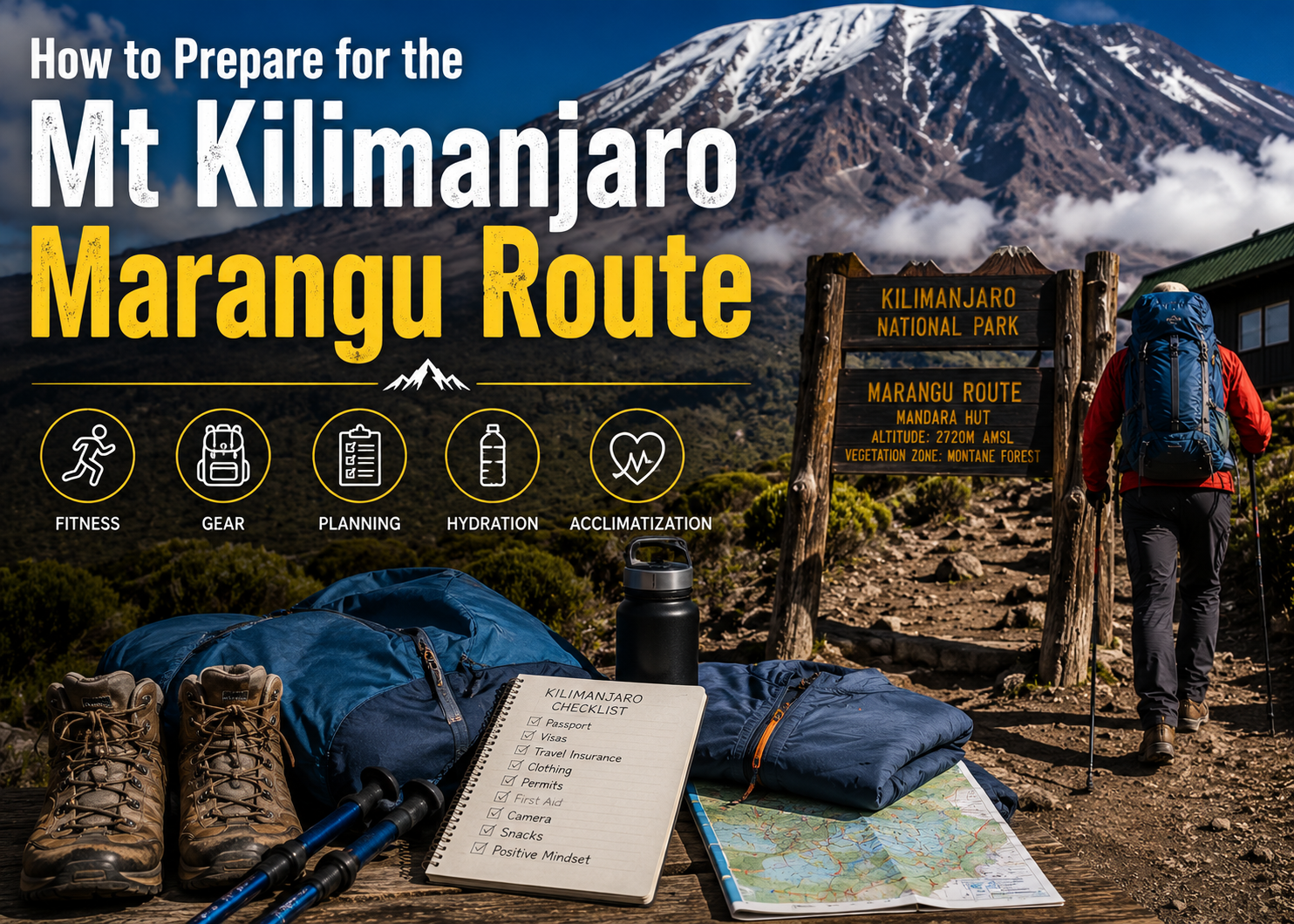
Climbing mt kilimanjaro marangu route is a rewarding experience that combines breathtaking scenery, comfortable mountain huts, and a well-established trekking trail leading to Africa’s highest peak. Popularly known as the “Coca-Cola Route,” it is often chosen by first-time high-altitude trekkers because of its gradual ascent and permanent hut accommodations. However, reaching Uhuru Peak still requires proper preparation, physical endurance, and the right mindset.
Success on Kilimanjaro begins long before arriving in Tanzania. Careful planning, structured fitness training, appropriate equipment, altitude awareness, and choosing an experienced trekking operator all contribute to a safer and more enjoyable climb.
At Ice Rock Trekking, we believe that excellent preparation builds confidence and significantly increases summit success. Whether you are planning your first mountain adventure or adding Kilimanjaro to an impressive climbing portfolio, the following information will help you prepare effectively.
Why Preparation Matters for the Mt Kilimanjaro Marangu Route
Although the Marangu Route is regarded as one of the easier paths to Mount Kilimanjaro, the mountain itself remains physically demanding. The elevation reaches 5,895 meters (19,341 feet), where oxygen levels are considerably lower than at sea level.
Many trekkers assume that comfortable hut accommodation makes the climb simple. While sleeping indoors offers additional comfort compared to camping routes, the altitude remains the biggest challenge.
Good preparation helps you:
- Improve physical endurance
- Adapt more effectively to altitude
- Reduce fatigue
- Prevent avoidable injuries
- Increase summit success
- Enjoy every stage of the trek
Preparing early allows your body and mind to work together during the climb.
Learn the Route Before You Arrive
One of the first steps in preparing is becoming familiar with the route itself.
The mt kilimanjaro marangu route normally follows this sequence:
- Marangu Gate
- Mandara Hut
- Horombo Hut
- Kibo Hut
- Uhuru Peak
- Return through Horombo Hut
- Marangu Gate
The route is usually completed in five or six days. While the five-day option is shorter, many experienced operators recommend the six-day itinerary because the additional acclimatization day significantly improves the chances of reaching the summit.
Knowing what to expect each day helps reduce anxiety and allows you to pace yourself more effectively.
Build Your Fitness Several Months Before Departure
Physical preparation should begin at least two to three months before your trek.
The climb is not technical, but it requires long days of continuous walking at increasing altitude.
Your training program should include:
Cardiovascular Exercise
Improve your endurance with activities such as:
- Hiking
- Running
- Cycling
- Swimming
- Stair climbing
Aim for three to five sessions each week.
Strength Training
Strong legs and core muscles help reduce fatigue.
Focus on:
- Squats
- Lunges
- Deadlifts
- Step-ups
- Core exercises
- Calf raises
Building muscular endurance makes carrying a daypack much easier.
Practice Hiking
Whenever possible, hike on uneven terrain while carrying a backpack weighing between 5 and 8 kilograms.
Practice walking uphill for several hours without long breaks.
This closely resembles trekking conditions on Kilimanjaro.
Train for Consecutive Hiking Days
Unlike a single-day hike, Kilimanjaro involves multiple days of continuous trekking.
Schedule back-to-back hikes during weekends to prepare your muscles for repeated effort.
For example:
- Saturday: 5–7 hours
- Sunday: 4–6 hours
This improves recovery while strengthening endurance.
Choose the Right Trekking Gear
Quality equipment plays a major role in both comfort and safety.
Essential clothing includes:
- Waterproof hiking boots
- Thermal base layers
- Insulated jacket
- Waterproof shell jacket
- Hiking trousers
- Warm gloves
- Wool socks
- Sun hat
- Winter hat
- Neck gaiter
Avoid bringing brand-new boots without breaking them in beforehand.
Pack Smart Instead of Packing Heavy
Overpacking creates unnecessary weight.
Essential equipment includes:
- Trekking poles
- Headlamp
- Sunglasses
- Sunscreen
- Water bottles
- Hydration bladder
- Power bank
- Personal medications
- Camera
- Snacks
Porters carry most of your luggage, but your daypack should remain light enough for comfortable hiking.
Understand Altitude Before the Trek
Altitude affects everyone differently.
Excellent fitness does not guarantee immunity from altitude sickness.
Common symptoms include:
- Headaches
- Fatigue
- Loss of appetite
- Nausea
- Dizziness
- Difficulty sleeping
The best protection comes from gradual ascent, hydration, proper pacing, and listening to your guides.
Never ignore worsening symptoms.
Practice Slow and Steady Walking
Experienced Kilimanjaro guides often repeat one important phrase:
“Pole Pole.”
This Swahili expression means “slowly.”
Walking slowly conserves energy while helping your body adjust to decreasing oxygen levels.
Many strong hikers fail because they begin too quickly.
Consistent pacing is far more effective than speed.
Stay Hydrated Every Day
Hydration supports altitude adaptation.
Most climbers should drink between three and four liters of water each day.
Electrolyte tablets can help replace minerals lost through perspiration.
Monitor your hydration by checking urine color, which should remain light yellow.
Prepare Your Nutrition Strategy
Your body burns thousands of calories during the climb.
Focus on nutritious foods before departure.
Increase intake of:
- Lean protein
- Fruits
- Vegetables
- Whole grains
- Healthy fats
During the trek, eat regularly even if altitude reduces your appetite.
Energy bars, dried fruit, nuts, and chocolate provide convenient energy.
Strengthen Your Mental Resilience
Summit day begins around midnight and can last more than twelve hours.
Cold temperatures, darkness, fatigue, and altitude create significant mental challenges.
Mental preparation includes:
- Setting realistic expectations
- Staying patient
- Remaining positive
- Breaking the climb into smaller milestones
- Trusting your guides
A determined mindset often becomes the deciding factor near the summit.
Sleep Well Before Departure
Adequate rest improves recovery and immune function.
Avoid arriving already exhausted from work or extensive travel.
Several nights of quality sleep before your flight help your body perform better on the mountain.
Obtain Proper Travel Insurance
Not every travel insurance policy covers high-altitude trekking.
Verify that your policy includes:
- Trekking above 5,000 meters
- Emergency evacuation
- Medical treatment
- Trip interruption
- Lost luggage
Proper coverage offers valuable peace of mind.
Prepare Travel Documents Early
Before departure, confirm that you have:
- Passport validity
- Tanzanian visa requirements
- Flight confirmations
- Travel insurance documents
- Vaccination records if required
Keeping digital and printed copies is always recommended.
Learn Basic Mountain Etiquette
Respect for fellow climbers and mountain staff creates a better experience for everyone.
Simple practices include:
- Greeting fellow trekkers
- Following guide instructions
- Keeping huts clean
- Respecting local culture
- Avoiding unnecessary noise
Positive teamwork contributes to a successful expedition.
Acclimatization Makes a Big Difference
Many experienced climbers recommend selecting the six-day Marangu itinerary rather than the shorter five-day option.
The additional day at Horombo Hut allows your body extra time to adjust to altitude.
Higher acclimatization often translates into:
- Better sleep
- Improved energy
- Lower altitude sickness risk
- Greater summit success
Extra time on the mountain is usually a worthwhile investment.
Work with Experienced Mountain Guides
Professional mountain guides monitor your health throughout the climb.
They evaluate:
- Walking pace
- Oxygen saturation
- Hydration
- Altitude symptoms
- Overall well-being
Experienced guides know when to encourage progress and when safety requires turning back.
Choosing a reputable trekking company is one of the most important decisions you can make.
What Makes the Marangu Route Different?
The mt kilimanjaro marangu route stands apart because of its permanent sleeping huts.
Unlike camping routes, trekkers sleep inside shared mountain huts equipped with bunk beds.
Advantages include:
- Shelter from rain
- Comfortable sleeping arrangements
- Faster camp setup
- Reduced camping equipment
However, shared accommodations also mean larger trekking groups during busy climbing seasons.
Best Time to Prepare Your Climb
Planning several months in advance provides enough time to improve fitness, purchase equipment, and organize travel.
Many climbers prefer trekking during Tanzania’s drier seasons because trail conditions are generally more favorable.
Early preparation also provides greater flexibility when selecting preferred travel dates and accommodations.
Common Mistakes to Avoid
Several avoidable mistakes reduce summit success.
Avoid:
- Starting fitness training too late
- Wearing untested boots
- Carrying unnecessary gear
- Walking too quickly
- Ignoring hydration
- Skipping meals
- Choosing the shortest itinerary solely to save time
- Ignoring guide instructions
Eliminating these mistakes can significantly improve your overall experience.
Why Choose Ice Rock Trekking?
At Ice Rock Trekking, every expedition is planned with safety, comfort, and success in mind. Our experienced mountain team understands the unique demands of the mt kilimanjaro marangu route and works closely with every climber before and during the trek.
Our services include:
- Experienced professional guides
- Carefully planned itineraries
- Quality mountain equipment support
- Safety-first trekking practices
- Comfortable accommodations
- Personalized assistance before departure
- Expert advice on training and packing
- Reliable logistics throughout your expedition
Our commitment is to help every climber enjoy an organized, memorable, and rewarding Kilimanjaro experience.
Final Thoughts
Preparing for the mt kilimanjaro marangu route requires more than booking a trek. Physical conditioning, smart packing, altitude awareness, careful planning, and selecting an experienced trekking company all contribute to a successful summit attempt. With the right preparation and expert support from Ice Rock Trekking, you can approach Africa’s highest mountain with confidence, maximize your chances of reaching Uhuru Peak, and create lasting memories from one of the world’s most iconic trekking adventures.