Mount Kenya Chogoria Route

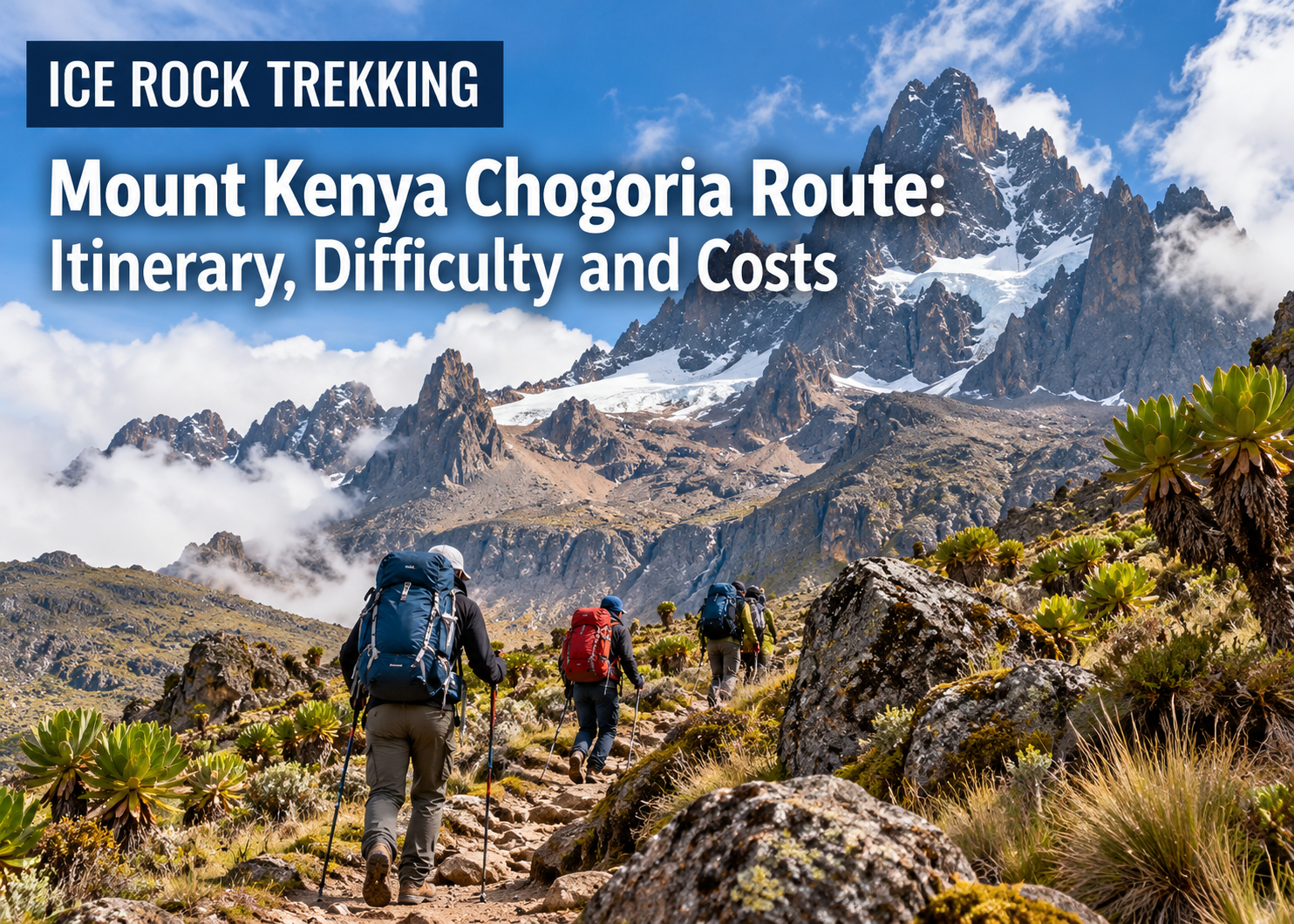
The mount kenya chogoria route attracts trekkers who want dramatic scenery, varied landscapes and a rewarding approach to Point Lenana.

Forest trails gradually open into moorland, mountain lakes and rocky valleys. Higher up, steep ridges and changing weather add challenge to the journey.

Choosing this route involves more than selecting departure dates. Trek duration, sleeping elevations, transport arrangements and personal fitness all influence the experience.

For travellers considering Ice Rock Trekking, the starting point is a clear itinerary that balances scenery, acclimatisation and realistic daily effort.

What Makes the Chogoria Route Different?

Chogoria approaches Mount Kenya from the eastern side. Its appeal comes from the changing scenery between the forested lower slopes and the upper mountain.

Lake Ellis, the Gorges Valley and the surrounding ridgelines create memorable viewpoints. However, itineraries do not automatically include every lake, waterfall or viewpoint.

Some programmes follow the main ascent corridor, while others add side walks or alternative camps. These differences affect walking hours, altitude gain and overall cost.

Trekkers can ascend and descend through Chogoria or combine it with another route. A traverse through Sirimon provides different scenery during the descent.

Before booking, check the actual overnight locations and walking stages. Two packages carrying the same route name can offer substantially different experiences.

Which Summit Does the Route Reach?

Most trekking itineraries target Point Lenana, Mount Kenya’s commonly visited trekking summit, at approximately 4,985 metres.

Batian and Nelion rise higher and involve technical climbing. A standard Chogoria trekking package should not imply that it includes either technical summit.

Kenya Wildlife Service distinguishes the mountain’s three prominent peaks, with Batian reaching 5,199 metres and Nelion reaching 5,188 metres.

For most recreational trekkers, Point Lenana provides the appropriate objective. Nevertheless, its altitude and exposed upper terrain require serious preparation.

Reaching it usually involves trekking rather than technical rock climbing in favourable conditions. Snow, ice or poor weather can change the equipment and skills required.

How Many Days Should You Allow?

Five- and six-day Chogoria programmes are available, while longer itineraries allow additional time for acclimatisation, scenery or a less compressed schedule.

A six-day itinerary provides a useful planning framework. However, the number of advertised days alone does not reveal how gradually the programme gains altitude.

Some packages count long road transfers within their duration. Others include additional mountain nights, which can produce a different ascent profile.

Five Days: A More Compressed Schedule

A five-day trek may suit appropriately prepared walkers, particularly those arriving with recent altitude exposure.

However, shorter schedules can involve substantial elevation gains and a demanding summit-to-descent stage. Fitness alone does not make rapid ascent suitable.

Check how many nights the programme includes above the forest zone and whether it allows flexibility before the summit attempt.

Six or Seven Days: More Planning Flexibility

Additional days can create room for shorter stages, an acclimatisation walk or another night before moving higher.

Their value depends on placement. An extra transfer day offers a different benefit from an additional mountain night.

Ask for daily sleeping elevations alongside the itinerary. This makes comparison more useful than judging packages by duration alone.

Suggested Six-Day Chogoria–Sirimon Itinerary

The following outline illustrates a possible traverse. Camps, walking times and summit arrangements require confirmation against conditions and the group’s needs.

Published Chogoria itineraries commonly link the lower mountain, Lake Ellis and Mintos before Point Lenana. Descent arrangements vary between programmes.

Day One: Travel to the Chogoria Side

Travel from Nairobi towards Chogoria, then continue towards the agreed mountain access point.

Road conditions influence how far vehicles can proceed. Confirm whether the package includes suitable mountain transport and any walking required beyond the drop-off.

Depending on arrival time, the afternoon may include a short walk, equipment checks and a briefing before the first mountain night.

Day Two: Walk Towards Lake Ellis

Leave the lower mountain accommodation or campsite and continue towards Lake Ellis, following the agreed trail.

This stage introduces more open scenery and the steady effort of carrying a daypack at increasing altitude.

Keep the pace comfortable and protect essential clothing from rain. Reaching camp with energy remaining matters more than completing the stage quickly.

Day Three: Continue Towards Mintos

The route moves into higher, more exposed terrain on the approach towards Mintos, commonly listed at approximately 4,200 metres.

Walking becomes slower as the air thins. The team should assess progress and wellbeing throughout the stage.

Views towards the Gorges Valley may feature along the chosen trail, but visibility depends on cloud and weather.

Day Four: Allow Time Before the Summit

A deliberately paced programme can use this day for an additional high-altitude night and a suitable acclimatisation walk.

The exact plan should reflect the previous ascent, weather and individual condition. A longer schedule still requires sensible elevation gains.

Prepare summit clothing, head torches and snacks before resting. Confirm the turnaround arrangements and the descent plan with the mountain team.

Day Five: Attempt Point Lenana and Descend

Summit attempts often begin before dawn, involving cold conditions, darkness and slow movement across steep upper terrain.

After Point Lenana, descend towards the Sirimon side, with Shipton’s Camp forming one possible overnight destination.

This is a demanding stage. Reaching the summit marks only part of the day, so preserve energy and concentration for the descent.

Day Six: Continue Down Sirimon and Depart

Continue through the Sirimon descent corridor towards the agreed exit and vehicle collection point.

The final walking distance depends on the previous night’s camp. Some programmes require a long descent before the road transfer.

Keep onward travel flexible. Weather, walking speed and road conditions can affect arrival times.

How Difficult Is the Chogoria Route?

The route is physically demanding because it combines consecutive walking days, increasing altitude and a challenging summit stage.

Difficulty also depends on itinerary design. A rushed ascent can feel substantially harder than a programme with appropriately placed mountain nights.

Walking Terrain

Expect a mixture of established trails, uneven ground, rocky sections and potentially muddy lower paths.

Higher stages offer less shelter from wind and precipitation. Fatigue can make otherwise manageable footing more difficult late in the day.

Trekking poles can assist balance, particularly during descents. Practise using them before departure rather than introducing unfamiliar equipment on summit day.

Altitude and Endurance

Strong cardiovascular fitness supports walking performance, but it does not guarantee a comfortable response to altitude.

Allow time for adjustment and report changes in wellbeing promptly. The summit objective should remain flexible throughout the trek.

Long descents also challenge knees and thighs. Preparation should include downhill walking, not just uphill effort.

Suitability for First-Time Trekkers

First-time high-altitude trekkers can consider Chogoria with suitable preparation, experienced mountain support and a carefully planned schedule.

However, beginners should distinguish limited altitude experience from limited walking fitness. Several demanding days can expose weaknesses in footwear, conditioning and pacing.

Choose a programme that matches actual preparation rather than an ambitious target.

What Does the Mount Kenya Chogoria Route Cost?

There is no single fixed price. Group size, duration, transport, accommodation and included services all influence the final quotation.

As a market reference, published six-day offers include starting prices around US$1,050 and another advertised package at US$1,310 per person.

These examples have different conditions and inclusions; they do not establish an Ice Rock Trekking tariff.

Request a dated quotation for the exact programme. A starting price may depend on a minimum group size or a particular accommodation arrangement.

Main Cost Factors

The most significant variables commonly include:

  • Duration: Additional mountain days increase staffing, food and accommodation requirements.
  • Group size: Shared transport and support costs can reduce individual expenditure.
  • Access transport: Mountain road transfers may require suitable vehicles.
  • Accommodation: Camping arrangements and available indoor accommodation carry different costs.
  • Equipment: Sleeping bags, insulated clothing and other rentals may cost extra.
  • Route combination: A traverse requires collection from a different mountain exit.

What Should the Quotation Include?

Ask for a written breakdown covering:

  • Applicable park entry and camping charges.
  • Mountain leadership, cooking and porter services.
  • Meals and drinking-water arrangements.
  • Tents, sleeping mats and shared equipment.
  • Transfers between the agreed collection and return points.
  • Mountain accommodation and any town hotel nights.
  • Taxes, payment charges and equipment rentals.

Confirm exclusions separately. Flights, travel insurance, gratuities, personal purchases and additional accommodation can materially increase the overall budget.

How to Compare Packages Fairly

Compare programmes with matching durations, sleeping locations and service levels. The lowest headline figure may reflect fewer inclusions or a more compressed itinerary.

Ask how much luggage porters carry and what remains in each trekker’s daypack. Confirm any baggage limits before packing.

Check emergency communication arrangements, evacuation procedures and the circumstances that could trigger additional charges.

Also request cancellation terms and the policy for an early descent. These details help travellers assess financial commitments before payment.

For professional trip planners, written service specifications make supplier comparisons clearer and reduce misunderstandings after arrival.

When Is the Best Time to Trek Chogoria?

January to February and roughly July to September commonly offer drier trekking conditions. However, mountain weather remains variable throughout these periods.

Rain can affect lower trails and access roads, while higher sections may experience freezing conditions, snow or ice.

Choose dates with the full itinerary in mind. A suitable walking season does not remove the need for waterproof clothing and flexible summit decisions.

Photographers should allow realistic time for changing visibility. A tight programme may leave little opportunity to wait for clearer views.

Confirm recent trail and road conditions shortly before departure, particularly when planning travel near seasonal transitions.

What Should You Pack?

Pack for warm walking conditions, rain, strong sun and cold mountain nights. Equipment should work as a coordinated clothing and sleeping system.

Clothing and Footwear

Prioritise:

  • Broken-in walking boots with reliable grip.
  • Comfortable trekking socks and spare pairs.
  • Moisture-managing base layers.
  • A warm fleece or similar mid-layer.
  • An insulated jacket suitable for cold conditions.
  • Waterproof jacket and trousers.
  • Warm gloves, a hat and sun protection.

Keep sleeping clothes dry throughout the trek. Waterproof packing inside the main bag protects essential insulation even when external fabric becomes wet.

Personal Equipment

Carry a dependable head torch, spare power, water containers, sunglasses and sunscreen.

A comfortable daypack should hold layers, snacks, water and personal essentials without unnecessary weight.

Confirm the required sleeping-bag specification and whether the package supplies a sleeping mat. Check rental equipment before leaving for the mountain.

Pack personal medication and disclose relevant health considerations during trip planning.

How Should You Prepare Physically?

Build preparation around repeated walking rather than occasional intense exercise. The aim is to maintain steady effort across several consecutive days.

Increase hill-walking duration gradually and practise carrying the daypack planned for the trek.

Include back-to-back walking days where practical. These sessions reveal how well the body recovers between stages.

Strength work can support balance and leg endurance. Step-ups, controlled squats and suitable core exercises complement walking preparation.

Use training walks to test boots, socks, waterproofs and snacks. Small equipment problems become more disruptive during a remote mountain journey.

Planning Your Trek with Ice Rock Trekking

When discussing a Chogoria programme with Ice Rock Trekking, share previous trekking experience, available dates, fitness level and preferred accommodation.

Request the proposed overnight elevations, daily walking expectations and complete cost breakdown before selecting the itinerary.

Mention photography priorities or specific places of interest. Lake Michaelson, for example, requires explicit itinerary confirmation rather than an assumption.

The strongest plan combines realistic pacing, clear logistics and enough flexibility for mountain conditions.

Chogoria rewards careful preparation with a varied journey towards Point Lenana. Choose the schedule around the whole trek, including the descent and recovery. 
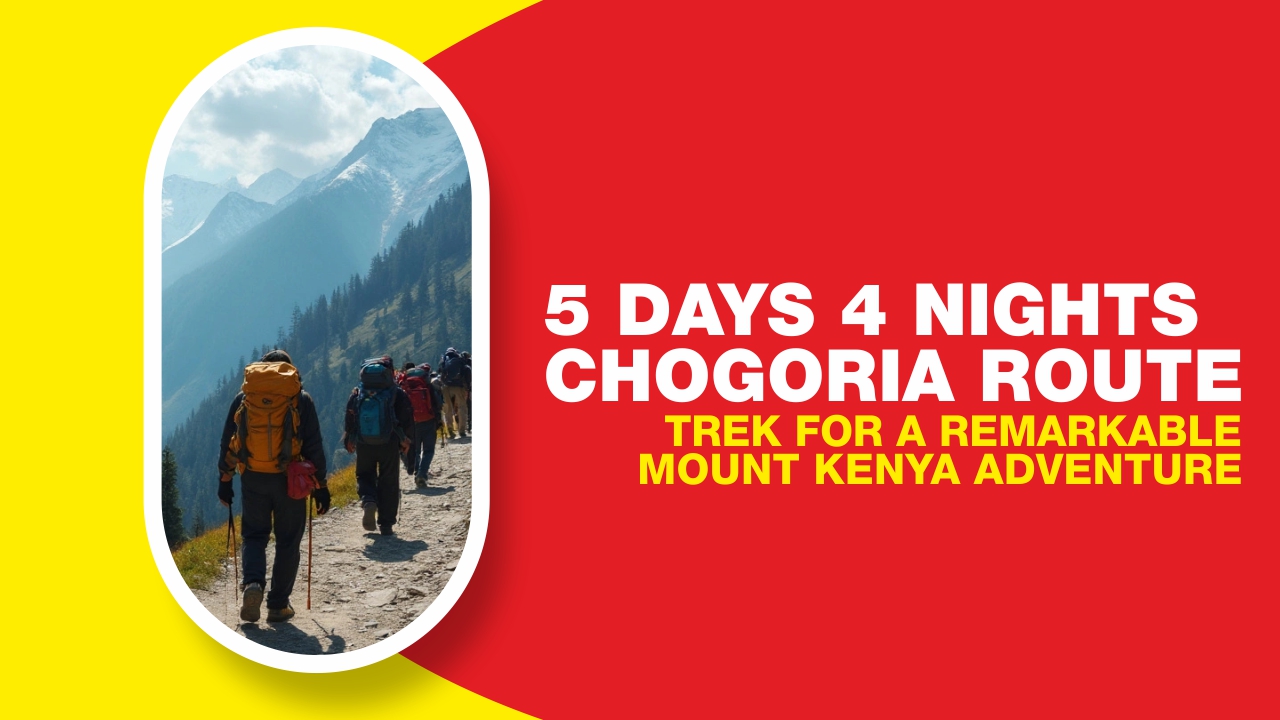
5 Days 4 Nights Chogoria Route

Embarking on the 5 Days 4 Nights Chogoria Route promises an unforgettable encounter with the majestic Mount Kenya. This route is often celebrated for its breathtaking landscapes, diverse ecosystems, and the thrill of traversing one of Africa’s highest peaks. Ice Rock Trekking offers seasoned expertise to help adventurers experience the perfect blend of challenge and natural beauty along this iconic trail.

The journey begins at Chogoria, the eastern approach to Mount Kenya, which is renowned for its scenic forests, sparkling rivers, and unique wildlife. Trekkers are immediately immersed in dense bamboo groves and highland rainforests, offering a sense of stepping into a pristine, untouched environment. The route gradually ascends through misty hills, opening onto sweeping valleys and the iconic Gorges Valley, a highlight that attracts mountaineers from across the globe.

Day 1: Arrival and Chogoria to Gorges Valley

Starting from Chogoria town, the trek moves through lush forest paths teeming with birdlife and towering trees. Trekkers often pause at streams and waterfalls, capturing moments of the serene wilderness. The first night is spent at the Gorges Valley camp, providing stunning views of Mount Kenya’s lower slopes and an opportunity to acclimatize to the altitude. The evening brings a chance to enjoy a warm meal by the campfire while absorbing the tranquil surroundings.

Day 2: Gorges Valley to Lake Ellis

The ascent continues through heath and moorland, transitioning from thick forests to alpine scenery. Lake Ellis, a high-altitude crater lake, becomes the second night’s resting spot. Along the way, hikers encounter unique flora such as giant lobelias and senecios, which create a surreal and almost otherworldly landscape. This section tests endurance but rewards trekkers with panoramic views of the mountain’s rugged ridges and peaks.

Day 3: Lake Ellis to Shipton’s Camp

Moving higher, the trek offers an increasingly dramatic alpine environment. Glacial valleys and rocky slopes dominate the terrain, requiring careful navigation. Shipton’s Camp, located near the base of Point Lenana, provides a strategic resting point for climbers preparing for the summit attempt. Evenings at Shipton’s Camp are magical, with clear skies often revealing a dazzling array of stars above Mount Kenya’s peaks.

Day 4: Summit Attempt to Old Moses Camp

Early mornings are dedicated to ascending Point Lenana, the trekking peak of Mount Kenya, which sits at 4,985 meters. Trekkers are rewarded with breathtaking sunrise vistas, where golden light illuminates the surrounding peaks and valleys. After summiting, the descent begins toward Old Moses Camp, offering a contrasting journey through alpine moorlands and rocky trails. This stage demands careful pacing, as altitude fatigue can affect even experienced climbers.

Day 5: Old Moses Camp to Chogoria Town

The final leg winds back through the lower forested slopes, gradually reintroducing trekkers to the lush greenery and wildlife of Mount Kenya’s lower elevations. Returning to Chogoria, participants can reflect on the adventure’s challenges and triumphs, feeling a profound connection to the natural world. This day provides a chance to appreciate the variety of landscapes crossed, from bamboo forests to alpine peaks.

Wildlife and Flora Along the Way

The Chogoria route is a haven for biodiversity. Trekkers often encounter elephants, buffalos, and antelopes in the lower forests, while numerous bird species flit across the trails. The highlands feature rare plants, including giant lobelias and proteas, creating a unique ecosystem that shifts dramatically with elevation. This diversity makes the trek not only an adventure for climbers but also a rich exploration for nature enthusiasts.

Preparation and Equipment

Successful completion of the 5 Days 4 Nights Chogoria Route requires proper preparation. Sturdy trekking boots, layered clothing, and reliable rain gear are essential due to variable weather conditions. Trekkers should also carry sufficient water, high-energy snacks, and a basic first-aid kit. Ice Rock Trekking ensures that every participant is well-prepared, providing experienced guides, quality tents, and locally sourced meals to enhance comfort and safety.

Why Choose the Chogoria Route

Compared to other approaches, the Chogoria route stands out for its breathtaking scenery and lower traffic, offering a more intimate experience with Mount Kenya. The combination of forest trails, alpine lakes, glacial valleys, and panoramic vistas makes it ideal for adventurers seeking both challenge and beauty. Ice Rock Trekking expertise ensures that each day of the trek is optimized for experience, acclimatization, and enjoyment.

Health and Safety Considerations

Altitude sickness is a real concern on Mount Kenya. Gradual ascent, hydration, and proper rest are crucial. Trekkers are encouraged to pace themselves and communicate openly with guides regarding any symptoms. Ice Rock Trekking emphasizes safety without compromising the adventure, with trained guides and emergency protocols in place.

Conclusion

The 5 Days 4 Nights Chogoria Route delivers a remarkable adventure, blending challenging terrain with breathtaking natural beauty. Every step on this trail offers the chance to connect deeply with Mount Kenya’s stunning landscapes and rich biodiversity. Whether seeking the thrill of the summit, the serenity of alpine lakes, or the immersive experience of pristine forests, this trek is a journey that leaves lasting memories. Ice Rock Trekking provides the expertise, support, and insight to ensure that your Mount Kenya adventure is not just a climb but an unforgettable experience.

5 Days 4 Nights Chogoria Route down Sirimon

Embarking on the 5 Days 4 Nights Chogoria Route down Sirimon trek promises an unforgettable adventure across Mount Kenya’s diverse landscapes. Known for its dramatic cliffs, lush forests, and glacial peaks, Mount Kenya offers trekking experiences that challenge the body and reward the soul. This particular route, starting from Chogoria and descending via Sirimon, combines breathtaking scenery, varied terrain, and cultural encounters with local communities, making it a preferred choice for both seasoned trekkers and outdoor enthusiasts seeking a unique expedition. Ice Rock Trekking specializes in curating these experiences, ensuring safety, comfort, and immersion in nature.

Day 1: Arrival and Ascent from Chogoria Gate

The journey begins at Chogoria Gate, located on the eastern slopes of Mount Kenya. This entry point is favored for its scenic approach, passing through misty forests and cascading streams. The initial trek leads to Mackinder’s Valley, often regarded as one of the most picturesque spots on the mountain. Along the way, trekkers encounter bamboo thickets and giant Lobelia plants, unique to Mount Kenya’s alpine ecosystem.

The hike from Chogoria Gate to your first camp, Gates Valley, typically spans 6–8 kilometers. While not overly strenuous, it is crucial to maintain a steady pace to adapt to the elevation gain. Wildlife enthusiasts may spot Mount Kenya’s endemic species, including the elusive bongo antelope and various bird species, adding an element of natural wonder to the trek. Evening at the camp allows for acclimatization and preparation for the next day’s climb.

Day 2: Scenic Trek to Lake Ellis

The second day takes trekkers deeper into the alpine zone, where the terrain transforms from dense forest to open moorlands. The route winds along ridges and valleys, offering panoramic views of Mount Kenya’s twin peaks, Batian and Nelion. Hikers will pass by several small streams and glacial lakes, with Lake Ellis being the day’s highlight. This lake, glimmering under the sunlight and surrounded by giant heather, provides a serene backdrop for photography and rest.

Climbing at higher altitudes requires attention to pacing and hydration. Trekkers are encouraged to wear layered clothing, as temperatures fluctuate significantly between morning and afternoon. Ice Rock Trekking guides ensure that participants are equipped with local knowledge about safe trekking practices, making the ascent enjoyable and safe.

Day 3: Summit Approach and Exploration

Day three focuses on higher elevation trekking as participants move toward Point Lenana, Mount Kenya’s accessible third peak. While not the highest, Point Lenana offers breathtaking views of the surrounding valleys and glaciers. The trek is challenging, featuring rocky paths, scree slopes, and occasional snow patches. Reaching the summit requires determination, yet the reward is unmatched: a 360-degree view over Mount Kenya’s rugged landscape and the Kenyan plains beyond.

During this stage, trekkers experience the alpine vegetation transition, from giant groundsels to moss-laden rocks. Guides often pause to explain the mountain’s geological history and the ecological significance of its glaciers, which are vital water sources for rivers flowing through Kenya. Evening is spent at Shipton’s Camp, providing a comfortable resting spot before the descent begins.

Day 4: Descent via Sirimon Route

Descending through the Sirimon Route offers a contrasting experience from the ascent. This path features open moorlands, dry forests, and gradual slopes that make walking more manageable compared to the steep ascent. The route’s highlight includes passing through Sirimon Gate, offering views over tea plantations and local villages, illustrating Mount Kenya’s integration with surrounding communities.

The descent allows trekkers to reflect on their journey, taking time to appreciate the changing flora and fauna. Birdwatchers often spot sunbirds, hornbills, and the rare Mount Kenya warbler along this trail. The Sirimon Route is less crowded than other paths, providing a peaceful and intimate connection with nature. Camp at Old Moses Camp offers a chance to rest, share stories, and prepare for the final leg of the trek.

Day 5: Final Descent and Departure

The last day marks the trek’s conclusion as participants move from Old Moses Camp to Sirimon Gate. This stretch is relatively easier, allowing for a relaxed pace while soaking in the final views of the mountain’s dramatic peaks and valleys. Upon reaching Sirimon Gate, trekkers are often greeted with local hospitality, including refreshments and the option to interact with nearby communities.

This segment of the trek emphasizes reflection, gratitude, and celebration of an epic journey. Trekkers have the opportunity to capture memorable photographs, purchase local crafts, and share experiences with fellow adventurers. Ice Rock Trekking ensures that transportation and support are provided, easing the transition from the mountain back to daily life while leaving lasting memories of the expedition.

Essential Tips for an Optimal Experience

  1. Acclimatization: Spending sufficient time at lower camps helps reduce altitude sickness and ensures a smoother ascent to higher elevations.
  2. Gear: Proper trekking boots, layered clothing, gloves, and sun protection are essential for comfort and safety.
  3. Hydration and Nutrition: Carrying sufficient water and high-energy snacks is crucial, particularly during the ascent.
  4. Local Guides: Leveraging experienced guides enriches the trek, providing insights into the mountain’s ecology, culture, and history.
  5. Photography: The diverse landscapes offer countless opportunities for photography, from alpine lakes to glaciers and endemic wildlife.

Why the Chogoria – Sirimon Route Stands Out

The 5 Days 4 Nights Chogoria Route down Sirimon trek combines adventure, natural beauty, and cultural encounters in a single expedition. Unlike routes that circle the mountain, this trek allows climbers to experience both the eastern and western slopes, revealing distinct ecological zones. The journey also emphasizes sustainable tourism, supporting local communities and promoting conservation of Mount Kenya’s fragile ecosystems.

This route is ideal for trekkers who seek a balance between challenge and comfort, offering well-placed camps, accessible paths, and spectacular scenery. Whether climbing for personal achievement, photography, or ecological exploration, participants leave with a deep appreciation for Mount Kenya’s majesty and a sense of accomplishment that lasts a lifetime.

Conclusion

A 5 Days 4 Nights Chogoria Route down Sirimon trek is more than just a mountain adventure; it is a transformative journey through Kenya’s most iconic landscapes. From the lush forests of Chogoria to the open moorlands of Sirimon, every step brings awe-inspiring views and moments of reflection. With experienced guidance from Ice Rock Trekking, participants enjoy a safe, immersive, and unforgettable experience. Mount Kenya challenges, inspires, and rewards those who take on its slopes, making this expedition a bucket-list adventure for trekkers seeking the ultimate outdoor experience.

5 Days Chogoria Route down Sirimon

5 Days Chogoria Route down Sirimon trek offers one of the most scenic and exhilarating experiences on Mount Kenya. This route, favored by seasoned trekkers and adventure enthusiasts, combines the raw beauty of untouched landscapes with the thrill of conquering Africa’s second-highest peak. From lush forested trails to stark alpine deserts, each day unfolds a new layer of Mount Kenya’s dramatic terrain, making this journey both physically rewarding and visually mesmerizing. Ice Rock Trekking ensures that every trekker enjoys this route safely while soaking in every breathtaking panorama.

The Chogoria Trail: A Scenic Marvel

Chogoria is renowned for its unparalleled natural beauty. The trail begins in the lower rain forest, where dense indigenous trees form a lush canopy, and the air is thick with the scent of damp earth and wild flora. As trekkers ascend, the landscape gradually transitions from forest to bamboo zones and moorlands, each offering distinct flora and fauna. Along the way, picturesque waterfalls, serene rivers, and crystal-clear tarns like Lake Michaelson provide perfect rest points for reflection and photography. The gradual ascent allows trekkers to acclimatize while enjoying the richness of Mount Kenya’s biodiversity.

What sets the 5 Days Chogoria Route down Sirimon apart is the descent via Sirimon, which offers a gentler gradient and expansive views of the northern plains. Unlike the more congested Sirimon ascent, starting from Chogoria allows trekkers to experience quieter trails and the unspoiled wilderness of Mount Kenya. Along the route, you may spot rare species such as the Mount Kenya hyrax, bongo antelopes, and various endemic birds, making every step a chance to connect with nature.

Day-by-Day Trek Experience

Day 1: Arrival and Acclimatization at Chogoria
The trek begins with a drive to Chogoria town, where trekkers meet the team from Ice Rock Trekking. After settling into a base camp or lodge, the first day focuses on acclimatization and preparation. Briefings include safety protocols, route orientation, and tips for managing high-altitude trekking. A short walk around the Chogoria forest helps the body adjust while giving trekkers a glimpse of the verdant landscapes that lie ahead.

Day 2: Chogoria to Lake Ellis
This day involves the main ascent through the forested slopes, transitioning to bamboo thickets and moorlands. The trail passes scenic points such as Gorges Valley and Mount Kenya waterfalls. By late afternoon, trekkers arrive at Lake Ellis, a stunning glacial lake with the backdrop of snow-capped peaks. Setting up camp here offers a tranquil environment and an ideal opportunity for star-gazing in the clear high-altitude skies.

Day 3: Lake Ellis to Shipton Camp
The route from Lake Ellis to Shipton Camp crosses the dramatic alpine zone, where moorlands stretch as far as the eye can see and giant senecios dominate the landscape. Trekkers gain significant elevation today, but the steady pace allows for proper acclimatization. Shipton Camp, located beneath towering peaks like Nelion and Batian, provides panoramic views that make the challenging ascent worthwhile. The evening often brings breathtaking sunsets reflecting off glaciers, a memory that lingers long after the trek ends.

Day 4: Summit Exploration and Descent Start
Though the summit of Mount Kenya requires additional preparation and permits, trekkers on the 5 Days Chogoria Route down Sirimon can enjoy high-altitude exploration and vantage points near Shipton Camp. Hikes to surrounding peaks or glaciers provide unmatched photography opportunities. After soaking in the views, trekkers begin their descent via the Sirimon route. The descent is gentler than the ascent, allowing hikers to enjoy the scenery without excessive strain on knees and joints. Forested sections reappear as the trail lowers in elevation, accompanied by chirping birds and the scent of fresh foliage.

Day 5: Final Descent to Sirimon Gate
The trek concludes at Sirimon Gate, a site of triumph for every participant. The final stretch is relatively easy, passing through dense forest and offering glimpses of local wildlife and flora. Celebrations with the Ice Rock Trekking team often include certificates of completion and shared stories from the trek, making the experience both memorable and communal. From the top of Mount Kenya to the lush valleys below, the 5 Days Chogoria Route down Sirimon encapsulates adventure, natural beauty, and personal achievement.

Essential Preparation and Tips

  1. Physical Fitness: A moderate level of fitness is recommended. Regular hiking, cardio, and strength exercises in the months leading up to the trek will significantly improve endurance and enjoyment.
  2. Acclimatization: Proper pacing is critical to prevent altitude sickness. Ice Rock Trekking ensures acclimatization periods, hydration, and nutrition are strictly observed.
  3. Gear Essentials: Waterproof clothing, sturdy trekking boots, layered apparel, gloves, and a sunhat are vital. Trekking poles can reduce strain during the descent.
  4. Health Precautions: Carry a basic medical kit including altitude sickness medication, pain relievers, and personal prescriptions. Consultation with a physician before high-altitude trekking is advisable.
  5. Environmental Responsibility: Trekkers should practice Leave No Trace principles, ensuring Mount Kenya’s pristine beauty is preserved for future adventurers.

Why This Route is Unforgettable

The 5 Days Chogoria Route down Sirimon is unmatched for those seeking both adventure and tranquility. Unlike crowded trails, this route balances scenic highlights with solitude. Trekkers witness dense forests, serene lakes, and dramatic alpine deserts, each offering unique perspectives of Mount Kenya’s geological and ecological diversity. The descent via Sirimon adds the perfect contrast, with open vistas, gentle gradients, and a gradual return to lush lowland forests.

Ice Rock Trekking prides itself on providing an experience that goes beyond simple trekking. Expert guides, well-planned camps, and a focus on safety and comfort ensure that trekkers of varying experience levels can embrace the challenges and rewards of Mount Kenya. From the moment you step onto the Chogoria trail to your final arrival at Sirimon Gate, the journey is designed to inspire awe, foster connection with nature, and leave lasting memories.

Conclusion

Mount Kenya’s towering peaks and diverse landscapes make it a dream destination for trekkers. The 5 Days Chogoria Route down Sirimon offers a perfect balance of challenge, scenic beauty, and accessibility, making it a standout choice for both professional mountaineers and enthusiastic explorers. Each day on this trek unfolds a new adventure, from misty forests and alpine lakes to dramatic summits and serene valleys. With Ice Rock Trekking, every step is guided, every view is unforgettable, and every trekker leaves with a profound appreciation for the majesty of Mount Kenya.

5 Days 4 Nights Chogoria Route

Embarking on the 5 Days 4 Nights Chogoria Route offers an unforgettable journey through some of Mount Kenya’s most pristine and dramatic landscapes. This route is renowned for its scenic diversity, combining lush forests, glacial valleys, and rugged peaks. It presents an ideal challenge for seasoned trekkers and adventure enthusiasts seeking an immersive experience of Kenya’s second-highest mountain. Ice Rock Trekking ensures that this journey balances excitement with safety, offering travelers an opportunity to witness the striking contrasts between the lower forested slopes and the alpine zones near the summit.

Day 1: Arrival and Trek to Muthuaini Campsite

The adventure begins at the Chogoria Gate, the main entry point for this scenic route. From here, trekkers follow the winding trails that cut through dense montane forests, teeming with exotic birdlife and towering trees. The trek gradually ascends towards the Muthuaini Campsite, providing a moderate introduction to the altitude. Along the way, hikers encounter streams and waterfalls that enhance the natural charm of the route. Camp setup at Muthuaini is straightforward, allowing trekkers to relax and acclimatize before the more challenging days ahead.

Day 2: Trek Through Gorges to Lake Michaelson

The second day of the 5 Days 4 Nights Chogoria Route takes adventurers deeper into Mount Kenya’s dramatic gorges. The trail navigates steep ridges and offers panoramic views of the surrounding highlands. Trekkers often pause to admire the rock formations and rare plant species unique to this elevation. The day concludes at the serene Lake Michaelson, nestled amidst towering cliffs and glacial features. This campsite is ideal for early evening reflection, as the lake’s waters mirror the peaks and sky above, creating a tranquil setting for rest and photography.

Day 3: Ascend to Shipton’s Camp

The trek intensifies on the third day, with a focus on altitude adaptation and stamina. Hikers climb past vertical cliffs, glacial valleys, and rugged terrain, eventually arriving at Shipton’s Camp. This area serves as the last major campsite before summit attempts, offering spectacular views of the Batian and Nelion peaks. The camp itself is surrounded by alpine vegetation and mossy ridges, providing a sense of remoteness and wilderness. Ice Rock Trekking ensures that trekkers receive guidance on hydration, pacing, and acclimatization strategies to prepare for the demanding ascent the following day.

Day 4: Summit Point Lenana Peak

The pinnacle of the 5 Days 4 Nights Chogoria Route experience is the early morning ascent to Point Lenana, the trekking summit of Mount Kenya. Departure occurs before dawn to capture the sunrise over the rugged peaks and glaciers. The climb requires focus and endurance, as trekkers navigate steep paths and rocky terrain. Reaching Point Lenana rewards adventurers with panoramic views of the surrounding landscapes, from rolling highlands to distant savannahs. After savoring the summit experience, hikers descend to Shipton’s Camp for rest and celebration, reflecting on the achievement of standing atop one of Africa’s most iconic mountains.

Day 5: Descent to Chogoria Gate

The final day involves a gradual descent back to Chogoria Gate. Trekkers pass through the same forests and streams encountered on Day 1, now viewing them from a higher perspective. This descent allows time to absorb the journey’s experiences, photograph the scenic vistas, and appreciate the flora and fauna encountered along the route. Reaching Chogoria Gate marks the conclusion of a rewarding adventure, leaving trekkers with lasting memories and a sense of accomplishment.

Flora and Fauna Along the Route

The Chogoria Route offers a unique opportunity to witness Mount Kenya biodiversity. Hikers traverse montane forests, bamboo zones, and alpine moorlands. Wildlife sightings often include Sykes monkeys, bushbucks, and an array of exotic bird species. Rare plants like lobelias and giant groundsels dot the higher elevations, creating a striking contrast with the rocky terrain. These natural wonders make the 5 Days 4 Nights Chogoria Route a captivating experience for nature enthusiasts and photographers alike.

Practical Tips for Trekkers

Successful completion of the trek requires careful preparation. Layered clothing is essential to adapt to fluctuating temperatures, especially near the summit. High-quality trekking boots, walking poles, and a well-fitted backpack improve comfort and stability. Hydration and nutrition are vital, as the altitude and exertion can quickly deplete energy levels. Ice Rock Trekking emphasizes responsible trekking practices, including minimizing waste, respecting wildlife, and following established trails to protect the mountain’s delicate ecosystem.

Why Choose the Chogoria Route

Compared to other routes on Mount Kenya, Chogoria offers unmatched scenery and fewer crowds, providing an intimate connection with the mountain. Its combination of forested paths, glacial lakes, and dramatic cliffs creates a varied and challenging trek suitable for both adventure seekers and professional mountaineers. The well-organized camping spots and support from experienced guides make it a safe yet exhilarating journey. Ice Rock Trekking expertise ensures that every trekker experiences the mountain’s beauty while receiving professional care throughout the expedition.

Conclusion

The 5 Days 4 Nights Chogoria Route presents an exceptional trekking adventure, blending physical challenge with the awe-inspiring beauty of Mount Kenya. From dense forests to glacial peaks, this route captures the essence of the mountain’s diverse landscapes. With careful planning, proper equipment, and professional guidance, adventurers can achieve a fulfilling journey, culminating in the rewarding experience of standing atop Point Lenana. Ice Rock Trekking continues to provide unforgettable Mount Kenya adventures, making this route an essential experience for anyone passionate about mountain trekking.