5 Days Sirimon Down Chogoria

Mount Kenya rewards trekkers with far more than a summit moment. Its changing vegetation, broad valleys, unusual alpine plants, rugged peaks, glacial landscapes, lakes, waterfalls, and high-altitude camps create an experience that feels different at every stage.

The 5 Days sirimon down chogoria trek combines two contrasting sides of Mount Kenya. Trekkers climb through the more gradual Sirimon side, approach Point Lenana at 4,985 meters, and descend through the dramatic scenery of Chogoria. For trekkers seeking variety without retracing the same trail, this traverse offers a particularly rewarding way to experience the mountain.

Why Choose Sirimon Up and Chogoria Down?

Route selection can strongly influence the character of a Mount Kenya trek. Sirimon and Chogoria have different terrain, scenery, vegetation, and trekking conditions, which makes combining them an attractive choice.

The Sirimon Route provides a relatively gradual approach toward the higher elevations. The trek moves from forest into moorland before reaching the impressive Mackinder Valley and Shipton Camp. This progression allows trekkers to experience increasing altitude without beginning with an excessively aggressive climb.

Chogoria creates a striking contrast on the descent. Its lakes, cliffs, valleys, waterfalls, and greener mountain landscapes give trekkers something new to look forward to after reaching the summit area.

Instead of walking back through terrain already covered, trekkers cross Mount Kenya from one side to another. This makes the journey feel like a genuine mountain traverse rather than a simple climb and return.

What Makes the Five-Day Format Appealing?

Five days creates a practical balance between trekking time, altitude adjustment, summit ambitions, and sightseeing.

Mount Kenya should never be treated as an ordinary long-distance hike. Point Lenana reaches 4,985 meters, and the effects of altitude become increasingly important as trekkers move above 3,000 and 4,000 meters.

A five-day schedule provides more opportunity for the body to adapt than highly compressed itineraries. Some five-day variations include a dedicated acclimatization period around Shipton Camp, while others divide the journey differently after the summit.

Exact camp arrangements can therefore vary according to the operator, conditions, group ability, and chosen itinerary.

With Ice Rock Trekking, route planning considers the natural progression of the mountain and the need to maintain a manageable trekking rhythm.

Day 1: Sirimon Gate to Old Moses Camp

The first trekking day introduces climbers to Mount Kenya without immediately exposing them to its hardest terrain.

After reaching Sirimon Gate, the walking section begins through the lower mountain environment. The route gradually climbs through forest before moving toward heath and moorland vegetation.

Old Moses Camp sits at approximately 3,300 meters. Depending on the exact starting point and conditions, trekkers can expect roughly three to four hours of walking from the gate.

This first day is important because it establishes the pace for everything that follows. Strong trekkers may feel tempted to walk quickly, but maintaining a controlled pace is usually more sensible at altitude.

The landscape also begins changing noticeably. Dense vegetation gives way to more open terrain, and the scale of Mount Kenya becomes increasingly apparent.

For many visitors, the first evening at Old Moses is when the trek starts to feel like a true high-altitude expedition.

Temperatures can drop considerably after sunset, so warm layers become important even if daytime walking conditions feel comfortable.

Day 2: Old Moses Camp to Shipton Camp

The second day represents a significant increase in both distance and elevation.

Trekkers leave Old Moses and continue through increasingly open moorland. The route crosses mountain streams and passes through valleys before eventually entering the impressive Mackinder Valley.

This section is one of the defining parts of the Sirimon ascent.

Giant lobelias and other unusual high-altitude vegetation appear across the landscape. As elevation increases, trees largely disappear and the terrain becomes increasingly rugged.

The main peaks begin dominating the skyline.

Batian and Nelion create an imposing backdrop, while Point Lenana represents the trekking objective for most non-technical visitors. Batian and Nelion require technical mountaineering skills, whereas Point Lenana is the mountain’s principal trekking summit.

The journey from Old Moses to Shipton Camp generally takes around six to seven hours, although individual pace and weather can change walking times. Ice Rock Trekking lists Shipton Camp at approximately 4,250 meters on its Sirimon itinerary.

Reaching Shipton is a major milestone. At this elevation, trekkers often become much more aware of thinner air.

Simple activities may suddenly require greater effort. Walking to the dining area, organizing equipment, or climbing a small slope around camp can leave someone breathing noticeably harder.

That reaction reinforces an important mountain principle: fitness helps, but altitude affects everyone differently.

Day 3: Acclimatization Around Shipton Camp

Depending on the exact five-day itinerary selected, the third day may serve as an acclimatization period around Shipton Camp.

This should not be viewed as wasted time.

A well-planned acclimatization day can include a controlled hike to a higher elevation followed by a return to Shipton for another night. Some itineraries use areas around Hausberg Tarn, Nanyuki Tarn, Kami Hut, or nearby high points for acclimatization walks.

The purpose is straightforward: expose the body to a greater elevation while allowing recovery at a lower sleeping altitude.

Trekkers should continue drinking regularly, eating properly, resting, and monitoring how they feel.

This is also an excellent opportunity to enjoy the high mountain surroundings without concentrating entirely on covering distance.

Shipton Camp sits beneath Mount Kenya’s dramatic upper peaks. Rock formations, alpine vegetation, tarns, cliffs, and glacial features create a landscape that feels remarkably remote.

Trekkers can also use the afternoon to prepare summit equipment.

Headlamps should be checked, batteries organized, warm layers placed within easy reach, water prepared, and daypacks packed before sleeping.

The summit departure comes very early.

Day 4: Shipton Camp to Point Lenana and Down Chogoria

For most trekkers, this is the hardest and most memorable stage.

The summit attempt generally begins in darkness, often around 3:00 a.m. The reason for such an early departure is to reach Point Lenana around sunrise.

Walking before dawn introduces a completely different atmosphere.

The temperature is low, visibility is limited to the beam of a headlamp, and the rocky terrain requires concentration. At nearly 5,000 meters, even a controlled walking pace can feel demanding.

The final approach involves steep and rocky high-altitude terrain.

Rather than focusing constantly on the summit, trekkers often find it easier to concentrate on maintaining a slow rhythm: step, breathe, step, breathe.

Eventually, the horizon begins changing color.

Reaching Point Lenana at 4,985 meters provides expansive views across Mount Kenya’s upper landscape when conditions are clear. Batian and Nelion rise nearby, while ridges, valleys and distant plains spread out below.

After photographs and a short summit stop, the trek is far from finished.

The descent toward Chogoria begins.

Entering the Chogoria Side

One of the biggest advantages of descending through Chogoria is the dramatic change in scenery after the summit.

Instead of returning through Mackinder Valley, trekkers enter a landscape shaped by steep cliffs, deep valleys, lakes, rock formations, and waterfalls.

Depending on the selected trail variation, the descent can pass near features such as Hall Tarns, Mintos, Lake Michaelson, Gorges Valley, and other scenic areas associated with the Chogoria side.

Ice Rock Trekking’s itinerary, for example, describes a descent from Mintos toward Meru Mount Kenya Bandas through Gorges Valley via Lake Michaelson and Vivian Falls.

The visual contrast is striking.

Sirimon feels broad, open, and progressively alpine. Chogoria can feel more dramatic, with deeper valleys and water features creating strong contrasts against the mountain rock.

This is also why photographers frequently appreciate the traverse. New scenery continues appearing even after the main summit objective has been achieved.

Day 5: Descending Toward Chogoria

The final day takes trekkers farther away from the alpine environment and toward the lower slopes.

After several days surrounded by exposed high-altitude terrain, vegetation gradually becomes richer again.

The air also feels noticeably denser as elevation decreases.

For tired legs, downhill walking can still present a challenge. Long descents repeatedly load the knees, ankles, and quadriceps. Trekking poles can be particularly useful for controlling movement on uneven sections.

Depending on the itinerary, trekkers may pass Meru Mount Kenya Bandas before continuing toward the vehicle collection point or Chogoria side exit.

The final stage provides an opportunity to look back at how dramatically the environment has changed over five days.

Trekkers have moved from forest to moorland, into an alpine environment, close to the mountain’s highest peaks, and back through greener landscapes on another side of Mount Kenya.

That variety is one of the strongest qualities of the route.

How Difficult Is the Trek?

The Sirimon-Chogoria traverse does not require technical climbing skills when the objective is Point Lenana, but that does not make it easy.

Several factors create the challenge.

Altitude is the most important. Point Lenana stands at 4,985 meters, where oxygen availability is considerably lower than at sea level.

Trekkers also face long walking days, cold conditions, rocky surfaces, steep sections, and an early-morning summit attempt.

The descent can become physically tiring as well.

A reasonable fitness base therefore makes the experience considerably more manageable.

Trekkers should ideally prepare with regular walking, hiking, stair climbing, cardiovascular training, and lower-body strengthening before departure.

Training with a loaded daypack can also help prepare the shoulders and legs for consecutive trekking days.

What Weather Should Trekkers Expect?

Mount Kenya weather can change rapidly.

A morning may begin with clear skies and develop cloud, wind, mist, or precipitation later. Higher elevations can become extremely cold, especially during the night and before sunrise.

Trekkers should therefore prepare for multiple conditions rather than relying on a single forecast.

Layering works particularly well.

A moisture-managing base layer, insulating mid-layer, warm jacket, and waterproof outer shell allow trekkers to adjust clothing as temperatures change.

Gloves, warm headwear, suitable trekking socks, and reliable footwear become especially valuable during the summit attempt.

Sun protection is equally important.

Strong ultraviolet exposure at altitude means sunscreen, sunglasses, and protective headwear should remain accessible throughout the trek.

What Should You Pack?

Packing should focus on warmth, weather protection, comfort, and practicality.

Essential equipment generally includes sturdy trekking boots, trekking poles, waterproof clothing, thermal layers, warm gloves, a hat, sunglasses, headlamp, sleeping equipment suitable for low temperatures, reusable water containers, and a comfortable daypack.

Personal medication, basic toiletries, blister treatment, and high-energy snacks can also be useful.

Avoid packing unnecessary items simply because they might be convenient. Every additional item adds weight somewhere in the expedition system.

Ice Rock Trekking can help trekkers identify which equipment is essential and which items can be left behind.

Food and Hydration on the Mountain

Energy requirements increase during multi-day trekking.

Regular meals containing carbohydrates, protein, vegetables, and other energy-rich foods support recovery between walking stages. Appetite can sometimes decrease at higher elevations, but eating remains important.

Hydration deserves equal attention.

Cold conditions can make trekkers feel less thirsty even while they continue losing fluids through breathing and physical activity.

Carrying accessible drinking water encourages regular hydration rather than waiting until long rest stops.

Trekkers should also avoid relying exclusively on sugary snacks. Quick-energy foods have their place, particularly during demanding sections, but balanced meals provide more sustained support.

Altitude Awareness Matters

No responsible Mount Kenya itinerary should treat altitude casually.

Headache, unusual fatigue, nausea, poor appetite, dizziness, and disturbed sleep can occur after gaining elevation. Symptoms should always be communicated to the trek leader rather than hidden.

Walking slowly helps reduce unnecessary physical stress.

A trek is not a race.

The person walking fastest at Sirimon Gate is not necessarily the person who will feel strongest near Point Lenana.

Experienced mountain teams pay close attention to group condition, weather, pace, and individual responses as elevation increases.

Why Professional Trek Support Makes a Difference

A multi-day Mount Kenya trek involves much more than following a visible trail.

Route management, meals, camp logistics, porter coordination, water planning, weather decisions, pacing, and altitude observation all influence the quality of the experience.

Professional support becomes particularly valuable when conditions change.

Ice Rock Trekking focuses on organized Mount Kenya trekking experiences built around practical route planning and on-mountain support. The aim is not simply to move trekkers between camps but to create a structured progression across the mountain.

For first-time high-altitude trekkers, having an experienced team nearby can also make unfamiliar situations easier to manage.

Who Is This Trek Best Suited For?

This itinerary suits trekkers who want more than a quick summit attempt.

It works particularly well for active travelers who appreciate landscape variety, photographers seeking contrasting mountain environments, hiking enthusiasts progressing into high-altitude trekking, and experienced trekkers who want to see different sides of Mount Kenya.

The five-day format can also appeal to first-time Mount Kenya trekkers because Sirimon provides a relatively gradual approach before the traverse continues down the scenic Chogoria side.

However, anyone joining should arrive physically prepared.

Being comfortable walking for several hours on consecutive days is more important than having exceptional athletic ability.

What Makes the Route Memorable?

Some mountain trips become defined entirely by whether the summit was reached.

Mount Kenya offers much more.

The gradual climb through Sirimon, open Mackinder Valley, unusual giant vegetation, towering technical peaks above Shipton Camp, darkness of the summit push, sunrise from Point Lenana, and dramatic Chogoria descent all contribute separate memories.

The changing terrain also prevents the journey from feeling repetitive.

By the time trekkers reach the Chogoria side, the landscape can feel completely different from the environment where the trek began.

That sense of crossing the mountain rather than simply climbing it gives the route much of its character.

Responsible Trekking on Mount Kenya

Protecting the mountain should remain part of every trekking experience.

Trekkers should stay on established paths where required, avoid leaving waste, respect wildlife, minimize damage to vegetation, and follow park regulations.

Mount Kenya’s alpine ecosystems are particularly sensitive. Plants growing at high elevations may take many years to recover after being damaged.

Trekkers should also avoid disturbing animals for photographs or feeding wildlife around camps.

Responsible practices help preserve the environment for local communities and future visitors.

Preparing Mentally for Five Days on Mount Kenya

Physical preparation receives plenty of attention, but mindset matters as well.

Mountain conditions are rarely completely predictable.

Weather can alter views. Walking times can change. Cold mornings may make leaving a sleeping bag difficult. Altitude may force a slower pace than expected.

Trekkers who remain flexible generally adapt better.

Rather than expecting every hour to follow a rigid schedule, approach each day according to conditions and the recommendations of the mountain team.

Patience becomes especially important during the summit attempt.

Small, controlled steps often achieve more than bursts of speed followed by exhaustion.

Final Thoughts

The 5 Days sirimon down chogoria experience brings together many of Mount Kenya’s strongest trekking features within one continuous traverse. Sirimon provides the gradual ascent and impressive Mackinder Valley approach, Point Lenana delivers the high-altitude objective, and Chogoria rewards trekkers with lakes, valleys, cliffs, waterfalls, and changing vegetation on the descent.

For travelers who want a Mount Kenya trek built around scenery, physical challenge, altitude progression, and route variety, Ice Rock Trekking offers an itinerary that turns five demanding days into a memorable journey across one of East Africa’s great mountain landscapes. 

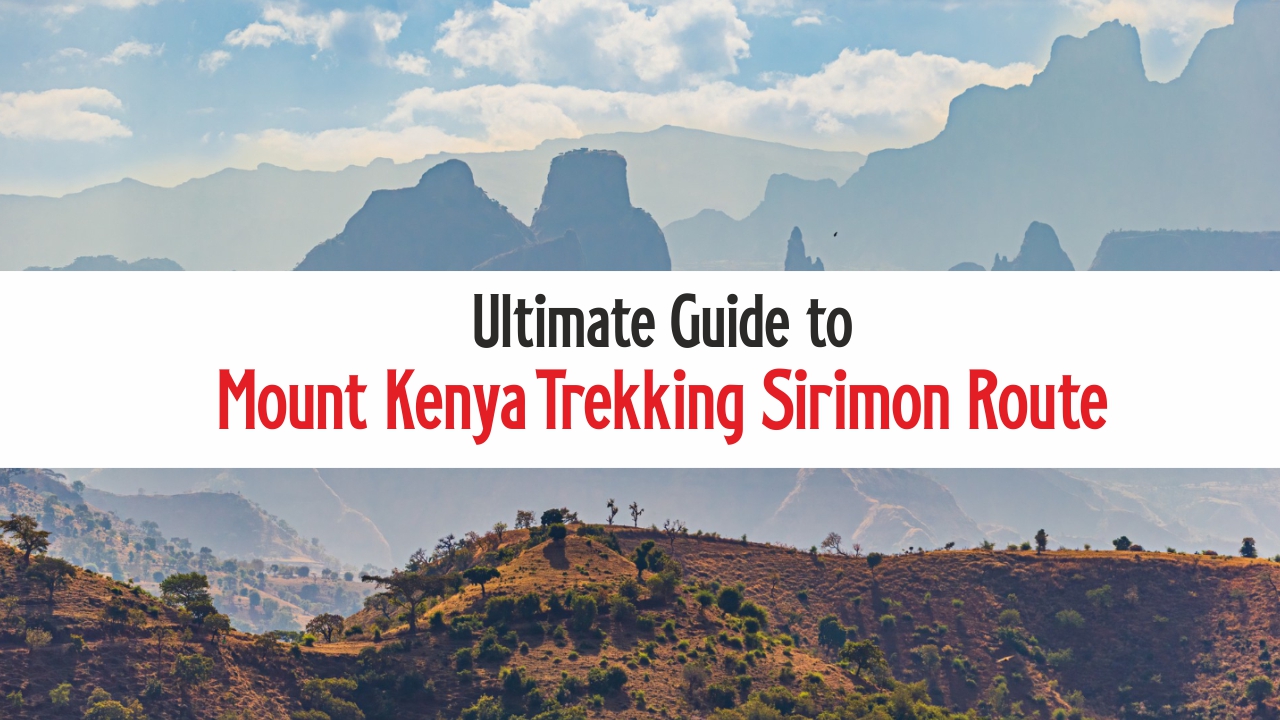
mount kenya trekking sirimon route

Embarking on a Mount Kenya trekking Sirimon route adventure promises a breathtaking journey through rugged landscapes, lush forests, and alpine moorlands. This northern approach to Africa’s second-highest peak offers a unique blend of moderate difficulty, incredible scenery, and the chance to witness the diverse flora and fauna of Mount Kenya National Park. For enthusiasts and professionals alike, Sirimon presents a well-balanced alternative to the steeper Chogoria or technical Batian climbs, making it ideal for trekkers seeking a rewarding high-altitude experience.

Starting Point and Access

The Sirimon route begins at the Sirimon Gate, located near Nanyuki. Access from Nairobi is convenient, with well-maintained roads leading through scenic countryside to Nanyuki town. From there, trekkers often arrange transport to the park gate. Unlike other routes that require long approaches or technical climbs, the Sirimon path allows for a gradual ascent, giving climbers an opportunity to acclimatize naturally while enjoying the changing ecosystems.

Essential Permits and Park Regulations

Mount Kenya National Park requires trekkers to obtain permits before entry. These permits contribute to conservation efforts and ensure safety measures are in place for all climbers. Ice Rock Trekking can assist with securing these permits, which include park entry fees and camping charges. It’s important to adhere strictly to park regulations, including restrictions on fires, waste disposal, and off-trail hiking, to preserve the delicate alpine environment and maintain safety standards.

Optimal Trekking Seasons

The most favorable periods for the Sirimon route are January to March and July to October. These months coincide with dry seasons, reducing the risk of slippery trails, landslides, or heavy cloud cover that can obscure visibility at higher altitudes. While Mount Kenya can be climbed year-round, trekkers should always prepare for sudden weather changes, as temperatures can drop sharply at night, and storms may develop rapidly, especially above 3,500 meters.

Acclimatization and Health Tips

Altitude sickness is a common concern on Mount Kenya. The Sirimon route’s gradual ascent allows climbers to acclimatize more comfortably compared to the steeper southern approaches. Recommended practices include pacing yourself, hydrating regularly, and avoiding alcohol during the trek. Symptoms such as headaches, nausea, or fatigue should be taken seriously; descending a few hundred meters or resting at higher camps often resolves mild issues. Ice Rock Trekking emphasizes careful acclimatization to maximize both safety and enjoyment of the climb.

Route Highlights and Scenery

Starting from Sirimon Gate, the trail winds through a dense montane forest filled with camphor, cedar, and cedarwood trees. Wildlife sightings are common in this section, including bushbucks, elephants, and various bird species. As the path ascends, the forest gradually transitions into bamboo zones and then moorlands, featuring giant lobelias and senecios. The landscape shifts dramatically, offering panoramic views of the surrounding valleys and peaks, including Nelion and Batian.

One of the most rewarding aspects of the Sirimon route is the Liki North and Old Moses Camp areas. These high camps are strategically located for acclimatization and provide stunning sunrise and sunset vistas over the mountain’s ridges. The approach to Shipton’s Camp, the final overnight stop before the summit attempt, offers sweeping views of glaciers, rocky outcrops, and the unique high-altitude ecosystem of Mount Kenya.

Camping and Accommodation

Camping is the primary accommodation on the Sirimon route. Campsites such as Old Moses and Shipton’s are equipped with basic facilities, including pit latrines and designated cooking areas. Trekkers should bring high-quality sleeping bags rated for sub-zero temperatures and durable tents suitable for alpine conditions. Proper layering of clothing, waterproof gear, and insulated sleeping mats is essential for comfort and safety at night. Ice Rock Trekking provides tailored advice on camping equipment and can arrange logistical support, including porters and cook services, for a smoother trekking experience.

Essential Gear Checklist

For a successful Mount Kenya trekking Sirimon route experience, preparation is key. Essential items include:

  • Sturdy, broken-in hiking boots with ankle support
  • Warm, moisture-wicking layers and waterproof outerwear
  • Trekking poles for stability on uneven terrain
  • Headlamp and spare batteries
  • Sunglasses and sunscreen to protect against intense UV exposure
  • First aid kit with altitude sickness medication
  • Hydration system with at least 2–3 liters capacity
  • Lightweight stove and cooking utensils (if self-catering)
  • Backpack with rain cover and sufficient capacity for gear

Packing smartly reduces fatigue, prevents discomfort, and ensures trekkers can fully enjoy the spectacular scenery along the Sirimon route.

Summit Strategy

The ultimate objective on the Sirimon route is Point Lenana, the third-highest peak of Mount Kenya at 4,985 meters. Summit attempts typically start before midnight to reach the peak at sunrise, providing panoramic views of the surrounding landscapes bathed in golden light. Pacing is critical during the final ascent, as the altitude and thin air can be physically demanding. Adequate hydration, energy snacks, and maintaining a steady rhythm make the difference between a successful summit and exhaustion.

Upon reaching Point Lenana, trekkers are rewarded with unmatched views of the glaciers, valleys, and neighboring peaks. While Nelion and Batian are technically challenging and require rock-climbing expertise, Lenana offers a non-technical summit suitable for experienced trekkers and professionals seeking high-altitude achievement.

Wildlife and Conservation Awareness

The Sirimon route passes through regions rich in biodiversity. Mount Kenya is home to elephants, buffalo, duikers, monkeys, and a variety of bird species such as the Mount Kenya hornbill. Trekkers are encouraged to maintain a respectful distance from wildlife, avoid feeding animals, and stick to designated trails to minimize environmental impact. Conservation is vital to preserving the unique ecosystems of the mountain, and all trekkers play a role in protecting this natural treasure.

Local Culture and Community Interaction

The communities around Mount Kenya, including the Kikuyu and Maasai, offer fascinating cultural experiences. Engaging with local guides, porters, and artisans enriches the trekking journey, providing insight into traditional practices, folklore, and the mountain’s spiritual significance. Ice Rock Trekking emphasizes responsible tourism, ensuring that local communities benefit from trekking activities while trekkers enjoy authentic cultural encounters.

Safety Precautions and Emergency Preparedness

Safety is a priority on the Sirimon route. Trekkers should be prepared for sudden weather changes, icy conditions at higher altitudes, and minor injuries. Carrying a satellite phone or GPS device, along with basic first aid knowledge, enhances security. Ice Rock Trekking ensures that all trekking parties have access to experienced guides, emergency evacuation plans, and trained support staff to handle any unexpected situations.

Final Thoughts

The Mount Kenya trekking Sirimon route offers a remarkable blend of adventure, scenic beauty, and high-altitude achievement. With proper planning, acclimatization, and respect for the environment, trekkers can enjoy an unforgettable journey through one of Africa’s most iconic mountains. Whether traversing lush forests, exploring moorlands, or standing atop Point Lenana at sunrise, the experience rewards both body and spirit.

For those seeking an organized, safe, and professionally guided adventure, Ice Rock Trekking provides tailored packages, expert support, and insider knowledge to make every step of the Sirimon route memorable. From logistical assistance to cultural interactions and summit strategy, every detail is managed to enhance your Mount Kenya trekking experience.
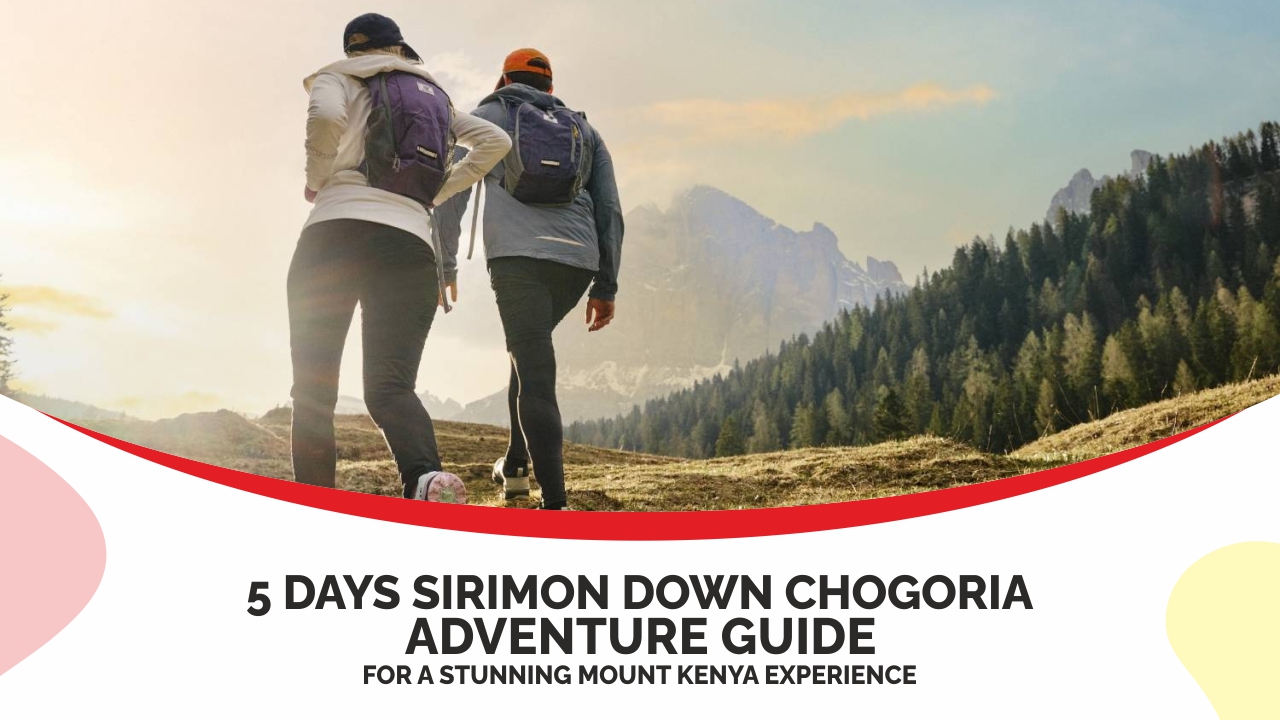
5 Days sirimon down chogoria

Embarking on a 5 Days sirimon down chogoria trek promises one of the most thrilling and picturesque experiences on Mount Kenya. This unique adventure allows trekkers to explore the mountain’s diverse ecosystems, from the lush forests of the Sirimon Route to the dramatic landscapes of Chogoria, all while enjoying a moderately paced five-day journey that balances challenge and scenic wonder. Ice Rock Trekking specializes in crafting these adventures, ensuring both safety and an unforgettable connection with nature.

The journey begins at the Sirimon Gate, located on the northern slopes of Mount Kenya. The route immediately immerses trekkers in a rich montane forest, alive with bird songs and towering cedar and camphor trees. Walking through the canopy, travelers often spot colobus monkeys and other wildlife, creating a sense of serenity that perfectly sets the tone for the trek ahead. The first day is a gentle introduction, allowing your body to acclimatize while you relish the fresh mountain air and cascading streams.

On the second day, trekkers ascend toward Old Moses Camp, a stunning high-altitude area that showcases the alpine meadows and rocky outcrops Mount Kenya is famous for. This section is moderately challenging, with some steep stretches, but the payoff is immense. The views from this elevation are breathtaking, revealing peaks that sparkle under the sunlight and valleys that seem to stretch endlessly. Camp at Old Moses provides an ideal setting to witness a vibrant sunset, with shadows dancing across the moorlands and glaciers glinting in the distance.

Day three marks a transition from Sirimon toward the peaks that lead to the Chogoria descent. This part of the trek is renowned for its dramatic landscapes. The alpine vegetation becomes sparser, replaced by giant lobelias and groundsels, creating an otherworldly environment that feels like stepping onto another planet. Trekkers navigate rocky trails and ridges, offering panoramic views of Mount Kenya’s jagged peaks. The sense of accomplishment is palpable as climbers traverse these high-altitude terrains, surrounded by pristine natural beauty and occasional sightings of wildlife adapted to the harsher conditions.

By the fourth day, the trek begins the descent toward Chogoria, one of the most visually striking routes on Mount Kenya. Trekkers are greeted with the mesmerizing Gorges Valley, a haven of turquoise rivers and lush greenery that contrasts beautifully with the rugged peaks above. The descent is moderately challenging, requiring careful navigation along rocky paths, but the journey rewards every effort with unforgettable vistas. Along the way, glaciers and small streams sparkle in the sunlight, and the diverse flora captivates photographers and nature enthusiasts alike. This stage offers ample opportunities to rest, soak in the scenery, and capture memories that last a lifetime.

The final day completes the Chogoria descent, culminating at the park’s exit near Chogoria town. The closing stretch is filled with reflective moments, as trekkers recall the journey’s highlights and the spectacular sights encountered along the way. From misty forests to alpine moorlands and sparkling glacial rivers, the trek showcases Mount Kenya’s unparalleled diversity. Ice Rock Trekking ensures that every logistical detail is handled, from accommodations at campsites to local guides who provide expert knowledge and safety support.

Packing for the 5 Days sirimon down chogoria trek requires preparation for varying climates. Lightweight clothing for daytime hikes, insulated layers for cold mornings and nights, and waterproof gear for unexpected rain showers are essential. Trekking poles and sturdy boots provide stability along uneven trails, while a camera or smartphone captures the incredible scenery. Staying hydrated and following proper acclimatization practices is crucial to maintain energy levels and avoid altitude-related discomfort.

This route is perfect for adventurers seeking both challenge and beauty without extreme technical climbing. It caters to trekkers with moderate fitness, offering a balanced mix of trekking, sightseeing, and relaxation. The combination of Sirimon’s forested landscapes and Chogoria’s dramatic descents ensures that every step brings something new, from panoramic mountain views to encounters with rare alpine plants. Each day offers a fresh perspective, encouraging exploration and connection with nature.

The cultural experience along the route adds another layer of richness to the journey. Local communities around Mount Kenya often welcome trekkers with warmth, sharing stories and traditional practices that reflect their deep connection to the mountain. Supporting these communities contributes to sustainable tourism while offering insights into life in Kenya’s highland regions. Ice Rock Trekking emphasizes respectful engagement with local people, ensuring that every adventure benefits both travelers and the communities that host them.

In conclusion, the 5 Days sirimon down chogoria adventure provides an unparalleled Mount Kenya experience, blending moderate trekking with awe-inspiring scenery, wildlife, and cultural encounters. From the towering forests of Sirimon to the dramatic valleys of Chogoria, every day offers new discoveries and unforgettable memories. Ice Rock Trekking’s expertise ensures a seamless, safe, and rewarding journey, allowing travelers to immerse fully in the natural beauty and majesty of Mount Kenya. For anyone seeking an adventure that combines scenic diversity, manageable challenges, and deep connections with nature, this trek stands out as a must-do experience.

MT Trekking Sirimon Route

For adventure seekers aiming to conquer Africa’s highest peak, mt trekking Sirimon route offers a thrilling blend of scenic landscapes, challenging terrain, and a unique experience of Mount Kenya’s diverse ecosystem. Known for its gradual ascent and stunning views, the Sirimon route is an ideal choice for both seasoned trekkers and those looking to immerse themselves in nature without facing overly steep climbs. Ice Rock Trekking specializes in curating unforgettable expeditions along this route, ensuring adventurers experience safety, comfort, and excitement throughout the journey.

Why Choose the Sirimon Route

The Sirimon route stands out among Mount Kenya’s trails for its relatively gentle gradient in the early stages and the opportunity to witness a variety of flora and fauna. Beginning on the northwestern slopes of Mount Kenya, the path meanders through dense forests, moorlands, and alpine zones before reaching the peaks. Unlike some of the other trails, Sirimon allows trekkers to acclimatize gradually, which reduces the risk of altitude sickness—a crucial consideration when aiming for Point Lenana, the third-highest peak.

This route is favored by those who want a combination of adventure and natural beauty. The trail provides striking panoramas of valleys, ridges, and glaciers, as well as encounters with endemic species such as the giant groundsel and Mount Kenya rock hyrax. For photographers and nature enthusiasts, every step offers a new perspective, making the journey equally rewarding as the summit itself.

Planning the Expedition

Successful mt trekking Sirimon route experiences start with meticulous planning. The trek usually spans five to seven days, depending on the pace and the chosen itinerary. Selecting the right time of year is vital; the dry months from January to March and August to October provide more stable weather, clearer skies, and safer trekking conditions.

Trekking permits are required and can be secured through Kenya Wildlife Service. Ice Rock Trekking assists clients in obtaining all necessary permits, arranging park fees, and providing experienced guides who know the terrain and local climate patterns. Having a certified guide is essential not just for navigation but also for safety, wildlife awareness, and enriching the trek with insights into Mount Kenya’s ecological and cultural significance.

Preparing for the Trek

Physical preparation is essential for mt trekking Sirimon route, even for those with prior hiking experience. Training should focus on endurance, strength, and flexibility, targeting muscles used in uphill climbs and long-distance walking. Practicing on uneven terrains and simulating carrying a loaded backpack can significantly improve stamina.

Equally important is packing the right gear. Essentials include high-quality trekking boots, moisture-wicking clothing, thermal layers for cold nights, waterproof jackets, gloves, and hats. A sturdy backpack, trekking poles, a sleeping bag suitable for sub-zero temperatures, and a headlamp are crucial. Hydration systems and portable water purification methods ensure safe and adequate water intake, while high-energy snacks keep energy levels up during challenging segments. Ice Rock Trekking ensures clients are well-prepared by providing detailed packing lists, advice on gear selection, and optional rental of specialized equipment.

The Trekking Route and Daily Itinerary

Day 1: Sirimon Gate to Old Moses Camp (3,300m)
The journey starts at Sirimon Gate, where the dense forest immediately envelops trekkers. Towering cedar and camphor trees create a serene atmosphere, while streams and waterfalls punctuate the trail. The moderate climb allows for acclimatization, and the arrival at Old Moses Camp offers a scenic resting spot surrounded by heathlands and giant groundsels.

Day 2: Old Moses Camp to Shiptons Camp (4,200m)
As the trail ascends, the forest gives way to moorlands dotted with unique alpine flora. The path is steeper, testing endurance, but the expansive views of valleys and Mount Kenya’s glaciers provide constant motivation. Shiptons Camp is strategically located near dramatic cliffs, offering mesmerizing sunset vistas and a sense of accomplishment after a day of steady climbing.

Day 3: Summit Attempt to Point Lenana (4,985m)
The most challenging part begins with a pre-dawn departure to reach Point Lenana. Trekking in darkness allows climbers to witness the sunrise from above the clouds—a magical moment that makes the physical effort worthwhile. The ascent involves navigating rocky terrain, with the highest stretches demanding mental resilience and careful footing. Reaching Point Lenana rewards adventurers with panoramic views of Mount Kenya’s jagged peaks and the surrounding landscapes, creating memories that last a lifetime.

Day 4: Descent to Old Moses Camp
Descending via the same trail offers a different perspective of the route, highlighting features missed during the ascent. Careful pacing prevents strain, and the day is ideal for capturing photographs of the unique flora and geological formations along the way.

Day 5: Return to Sirimon Gate
The final leg brings trekkers back through the lush forest, where the journey concludes with a sense of accomplishment and reflection on the challenges overcome. Ice Rock Trekking arranges transportation from Sirimon Gate, making the return seamless and comfortable.

Wildlife and Ecosystem Highlights

One of the defining experiences of mt trekking Sirimon route is the opportunity to observe Mount Kenya’s diverse ecosystems. From the lower forested zones to the alpine and nival zones near the peaks, the trail is home to numerous species. Rock hyraxes, bushbucks, and a variety of birds are commonly sighted. The giant groundsels and lobelias are remarkable, as they adapt to extreme altitude and temperatures. These encounters make the trek not only an adventure but also an educational exploration of one of Africa’s most fascinating ecosystems.

Safety Considerations

Safety is paramount during mt trekking Sirimon route. Altitude sickness, sudden weather changes, and fatigue are common risks. Adequate acclimatization, hydration, and nutrition are essential to minimize these dangers. Guides carry first aid kits, and Ice Rock Trekking provides contingency plans for emergencies, including evacuation protocols and communication devices.

Additionally, environmental responsibility is a key focus. Trekkers are encouraged to follow Leave No Trace principles, ensuring minimal impact on fragile ecosystems. Proper waste management, sticking to designated trails, and respecting wildlife are critical to preserving Mount Kenya’s natural beauty for future adventurers.

Enhancing the Experience

Beyond trekking, the Sirimon route offers cultural and experiential enrichment. Local guides share insights into Kikuyu traditions, the significance of Mount Kenya in folklore, and the challenges of conservation efforts. Photography enthusiasts can capture dramatic landscapes, unique wildlife, and stunning sunrises. Ice Rock Trekking can also arrange optional activities, such as educational nature walks and storytelling sessions around the campfire, enhancing the overall adventure.

Why Ice Rock Trekking

Choosing Ice Rock Trekking ensures a well-organized, safe, and unforgettable expedition. Our experienced guides, logistical support, and personalized approach make mt trekking Sirimon route accessible and enjoyable. From planning the itinerary to providing equipment, handling permits, and managing transportation, we handle all aspects of the trek so adventurers can focus on the experience itself. Our commitment to safety, environmental sustainability, and client satisfaction sets us apart in the adventure tourism industry.

Conclusion

Embarking on mt trekking Sirimon route is more than a climb; it’s an immersive journey through stunning landscapes, challenging terrain, and ecological wonders. With careful preparation, the right guidance, and an adventurous spirit, climbers can achieve the rewarding summit of Point Lenana while enjoying the richness of Mount Kenya’s natural beauty. Ice Rock Trekking is dedicated to making this adventure seamless, inspiring, and unforgettable for every enthusiast who takes on the Sirimon route.

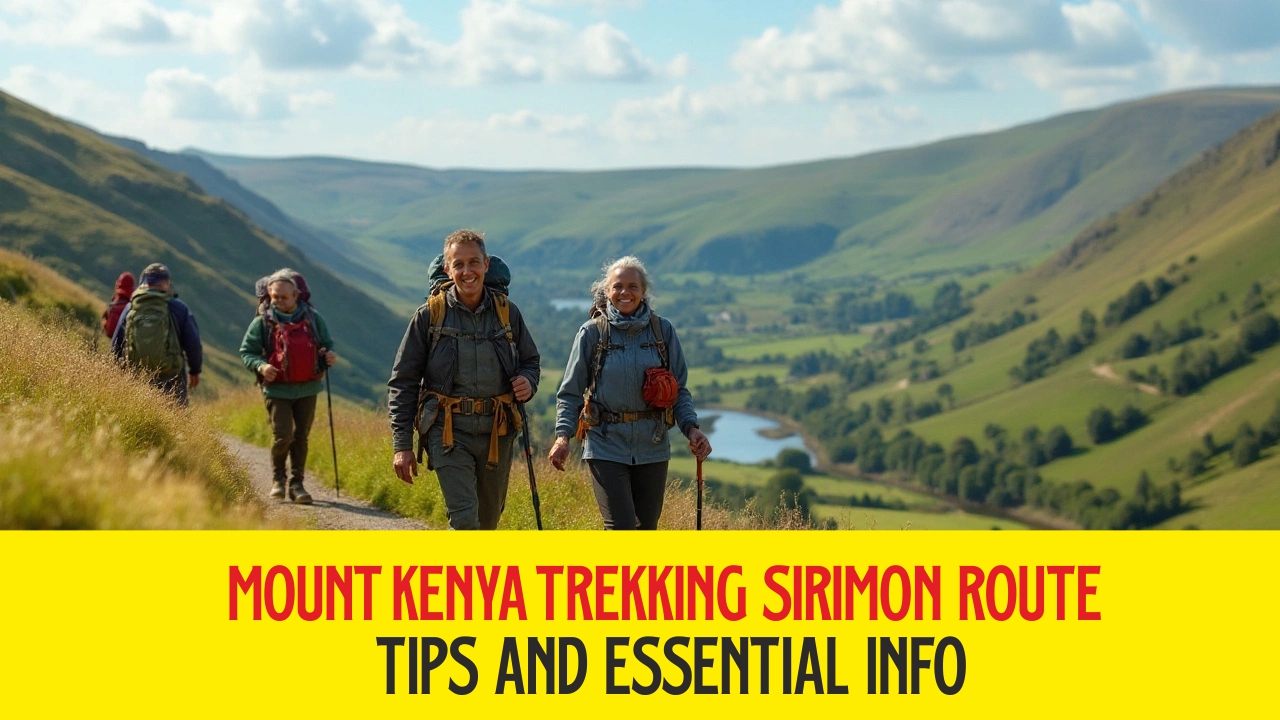
mount kenya trekking sirimon route

Embarking on a mount kenya trekking sirimon route adventure offers thrill-seekers and nature lovers an unforgettable experience through Kenya’s second-highest peak. Known for its scenic beauty, diverse ecosystems, and less crowded paths, the Sirimon Route presents a perfect blend of challenge and awe-inspiring landscapes. Ice Rock Trekking ensures that every trekker experiences the magic of Mount Kenya while prioritizing safety, comfort, and personalized adventure.

The journey begins from Nanyuki, a bustling town at the foothills of Mount Kenya. From here, trekkers are transported to the Sirimon Gate, the official entry point for this route. The Sirimon Route is favored for its gradual ascent, making it ideal for acclimatization, especially for those aiming to reach the peak without severe altitude sickness. Along the path, hikers traverse through dense forest zones rich in indigenous flora and fauna. Towering cedar and camphor trees, endemic birds, and occasional sightings of colobus monkeys create a serene and immersive environment.

As trekkers ascend, the landscape transitions from dense forest to bamboo zones and heathland, a remarkable ecological change that showcases the mountain’s biodiversity. The crisp mountain air, paired with panoramic views of valleys and distant peaks, rejuvenates the spirit and invigorates the body. Ice Rock Trekking guides ensure that trekkers receive insights about the ecosystem, pointing out rare plants and explaining the significance of Mount Kenya’s environment.

Camping along the Sirimon Route offers a blend of adventure and comfort. Campsites such as Old Moses Camp, Shipton’s Camp, and Mackinder’s Camp are strategically positioned to optimize acclimatization and provide stunning views. Nights at these camps are memorable as trekkers witness clear starry skies, distant sounds of wildlife, and the ethereal glow of the alpine environment. Ice Rock Trekking prioritizes high-quality camping gear, warm sleeping bags, and nutritious meals to keep trekkers energized throughout the journey.

One of the most exciting aspects of mount kenya trekking sirimon route is the approach to Point Lenana, the trekking summit accessible without technical climbing. The trail from Shipton’s Camp to the summit is particularly challenging due to the steep gradient and high altitude. However, the early morning ascent rewards trekkers with a breathtaking sunrise over Mount Kenya’s rugged peaks, glaciers, and surrounding valleys. Capturing this moment is often a lifelong memory for adventurers and photography enthusiasts alike.

While the Sirimon Route is less technically demanding than the northern or Chogoria routes, proper preparation remains crucial. Trekkers are advised to maintain a balanced fitness routine, focusing on endurance, strength, and cardiovascular health. Layered clothing is essential, as temperatures fluctuate significantly from the forest base to the alpine summit. Ice Rock Trekking provides detailed pre-trek instructions, including gear recommendations, altitude management tips, and essential safety protocols to ensure a secure and enjoyable experience.

Wildlife spotting is another highlight of the Sirimon Route. Trekkers may encounter elephants, buffalos, and diverse bird species along the trail. The mountain’s unique ecosystem supports endemic plants such as giant lobelias and senecios, which add an exotic touch to the trekking experience. Guides from Ice Rock Trekking enrich the journey with stories about local culture, mountain folklore, and ecological significance, creating a holistic adventure that engages both the mind and senses.

Nutrition and hydration play a critical role during mount kenya trekking sirimon route expeditions. High-energy snacks, balanced meals, and sufficient water intake are essential for stamina and altitude adaptation. Ice Rock Trekking emphasizes healthy, locally sourced meals, providing trekkers with traditional Kenyan flavors alongside essential nutrients. This thoughtful approach ensures that every trekker maintains peak performance while enjoying authentic culinary experiences.

Beyond physical challenges, trekking the Sirimon Route fosters mental resilience. Navigating steep slopes, unpredictable weather, and extended periods in remote areas strengthens determination, patience, and problem-solving skills. The sense of accomplishment upon reaching Point Lenana is profound, offering a rewarding blend of personal triumph and natural beauty. Ice Rock Trekking expert guides support every step of the journey, ensuring that trekkers feel confident and encouraged throughout.

Photography enthusiasts find mount kenya trekking sirimon route particularly rewarding. From mist-laden forests to high-altitude landscapes and panoramic views of snow-capped peaks, the route offers countless opportunities for stunning shots. Ice Rock Trekking often provides advice on the best vantage points, optimal lighting conditions, and unique angles, helping trekkers capture memories that last a lifetime.

Safety is a top priority on every expedition. The unpredictable mountain weather demands preparedness, including carrying rain gear, warm clothing, and first-aid kits. Trekkers are advised to be vigilant and follow guide instructions closely. Ice Rock Trekking maintains strict safety standards, ensures clear communication at all times, and conducts regular altitude and health checks to prevent complications.

The descent from Point Lenana through the Sirimon Route is equally engaging, as trekkers witness landscapes from a new perspective. The gradual return allows the body to recover while enjoying the scenic diversity one last time. Trekkers often reflect on the journey, sharing stories of wildlife encounters, challenging ascents, and the camaraderie formed along the way. Ice Rock Trekking encourages this reflection, fostering a sense of achievement and connection to Mount Kenya’s natural splendor.

For adventure enthusiasts, mount kenya trekking sirimon route offers more than just a physical challenge. It is a journey that combines nature, culture, and personal growth. The route’s carefully managed campsites, expert guides, and emphasis on safety and comfort make it accessible for both seasoned trekkers and newcomers seeking an unforgettable mountain experience. Ice Rock Trekking remains committed to providing memorable, well-organized expeditions, ensuring that every trekker leaves with lasting memories and a deeper appreciation for Mount Kenya’s majestic landscapes.

Trekking Mount Kenya via the Sirimon Route is a transformative experience. It demands preparation, patience, and perseverance, yet rewards adventurers with awe-inspiring vistas, encounters with wildlife, and a profound connection with nature. With Ice Rock Trekking, this journey is both safe and exhilarating, allowing trekkers to fully immerse themselves in the unique beauty and challenge of Mount Kenya. For anyone seeking an adventure that blends excitement, natural wonder, and personal achievement, the Sirimon Route stands out as an exceptional choice.

Sirimon Route Mt Kenya

The Sirimon Route Mt Kenya offers one of the most scenic and rewarding experiences for climbers and adventure enthusiasts. Winding through lush forests, open moorlands, and alpine deserts, this northern trail is renowned for its breathtaking landscapes, diverse wildlife, and moderate trekking challenges. Unlike some of the more crowded paths, the Sirimon route provides a tranquil environment, perfect for those who wish to connect with nature while gradually ascending to the mountain’s higher altitudes.

Starting from Nanyuki, the trailhead is easily accessible from major towns, making logistics straightforward for both first-time trekkers and seasoned climbers. The initial segment meanders through dense cedar and pine forests, where the air is crisp, and the scent of earth and pine invigorates every step. Early encounters often include colobus monkeys, bushbucks, and an array of bird species, making the first few hours of trekking a visual delight.

As trekkers progress, the terrain gradually shifts from forested paths to open moorlands dotted with giant heathers and lobelias. This transition is not only a feast for the eyes but also a critical period for acclimatization, as the altitude begins to rise steadily. For climbers, maintaining a measured pace here is vital to reduce the risk of altitude sickness. The Sirimon route’s elevation gain is gradual compared to the Chogoria or Naro Moru trails, allowing more time for the body to adjust naturally.

A notable highlight of the Sirimon Route Mt Kenya is the Shipton’s Camp, situated at an altitude of around 4,200 meters. It serves as an ideal resting point before pushing towards higher camps like Old Moses Camp. Shipton’s Camp is surrounded by impressive alpine scenery, including glacial valleys and rocky ridges, which offer perfect opportunities for photography or short side hikes. Climbers often find this location peaceful yet energizing, providing a sense of achievement as the treeline fades into the alpine desert.

From Shipton’s Camp, the path ascends gently but consistently, with the landscape transitioning into sparse vegetation and exposed rocky surfaces. The Old Moses Camp, perched near 4,900 meters, is the final high camp for trekkers aiming for the peaks of Batian and Nelion. Staying at Old Moses allows climbers to wake up early and tackle the summit in cooler, more favorable conditions. The route demands good fitness and proper acclimatization at this stage, but the reward is a panoramic view of Kenya’s second-highest mountain and the surrounding Rift Valley.

One of the unique aspects of the Sirimon Route Mt Kenya is the chance to witness the mountain’s glacial formations. Though retreating, the glaciers on Batian and Nelion remain a striking feature, creating stark contrasts with the otherwise volcanic terrain. Trekking in this zone requires careful attention to footing and weather conditions, as temperatures can drop sharply, and sudden mist or rain can reduce visibility. Experienced guides from Ice Rock Trekking ensure safety by providing proper advice, navigation, and support throughout this section.

Wildlife encounters remain a continuous highlight along the northern trail. Beyond the forested lower sections, trekkers may spot small herds of eland, buffalo, and even the elusive mountain bongo in less frequented areas. Birdwatchers particularly appreciate this route for spotting endemic species like the Aberdare cisticola and Jackson’s francolin. Photographers and nature lovers find the Sirimon Route rewarding due to the diversity of flora and fauna coupled with dramatic mountain vistas.

Another critical factor for a successful trek on this route is planning for altitude, weather, and logistics. The northern trail offers multiple campsites and lodges along the way, including Sirimon Gate, Old Moses Camp, and Shipton’s Camp. While some trekkers prefer tented camping, others opt for more structured accommodations available near the lower sections. Packing warm layers, proper trekking boots, water purification options, and high-energy food ensures comfort and safety throughout the journey. Ice Rock Trekking specializes in arranging all essential amenities, making the climb smooth and organized for all levels of trekkers.

The Sirimon Route’s northern orientation provides a gradual ascent, unlike some steeper alternatives, making it suitable for first-time climbers who wish to experience Mt Kenya’s majesty without overwhelming physical stress. The trail is well-marked, with clear paths and signs, but the expertise of experienced guides ensures that adventurers navigate any tricky sections safely. Knowledgeable guides also enrich the experience with insights into local flora, fauna, and the mountain’s cultural significance, making the trek educational as well as thrilling.

Summiting via the northern route is a physically and emotionally rewarding experience. Climbers aiming for Point Lenana, the trek’s highest accessible peak at 4,985 meters, are treated to panoramic views stretching over the Aberdare ranges, the Great Rift Valley, and even glimpses of Mount Kilimanjaro on exceptionally clear days. The combination of alpine lakes, rugged ridges, and glacial remnants creates an unmatched visual spectacle, making every step towards the summit unforgettable. Ice Rock Trekking ensures that climbers receive the right guidance, motivation, and safety checks to maximize the summit experience while minimizing risks.

Descending the Sirimon Route offers a different but equally captivating perspective. The trail back passes through moorlands and forest zones in reverse, allowing trekkers to notice wildlife and plants they might have missed on the ascent. It’s also a chance to reflect on the journey, enjoy the fresh mountain air, and capture last photographs of this serene landscape. Many trekkers report a sense of fulfillment and rejuvenation after completing this northern path, highlighting its value not just as a climb but as a holistic mountain experience.

For those seeking longer itineraries, combining the Sirimon Route with the Chogoria Route for a circular trek provides exposure to multiple ecosystems, dramatic ridgelines, and even glacial valleys inaccessible on the northern trail alone. This combination is suitable for climbers with more experience and time, offering a deeper immersion into Mt Kenya’s diverse and challenging environment.

In conclusion, the Sirimon Route Mt Kenya represents a perfect blend of adventure, natural beauty, and manageable trekking difficulty. Its gradual ascent, variety of landscapes, abundant wildlife, and well-placed camps make it ideal for both first-time climbers and seasoned mountaineers. Ice Rock Trekking offers personalized services, expert guidance, and detailed planning for climbers eager to explore the northern trail efficiently and safely. Whether it’s witnessing glacial valleys, spotting rare wildlife, or standing atop Point Lenana, this route promises an enriching experience that leaves lasting memories.

Trekking the Sirimon Route ensures more than just reaching a peak—it allows adventurers to immerse themselves in one of East Africa’s most iconic mountains, appreciating its ecosystems, cultural significance, and unparalleled natural beauty. For those ready to embrace the challenge and marvel at Kenya’s highland treasures, the northern trail stands as a must-experience journey, combining safety, adventure, and visual splendor in equal measure.