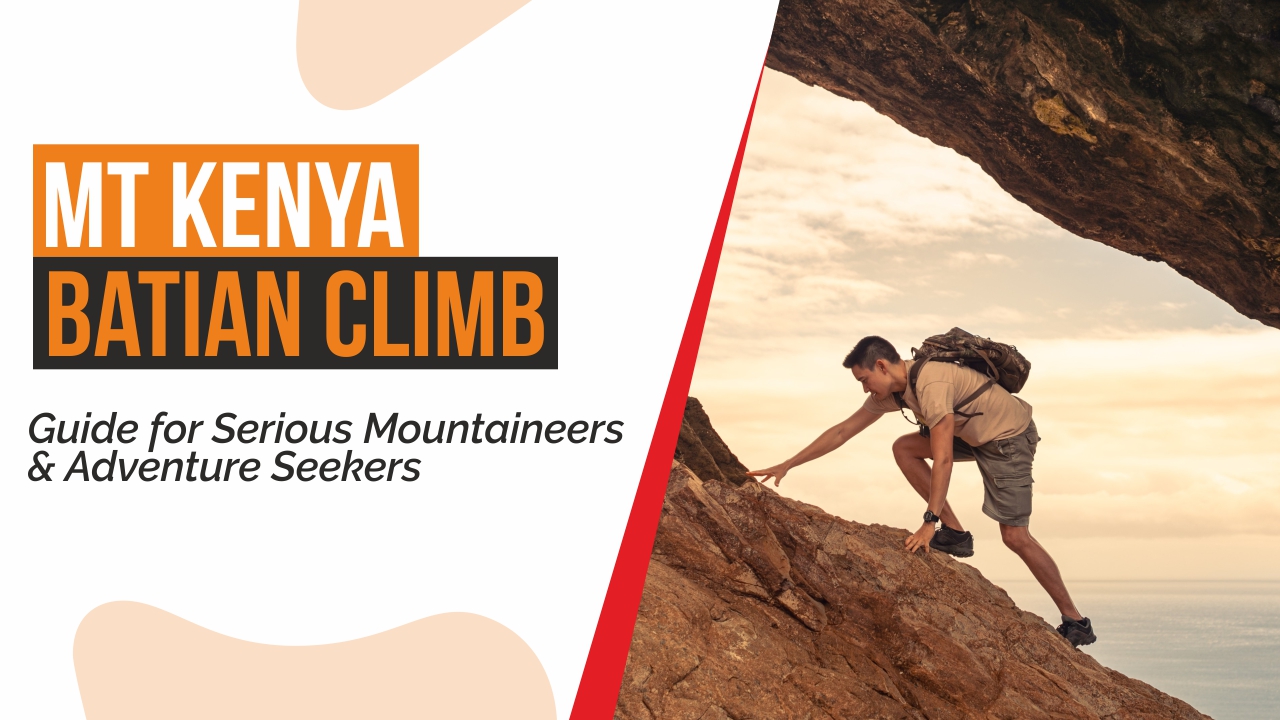
Standing tall above the rugged highlands of East Africa, Mount Kenya offers one of the most rewarding alpine experiences on the continent. Among its dramatic granite towers, the legendary Batian Peak rises as the highest point, attracting skilled climbers who seek a true technical ascent rather than a standard trekking summit. The mt kenya Batian climb represents the ultimate objective for mountaineers who want a challenging rock route in an equatorial alpine environment filled with glaciers, steep walls, and breathtaking views.
Operated by Ice Rock Trekking, carefully organized climbing programs combine expert guiding, logistical planning, and high-altitude support to help experienced climbers safely reach this remarkable summit. From the approach through dense forest to the exposed granite pitches high above the clouds, every stage of the ascent delivers unforgettable moments.
Why Batian Peak Attracts Technical Climbers
The highest point of Mount Kenya is Batian, standing at 5,199 meters above sea level. Unlike the trekking peaks nearby, Batian requires rock-climbing expertise, route navigation, and alpine endurance.
Several factors make this ascent special:
True Alpine Rock Climbing
- Vertical granite walls rising thousands of meters
- Classic multi-pitch climbing routes
- Exposure that rivals well-known alpine peaks
Equatorial Alpine Environment
Despite its location near the equator, the mountain contains glaciers, snow patches, and cold alpine winds. Climbers often experience dramatic weather shifts within a single day.
Historic Mountaineering Heritage
The peak was first climbed in 1944 by legendary climbers Arthur Firmin and Peter Hicks. Since then, Batian has remained a respected objective among international mountaineers.
Remote Wilderness Setting
Located inside Mount Kenya National Park, the mountain is surrounded by high-altitude lakes, unique afro-alpine plants, and wildlife rarely seen elsewhere in Africa.
Batian Peak vs Nelion Peak
The two highest summits on the mountain sit side by side.
| Peak | Elevation | Climbing Style |
| Batian | 5,199 m | Technical rock climbing |
| Nelion | 5,188 m | Technical rock climbing |
| Point Lenana | 4,985 m | Trekking summit |
Batian is slightly higher than its neighbor Nelion Peak. Many climbers ascend Nelion first and then traverse across the famous Gate of the Mists to reach Batian.
This combination provides one of the most thrilling ridge traverses in African mountaineering.
Best Season for the Batian Ascent
Weather plays a critical role in success on the mountain.
Two main climbing seasons offer the best conditions:
January to March
- Clear skies
- Dry rock surfaces
- Stable weather patterns
July to October
- Good climbing conditions
- Lower precipitation
- Ideal visibility for route finding
During rainy months, granite slabs become extremely slippery and dangerous, making technical climbing difficult.
Key Routes to the Summit
Several classic routes lead to Batian, though some are more frequently attempted than others.
North Face Standard Route
The North Face Standard Route is the most popular and commonly climbed line.
Features include:
- Approximately 20 pitches of technical rock climbing
- Difficulty around UIAA IV to V
- Chimneys, cracks, and exposed ridges
- A combination of rock and occasional snow patches
Climbers normally start very early in the morning from Shipton’s Camp, allowing enough daylight for the long ascent and descent.
Nelion to Batian Traverse
Another famous line begins on Nelion.
Climbing stages:
- Ascent of Nelion via the Normal Route
- Reach the summit of Nelion
- Traverse across the Gate of the Mists
- Final scramble to Batian
This route requires solid climbing skills and precise timing.
Popular Approach Routes to the Mountain
Reaching the base of Batian involves several days of trekking through spectacular landscapes.
Sirimon Route
The Sirimon Route offers gradual altitude gain and scenic valleys.
Highlights include:
- Mackinder’s Valley views
- Alpine vegetation
- Comfortable acclimatization
Chogoria Route
The Chogoria Route is often considered the most scenic.
Features include:
- Lakes and waterfalls
- Dramatic cliffs
- Panoramic views of the eastern side of the mountain
Many climbers combine the Sirimon approach with the Chogoria descent for a varied experience.
Typical Batian Climbing Itinerary
Professional expedition operators such as Ice Rock Trekking structure the ascent over several days to allow proper acclimatization.
Day 1 – Nairobi to Mountain Base
Transfer from Nairobi to the foothills of Mount Kenya National Park. Entry formalities and preparation begin here.
Day 2 – Trek to Old Moses Camp
A gradual hike through forest and moorland leads to Old Moses Camp at around 3,300 meters.
Day 3 – Trek to Shipton’s Camp
The trail enters the dramatic Mackinder’s Valley before reaching Shipton’s Camp at 4,200 meters.
Day 4 – Acclimatization and Preparation
Climbers rest and review equipment before the summit attempt.
Day 5 – Batian Summit Attempt
An alpine start before sunrise allows climbers to reach the summit and return safely before afternoon weather changes.
Day 6 – Descent from the Mountain
The descent normally follows the Sirimon or Chogoria trail back to the park gate.
Required Climbing Skills
Batian is not a trekking peak. Climbers must possess solid technical skills.
Key requirements include:
- Multi-pitch rock climbing experience
- Rope management skills
- Crack climbing techniques
- High-altitude endurance
- Navigation on exposed ridges
Previous climbs on alpine rock routes greatly increase success rates.
Essential Equipment for the Climb
A well-planned gear list improves safety and efficiency.
Technical Climbing Gear
- Helmet
- Harness
- Climbing shoes
- Belay device
- Locking carabiners
- Slings and protection gear
Mountaineering Gear
- Crampons
- Ice axe
- Mountaineering boots
- Warm insulated clothing
Personal Essentials
- Headlamp
- High-energy food
- Hydration system
- Gloves and protective layers
Professional expeditions arranged by Ice Rock Trekking provide additional safety equipment and logistical support.
Altitude and Acclimatization
The summit of Batian sits above 5,000 meters, which can cause altitude-related symptoms.
Common challenges include:
- Headaches
- Fatigue
- Shortness of breath
A slow ascent and rest days significantly reduce these risks.
Climbers should always hydrate well and listen carefully to guides regarding pacing and altitude management.
Unique Wildlife and Alpine Flora
The ecosystems surrounding Mount Kenya National Park are incredibly diverse.
Wildlife sightings may include:
- Rock hyrax
- Mount Kenya sunbird
- Giant forest hog
- Colobus monkeys
The alpine zones feature distinctive plants such as giant lobelias and groundsels, creating a landscape unlike any other mountain environment.
Safety Considerations on Batian
Safety remains the most important factor during technical climbs.
Experienced guides focus on:
- Weather monitoring
- Rope management
- Route navigation
- Emergency procedures
Rockfall and sudden weather shifts are the most common hazards. Proper timing and preparation minimize these risks.
Professional support from Ice Rock Trekking ensures climbers receive experienced leadership and reliable logistics throughout the ascent.
Why Choose Ice Rock Trekking
Climbing Batian requires detailed planning, strong guiding expertise, and reliable local knowledge. Ice Rock Trekking delivers carefully structured climbing experiences tailored for serious mountaineers.
Key advantages include:
Experienced Mountaineering Guides
Certified guides familiar with Batian’s complex routes and weather patterns.
Reliable Safety Standards
High-quality equipment and structured risk management protocols.
Local Knowledge
Years of experience operating expeditions within Mount Kenya National Park.
Personalized Climbing Programs
Flexible itineraries designed for experienced climbers, small teams, and private expeditions.
Training Before Attempting Batian
Preparation significantly increases summit success.
Recommended training includes:
- Rock climbing at grades equivalent to UIAA IV or V
- Endurance hiking with a heavy pack
- High-altitude trekking practice
- Strength training for legs and core
Climbers who arrive physically prepared enjoy a safer and more rewarding ascent.
The Reward of Standing on Batian
Reaching the summit offers an unforgettable perspective across East Africa.
From the top, climbers witness:
- Glacier-covered ridges
- The rugged towers of Nelion
- Vast savannas stretching toward the horizon
Few experiences match the sense of accomplishment felt after completing the mt kenya Batian climb. Every pitch of granite, every step through alpine valleys, and every sunrise above the clouds becomes part of a mountaineering story that lasts a lifetime.
With experienced leadership from Ice Rock Trekking, serious climbers gain the opportunity to tackle one of Africa’s most respected technical summits while exploring the remarkable beauty of Mount Kenya.