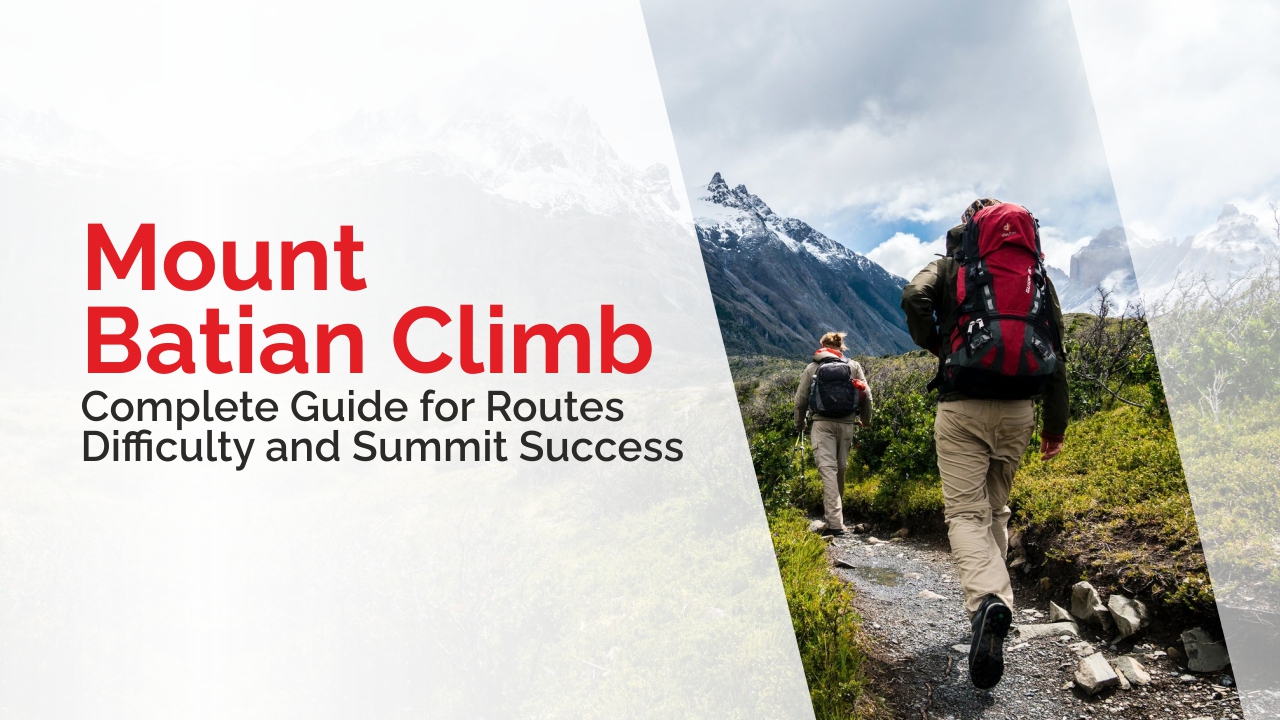
Mount Kenya stands as Africa’s second-highest mountain and one of the continent’s most respected climbing destinations. While many trekkers aim for Point Lenana, experienced mountaineers often set their sights on Batian, the highest peak on Mount Kenya at 5,199 meters (17,057 feet). Reaching this summit is a significant achievement that combines technical rock climbing, altitude endurance, and strategic preparation.
The mt kenya Batian climb attracts climbers from across the globe who seek a challenging alpine adventure in East Africa. Unlike trekking peaks that require only hiking skills, Batian demands technical climbing ability, proper equipment, and experienced mountain support.
For climbers planning this remarkable ascent, knowing the routes, costs, level of difficulty, and essential success factors can make a major difference. Ice Rock Trekking has helped countless adventurers experience Mount Kenya safely while maximizing their chances of reaching the summit.
What Is Batian Peak?
Batian is the highest point of Mount Kenya and the second-highest mountain peak in Africa after Kilimanjaro’s Uhuru Peak. The summit rises dramatically above glaciers, steep rock faces, and rugged alpine terrain.
Mount Kenya consists of three main peaks:
- Batian (5,199m) – Highest peak
- Nelion (5,188m) – Second highest peak
- Point Lenana (4,985m) – Popular trekking summit
While Point Lenana can be reached through hiking routes, Batian requires technical rock climbing skills and specialized mountaineering equipment.
The peak was named after a Maasai chief and remains one of Africa’s most respected alpine climbing objectives.
Why Choose the Mt Kenya Batian Climb?
Batian offers a completely different experience from standard mountain trekking. Climbers are rewarded with:
Technical Climbing Challenge
The mountain features multi-pitch rock climbing sections that test both physical and mental endurance.
Exceptional Scenery
The climb passes through unique ecosystems, including:
- Bamboo forests
- Moorlands
- Giant lobelia zones
- Alpine valleys
- Glacial landscapes
Less Crowded Experience
Compared to Kilimanjaro, Batian sees fewer climbers, creating a more remote and authentic mountain atmosphere.
Prestigious Achievement
Summiting Batian is considered one of Africa’s most significant alpine climbing accomplishments.
Best Routes for the Mt Kenya Batian Climb
Several approaches provide access to Batian. The route selection depends on climbing experience, weather conditions, and logistical preferences.
Sirimon Route
The Sirimon Route is among the most popular approaches.
Advantages
- Gentle acclimatization profile
- Scenic valleys
- Reliable access throughout the year
- Comfortable mountain huts
Highlights
- Old Moses Camp
- Shipton’s Camp
- Mackinder Valley
- North Face access
Many climbers prefer this route because it allows gradual altitude gain before attempting the summit.
Chogoria Route
The Chogoria Route is often considered the most scenic approach on Mount Kenya.
Key Attractions
- Gorges Valley
- Lake Michaelson
- Nithi Falls
- Spectacular cliffs
This route is excellent for acclimatization and photography while providing access to technical climbing sections.
Naro Moru Route
Naro Moru offers the shortest access to higher elevations.
Benefits
- Fast approach
- Efficient logistics
- Suitable for climbers with limited time
However, its rapid altitude gain can increase acclimatization challenges.
Technical Climbing Routes to Batian
The summit can be reached through different climbing lines.
North Face Standard Route
The North Face Standard Route is the most frequently climbed route to Batian.
Characteristics
- Moderate technical difficulty
- Multi-pitch rock climbing
- Excellent rock quality
- Suitable for experienced alpine climbers
This route is commonly used during the dry season when weather conditions are favorable.
Gate of the Mists Route
This route is famous among experienced climbers.
Features
- Greater technical demands
- Complex route finding
- Outstanding alpine scenery
It is generally recommended for advanced climbers.
Batian-Nelion Traverse
One of the most rewarding mountaineering experiences on Mount Kenya involves traversing between Batian and Nelion.
This route requires:
- Strong climbing skills
- Technical rope work
- Excellent weather conditions
Difficulty Level of the Mt Kenya Batian Climb
A common question among climbers concerns the difficulty of Batian.
The answer is straightforward: Batian is significantly more challenging than Point Lenana.
Physical Difficulty
Climbers must contend with:
- High altitude
- Long summit days
- Steep terrain
- Exposure to changing weather
Technical Difficulty
Batian includes:
- Rock climbing sections
- Multi-pitch climbing
- Rope management
- Belaying techniques
Most climbing sections range around UIAA Grade IV and V, depending on the chosen route.
Mental Challenge
Exposure, altitude, and route-finding can test confidence and decision-making skills.
Who Can Attempt the Mt Kenya Batian Climb?
Batian is ideal for:
- Experienced hikers
- Rock climbers
- Alpine climbers
- Adventure travelers seeking technical ascents
Climbers should have prior experience with:
- Rope systems
- Multi-pitch climbing
- Basic mountaineering techniques
Beginners can prepare by gaining climbing experience before attempting the summit.
Best Time for the Mt Kenya Batian Climb
Weather plays a critical role in summit success.
January to March
This period offers:
- Stable weather
- Dry rock conditions
- Clear mountain views
Many climbers consider this the prime climbing season.
July to October
Another favorable season with:
- Reduced rainfall
- Better visibility
- Reliable climbing conditions
Rainy Seasons
April to June and November often experience:
- Wet rock
- Reduced visibility
- Greater climbing risks
Climbers generally avoid technical ascents during these periods.
Acclimatization and Altitude Considerations
Altitude is one of the biggest challenges on Mount Kenya.
Symptoms may include:
- Headaches
- Fatigue
- Nausea
- Sleep difficulties
To improve acclimatization:
- Ascend gradually
- Stay hydrated
- Maintain proper nutrition
- Include acclimatization days
Many successful itineraries include 4–6 days before summit attempts.
Equipment Required for Batian
Proper gear is essential for safety and performance.
Personal Clothing
- Waterproof jacket
- Waterproof pants
- Thermal layers
- Fleece jacket
- Insulated gloves
- Warm hat
- Hiking boots
Climbing Equipment
- Climbing harness
- Helmet
- Carabiners
- Belay device
- Climbing shoes
- Dynamic rope
Additional Gear
- Headlamp
- Sunglasses
- Trekking poles
- Hydration system
- First aid supplies
Ice Rock Trekking can assist climbers with equipment recommendations and rental arrangements.
Typical Mt Kenya Batian Climb Itinerary
Day 1
Arrival and transfer to Mount Kenya National Park.
Day 2
Trek to Old Moses Camp.
Day 3
Trek to Shipton’s Camp.
Day 4
Acclimatization hike and climbing preparation.
Day 5
Summit attempt on Batian.
Day 6
Descent to lower camps.
Day 7
Exit the park and return transfer.
Actual itineraries may vary depending on weather, acclimatization needs, and climbing objectives.
Mt Kenya Batian Climb Cost Breakdown
Several factors influence the total expedition cost.
Park Fees
Mount Kenya National Park charges conservation and entry fees.
Guide Fees
Technical climbing requires certified and experienced guides.
Porter Support
Porters assist with carrying gear and camp logistics.
Accommodation
Costs may include:
- Mountain huts
- Lodges
- Hotels
Equipment Rental
Climbers without technical gear may rent equipment.
Transportation
Ground transfers to and from the mountain are usually included in organized packages.
Average Cost Range
The mt kenya Batian climb generally ranges between:
USD 1,500 to USD 3,500+ per person
Pricing varies depending on:
- Group size
- Route selection
- Duration
- Level of support
- Equipment requirements
Summit Success Tips
Achieving the summit requires more than physical fitness.
Train Early
Focus on:
- Endurance training
- Hiking practice
- Strength conditioning
- Climbing sessions
Improve Technical Skills
Practice:
- Belaying
- Rope handling
- Multi-pitch climbing
- Anchor systems
Prioritize Acclimatization
Extra acclimatization days often increase summit success rates.
Stay Hydrated
Hydration supports both performance and altitude adaptation.
Use Professional Mountain Support
Experienced guides significantly improve safety and efficiency during technical climbs.
Monitor Weather Conditions
Summit attempts should be planned around stable weather windows.
Why Climb Batian With Ice Rock Trekking?
Ice Rock Trekking specializes in East African mountain adventures and provides professional support for climbers pursuing Mount Kenya’s highest peak.
Expert Mountain Teams
Our guides possess extensive experience on Mount Kenya’s technical routes.
Customized Climbing Programs
Every climber has different goals and skill levels. We create itineraries that match individual needs.
Safety-Focused Operations
Safety remains a priority throughout every stage of the expedition.
Local Knowledge
Our team understands Mount Kenya’s weather patterns, climbing routes, and logistical requirements.
Quality Equipment Support
We assist climbers in preparing the right gear for successful summit attempts.
Final Thoughts
The mt kenya Batian climb represents one of Africa’s most rewarding mountaineering challenges. Combining technical rock climbing, breathtaking alpine scenery, and the prestige of standing atop Mount Kenya’s highest point, Batian offers an unforgettable experience for skilled climbers.
Success depends on proper preparation, physical conditioning, acclimatization, technical competence, and experienced mountain support. Whether approaching through Sirimon, Chogoria, or another route, careful planning greatly increases the chances of reaching the summit safely.
With professional guidance from Ice Rock Trekking, climbers can focus on the adventure while benefiting from expert local knowledge, reliable logistics, and dedicated mountain support throughout the journey to Batian Peak.