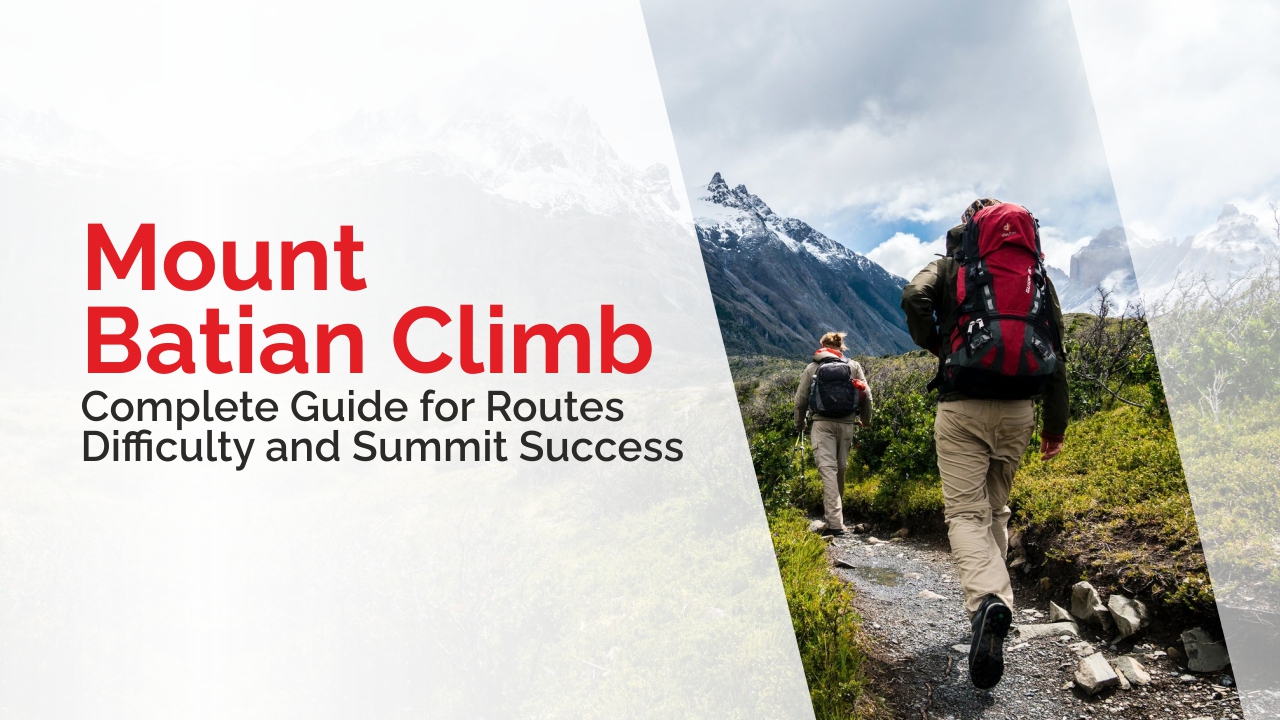
For climbers seeking a raw, technical, and deeply rewarding alpine experience in Africa, the mt Batian climb stands as one of the most respected objectives. Rising sharply from the rugged massif of Mount Kenya, Batian is the highest peak at 5,199 meters and demands not only physical endurance but also sharp technical climbing skills, mental resilience, and careful preparation.
Ice Rock Trekking has guided climbers across diverse terrains, and Batian consistently ranks among the most challenging yet fulfilling summits. This piece dives deep into routes, difficulty levels, preparation strategies, and practical insights that help both seasoned mountaineers and ambitious climbers plan their ascent with clarity.
What Makes Mt Batian Climb Unique
Unlike trekking peaks that rely on endurance and acclimatization alone, Batian introduces a different dimension—technical rock climbing at high altitude. The mountain’s jagged twin summits, Batian and Nelion, are carved from volcanic rock, offering steep faces, exposed ridges, and intricate route navigation.
Key highlights:
- Technical climbing up to UIAA Grade IV+
- Rapid weather changes near the summit
- Minimal crowds compared to other African peaks
- A strong emphasis on ropework, belaying, and route finding
Batian is not a casual climb; it is an expedition that tests every aspect of mountaineering.
Mt Batian Climb Routes Explained
Choosing the right route defines the experience. Each path has its own personality, challenges, and technical requirements.
-
North Face Standard Route
The North Face Standard Route is the most commonly attempted path to Batian’s summit.
Key features:
- Approximate grade: UIAA IV+
- Mixed terrain: rock, cracks, chimneys
- Time to summit: 10–14 hours from base
Climbers encounter sustained sections of technical rock climbing, often requiring precise footwork and efficient rope management. The route is relatively direct but demands stamina due to its length and altitude exposure.
Best suited for:
- Experienced climbers with multi-pitch experience
- Those comfortable with alpine starts and long summit pushes
-
South East Face via Nelion Traverse
This route involves summiting Nelion (the second-highest peak) and traversing across to Batian.
Key features:
- Technical climbing on Nelion (UIAA IV to V)
- A dramatic and exposed traverse between peaks
- Requires strong route-finding skills
The Nelion-to-Batian traverse is one of the most iconic sections of the mountain. However, it is only accessible during specific conditions when the Gate of Mists (a key crossing point) is open.
Best suited for:
- Advanced climbers with high-altitude rock experience
- Those seeking a classic mountaineering challenge
-
West Ridge Route
Less frequently attempted, the West Ridge offers a remote and committing climb.
Key features:
- Complex navigation
- Greater exposure and fewer established anchors
- Longer approach and descent logistics
This route is favored by climbers looking for solitude and a more exploratory ascent.
Difficulty Level of Mt Batian Climb
The mt Batian climb is often underestimated by those familiar only with trekking peaks. Its difficulty lies in the combination of technical climbing and altitude.
Physical Demands
- Continuous climbing for 10–15 hours
- High-altitude fatigue above 4,500 meters
- Limited rest points on steep sections
Technical Challenges
- Multi-pitch rock climbing
- Crack systems and chimney sections
- Rope management under pressure
Mental Strength
- Exposure to sheer drops
- Navigating unpredictable weather
- Decision-making in remote conditions
Climbers must be proficient in:
- Lead climbing
- Belaying
- Anchor setup
- Rappelling
Best Season for Mt Batian Climb
Timing plays a crucial role in summit success. Weather patterns on Mount Kenya can shift rapidly, affecting rock conditions and safety.
Optimal climbing windows:
- January to March
- July to October
During these months, climbers benefit from:
- Drier rock surfaces
- Clearer visibility
- More stable weather patterns
Avoid rainy seasons, as wet rock significantly increases difficulty and risk.
Essential Gear for Summit Success
Proper equipment ensures safety and efficiency on technical terrain. Packing should be precise, avoiding unnecessary weight while covering all essentials.
Climbing Equipment
- Dynamic climbing rope (50–60m)
- Harness and helmet
- Carabiners, quickdraws, and slings
- Belay device
- Climbing shoes suitable for alpine conditions
Personal Gear
- Layered clothing system (base, insulation, shell)
- Gloves for cold and grip
- Headlamp with spare batteries
- High-altitude boots for approach
Safety Essentials
- First aid kit
- Navigation tools (map, GPS)
- Emergency shelter
Ice Rock Trekking ensures all technical gear meets international safety standards, allowing climbers to focus on performance.
Acclimatization Strategy
Altitude sickness is a serious concern. A structured acclimatization plan significantly improves summit chances.
Recommended Approach:
- Spend 2–3 days trekking on Mount Kenya before attempting Batian
- Gradually gain elevation
- Stay hydrated and monitor symptoms
Popular acclimatization routes include trekking to Point Lenana before transitioning to technical climbing.
Training for Mt Batian Climb
Preparation should begin months in advance. A balanced training program improves endurance, strength, and climbing efficiency.
Physical Conditioning
- Cardiovascular training (running, cycling)
- Strength training (core, legs, upper body)
- Long hikes with weighted packs
Technical Skills
- Practice multi-pitch climbing
- Improve crack climbing techniques
- Rope handling drills
Mental Preparation
- Exposure training (climbing in exposed environments)
- Decision-making under fatigue
- Stress management techniques
Summit Day Experience
Summit day is intense and demands focus from start to finish.
Typical Timeline:
- Alpine start around midnight or early morning
- Continuous climbing through technical sections
- Summit reached after 10–14 hours
- Descent via rappelling or down-climbing
Climbers must maintain:
- Steady pacing
- Efficient transitions between pitches
- Clear communication with partners or guides
Common Challenges and How to Overcome Them
-
Weather Changes
Sudden fog, rain, or wind can alter conditions rapidly.
Solution:
- Check forecasts carefully
- Start early to maximize stable weather windows
-
Route Finding
Complex rock formations can lead to navigation errors.
Solution:
- Climb with experienced guides
- Study route maps in advance
- Fatigue
Long climbing hours can drain energy.
Solution:
- Maintain hydration and nutrition
- Pace consistently rather than rushing
Why Choose Ice Rock Trekking
Ice Rock Trekking brings decades of experience in high-altitude expeditions. The team emphasizes safety, personalized support, and technical excellence.
What sets us apart:
- Certified and experienced climbing guides
- High-quality equipment
- Tailored acclimatization plans
- Strong safety protocols
Climbers benefit from local expertise combined with global mountaineering standards.
Tips for a Successful Mt Batian Climb
- Start training at least 3–6 months in advance
- Invest in high-quality climbing gear
- Practice climbing in varied conditions
- Build a strong partnership with your climbing team
- Respect the mountain and adapt to changing conditions
Final Thoughts
The mt Batian climb is not just about reaching a summit; it is about embracing a demanding alpine journey that tests skill, endurance, and determination. Every pitch climbed, every decision made, and every step taken contributes to an experience that stays with climbers for life.
For those prepared to meet its challenges, Batian offers unmatched satisfaction—a summit earned through precision, resilience, and passion for mountaineering.
Ice Rock Trekking stands ready to support climbers at every stage, turning ambition into achievement on one of Africa’s most iconic peaks.