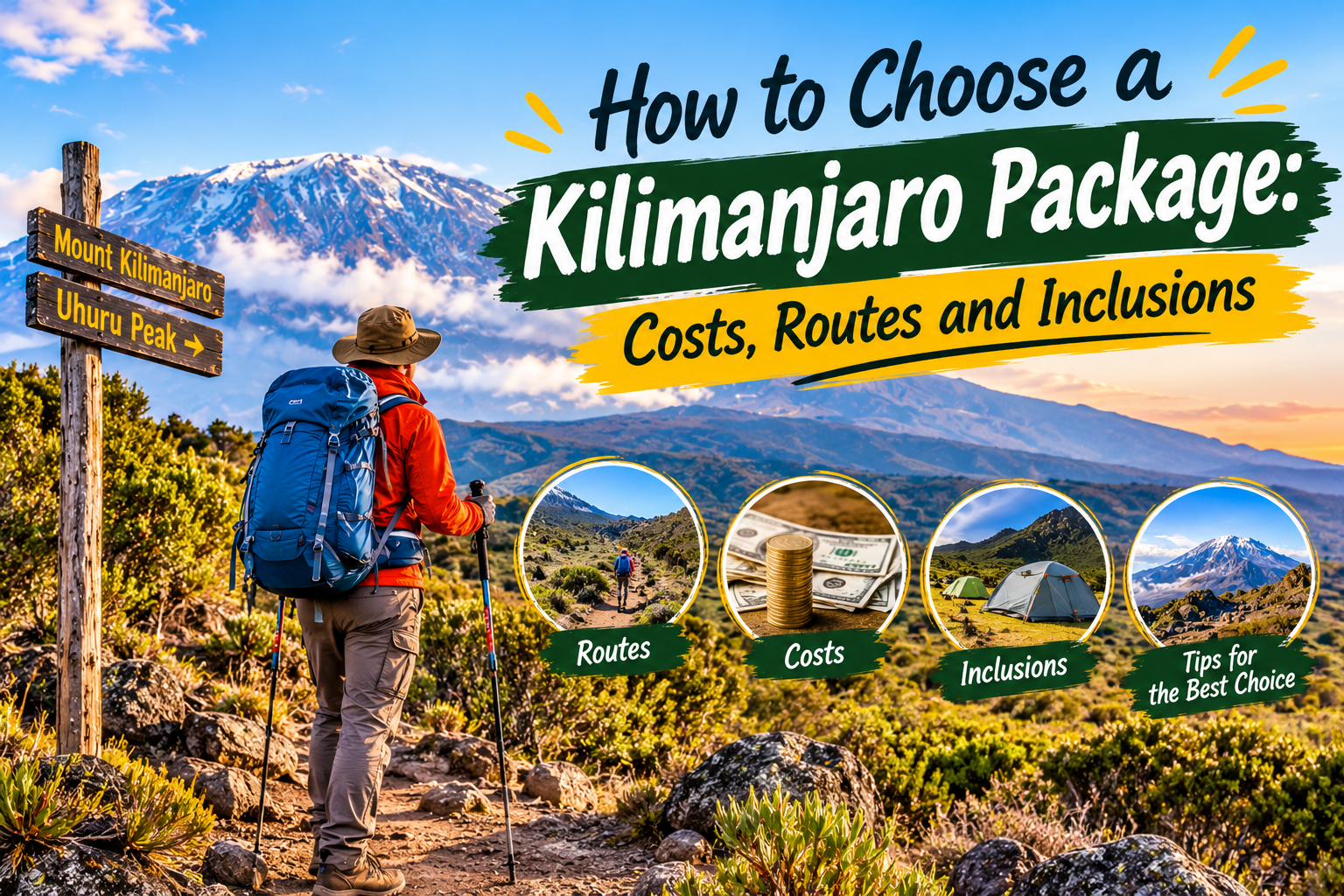
Choosing a Kilimanjaro package involves more than comparing prices. Your route, trekking duration, accommodation and mountain support all influence the experience.
A lower quotation may exclude equipment, transfers or hotel nights. A higher price may include useful services, but it still requires careful checking.
The strongest choice matches your budget with a realistic itinerary, clear inclusions and responsible operating standards.
For travellers considering Ice Rock Trekking, a detailed package discussion should establish exactly what the trip includes before any deposit changes hands.
What Should You Look for in a Kilimanjaro Package?
Start with three questions: how many days can you travel, what can you spend overall, and what support do you expect?
Your answers help narrow the options before route names and promotional offers complicate the decision.
A suitable package should clearly identify:
- The ascent and descent routes.
- Actual trekking days.
- Overnight camps or huts.
- Accommodation before and after the climb.
- Mountain crew arrangements.
- Meals, drinking water and equipment.
- Transfers and applicable park charges.
- Exclusions, payment terms and cancellation conditions.
Request a day-by-day itinerary alongside the quotation. A package summary rarely provides enough detail to assess daily walking demands or overnight arrangements.
Also check who operates the climb locally and who handles questions before departure. Clear responsibility matters throughout the booking process.
How Much Does a Kilimanjaro Package Cost?
For initial budgeting, many standard trekking packages fall broadly between US$2,000 and US$4,000 per person, although prices extend beyond this range.
Shorter group departures can cost less. Longer itineraries, private arrangements and additional services can increase the price considerably.
Published operator quotations vary substantially, so treat this range as a planning estimate rather than an Ice Rock Trekking quotation.
What Drives the Price?
Mountain days influence several expenses simultaneously. An additional day requires more crew time, food, accommodation arrangements and applicable park charges.
Other pricing factors include:
- Route access and transport distances.
- Number of climbers sharing services.
- Tent quality and sleeping arrangements.
- Hotel category and room occupancy.
- Crew staffing and working conditions.
- Equipment provision and optional facilities.
- Taxes and payment charges.
Ask for a quotation based on your actual group size. A headline price may depend on several people sharing the departure.
Compare the Total Holiday Cost
The trekking quotation represents only one part of your spending.
Add international flights, entry requirements, suitable insurance, equipment purchases, rentals, tips and any meals outside the package.
Keep a separate allowance for unexpected accommodation or transport changes.
For example, a US$2,400 trek becomes a US$3,300 trip after US$900 in additional expenses. Flights could increase that total further.
Use your own confirmed figures before deciding whether a package fits your budget.
Which Kilimanjaro Route Should You Choose?
Route selection affects scenery, sleeping arrangements, time commitments and the pattern of ascent.
Compare the full itinerary rather than assuming every package using the same route name offers an identical experience.
Common options include Machame, Lemosho, Marangu, Rongai and the Northern Circuit. Operators sell different durations across these routes.
Machame: For Varied Scenery and Camping
Machame commonly appears in six- and seven-day itineraries. It suits travellers who want varied landscapes and accept sleeping in tents.
Check how the itinerary divides the approach to the summit camp. Two Machame packages can distribute walking demands differently.
If your schedule permits, compare the longer version carefully before choosing the shorter option solely for its price.
Ask about exposed sections, uneven terrain and the expected demands of the summit attempt.
Lemosho: For a Longer Approach
Lemosho commonly appears in seven- and eight-day packages, although other versions exist.
Its western approach appeals to travellers who value landscape variety and additional time on the mountain.
Check the starting point, first overnight stop and daily sleeping elevations. The route name alone does not establish how gradually the itinerary progresses.
An eight-day option deserves consideration if you can accommodate the extra time and expense.
Marangu: For Hut Accommodation
Marangu differs from the main camping routes because trekkers sleep in mountain huts.
Packages commonly run for five or six trekking days. Hut accommodation can appeal to travellers who prefer a roof and shared indoor sleeping facilities.
However, huts do not remove the physical demands of the climb.
Check whether the itinerary includes an additional acclimatisation day, what bedding you need and how shared accommodation works.
Rongai: For a Northern Approach
Rongai approaches the mountain from the north and commonly appears in six- or seven-day itineraries.
Travellers considering this route should examine access transfers, daily walking stages and the descent arrangements.
Ask how much time the first transfer requires, particularly if you arrive shortly before the trek.
Also compare the itinerary’s overnight elevations rather than choosing Rongai simply because someone describes it as quieter.
Northern Circuit: For More Mountain Time
The Northern Circuit commonly requires eight or nine trekking days, depending on the operator’s programme.
It suits travellers with sufficient leave, a larger budget and an interest in a longer mountain journey.
The additional days also mean more nights in tents and greater exposure to changing conditions.
Check whether the longer itinerary suits your comfort preferences as well as your available time.
How Many Days Should Your Package Include?
Separate days on the mountain from total trip duration.
A nine-day holiday might contain seven trekking days plus arrival and departure arrangements. Another operator might advertise only the mountain portion.
This difference can make apparently similar quotations difficult to compare. Some operators explicitly distinguish total trip duration from trekking days.
Request an itinerary that shows:
- Arrival date and transfer.
- Pre-trek hotel night.
- Equipment check and briefing.
- Each trekking day.
- Post-trek hotel night.
- Departure transfer.
Avoid building international travel around an optimistic descent time. Leave room for rest, delayed transfers and practical changes.
Your available leave should accommodate the whole journey, including flights, rather than only the advertised climbing duration.
What Should the Package Include?
A detailed inclusions list helps you assess value and prevents avoidable spending surprises.
Ask the operator to confirm each service in writing.
Park Charges and Mountain Arrangements
Check whether the quotation includes all applicable park charges, camping or hut charges, taxes and mandatory arrangements for your itinerary.
Ask whether changes to official charges could affect the final balance after booking.
Request a clear explanation of any rescue-related charge. Do not assume that a charge within the package covers every possible evacuation expense.
Mountain Crew
Confirm the provision of qualified mountain leaders, cooks and porters, including how staffing changes with group size.
Ask who leads the summit attempt and what happens if participants need different walking speeds.
The operator should also explain how it supports someone who must descend before the rest of the group.
Avoid accepting vague statements such as “full mountain support” without practical details.
Meals and Drinking Water
Check the number of meals included each day and when meal provision begins and ends.
Discuss dietary needs before paying a deposit. Allergies require a more specific conversation than a general vegetarian preference.
Ask how the crew treats drinking water, where trekkers refill bottles and whether hot drinks form part of the package.
Confirm whether you should bring personal snacks or specialist nutrition.
Tents, Huts and Sleeping Equipment
For camping packages, check tent occupancy, mattress provision, dining arrangements and equipment condition.
A two-person tent arrangement may create an additional charge for someone requesting sole occupancy.
For hut packages, clarify shared sleeping facilities and the personal equipment you must carry.
Ask specifically about sleeping bags, liners, trekking poles and duffel bags. Operators may include, rent or exclude these items.
Which Costs Commonly Sit Outside the Package?
Exclusions differ between operators, so never transfer assumptions from one quotation to another.
Common additional expenses include:
- International and domestic flights.
- Visa or other entry-related costs.
- Personal travel insurance.
- Mountain crew tips.
- Personal clothing and footwear.
- Equipment rental.
- Hotel meals outside the stated plan.
- Single-room or single-tent supplements.
- Optional private toilets.
- Additional hotel nights.
- Bank, card or currency-conversion charges.
Airport transfers also require checking. Some packages include them, while others charge separately or provide only particular transfer arrangements.
Ask for a written tipping outline before departure, including how group size affects the suggested contribution.
Confirm the cost of an early return too. Extra accommodation and individual transfers can change the final amount you spend.
Should You Book a Group or Private Departure?
Both arrangements can work well, but they serve different priorities.
Compare the departure structure alongside the price.
Group Departures
Group trips spread some operating costs across several participants and provide a shared trekking experience.
They can suit solo travellers and friends who welcome meeting other climbers.
Before booking, ask about:
- Minimum and maximum group sizes.
- Confirmed departure status.
- Tent-sharing arrangements.
- Typical pace management.
- Procedures when someone turns back.
Check what happens if the departure fails to reach its minimum number. The booking terms should explain alternatives, supplements and refunds.
Private Departures
Private trips offer greater control over dates, group composition and selected arrangements.
They may suit families, clubs, colleagues or travellers with particular scheduling requirements.
However, flexibility does not make an unsuitable ascent schedule appropriate.
Ask which elements you can customise and which depend on mountain conditions, operating requirements or the agreed itinerary.
Request the complete private quotation before comparing it with a shared departure price.
How Can You Assess Safety and Operating Standards?
Look for specific procedures rather than reassuring promotional language.
Ask who makes decisions on the mountain, how the team communicates and how it manages a participant who cannot continue.
Useful questions include:
- What relevant training do mountain leaders hold?
- What emergency equipment does the crew carry?
- How does the team monitor participants?
- What communication methods remain available?
- Who accompanies someone descending early?
- How does the operator coordinate outside assistance?
Request clear answers about emergency oxygen and evacuation arrangements where applicable.
Confirm separately that your insurance covers the planned activity, altitude and relevant emergency expenses.
No operator can promise a summit. Treat guaranteed-success language cautiously and ask how the company calculates any published success percentage.
Why Do Porter Welfare and Equipment Standards Matter?
Your package depends on the people carrying equipment, preparing meals and maintaining camp.
Ask about porter pay, meals, suitable clothing, sleeping arrangements and load management.
An operator should explain its working practices without relying entirely on broad ethical claims.
Request current evidence for any external partnership or certification it promotes.
Equipment deserves the same scrutiny. Ask how the team checks tents, sleeping mats and communal facilities before departure.
A competitive price should still support adequate staffing and maintained equipment.
These questions help travellers assess operating quality and help professional trip organisers compare suppliers more consistently.
What Should You Check Before Paying a Deposit?
Read the itinerary, quotation and booking conditions together. Resolve inconsistencies before confirming the trip.
Check the following points:
- Deposit amount and balance deadline.
- Accepted payment methods.
- Currency and conversion arrangements.
- Cancellation charges.
- Date-change conditions.
- Minimum participant requirements.
- Charges following an early descent.
- Responsibility for itinerary changes.
Keep copies of the agreed documents and payment receipts.
Provide accurate dietary, equipment and travel information early enough for the operator to make arrangements.
If a service matters to your decision, obtain written confirmation. A private toilet, airport collection or particular hotel should appear in the agreed package.
Discussing Your Trip with Ice Rock Trekking
When requesting a Kilimanjaro package from Ice Rock Trekking, share your preferred dates, group size, overall budget and available travel days.
Mention previous multi-day walking, accommodation preferences and any equipment you need to rent.
Ask for two suitable itinerary options with separate inclusions and exclusions. This makes the cost of additional days or services easier to assess.
Request the final quotation after agreeing the route and arrangements.
A productive booking conversation should leave you clear about the mountain schedule, total expected spending and support available throughout the trip.
Making Your Final Choice
Choose a Kilimanjaro package by comparing route suitability, trekking days, operating standards and total cost together.
Give greater weight to clear arrangements than to a low headline price or a dramatic summit claim.
With a detailed quotation and realistic expectations, you can select an itinerary that suits your schedule, budget and preparation.
Contact Ice Rock Trekking with your requirements and request written confirmation of the services that matter most to your climb.