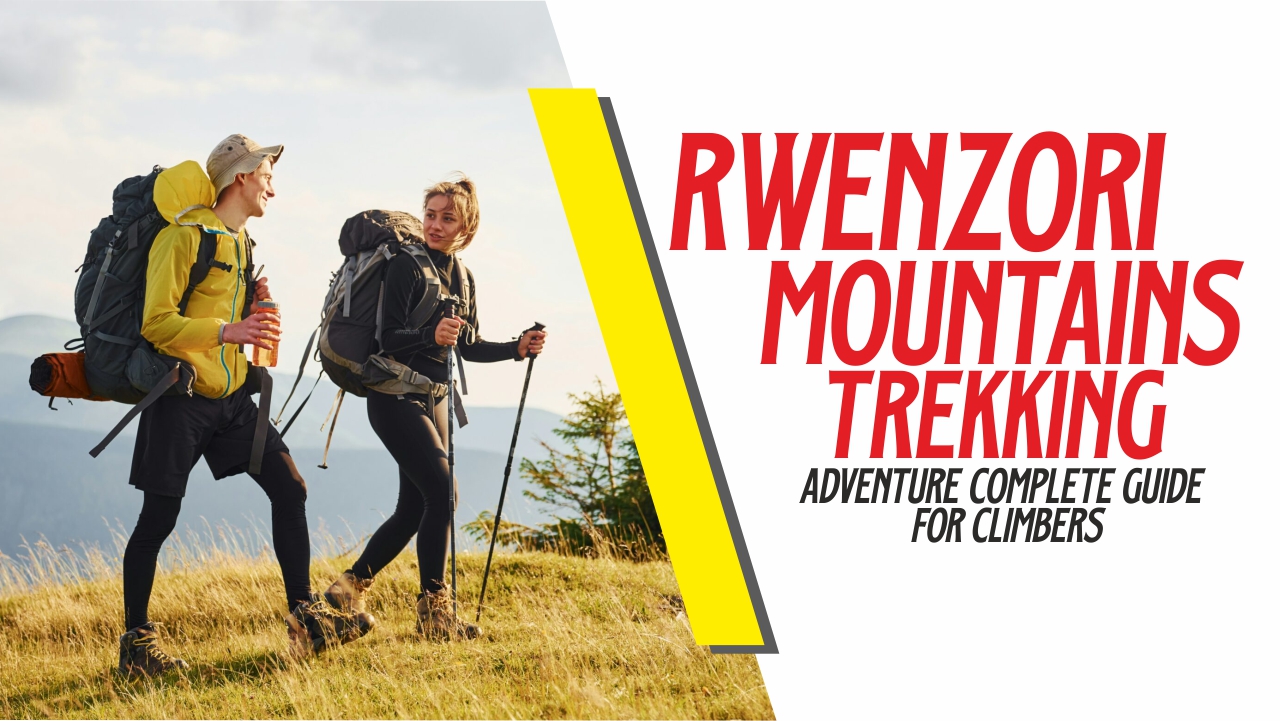
Embarking on a Rwenzori Mountains trekking expedition is a dream for many climbers seeking adventure beyond ordinary trails. Known as the “Mountains of the Moon,” the Rwenzori range straddles the border of Uganda and the Democratic Republic of Congo, offering dramatic landscapes, rare biodiversity, and snow-capped peaks that rise sharply from lush tropical forests. This region presents an exhilarating challenge for both seasoned mountaineers and adventure enthusiasts ready to embrace unique terrain, unpredictable weather, and breathtaking natural beauty. Ice Rock Trekking ensures every trekker experiences this awe-inspiring environment safely and memorably.
Terrain and Elevation Challenges
The Rwenzori Mountains are characterized by steep slopes, deep valleys, and a mix of rainforest, alpine meadows, and glaciers. The trekking routes vary in difficulty, demanding strong physical endurance, adaptability, and preparation. Peaks such as Margherita (the highest at 5,109 meters) require careful acclimatization due to the rapid elevation gain, which can test even experienced climbers. Trails often involve muddy paths, river crossings, and slippery rocks, making proper footwear and trekking equipment essential.
Climbers must be ready for unpredictable weather. The Rwenzori range receives heavy rainfall throughout the year, so waterproof gear, layered clothing, and quick-dry materials are vital. Despite these challenges, the trail rewards adventurers with lush vegetation, endemic wildlife, and panoramic views of rugged peaks piercing through the clouds.
Popular Trekking Routes
Several routes lead to the highest peaks of the Rwenzori Mountains, each offering unique landscapes and experiences:
- Central Circuit: This is the most popular route, known for its well-established campsites and access to Margherita Peak. The trek covers dense forests, bamboo zones, and alpine moorlands. Climbers encounter stunning lakes, waterfalls, and glaciers along the trail.
- Northern Circuit: Less frequented and more remote, the Northern Circuit appeals to trekkers seeking solitude and untouched wilderness. It offers dramatic ridges, glacial valleys, and diverse flora, including giant lobelias and endemic alpine plants.
- Southern Circuit: This route is ideal for those looking for a moderately challenging trek with opportunities to witness spectacular waterfalls and cloud forests. The Southern Circuit connects with the Central route for peak summits.
Ice Rock Trekking customizes itineraries based on climbers’ skill levels, allowing adventurers to explore either one or a combination of these circuits.
Essential Trekking Gear
Proper gear is critical for a successful Rwenzori Mountains trekking expedition. Key items include:
- Footwear: Waterproof, high-ankle trekking boots with strong grip to navigate slippery and muddy paths.
- Clothing: Layered clothing with thermal inner layers, waterproof jackets, and quick-dry pants. Fleece jackets are useful for higher altitudes.
- Accessories: Trekking poles, gloves, hats, and sunglasses for sun and snow protection.
- Camping Equipment: Durable tents, sleeping bags rated for cold temperatures, and portable stoves for cooking.
- Navigation and Safety: GPS devices, maps, headlamps, first aid kits, and communication devices are essential for safety in remote areas.
Ice Rock Trekking provides guidance on gear selection and can arrange specialized equipment for climbers who prefer to travel light.
Physical Preparation and Training
Rwenzori Mountains trekking requires significant physical endurance. Climbers should prepare with cardiovascular training, leg strength exercises, and long hikes with weighted backpacks. Acclimatization is crucial to reduce the risk of altitude sickness. It is recommended to spend a day or two at mid-elevation camps before attempting higher altitudes, gradually increasing physical activity while monitoring oxygen levels and overall fitness.
Additionally, mental preparation plays a vital role. The trail can be challenging, with unpredictable weather, muddy paths, and steep ascents. A positive mindset, persistence, and adaptability are just as important as physical training. Ice Rock Trekking offers preparatory advice, including pre-trek exercises, nutrition plans, and acclimatization schedules.
Flora and Fauna
The Rwenzori Mountains are a hotspot for biodiversity. Climbers encounter three primary ecological zones: tropical rainforest at lower elevations, bamboo and heath zones at mid-elevations, and alpine moorlands near the peaks. Iconic plants include giant lobelias, groundsels, and endemic orchids. Birdwatchers and wildlife enthusiasts can spot species such as Rwenzori turacos, forest elephants, and monkeys, making the trek rewarding for nature lovers.
Conservation is vital in this region. Trekkers are encouraged to follow strict guidelines to minimize environmental impact, such as avoiding littering, respecting local flora and fauna, and following designated trails. Ice Rock Trekking emphasizes sustainable trekking practices to preserve the Rwenzori ecosystem.
Accommodation and Campsites
Accommodation during the trek ranges from basic tented camps to rustic mountain huts. Central and Southern circuits have well-marked campsites equipped with sleeping platforms, cooking areas, and sanitation facilities. The Northern Circuit, being more remote, requires climbers to rely on portable tents and carry personal supplies.
Local guides and porters enhance the trekking experience, assisting with campsite setup, cooking, and carrying heavy equipment. Ice Rock Trekking works closely with experienced Rwenzori guides who know the terrain, weather patterns, and safety protocols, ensuring climbers remain secure throughout the journey.
Safety Measures and Risks
Trekking in the Rwenzori Mountains comes with inherent risks. Harsh weather, high altitude, and rugged terrain pose challenges. Key safety measures include:
- Acclimatization: Ascend gradually to prevent altitude sickness.
- Weather Awareness: Rain and fog can reduce visibility; climbers should follow guide instructions and be prepared to wait out storms.
- Hydration and Nutrition: Maintaining energy levels is crucial for endurance. Carry sufficient water and high-calorie snacks.
- Emergency Preparedness: Ice Rock Trekking ensures trekkers have access to communication devices and emergency evacuation plans.
Climbers must respect their physical limits and communicate with guides regarding fatigue or symptoms of altitude sickness. Safety remains the top priority on every expedition.
Cultural and Local Experiences
The Rwenzori Mountains are home to indigenous communities whose traditions and lifestyles are closely tied to the environment. Trekkers can experience local culture by visiting villages, sampling traditional foods, and learning about the Rwenzori people’s history and conservation efforts. These interactions enrich the trekking experience, providing deeper insight into the region beyond the mountains themselves.
Ideal Trekking Seasons
The Rwenzori Mountains receive heavy rainfall year-round, but optimal trekking conditions typically occur during drier periods. Climbers often choose between June to September and December to February, when trails are slightly less muddy, and cloud cover is reduced. Regardless of season, climbers must be prepared for sudden weather changes, including rain, wind, and temperature fluctuations at higher altitudes.
Ice Rock Trekking Services
Ice Rock Trekking offers tailored Rwenzori Mountains trekking packages, including itinerary planning, logistics, equipment rental, and certified guides. Climbers can opt for multi-day expeditions covering one or multiple circuits, with support for both first-time trekkers and experienced mountaineers. The company emphasizes safety, environmental stewardship, and unforgettable adventure experiences, ensuring each climber reaches their peak with confidence and excitement.