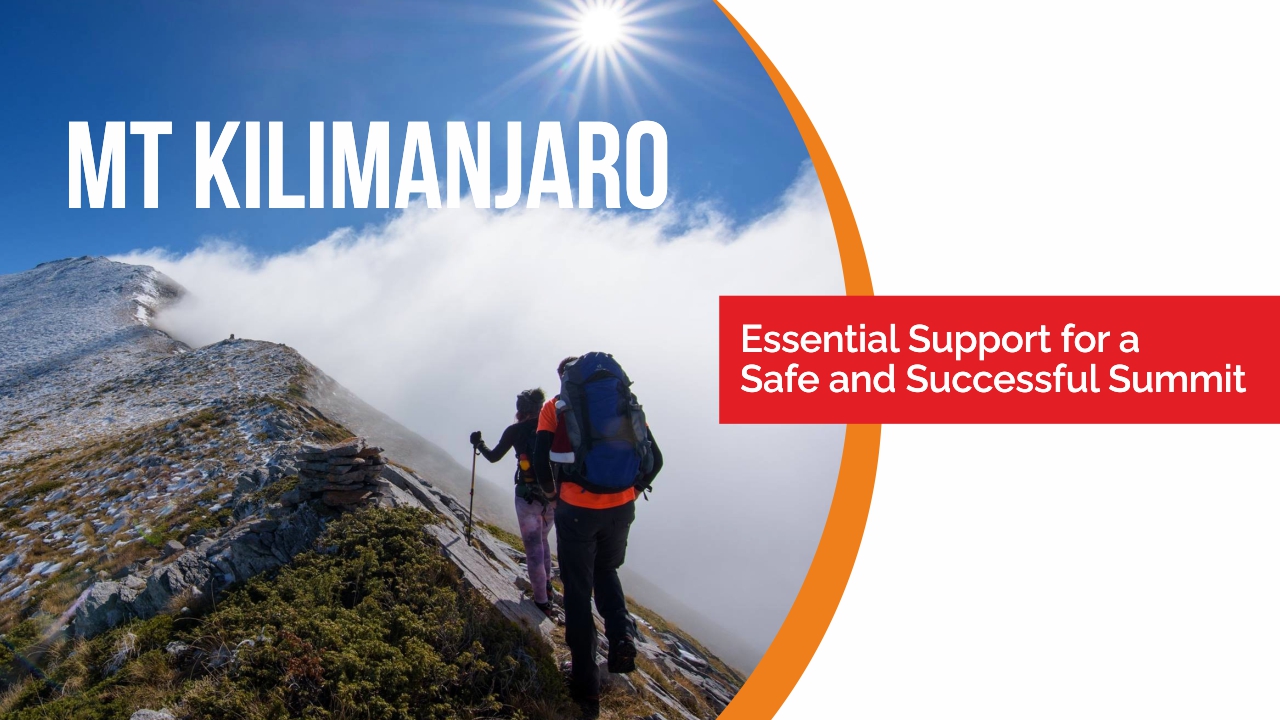
mount kilimanjaro trek

The mount kilimanjaro trek is more than a climb. It is a personal journey that tests endurance, patience, and inner strength. Rising above the African plains, this iconic peak attracts first-time climbers, seasoned trekkers, and adventure seekers who want to experience high-altitude trekking without technical mountaineering. With the right preparation, mindset, and support from an experienced team like Ice Rock Trekking, reaching the summit becomes an achievable and life-changing goal.

Introduction to Mount Kilimanjaro

Located in Tanzania, Mount Kilimanjaro stands at 5,895 meters and holds the title of Africa’s highest peak. What makes it unique is that no ropes or technical climbing skills are required. It is a trekking peak, which means anyone with determination, proper acclimatization, and preparation can attempt the summit.

The mountain is part of Kilimanjaro National Park and features five distinct climate zones. Climbers pass through rainforest, moorland, alpine desert, and arctic summit terrain. Each step reveals dramatic changes in landscape, temperature, and atmosphere.

Why First Time Climbers Choose Kilimanjaro

Kilimanjaro is often the first high-altitude mountain for many trekkers. There are several reasons why it is ideal for beginners:

Non-technical ascent
No climbing equipment like ropes or harnesses is needed.

Well-established routes
Multiple routes offer varying difficulty levels and scenery.

Professional support system
Guides, porters, and cooks assist climbers throughout the journey.

Achievement value
Standing at Uhuru Peak delivers unmatched emotional satisfaction.

With Ice Rock Trekking, first-time climbers receive structured acclimatization plans and expert guidance that improves summit success.

Popular Routes for Mount Kilimanjaro Trek

Selecting the right route is one of the most important decisions.

Machame Route

Known as the “Whiskey Route,” this trail offers stunning scenery and excellent acclimatization. It is challenging but highly rewarding.

Duration: 6–7 days
Best for: Adventurous first-time climbers with good fitness

Marangu Route

Often called the “Coca-Cola Route,” it features hut accommodation instead of tents.

Duration: 5–6 days
Best for: Climbers who prefer more comfort

Lemosho Route

This route offers quieter trails and high success rates.

Duration: 7–8 days
Best for: First-time climbers seeking better acclimatization

Rongai Route

Approaches the mountain from the north side.

Duration: 6–7 days
Best for: Climbers wanting less crowded paths

Ice Rock Trekking helps clients select the most suitable route based on fitness, experience, and goals.

Best Time for Mount Kilimanjaro Trek

Weather plays a major role in trekking success.

January to March

  • Cooler temperatures
  • Fewer crowds
  • Snow at summit

June to October

  • Most popular season
  • Clear skies
  • Excellent visibility

Avoid heavy rainy periods as trails become slippery and difficult.

Physical Preparation and Fitness

Climbing Kilimanjaro does not require technical skills, but physical fitness is essential.

Cardiovascular Training

Focus on activities like:

  • Hiking
  • Running
  • Cycling
  • Stair climbing

Strength Training

Build endurance in:

  • Legs
  • Core
  • Back

Practice Treks

Train on hills or multi-day treks carrying a backpack. This prepares your body and mind for long walking days.

Ice Rock Trekking also provides preparation advice before departure.

Altitude and Acclimatization

Altitude is the biggest challenge. As you climb higher, oxygen levels decrease.

Common symptoms include:

  • Headache
  • Fatigue
  • Nausea

Proper acclimatization reduces risks.

Tips to Adapt

Climb slowly
Gradual ascent improves adjustment.

Stay hydrated
Drink plenty of water.

Follow guide instructions
Professional guides monitor your health.

Ice Rock Trekking prioritizes safety with experienced altitude-trained leaders.

Essential Gear for Kilimanjaro Trek

Proper gear ensures safety and comfort.

Clothing Layers

  • Base layer for moisture control
  • Insulating layer for warmth
  • Waterproof outer layer

Footwear

High-quality trekking boots with ankle support are essential.

Accessories

  • Gloves
  • Hat
  • Sunglasses
  • Headlamp

Sleeping Equipment

Warm sleeping bags are necessary for cold summit nights.

Ice Rock Trekking provides detailed packing lists for all clients.

Typical Trekking Experience Day by Day

Each day brings new scenery and challenges.

Rain forest Zone

Lush greenery, wildlife, and humid climate.

Moorland Zone

Open landscapes and unique plants.

Alpine Desert

Dry terrain with dramatic views.

Summit Push

The final ascent begins at midnight. Reaching Uhuru Peak at sunrise is an emotional and unforgettable moment.

Climbers often describe feelings of pride, relief, and pure joy.

Mental Strength and Motivation

Physical fitness alone is not enough. Mental determination plays a crucial role.

Long walking hours, cold weather, and altitude fatigue test patience.

Mental Preparation Tips

  • Stay positive
  • Focus on small milestones
  • Trust your guides
  • Maintain steady pace

Ice Rock Trekking teams motivate climbers and provide encouragement at every stage.

Safety and Professional Support

Professional support increases success rates and ensures safety.

Ice Rock Trekking provides:

  • Certified mountain guides
  • Experienced porters
  • Nutritious meals
  • Emergency procedures

Guides monitor oxygen levels and health daily.

Safety always remains the top priority.

Why Choose Ice Rock Trekking

Choosing the right trekking company makes a major difference.

Ice Rock Trekking focuses on:

Personalized service
Every climber receives individual attention.

Experienced leadership
Professional guides with extensive Kilimanjaro experience.

High summit success rate
Careful acclimatization planning improves outcomes.

Ethical trekking practices
Fair treatment and support of porters.

Complete logistical support
From arrival to summit and return.

Clients experience both adventure and comfort.

Life Changing Experience at the Summit

Reaching Uhuru Peak is more than standing on a mountain.

It represents:

  • Personal victory
  • Mental strength
  • Courage
  • Determination

The sunrise over Africa from the summit creates memories that last forever.

Many climbers return home with greater confidence and new perspective.

Final Thoughts

The Kilimanjaro journey is achievable for first-time climbers with proper preparation and expert support. It offers breathtaking landscapes, personal growth, and unmatched adventure.

With Ice Rock Trekking, climbers receive professional guidance, safety assurance, and encouragement from start to summit.

Each step brings you closer to one of life’s greatest accomplishments.

If adventure is calling, Kilimanjaro is ready.

kimbo camp kilimanjaro

Trekking to kimbo camp kilimanjaro marks an exciting milestone for climbers choosing the northern approach to Africa’s highest peak. Located along the quieter Rongai trail, this campsite offers trekkers their first true taste of Kilimanjaro’s alpine environment. Surrounded by open moorland, distant snow-capped views, and a peaceful atmosphere, Kimbo Camp serves as the ideal place to rest, acclimatize, and prepare for the higher elevations ahead. For climbers travelling with Ice Rock Trekking, this camp represents not just a stopover but the beginning of a deeper connection with the mountain.

Overview of Kimbo Camp and Its Location

Kimbo Camp sits at approximately 2,650 meters above sea level on the northern slopes of Mount Kilimanjaro within Kilimanjaro National Park in Tanzania. It is the first overnight camp for trekkers following the Rongai Route, which begins near the Kenyan border.

Unlike other Kilimanjaro approaches, Rongai offers a remote and less crowded trekking experience. Kimbo Camp reflects this tranquility, featuring wide open spaces, fewer climbers, and uninterrupted views of wilderness stretching across the northern plains.

Trekkers often arrive at Kimbo Camp after a moderate 3–4 hour hike from Rongai Gate, making it an ideal introduction to high-altitude trekking without excessive physical strain.

Why Kimbo Camp Matters in the Rongai Route Itinerary

Kimbo Camp plays a critical role in helping climbers adjust gradually to altitude. Proper acclimatization significantly improves summit success rates, and this camp provides the perfect elevation gain for the first night.

Key reasons Kimbo Camp is important include:

  • Gradual altitude increase reduces the risk of altitude sickness
  • Opportunity to test trekking pace and gear performance
  • First experience sleeping on the mountain
  • Mental preparation for upcoming steeper climbs

Ice Rock Trekking emphasizes steady pacing and proper hydration during this phase, ensuring climbers build confidence early in the expedition.

Landscape and Environment at Kimbo Camp

The environment at Kimbo Camp transitions from dense rain forest to open moorland. This ecological shift introduces trekkers to Kilimanjaro’s unique high-altitude ecosystems.

Common features include:

  • Giant heathers and alpine shrubs
  • Rocky terrain with grassy patches
  • Clear skies and dramatic mountain views
  • Cool temperatures, especially at night

Wildlife sightings may include antelope, monkeys, and colorful mountain birds.

The peaceful setting allows climbers to enjoy nature without the busier traffic found on southern routes.

Trekking Experience from Rongai Gate to Kimbo Camp

The journey to Kimbo Camp begins at Rongai Gate, located at around 1,950 meters. The trail starts through farmland and pine forests before gradually opening into moorland.

Highlights along the way include:

  • Gentle gradient suitable for beginners
  • Scenic views of Kilimanjaro’s northern slopes
  • Quiet trails with fewer trekkers
  • Increasing visibility of the mountain’s summit

Ice Rock Trekking experienced guides maintain a slow and steady pace, ensuring climbers conserve energy and acclimatize properly.

Most climbers reach Kimbo Camp by early afternoon, allowing time to rest, explore, and enjoy the surroundings.

Camp Setup and Facilities

Kimbo Camp offers basic but well-organized camping conditions designed for mountain expeditions.

Facilities typically include:

  • Designated tent areas
  • Dining tents for meals
  • Portable toilets provided by trekking companies
  • Fresh mountain water sources nearby

Ice Rock Trekking ensures climbers receive comfortable sleeping tents, nutritious meals, and professional support throughout their stay.

While facilities are simple, the camp provides everything necessary for a safe and comfortable overnight experience.

Weather Conditions at Kimbo Camp

Weather at Kimbo Camp varies depending on the season but generally remains cool and dry.

Typical conditions include:

Daytime temperatures: 10°C to 20°C
Night temperatures: 0°C to 5°C

Trekkers often experience:

  • Warm sunny afternoons
  • Cold nights
  • Clear star-filled skies

Proper clothing is essential, including:

  • Thermal layers
  • Insulated jackets
  • Gloves and hats

Ice Rock Trekking advises climbers to prepare for temperature fluctuations to stay comfortable.

Acclimatization and Health Tips

Kimbo Camp is the first opportunity for climbers to monitor their body’s response to altitude.

Important tips include:

Drink plenty of water
Eat nutritious meals
Avoid rushing
Get adequate rest

Ice Rock Trekking guides perform regular health checks and monitor oxygen levels to ensure climbers remain safe.

Early acclimatization significantly increases the chances of reaching the summit successfully.

Daily Life at Kimbo Camp

Life at Kimbo Camp follows a relaxed and structured routine.

Typical schedule includes:

Arrival and welcome tea
Tent allocation and rest
Evening health briefing
Hot dinner prepared by mountain chefs
Early sleep for recovery

The peaceful atmosphere allows climbers to relax and mentally prepare for the next stage.

Trekkers often enjoy watching sunset colors transform the mountain landscape into unforgettable scenery.

Next Destination After Kimbo Camp

The next camp after Kimbo is Second Cave Camp, located at approximately 3,450 meters.

This stage involves:

Steeper terrain
Higher altitude
Longer trekking hours

Kimbo Camp serves as a stepping stone, helping climbers prepare physically and mentally.

Ice Rock Trekking ensures proper pacing and support to help climbers transition smoothly to higher elevations.

Advantages of the Rongai Route and Kimbo Camp

Many climbers prefer Rongai because of its unique benefits.

Advantages include:

Less crowded trails
Gradual ascent profile
High summit success rates
Excellent acclimatization opportunities
Remote wilderness experience

Kimbo Camp reflects these advantages, offering a calm and scenic introduction to Kilimanjaro trekking.

Professional Support from Ice Rock Trekking

Choosing the right trekking partner makes a major difference in overall experience and success.

Ice Rock Trekking provides:

Experienced certified guides
High-quality camping equipment
Professional Mountain chefs
Safety monitoring and health checks
Personalized attention for climbers

Their team ensures trekkers remain safe, comfortable, and confident throughout the expedition.

Kimbo Camp becomes even more enjoyable with professional support and proper organization.

Essential Packing Tips for Kimbo Camp

Trekkers should pack carefully to handle mountain conditions.

Recommended items include:

Warm sleeping bag
Thermal clothing
Headlamp
Water bottles
Personal medications
Comfortable trekking boots

Ice Rock Trekking provides detailed packing recommendations before departure.

Proper preparation ensures climbers stay comfortable during their stay at Kimbo Camp.

Best Time to Visit Kimbo Camp

The best seasons for Kilimanjaro trekking include:

January to March
June to October

These months offer:

Clear skies
Stable weather
Better visibility

Ice Rock Trekking schedules climbs during optimal seasons to enhance climber safety and enjoyment.

Final Thoughts on Kimbo Camp Kilimanjaro

Kimbo Camp represents more than just a campsite. It marks the true beginning of the Kilimanjaro climbing experience. From peaceful landscapes to essential acclimatization benefits, this camp prepares climbers for the challenges ahead.

Trekkers gain confidence, build strength, and form bonds with fellow climbers while surrounded by stunning natural beauty.

With professional support from Ice Rock Trekking, climbers receive expert guidance, comfort, and safety from the first step to the summit.

For anyone planning the Rongai Route adventure, Kimbo Camp stands as an unforgettable and essential part of the Kilimanjaro journey.

Mt Kilimanjaro tours

Embarking on Mt Kilimanjaro tours is an adventure that blends breathtaking landscapes, challenging climbs, and unforgettable experiences. Standing tall at 5,895 meters, Kilimanjaro is Africa’s highest peak, drawing climbers from all corners of the globe. Whether you are a seasoned mountaineer or a passionate trekker seeking a new challenge, preparing for Kilimanjaro requires careful planning, a good understanding of its routes, and practical tips to maximize your chances of a successful ascent. Ice Rock Trekking offers expert support to ensure that every step you take on this iconic mountain is safe, enjoyable, and memorable.

Choosing the Right Route

Selecting the most suitable route is one of the first decisions when planning Mt Kilimanjaro tours. The mountain offers several trails, each with its own appeal, difficulty level, and scenery.

  1. Marangu Route– Known as the “Coca-Cola Route,” Marangu is one of the oldest and most popular paths. It’s considered moderate in difficulty and offers hut accommodations, which can be appealing for trekkers who prefer structured stops over camping. The route typically takes five to six days, allowing gradual acclimatization to altitude.
  2. Machame Route– Nicknamed the “Whiskey Route,” Machame is slightly more challenging but rewards climbers with dramatic views and a higher summit success rate. Trekkers experience diverse ecosystems, from lush rainforest to alpine desert, across six to seven days of trekking.
  3. Lemosho Route– This is a favorite for those seeking solitude and spectacular scenery. Lemosho approaches the mountain from the west and merges with the Machame route near the Shira Plateau. It offers a longer trekking period, which increases acclimatization and reduces the risk of altitude sickness.
  4. Rongai Route– Approaching from the north, Rongai is less crowded and presents a drier climate, making it ideal for those seeking a quieter experience. Though slightly easier on the body, climbers still face the challenge of steep ascents, particularly near the summit.
  5. Umbwe Route– Reserved for experienced climbers, Umbwe is the steepest route, characterized by direct ascents and rugged terrain. It is shorter but intense, providing a true test of physical and mental endurance.

Planning for Kilimanjaro

Proper preparation is critical to ensure a safe and successful climb. Key elements include physical training, gear selection, and understanding environmental conditions.

Physical Training

Climbers should engage in cardiovascular exercises, strength training, and endurance workouts months before departure. Hiking with a weighted backpack, stair climbing, and long-distance trekking at higher altitudes can simulate the conditions encountered on Kilimanjaro. Regular training not only enhances physical readiness but also improves mental resilience for long days on the trail.

Gear Essentials

Having the right gear can make the difference between a comfortable climb and a challenging ordeal. Essential items include:

  • Layered clothing for varying temperatures
  • Waterproof and windproof jacket
  • Insulated sleeping bag rated for sub-zero temperatures
  • Quality trekking boots with ankle support
  • Trekking poles for stability on steep ascents
  • High-quality headlamp and spare batteries
  • Sunglasses and sunscreen to protect against UV exposure
  • Hydration packs or water bottles to maintain fluid intake

Health and Safety

Altitude sickness is a common concern. Climbers should be aware of symptoms such as headaches, nausea, and dizziness. Slow and steady ascent, adequate rest, and proper hydration are key to preventing complications. Additionally, consulting a healthcare professional for vaccinations and medications before the climb is advisable.

Optimal Timing

Timing your Kilimanjaro adventure is crucial. The mountain has two main climbing seasons:

  • January to March:Offers dry conditions but can be cold at higher elevations.
  • June to October:Known for excellent weather and stable conditions, ideal for summit attempts.

Rainfall and wet seasons, particularly in April, May, and November, can make trails slippery and more challenging, increasing the risk of accidents. Planning your climb during favorable weather conditions improves comfort, visibility, and the overall trekking experience.

Trekking Tips for Success

  1. Acclimatize Gradually:Spending extra days on longer routes like Lemosho or Machame increases the likelihood of reaching the summit. The “climb high, sleep low” strategy is recommended to adapt to changing altitudes.
  2. Stay Hydrated:Drinking at least 3–4 liters of water per day helps prevent dehydration and reduces the risk of altitude sickness.
  3. Listen to Your Body:Recognize early signs of fatigue, nausea, or headache. Pushing too hard can compromise safety and enjoyment.
  4. Hire Experienced Guides:Professional guides from trusted companies such as Ice Rock Trekking provide essential local knowledge, route management, and emergency support. Their presence enhances safety and offers valuable insights about the mountain’s ecosystems and culture.
  5. Pace Yourself:Ascend slowly and consistently, avoiding bursts of speed. A steady pace preserves energy for summit attempts and enhances endurance.

Cultural and Environmental Awareness

Climbing Kilimanjaro is not only about physical achievement but also an opportunity to engage with local culture and appreciate the mountain’s natural heritage. The Chagga people, who inhabit the slopes, offer a glimpse into traditional agricultural lifestyles and local customs. Respecting local communities, following trail etiquette, and minimizing environmental impact are critical for sustainable tourism.

Summit Experience

Reaching Uhuru Peak, the highest point of Kilimanjaro, is a moment of triumph. Most climbers begin the final ascent around midnight to reach the summit at sunrise. The early morning climb presents freezing temperatures and thin air, but the reward is a breathtaking view above the clouds, panoramic vistas of Africa, and a profound sense of accomplishment.

Descending requires focus and energy management, as the knees and joints bear significant strain. Many trekkers experience a mix of exhilaration and relief upon returning to base camp, celebrating their success while reflecting on the physical and emotional journey.

Choosing a Trek Operator

Selecting a reliable operator is essential for a safe and enjoyable experience. Companies like Ice Rock Trekking provide:

  • Experienced guides and porters
  • Customized itineraries based on fitness levels and preferences
  • Equipment rental and logistical support
  • Safety measures and emergency response plans
  • Insights into the best routes, acclimatization strategies, and trekking tips

A professional operator ensures that climbers can focus on the adventure itself while minimizing risks associated with altitude, weather, and navigation.

Preparing for the Unexpected

Mount Kilimanjaro is unpredictable. Sudden weather changes, altitude sickness, and minor injuries can occur despite careful planning. Carrying basic first aid, following expert advice, and maintaining flexibility in schedules can make a significant difference. Remaining mentally resilient and adaptable allows climbers to enjoy the journey, even if conditions require adjustments.

Conclusion

Mt Kilimanjaro tours combine physical challenge, natural beauty, and cultural richness. Choosing the right route, preparing physically and mentally, carrying suitable gear, and engaging experienced guides all contribute to a successful ascent. Climbers who approach the mountain with respect, patience, and determination are rewarded with unforgettable landscapes, the thrill of summiting Africa’s highest peak, and memories that last a lifetime.

Ice Rock Trekking offers support for every stage of the journey, from route selection to summit guidance, ensuring that every adventure on Kilimanjaro is safe, enjoyable, and inspiring. Whether you aim for the popular Marangu trail or the remote Lemosho route, careful planning, smart strategies, and expert assistance can make your Kilimanjaro experience extraordinary.

Mount Kilimanjaro Trek

Embarking on a mount Kilimanjaro trek is a journey that blends adventure, endurance, and awe-inspiring natural beauty. Standing tall at 5,895 meters, Africa’s highest peak draws trekkers from across the globe, promising not just a climb but an experience that stays etched in memory forever. Whether you are a seasoned hiker or attempting a high-altitude expedition for the first time, preparing adequately and knowing what to expect can make all the difference between a challenging climb and an exhilarating accomplishment.

Selecting the Right Route

One of the first considerations for a mount Kilimanjaro trek is choosing the route. Kilimanjaro offers several paths, each with its unique terrain, scenery, and pace. Popular options include Marangu, Machame, Lemosho, Rongai, and Shira routes. Marangu is often favored for those seeking a slightly less strenuous climb with comfortable hut accommodations. Machame and Lemosho, on the other hand, are ideal for trekkers seeking scenic diversity and higher chances of successful summits due to better acclimatization profiles. Rongai offers a quieter, northern approach, while Shira provides a route through moorlands and high-altitude plains. Knowing the characteristics of each path allows climbers to match the journey to their fitness level, time availability, and preference for solitude or social interaction on the trail.

Preparing Physically and Mentally

Climbing Kilimanjaro is physically demanding. Preparation should focus on cardiovascular endurance, strength training, and hiking experience. Activities like running, swimming, cycling, and stair climbing build stamina, while strength exercises targeting legs, core, and back enhance endurance for steep ascents. Incorporating hikes with a loaded backpack simulates real conditions on the mountain.

Mental preparation is equally important. The climb tests patience, determination, and adaptability. Trekkers may face sudden weather changes, altitude discomfort, and fatigue. Maintaining a positive mindset, setting realistic expectations, and visualizing success can significantly impact performance and enjoyment during the trek.

Acclimatization and Altitude Awareness

Altitude sickness is a common challenge on Kilimanjaro. Symptoms include headache, nausea, fatigue, and dizziness. Understanding the body’s response to high elevations is critical. Gradual acclimatization, staying well-hydrated, and avoiding overexertion during the initial days can minimize risks. Longer routes, such as Lemosho or Machame, allow better acclimatization and increase the probability of reaching the summit. Some climbers also benefit from incorporating rest days or short acclimatization hikes at mid-altitude camps to adjust more comfortably to thinner air.

Packing Essentials

Proper gear can transform the trek into a comfortable and safe adventure. Key items include:

  • Layered Clothing: Temperatures vary drastically from the rain forest at the base to icy conditions near the summit. Layering allows for adjustment to changing climates.
  • Hiking Boots: Waterproof and well-broken-in boots reduce the risk of blisters and provide necessary support.
  • Sleeping Bag: A high-quality, four-season sleeping bag is essential for cold nights.
  • Trekking Poles: Poles help reduce strain on knees and improve balance, especially on steep or rocky trails.
  • Headlamp: Early morning summit attempts require reliable lighting.
  • Hydration System: Carrying water bottles or a hydration bladder ensures consistent fluid intake, crucial for altitude adjustment.

Other useful items include sunscreen, sunglasses, gloves, a hat, a lightweight rain jacket, and a first-aid kit with altitude-related medication if recommended by a healthcare professional.

Nutrition and Hydration

Eating well-balanced meals during the climb helps sustain energy levels. Most trekking companies provide meals, but it’s useful to bring high-energy snacks such as nuts, energy bars, and dried fruits for quick boosts. Staying hydrated is essential; dehydration can exacerbate altitude sickness. Drinking at least 3–4 liters of water daily, combined with electrolyte supplements, helps maintain energy and prevents headaches and fatigue.

Pacing and Summit Strategy

The summit attempt is the most challenging and rewarding part of the mount Kilimanjaro trek. Climbers usually begin the ascent around midnight to reach the peak by sunrise, experiencing the spectacular view as the sun illuminates the vast African plains. The key to a successful summit lies in pacing. Slow, steady steps, often referred to as “pole pole” (Swahili for slowly slowly), allow the body to adapt and conserve energy. Pushing too hard can lead to exhaustion or altitude complications. Listening to your body and taking breaks when needed is crucial.

Respecting the Environment

Mount Kilimanjaro is an ecological treasure. Trekkers are encouraged to minimize their environmental impact by following Leave No Trace principles. This includes carrying out all waste, avoiding disturbing wildlife, and staying on designated trails. Ethical trekking ensures that future generations can experience the mountain’s pristine beauty while preserving its fragile ecosystems.

Choosing a Reliable Trek Operator

A knowledgeable and responsible trekking company enhances safety, comfort, and overall experience. Experienced guides provide insights on local culture, natural history, and technical aspects of the climb. They also monitor altitude symptoms, ensure proper meal provisions, and handle logistics. Choosing an operator with a strong safety record, well-trained staff, and quality equipment can be the difference between a memorable trek and an avoidable struggle. Ice Rock Trekking emphasizes professional guidance, personalized support, and a focus on making each trek unforgettable.

Capturing the Experience

Beyond physical achievement, mount Kilimanjaro offers opportunities for extraordinary photography. From lush montane forests to alpine deserts and glacier-capped peaks, every stage presents a unique visual story. Early mornings and late afternoons provide soft light ideal for capturing the beauty of the terrain. Carrying a lightweight camera or smartphone ensures memories can be shared without unnecessary burden.

Celebrating the Achievement

Reaching Uhuru Peak, Kilimanjaro’s summit, is a moment of triumph. Many climbers describe it as a life-changing experience, not just physically but emotionally and spiritually. Taking time to absorb the panorama, celebrate with fellow trekkers, and reflect on the journey enhances the sense of accomplishment. Equally important is the descent; descending safely requires the same care, attention, and energy management as ascending.

Final Thoughts

A mount Kilimanjaro trek is more than a physical challenge—it’s a holistic adventure that tests endurance, resilience, and appreciation for nature’s grandeur. Adequate preparation, careful route selection, attention to altitude, and choosing the right trekking partner ensure that the climb is not just successful but truly unforgettable. Trekkers who respect the mountain, pace themselves wisely, and embrace the journey’s highs and lows leave with memories that last a lifetime. Ice Rock Trekking strives to provide experiences that are safe, inspiring, and tailored to every adventurer’s ambition, making each mount Kilimanjaro trek a unique story of achievement.

Kilimanjaro Trekking Guides

Climbing Mount Kilimanjaro is more than just a trek; it is a life-changing experience that demands preparation, patience, and insight. Kilimanjaro trekking guides possess a wealth of knowledge that can transform an arduous climb into a safe and exhilarating journey. At Ice Rock Trekking, we work closely with seasoned guides who have spent years navigating the diverse terrains, unpredictable weather, and high altitudes of Africa’s highest peak. Leveraging their expertise can significantly enhance your chances of a successful adventure on this iconic mountain.

  1. Prioritize Physical Preparation

Physical fitness is a key factor for anyone attempting Kilimanjaro. Experienced trekking guides emphasize consistent aerobic and strength training. Focus on long hikes, stair climbing, and cardio exercises that build endurance. Strengthening leg muscles, core stability, and lung capacity makes a noticeable difference during steep ascents and prolonged trekking days. Regular exercise also reduces fatigue, enhances balance, and improves recovery after each day on the trail.

  1. Acclimatize Gradually

Altitude sickness is one of the most common challenges on Kilimanjaro. Kilimanjaro trekking guides strongly recommend ascending slowly and allowing your body time to adapt. Routes with extra days for acclimatization, like the Lemosho or Machame paths, reduce the risk of headaches, nausea, and fatigue. Listening to your body and communicating symptoms with guides can prevent serious health issues and ensure a safer trek.

  1. Pack Smart and Light

Proper gear is crucial for comfort and safety. Experienced guides stress packing layers suitable for variable weather—from scorching sun to freezing nights. Key items include moisture-wicking base layers, insulated jackets, waterproof outerwear, sturdy trekking boots, and gloves. Keep your backpack light and prioritize essentials such as a hydration system, snacks, trekking poles, and a reliable headlamp. Avoid overpacking; every extra kilogram can become a burden during long climbs.

  1. Hydration and Nutrition

High-altitude trekking demands consistent hydration and balanced nutrition. Kilimanjaro trekking guides advise drinking at least three liters of water daily to combat dehydration and maintain energy levels. Incorporate electrolyte drinks to replenish salts lost through sweating. Meals should focus on carbohydrates for energy, proteins for muscle repair, and healthy fats for sustained endurance. Carrying small, high-calorie snacks like nuts, energy bars, and dried fruits is essential for quick energy boosts during challenging sections.

  1. Mental Resilience Matters

While physical preparation is vital, mental strength often determines success. Guides highlight the importance of maintaining a positive mindset, setting realistic goals, and pacing yourself. Trekking Kilimanjaro requires patience, especially during long stretches above 4,000 meters where oxygen levels are lower. Celebrating small milestones along the way and focusing on the breathtaking scenery can help maintain motivation.

  1. Respect the Mountain’s Environment

Sustainable trekking practices are integral to Kilimanjaro expeditions. Guides urge climbers to follow the Leave No Trace principles, minimize waste, and respect local flora and fauna. Using designated paths, avoiding littering, and supporting local porters and communities ensures the mountain remains pristine for future adventurers. Choosing a reputable trekking company that prioritizes eco-friendly practices contributes positively to the environment and local economy.

  1. Listen to Your Kilimanjaro Trekking Guides

Perhaps the most important tip is to trust and follow the advice of your guides. Their experience with the terrain, weather patterns, and high-altitude physiology is invaluable. They know when to rest, when to push forward, and how to manage minor health concerns before they escalate. A strong rapport with your guide ensures clear communication, safety, and the confidence to tackle challenging sections of the trek.

  1. Gear Maintenance and Checkpoints

Guides often emphasize the importance of inspecting gear before departure and during the trek. Waterproofing your boots, checking zippers on jackets, and testing your headlamp can prevent unnecessary setbacks. Additionally, being familiar with emergency checkpoints and understanding the location of medical support stations provides peace of mind and readiness in case of unforeseen situations.

  1. Optimal Trekking Pace

Pacing is crucial for energy conservation and altitude adaptation. Kilimanjaro trekking guides recommend a “pole pole” approach—Swahili for “slowly, slowly.” This deliberate pace allows climbers to sustain energy over multiple days, reduces the risk of injury, and improves oxygen absorption. Pacing should be flexible, adjusting to your body’s response to altitude and terrain challenges.

  1. Celebrate the Summit Experience

Reaching Uhuru Peak is the ultimate reward, but experienced guides remind climbers to savor the journey as much as the summit. Capture the views, appreciate the camaraderie, and take in the diversity of landscapes—from rainforest and moorlands to alpine deserts and glaciers. The summit is the culmination of preparation, resilience, and guidance, and each moment contributes to memories that last a lifetime.

Conclusion

Success on Mount Kilimanjaro is a blend of preparation, endurance, mental toughness, and trust in the expertise of professional Kilimanjaro trekking guides. Following their advice—from acclimatization strategies to gear selection—enhances safety and enjoyment while transforming the climb into a truly remarkable adventure. At Ice Rock Trekking, we ensure climbers benefit from the knowledge and experience of top guides, providing support at every step and making every expedition a seamless and rewarding experience.

With careful planning, proper guidance, and respect for the mountain, every trekker can approach Kilimanjaro with confidence and enthusiasm, turning a challenging climb into an unforgettable achievement.

Mount Kilimanjaro Trek

Embarking on a Mount Kilimanjaro trek is a dream for adventurers seeking an unforgettable challenge. Standing at 5,895 meters, Africa’s highest peak is not just a mountain—it is a test of endurance, spirit, and determination. From lush rain forests to alpine deserts and snow-capped summits, Kilimanjaro offers a dramatic contrast of landscapes that mesmerize every hiker who attempts its ascent. Whether you are a seasoned trekker or a passionate adventure seeker, understanding the terrain, preparation, and best practices can transform your expedition into a successful and exhilarating journey. Ice Rock Trekking has been assisting enthusiasts for decades, ensuring every trekker experience Kilimanjaro safely and memorably.

Choosing the Ideal Route

Kilimanjaro features several trekking routes, each offering distinct experiences. The Marangu Route, known for its gentle slopes and hut accommodations, is ideal for those seeking comfort without compromising on adventure. Machame Route, often referred to as the “Whiskey Route,” presents steeper inclines but rewards trekkers with panoramic views and diverse landscapes. Lemosho and Shira Routes are longer and less crowded, offering a sense of wilderness and opportunities to acclimatize gradually. Selecting the right route depends on fitness levels, trekking experience, and the type of adventure you are pursuing. Ice Rock Trekking advises beginners to consider longer routes for better acclimatization and higher summit success rates.

Preparing Physically and Mentally

A successful mount kilimanjaro trek relies heavily on preparation. Physical training should focus on cardiovascular endurance, leg strength, and stamina. Activities such as hiking, running, cycling, and stair climbing can simulate trekking conditions. Additionally, strength training exercises targeting the core, legs, and back improve stability on uneven terrain. Mental readiness is equally vital; high-altitude trekking can be mentally demanding due to altitude sickness, fatigue, and unpredictable weather. Positive visualization, meditation, and practicing patience during long hikes can enhance resilience and determination during the climb.

Packing Essentials

Choosing the right gear can make a significant difference on the trail. Layering is key: moisture-wicking base layers, insulating mid-layers, and waterproof outer shells are essential to cope with Kilimanjaro’s varied climate. Quality trekking boots with proper ankle support and sturdy soles reduce the risk of injuries. Warm gloves, hats, and thermal socks are necessary for the higher altitudes, while trekking poles provide balance and reduce strain on knees during steep ascents and descents. Other essentials include a reliable backpack, hydration system, first-aid kit, sun protection, headlamps, and lightweight sleeping bags if camping. Ice Rock Trekking provides detailed equipment checklists and offers guidance on renting or purchasing high-quality gear.

Acclimatization and Altitude Awareness

Altitude sickness is a critical consideration when attempting mount kilimanjaro. Symptoms include headaches, nausea, fatigue, and dizziness. Gradual acclimatization is essential to prevent severe complications. Trekking slower, following the “pole pole” (slowly, slowly) principle, and staying hydrated improve the chances of adapting to thinner air. Choosing routes with longer durations and overnight stays at higher camps allows the body to adjust naturally. Ice Rock Trekking ensures treks are structured to balance daily distance with proper acclimatization, prioritizing safety without compromising the thrill of the adventure.

Nutrition and Hydration

Maintaining energy levels during the climb requires careful attention to nutrition and hydration. High-carbohydrate meals provide the necessary fuel for strenuous days, while proteins support muscle repair. Snacks such as nuts, energy bars, and dried fruits are convenient for quick refueling during trekking. Staying hydrated is vital to combat altitude sickness and fatigue. Drinking 3-4 liters of water daily, supplemented with electrolyte solutions, keeps the body functioning optimally. Ice Rock Trekking emphasizes meal planning and ensures that every trekker receives balanced, wholesome food that caters to different dietary preferences.

Weather Considerations

Kilimanjaro’s climate varies significantly from base to summit. The lower slopes feature humid tropical forests with occasional rainfall, while higher elevations present cold alpine deserts with strong winds. Snow and ice cap the summit, requiring warm clothing and proper equipment. Understanding seasonal weather patterns can influence the timing of your trek. The dry seasons, typically from June to October and December to February, offer more stable conditions and higher chances of a successful summit. However, even during dry months, sudden weather changes can occur, emphasizing the importance of preparation and adaptability.

Summit Strategies

Reaching Uhuru Peak, the summit of Mount Kilimanjaro, is the ultimate reward for every trekker. Most routes start the final push around midnight to reach the summit by sunrise, providing both cooler conditions and spectacular views. Mental determination, pacing, and steady breathing are crucial during this demanding stage. Ice Rock Trekking guides ensure trekkers maintain a comfortable pace, provide motivational support, and monitor each individual for signs of altitude stress. The sense of accomplishment upon standing on the roof of Africa is unparalleled, making the climb a life-changing experience.

Safety Measures and Expert Support

Safety is paramount on any mount Kilimanjaro trek. Engaging experienced guides, porters, and support staff can prevent accidents and enhance the trekking experience. Guides are trained in first aid, altitude sickness recognition, and emergency evacuation procedures. Ice Rock Trekking prioritizes safety by maintaining high standards for equipment, providing comprehensive briefings, and accompanying trekkers throughout the journey. Clear communication, structured itineraries, and emergency protocols ensure that the focus remains on adventure and enjoyment rather than risk management.

Post-Trek Recovery and Reflection

After descending from Kilimanjaro, proper recovery is essential. Stretching, hydration, and a balanced diet aid in muscle recovery, while rest allows the body to adjust after exertion at high altitudes. Many trekkers find reflection and sharing experiences with fellow adventurers rewarding. The memories, photographs, and sense of achievement stay long after the trek concludes. Ice Rock Trekking encourages post-trek discussions and offers insights on maintaining fitness and preparing for future expeditions.

Why Choose Ice Rock Trekking

With decades of experience in organizing mount Kilimanjaro treks, Ice Rock Trekking combines professional expertise with personalized attention. From pre-trek planning to summit support, the team ensures every aspect of the expedition is seamless. Their knowledge of routes, altitude adaptation strategies, and safety protocols empowers trekkers to embrace the adventure with confidence. Every trekker benefit from a balance of challenge, enjoyment, and safety, creating a transformative experience that lasts a lifetime.

Mount Kilimanjaro is more than a destination—it is a journey that tests physical endurance, mental resilience, and the spirit of adventure. For those ready to take on this iconic climb, preparation, careful planning, and expert guidance from Ice Rock Trekking make the expedition not only achievable but unforgettable.

Kilimanjaro Uhuru Peak

Standing at an awe-inspiring 5,895 meters above sea level, Kilimanjaro Uhuru Peak represents the pinnacle of adventure for trekkers and mountaineers alike. This iconic summit, draped in glaciers and surrounded by vast African landscapes, is not just a climb—it is a life-changing experience that challenges both physical endurance and mental resilience. For those seeking to conquer Africa’s highest point, every step toward Kilimanjaro Uhuru Peak is a testament to preparation, determination, and the sheer thrill of exploration.

Understanding the Routes to Kilimanjaro Uhuru Peak

Reaching Kilimanjaro Uhuru Peak is possible through several established trekking paths, each offering distinct landscapes, difficulty levels, and experiences. Among these, the Marangu Route is favored for its gradual ascent and comfortable hut accommodations, often called the “Coca-Cola Route” due to its popularity. Trekkers experience lush rainforest, moorland, and alpine deserts before reaching the snowy summit. In contrast, the Machame Route, known as the “Whiskey Route,” provides a more challenging but scenic journey, traversing rugged terrain and offering panoramic views that reward the physically prepared.

Other notable paths include the Lemosho, Shira, Rongai, and Northern Circuit routes. Each path presents unique acclimatization opportunities and scenic variations, ensuring that climbers can tailor their experience based on time availability, fitness, and adventure preference. Despite the differences in routes, the ultimate goal remains the same: standing atop Kilimanjaro Uhuru Peak and witnessing the sun rise over the roof of Africa.

Physical Preparation and Fitness

Summiting Kilimanjaro Uhuru Peak demands rigorous preparation. Trekking at high altitude tests cardiovascular fitness, stamina, and muscular strength. Beginners are encouraged to engage in a multi-week training plan incorporating hiking on varied terrain, long-distance walking, stair climbing, and strength exercises targeting the legs, core, and back. Even seasoned climbers benefit from training focused on endurance and acclimatization techniques.

Equally important is practicing mental resilience. Altitude fatigue, unpredictable weather, and long days of hiking require a focused mindset. Techniques such as visualization, pacing strategies, and controlled breathing help climbers manage the psychological challenges of prolonged trekking.

Acclimatization and Altitude Considerations

Altitude is the greatest challenge on the ascent to Kilimanjaro Uhuru Peak. Rapid gains in elevation can lead to altitude sickness, which manifests as headaches, nausea, dizziness, and fatigue. Proper acclimatization is essential to minimize risks and maximize summit success. Longer routes such as Lemosho and Northern Circuit provide a gradual ascent that helps the body adjust to decreasing oxygen levels, increasing the likelihood of a successful summit.

Hydration and nutrition play a critical role in acclimatization. Drinking at least three liters of water per day, consuming high-carbohydrate meals, and taking short, regular breaks during hikes help maintain energy levels and reduce altitude-related complications. Some trekkers also carry medication for altitude sickness, though natural acclimatization remains the safest method.

Gear and Equipment Essentials

The conditions on Kilimanjaro Uhuru Peak vary drastically, from tropical rainforest at the base to icy alpine deserts near the summit. Proper gear is vital for comfort, safety, and endurance. Essentials include:

  • Layered clothing: moisture-wicking base layers, insulating mid-layers, and waterproof outer shells
  • Sturdy, broken-in trekking boots with ankle support
  • Gloves, hats, and balaclavas for cold summit temperatures
  • Sleeping bags rated for sub-zero temperatures
  • Trekking poles to reduce strain on knees and improve stability
  • Sunglasses, sunscreen, and lip balm to protect from high-altitude sun exposure

Porters and guides often provide logistical support, including tents, meals, and route navigation, allowing climbers to conserve energy for the ascent itself. Partnering with experienced teams like Ice Rock Trekking ensures access to professional guidance, safety protocols, and well-organized expeditions.

Summit Day: The Final Push

Summit day is the most physically demanding and mentally intense part of the journey. Climbers typically begin the ascent in the early hours of the morning, navigating icy trails under a starry sky. The combination of steep inclines, thin air, and cold temperatures tests endurance to the limit.

Pacing and energy management are crucial. Slow, steady steps, frequent rest intervals, and controlled breathing help maintain strength during the challenging final kilometers. Reaching Kilimanjaro Uhuru Peak at sunrise is a transcendent moment, rewarding months of preparation and days of climbing with breathtaking vistas of the African plains stretching to the horizon. The experience is not only a personal triumph but also an opportunity to reflect on human resilience and the sheer magnificence of nature.

Safety and Health Considerations

While the adventure is thrilling, safety remains paramount. Climbers should always follow guidance from experienced guides, monitor for signs of altitude sickness, and respect personal limits. Weather on Kilimanjaro can change rapidly, with sudden snow, rain, or high winds, making it essential to carry extra layers and emergency gear.

Regular communication with guides, adherence to planned routes, and awareness of environmental hazards ensure that the climb remains as safe as possible. Trekkers must also be mindful of the ecological impact of their expedition, practicing Leave No Trace principles to preserve the mountain’s fragile ecosystems.

Post-Summit Recovery

After reaching Kilimanjaro Uhuru Peak, the descent is equally important. Gradual downhill trekking prevents injuries, particularly to knees and ankles. Adequate rest, hydration, and nutrition during descent help the body recover from exertion and altitude strain. Many climbers report a profound sense of accomplishment and transformation after the experience, with memories that last a lifetime.

Celebrating the summit is a personal moment, but it also highlights the importance of preparation, teamwork, and perseverance. For professional adventurers and enthusiasts alike, the climb serves as both a physical challenge and an inspirational milestone.

Choosing the Right Support

Selecting the right trekking company significantly impacts the overall experience. Ice Rock Trekking specializes in organizing expeditions to Kilimanjaro Uhuru Peak, offering expert guides, well-coordinated logistics, and attention to individual climber needs. Their experience ensures that every trekker can focus on the journey, safety, and enjoyment, while professional teams manage the complexities of the climb.

Partnering with experienced guides enhances acclimatization strategies, route selection, and overall safety. Personalized support, quality equipment, and deep local knowledge combine to create an adventure that is not only successful but profoundly rewarding.

Final Thoughts

Standing atop Kilimanjaro Uhuru Peak is a unique blend of triumph, awe, and humility. Every climber experiences a connection to the mountain and to themselves, forged through preparation, perseverance, and a deep respect for the natural world. From the lush forests at the base to the frozen summit plateau, every step tells a story of endurance and exploration.

For those seeking to challenge themselves, embrace nature, and achieve one of the highest points on the continent, Kilimanjaro Uhuru Peak offers an unparalleled adventure. The climb tests the limits of physical stamina and mental determination while delivering unmatched panoramic beauty and a sense of achievement that resonates long after the descent. Partnering with a professional team like Ice Rock Trekking ensures a safe, structured, and unforgettable experience, turning a dream into reality and making the roof of Africa accessible to determined explorers.

Mount Kilimanjaro rises above everything else in Africa. It’s the tallest free-standing mountain in the world. Climbing it is a dream for many. It’s also a big challenge. While you don’t need ropes or technical skills, you do need the right gear. The mountain has many faces—hot trails, freezing summit nights, sudden rain. Good equipment keeps you warm, dry, and strong enough to keep going.

Here’s a simple, thorough checklist to help you prepare for a safe and successful climb.

Why Packing Smart Matters?

You’ll spend days on your feet. Nights can drop well below freezing. Days can be hot and dusty. If you don’t pack well, small problems become big ones—blisters, chills, exhaustion.

Climbers often say the gear you bring can make or break the trip. Good preparation lets you focus on the beauty around you instead of feeling cold or worn out.

Build Your Clothing System

Layering is everything. You’ll start warm at lower altitudes, then move into cold, thin air near the top. Layers let you adjust quickly.

Base Layers

These pull sweat off your skin so you don’t get chilled later.

Pack:

  • 2–3 moisture-wicking shirts (synthetic or merino wool)
  • 2 warm thermal tops
  • 2–3 pairs of thermal leggings

Avoid cotton. It stays wet and cold.

Mid Layers

These trap heat as you gain altitude.

Pack:

  • 1–2 fleece pullovers
  • A warm insulated jacket (synthetic or down)

You’ll wear the insulated layer every night and on summit day.

Outer Layers

These block wind and rain.

Pack:

  • Waterproof jacket with a hood
  • Waterproof pants

Check that they fit over your other clothes without feeling tight.

Trekking Pants and Shorts

Bring:

  • 1–2 pairs of lightweight hiking pants
  • Optional: zip-off pants for warmer days

Hats and Gloves

Heat leaves your body fast through your head and hands.

Pack:

  • Warm beanie or wool hat
  • Sun hat
  • Neck gaiter or buff
  • Thin liner gloves
  • Insulated gloves or mittens for summit night

Footwear

Your boots are your foundation. Choose them carefully.

Hiking Boots

Must be:

  • Waterproof
  • High-ankle
  • Broken in before the climb

Try them on with your thickest socks.

Camp Shoes

Bring sandals or light sneakers for evenings in camp. Your feet will thank you.

Socks

Pack:

  • 3–4 pairs of trekking socks (medium weight)
  • 1–2 pairs of thick mountaineering socks for summit night

Merino wool helps prevent blisters and smells less.

Sleeping Gear

Cold nights are part of Kilimanjaro. Sleep warm.

Sleeping Bag

Choose:

  • A 4-season bag rated to -10°C (14°F) or colder

You can rent one, but bringing your own often feels cleaner and more comfortable.

Sleeping Pad

If you’re camping, a good pad keeps you off the cold ground.

Trekking Accessories

These small items can make long days much easier.

Trekking Poles

They protect your knees on descents and help balance. Practice using them before you go.

Headlamp

You’ll start summit day in the dark.

Bring:

  • A good headlamp
  • Extra batteries

Sunglasses

Choose UV-protective lenses with side coverage. Snow glare can be intense.

Water Bottles and Bladder

You need 3–4 liters of water daily.

Tip:

  • Keep a bottle inside your jacket on summit night so it doesn’t freeze.

Gaiters

Handy for mud or scree sections.

Backpacks and Bags

Stay organized to save energy.

Daypack

Size:
 25–35 liters with a hip belt

Carry:

  • Water
  • Snacks
  • Layers
  • Camera
  • First aid

Duffle Bag

Porters will carry this for you. Waterproof models work best.

Dry Bags

Use them to separate and protect clothes and electronics.

Health and Hygiene

Staying clean and healthy helps keep your spirits up.

First Aid Kit

Include:

  • Blister plasters
  • Painkillers
  • Rehydration salts
  • Diamox (if prescribed)
  • Bandages and antiseptic

Toiletries

Pack:

  • Toothbrush and toothpaste
  • Biodegradable soap
  • Hand sanitizer
  • Quick-dry towel

Sunscreen and Lip Balm

Choose high-SPF options to protect from the strong equatorial sun.

Personal Medications

Bring extra doses and keep them in your daypack.

Snacks and Hydration

While meals are provided, extra snacks help keep your energy steady.

Bring:

  • Energy bars
  • Trail mix
  • Hard candies for dry throat
  • Electrolyte tablets

Other Handy Items

  • Notebook and pen
  • Camera or smartphone
  • Spare batteries and a power bank
  • Small book or cards
  • Earplugs (camps can be noisy)

Tips for Packing Smart

  • Test your gear.
    Make sure everything fits and works before your trip.
  • Pack light.
    Bring only what you need. Extra weight adds up.
  • Organize your bag.
    Use stuff sacks to sort gear by category.

How to Stay Comfortable

Even the best gear can’t do everything. Here are a few habits that help:

  • Layer up early.It’s easier to stay warm than to warm up again.
  • Keep feet dry.Change socks daily and air boots overnight.
  • Eat and drink often.Small, steady fuel keeps energy up.
  • Stretch in the evenings.It helps with recovery.

Staying Mentally Ready

Summit night is long. You’ll start before midnight. The cold can feel endless. Every step is slow. But with the right mindset, you can keep going:

  • Break the climb into small sections.
  • Focus on your breathing.
  • Think about why you came.
  • Remind yourself: this is temporary, but the memory lasts forever.

Final Thoughts

Climbing Kilimanjaro is more than a trek. It’s a personal journey. Each day brings new challenges. Good gear is your ally, keeping you warm, safe, and ready for what comes next. When you stand on the summit and see the sunrise, you’ll feel the reward of all your preparation. Pack smart. Train well. Take it one step at a time. And enjoy every moment on Africa’s highest peak.

Kilimanjaro hiking

Mountain trekking, climbing, and hiking are all adrenaline-pulsating activities that are popular across the world and with different age groups. Among popular mountain attractions across the planet Mount Kilimanjaro in Africa is one of the most prestigious destinations. Every year thousands of trekkers and hikers plan for this destination and make a bid for Kilimanjaro hiking. With the professional support of trekking and climbing guides, experience the beauty and majestic ambiance of Mt. Kilimanjaro.

Why should you trek Mount Kilimanjaro?

Here are five key points why should you trek the Roof of Africa, Mt. Kilimanjaro –

  1. Its diverse ecosystem is truly mesmerizing. Icy Summit, Alpines, and Rein Forest make it a great trekking destination.
  2. It’s a non-technical ascent, which means trekking here is challenging but achievable even to a novice trekker.
  3. You will encounter some exclusive wildlife species while trekking here like elusive leopards and giant heathers.
  4. Witness the vast African landscape from the summit.
  5. Kilimanjaro trekking and Conquering the summit will boost your confidence and a lasting sense of accomplishment.

Unique facts about the trek

There are reasons as to why Mount Kilimanjaro is one of the most famous Mountain treks in the world and attracts thousands of tourists every year from different parts of the world:

  • Mountain height and related facts:

The Mountain has a majestic eight of 5,895 meters or 19,341 feet above sea level. No wonder this tallest mountain in Africa is one of the most challenging peaks to conquer. Mt. Kilimanjaro is not a part of any mountain range. The mountain has three peaks – Kibo (the summit) and the cones of Shira and Mawenzi. All three cones are volcanoes out of which Kibo is a dormant volcano. However, the other two are extinct volcanoes. You can hike up to the Ash pit in Kibo summit which is a hike of two hours from the crater floor. You can smell the odors of sulfurous gases coming from the earth’s crust.

  • Glacier facts:

Scientists estimate that the glaciers present on the Kilimanjaro summit are about 11,700 years old. Between 1912 and 2011 nearly 85% of the glacier ice melted. In 1912 the glaciers had an area of 11.4 square kilometres and in 2011 the number reduced to 1.76 square kilometres. If global warming continues at this rate no glacier will remain by 2060. Still, you can find glaciers while Kilimanjaro trekking.

  • Seven summits:

Every continent has its highest mountain peak. All the seven tallest mountain peaks from the seven continents make the seven summits. Mount Kilimanjaro being the tallest mountain on the African Continent is a member of this prestigious league along with Mount Everest from Asia, Mount Aconcagua from South America, Mount McKinley from North America, Mount Elbrus from Europe, Mount Vinson from Antarctica Mount Kosciuszko in Australia. In this list, Kilimanjaro is in the fourth place. Obviously, trekking to Mt. Kilimanjaro is always rewarding and memorable.

  • The Mountain history:

Till the early 19th century British scientists and geographers did not agree and could not imagine that Africa could have a snow-peaked mountain. In 1844 William Desborough wrote about the mountain peak and referred to Kilimanjaro as Kirimanjara. However, in 1848 German Missionary Johannes Rebmann wrote about the mountain’s existence and its glaciers.

  • First Woman to Conquer the Summit:

In 1927 on 27t September Sheila McDonald first conquered the summit of Mount Kilimanjaro as the first lady mountaineer. She pushed on even though her other companions abandoned their attempt.

Conclusion

The Kilimanjaro hiking is an exhilarating experience. However, the hiking experience can be safer and more comfortable if you are accompanied by professional travel and tour operators like Ice Rock Trekking. Hire support services from some of the best tour and travel operators who can arrange for a safe and comfortable Mount Kilimanjaro trek for you. These experts can arrange for a solo trek and also a hike for a group. You can get ready to buy trekking packages and can also customize your personalized plan.

Mt. Kilimanjaro

Mt. Kilimanjaro is the most empowering hiking adventure that sits atop the bucket lists of many hiking enthusiasts. Offering an unparalleled experience of nature’s grandeur and personal achievement, hiking enthusiasts can experience hiking the mountain without serious training. Kilimanjaro stands as Africa’s tallest peak and the world’s highest free-standing mountain, rising majestically from the plains of Tanzania. This Africa’s tallest mountain renders a stiff challenge to hikers, as it takes them through five different ecosystems ranging from rain forest zone to alpine desert, to arctic snow-cap to climb the 19,340-foot top. Hiking Mt. Kilimanjaro like any other adventure requires preparation and having a knowledgeable guide can make all the difference. It is essential to have a hiking guide for climbing Mt. Kilimanjaro and travelers need to choose the right hiking guide for this expedition.

Reasons to Get Accompanied by Hiking Guides

Trekking at the snow-covered Mt. Kilimanjaro is an arduous yet rewarding experience. However, if trekkers seek a hiking guide in their expedition then they are sure to smoothly climb the tallest mountain of Africa. Anyone climbing Kilimanjaro must be accompanied by a guide licensed by Kilimanjaro National Park. Most climbers have a team that includes a lead guide, an assistant guide, a cook, and porters. Some of the vital reasons to get accompanied by expert hiking guides include:

Safety – The climb to Kilimanjaro’s summit is challenging and may be perilous without proper guidance. A professional hiking guide has proper training to handle emergencies, altitude sickness, and sudden weather changes. These guides have proper training and knowledge to monitor the trekker’s health and can even make vital decisions related to the trekker’s safety, such as when to return or seek medical assistance.

Local Expertise – On accompanied by local hiking guides who have invaluable knowledge about Kilimanjaro’s trails, climate, flora, and fauna, travelers will be mentally prepared for the challenges coming their way. Guides enrich the hiking journey of tourists by providing insights about the mountain’s history, geology, and local culture. Climbing the mountain under their guidance not only enhances the hiker’s experience but also increases their chance of successfully reaching the summit.

Navigational Skills – There are multiple routes to reach the summit of Kilimanjaro, each route offers its own scenic points and set of challenges. Hiking guides will help travelers choose the right route depending on their fitness level and preferences. The guides will also help travelers to aptly navigate the trails, handle the pace, and ensure that tourists properly acclimatize to the altitude.

Support and Motivation – A hiking guide is a great source of motivation, support, and encouragement, as climbing Kilimanjaro is both a physical and mental challenge. The guide will keep the morale and group spirit of the travelers high. This is especially crucial during the final push to the summit when the going gets tough.

Mount Kilimanjaro

Tips to Choose the Right Hiking Guide

Kilimanjaro is an excellent choice for first-time climbers. With proper preparation and physical fitness, beginners can successfully reach the highest peak in Africa. Being well-prepared increases your chances of success. Kilimanjaro is not a technical climb and is suitable for beginners with little or no experience. The most challenging aspects are coping with the altitude and adapting to camping. No technical skills or special equipment are required just physical fitness, determination, and the right guide service to support you along the way.

Certification and Experience – Always prefer a hiking guide who is certified by the Kilimanjaro National Park Authority. Experience and seasoned guides who have led numerous successful expeditions are better equipped to handle the challenges that arise on the mountain.

Reviews and Recommendations – Travelers before embarking on this hiking expedition should check reviews and ask for recommendations from previous climbers. Going through testimonials will provide insights into a guide’s reliability, professionalism, and personality. A guide having lots of positive feedback is more likely to offer a great experience.

Climbing Mt. Kilimanjaro is a once-in-a-lifetime experience that requires careful planning and the right guidance. By choosing a knowledgeable and experienced guide, travelers ensure a safe, enjoyable, and successful ascent to the Roof of Africa. So travelers should carefully choose a guide and get ready to embark on an adventure of a lifetime.