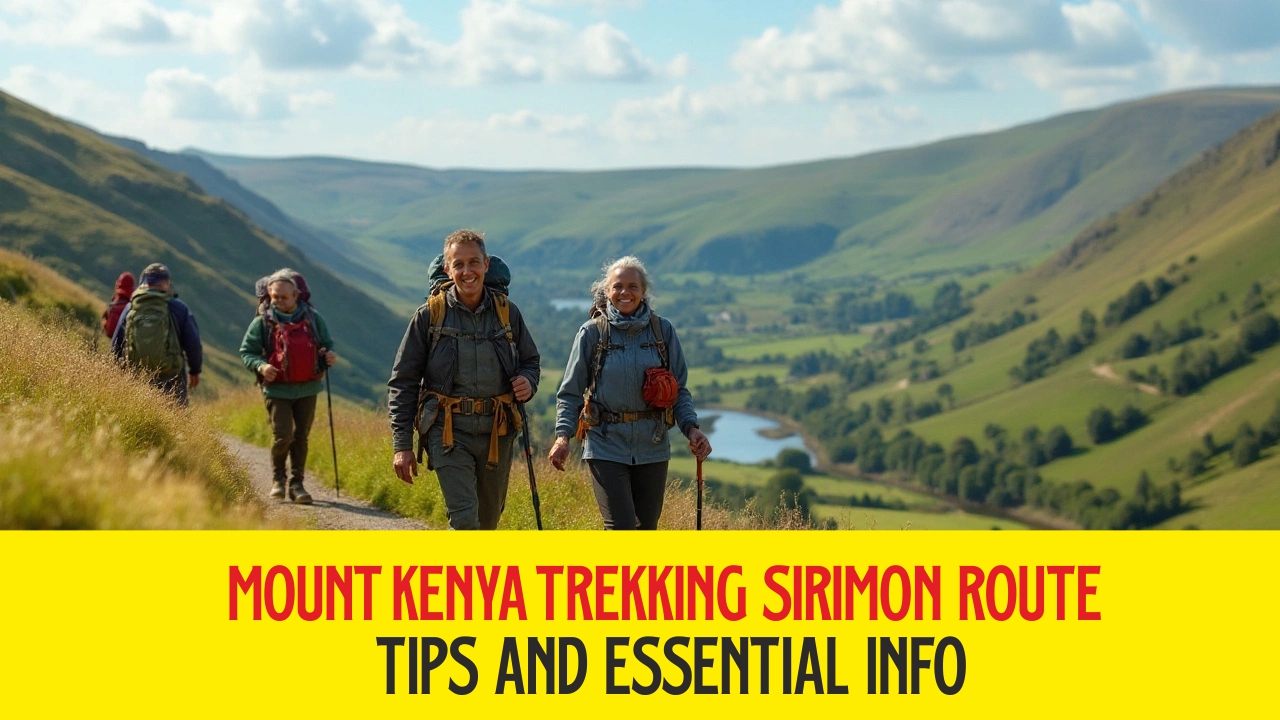
Embarking on a Mount Kenya trekking Sirimon route adventure promises a breathtaking journey through rugged landscapes, lush forests, and alpine moorlands. This northern approach to Africa’s second-highest peak offers a unique blend of moderate difficulty, incredible scenery, and the chance to witness the diverse flora and fauna of Mount Kenya National Park. For enthusiasts and professionals alike, Sirimon presents a well-balanced alternative to the steeper Chogoria or technical Batian climbs, making it ideal for trekkers seeking a rewarding high-altitude experience.
Starting Point and Access
The Sirimon route begins at the Sirimon Gate, located near Nanyuki. Access from Nairobi is convenient, with well-maintained roads leading through scenic countryside to Nanyuki town. From there, trekkers often arrange transport to the park gate. Unlike other routes that require long approaches or technical climbs, the Sirimon path allows for a gradual ascent, giving climbers an opportunity to acclimatize naturally while enjoying the changing ecosystems.
Essential Permits and Park Regulations
Mount Kenya National Park requires trekkers to obtain permits before entry. These permits contribute to conservation efforts and ensure safety measures are in place for all climbers. Ice Rock Trekking can assist with securing these permits, which include park entry fees and camping charges. It’s important to adhere strictly to park regulations, including restrictions on fires, waste disposal, and off-trail hiking, to preserve the delicate alpine environment and maintain safety standards.
Optimal Trekking Seasons
The most favorable periods for the Sirimon route are January to March and July to October. These months coincide with dry seasons, reducing the risk of slippery trails, landslides, or heavy cloud cover that can obscure visibility at higher altitudes. While Mount Kenya can be climbed year-round, trekkers should always prepare for sudden weather changes, as temperatures can drop sharply at night, and storms may develop rapidly, especially above 3,500 meters.
Acclimatization and Health Tips
Altitude sickness is a common concern on Mount Kenya. The Sirimon route’s gradual ascent allows climbers to acclimatize more comfortably compared to the steeper southern approaches. Recommended practices include pacing yourself, hydrating regularly, and avoiding alcohol during the trek. Symptoms such as headaches, nausea, or fatigue should be taken seriously; descending a few hundred meters or resting at higher camps often resolves mild issues. Ice Rock Trekking emphasizes careful acclimatization to maximize both safety and enjoyment of the climb.
Route Highlights and Scenery
Starting from Sirimon Gate, the trail winds through a dense montane forest filled with camphor, cedar, and cedarwood trees. Wildlife sightings are common in this section, including bushbucks, elephants, and various bird species. As the path ascends, the forest gradually transitions into bamboo zones and then moorlands, featuring giant lobelias and senecios. The landscape shifts dramatically, offering panoramic views of the surrounding valleys and peaks, including Nelion and Batian.
One of the most rewarding aspects of the Sirimon route is the Liki North and Old Moses Camp areas. These high camps are strategically located for acclimatization and provide stunning sunrise and sunset vistas over the mountain’s ridges. The approach to Shipton’s Camp, the final overnight stop before the summit attempt, offers sweeping views of glaciers, rocky outcrops, and the unique high-altitude ecosystem of Mount Kenya.
Camping and Accommodation
Camping is the primary accommodation on the Sirimon route. Campsites such as Old Moses and Shipton’s are equipped with basic facilities, including pit latrines and designated cooking areas. Trekkers should bring high-quality sleeping bags rated for sub-zero temperatures and durable tents suitable for alpine conditions. Proper layering of clothing, waterproof gear, and insulated sleeping mats is essential for comfort and safety at night. Ice Rock Trekking provides tailored advice on camping equipment and can arrange logistical support, including porters and cook services, for a smoother trekking experience.
Essential Gear Checklist
For a successful Mount Kenya trekking Sirimon route experience, preparation is key. Essential items include:
- Sturdy, broken-in hiking boots with ankle support
- Warm, moisture-wicking layers and waterproof outerwear
- Trekking poles for stability on uneven terrain
- Headlamp and spare batteries
- Sunglasses and sunscreen to protect against intense UV exposure
- First aid kit with altitude sickness medication
- Hydration system with at least 2–3 liters capacity
- Lightweight stove and cooking utensils (if self-catering)
- Backpack with rain cover and sufficient capacity for gear
Packing smartly reduces fatigue, prevents discomfort, and ensures trekkers can fully enjoy the spectacular scenery along the Sirimon route.
Summit Strategy
The ultimate objective on the Sirimon route is Point Lenana, the third-highest peak of Mount Kenya at 4,985 meters. Summit attempts typically start before midnight to reach the peak at sunrise, providing panoramic views of the surrounding landscapes bathed in golden light. Pacing is critical during the final ascent, as the altitude and thin air can be physically demanding. Adequate hydration, energy snacks, and maintaining a steady rhythm make the difference between a successful summit and exhaustion.
Upon reaching Point Lenana, trekkers are rewarded with unmatched views of the glaciers, valleys, and neighboring peaks. While Nelion and Batian are technically challenging and require rock-climbing expertise, Lenana offers a non-technical summit suitable for experienced trekkers and professionals seeking high-altitude achievement.
Wildlife and Conservation Awareness
The Sirimon route passes through regions rich in biodiversity. Mount Kenya is home to elephants, buffalo, duikers, monkeys, and a variety of bird species such as the Mount Kenya hornbill. Trekkers are encouraged to maintain a respectful distance from wildlife, avoid feeding animals, and stick to designated trails to minimize environmental impact. Conservation is vital to preserving the unique ecosystems of the mountain, and all trekkers play a role in protecting this natural treasure.
Local Culture and Community Interaction
The communities around Mount Kenya, including the Kikuyu and Maasai, offer fascinating cultural experiences. Engaging with local guides, porters, and artisans enriches the trekking journey, providing insight into traditional practices, folklore, and the mountain’s spiritual significance. Ice Rock Trekking emphasizes responsible tourism, ensuring that local communities benefit from trekking activities while trekkers enjoy authentic cultural encounters.
Safety Precautions and Emergency Preparedness
Safety is a priority on the Sirimon route. Trekkers should be prepared for sudden weather changes, icy conditions at higher altitudes, and minor injuries. Carrying a satellite phone or GPS device, along with basic first aid knowledge, enhances security. Ice Rock Trekking ensures that all trekking parties have access to experienced guides, emergency evacuation plans, and trained support staff to handle any unexpected situations.
Final Thoughts
The Mount Kenya trekking Sirimon route offers a remarkable blend of adventure, scenic beauty, and high-altitude achievement. With proper planning, acclimatization, and respect for the environment, trekkers can enjoy an unforgettable journey through one of Africa’s most iconic mountains. Whether traversing lush forests, exploring moorlands, or standing atop Point Lenana at sunrise, the experience rewards both body and spirit.
For those seeking an organized, safe, and professionally guided adventure, Ice Rock Trekking provides tailored packages, expert support, and insider knowledge to make every step of the Sirimon route memorable. From logistical assistance to cultural interactions and summit strategy, every detail is managed to enhance your Mount Kenya trekking experience.