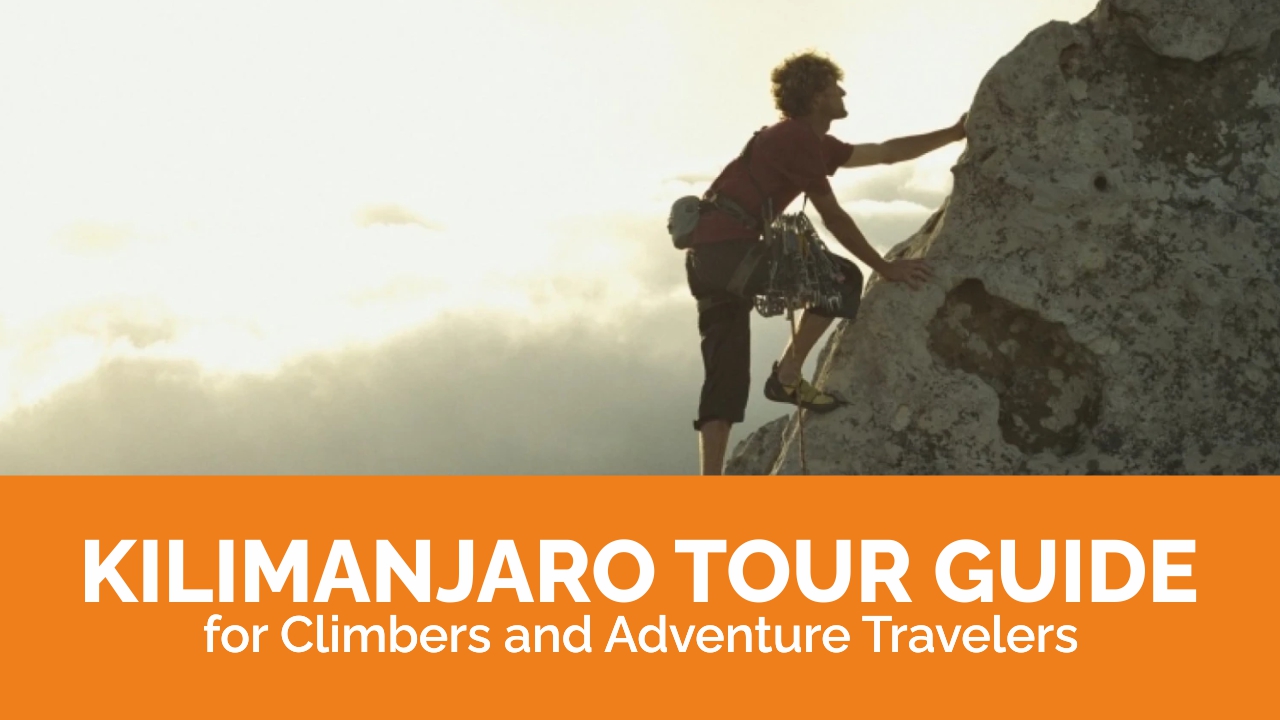
Climbing Mount Kilimanjarostands among the most rewarding high-altitude adventures on the African continent. Rising above the savannah plains of Tanzania, the mountain attracts thousands of trekkers every year who want to experience Africa’s highest peak. For first-time climbers and adventure travelers, selecting the best Kilimanjaro tour becomes one of the most important decisions before stepping onto the trail. The right tour team does far more than show the path to the summit. Skilled leaders, experienced porters, and strong logistics shape a safe and memorable expedition. At Ice Rock Trekking, every climb is carefully organized to help travelers enjoy the mountain while respecting its environment and culture.
Why Mount Kilimanjaro Attracts First Time Climbers
Unlike many high peaks that demand advanced mountaineering skills, Mount Kilimanjaro offers trekking routes that do not require ropes or technical climbing experience. This accessibility makes it appealing for hikers attempting their first major summit.
Several factors make the mountain ideal for beginners:
Gradual trekking routes
Many routes allow trekkers to walk steadily through different ecological zones, helping the body adjust to altitude.
Diverse landscapes
The journey passes through rainforest, moorland, alpine desert, and glacial summit terrain. Each day reveals a completely different environment.
Professional support teams
Climbers travel with trained guides, cooks, and porters who handle equipment and camp preparation.
Achievable summit goal
With proper acclimatization and pacing, many first-time climbers reach the summit at Uhuru Peak, the highest point in Africa.
However, success on the mountain still depends heavily on the quality of the tour operator leading the expedition.
What Defines the Best Kilimanjaro Tour Experience
Selecting a trekking operator involves more than comparing prices or itineraries. Reliable companies focus on safety, preparation, and responsible tourism.
-
Experienced Mountain Guides
Professional guides understand the terrain, altitude challenges, and weather patterns of Mount Kilimanjaro. They monitor climbers’ health daily and adjust pacing to prevent altitude illness.
Key qualities of expert guides include:
- International mountain training certifications
- Wilderness first aid knowledge
- Strong communication skills
- Deep familiarity with Kilimanjaro routes
At Ice Rock Trekking, guides bring years of experience leading successful summit expeditions.
-
Ethical Porter Support
Porters carry equipment, food, and tents during the trek. Ethical tour operators follow responsible labor practices by providing:
- Fair wages
- Proper clothing and boots
- Adequate meals
- Weight limits for loads
Responsible trekking ensures the mountain economy benefits local communities.
-
Well Planned Acclimatization
Altitude presents the greatest challenge when climbing Mount Kilimanjaro. Good itineraries include gradual elevation gain and rest periods to help the body adapt.
Routes with longer acclimatization often provide higher summit success rates.
-
Quality Camping Equipment
Reliable tents, sleeping pads, dining shelters, and cooking gear improve comfort and safety at high elevation. High-quality equipment protects climbers from extreme weather near the summit zone.
-
Nutritious Mountain Meals
Climbing requires significant energy. Professional trekking teams provide balanced meals that include:
- Fresh vegetables
- Protein rich dishes
- Carbohydrate energy foods
- Hot drinks and soups
Proper nutrition helps climbers maintain strength throughout the expedition.
Popular Kilimanjaro Routes for First Time Climbers
Several trekking paths lead to the summit of Mount Kilimanjaro. Each route offers different scenery, duration, and difficulty.
Marangu Route
Often called the “Coca-Cola Route,” the Marangu Route is one of the oldest paths on the mountain.
Key features
- Hut accommodations instead of tents
- Shorter trekking duration
- Gradual ascent profile
This route attracts climbers seeking simpler logistics, though acclimatization time can be limited.
Machame Route
The Machame Route ranks among the most popular routes because of its scenic landscapes and strong acclimatization schedule.
Highlights include:
- Diverse terrain
- Longer trekking duration
- High summit success rate
Many adventure travelers prefer this route due to its balance between challenge and scenic beauty.
Lemosho Route
The Lemosho Route starts on the western side of the mountain and offers quiet wilderness during the early days of trekking.
Benefits include:
- Excellent acclimatization profile
- Stunning panoramic views
- Lower crowd density
For climbers wanting a more immersive mountain experience, this route provides exceptional scenery.
Rongai Route
The Rongai Route approaches the mountain from the northern side near the Kenyan border.
Advantages include:
- Drier conditions during rainy seasons
- Gentle slopes
- Unique northern landscapes
Physical Preparation for First Time Climbers
Although technical climbing skills are not required, reaching Uhuru Peak demands endurance and mental determination.
Cardiovascular Training
Trekkers should prepare with regular activities such as:
- Hiking
- Running
- Cycling
- Stair climbing
These exercises improve stamina for long walking days.
Strength Training
Leg and core strength help climbers manage steep sections and uneven trails.
Recommended exercises:
- Squats
- Lunges
- Step-ups
- Planks
Hiking Practice
Weekend hikes carrying a backpack simulate real trekking conditions. This training improves balance and builds confidence before the expedition.
Essential Gear for Kilimanjaro Climbing
Weather conditions change dramatically on Mount Kilimanjaro, so proper gear becomes essential.
Clothing Layers
Layering helps regulate body temperature throughout the trek.
Important items include:
- Moisture-wicking base layers
- Insulating fleece jackets
- Down jackets for summit night
- Waterproof outer shells
Footwear
High-quality hiking boots with ankle support protect against rough terrain and cold temperatures.
Trekking Accessories
Useful equipment includes:
- Trekking poles
- Headlamps
- Sunglasses
- Thermal gloves and hats
Reliable gear contributes greatly to summit success.
Altitude Awareness and Safety
Altitude sickness can affect climbers above 3,000 meters. Symptoms include headaches, fatigue, and nausea.
Experienced teams monitor climbers closely and encourage:
- Slow walking pace
- Frequent hydration
- Proper acclimatization
Professional guides know when to continue or descend if health concerns arise.
Safety remains the top priority during every climb organized by Ice Rock Trekking.
Cultural Encounters During the Kilimanjaro Expedition
Climbing Mount Kilimanjaro also offers a glimpse into local culture. Many guides and porters belong to the Chagga people, a community with deep historical ties to the mountain.
Visitors often experience:
- Traditional songs from mountain crews
- Stories about local legends
- Insights into daily life around Kilimanjaro villages
These interactions enrich the journey and create meaningful connections.
Best Time to Climb Mount Kilimanjaro
Weather conditions play an important role in climbing success.
The most favorable trekking seasons typically include:
January to March
Cooler temperatures and fewer crowds.
June to October
Clear skies and stable conditions, making it a popular trekking period.
Rainy seasons can still offer climbing opportunities, though trails may become muddy and visibility reduced.
Environmental Responsibility on the Mountain
Preserving the fragile ecosystem of Mount Kilimanjaro remains essential for future generations of climbers.
Responsible trekking companies promote:
- Waste removal from camps
- Minimal environmental impact
- Respect for wildlife and vegetation
Sustainable tourism protects the beauty of Africa’s highest mountain.
Why Choose Ice Rock Trekking for Your Kilimanjaro Adventure
Climbing a high mountain requires trust in the team supporting the expedition. Ice Rock Trekking focuses on delivering safe and memorable trekking experiences for international travelers.
Key strengths include:
Experienced leadership
Professional Mountain guides with deep knowledge of Kilimanjaro terrain.
Strong safety protocols
Health monitoring, oxygen support, and emergency preparedness.
Ethical trekking practices
Fair treatment and support for porters and local staff.
Customized itineraries
Flexible routes designed for acclimatization and comfort.
With careful planning and dedicated teams, climbers gain the confidence needed to pursue the summit.
The Summit Experience
Reaching Uhuru Peak delivers an unforgettable moment. The final ascent often begins before midnight, allowing climbers to reach the summit at sunrise.
Standing above the clouds, trekkers witness vast views stretching across the plains of Tanzania and neighboring regions. Glaciers shimmer under the morning light, creating a powerful sense of achievement after days of effort.
For many adventurers, this moment represents more than reaching a geographic point. It symbolizes determination, teamwork, and the spirit of exploration.
Final Thoughts
The dream of climbing Mount Kilimanjaro continues to inspire hikers from around the globe. With proper preparation, reliable equipment, and the support of skilled professionals, first-time climbers can safely pursue the summit.
Choosing the right expedition partner remains the foundation of a successful journey. With experienced guides, ethical trekking practices, and carefully planned itineraries, Ice Rock Trekking provides the support and expertise required for an extraordinary Kilimanjaro adventure.
For adventure travelers seeking a meaningful challenge, the path to Uhuru Peak offers an unforgettable journey across one of Africa’s most iconic landscapes. The mountain rewards patience, determination, and respect for nature—qualities shared by every climber who sets out toward the roof of Africa.