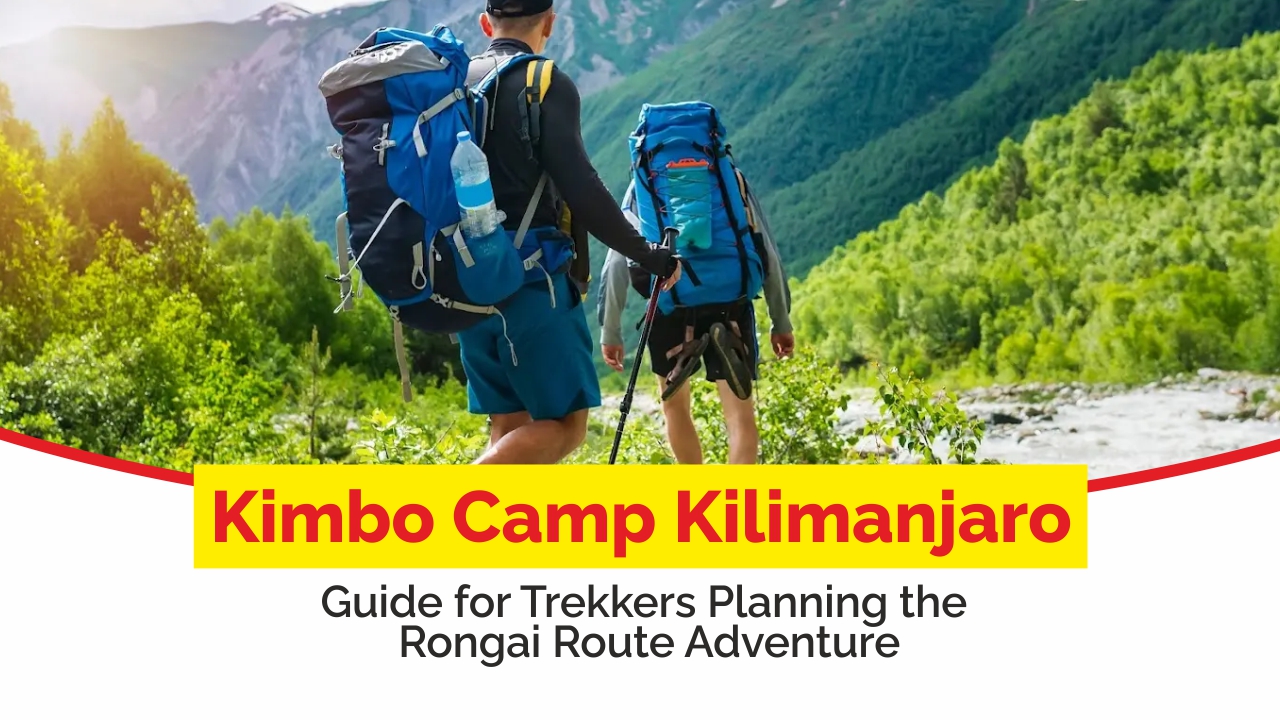
Trekking to kimbo camp kilimanjaro marks an exciting milestone for climbers choosing the northern approach to Africa’s highest peak. Located along the quieter Rongai trail, this campsite offers trekkers their first true taste of Kilimanjaro’s alpine environment. Surrounded by open moorland, distant snow-capped views, and a peaceful atmosphere, Kimbo Camp serves as the ideal place to rest, acclimatize, and prepare for the higher elevations ahead. For climbers travelling with Ice Rock Trekking, this camp represents not just a stopover but the beginning of a deeper connection with the mountain.
Overview of Kimbo Camp and Its Location
Kimbo Camp sits at approximately 2,650 meters above sea level on the northern slopes of Mount Kilimanjaro within Kilimanjaro National Park in Tanzania. It is the first overnight camp for trekkers following the Rongai Route, which begins near the Kenyan border.
Unlike other Kilimanjaro approaches, Rongai offers a remote and less crowded trekking experience. Kimbo Camp reflects this tranquility, featuring wide open spaces, fewer climbers, and uninterrupted views of wilderness stretching across the northern plains.
Trekkers often arrive at Kimbo Camp after a moderate 3–4 hour hike from Rongai Gate, making it an ideal introduction to high-altitude trekking without excessive physical strain.
Why Kimbo Camp Matters in the Rongai Route Itinerary
Kimbo Camp plays a critical role in helping climbers adjust gradually to altitude. Proper acclimatization significantly improves summit success rates, and this camp provides the perfect elevation gain for the first night.
Key reasons Kimbo Camp is important include:
- Gradual altitude increase reduces the risk of altitude sickness
- Opportunity to test trekking pace and gear performance
- First experience sleeping on the mountain
- Mental preparation for upcoming steeper climbs
Ice Rock Trekking emphasizes steady pacing and proper hydration during this phase, ensuring climbers build confidence early in the expedition.
Landscape and Environment at Kimbo Camp
The environment at Kimbo Camp transitions from dense rain forest to open moorland. This ecological shift introduces trekkers to Kilimanjaro’s unique high-altitude ecosystems.
Common features include:
- Giant heathers and alpine shrubs
- Rocky terrain with grassy patches
- Clear skies and dramatic mountain views
- Cool temperatures, especially at night
Wildlife sightings may include antelope, monkeys, and colorful mountain birds.
The peaceful setting allows climbers to enjoy nature without the busier traffic found on southern routes.
Trekking Experience from Rongai Gate to Kimbo Camp
The journey to Kimbo Camp begins at Rongai Gate, located at around 1,950 meters. The trail starts through farmland and pine forests before gradually opening into moorland.
Highlights along the way include:
- Gentle gradient suitable for beginners
- Scenic views of Kilimanjaro’s northern slopes
- Quiet trails with fewer trekkers
- Increasing visibility of the mountain’s summit
Ice Rock Trekking experienced guides maintain a slow and steady pace, ensuring climbers conserve energy and acclimatize properly.
Most climbers reach Kimbo Camp by early afternoon, allowing time to rest, explore, and enjoy the surroundings.
Camp Setup and Facilities
Kimbo Camp offers basic but well-organized camping conditions designed for mountain expeditions.
Facilities typically include:
- Designated tent areas
- Dining tents for meals
- Portable toilets provided by trekking companies
- Fresh mountain water sources nearby
Ice Rock Trekking ensures climbers receive comfortable sleeping tents, nutritious meals, and professional support throughout their stay.
While facilities are simple, the camp provides everything necessary for a safe and comfortable overnight experience.
Weather Conditions at Kimbo Camp
Weather at Kimbo Camp varies depending on the season but generally remains cool and dry.
Typical conditions include:
Daytime temperatures: 10°C to 20°C
Night temperatures: 0°C to 5°C
Trekkers often experience:
- Warm sunny afternoons
- Cold nights
- Clear star-filled skies
Proper clothing is essential, including:
- Thermal layers
- Insulated jackets
- Gloves and hats
Ice Rock Trekking advises climbers to prepare for temperature fluctuations to stay comfortable.
Acclimatization and Health Tips
Kimbo Camp is the first opportunity for climbers to monitor their body’s response to altitude.
Important tips include:
Drink plenty of water
Eat nutritious meals
Avoid rushing
Get adequate rest
Ice Rock Trekking guides perform regular health checks and monitor oxygen levels to ensure climbers remain safe.
Early acclimatization significantly increases the chances of reaching the summit successfully.
Daily Life at Kimbo Camp
Life at Kimbo Camp follows a relaxed and structured routine.
Typical schedule includes:
Arrival and welcome tea
Tent allocation and rest
Evening health briefing
Hot dinner prepared by mountain chefs
Early sleep for recovery
The peaceful atmosphere allows climbers to relax and mentally prepare for the next stage.
Trekkers often enjoy watching sunset colors transform the mountain landscape into unforgettable scenery.
Next Destination After Kimbo Camp
The next camp after Kimbo is Second Cave Camp, located at approximately 3,450 meters.
This stage involves:
Steeper terrain
Higher altitude
Longer trekking hours
Kimbo Camp serves as a stepping stone, helping climbers prepare physically and mentally.
Ice Rock Trekking ensures proper pacing and support to help climbers transition smoothly to higher elevations.
Advantages of the Rongai Route and Kimbo Camp
Many climbers prefer Rongai because of its unique benefits.
Advantages include:
Less crowded trails
Gradual ascent profile
High summit success rates
Excellent acclimatization opportunities
Remote wilderness experience
Kimbo Camp reflects these advantages, offering a calm and scenic introduction to Kilimanjaro trekking.
Professional Support from Ice Rock Trekking
Choosing the right trekking partner makes a major difference in overall experience and success.
Ice Rock Trekking provides:
Experienced certified guides
High-quality camping equipment
Professional Mountain chefs
Safety monitoring and health checks
Personalized attention for climbers
Their team ensures trekkers remain safe, comfortable, and confident throughout the expedition.
Kimbo Camp becomes even more enjoyable with professional support and proper organization.
Essential Packing Tips for Kimbo Camp
Trekkers should pack carefully to handle mountain conditions.
Recommended items include:
Warm sleeping bag
Thermal clothing
Headlamp
Water bottles
Personal medications
Comfortable trekking boots
Ice Rock Trekking provides detailed packing recommendations before departure.
Proper preparation ensures climbers stay comfortable during their stay at Kimbo Camp.
Best Time to Visit Kimbo Camp
The best seasons for Kilimanjaro trekking include:
January to March
June to October
These months offer:
Clear skies
Stable weather
Better visibility
Ice Rock Trekking schedules climbs during optimal seasons to enhance climber safety and enjoyment.
Final Thoughts on Kimbo Camp Kilimanjaro
Kimbo Camp represents more than just a campsite. It marks the true beginning of the Kilimanjaro climbing experience. From peaceful landscapes to essential acclimatization benefits, this camp prepares climbers for the challenges ahead.
Trekkers gain confidence, build strength, and form bonds with fellow climbers while surrounded by stunning natural beauty.
With professional support from Ice Rock Trekking, climbers receive expert guidance, comfort, and safety from the first step to the summit.
For anyone planning the Rongai Route adventure, Kimbo Camp stands as an unforgettable and essential part of the Kilimanjaro journey.