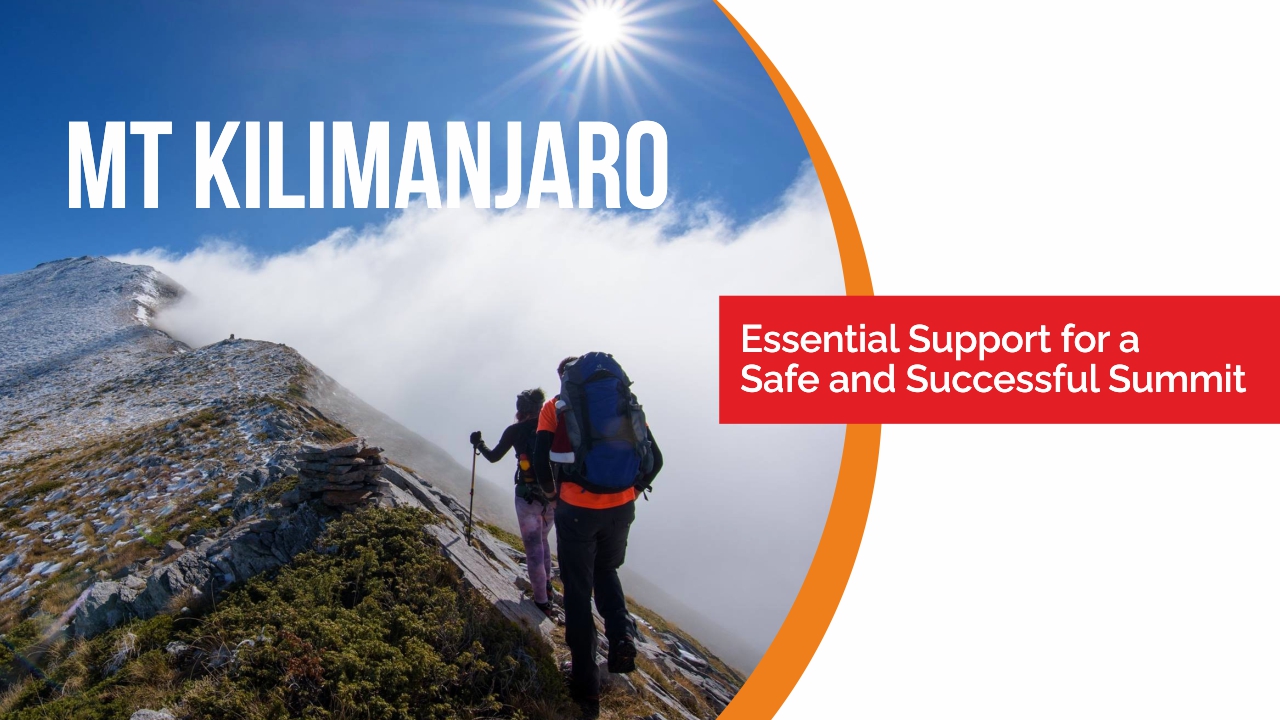
Mt Kilimanjaro guides, who provide the leadership, safety oversight, and logistical support that make a summit attempt both achievable and memorable. For many climbers, these professionals transform a demanding high-altitude expedition into a structured, supportive, and rewarding adventure.
For trekking companies such as Ice Rock Trekking, the role of experienced mountain professionals is central to every expedition. From the first briefing at the base of the mountain to the final celebration after the descent, trained climbing leaders coordinate every detail that ensures climbers remain safe, acclimatized, and confident throughout the trek.
The Importance of Professional Support on Mount Kilimanjaro
Rising to 5,895 meters, Mount Kilimanjaro stands as the highest peak in Africa and the tallest free-standing mountain on Earth. Climbers face rapidly changing weather, high altitude, and long trekking days across diverse terrain. Such conditions require careful planning and experienced supervision.
Professional mountain leaders provide several essential services:
- Safety monitoring at altitude
- Route navigation through changing terrain
- Health checks and acclimatization management
- Camp coordination and expedition logistics
- Motivation and leadership during challenging moments
Without experienced support, the risks associated with altitude sickness, fatigue, or navigation errors increase significantly. Skilled professionals ensure climbers progress steadily and respond quickly to any health concerns along the way.
Roles and Responsibilities of Kilimanjaro Climbing Leaders
A Kilimanjaro expedition involves a highly coordinated team. The mountain leaders often serve as the backbone of the entire operation.
-
Expedition Leadership
The lead climber or chief guide directs the entire expedition. This role includes planning daily schedules, assessing weather conditions, and ensuring the group moves at a pace that supports acclimatization.
They also coordinate with assistant guides, porters, and cooks to maintain smooth camp operations.
-
Altitude Safety and Health Monitoring
Altitude sickness is one of the biggest challenges climbers face on Kilimanjaro. Professional guides conduct regular health checks using tools such as pulse oximeters to measure oxygen saturation levels.
They watch closely for symptoms like:
- Persistent headaches
- Nausea or vomiting
- Dizziness
- Extreme fatigue
- Shortness of breath
If symptoms appear, guides may recommend rest, slower ascent, or descent to lower altitude to protect the climber’s health.
-
Route Navigation and Terrain Management
Although Kilimanjaro is considered a trekking peak rather than a technical climb, its routes still require experienced navigation. Weather conditions can change quickly, visibility may drop, and trails can become slippery or rocky.
Experienced leaders know every section of the mountain’s major routes, including:
- Marangu Route
- Machame Route
- Lemosho Route
- Rongai Route
- Northern Circuit
- Shira Route
Their familiarity with these paths ensures climbers stay on safe and efficient trails.
-
Motivation and Psychological Support
Reaching nearly 6,000 meters tests mental resilience as much as physical endurance. Summit night can be particularly demanding, often involving a steep ascent in cold, windy conditions.
Guides keep morale high through encouragement, pacing strategies, and constant communication. Their positive leadership can make the difference between turning back early and pushing forward toward the summit.
Training and Certification of Kilimanjaro Professionals
Professional mountaineering teams working on Kilimanjaro undergo extensive training to meet international safety standards.
Many hold certifications through organizations such as:
- Wilderness First Responder (WFR)
- High Altitude First Aid
- Leave No Trace environmental training
- Local mountain guide associations
These credentials ensure they can respond effectively to emergencies and maintain sustainable trekking practices.
Companies committed to responsible tourism also invest in ongoing training programs that keep their staff updated with the latest safety techniques and mountain management practices.
The Expedition Team Behind Every Climb
While guides lead the expedition, Kilimanjaro climbs rely on a larger support team that works together to create a seamless trekking experience.
Porters
Porters carry tents, cooking equipment, food supplies, and other essential gear up the mountain. Their work allows climbers to focus on trekking without heavy loads.
Mountain Cooks
Proper nutrition plays a major role in maintaining energy levels at altitude. Expedition cooks prepare balanced meals rich in carbohydrates, proteins, and vegetables to help climbers recover each day.
Assistant Guides
Assistant guides support the lead guide by monitoring climbers, managing pacing, and assisting with logistics.
Together, this team structure creates a safe and organized environment that maximizes summit success.
Acclimatization Strategies Used by Kilimanjaro Experts
Acclimatization is one of the most important aspects of high-altitude trekking. Experienced leaders follow structured strategies to help climbers adapt to reduced oxygen levels.
Slow and Steady Ascent
The well-known phrase “pole pole,” meaning “slowly slowly” in Swahili, reflects the pace strategy used on Kilimanjaro. A slower pace helps the body adjust gradually to altitude.
Climb High, Sleep Low
Some routes incorporate hikes to higher elevations during the day followed by descending to a lower camp for sleep. This technique improves acclimatization.
Hydration and Nutrition
Guides encourage climbers to drink three to four liters of water daily and maintain consistent food intake to support acclimatization.
Continuous Monitoring
Daily health checks help detect early signs of altitude sickness, allowing guides to take preventive action before conditions worsen.
Safety Equipment Carried by Professional Teams
Reputable expedition teams carry essential medical and safety equipment on every climb.
Common gear includes:
- Portable oxygen systems
- First aid kits
- Pulse oximeters
- Emergency stretchers
- Radios or satellite communication devices
These tools enable guides to respond quickly if a climber experiences altitude illness or injury.
Environmental Stewardship on Kilimanjaro
Protecting Kilimanjaro’s fragile ecosystem is a responsibility shared by trekking companies, guides, and climbers.
Professional teams follow strict environmental practices:
- Packing out all waste
- Using designated campsites
- Avoiding damage to vegetation
- Promoting responsible trekking behavior
Guides also educate climbers about the mountain’s ecosystems, which range from lush rainforest to alpine desert and arctic summit zones.
Such practices help preserve Kilimanjaro’s beauty for future generations of trekkers.
Choosing the Right Trekking Company
Selecting a responsible operator plays a major role in a successful Kilimanjaro climb. Experienced companies prioritize safety, fair treatment of staff, and professional leadership.
Key factors to evaluate include:
- Certified and experienced climbing leaders
- Fair wages and ethical porter treatment
- High-quality camping equipment
- Strong safety protocols
- Positive expedition reviews
Ice Rock Trekking places strong emphasis on these standards, ensuring climbers receive professional support from arrival to summit attempt.
Physical Preparation for Kilimanjaro Climbs
Even with experienced leadership, climbers benefit greatly from proper preparation before arriving in Tanzania.
Recommended training includes:
Cardiovascular Endurance
Long hikes, running, cycling, or swimming help build stamina required for multi-day trekking.
Strength Training
Leg and core exercises improve balance and endurance on steep terrain.
Practice Hikes
Weekend hikes with a backpack simulate mountain trekking conditions and improve overall fitness.
Altitude Preparation
Whenever possible, spending time at moderate altitude before the climb can help the body adapt more easily.
The Kilimanjaro Summit Experience
Summit night is the most demanding stage of the expedition. Climbers usually begin the ascent shortly before midnight, trekking slowly toward the crater rim under a sky filled with stars.
Guides carefully monitor pace, ensuring each climber maintains steady progress. Temperatures can drop far below freezing, and winds may increase as elevation rises.
After several hours of climbing, trekkers reach Stella Point or Gilman’s Point along the crater rim. From there, the final stretch leads to Uhuru Peak, the highest point on the mountain.
Standing at Uhuru Peak offers breathtaking views across glaciers and volcanic landscapes. For many climbers, the moment represents the fulfillment of years of dreaming and preparation.
Descent and Recovery
Although the summit is the highlight of the expedition, the journey continues with a descent through changing ecological zones.
Guides ensure climbers move safely down steep trails while monitoring fatigue levels. Once the team returns to lower altitude camps, energy often returns quickly as oxygen levels increase.
Celebrations usually follow at the park gate, where climbers receive summit certificates recognizing their achievement.
Cultural Connections Along the Mountain
Kilimanjaro expeditions also create meaningful cultural connections. Many guides and porters come from communities surrounding the mountain and carry deep knowledge of the region’s traditions.
Climbers often learn Swahili phrases, local songs, and stories about life near the mountain. These interactions enrich the trekking experience and foster mutual respect between visitors and local communities.
Responsible Tourism and Community Impact
Trekking tourism plays a vital role in the regional economy. Ethical companies ensure that mountain workers receive fair wages, proper equipment, and safe working conditions.
Responsible operators also support community development through:
- Education initiatives
- Healthcare programs
- Environmental conservation projects
Such efforts create sustainable benefits that extend far beyond the mountain itself.
Why Experienced Leadership Matters
Climbing Kilimanjaro involves more than walking uphill. It demands careful planning, altitude management, team coordination, and emergency preparedness.
Experienced leaders bring together all of these elements to create a structured and supportive expedition. Their knowledge of the mountain’s routes, weather patterns, and acclimatization techniques dramatically increases the chances of a successful summit.
For many climbers, the relationships formed with guides become one of the most memorable aspects of the journey.
Ice Rock Trekking and Professional Kilimanjaro Expeditions
Ice Rock Trekking focuses on delivering safe, well-organized Kilimanjaro expeditions supported by highly trained mountain professionals. Each climb is carefully planned with attention to safety, climber comfort, and environmental responsibility.
The company works with experienced teams who possess extensive knowledge of Kilimanjaro’s terrain and altitude challenges. Their commitment to climber safety and ethical tourism practices ensures that every expedition operates with professionalism and integrity.
From the rainforest trails at the base of the mountain to the icy slopes near the summit, the support of dedicated mountain leaders allows trekkers to experience Kilimanjaro with confidence.
Final Thoughts
Reaching the summit of Africa’s tallest peak represents one of the most inspiring achievements in adventure travel. The journey demands preparation, perseverance, and strong teamwork.
At the center of every successful climb stand the Mt Kilimanjaro guides who dedicate their skills and energy to leading climbers safely across the mountain’s diverse landscapes. Their experience, encouragement, and constant vigilance transform a demanding high-altitude trek into an unforgettable expedition.
For trekkers seeking a safe and rewarding Kilimanjaro experience, professional leadership remains the most important element in turning a dream summit into reality. With the right support team, climbers can focus on the joy of the journey, the beauty of the mountain, and the moment they stand proudly on the roof of Africa.